Describe what the latch does, not how old the needle looks
A latch can look intact while its guidance or contact relationship has changed. A useful inspection entry describes the observed condition, the reference used and the limits of the examination, so a technician can distinguish evidence from a guess about remaining life.
Groz-Beckert's latch-bearing leaflet distinguishes axial and radial guidance and explains that excessive lateral movement can bring the latch into unintended contact or misalign its meeting with the hook. The large-diameter knitting brochure also discusses latch fit and deposits in the knitting system. Neither publication supplies a universal field clearance or replacement age for all needle systems.
Treat this notebook as a condition-record framework. Removal, handling, permitted cleaning and any mechanical assessment belong to qualified personnel following the exact OEM and needle-supplier instructions under the site's energy controls. A catalogue photograph or a free-moving latch is insufficient evidence that an installed needle meets its required condition.
Entry 1 - establish the designation before comparing latch shapes
Record the complete needle designation, supplier lot where available and the machine position from which the part was obtained. Attach the approved parts schedule and relevant supplier reference. Identify whether the needle's latch and hook execution actually match the comparison part. Two needles with similar length or a common gauge description can have different functional details.
Label the examined piece and the reference separately. A reference taken from another operating position is not automatically an unworn standard; preserve its known history and limitations. Use a controlled new reference or the supplier's approved comparison method when available. Record which surfaces and movements were accessible and which were not assessed. This prevents an attractive enlarged photograph from being treated as a complete dimensional inspection.
Entry 2 - record deposits and contact evidence before changing them
Under the qualified examination procedure, record the as-received condition around the latch, pivot region and hook. Note visible deposits, corrosion, deformation or unusual contact marks without immediately assigning a cause. Preserve orientation and image references so another reviewer knows which side and part of the latch they are seeing. Include illumination and magnification information where it affects interpretation.
If the approved method requires cleaning before assessment, retain the initial observations and record that cleaning as an intervention. Material removed from the pivot region can change observed movement, but does not prove that all wear has disappeared. Keep contamination and permanent damage as separate findings. Do not improvise scraping, bending, polishing or lubricant application to make the latch resemble a new part; such changes can alter both function and the original evidence.
Entry 3 - distinguish movement, alignment and hook coverage
Have the qualified assessor describe latch movement and guidance using the needle supplier's applicable method. Keep axial and radial observations distinguishable, and note any lateral deflection or inconsistent movement seen during that assessment. Record how the latch meets the hook and whether the permitted comparison reveals an abnormal contact relationship. These observations answer different questions from whether the needle can be moved through its track.
Use measured values only when the method, instrument and supplier criterion are known. Without that basis, describe the finding and request technical disposition rather than inventing an acceptable gap. Groz-Beckert's leaflet explains why lateral deflection can matter; it does not allow a photograph to calculate field clearance. Record evidence confidence and unresolved views so absence of an observed problem is not misreported as proof of conformity.
Entry 4 - close the examination with a reasoned part decision
Record the qualified disposition: acceptable under the applicable criterion, unsuitable, or unresolved pending further assessment. Retain the examined part where required, with its location and evidence references. If an approved replacement is installed, record its designation and lot separately rather than letting the new item inherit the removed part's identity. Keep any related machine-system concern visible for its responsible service owner.
The next operating observation should test the concern that prompted the examination using the approved restart route and identified fabric. It complements the part assessment without replacing it. Trend latch findings by designation, location, yarn duty and service history when records support that comparison. A recurring condition may justify reviewing the inspection scope, but the history still does not create a fixed lifetime promise for every needle on the machine.
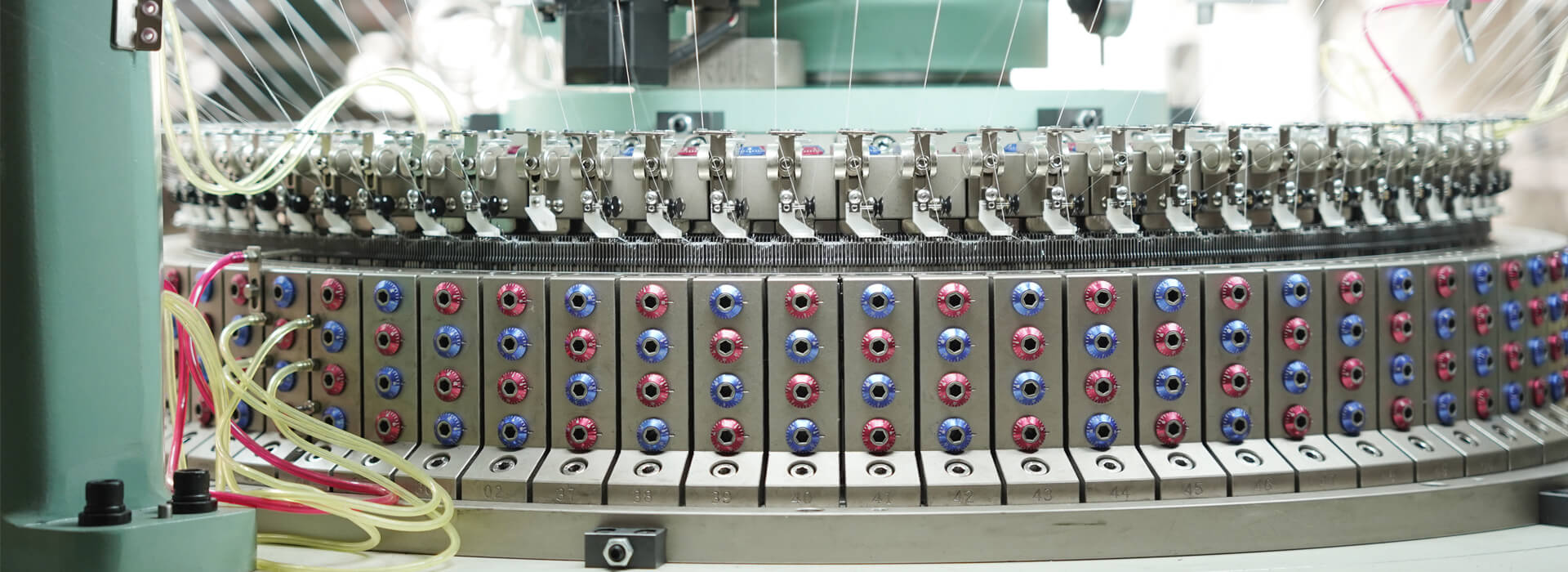
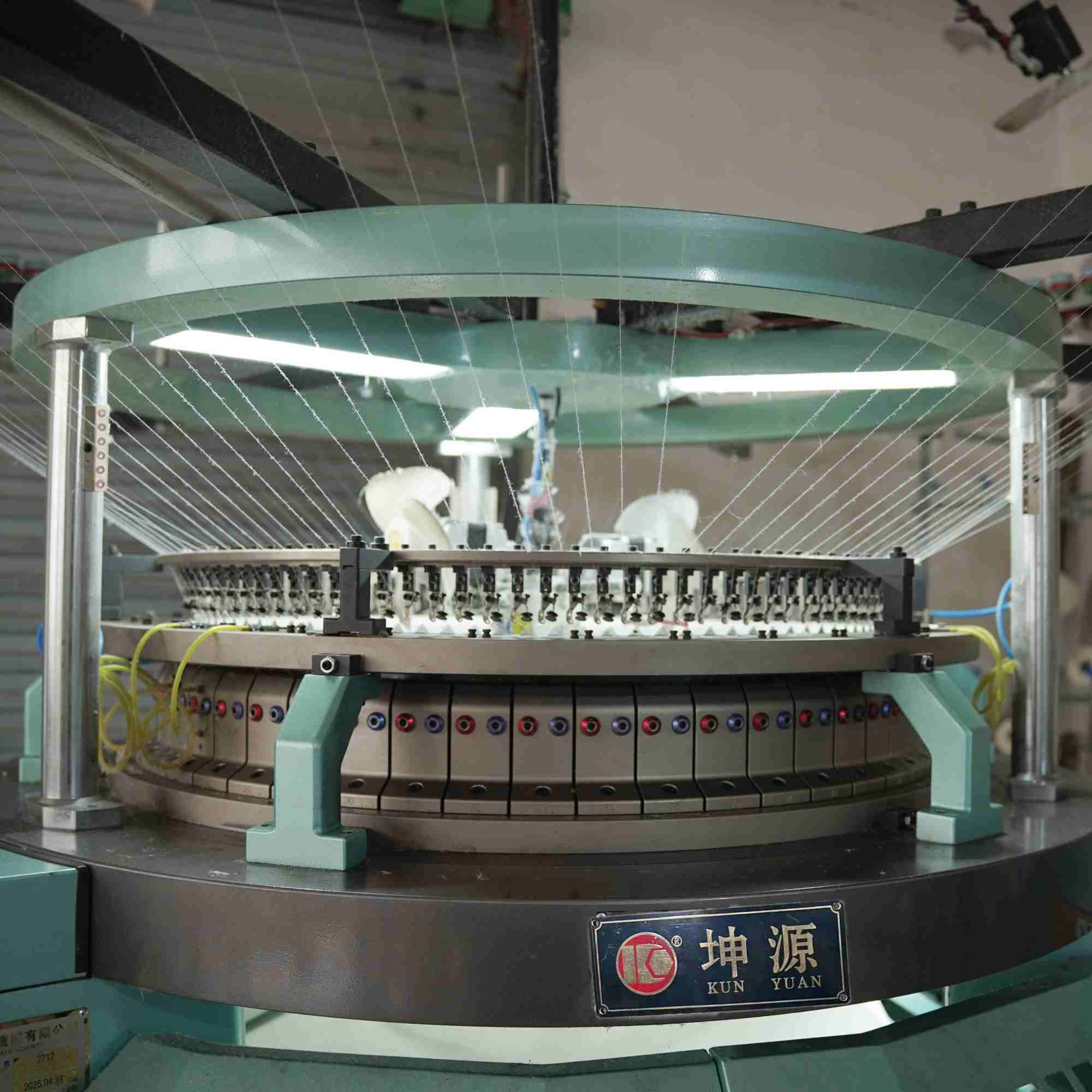
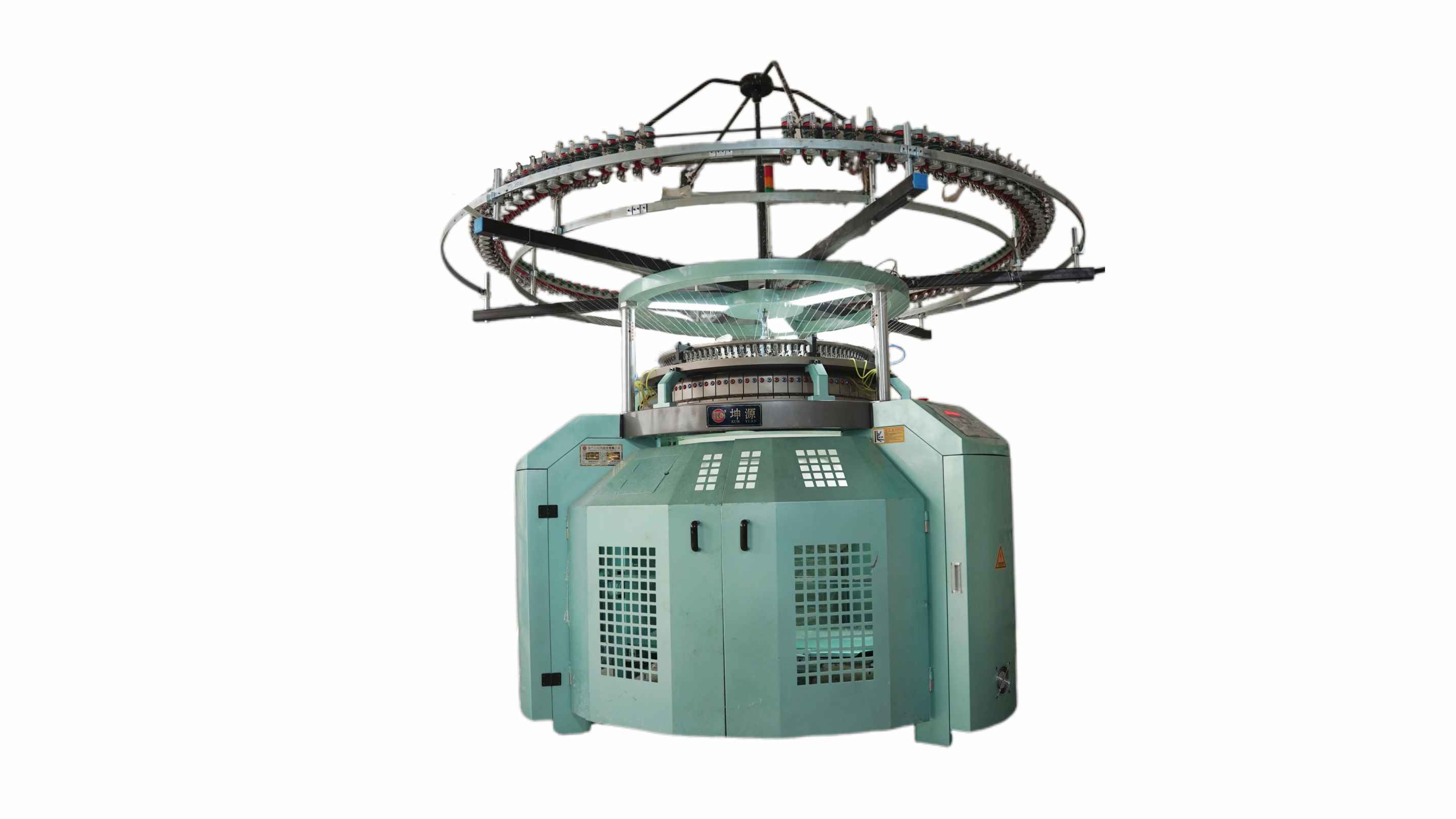
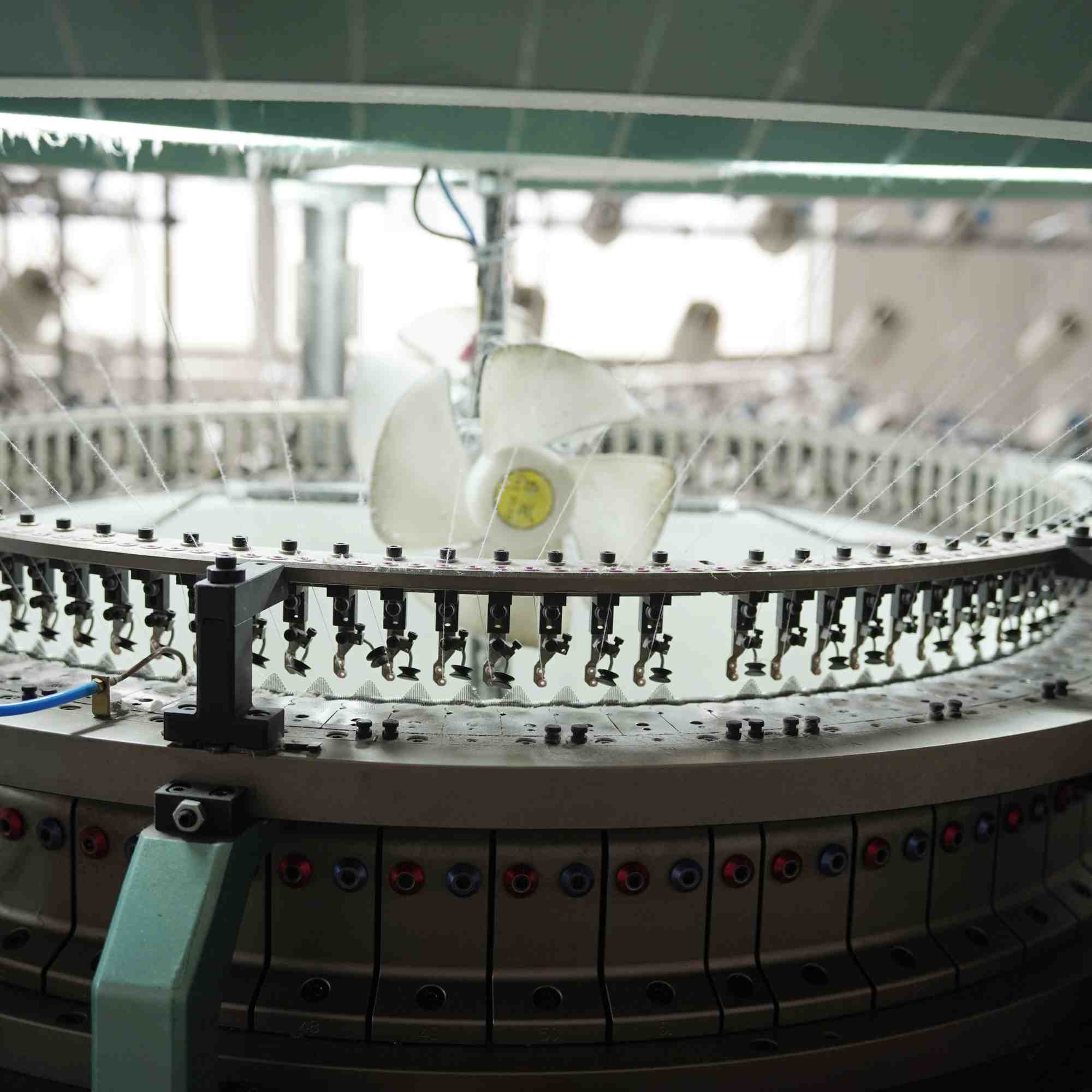
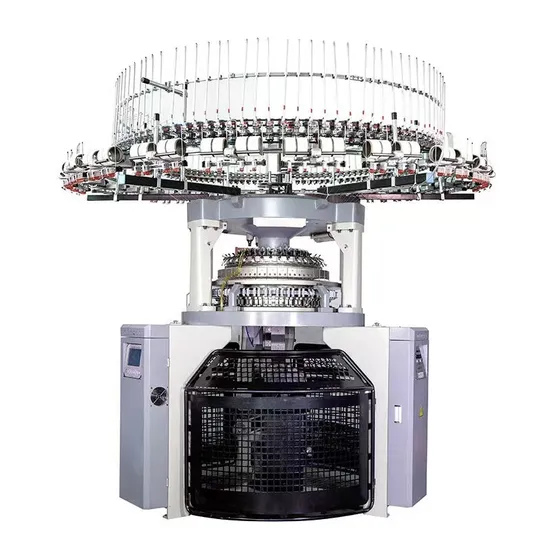
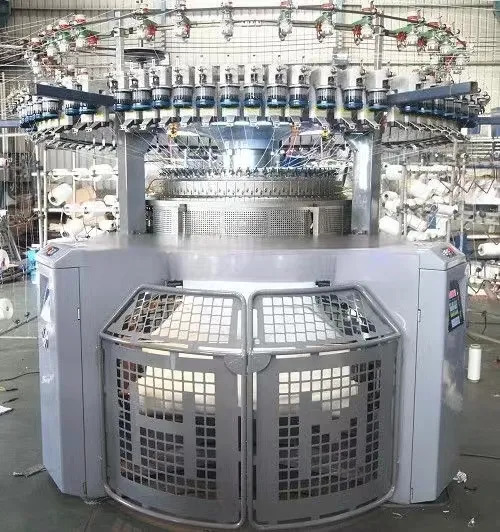
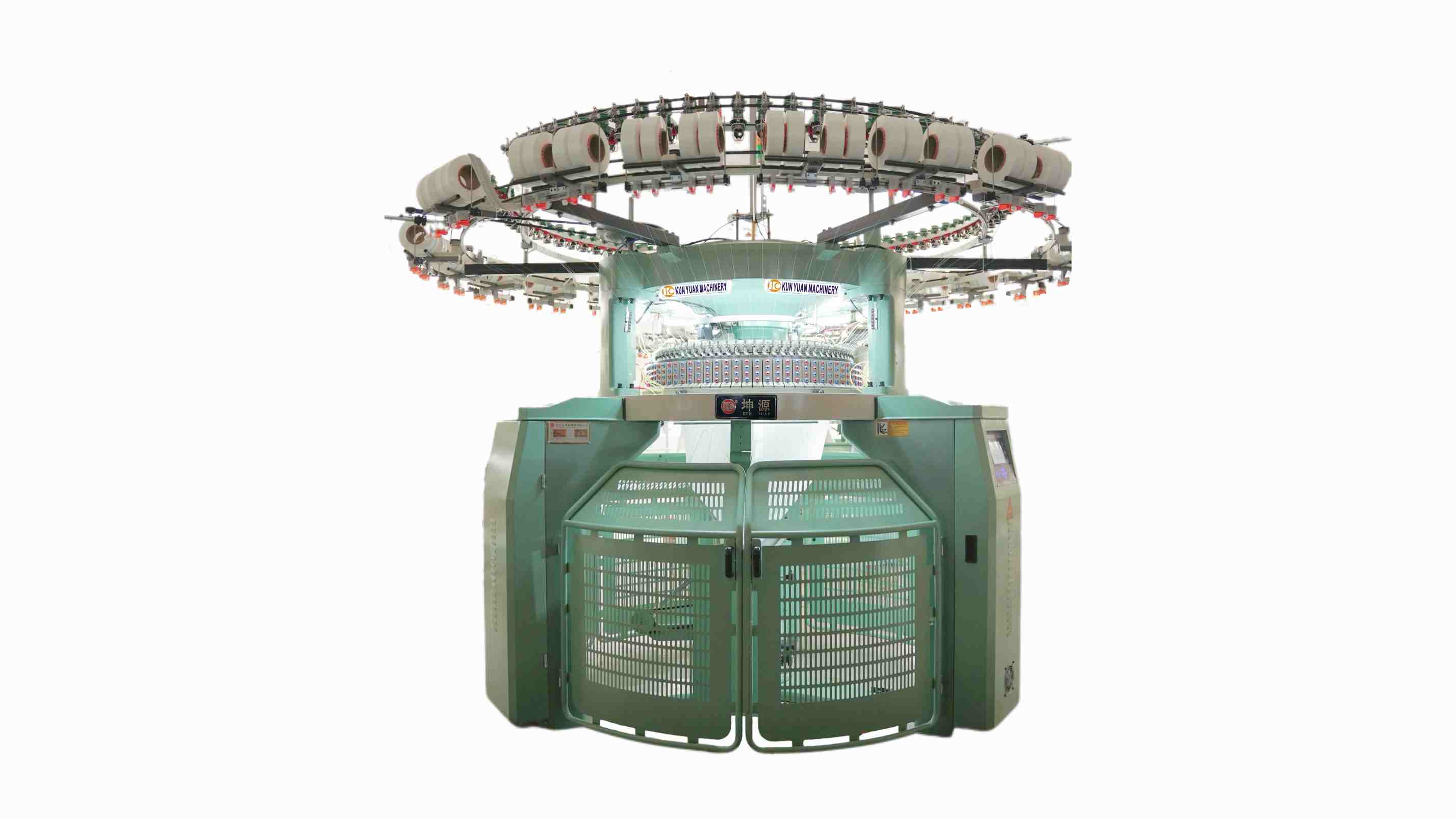
Single-jersey catalogue view; no needle latch examination is depicted.Open-width catalogue view; needle identity requires the installed parts schedule.Single-jersey catalogue reference; no measured latch clearance is shown.
Latch finding vocabulary and evidence limits
Finding
Record
Qualified question
Avoid concluding
Deposit near pivot
As-received and prepared views
Does approved preparation change movement?
All wear was removed
Lateral deflection
Direction and assessment method
Does guidance meet the supplier criterion?
A photo supplies clearance
Hook contact differs
Matching reference and orientation
Is the contact relationship acceptable?
All latch designs seat identically
No visible anomaly
Accessible views and limits
What additional assessment is required?
Remaining life is guaranteed
Latch inspection and condition decisions
Does easy latch movement prove the part is good?
It is one observation. Guidance, alignment, contact and the applicable supplier criteria still matter to the qualified assessment.
Can latch play be judged against an internet photograph?
A photograph may illustrate a condition, but it does not supply the exact part's assessment method or acceptable clearance.
Should deposits be removed before taking any record?
Preserve the as-received evidence first where the safe procedure permits. Record authorized preparation separately because it may change the observed condition.
Can the examination establish a universal replacement interval?
No. It records condition under a stated method. Service planning needs the applicable instructions and the machine's own history.
What should be done with an ambiguous finding?
Keep the part identified and the disposition unresolved for the qualified technical owner. Do not convert incomplete views into an acceptance statement.
Conclusion
A latch notebook is useful when another assessor can reconstruct the comparison and understand its limits. Correct identity, retained received condition and distinct movement/contact observations make the part decision defensible. The resulting history improves inspection choices without turning elapsed time or one photograph into a lifespan claim.
Request the approved needle schedule and qualified inspection documentation for the Circular Knitting Machine range so the condition record refers to the actual knitting system.





 Tel: +86-13859034518
 Email: info@kunyuanmachine.com
 MP/WhatsApp: +86-13859034518
 Manufacturer Address:Bacuo Village, Yonghe Town, Jinjiang City, Fujian Province