A pilling claim needs a method and a specimen state
Soft fleece at the sampling table is not evidence of surface appearance after a defined test or care route. Before requesting a pilling grade, agree which finished construction, which surface and which laboratory procedure the result must represent. Those identities make comparisons usable.
James Heal's public Martindale instrument page lists abrasion tests and pilling tests separately. The equipment family therefore cannot identify the evaluation on its own. AATCC LP1's public summary describes automatic washing and drying options that must be combined with an appropriate evaluation method. Neither an instrument page nor that summary supplies the full preparation, operation and assessment procedure.
The laboratory must apply the current agreed licensed procedures and the buyer's limits. This article supplies a specimen and decision framework, with no invented cycle count, grade requirement or universal wash recipe. Keep the finished fleece construction fixed while investigating the specified appearance outcome. Brushing development, snagging and abrasion or strength testing answer additional questions and require separate plans.
Define the surface the buyer will judge in the actual product
State the intended product and identify whether the commercial concern is the outer face, inner fleece surface or both. Describe the observed complaint or development target in plain appearance terms: discrete pills, general fuzzing or matting should not be collapsed into one word. Attach the buyer's reference and identify the finished fabric construction represented by it.
For the three-thread sample, retain the documented ground, binding and fleece yarn identities together with construction and finishing revision. This record helps distinguish different specimens without claiming that a machine category determines their pilling performance. If the buyer supplies only a general phrase such as durable fleece, obtain a named appearance requirement through the quality owner before scheduling the laboratory comparison. Keep unrelated strength and snag requirements on their own evidence lines.
Make the laboratory request explicit about method and assessment
Agree the method designation and edition, the laboratory's applicability assessment and the reporting endpoints with the buyer's quality representative. Specify the actual pilling procedure rather than merely asking for a Martindale result. A manufacturer's separate abrasion and pilling listings show why equipment terminology alone can leave the laboratory answering a different question.
Have the laboratory specify specimen quantity, preparation, conditioning, exposure and assessment requirements from the full procedure. The public summary does not establish those details. Ask the report to identify the actual test route and any deviation, with results for the surfaces requested. Keep the agreed acceptance criterion in the order documentation; neither this article nor the machine catalogue supplies a default passing grade or a guarantee of performance.
Build a care-state comparison without losing the parent sample
Allocate traceable specimens from the same documented finished material to the states required by the brief, such as as-received and after the specified care route. Let the laboratory's procedure determine sampling and preparation. Record roll and position, face/back orientation and which companion remains untested for reference. A specimen sent after unknown laundering cannot represent a controlled care comparison.
Where AATCC LP1 is selected for preparation, the laboratory must name the applicable washing and drying options and repeat count agreed for the product. Record its actual machine, detergent and drying information as required by the full procedure and report. Do not prescribe a temperature or number of washes from the public summary. Separate before-care appearance from the subsequent pilling evaluation so changes caused during care are not silently presented as changes caused only by the test apparatus.
Read the appearance report without translating it into other performance claims
Compare the requested surfaces and care states within the same agreed method. Preserve the individual observations and the laboratory's assessment instead of reducing all surfaces to a favourable overall label. If a result differs, examine specimen identity, preparation and method execution before assigning the cause to the knitting configuration. A change of finishing revision or yarn pair means the tested construction has changed.
Decide whether to accept the named construction, request a controlled repeat or develop another candidate under a separate plan. Retain the original report, specimens where practicable and the buyer's decision. A pilling result describes the assessed surface appearance under its stated conditions. It does not establish snag resistance, abrasion life, bursting strength or a guaranteed number of consumer wears. Carry that boundary into specifications and customer-facing claims.
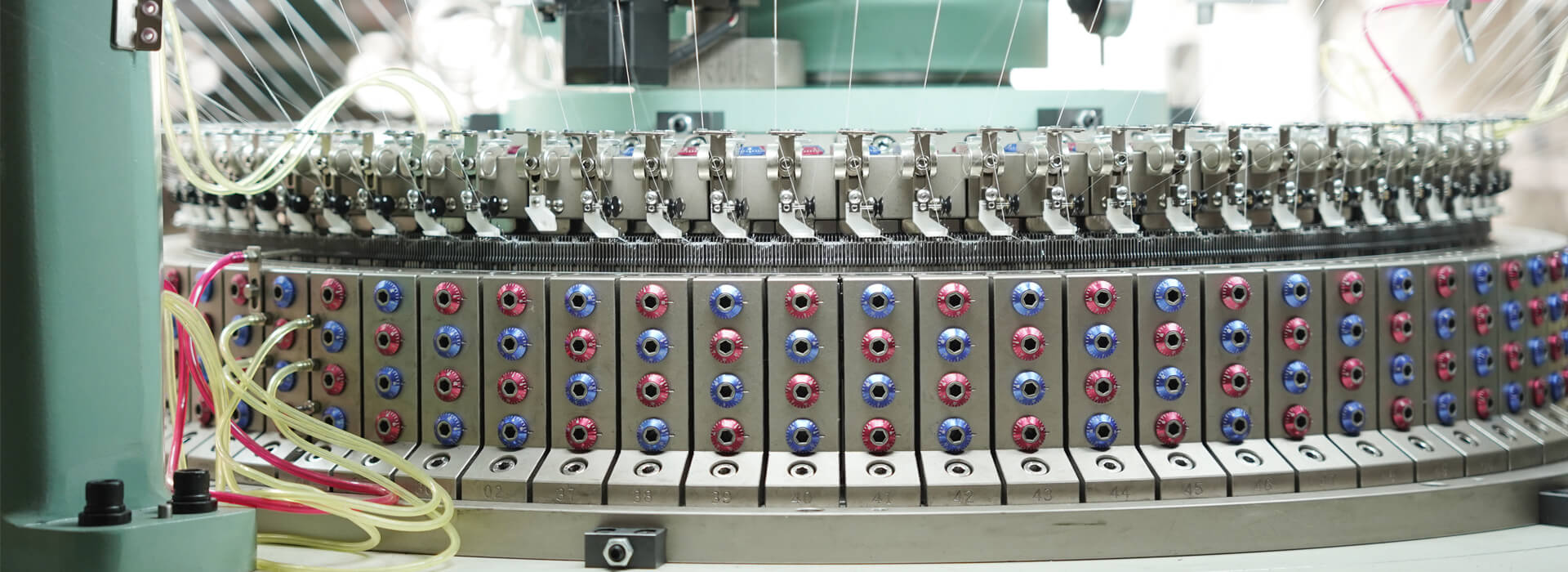
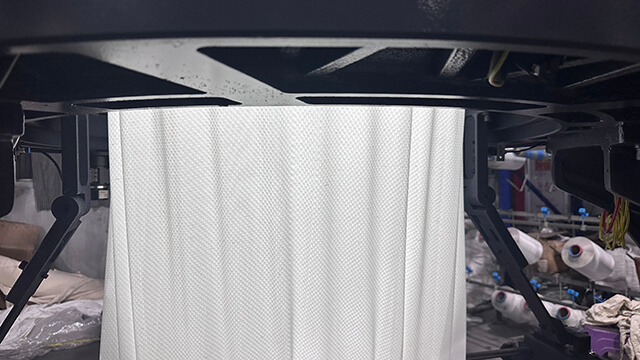
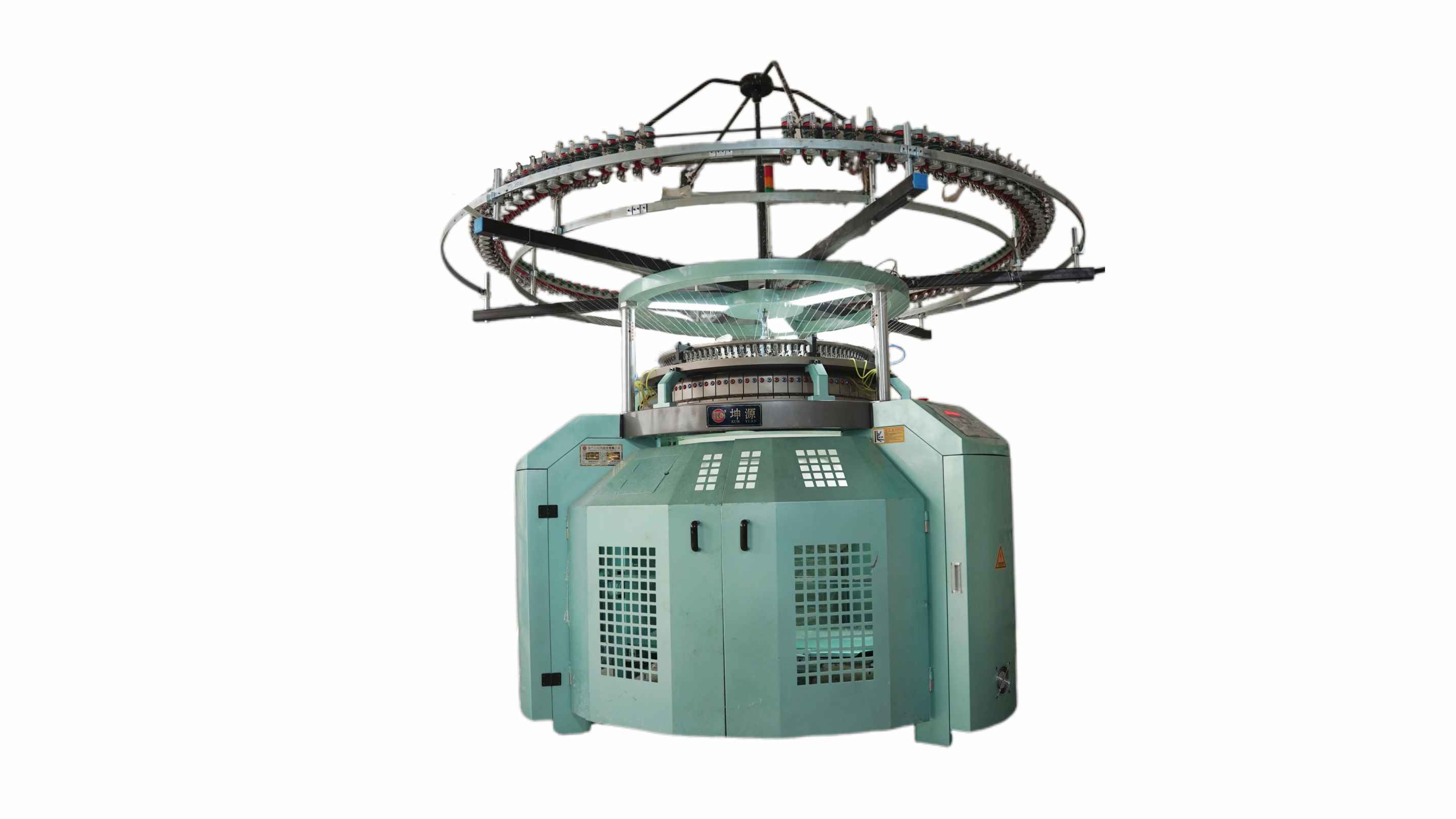
Three-thread fleece catalogue view; no laboratory pilling specimen is shown.Three-thread fleece catalogue reference; no surface grade or care result is implied.Three-thread fleece catalogue image; performance requires identified finished-fabric tests.
Fleece pilling evidence by surface and state
Requested comparison
Specimen identity
Method evidence
Claim limit
Outer face, as received
Roll position and finish revision
Named pilling procedure and assessment
That face and supplied state
Fleece back, as received
Orientation and yarn-role record
Separate surface result
No implied outer-face result
Specified surface after care
Parent band and washing/drying route
Preparation plus pilling report
That care route only
Other durability requirement
Separately identified specimens
Separate snag, abrasion or strength method
Not inferred from pilling
Questions when commissioning a fleece pilling trial
Is any Martindale report a pilling report?
No. Name the exact procedure and required endpoints. Equipment family alone does not identify the property assessed.
Should the fleece back and outer face share one result?
Keep their identities and results separate when both are required. A favourable observation on one surface does not establish the other surface's behaviour.
Can an instrument page or public summary supply test settings?
They help identify the apparatus or method scope. The laboratory must use the full agreed procedure for preparation, operation and assessment.
Does post-care testing require a fixed universal wash count?
Use the product's agreed care plan and the selected preparation procedure. Record the actual washing and drying route instead of inventing a universal count.
Does a good pilling result prove abrasion durability?
No. Pilling appearance and abrasion, snagging or strength are distinct requirements with separate evidence.
Conclusion
A defensible fleece pilling statement names the finished material, surface, laboratory procedure and care state. Retaining those coordinates makes an unfavourable result actionable and a favourable result usable within its limits. The machine supplies a knitting route; the identified specimen and agreed method supply the appearance evidence.
Discuss the documented construction and specimen traceability available from the Three Thread Fleece Circular Knitting Machine range while keeping laboratory appearance requirements in the buyer's separate test brief.









 Tel: +86-13859034518
 Email: info@kunyuanmachine.com
 MP/WhatsApp: +86-13859034518
 Manufacturer Address:Bacuo Village, Yonghe Town, Jinjiang City, Fujian Province