
Language
Hot Keyword:
Author:KUNYUAN Machine Manufacturer TIME:2026-11-05
First establish whether the finished headband construction needs a join. If it does, choose its location against the worn orientation. The loop, fold and layer arrangement remain central to the sampling decision, whether the proposed route is tubular or end-joined.
Sketch the finished headband from the inside and outside. Mark the contact surface, any required join, twist or overlap, and the direction in which the knit stretches when worn. The two candidate routes below are trial proposals that require confirmation by the actual equipment and garment suppliers. Neither is a promised application of an unnamed small-diameter machine.
Santoni's named seamless machine page shows why knitting architecture must be tied to a model; it does not list this headband construction. Coats' guidance links seam feel and stretch to the sewn fabric and warns that example thread selections are representative. Use those boundaries when designing the make-up trial, rather than turning catalogue material into a finished-product guarantee.
For a proposed circumferential tube route, draw how a separated band of fabric becomes the final headband. Identify whether the edges are folded, joined or left in an authorised finished construction. Mark the opening used for turning or closure if a double layer is planned. Confirm with the machine supplier that the required fabric geometry and separation route are within the exact build's scope.
Keep usable width, layer orientation and processing allowance on the make-up drawing. A sample cylinder description cannot establish the finished circumference because the selected fabric and processing route must still be evaluated. Locate any closing seam relative to the worn front, side and back. This route is worth trialling only when the finished loop can be assembled as drawn and inspected from both faces; a neat tube photograph is not sufficient evidence of that outcome.
For a strip or cut-component route, show where its two ends meet and whether the design includes a twist, overlap or decorative join. Mark the fabric direction around the head. Describe any cutting, turning, edge finishing and end closure as separate operations. Ask the knitting supplier which component it can actually supply, then let the garment technician validate the downstream assembly route.
Position the end join deliberately rather than allowing the production operator to hide it wherever convenient. Trial the chosen position with the real thickness and seam allowance. Compare the joined loop with the intended appearance from both sides. Where artwork crosses the join, record the registration decision without assuming an invisible match. This route can offer different design choices from a circumferential tube, but it also introduces an end-joining duty that must be represented in the finished trial.
Prepare coded samples using the proposed fabric, sewing materials and assembly method. Preserve one construction record for each route and keep its unassembled component when useful. Ask the garment team to evaluate the join's appearance, extension and feel through an agreed method. Coats' discussion of direction-dependent seam feel supports examining the actual worn orientation; it does not establish a universal stitch or thread choice.
Record turning difficulty, local layer build-up, exposed ends and the point at which the join becomes visible. Include the make-up time observed for the sample, clearly identified as a trial observation rather than a guaranteed line rate. If a shortcut changes the layer sequence or closure position, create another revision. A route decision should compare assembled headbands made by the methods under consideration, not a finished example from one route against loose fabric from the other.
Evaluate the completed loops after the planned finishing or care route. Identify the front, inside face and join location before the agreed wearer review. Record whether the join is noticeable, whether the band shifts or rolls, and whether the fold behaves as intended. Treat these as positioned observations for the selected style. Do not claim medical compression, injury prevention or a measured pressure level from an ordinary wear review.
Resolve the observations together with the make-up drawing. A relocation of the join may improve the intended appearance but change the turning operation or design registration. Repeat the affected finished sample instead of declaring success from the revised sketch. Retain the chosen headband, route revision and any remaining limitation on materials or construction. The final decision is about this loop and its assembly path, with the supplier confirming equipment applicability before production commitments are made.
| Route question | Circumferential tube | End-joined component | Evidence to keep |
|---|---|---|---|
| Worn direction | Tube circumference becomes loop | Component length becomes loop | Inside/outside orientation drawing |
| Closure | Fold or layer opening identified | End seam or overlap identified | Actual make-up specimen |
| Design crossing | Confirm continuous repeat scope | Define registration at end join | Approved appearance reference |
| Decision | Evaluate finished tube-derived loop | Evaluate finished joined loop | Coded wearer and assembly notes |
No universal joining requirement follows from a tube. Confirm separation, edge finish, layering and any turning opening for the actual finished construction.
Choose it from the specific style and worn orientation, then test that position on the assembled sample. There is no universal placement in this guide.
Only a configuration-specific supplier confirmation and the actual proposed route can establish applicability. General seamless descriptions are insufficient.
The inside can expose closure bulk, exposed ends or layer changes that a front photograph misses.
Keep the completed headband, material identity, make-up drawing and trial observations so another sample maker can reproduce the decision.
The strongest headband trial begins with the worn loop and works back to the knitted component. An explicit layer sequence, any required join location and completed route samples reveal whether the construction fits the design. Retain the chosen construction with its equipment confirmation so the next trial follows the same product logic.
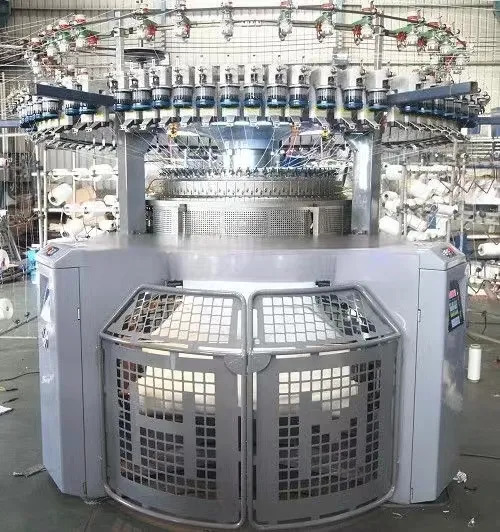
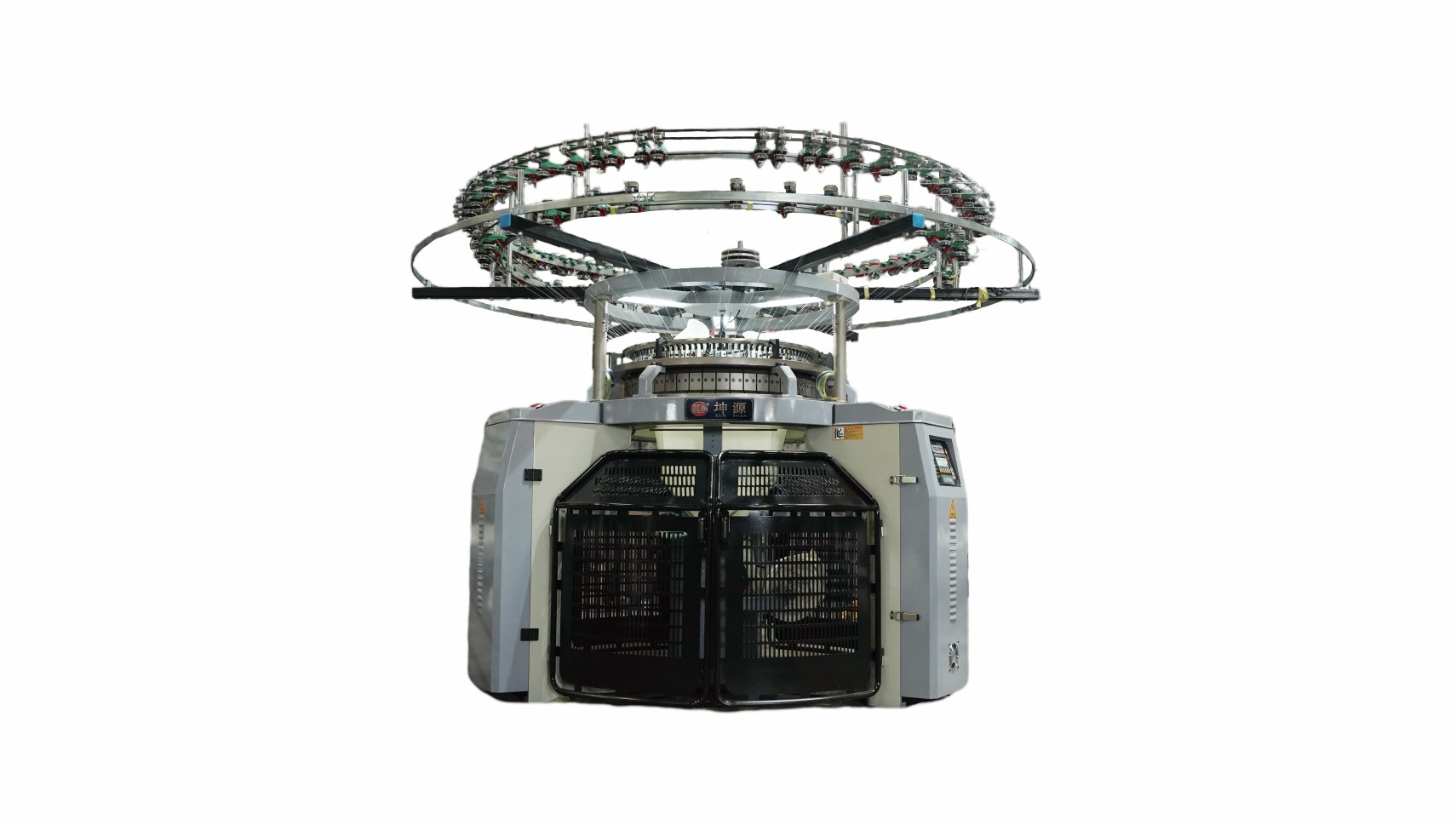
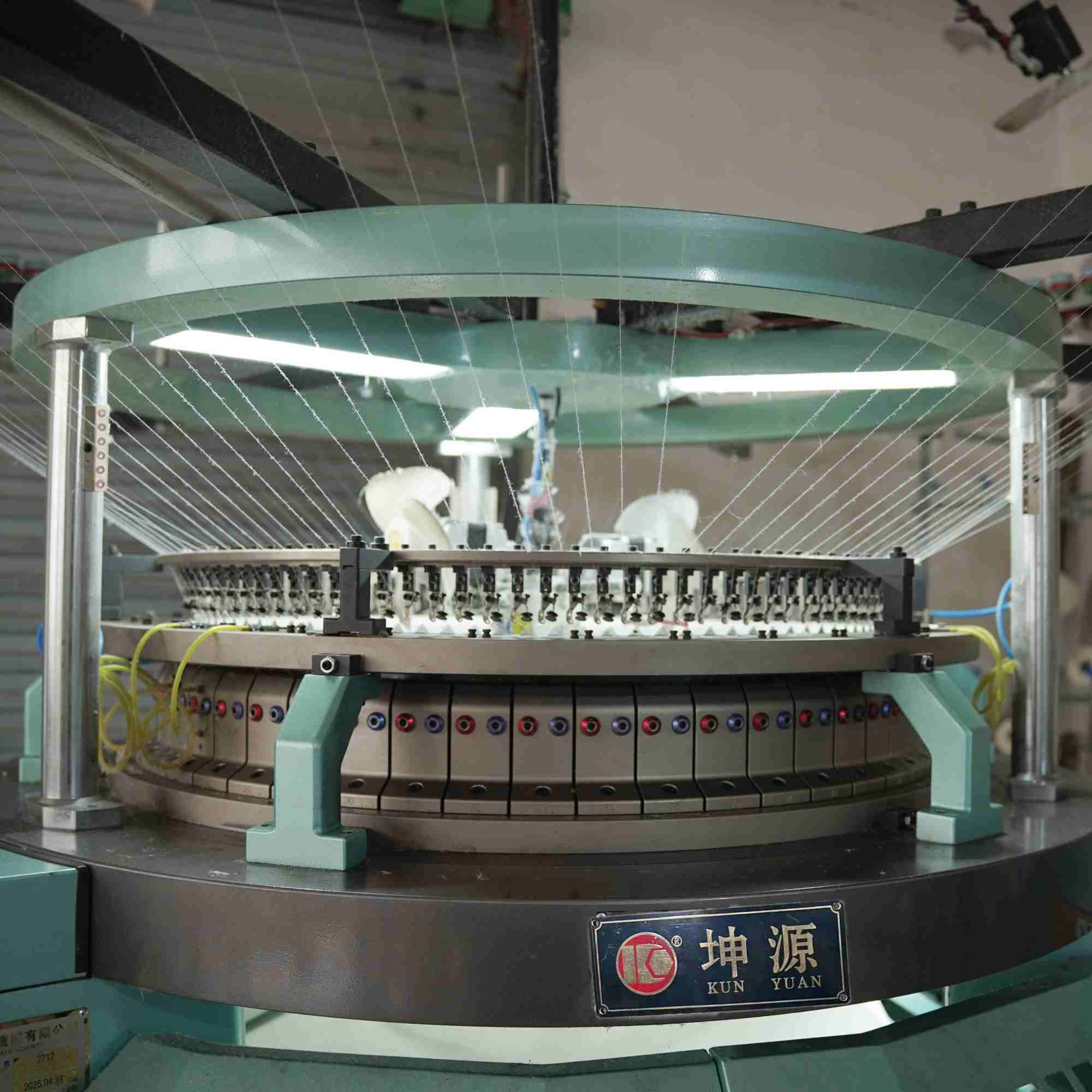
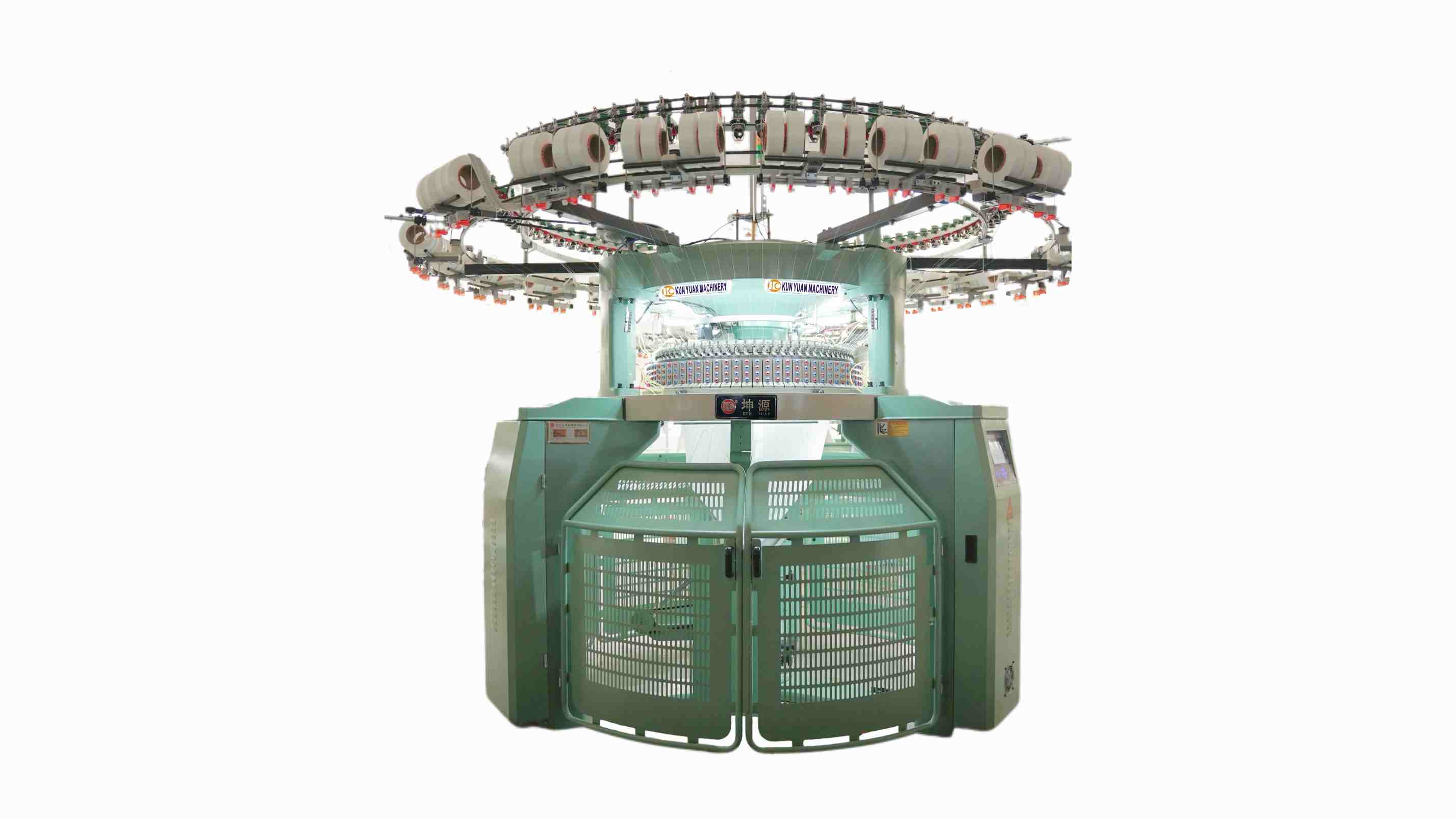
Present the headband route drawing when reviewing the Circular Knitting Machine catalogue range and request confirmation of the actual component geometry and remaining make-up operations.

 Tel: +86-13859034518
 Email: info@kunyuanmachine.com
 MP/WhatsApp: +86-13859034518
 Manufacturer Address:Bacuo Village, Yonghe Town, Jinjiang City, Fujian Province