A blend must pass the knitting route and the finished-fabric brief separately
A cotton-polyester replacement may run through the knitting machine successfully while changing what the dyehouse must do next. Conversely, an attractive finished swatch can conceal a knitting route that required undocumented interventions. Keep the two decisions visible before approving the yarn substitution.
This comparison starts with an approved yarn and one explicitly identified candidate blend. It is not a comparison of cotton preparation grades. Preserve the declared composition, count and unit, spinning description, supplier and lot for each candidate, then define which finished properties the customer requires to remain equivalent.
Cotton Incorporated's dyeing discussion distinguishes the dye systems applicable to cotton and polyester. Its wet-processing workshop separates preparation, dyeing, afterwashing and finishing. Groz-Beckert describes knitting-system parts and deposits associated with spun yarns. These sources support separate evaluation streams; none predicts the outcome of a particular blend on a Kunyuan build or provides universal substitution settings.
Decision stream one: can the candidate follow a documented knitting route?
Ask the qualified knitting team and equipment supplier to assess the proposed yarn against the installed build and fabric construction. Retain its material declaration and relevant yarn data instead of treating equal nominal count as complete equivalence. Identify which recipe references are initially retained and which require supplier-authorised revision. Do not presume that introducing polyester warrants a particular speed, tension or lubricant change.
During the trial, mark the candidate fabric and record the observed stops, package changes, yarn-path issues and interventions with their positions. Keep a comparable record for the approved yarn. If cleaning observations are relevant, document them without predicting that every blend will create more or less deposit. The knitting comparison ends with an identified fabric and a reproducible route, including any limitations. It does not yet establish acceptable finished shade, hand or dimensional behavior.
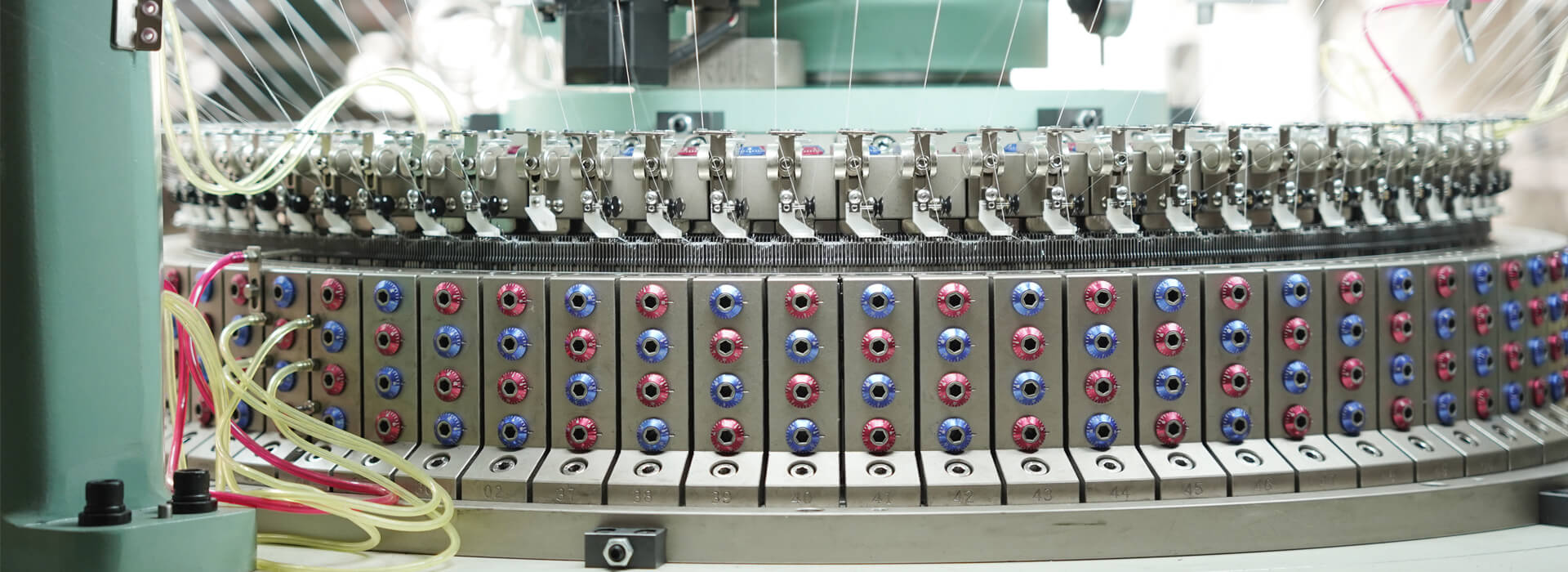
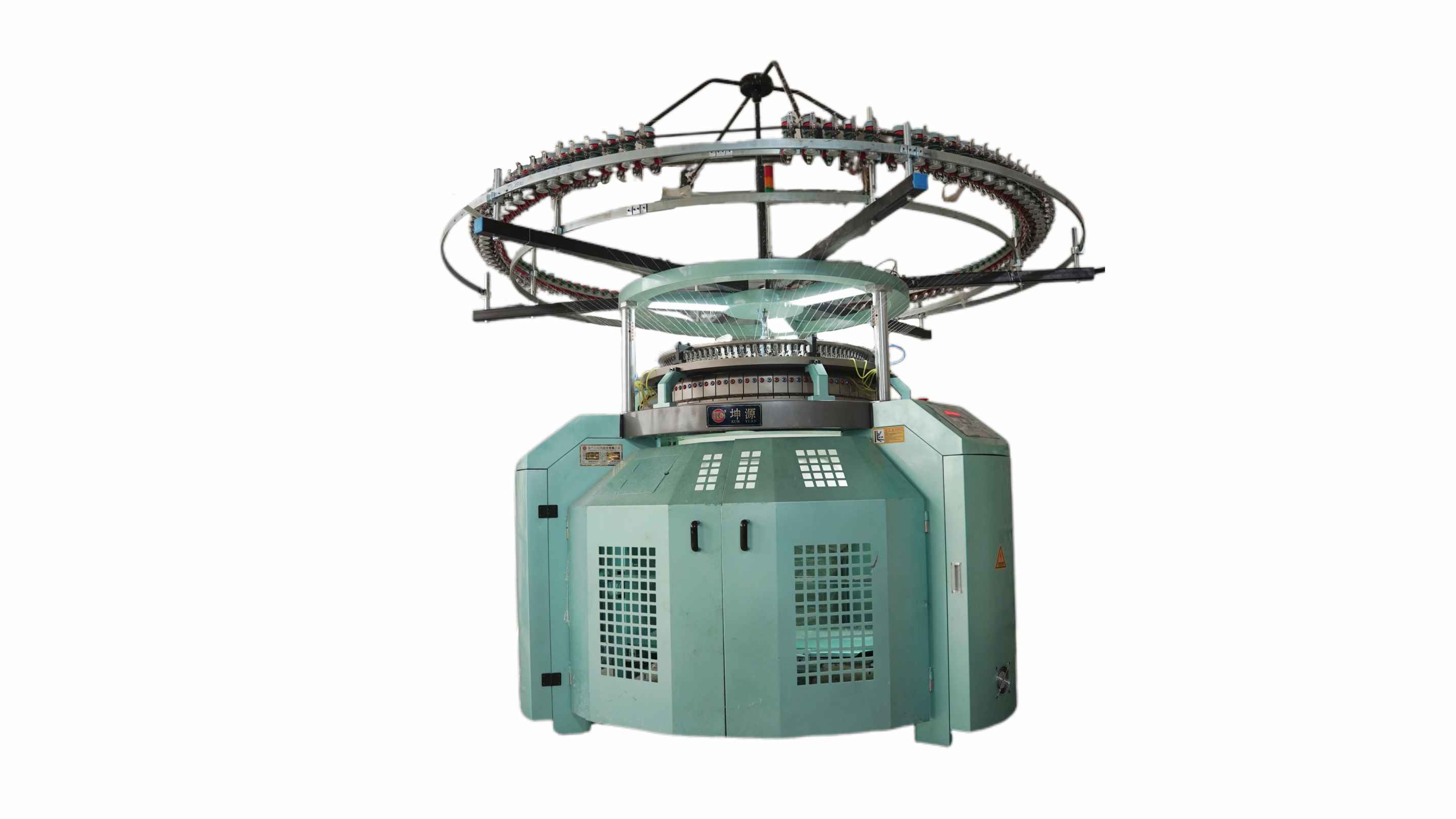
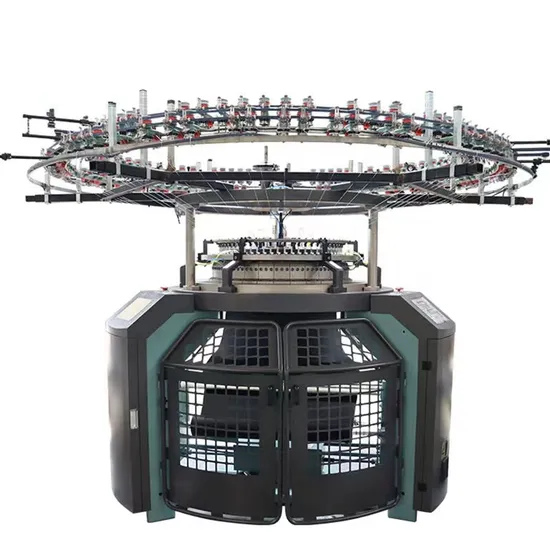
Machine catalogue context only; the image contains no cotton-polyester substitution result.
Decision stream two: can the processor meet the finished brief?
Give the dyehouse the actual composition and the marked trial fabric before it reviews the processing route. Ask it to identify changes needed to preparation, dyeing, washing, drying or finishing, with its responsible technician controlling the chemistry and equipment settings. Cotton and polyester do not automatically share a dye system; the buyer should therefore request a route assessment rather than copying a cotton-only processing sheet onto the candidate.
Compare finished appearance, shade and agreed physical properties using matched specimen identities and preparation conditions. Preserve the processor's actual route revision beside each result. A finishing change may achieve the required hand while altering another contracted property, so keep the full agreed brief in view. This stream establishes what the identified processed fabric meets. It cannot explain knitting stops that were never recorded, and a promising shade sample cannot certify an untested bulk processing route.
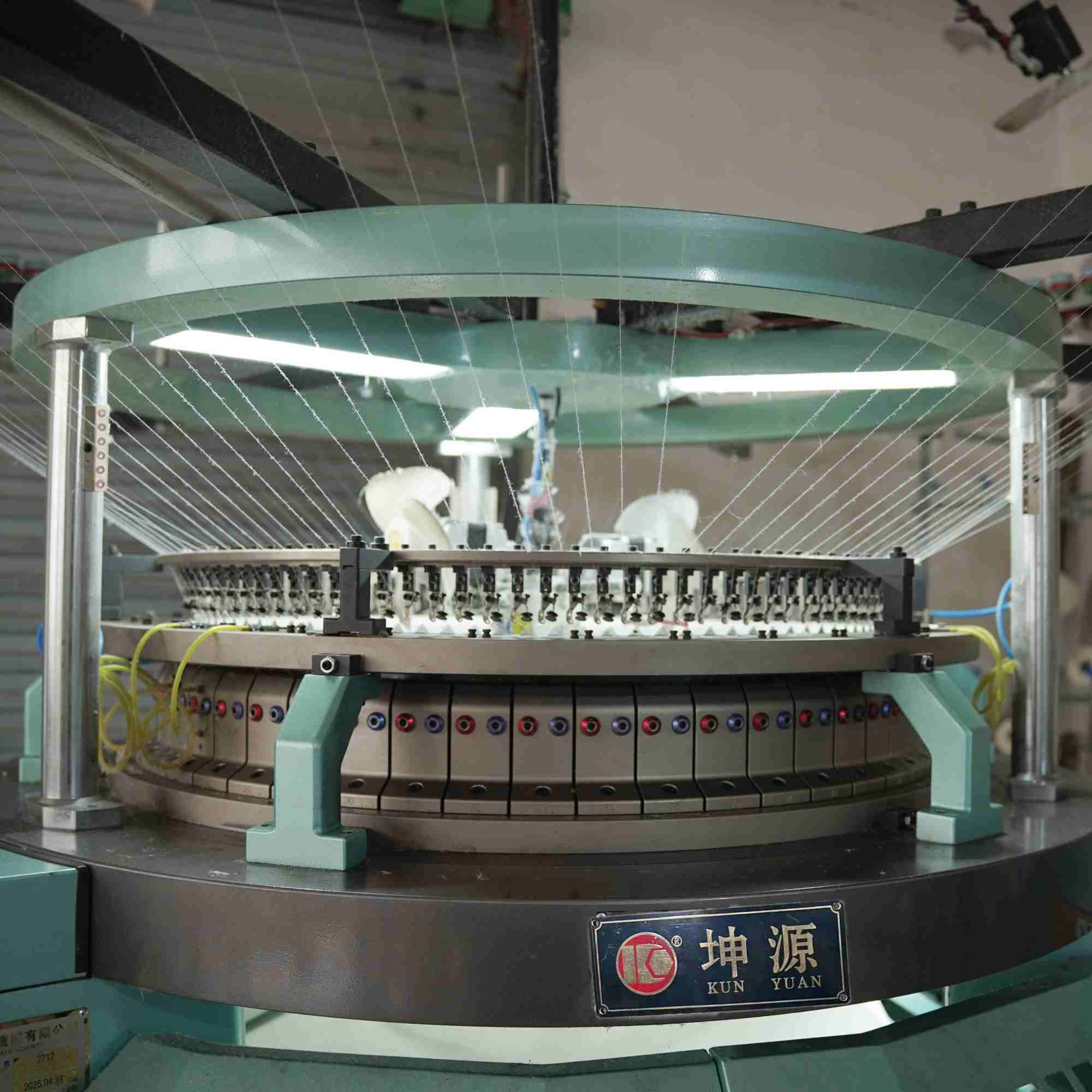
Finished shade and fabric properties require identified processed specimens.
Keep retained-route comparisons distinct from newly developed routes
Build a comparison grid before interpreting the samples. Distinguish the approved yarn on its approved route, the candidate on any safely authorised retained route, and the candidate on a revised route developed by the responsible teams. Where a retained route is unsuitable, record that decision instead of forcing a comparison for symmetry. No trial should override the machine or processor's applicability restrictions.
Give each fabric a yarn identity, knitting revision and finishing revision. If several changes occur together, describe the result as a combined route outcome. It does not isolate the influence of fibre composition. Keep individual observations and exclusions attached to the grid so a later reviewer can see why two samples were compared. This avoids claiming that a blend is inherently better when the evidence actually demonstrates a carefully revised knitting-and-finishing package.
Approve the material-route package that was actually demonstrated
Review the knitting evidence and finished brief together, including any changed processing cost, lead time or assembly requirement relevant to the order. Use measured trial data and supplier quotations for those commercial fields; no saving follows automatically from the word blend. Confirm that composition declarations and any product-label information remain accurate through the buyer's ordinary approval process.
Release only the identified yarn specification, fabric construction and route revisions supported by the evidence. Retain a master finished specimen and the paired greige identity where available. Define when a composition, yarn source or processing change requires another comparison. If one decision stream remains unresolved, hold the substitution even if the other looks favourable. A bounded approval allows the mill to repeat a demonstrated package while keeping a later fibre or process change visible as a new decision.
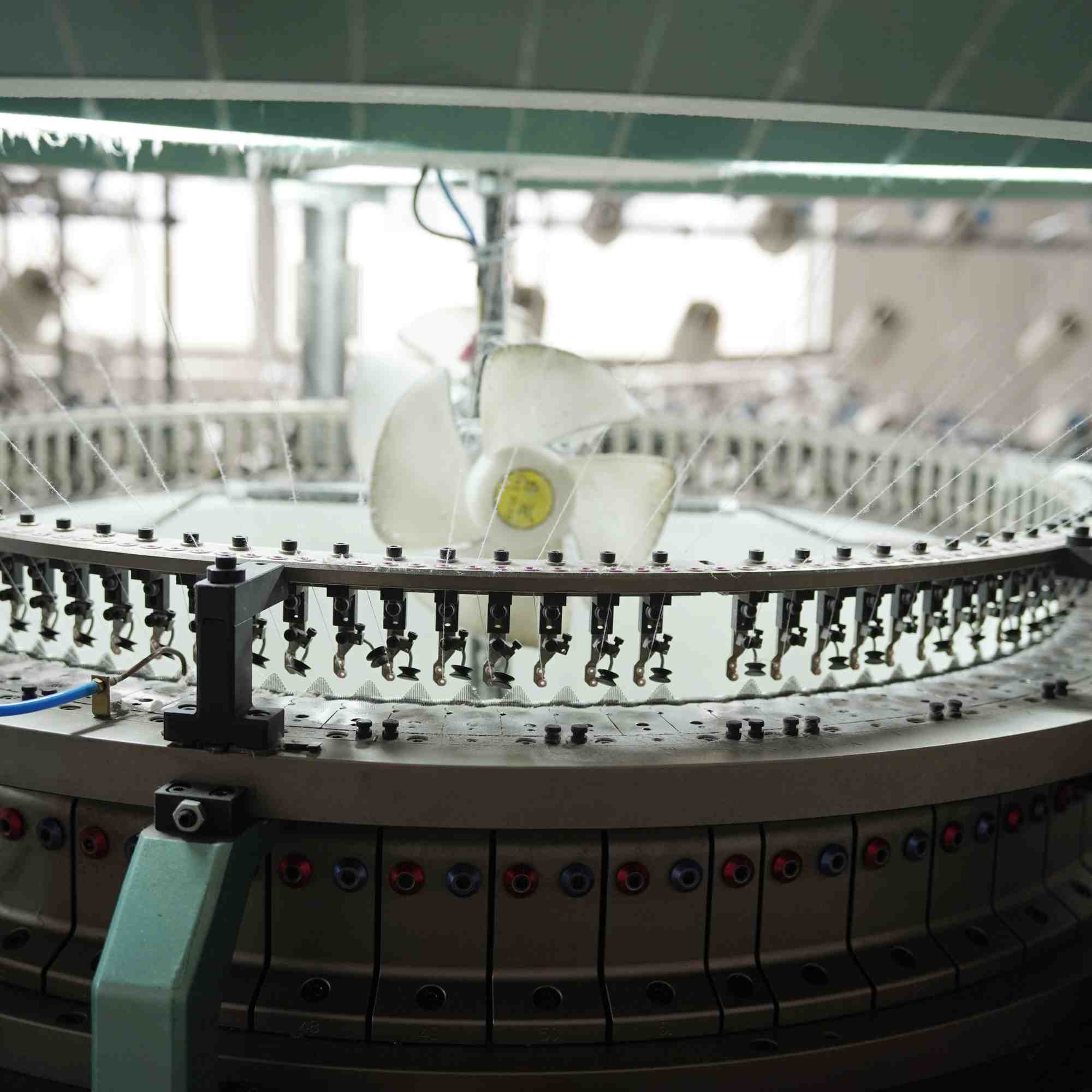
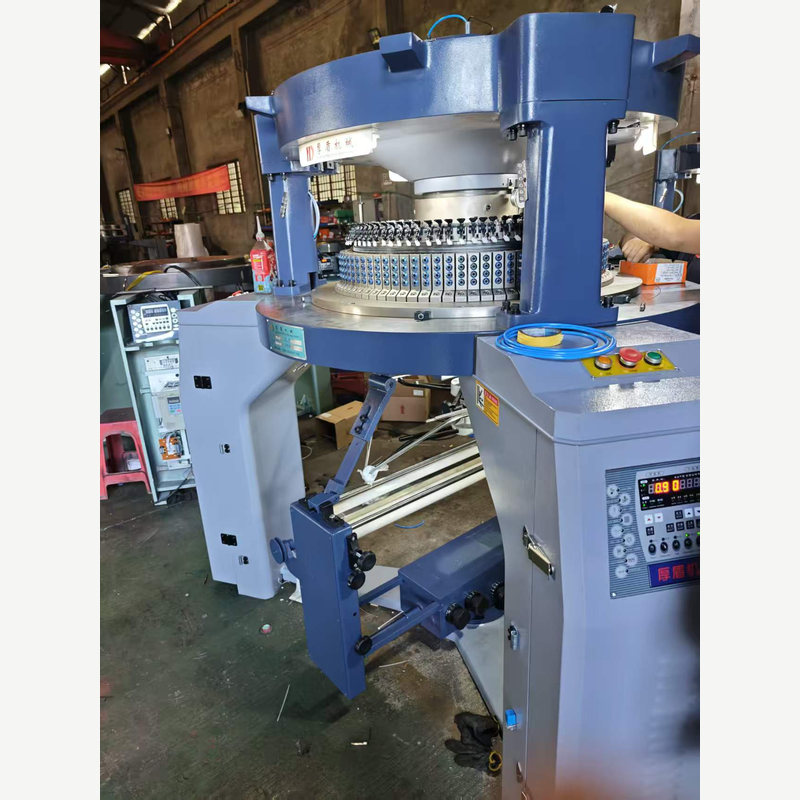
Confirm yarn applicability on the offered build rather than inferring it from a gallery view.
Cotton-polyester substitution comparison grid
Comparison row
Knitting revision
Finishing revision
Conclusion allowed
Approved reference
Established yarn and route
Established processing route
Reference finished result
Retained-route candidate
Only where supplier permits
Only where processor permits
Effect within the stated comparison
Developed candidate
Document all authorised changes
Document revised processing
Combined material-route outcome
Release package
Confirmed yarn and fabric identity
Accepted finished brief
Approval for the demonstrated scope
Blend substitution questions
Is equal yarn count enough for substitution?
No. Preserve composition and the relevant yarn specification, then have the responsible teams assess the actual candidate and construction.
Can the cotton dye route be kept automatically?
No. The processor must review fibre composition, dye-system applicability and the finished brief before selecting the route.
Does successful knitting prove the finished fabric?
It proves only the recorded knitting outcome. Finished shade, hand and physical properties require the downstream comparison.
Can several process changes be credited to the blend alone?
No. Report them as a combined route result unless the comparison design actually isolates the material change.
What should the approval name?
Name the yarn specification, fabric construction, knitting and finishing revisions, accepted specimen and triggers for another comparison.
Conclusion
A reliable blend substitution decision gives knitting and finishing separate evidence before bringing their conclusions together. The useful comparison names the yarn, preserves route changes and judges the complete finished brief. Approve that demonstrated material-route package, then reopen the decision when its composition or processing basis changes.
Take the candidate yarn specification to the Circular Knitting Machine catalogue selection supplier and arrange a configuration-specific knitting review alongside the processor's finished-fabric assessment.




 Tel: +86-13859034518
 Email: info@kunyuanmachine.com
 MP/WhatsApp: +86-13859034518
 Manufacturer Address:Bacuo Village, Yonghe Town, Jinjiang City, Fujian Province