What changes when the back loops are the finished surface?
The back can remain unbrushed when the selected three-yarn construction is designed and evaluated as finished loopback. Omitting brushing alone does not qualify an existing raised-fleece recipe: exposed loops must already meet the required appearance, hand and durability after the intended wet processing and care. Ask for that finished route explicitly.
CottonWorks distinguishes an un-napped float-loop back from a brushed fleece surface and describes the three yarn roles in three-end fleece. Its illustrated French-terry explanation is a two-end construction; it does not validate every proposed three-end loopback. This article develops a separate product brief, not a factory result.
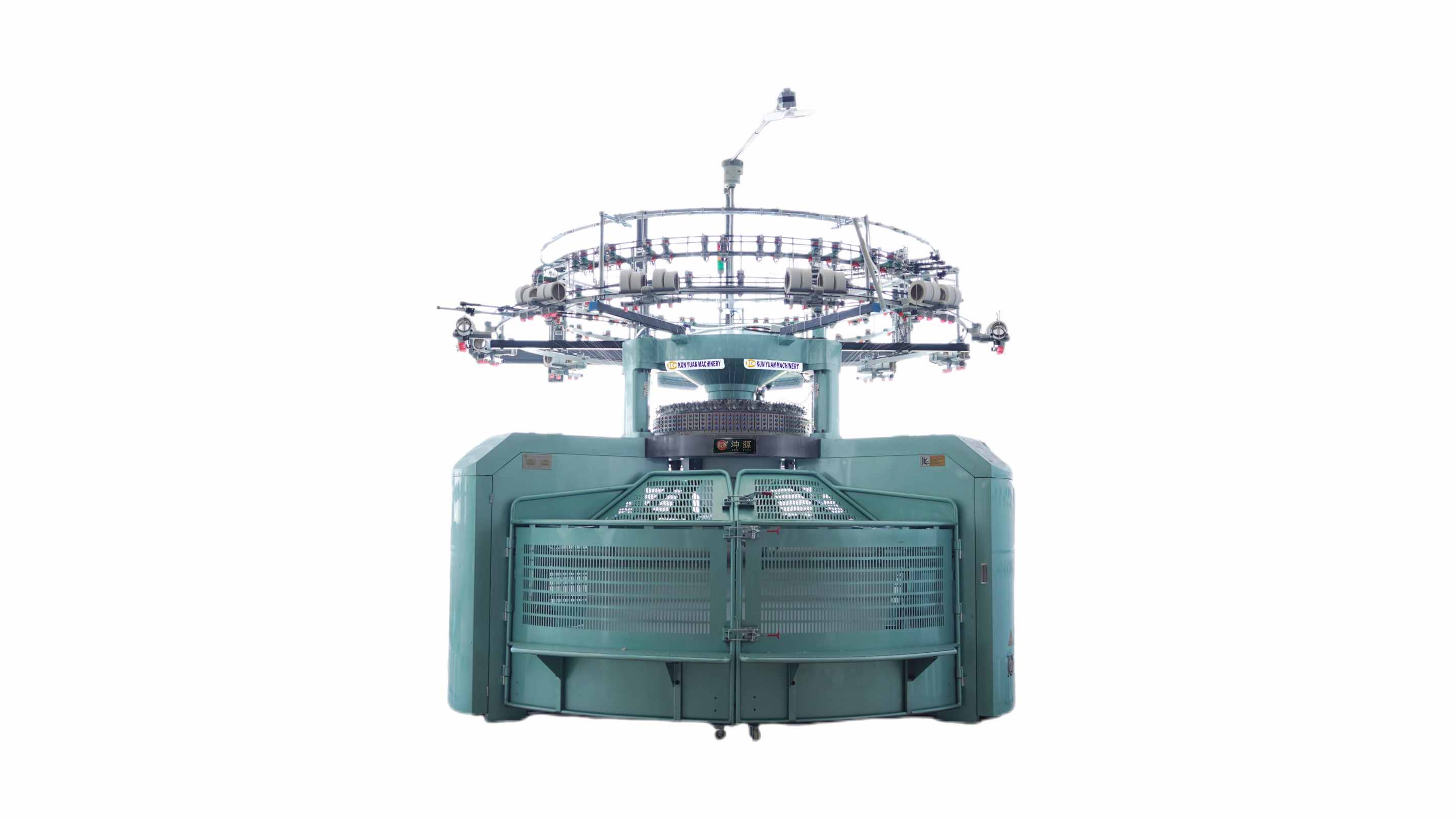
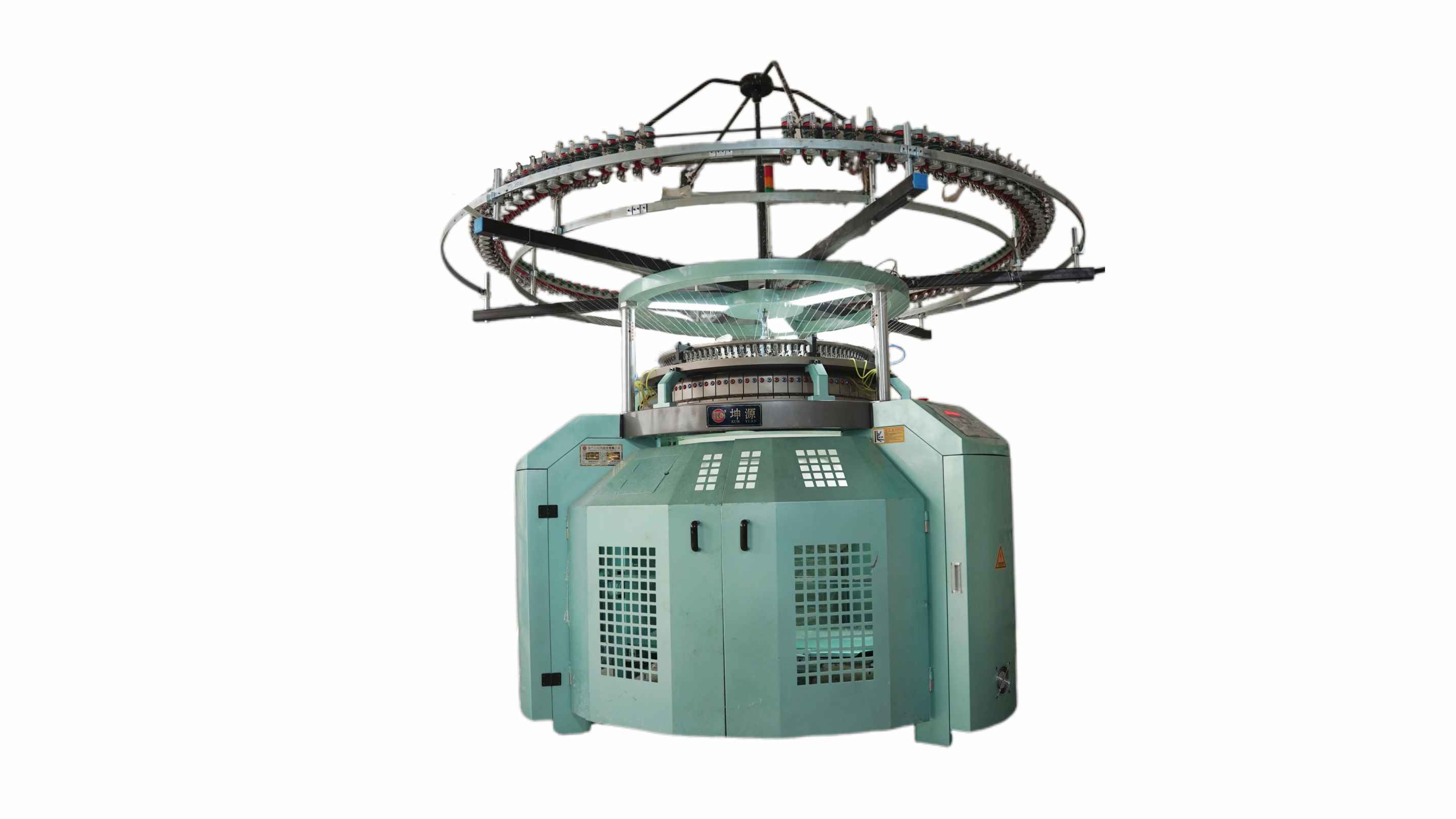
Kunyuan's FL record lists 30 inches, 8G-28G and 90F, with 20-30 RPM as a recorded reference. The page says the back loop may later be raised or brushed. These facts support discussing the route, while the exact unbrushed construction still needs confirmation with the supplier.
Begin with an unbrushed reference rather than an unfinished fleece sample
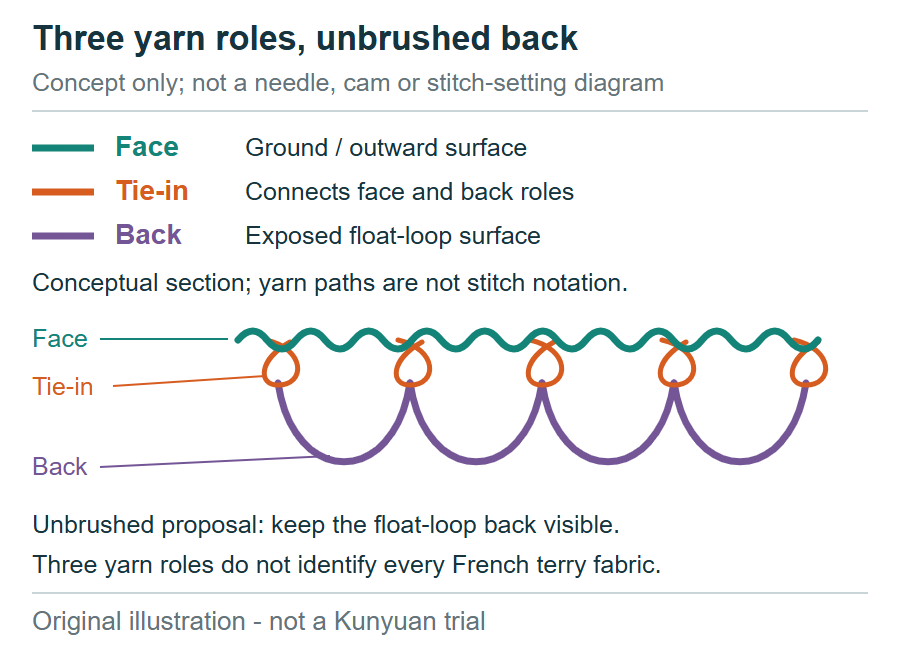
Show the supplier the desired finished front and back. Identify whether the back has visible floats, looped texture or another approved construction, and distinguish it from sinker-formed terry pile. The commercial term French terry can describe un-napped fleece, but a name alone is not a construction drawing. Specify the three yarn roles and how the back yarn is held in the proposed repeat.
An unfinished raised-fleece sample may use back yarn chosen for later fibre extraction and surface development. That yarn and its exposed arrangement may not give the appearance the customer wants without brushing. Ask for a loopback recipe intended to be seen and touched as supplied. This changes the sampling question from whether brushing is possible to whether brushing is unnecessary for the proposed finished product.
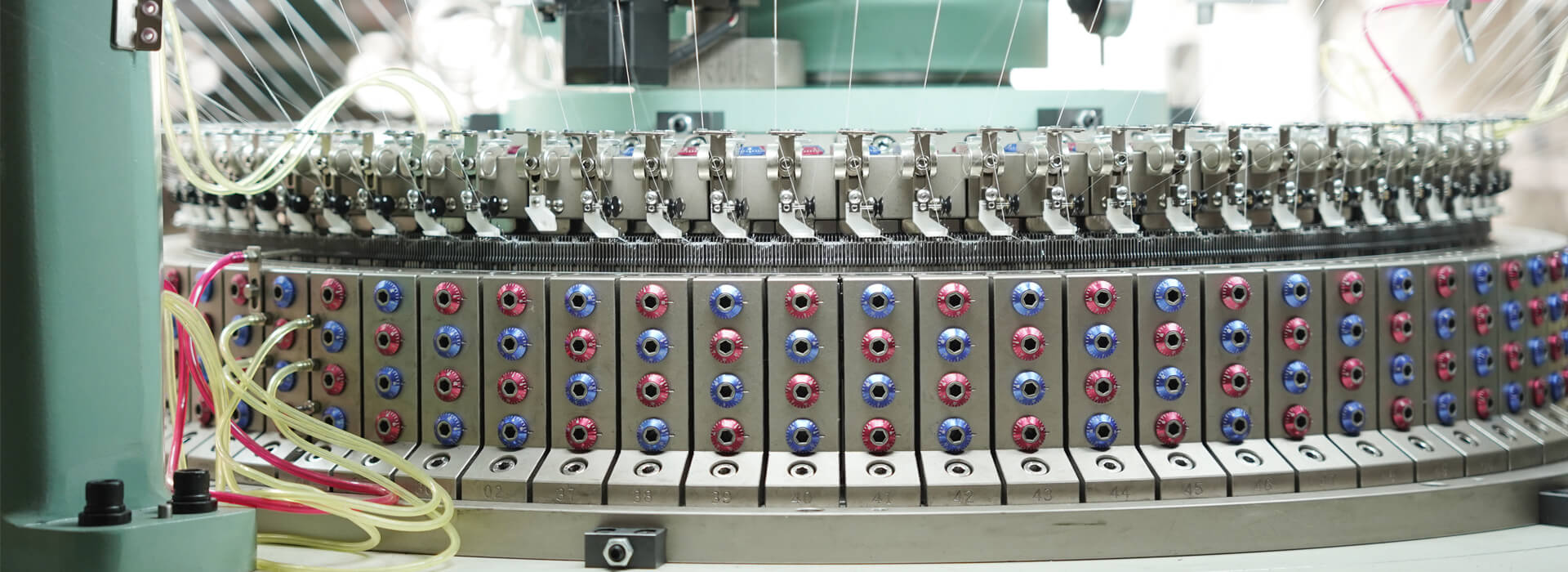
Approved existing equipment reference; no unbrushed loopback trial is pictured.
Select yarn for the loop surface the wearer will encounter
Give the face, tie and back yarn separate requirements. The face may need a clean printing or appearance surface; the tie must hold the intended relationship; the exposed back has its own softness, loop definition and loose-fibre requirements. A change made solely to soften the back should also be assessed for its effect on loop security and the finished face.
Compare candidate back yarns in the proposed structure, keeping the other roles stable where the trial permits. Judge the dry finished surface rather than just the hand of the yarn cone. If a contrast or development yarn is used to understand the repeat, return to the actual commercial yarn before choosing the product. No fibre blend, twist level or universal yarn count is prescribed here as the correct answer for every loopback order.
Original illustration. Original conceptual section of three separate yarn roles: face/ground, tie-in and exposed back floats. The curved back paths symbolize an unbrushed float-loop surface, not sinker-formed terry or a stitch-setting recipe. CottonWorks' two-end French-terry example is a different construction; it does not validate this three-yarn proposal. Kunyuan editorial; not a Kunyuan trial.
Treat wet processing and handling as part of the unbrushed finish
Define the preparation, dyeing, drying and dimensional finishing route that will precede delivery. Even without brushing, the fabric still undergoes mechanical contact and changes in stress. Cotton Incorporated's 100% cotton bulletin discusses processing tension and scuffing during fabric movement. Use that mechanism to ask where visible loops contact rolls or spreading equipment; do not copy a cotton-specific process recipe to an unrelated blend.
Keep an untreated comparison from the same construction. After the planned process, examine flattened tracks, rough patches, stretched loop regions and unintended fibre disturbance. A supposedly unbrushed back can still acquire an inconsistent surface through handling. The finisher should decide appropriate machine settings for the actual fabric. The buyer needs to know which operation first changed the intended loop appearance, rather than having the result described simply as soft or washed.
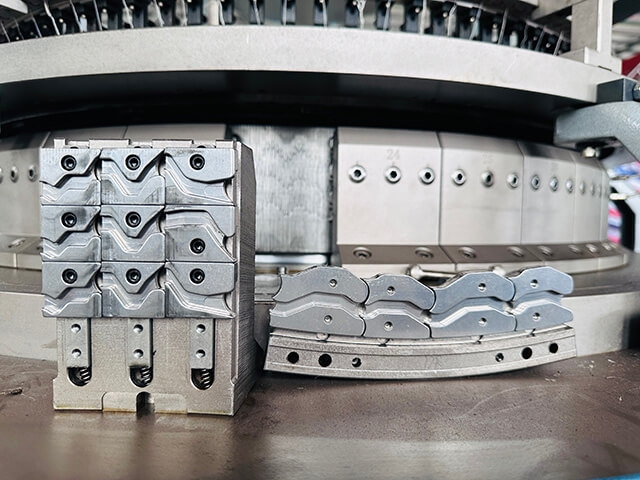
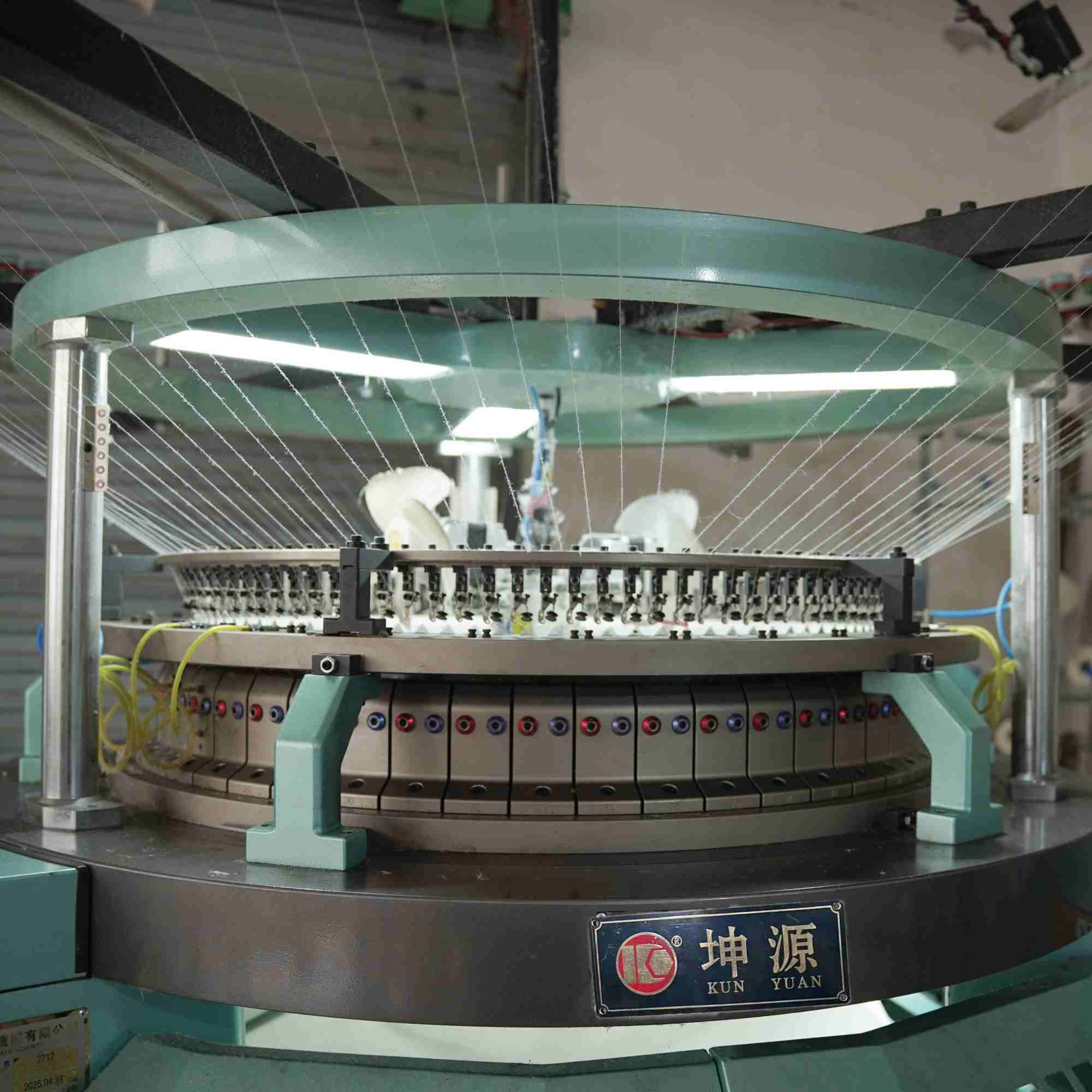
Equipment context only; omitting brushing is not a demonstrated result in this photograph.
Evaluate loopback as loopback, including the garment's inside face
Make a representative garment area in which the back contacts the wearer or remains visible at an opening. Assess the customer-defined hand, loop appearance, dimensional response and care performance. Choose a suitable agreed evaluation for snagging or surface disturbance if these are relevant; an informal touch comparison cannot supply a standardized durability result.
Compare the unbrushed proposal with raised fleece only when the customer is deciding between those two actual products. Do not assume one is always warmer, lighter or better for every season; material and construction matter. The final purchase should identify the unbrushed construction, its processing route and the appearance the converter will receive. That gives the garment maker a finished surface specification instead of a promise to omit one operation.
Unbrushed route decisions
Stage
Product question
Mechanism to examine
Useful comparison
Construction
What creates the visible back?
Float/loop and tie relationship
Oriented construction sample
Yarn choice
Will the back remain attractive?
Back-yarn surface and anchoring
Commercial-yarn candidates
Processing
What changes the loops?
Tension, contact and scuffing
Before/after same construction
Use
Is this the required finished product?
Inside-face handling and care
Representative garment area
Unbrushed three-yarn fabric questions
Is all French terry made with three yarns?
No. CottonWorks illustrates two-end French terry. State the actual two- or three-yarn construction when buying rather than inferring it from the commercial fabric name.
Is an unbrushed back the same as sinker terry?
Not necessarily. Float-based loopback and sinker-formed terry pile are different constructions. Ask how the visible loops are made in the submitted sample.
Can a fleece recipe simply skip the brushing machine?
That is a proposal requiring evaluation. The back yarn and construction may have been selected for raising, so their exposed finished appearance can differ from a purpose-designed loopback.
Does unbrushed mean no finishing is needed?
No. Preparation, dyeing, drying and dimensional finishing may remain. These operations can change the exposed loop surface and finished dimensions.
05
Conclusion
An unbrushed three-yarn product needs a positive surface definition, not just a deleted brushing step. Begin with a construction designed for visible loops, choose yarn for that duty and follow the loops through the finishing route. The result gives the buyer a finished loopback fabric rather than an incomplete raised-fleece recipe.
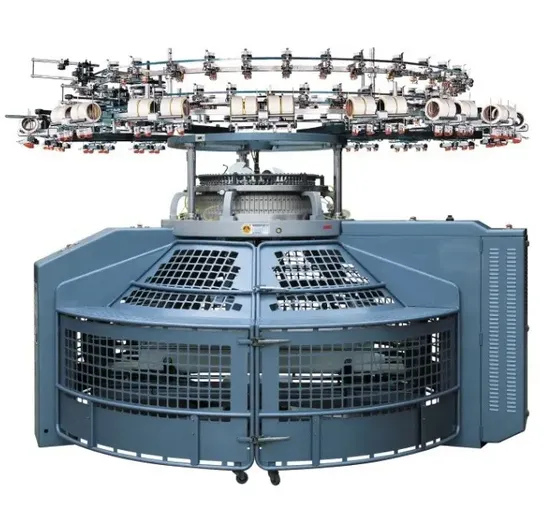
Submit the intended unbrushed front and back when discussing the Three Thread Fleece Circular Knitting Machine range and ask for a construction-specific proposal tied to the chosen commercial yarns and finishing route.





 Tel: +86-13859034518
 Email: info@kunyuanmachine.com
 MP/WhatsApp: +86-13859034518
 Manufacturer Address:Bacuo Village, Yonghe Town, Jinjiang City, Fujian Province