Match the pattern only where continuity has value in the garment
Choose matched lining motifs where the garment exposes a join or opening that makes continuity valuable. Choose an all-over placement rule where the design tolerates different motif positions. Kunyuan lists sweater linings, but neither a jacquard machine name nor an attractive repeat establishes garment matching or cutting efficiency.
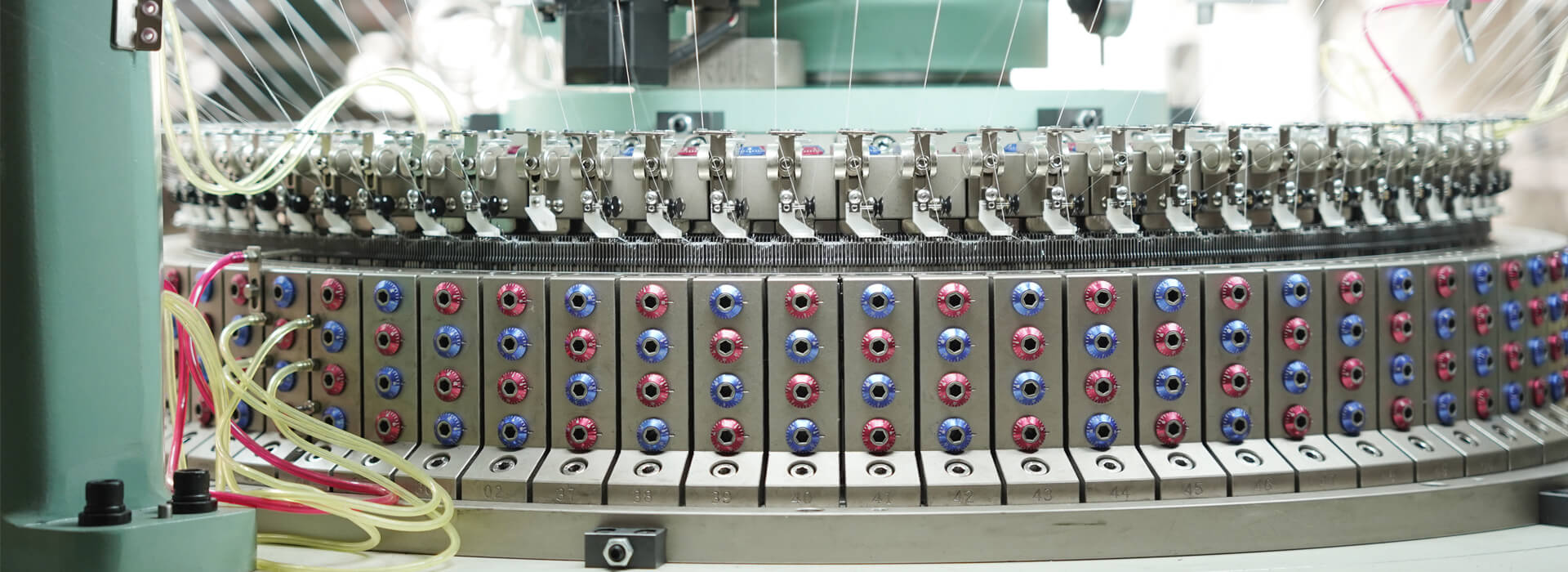
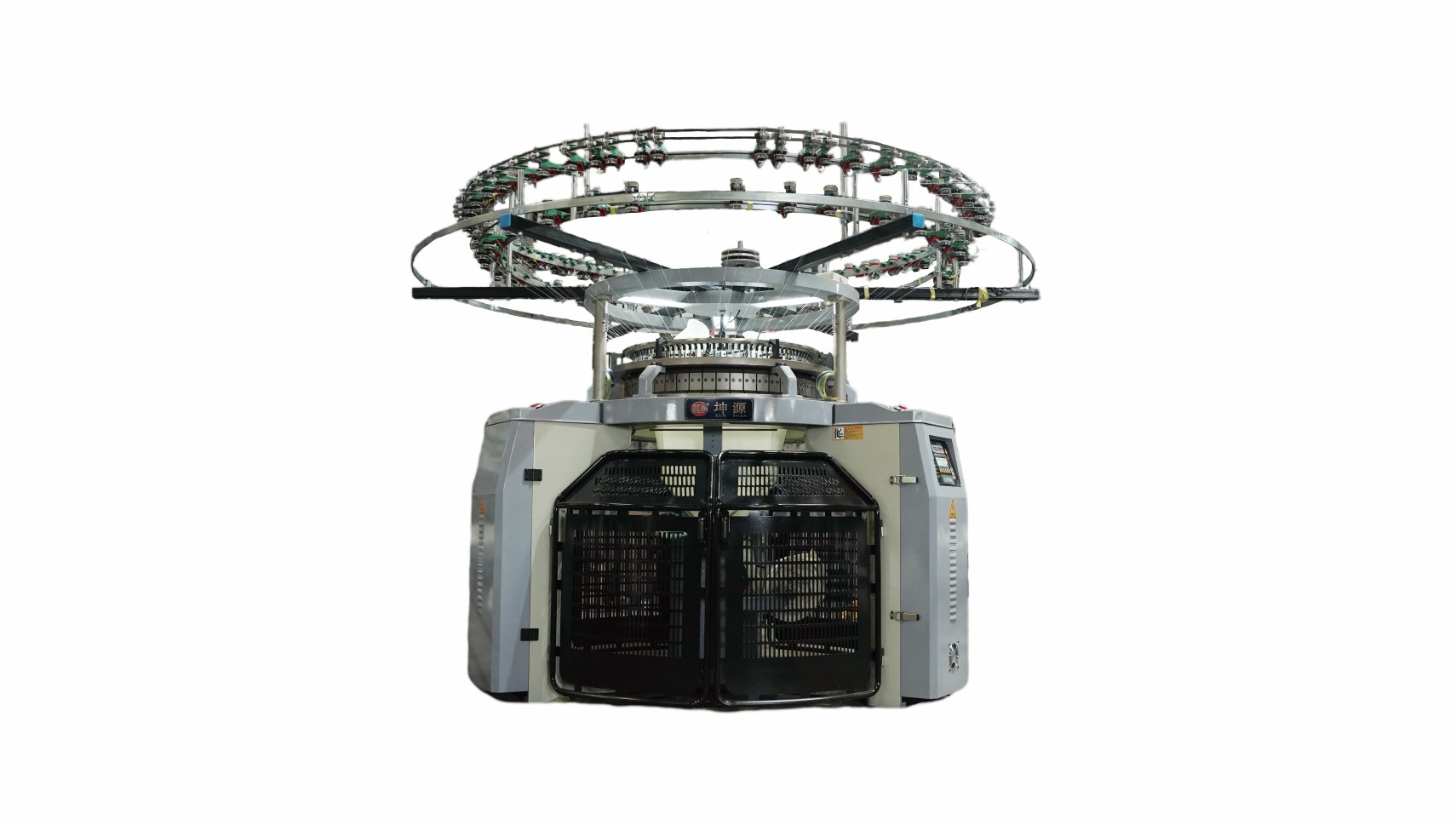
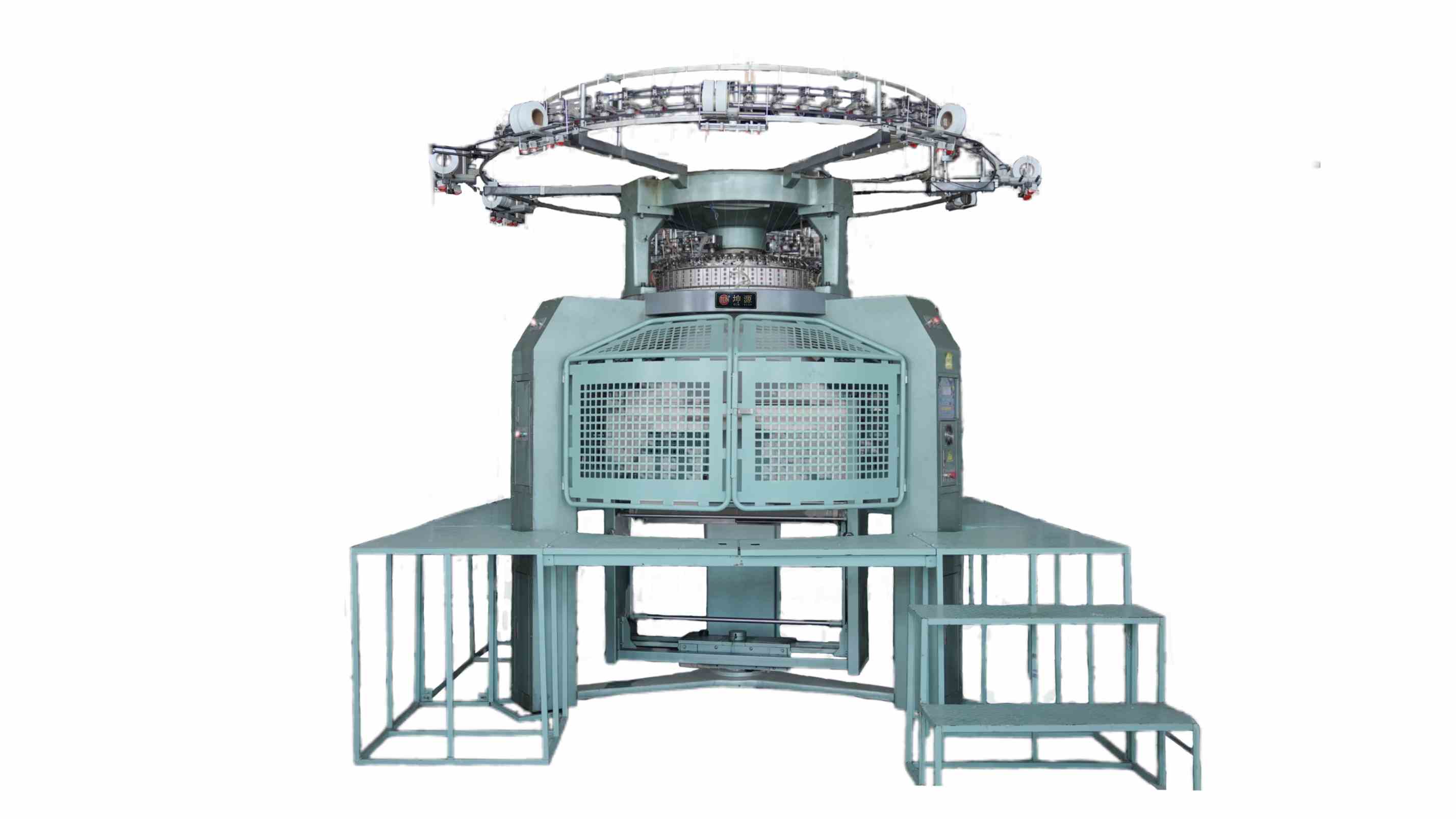
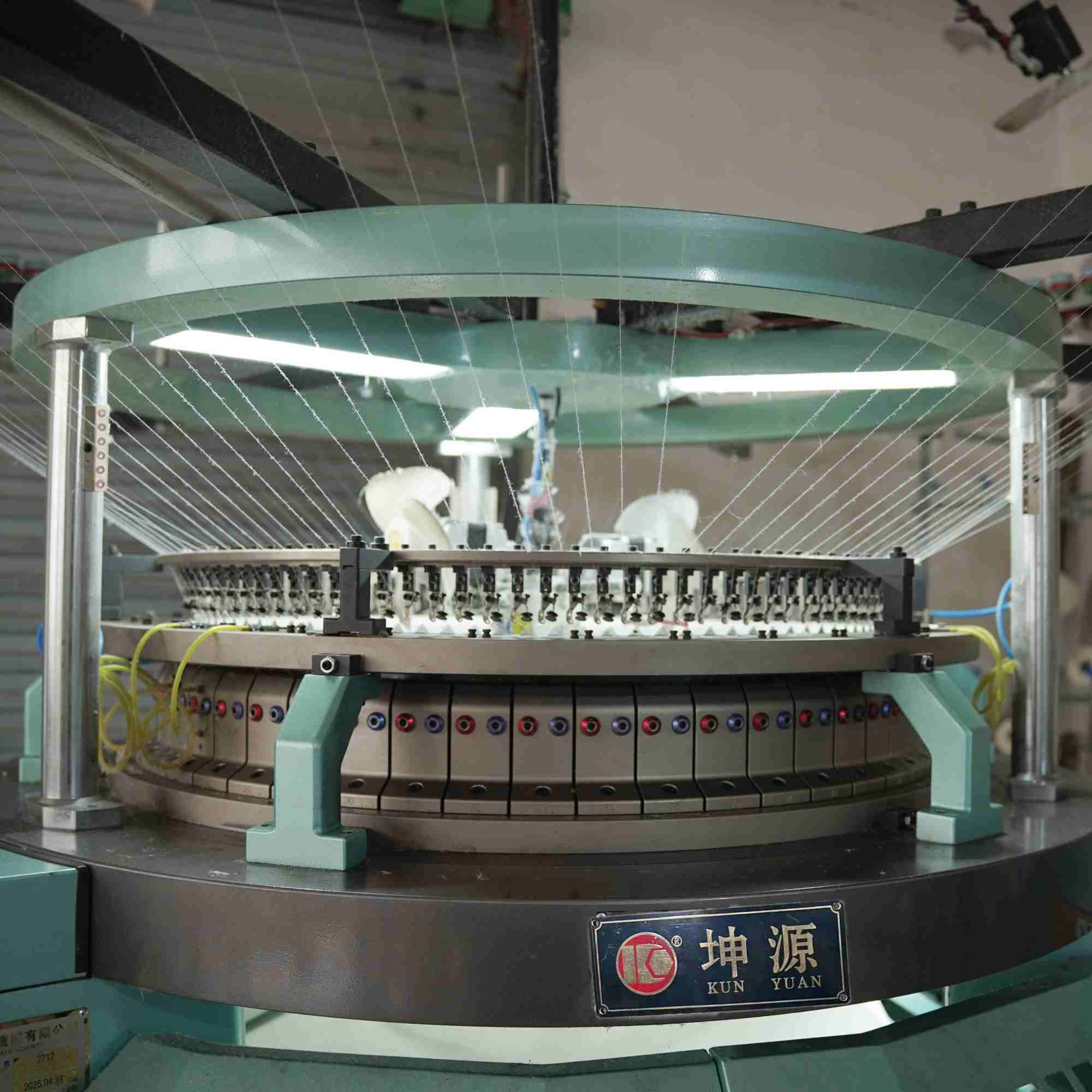
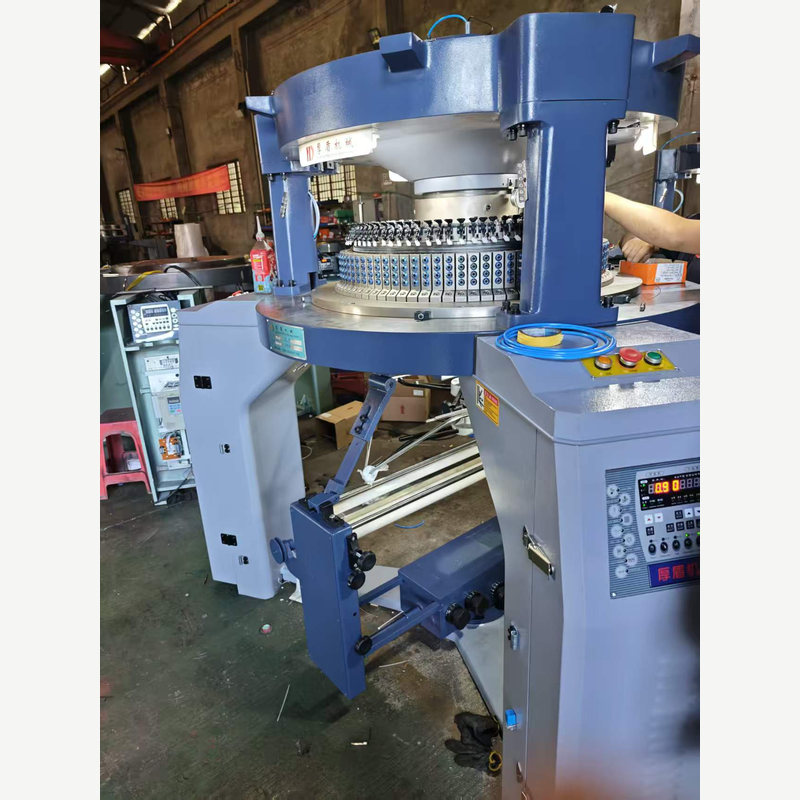
The Kunyuan computerized terry listing, read on October 11, 2026, includes sweater linings alongside a 30-38 diameter, 12G-24G, 36F/54F record. That is catalogue scope, not a demonstrated lining design. Ask whether the exact offered configuration can produce the intended finished motif.
Gerber's CutWorks documentation distinguishes matching to a fabric repeat from matching one garment piece to another. CottonWorks explains marker utilization. These sources help frame a garment decision, without implying that Gerber software is supplied with Kunyuan equipment or that a particular lining will achieve a stated yield.
Route A: reserve motif continuity for visible joins
Identify the garment locations where the lining is seen: an open front, a turned-back edge or another detail named by the designer. Mark which motif feature should meet its counterpart at a join. A request to match every seam can consume cutting flexibility without improving a hidden interior, so make the visual purpose explicit.
Ask the garment maker to show the match on an assembled sample using the actual seam line. Aligning cut edges alone may not place the visible motif correctly after the seam allowance is taken up. Keep the finished repeat dimensions with the cutting plan. This route is useful when a deliberate continuous effect contributes to the product's appearance, provided the maker can reproduce it over the planned sizes.
Catalogue context for a listed lining application; no matched garment is shown.
Route B: allow variation within an approved visual rule
For an all-over lining, state what variation is acceptable. The designer may accept different motif positions while still rejecting inverted artwork, a strongly one-way effect or an awkward fragment at the front opening. Unmatched does not mean unreviewed. Use a complete sample to decide whether position changes look intentional across paired components.
Give the marker planner those orientation rules before nesting the pieces. More placement freedom may allow a different arrangement, but it does not guarantee a saving. The actual panel shapes, size mix, usable width and fabric repeat determine the result. Keep the same fabric and garment brief when comparing layouts so a changed material or size assortment is not mistaken for an advantage of all-over placement.
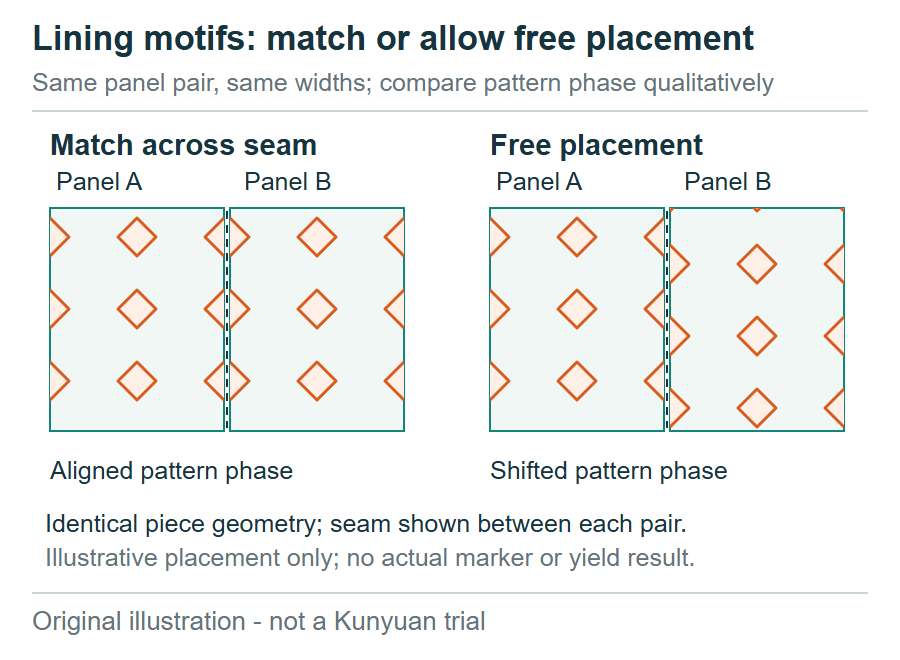
Original illustration. Original qualitative comparison shows identical lining-panel pairs with matched versus freely shifted motif phase across the seam. No actual cutting marker, yield or saving is established. Kunyuan editorial; not a Kunyuan trial.
Measure the cutting consequence of the design choice
Request two proposed markers for the same size assortment and actual finished fabric width: one with the agreed matches and one with the all-over placement rule. Gerber's documentation illustrates separate repeat and piece-matching constraints; the garment maker can use its own suitable planning system. Compare marker length, piece area and the positions of required visual matches.
As a hypothetical example, a matched layout might use a longer marker than an unrestricted layout. Do not publish a percentage saving until the actual lengths and rules are available. CottonWorks' material-utilization concept concerns how fabric becomes cut pieces, not accepted kilograms from the knitting machine. Check the assembled appearance beside the measured cutting consequence, then let the buyer decide whether the matching detail earns its extra material or labor.
Preserve seam feel and assembly fit in both choices
Inspect the lining joins and their attachment to the outer garment. A visually continuous motif cannot excuse an intrusive seam ridge, distortion or a lining that pulls the garment out of shape. Coats links seam feel to the actual fabric and thread combination; keep the chosen lining seam in the garment comparison.
Review the visible pattern after the intended finish and agreed care, using identified complete garments. Record whether a match has shifted or a previously acceptable fragment has become conspicuous. The decision can be mixed: a matched front detail with an all-over rule elsewhere, if the designer approves that construction. Confirm the actual motif's feasibility with Kunyuan separately. The cutting rule selects how to use supplied fabric; it does not add capabilities to the knitting machine.
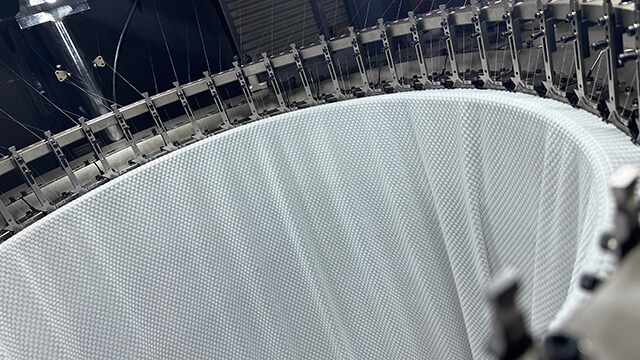
This image proves neither marker utilization nor pattern continuity across seams.
Lining motif decision matrix
Criterion
Matched route
All-over route
Decision basis
Visible join
Named continuity target
Approved positional variation
Assembled garment view
Orientation
Repeat and matching constraints
Declared allowed movement
Actual directional effect
Cutting
Constrained marker
Alternative marker
Same width and size assortment
Join quality
Matching plus seam review
Placement plus seam review
Complete cared-for garment
Lining motif questions
Does jacquard knitting automatically match garment seams?
No. Knitting forms the repeat; panel placement and joining determine its relationship across a garment seam.
Must every lining seam be matched?
Only where the agreed garment design requires it. Name visible locations and acceptable variation elsewhere.
Does all-over placement guarantee less waste?
No. Compare actual markers under the same width, size assortment and orientation rules.
Is Gerber software part of the Kunyuan offer?
The cited documentation is a cutting-system example only. It establishes no Kunyuan software supply or compatibility.
Can the two routes be combined?
Yes, as a proposed garment design: match specified exposed details and allow approved placement variation elsewhere.
Conclusion
A lining motif deserves matching where the completed garment makes that continuity visible and valuable. Compare the agreed matching rule with a controlled all-over alternative, then assess both cutting use and seam quality. The buyer can approve a specific visual benefit without making every hidden join carry an unnecessary constraint.




 Tel: +86-13859034518
 Email: info@kunyuanmachine.com
 MP/WhatsApp: +86-13859034518
 Manufacturer Address:Bacuo Village, Yonghe Town, Jinjiang City, Fujian Province