
Language
Hot Keyword:
Author:KUNYUAN Machine Manufacturer TIME:2026-11-24
A UPF claim needs a laboratory result for the nominated fabric and a separate review of the proposed garment and market requirements. Neither a machine catalogue nor a dark-looking jersey swatch supplies that approval. Put responsibility for both parts in the purchasing brief before the label is designed.
UPF means ultraviolet protection factor. ARPANSA describes it as a measured indication of how a material blocks solar ultraviolet radiation. Its testing service establishes the material rating; its public guidance also explains why product coverage must be considered separately. The distinction matters when the same jersey is proposed for several garment shapes.
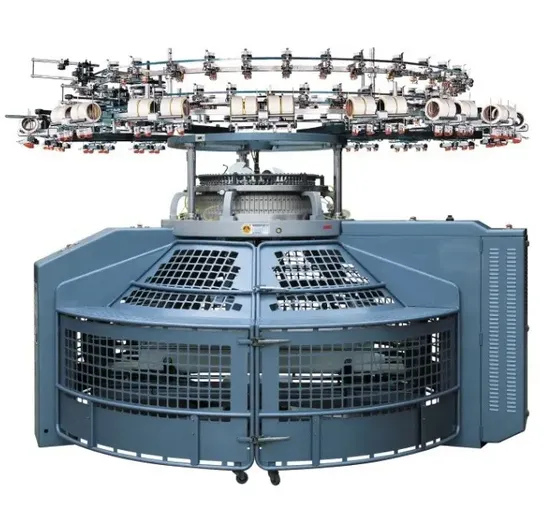
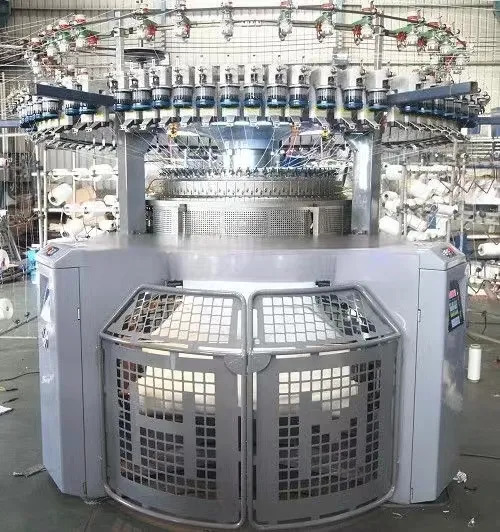
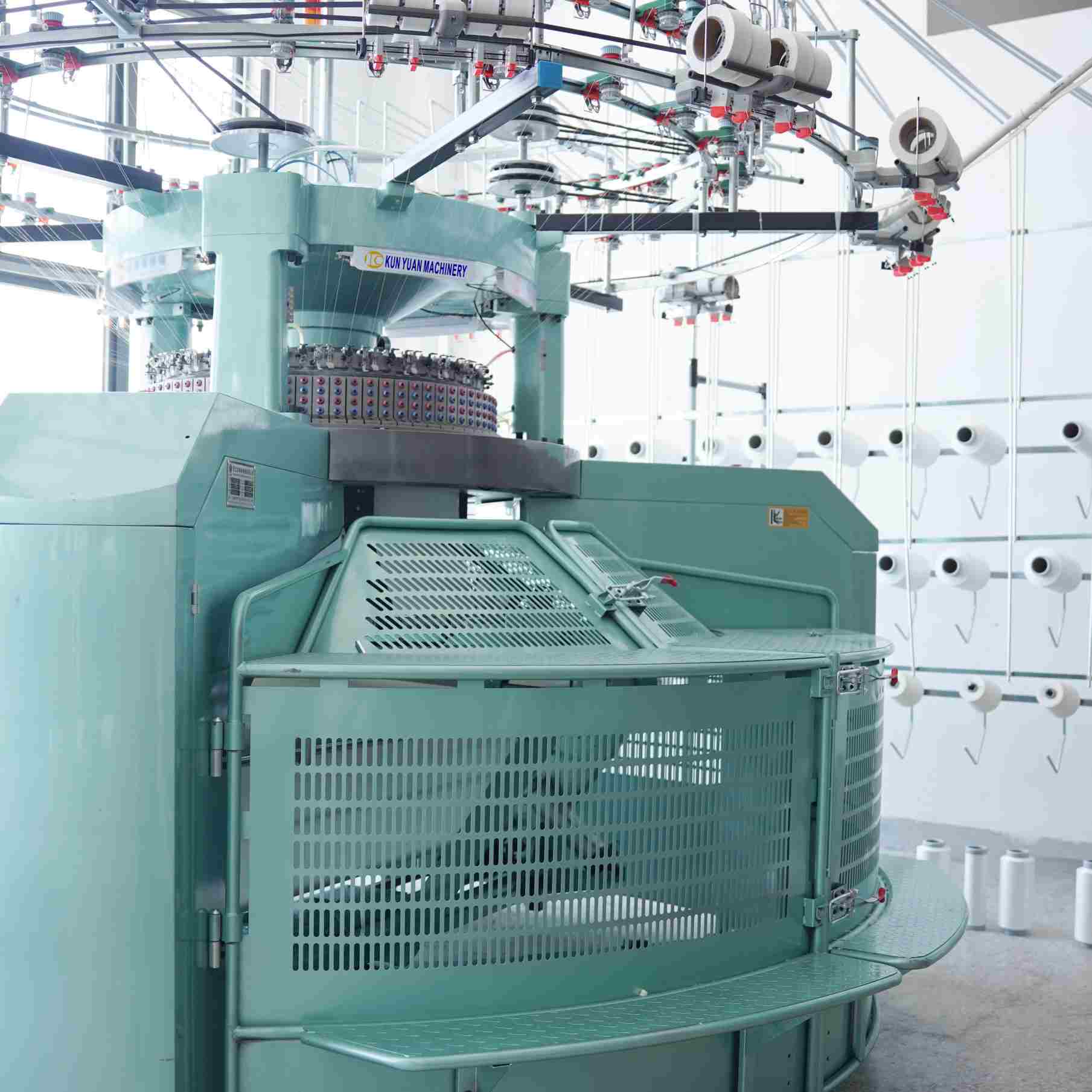
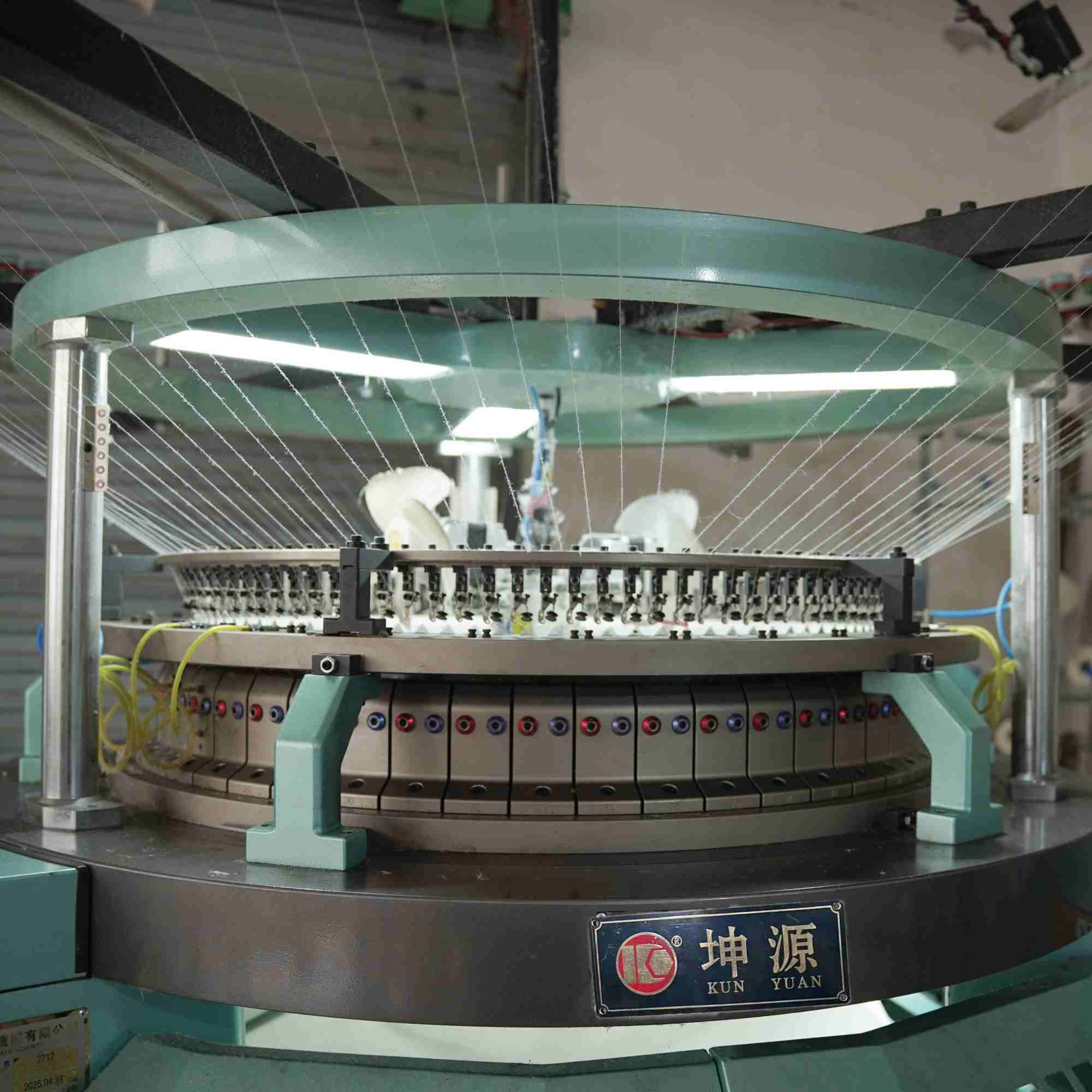
Kunyuan's product 539 provides an activewear and lightweight-apparel manufacturing context, with the actual yarn and finishing route to be specified. It publishes no UPF certificate for the buyer's fabric. A supplier conversation can therefore begin with a plausible jersey route while the protection claim remains an unresolved qualification obligation.
Start the quotation with two deliverables instead of one broad promise of protective clothing. One deliverable is the result for the identified material. The other is the responsible assessment of the finished article, including the design and claims intended for its sales market. Assign who submits samples, who receives the report and who decides the label.
ARPANSA says its material reports provide UPF ratings without assessing garment design or body coverage. A buying team should therefore resist using a genuine fabric report as evidence for a garment feature that report never examined. This also clarifies commercial responsibility: a mill may supply the nominated fabric while a garment brand retains design and market-claim decisions.
The laboratory submission should describe the finished material that the buyer intends to purchase. Connect the submitted sample to its yarn composition, construction, colour and relevant finish. When the order contains several material variants, have the laboratory and claim owner define the required coverage of that evidence. Do not extend one result to unexamined variants by intuition.
Consider an illustrative sourcing problem: a report accompanies a swatch, but the proposed bulk material uses another finishing revision. The report may be genuine and still fail to answer the current question. The next action is to resolve the mismatch, not to assume an unchanged rating. Gauge and fabric mass help describe a product; neither serves as a substitute certificate.
ARPANSA's Australia/New Zealand guidance identifies situations that may reduce protection, including wet material, stretching, normal wear and chemicals. It also stresses the area of skin covered. These are reasons to ask a precise question about the proposed article rather than treating a flat fabric rating as an unconditional statement about every wearing condition.
A tight-fitting panel, an open neckline and a loose swatch are not identical descriptions of coverage. This article does not calculate their protection or prescribe a garment pattern. Instead, supply the actual intended design and relevant use information to the competent reviewer. Ask which evidence and wording are applicable in the target market. Guidance for one region should not be presented as a worldwide labelling permission.
The dossier table offers practical purchasing outcomes. It allows the buyer to consider a fabric route without prematurely accepting a protection claim. If the commercial proposal depends on that claim, define the missing submission and the decision milestone before placing reliance on it. If it does not, keep the wording out of product descriptions until the evidence exists.
Preserve the link between the eventual report, the agreed material specification and the person authorizing claim use. Later substitutions should reach that person before inheriting the previous wording. This is a focused control over what is being sold, not a claim that paperwork changes fabric performance. The evidence must still describe the actual material and article concerned.
| What is available? | What remains unsupported? | Suitable next decision |
|---|---|---|
| Catalogue and apparel swatch | Material UPF rating | Purchase or request a relevant laboratory submission |
| Report for a different finish | Relevance to the offered fabric | Resolve specification mismatch |
| Matching material report only | Garment coverage and market wording | Send design and claim to the responsible reviewer |
| Matching report and reviewed article claim | Any unreviewed substitution | Retain the bounded approval with the purchase specification |
Visual darkness supplies no laboratory rating for the material. Obtain evidence for the nominated finished fabric.
Not automatically. ARPANSA expressly distinguishes its material result from assessment of garment design and body coverage.
No. The current product supports an apparel sampling discussion; no certification for the proposed material has been established.
Treat market applicability as a separate review. The cited public guidance concerns Australia and New Zealand.
Refer the change to the laboratory or claim owner for a relevance decision before retaining the earlier claim.
The useful purchase is a fabric whose evidence can support the exact statement the business plans to make. A material result, a garment review and a defined market each close a different gap. Keeping those boundaries visible protects the buyer from turning a plausible apparel route into an unsupported promise.
For an apparel proposal involving the Single Jersey Circular Knitting Machine, describe the nominated yarn and finish alongside the independent evidence your claim owner will require.

 Tel: +86-13859034518
 Email: info@kunyuanmachine.com
 MP/WhatsApp: +86-13859034518
 Manufacturer Address:Bacuo Village, Yonghe Town, Jinjiang City, Fujian Province