
Language
Hot Keyword:
Author:KUNYUAN Machine Manufacturer TIME:2026-11-27
Ask separately about air passage, resistance to heat transfer and resistance to water-vapour transfer. An airflow result does not supply either of the other two measurements. A rib fabric buying decision becomes clearer when the brief names the property required instead of asking for an undefined breathable machine.
The same sales discussion may use breathable to mean several things. One person wants a fabric that passes air; another is concerned with warmth; a third is asking about moisture vapour. Those intentions call for separate evidence. None can be settled by reading the machine's gauge range.
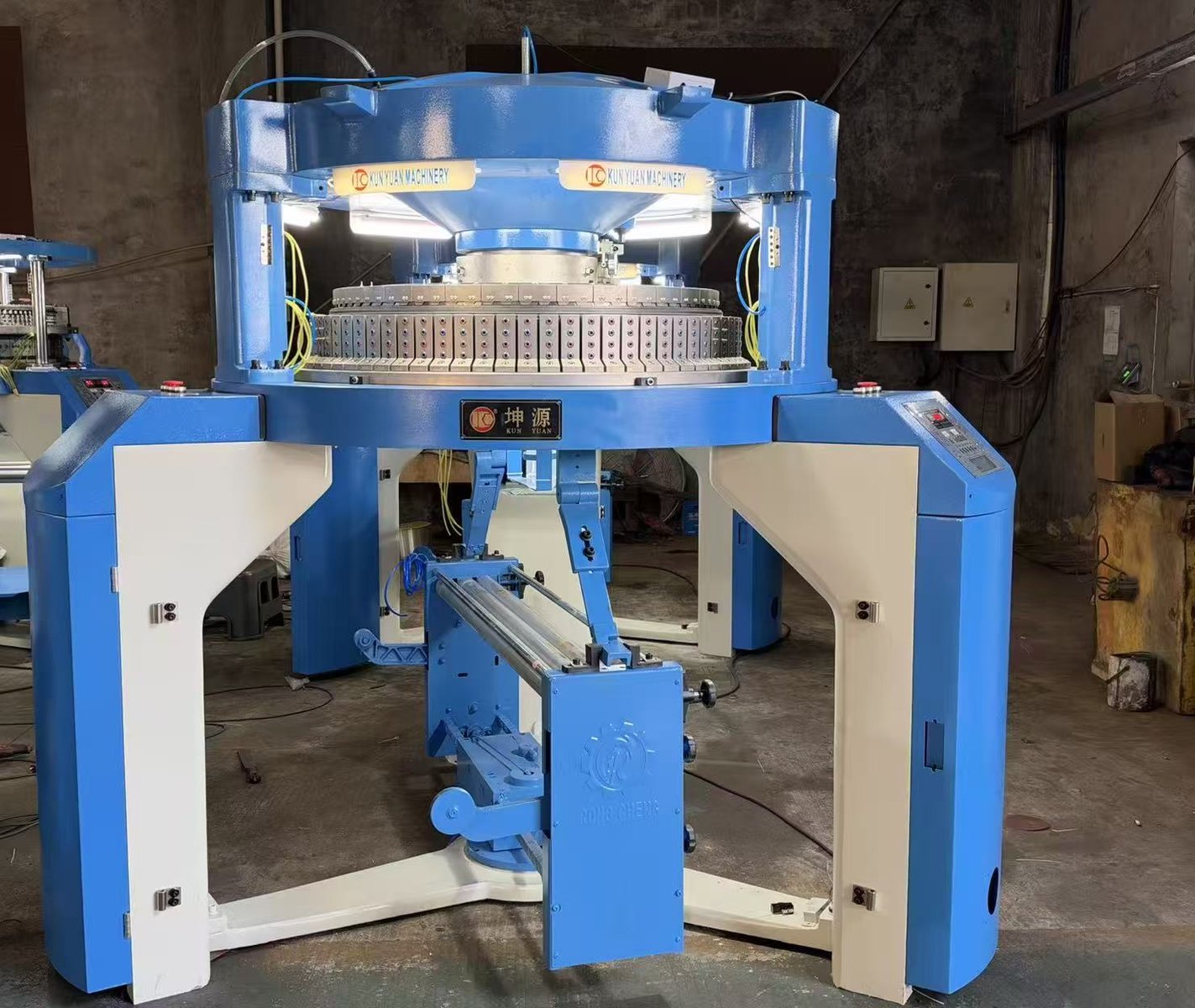
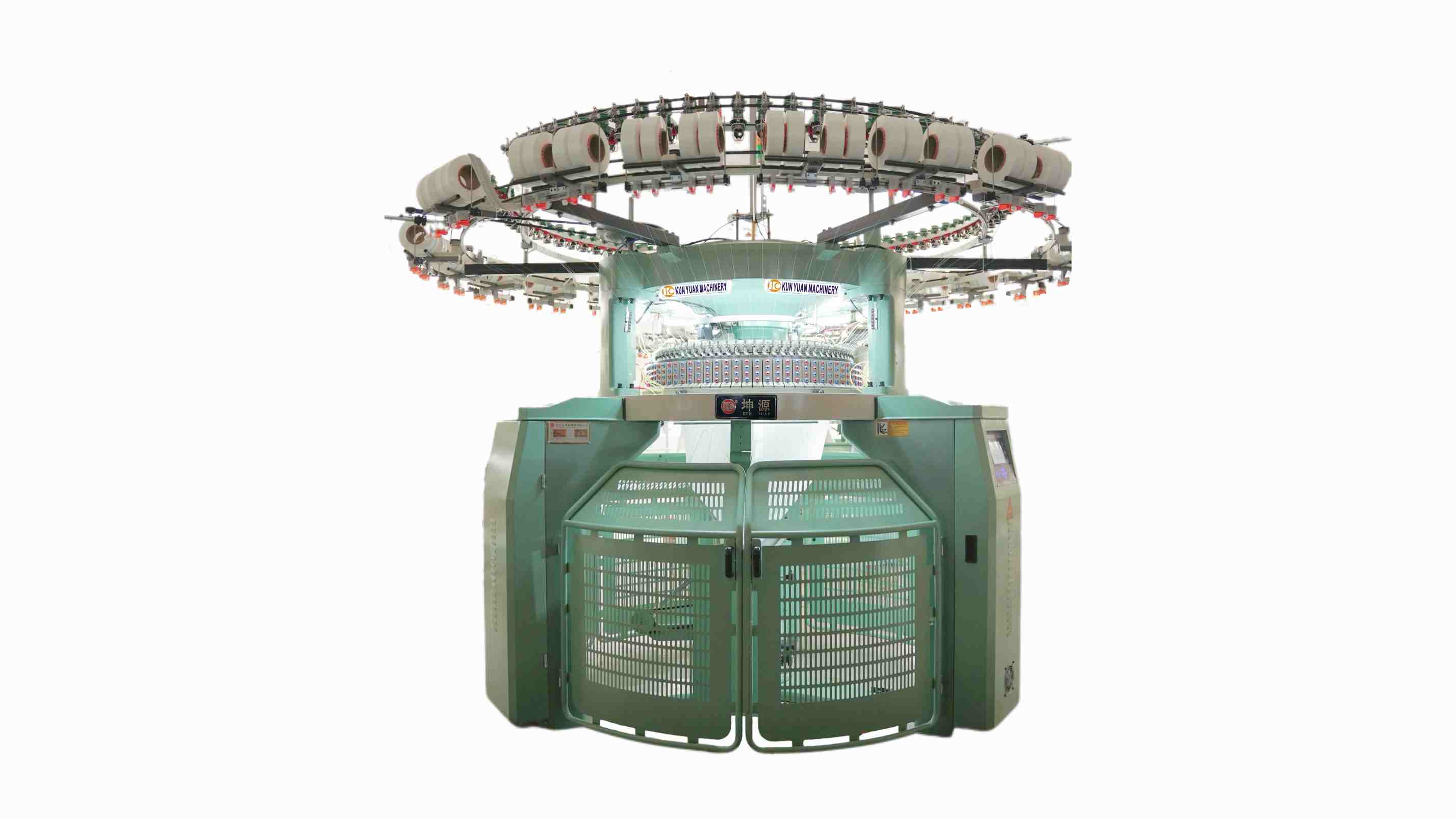
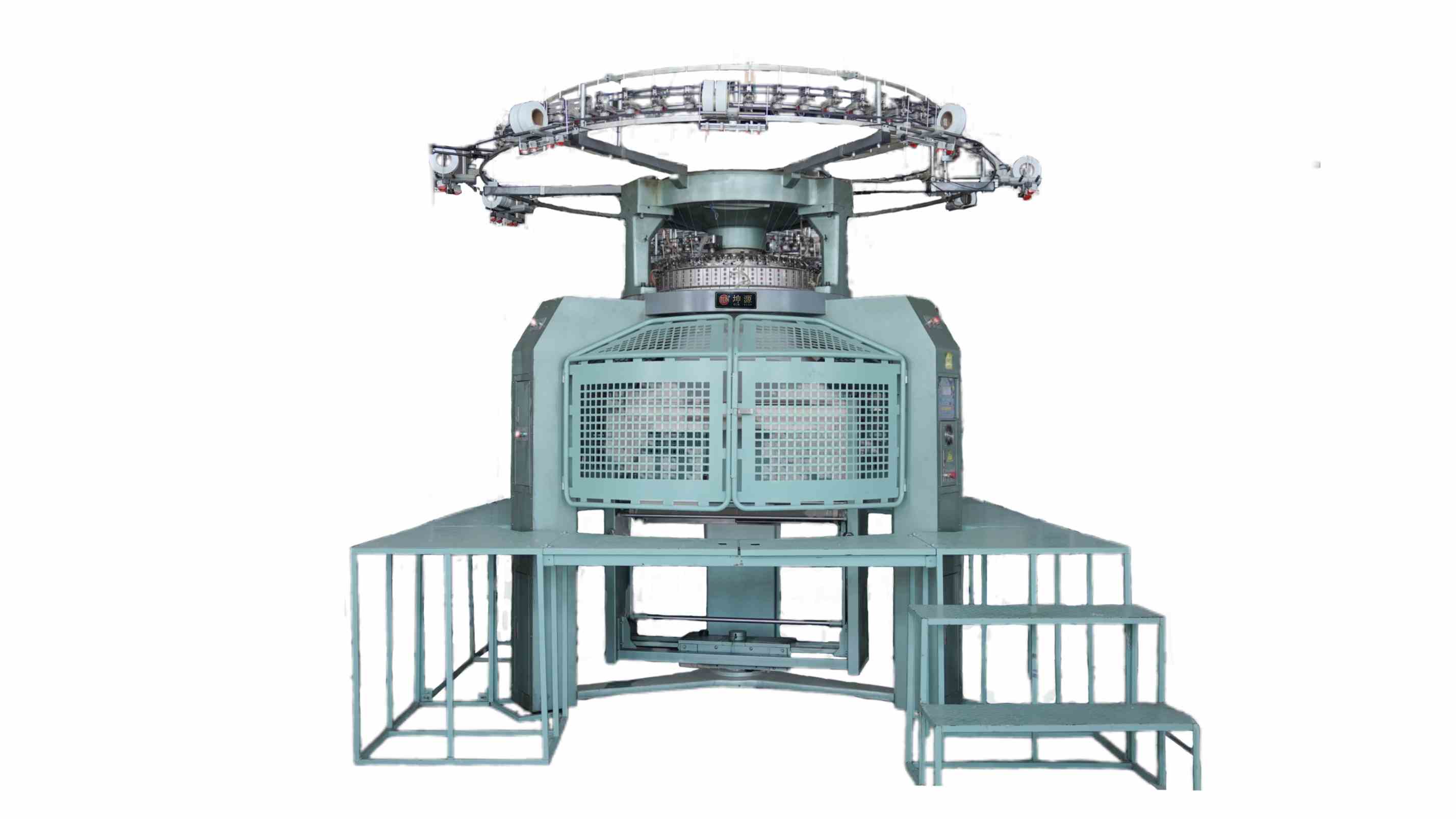
Kunyuan product 11 associates rib and elastic double-jersey constructions with sportswear, while asking for the actual rib ratio, yarn, elastane plan and finished specimen. This is a relevant manufacturing context for discussing a sportswear material. It contains no reported thermal, vapour or airflow performance for the buyer's intended fabric.
ISO 9237:1995 describes a method concerned with the permeability of fabrics to air. Its scope includes air-permeable textile materials and made-up articles. For procurement, that identifies an evidence route when the buyer actually needs an air-passage measurement. The laboratory must provide the full conditions that make the result interpretable.
Before comparing two reports, find out whether their material descriptions and measurement conditions support the intended comparison. A number without its method context cannot rank every rib construction for every use. More importantly, a satisfactory airflow outcome does not provide a thermal-resistance value. The buyer should not fill that empty field merely because both properties appear in the same sportswear conversation.
ISO 11092:2026 identifies thermal and water-vapour resistance measurements under steady-state conditions. The official page shows the third edition, published in May 2026, replacing 2014. If a current specification is being written, the method identity should reflect that change rather than silently presenting the older edition as current.
Treat thermal resistance and water-vapour resistance as distinct reported properties. In plain terms, one concerns resistance to heat transfer and the other concerns resistance to water-vapour transfer under the method's conditions. They are not alternative names for the air-permeability result. Agree which property the product brief needs and obtain laboratory advice on the appropriate scope. This article does not reproduce the guarded-hotplate operating procedure.
ISO's public ISO 11092 scope explicitly says its test conditions are not intended to represent specific comfort situations and supplies no physiological-comfort performance specification. This boundary matters when a supplier offers one measurement as proof that every athlete will feel cool or comfortable. Such wording runs beyond the public scope.
The buyer can still use the material properties to inform a product decision. State the intended garment, fabric construction and end use, then decide what wider evaluation is needed. Keep any wearer assessment separate from a laboratory property report. A purchaser may require several kinds of evidence without treating them as a single universal score or claiming that one numerical improvement guarantees the preferred wearing experience.
Use one nominated finished-fabric identity across the requested evidence paths so the reports describe the material being considered. The rib ratio, relevant yarn and elastane specification, finishing revision and any reported specimen preparation need to remain interpretable. The laboratory decides the complete method conditions; the buyer decides the contractual requirement.
The matrix below deliberately contains separate cells. An empty cell means the property has not been demonstrated, not that another report can be converted into it. For two competing fabric offers, compare only the properties the order needs on an appropriate basis. If a proposed substitution changes that basis, ask which measurements remain relevant before transferring the earlier acceptance to the new fabric.
| Requested property | Named evidence route | It does not supply |
|---|---|---|
| Air passage | ISO 9237 report with full test context | A thermal-resistance value |
| Thermal resistance | Relevant ISO 11092:2026 measurement | A water-vapour result by assumption |
| Water-vapour resistance | Relevant ISO 11092:2026 measurement | Liquid wicking or drying time |
| Wearer comfort | Defined end-use assessment | A universal grade from one fabric number |
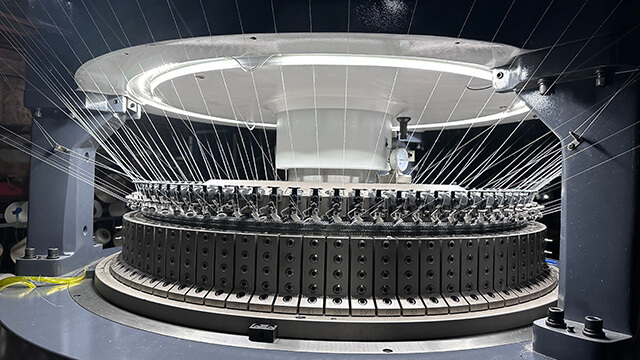
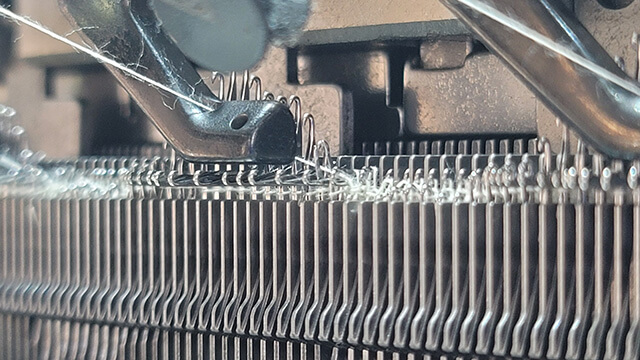
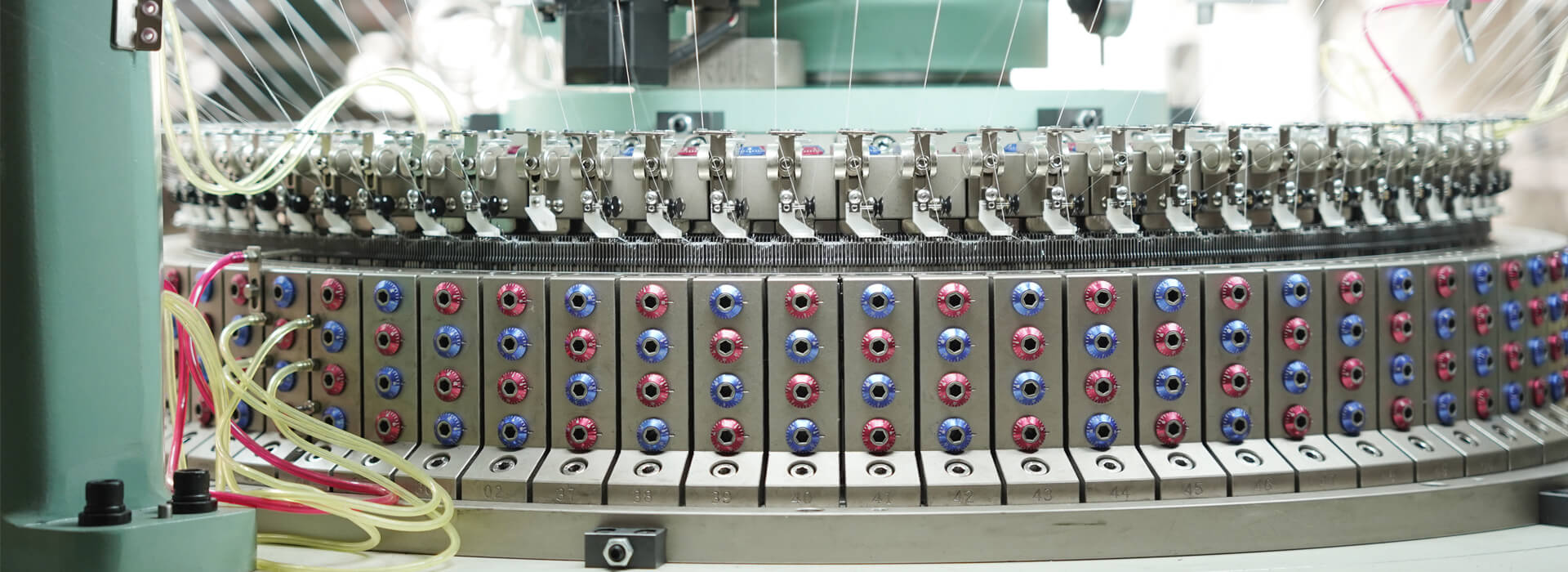
Gauge helps describe manufacture. It supplies no comparison of the buyer's airflow, thermal or wearer outcomes.
The official page identifies ISO 11092:2026 as the published replacement. Existing contractual references need a considered review, not silent relabelling.
These are different questions. A vapour-resistance report should not be presented as a liquid movement result.
Select the evidence needed for the intended product decision. Avoid commissioning unrelated measurements merely because they share a marketing adjective.
No. It identifies an application discussion, while the actual material and end-use evidence remain necessary.
A useful sportswear brief replaces breathable with the physical property that matters. Air, heat and vapour evidence can then be interpreted without borrowing each other's meaning. The result is a clearer fabric choice and a visible boundary around any broader comfort statement.
Bring the three-property matrix to a Rib Double Jersey Circular Knitting Machine proposal so the supplier can define a relevant rib construction while the laboratory addresses the required material measurements.

 Tel: +86-13859034518
 Email: info@kunyuanmachine.com
 MP/WhatsApp: +86-13859034518
 Manufacturer Address:Bacuo Village, Yonghe Town, Jinjiang City, Fujian Province