Hot Keyword:
YOUR POSITION:HOME > Blog >

Pressing Colour Fastness for Jersey Made on a Single Jersey Circular Knitting Machine

Author:KUNYUAN Machine Manufacturer TIME:2026-11-28

MENU
Before the downstream pressing milestone

A good shade before pressing is only the starting reference

Specify colour fastness against the intended hot-press exposure on the nominated finished jersey, retaining an unpressed reference for interpretation. Agree the relevant specimen condition and method with the laboratory. A dimensional check or print-adhesion result cannot stand in for the colour question.

An apparel buyer may approve a jersey shade before it enters a later pressing operation. If colour changes afterward, the earlier visual approval does not explain whether the offered material met the downstream requirement. The purchasing gate needs to include the exposure that matters to the actual order.

Product 539 in Kunyuan's current catalogue discusses a T-shirt and lightweight-apparel route with actual yarn and finished measurements. That is the manufacturing starting point. Colour stability under hot pressing remains a separate fabric obligation; it is not a published performance result of that knitting configuration.

Gate A: separate a colour concern from an unrelated heat complaint

Describe what the buyer must accept after pressing. Is the concern the nominated colour appearance, a visible mark, a changed dimension or a printed decoration? These observations may arise near the same production stage, but they do not all belong to a colour-fastness decision. Ask which property the contract actually requires and direct other concerns to suitable separate evidence.

AATCC's directory helps illustrate this distinction by naming hot pressing, dry heat excluding pressing and dimensional methods separately. That directory is not proof that one method replaces another. For this article, the acceptance question stays with colour under the nominated pressing exposure rather than expanding into a general heat-treatment troubleshooting guide.

Gate: The pressing milestone names a colour requirement and keeps other properties separate.
Gate B: choose dry, damp or wet from the intended end use

ISO 105-X11:2026 covers colour resistance to ironing and processing on hot cylinders. Its abstract distinguishes dry, damp and wet pressing according to the textile's end use. Those categories should prompt a specific laboratory discussion about the proposed route. They do not provide this article with a permitted temperature, dwell period or pressure setting.

Describe the real downstream use and the fabric condition to the competent laboratory or technical owner. Ask them to define the applicable complete method and required report. If two proposals concern different exposure states, preserve that difference in the offer review. A result from an easier-looking or merely familiar condition should not silently satisfy a requirement written for another state.

Gate: The responsible laboratory has accepted a clearly described method and specimen-state brief.

Gate C: relate the tested colourway to an unpressed reference

Retain enough identity to connect the submitted fabric with its dyeing or printing description, finishing revision and colourway. Keep an unpressed reference from the relevant material so the parties can interpret the observed difference without relying on memory or unrelated swatches. The laboratory's required evaluation remains authoritative; an informal side-by-side photograph does not create a compliant grade.

For development offers, state whether the evidence concerns a trial material or the specified supply fabric. If the proposed finishing route changes, review whether the existing pressing evidence still applies. A shade approval from before that change should not quietly become approval of the later process. The purpose is a fair colour comparison, not an invented claim about the cause of a particular change.

Gate: The report and retained reference describe the relevant material without an unresolved substitution.

Gate D: release the colour obligation without claiming more

Read the result against the colour requirement that was agreed for this order. Keep the report's conditions and any exceptions visible at the downstream handoff. If the evidence is incomplete, the parties can defer the colour milestone or request the missing submission. The table maps those gaps to specific decisions instead of treating every imperfect dossier as the same problem.

A satisfactory colour disposition does not demonstrate transfer-print adhesion, absence of dye migration, dimensional stability or a universal sublimation recipe. Those properties require their own relevant assessment when the product needs them. Equally, the buyer should not reject a useful knitting proposal merely because an unrelated heat claim has not been established. Commercial acceptance needs to state which obligation was actually closed.

Gate: Colour acceptance is explicit; separate printing or dimensional obligations retain their own status.
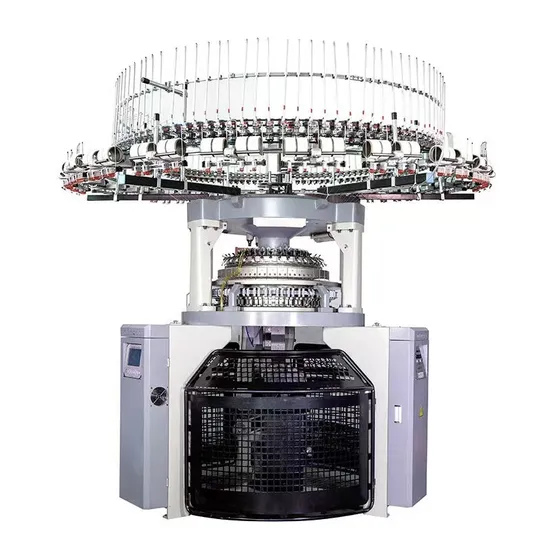
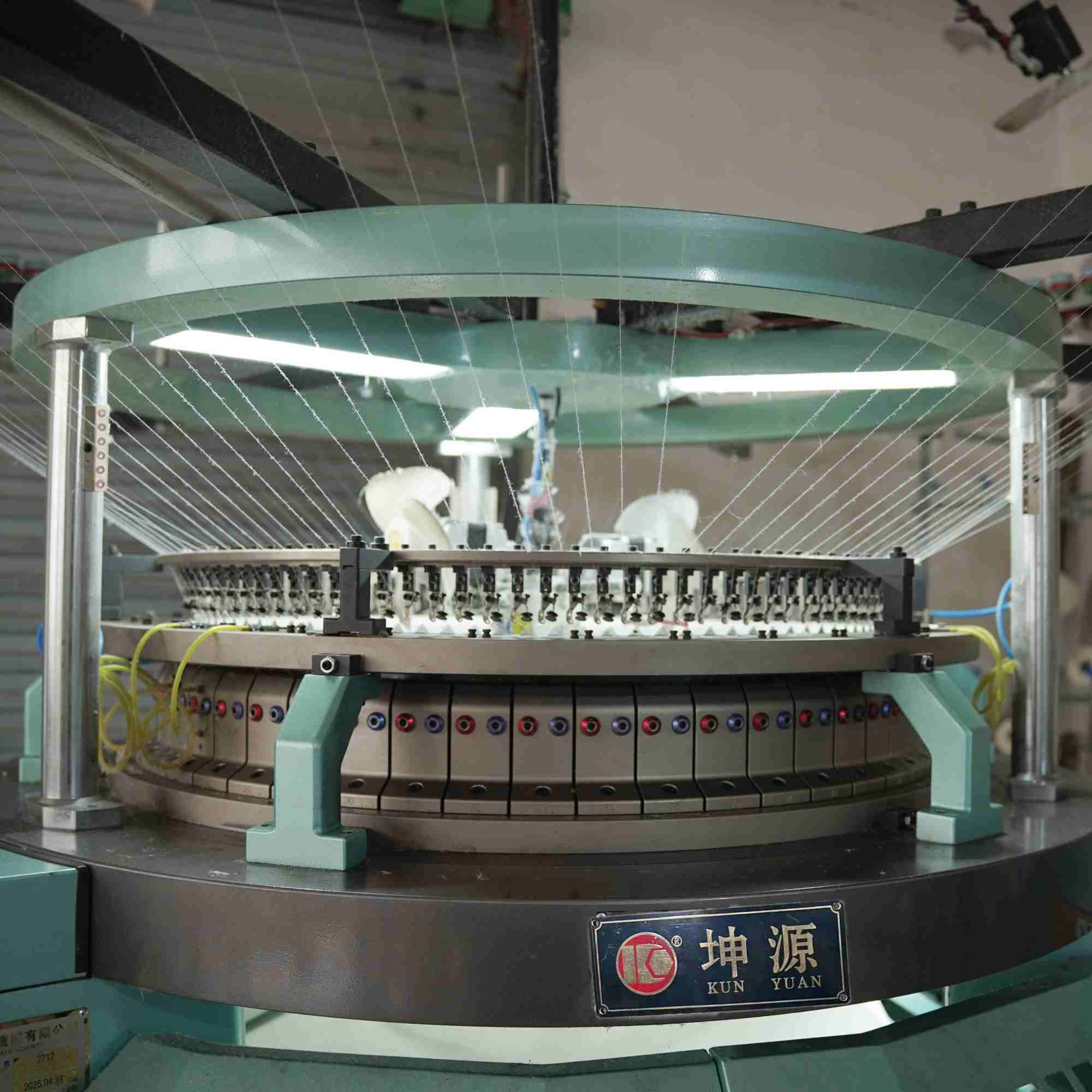
Single jersey catalogue equipment associated with a T-shirt fabric manufacturing proposal
The jersey route precedes pressing; this photograph is not a hot-press trial.
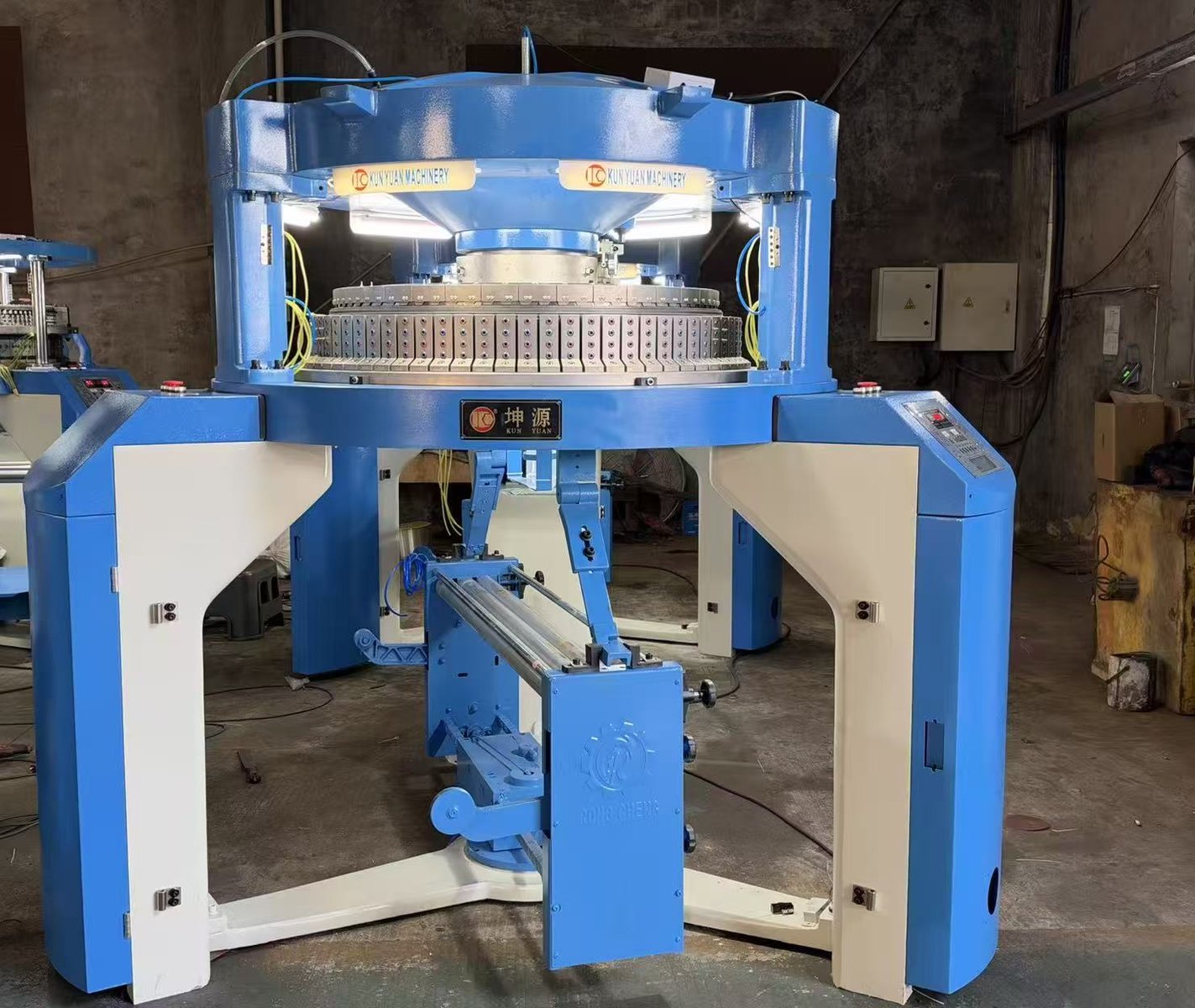
Kunyuan machine reference accompanying a downstream pressing colour requirement
A colourway-specific report must describe the later exposure independently of the machine view.
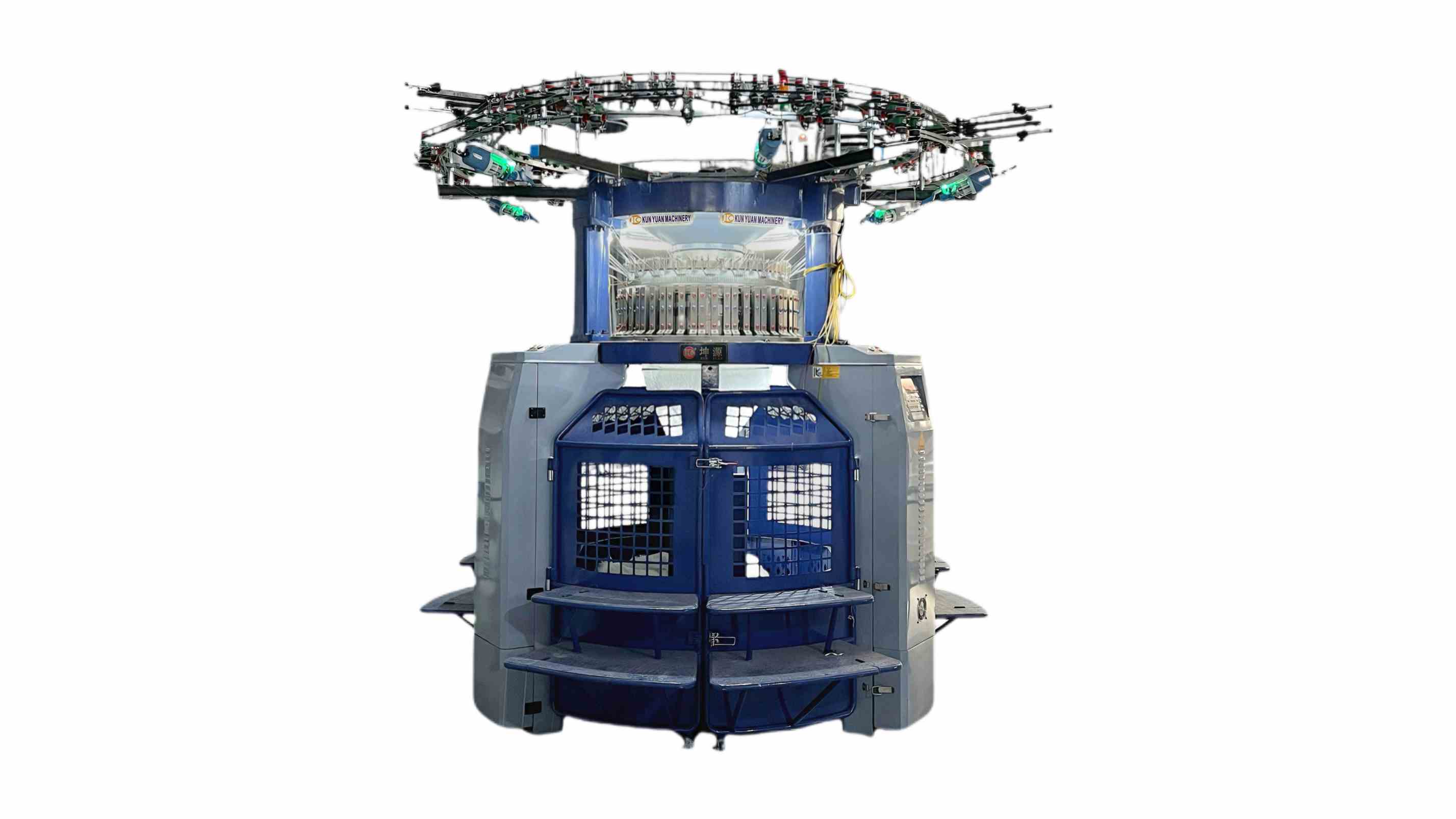
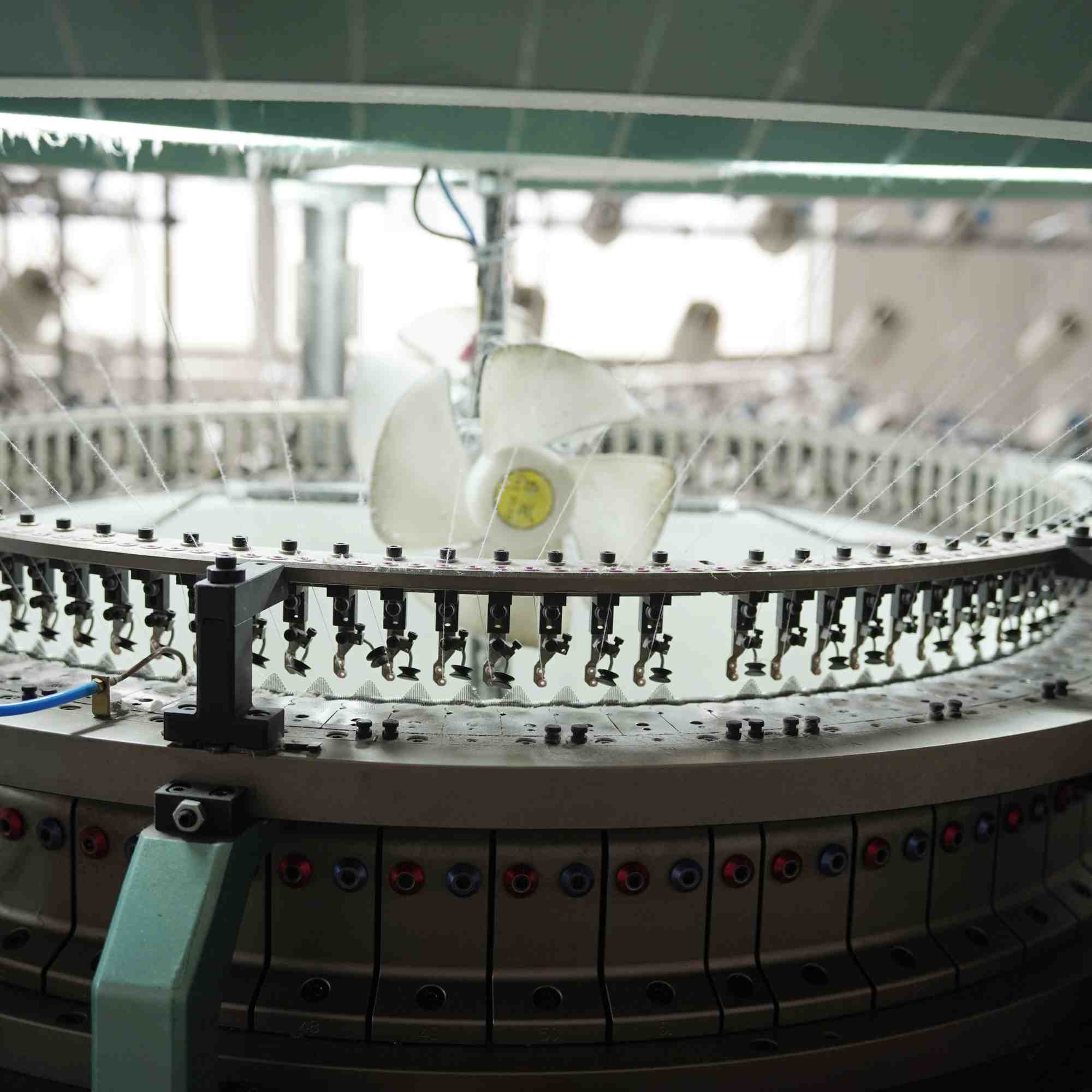
Catalogue jersey production equipment shown independently of fabric colour testing
Catalogue equipment gives no evidence about temperature settings or transfer-print adhesion.

Pressing handoff: close the right evidence gap

Dossier conditionUnresolved questionAppropriate disposition
Unpressed shade approval onlyColour after intended pressingRequest relevant pressing evidence
Report names another moisture stateExposure relevanceResolve with laboratory before comparison
Print adhesion report suppliedFabric colour resistanceKeep the colour obligation separate
Relevant colour report acceptedAny other required propertyClose only the documented colour scope

What the pressing colour gate includes

Which ISO edition is current for this source review?

The official page lists ISO 105-X11:2026, replacing 1994. An existing contract naming an earlier edition needs an explicit technical decision.

Does the article specify an ironing temperature?

No. Complete method requirements and processing conditions belong to the qualified technical owner and the actual application.

Is a wash-fastness certificate enough?

It addresses another exposure. Use evidence relevant to the hot-press colour requirement rather than borrowing a result from laundering.

Does the unpressed reference supply a laboratory grade?

It supports traceability and interpretation; it does not replace the method's required assessment.

Can the knitting machine supplier guarantee every later press route?

The catalogue does not provide that guarantee. Define the finished material and the required downstream colour evidence in the offer.

Close the colour question at the pressing boundary

Pressing colour qualification is useful when it closes the precise exposure question at the correct production boundary. A named condition, a recognizable colourway and a relevant report make that decision possible. Keep unrelated heat and decoration promises outside the result so the handoff remains technically honest.

Include the intended downstream pressing exposure when reviewing a Single Jersey Circular Knitting Machine fabric proposal, and agree who will provide the colour evidence before that production milestone.

Pressing colour evidence resolved or explicitly pending
Need Help?
Please leave your contact information to get our latest catalog
Get In Touch Now >
Kunyuan Machinery Manufacturer

Tel: +86-13859034518

Email: info@kunyuanmachine.com

MP/WhatsApp: +86-13859034518

Manufacturer Address:Bacuo Village, Yonghe Town, Jinjiang City, Fujian Province

NEW KEYWORD

About Us

Products

Information