Electric is the power basis; the controlled knitting system defines the result
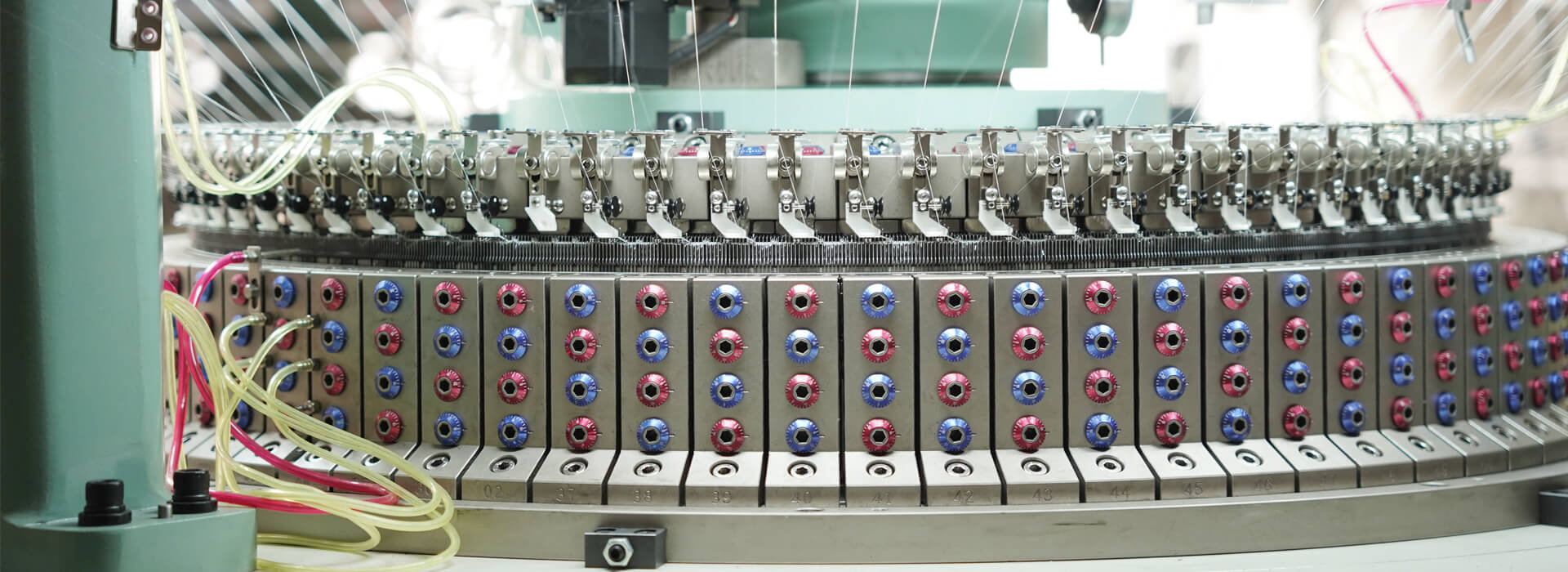
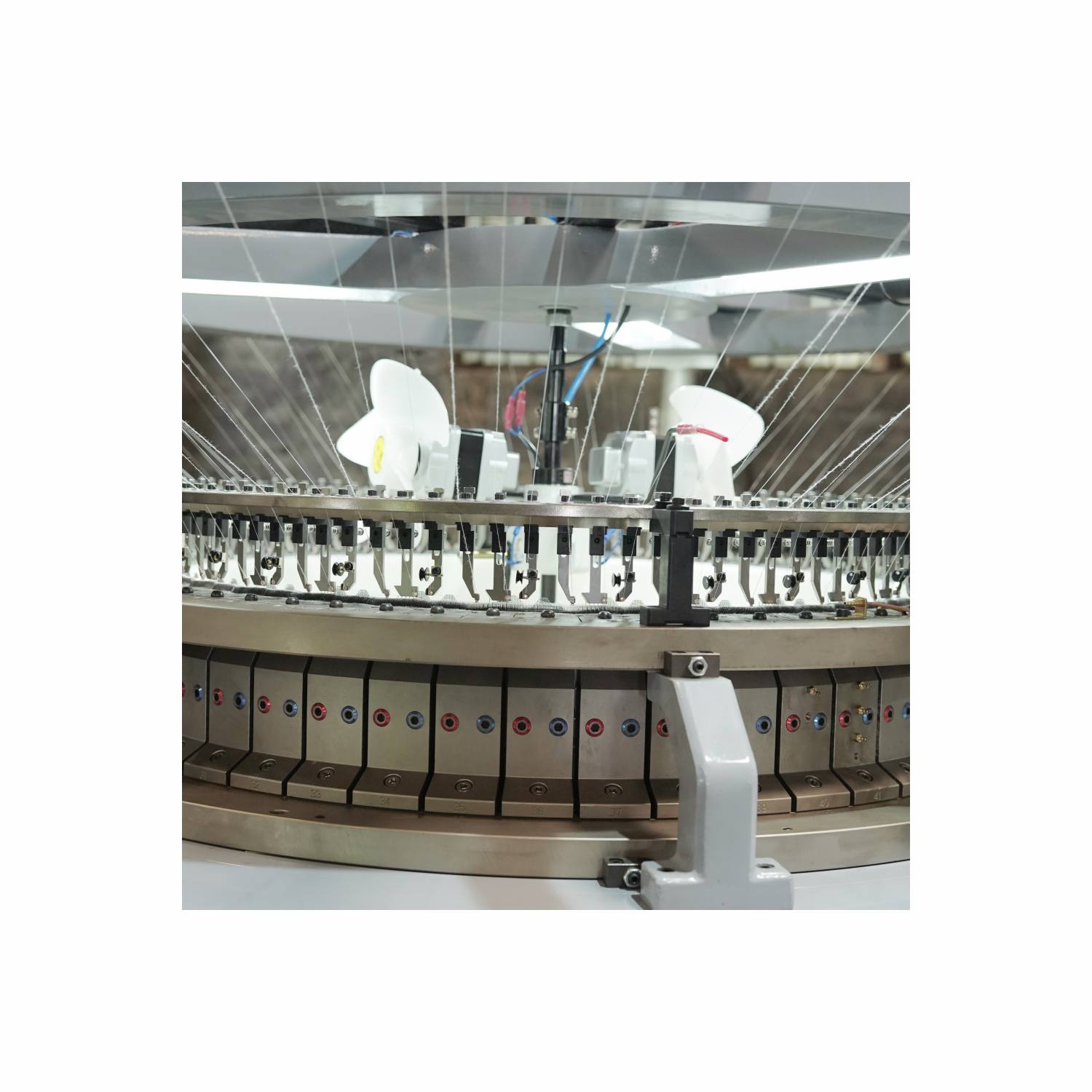
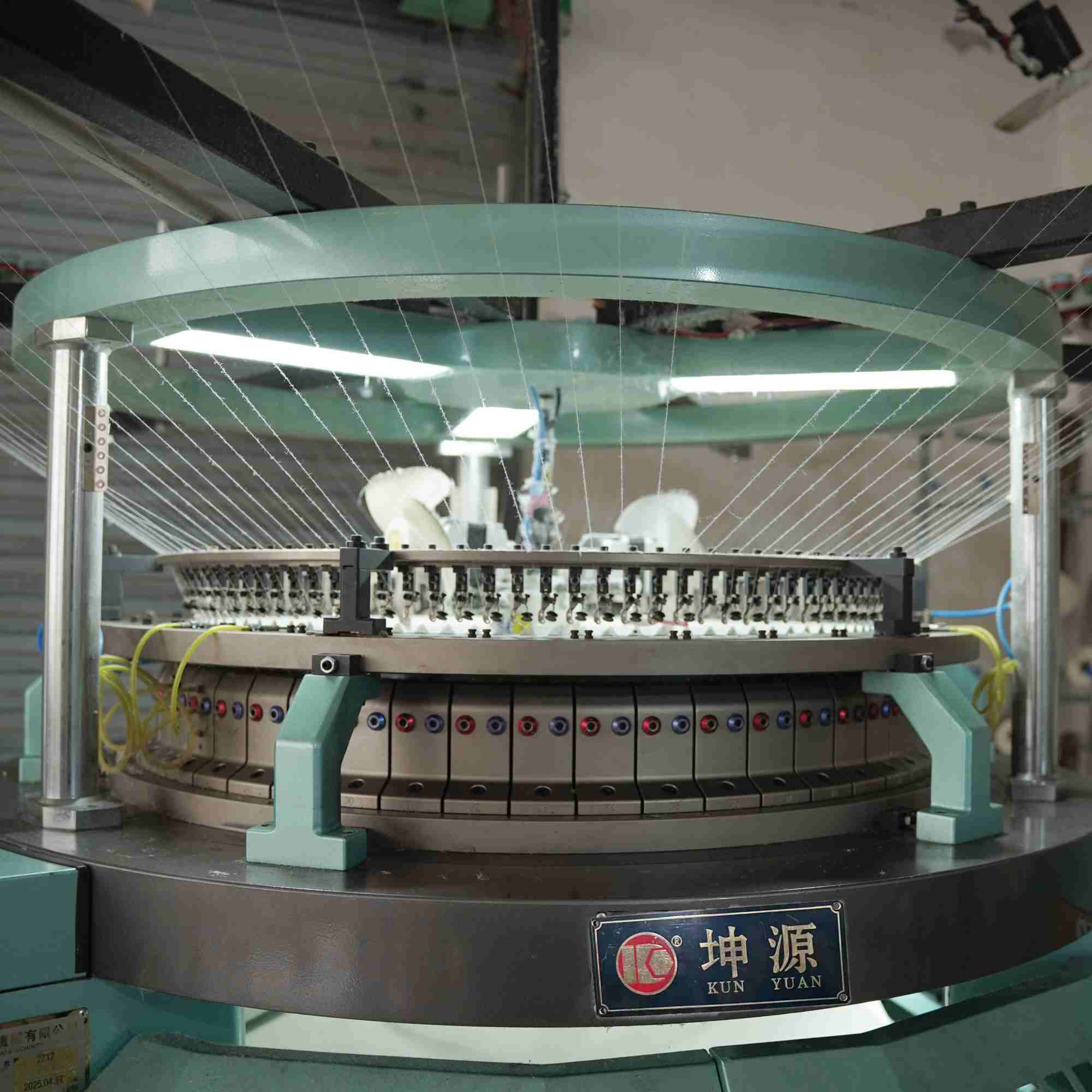
Modern circular machines combine electrical drives and controls with mechanical loop formation. Buyers need to know which parameter changes fabric, which device protects the process and which actions require qualified service.
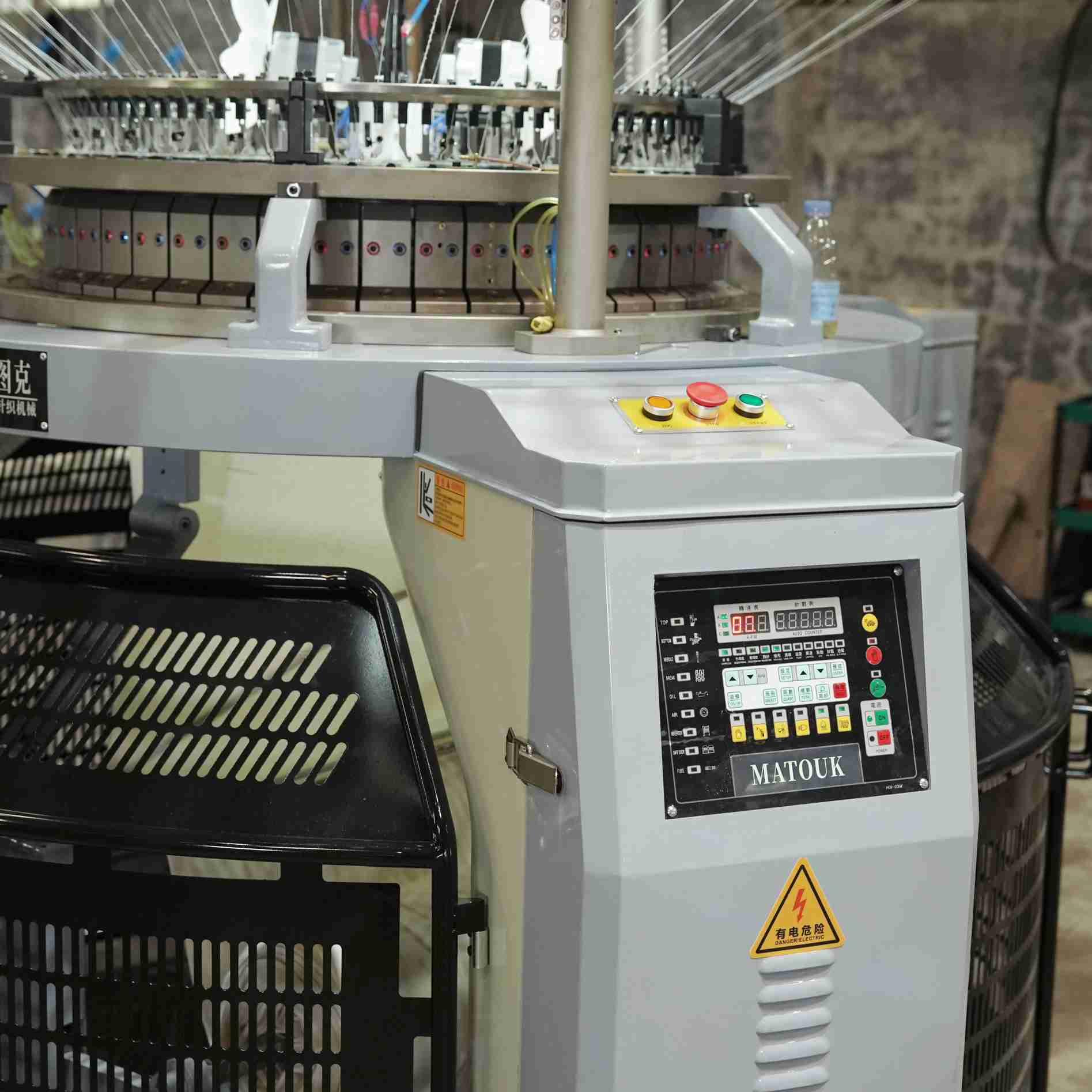
Begin with the exact machine electrical documentation and the mill's site standard. Record supply requirements, main drive, inverter or control revision, yarn delivery, selection where fitted, lubrication, detectors, take-down and winding. Map each system to an observable fabric or operating effect.
Do not open guards, bypass interlocks or give generic adjustment values. Manufacturer procedures and trained roles govern operation and service. OSHA's machine-guarding and energy-control guidance illustrates the general boundary: moving parts require safeguarding, and servicing must control hazardous energy. Include the incoming power quality, cabinet environment, grounding or protective arrangement specified by the supplier, and approved backup procedure in site acceptance. A control fault caused by the installation environment should not be misread as a knitting recipe problem, and a recipe correction must not be used to mask unstable electrical service.
01
Map commanded speed to stable mechanical and fabric response
Record commanded and observed speed only within the approved machine envelope. Log warm-up, vibration, abnormal noise, stops and fabric marks at the same time.
A drive display does not prove accepted output. Compare speed changes with yarn demand, loop formation, take-down and the finished defect record.
02
Keep yarn delivery controls tied to each yarn role
Identify packages, guides, storage or positive-feed devices, tension elements, break detection and elastomer paths. Record settings for a labelled accepted yarn lot.
When an alarm occurs, preserve package, feed and fabric position before resetting. Electrical detection reports a condition; it does not by itself identify worn guides, poor winding or incorrect threading.
03
Separate digital pattern commands from installed knitting actions
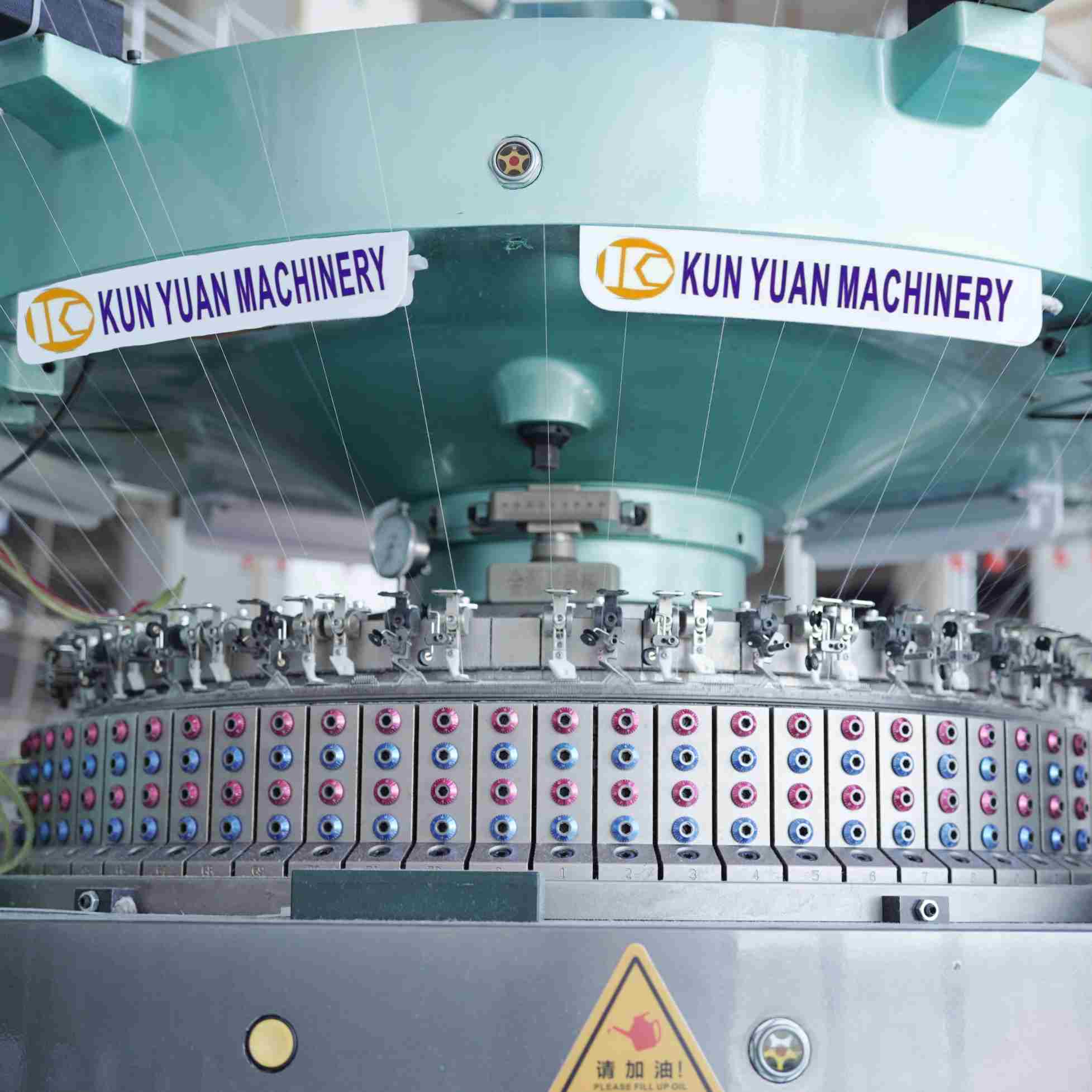
Record controller and pattern revision, selector scope, tracks and needle systems. Confirm that the offered mechanical arrangement can perform every commanded knit, tuck, welt or transfer action relevant to the structure.
Protect backups and change authority. An untracked program edit can move a defect or zone even when the electrical hardware is healthy.
Test take-down coordination without crossing the service boundary
Link take-down and winding settings to stitch basis, width, roll condition and restart marks. Uneven withdrawal can alter the load seen by the next courses and create circumferential or stop-related evidence.
Routine observation must stay behind guards and within the operating instructions. Isolation, troubleshooting inside protected areas and electrical work belong to qualified personnel under the site's approved procedure.
Map the electrical system to real process duties.
Electric control evidence notebook
System
Recorded parameter
Fabric or process evidence
Authority
Drive
Command and observed state
Stable rate, noise, marks
Operator within recipe
Yarn delivery
Path and device setting
Feed event and matching course
Operator/technician by task
Selection
Program and controller revision
Pattern and both faces
Authorized programmer
Take-down
Withdrawal and winding state
Width, roll, restart
Approved setup role
Preserve yarn and machine position when a control event occurs.Verify coordinated withdrawal through marked fabric.
Electric circular machine questions
Does electric identify a fabric type?
No. It describes the power and control context; beds, tracks, needles, yarn systems and handling define fabric capability.
Can an alarm state the root cause?
It identifies a detected condition. Preserve yarn, machine and fabric evidence before diagnosis.
Should controller speed be the capacity claim?
No. Use stable accepted fabric output under the target yarn and quality method.
Who may change protected parameters?
Only personnel authorized by the exact manufacturer procedure and mill responsibility system.
When is electrical isolation required?
Follow the machine documentation and site energy-control procedure whenever servicing exposes hazardous energy.
Conclusion
An electric circular knitting machine should be understood as linked drive, delivery, selection and withdrawal systems operating within a safety boundary. A parameter map turns controls into observable fabric evidence without confusing operation with qualified service. It also makes later alarm and restart records easier to compare across shifts.
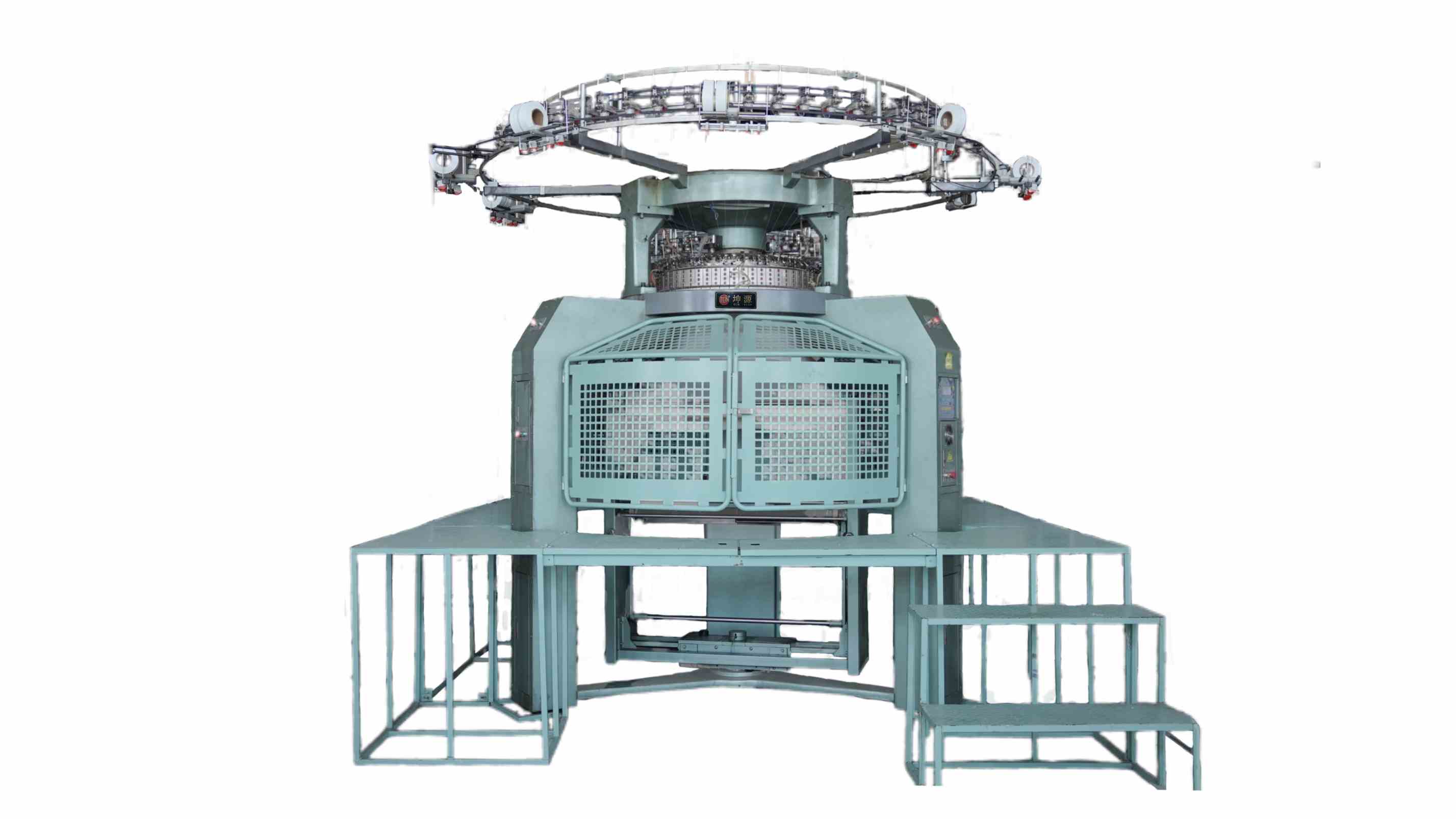
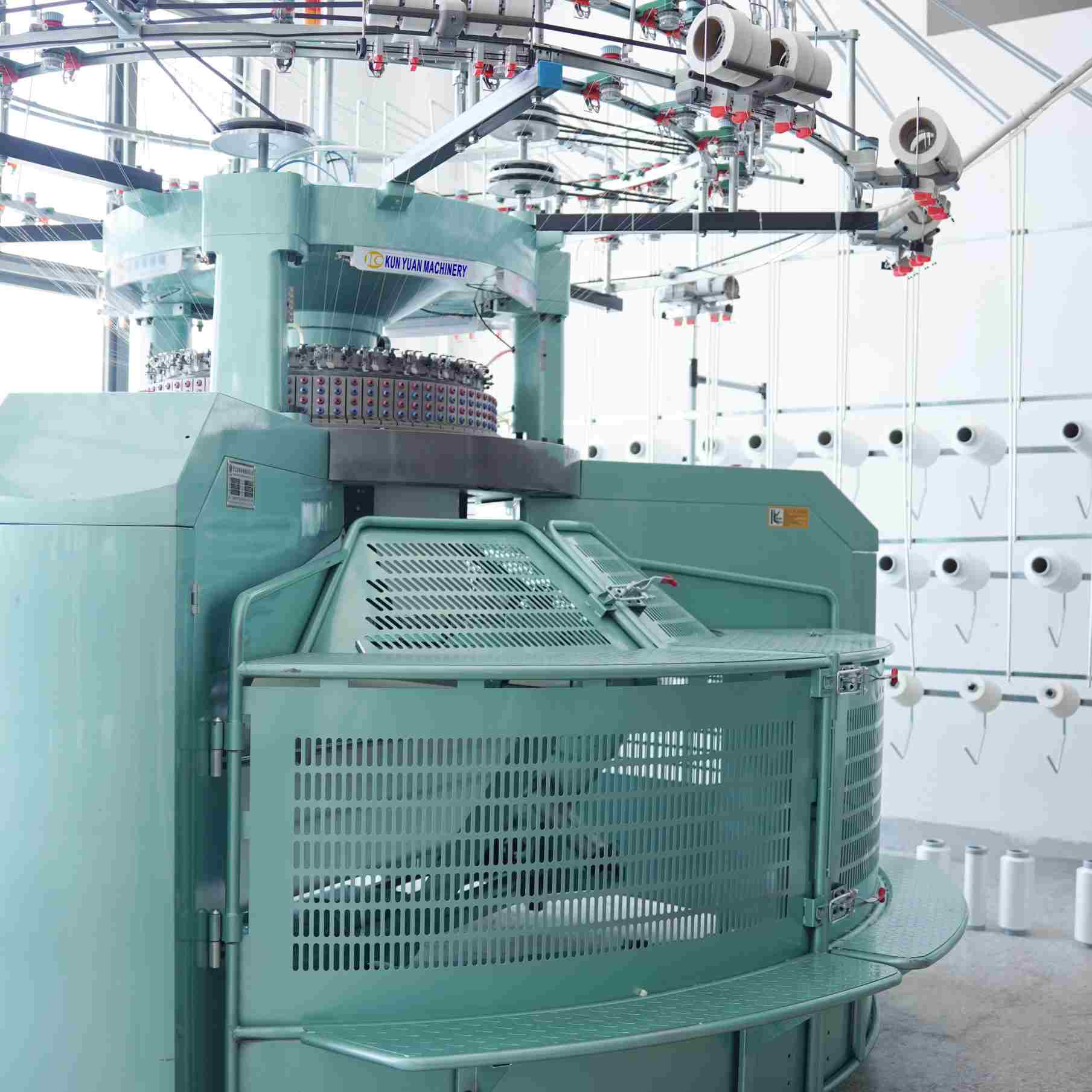
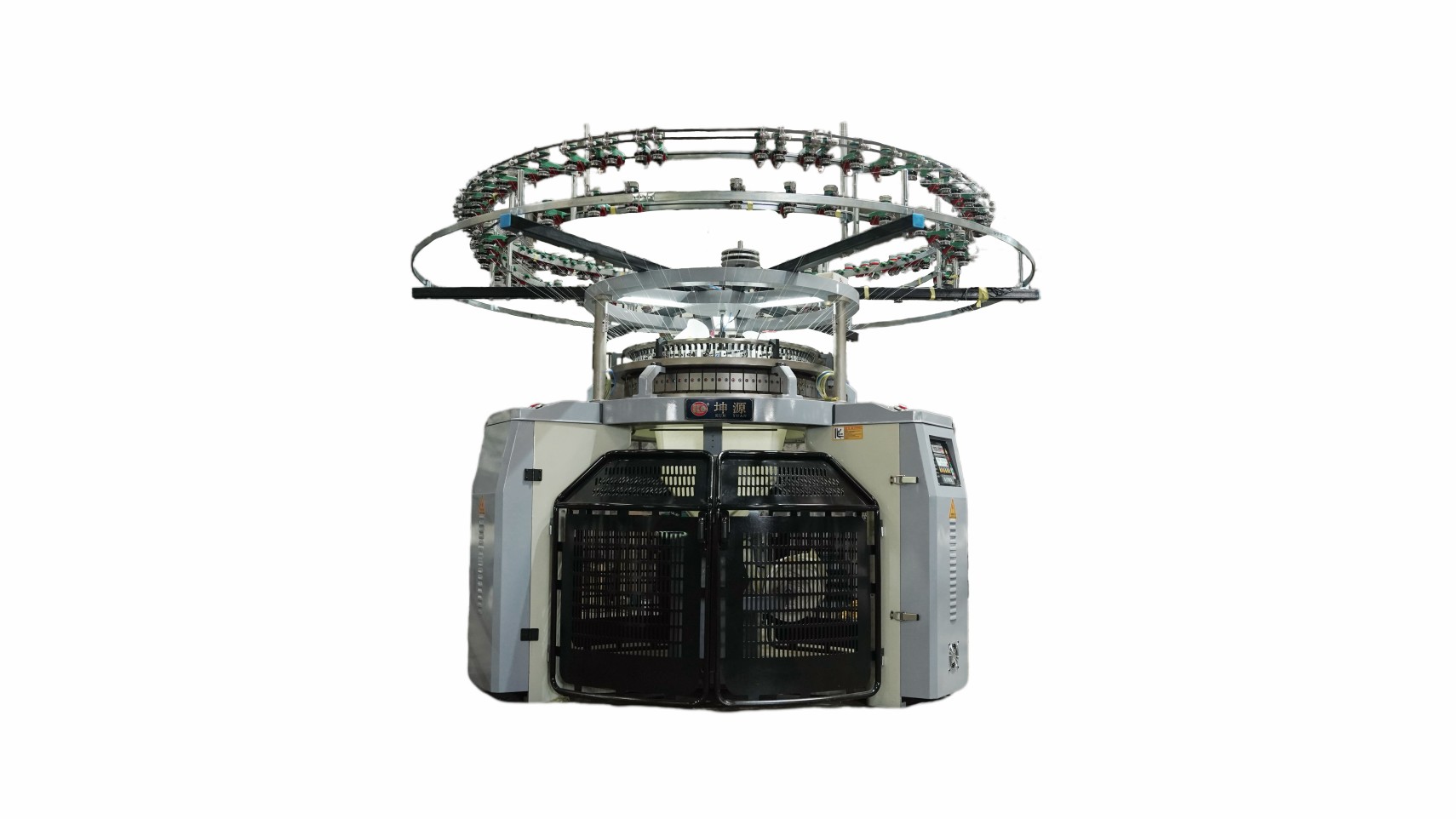
Use the parameter notebook while reviewing the industrial circular knitting machine range and ask the supplier to define both the fabric effect and the authorized role for every critical control.





 Tel: +86-13859034518
 Email: info@kunyuanmachine.com
 MP/WhatsApp: +86-13859034518
 Manufacturer Address:Bacuo Village, Yonghe Town, Jinjiang City, Fujian Province