A stripe appears only when the color plan, yarn route and knitting moment meet at the same feed
An auto striper coordinates selected color yarns with circular weft knitting. The useful question is not how many colors appear on a screen, but how the delivered machine presents the intended yarn and leaves a repeatable transition in fabric.
Begin with a stripe map rather than a controller menu. Give every yarn a color code, material and lot; show the course depth of each band, the repeat origin, the technical face and the reverse-side limit for carried yarn or tails. Add the exact machine file revision and the feed references used for the sample. This map lets design, knitting and inspection discuss the same event without confusing artwork, software and fabric evidence.
Official portfolios from Fukuhara and Unitex place computerized striping in specific circular-knitting machine families. They support the existence of controlled color-yarn presentation, but they do not prove that every listed color count, structure or pattern is available on one build. The quotation must identify the installed striper arrangement, knitting system and control scope. A buyer-yarn run then establishes what that configuration can repeat.
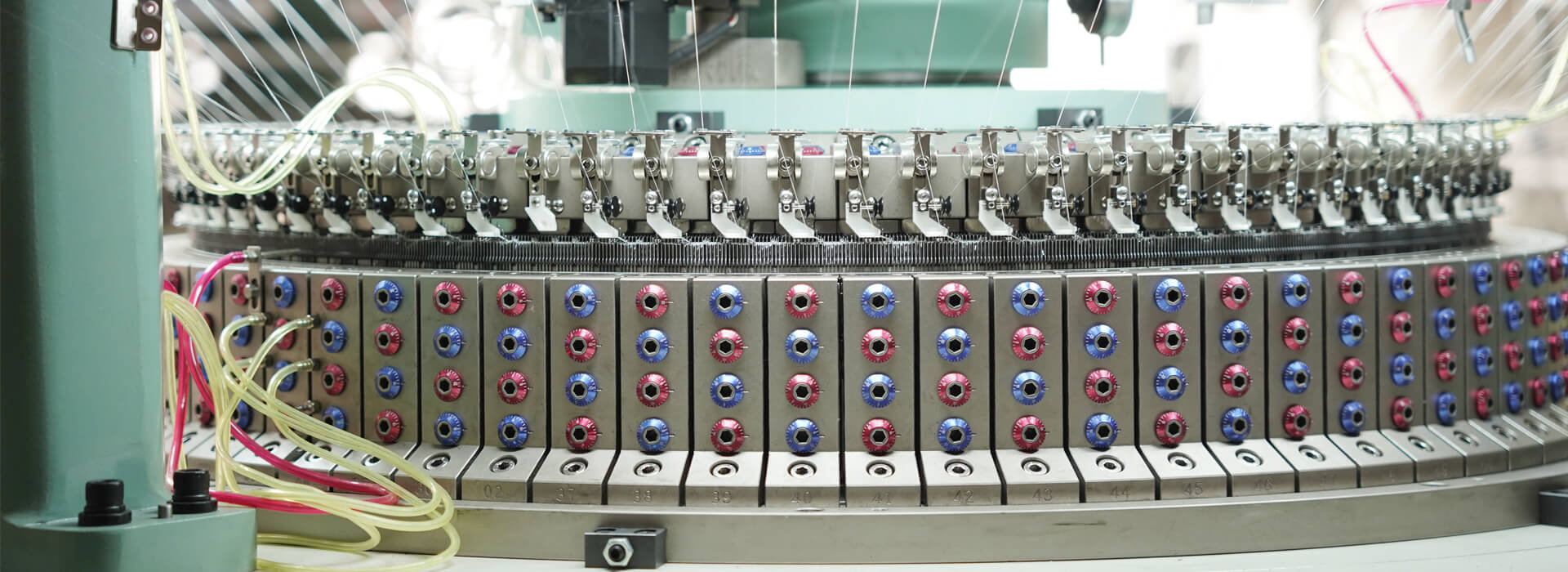
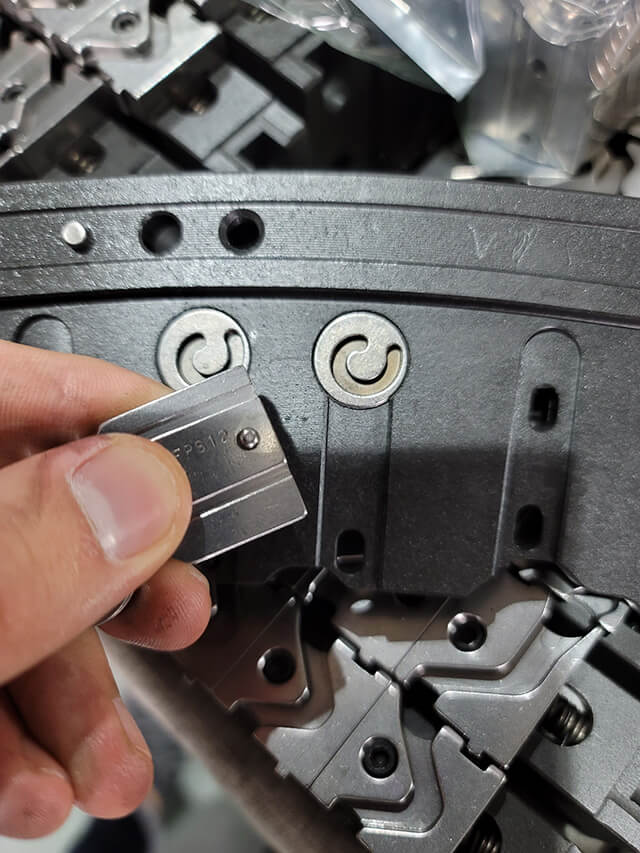
Connect the color instruction to the actual presentation hardware.
Turn the artwork into a color-and-course instruction
Separate the visual design from the executable job. The working sheet should state which yarn appears next, how many courses it remains active, where the repeat begins around the tube and how the bands align after one circumference. Record any plating, elastomer or ground-yarn role independently because those yarns may continue while the visible stripe changes. A pattern preview can expose an ordering mistake, but it cannot confirm yarn presentation or loop quality.
Include difficult boundaries in the plan: the shortest commercial band, two changes close together, a dark-to-light transition and a color that remains parked for a long interval. Give each boundary a sample mark. When an instruction is corrected, preserve the prior file and issue a new revision. That discipline prevents an unnoticed program edit from being diagnosed later as a feeder, needle or yarn problem.
Follow every package to its presentation point
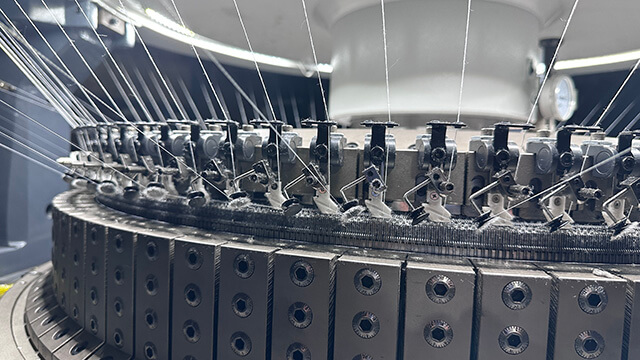
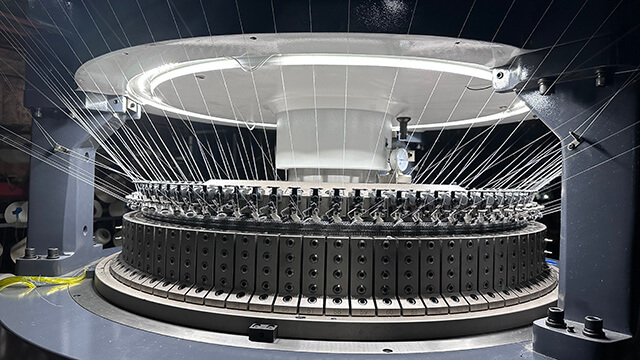
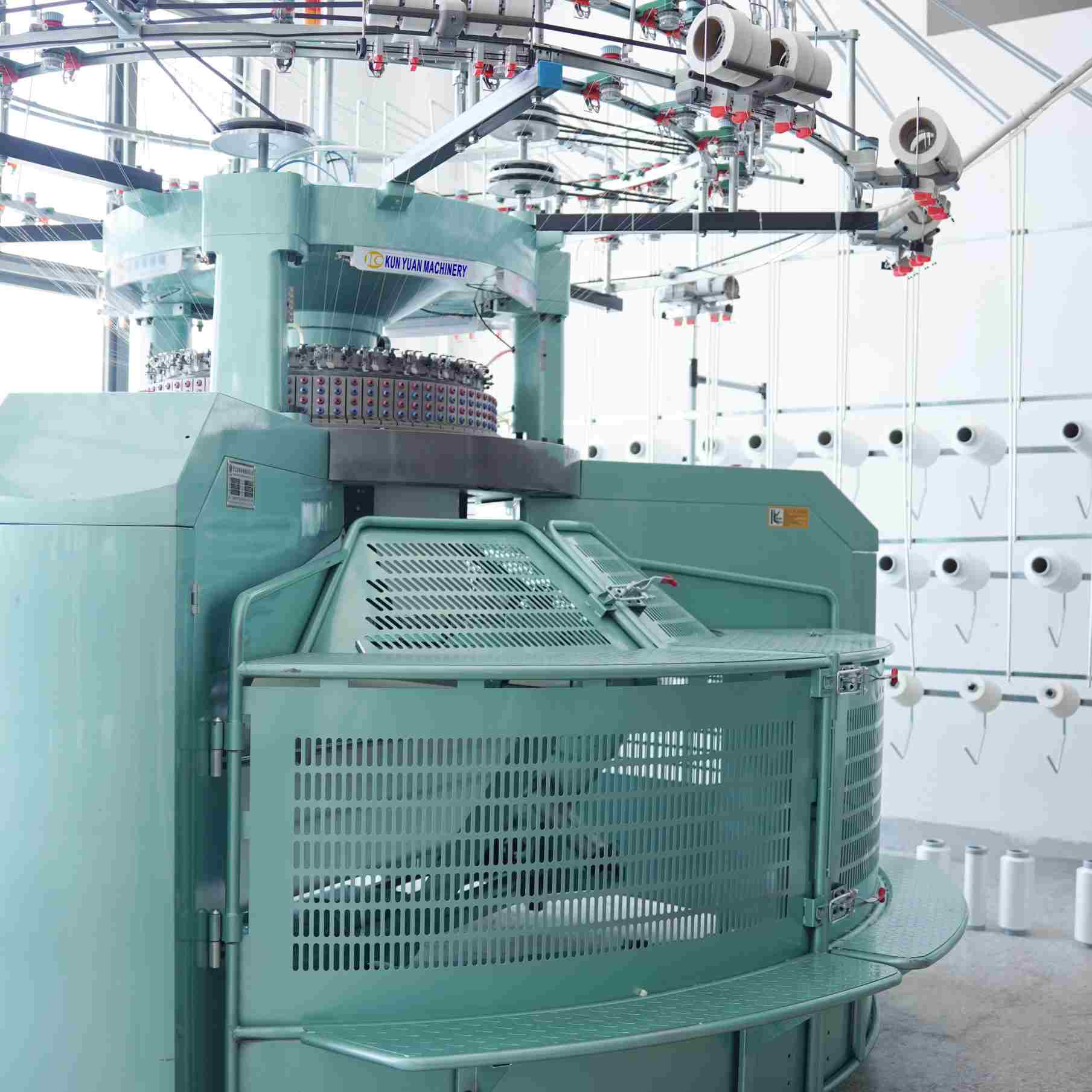
Place the packages according to the approved map and label them before threading. Trace each color through the actual guides, storage or feed devices and into the striper unit while the machine is in the safe state required by its operating procedure. Photograph junctions where paths can be crossed. Yarn count, twist, finish and package build can change withdrawal behavior, so two colors should not inherit one setting merely because they share a design.
Observe a normal package change and a low-package condition during the trial. Mark the fabric when a knot, splice, break or delayed presentation occurs. If a band appears at the wrong moment, first compare the command, package identity and full route; do not assume the electronic selection is at fault. A detector reports what it sensed. The physical record shows whether the selected yarn actually reached the knitting point.
Inspect the instant one color leaves and another enters
At the change point, the control command, yarn presentation and needle action must be coordinated. Inspect the complete tube rather than one attractive cut swatch. On the face, check course position, registration, shade contamination and local density. On the reverse, look for unacceptable tails, floats, trapped yarn or an incomplete release. Keep machine direction and the relevant feed position visible on the sample so a repeating fault can be mapped back to the process.
Run a planned stop before a change, restart through the boundary and later return to a previously inactive color. These events expose behavior that an uninterrupted demonstration can hide. If the first correction changes the program, yarn route and withdrawal together, the result cannot identify the responsible factor. Make one approved change at a time where practical, state the expected fabric response and retain the rejected boundary beside the accepted one.
Close the process with a saved job and a second-shift repeat
A successful first roll can depend on undocumented intervention. Build a job package containing the approved program revision, color-to-package map, yarn lots, threading photographs, permitted settings, inspection points and first-piece criteria. Record setup waste separately from normal running waste. The package should also identify which adjustments belong to trained operators and which require the supplier's procedure or qualified service.
Ask a receiving shift to reload a previously approved design after a normal cleaning or color change. Compare the new band depths, repeat alignment, face appearance and reverse-side carry with the retained sample. Log manual corrections and the time needed to release the first acceptable piece. This repeat demonstrates practical color control more convincingly than a panel feature list or an isolated high-speed run.
Label every package and route before testing a stripe boundary.
Auto-striper color-path decision table
Process point
Record before running
Fabric observation
Decision
Stripe instruction
Color order, course depths and revision
Band sequence and repeat origin
Instruction matches artwork
Yarn path
Package, lot and route identity
No crossed or delayed color
Presentation is traceable
Color handoff
Feed and event marks
Face and reverse transition
Boundary cases pass
Production repeat
Saved job and setup record
Second-shift comparison
Job is releasable
Application release boundary
Keep four capability layers separate: the artwork and course instruction, the installed color-yarn presentation hardware, the knitting system that forms the structure, and the marked fabric result. Classify every requested stripe as demonstrated on the offered build, dependent on a named option or yarn trial, awaiting validation, or outside the current offer.
Judge each handoff on both fabric faces and retain its event mark.
Auto-striper process questions
Does the controller's color count define the usable stripe range?
No. Confirm the installed striper arrangement, knitting system, yarn behavior and demonstrated program on the offered machine.
Why record courses instead of measuring only stripe width?
Course depth links the design to the knitting instruction; finished width can also change with structure, relaxation and finishing.
What should be inspected on the reverse side?
Check carried yarn, tails, trapped or misplaced color and any unstable handoff hidden by a correct-looking face.
How can a missed color be isolated?
Preserve the command revision and fabric position, then compare package identity, complete yarn path, presentation event and loop result.
What evidence supports production handover?
A trained receiving shift should reload the saved job and reproduce the approved boundaries after a representative changeover.
Conclusion
An auto striper works as a timed material path. The design defines the color sequence, labelled yarns travel through known routes, the striper presents them to the knitting system, and the fabric records whether the handoff succeeded. A saved job plus a repeated buyer-yarn sample keeps the delivered capability specific and auditable.
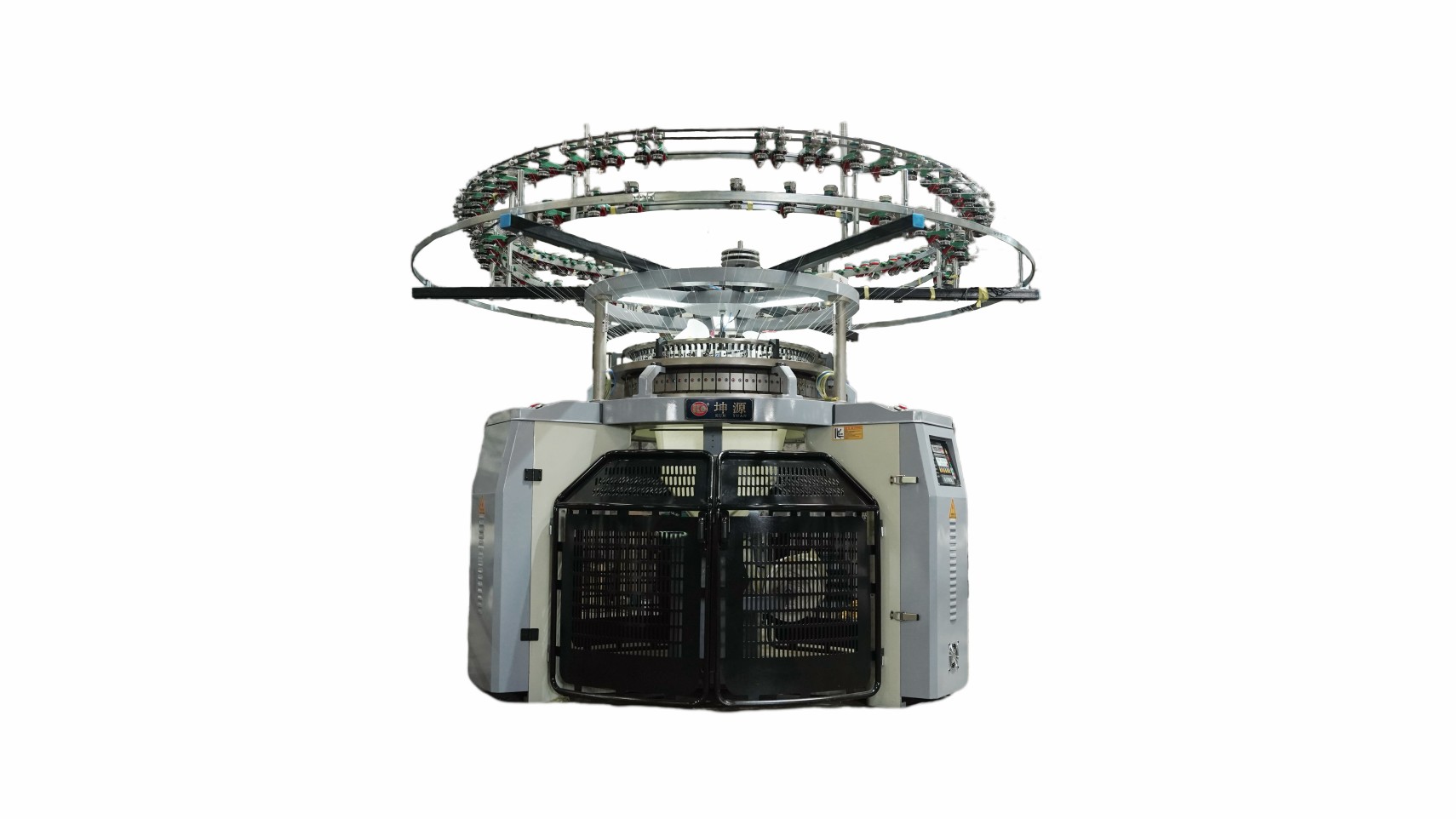
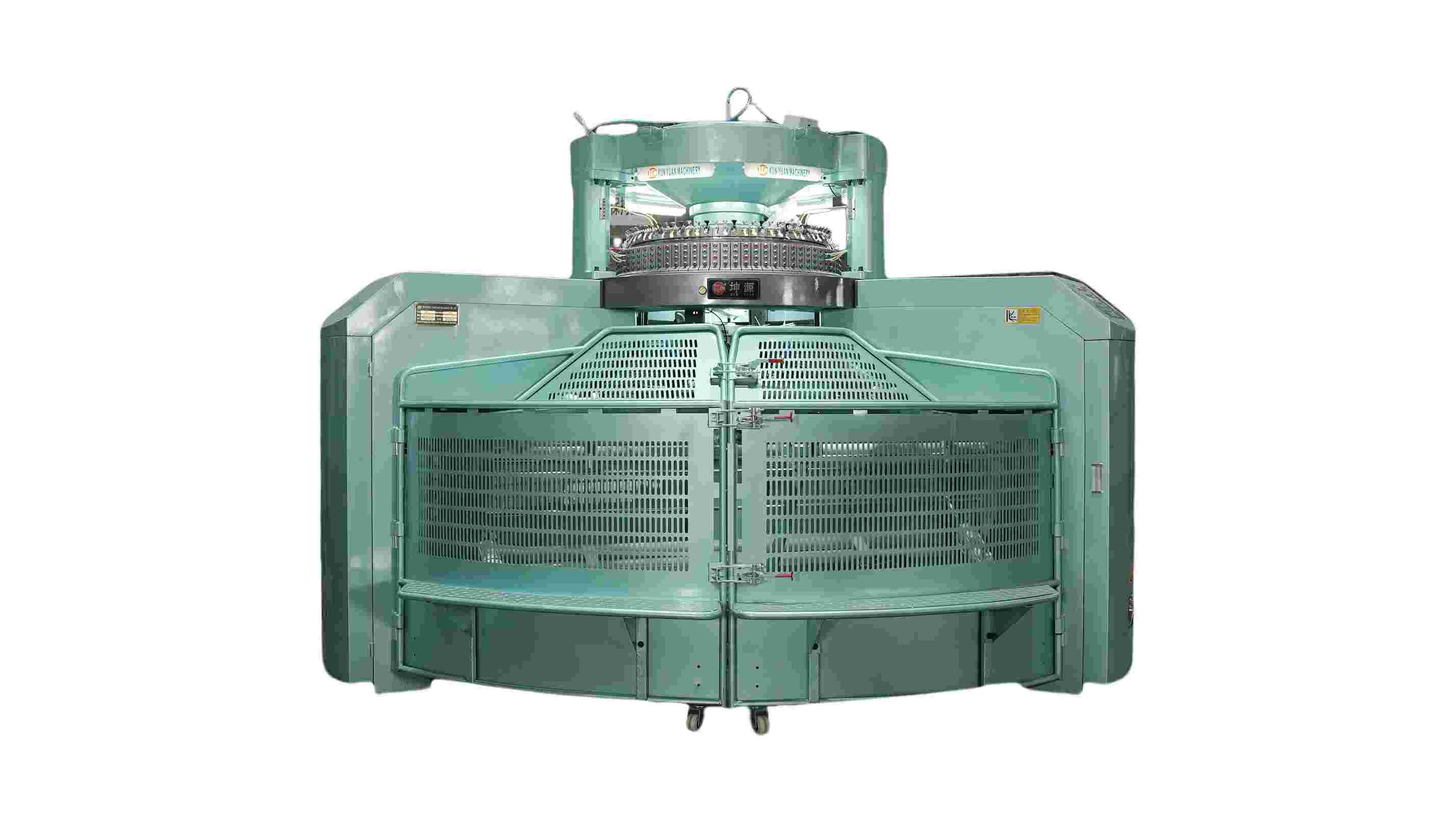
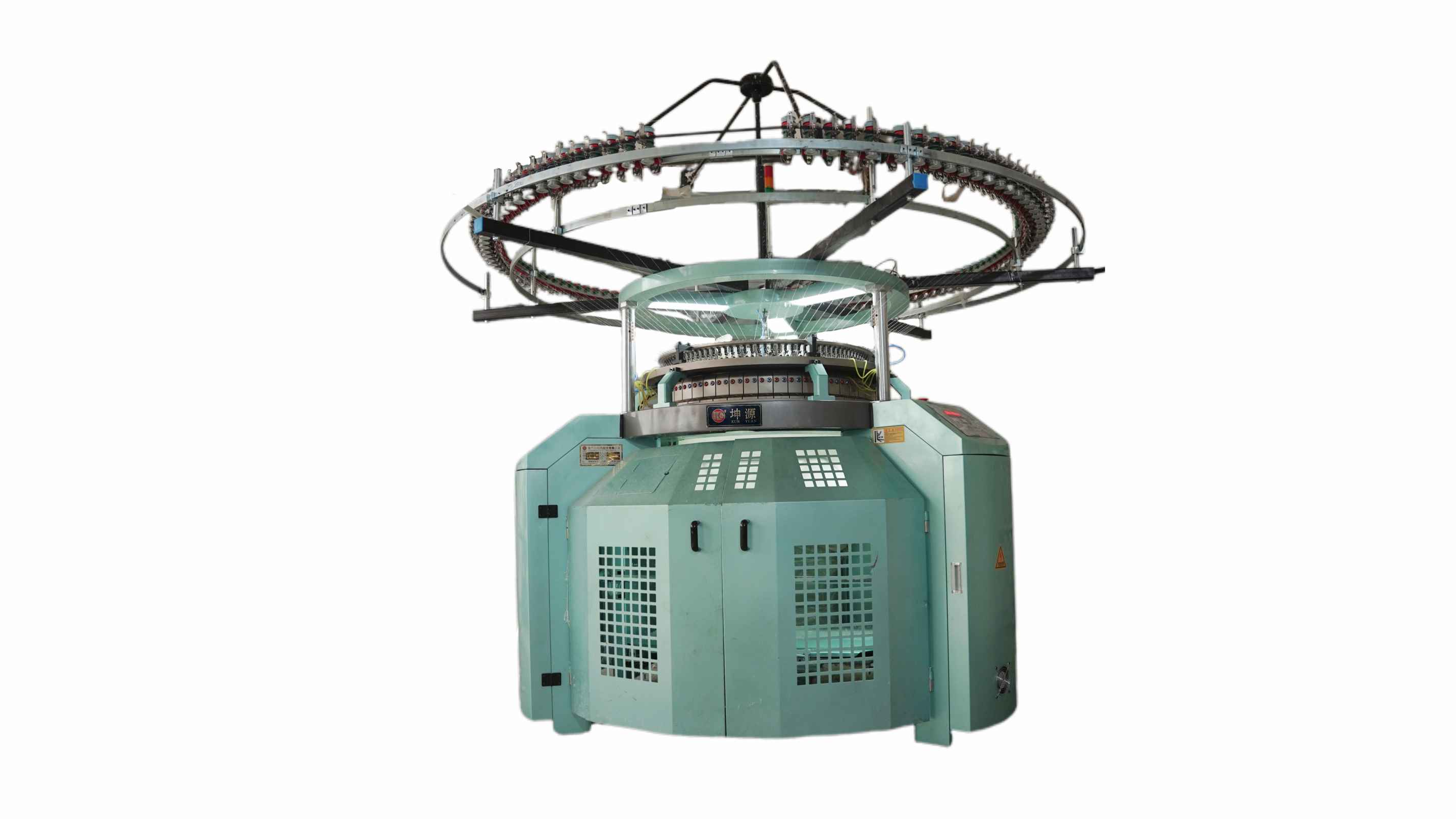
Use this color-path record when reviewing the industrial circular knitting machine range and require the offered striper arrangement, program revision and marked stripe sample to be approved together.





 Tel: +86-13859034518
 Email: info@kunyuanmachine.com
 MP/WhatsApp: +86-13859034518
 Manufacturer Address:Bacuo Village, Yonghe Town, Jinjiang City, Fujian Province