A high-pile surface must be traced from its knitted foundation through the named cutting and finishing stages
High-pile quality is not captured by pile height alone. Ground stability, pile-yarn formation, loop retention, cutting or shearing and final inspection contribute different evidence to the commercial surface.
Write the fabric architecture before discussing equipment. Identify the ground yarn, pile yarn, loop relationship, technical face, intended uncut or cut state, greige dimensions and the surface expected after finishing. Keep an unprocessed control strip from the same roll. It allows a later bare area, streak or weak anchor to be traced back to knitting rather than assigned automatically to the finishing machine.
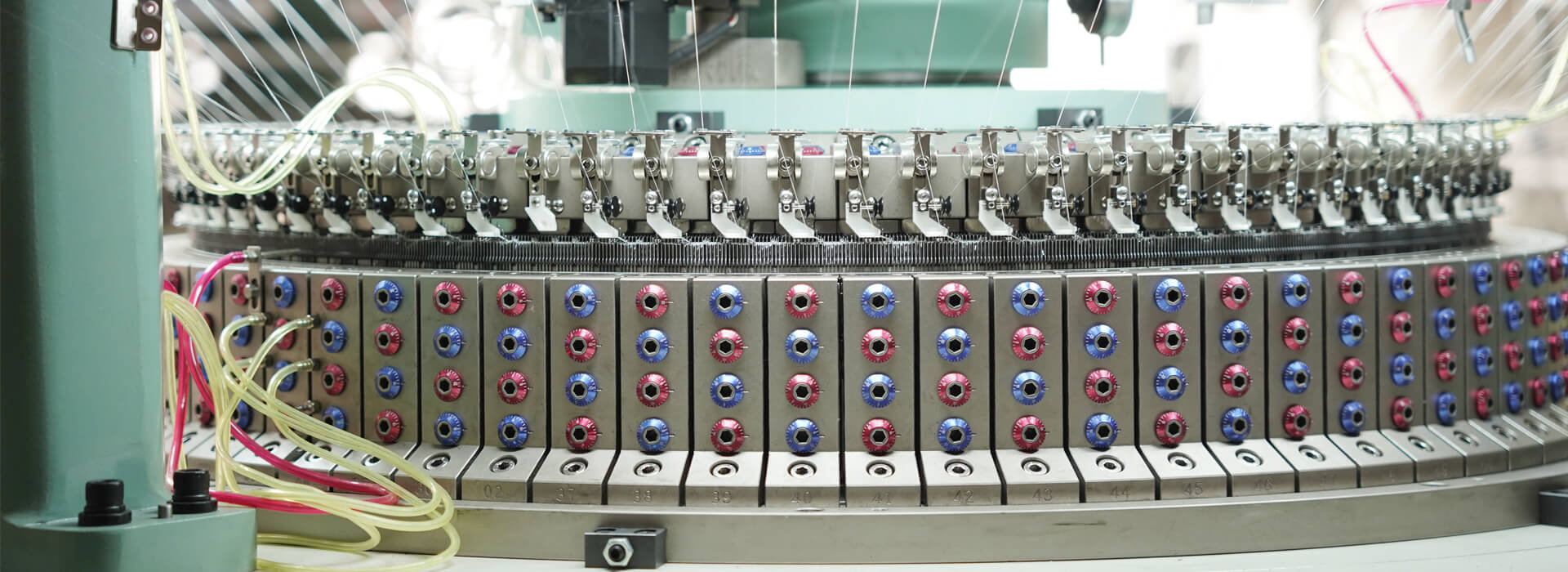
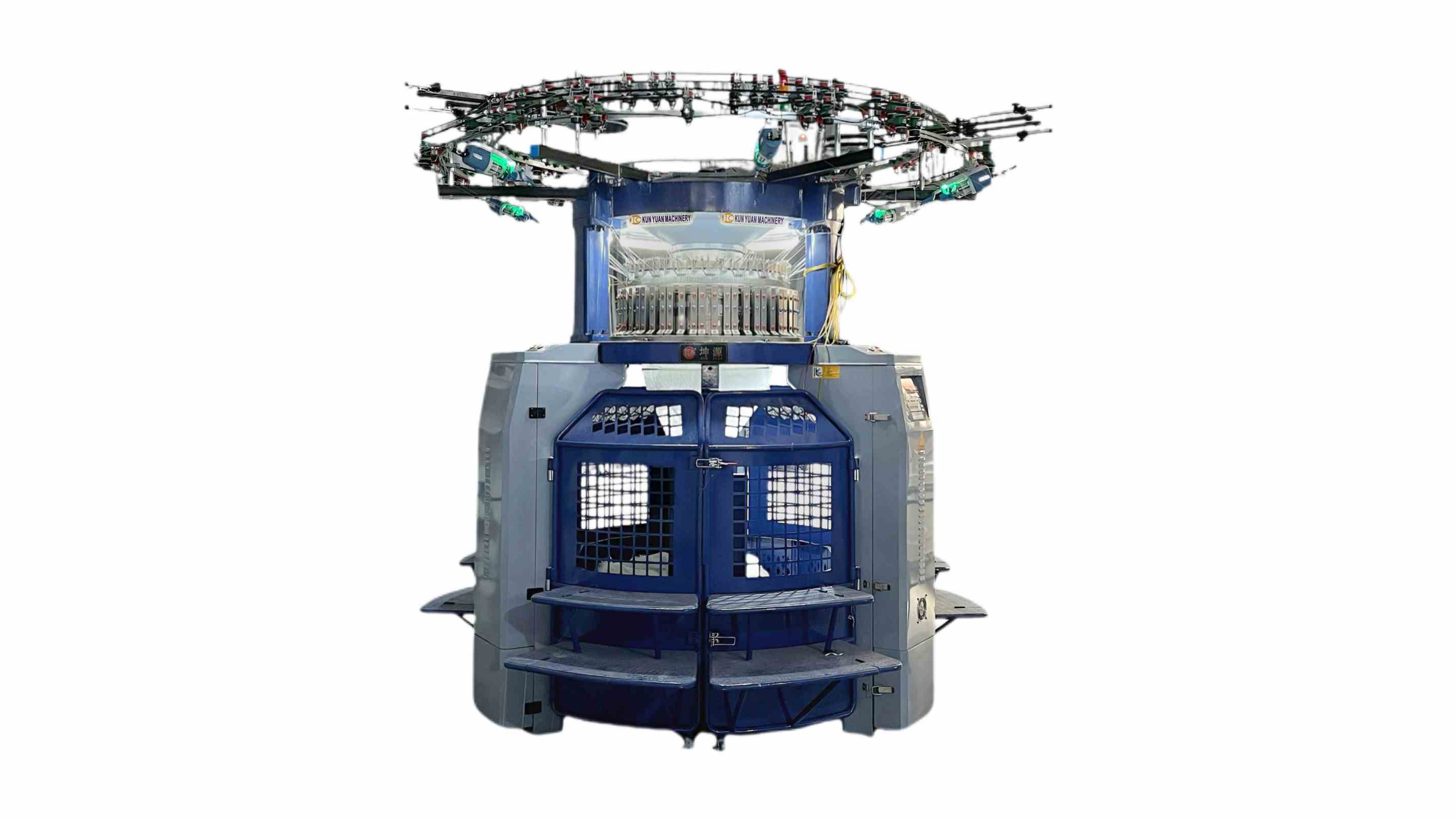
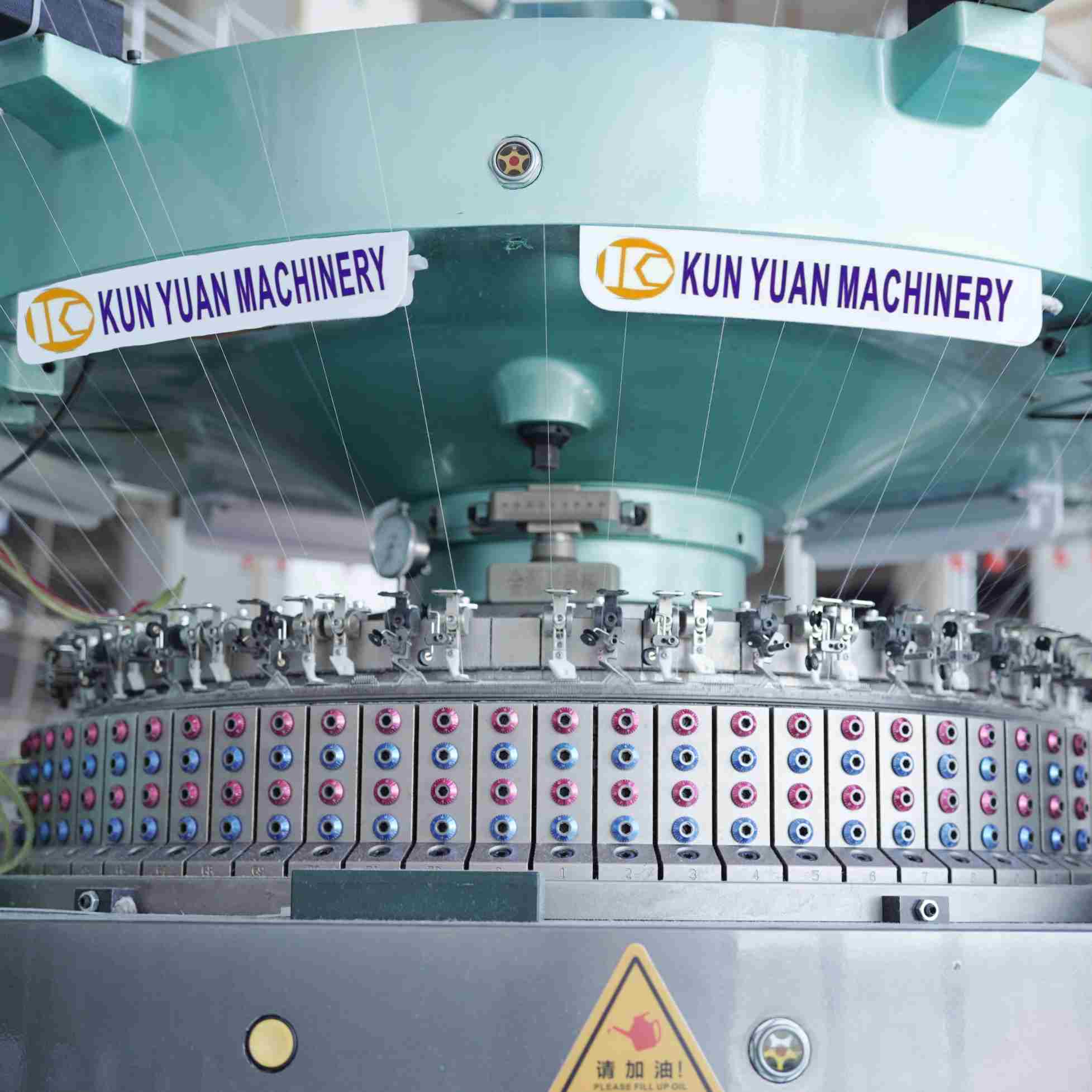
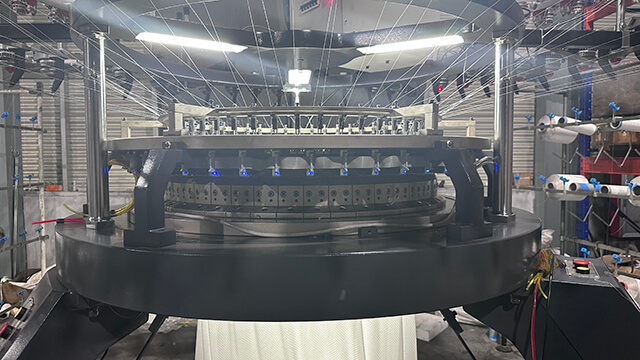
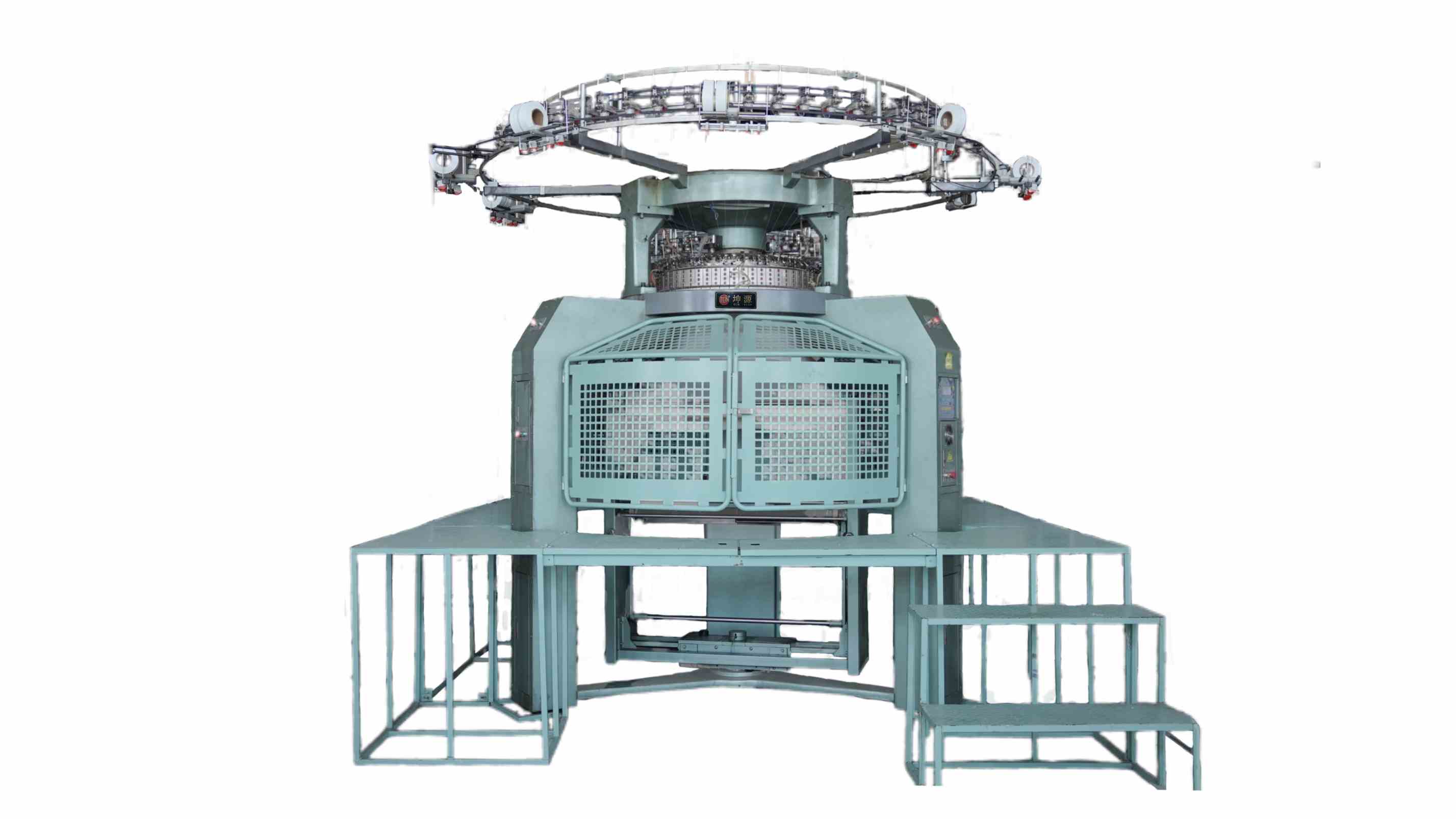
Kunyuan lists pile circular knitting equipment and high-pile cutting or raising-and-shearing equipment in separate product areas. That official separation supports a controlled process route: first prove what the knitting stage forms, then document what downstream equipment changes. A catalogue image cannot establish universal pile height, cutting quality, speed or end-use performance. The offered build, specified yarns and paired samples define the demonstrated scope.
Stabilize the ground before asking the pile to carry a surface
The ground structure holds the pile system and transmits withdrawal forces. Record its yarn separately from the pile yarn, draw the relationship visible on both fabric faces and mark machine direction. Inspect for lines, weak areas, distortion and exposed ground before cutting or raising changes the appearance. A dense surface can conceal a poor foundation until handling or finishing releases loops.
Measure a labelled full-width strip in the greige condition using the agreed basis. Preserve width, weight, roll position and visible-defect notes. If a repeating line appears, map its interval and circumference before adjusting the machine. The ground assessment should close independently: an attractive pile face is not evidence that the retaining architecture or reverse side is acceptable.
Control pile-yarn delivery, loop distribution and handling survival
Label the pile yarn by material, count, lot and package condition, then trace its own delivery route. Do not copy the ground-yarn setting or publish a generic tension figure. The required operating window depends on the installed machine, elements, yarn and fabric construction. During the trial, include a package change and controlled restart, marking loose loops, bands, bare patches, contamination or unusual fly on the roll.
Inspect the surface at the machine, after winding and after representative transfer to finishing. Keep one section uncut. If loops pull out during handling, determine whether the evidence points to formation, retention, withdrawal or external contact before changing the cutting stage. The best boundary sample uses the most demanding agreed yarn or surface condition, not only the easiest article produced for a photograph.
Treat cutting, raising and shearing as named downstream operations
State exactly which operation is intended. Cutting can open specified loops; raising can develop fibres from a knitted surface; shearing can level the developed face. They are not interchangeable labels, and their settings belong to the relevant equipment manual and trained process owner. Before processing, mark orientation and roll position on a full-width piece. Keep an adjacent control outside the finishing batch.
After each approved route, inspect cover, levelness, exposed ground, stripes, loose fibre and structural damage. Record process changes rather than allowing a finisher to improve the sample invisibly. A surface fault may be amplified, reduced or created downstream. Paired evidence is what lets the knitting and finishing teams assign responsibility without relying on memory.
Judge the saleable face together with dimensions, yield and retained controls
Evaluate the finished piece under consistent lighting across usable width and several roll positions. Compare surface uniformity, hand where specified, width, weight and dimensional response with the greige baseline. Add the buyer's relevant durability, shedding or care tests when required, naming the method and acceptance owner. A knitting-machine trial alone does not certify a specialized end use.
Calculate accepted output after cutting loss, finishing loss, rejected sections and rework. Then repeat the approved route with the receiving team and another labelled lot. Store greige control, finished sample, machine record and finishing record under one sample code. Commercial release should state which architecture and process were demonstrated, which options were used and which requested surfaces remain open for trial.
Prove the knitted foundation before developing the surface.Keep greige orientation and roll position with every finishing trial.Release the route from paired controls, dimensions and accepted yield.
High-pile knitting and finishing release table
Stage
Material record
Quality evidence
Release boundary
Ground
Ground yarn and loop relationship
Reverse view and greige dimensions
Foundation is stable
Pile formation
Pile yarn, route and events
Distribution and retention
Greige survives handling
Cut or shear
Named equipment and process batch
Paired processed and control strips
Surface change is traceable
Finished release
Complete sample code
Surface, dimensions and accepted yield
Product brief is met
High-pile process questions
Does a high-pile knitting machine create the final saleable surface by itself?
Not always. The specified product may require cutting, raising, shearing or another documented downstream operation.
Why keep an unprocessed strip from the roll?
It preserves the original ground, pile distribution and defect location for comparison after surface development.
Are cutting and shearing the same operation?
No. Name the exact operation and equipment used; each changes the surface in a different way and needs its own record.
Can pile height be accepted from a catalogue value?
No. Confirm the offered configuration and evaluate the specified yarn architecture in paired greige and finished samples.
What closes high-pile quality approval?
A traceable route should pass finished surface, dimensional and product-specific checks while preserving its greige control and accepted-yield record.
Conclusion
High-pile technology is a linked but separable route. The circular machine establishes the ground and pile architecture; handling tests loop retention; named cutting or shearing stages develop the face; and finished inspection decides saleable quality. Paired controls keep claims tied to evidence instead of blending every stage into one machine promise.
Apply this surface-route record when reviewing the pile fabric circular knitting machine range and require the quotation to identify the greige architecture, downstream equipment and paired finished sample for each promised product.





 Tel: +86-13859034518
 Email: info@kunyuanmachine.com
 MP/WhatsApp: +86-13859034518
 Manufacturer Address:Bacuo Village, Yonghe Town, Jinjiang City, Fujian Province