Hot Keyword:
YOUR POSITION:HOME > Blog >

How to Operate an Industrial Circular Knitting Machine: Startup to Handover

Author:KUNYUAN Machine Manufacturer TIME:2026-08-30

MENU
Startup-to-handover stage gates

Operation begins with an authorized machine state and ends when the next shift can reproduce the accepted fabric

An industrial circular knitting machine should be operated from its model-specific manual, site procedures and approved fabric recipe. A general article can organize evidence and handover, but it cannot replace training or define safety-critical actions.

Prepare a job dossier before the shift starts. It should name the machine and control revision, approved article, yarn roles and lots, threading reference, program or setup revision, take-down and collection route, inspection method and escalation contacts. Separate operator checks from maintenance work. Exact access, guarding, lubrication, adjustment and energy-isolation steps belong to controlled manufacturer and mill procedures.

OSHA's machine-guarding and hazardous-energy guidance establishes a general boundary: moving parts require effective protection, and servicing requires energy control. It does not supply model-specific operating steps. Manufacturer portfolios from Mayer and Cie can identify machine families, while the delivered manual and training define the real controls. Use the following gates as a production record, not as permission for an untrained person to start or adjust equipment.

Confirm people, machine, yarn and job revision before enabling production

The authorized operator reviews the shift log and machine status before following the model's pre-start procedure. Verify that required guards and interlocks are in their approved state, the work area is clear, scheduled service is closed and no lockout or hold notice remains. Record unresolved leaks, damage, abnormal contamination or parts awaiting inspection. Do not defeat a device to continue a production plan.

Match every package to the yarn map by role, specification and lot. Confirm the approved threading reference, article program or mechanical setup revision, take-down route and first-piece criteria. Check that tools, removed covers or maintenance materials have been accounted for under the site procedure. The gate closes only when the machine and job records agree; verbal assurance from the prior shift is not a substitute for visible status.

Gate: No missing guard, unexplained condition, wrong yarn or obsolete recipe remains open
Use the approved start sequence and preserve the first fabric response

Follow the exact startup sequence and operating limits supplied for the installed model. Observe from designated safe positions. Record controller or drive messages, yarn-detector events, lubrication status and the behavior of take-down and winding without reaching into moving or guarded zones. If an abnormal sound, repeated stop, damaged yarn path or unsafe condition appears, stop and escalate under the site procedure rather than improvising an adjustment.

Mark the first fabric and retain startup waste visibly. Inspect both faces for holes, dropped loops, lines, barring, oil evidence, pattern displacement or restart marks. Compare the expected article and program revision. A machine that rotates normally has not yet passed the gate; the knitted output must show that yarn delivery, loop formation and withdrawal have reached the recorded operating condition.

Gate: The machine reaches its approved production condition without abnormal evidence

Run the order against fabric evidence, events and accepted output

Use a sampling plan tied to roll length, time or production events as defined by the mill. Mark package changes, stops, restarts and approved setting changes on the fabric and in the log. Inspect the complete usable width or tube circumference at representative positions. Compare width, weight basis, structure, pattern and surface using the buyer's method. A screen rate or counter does not show whether the output is saleable.

When a defect appears, preserve its location and recent event history before changing anything. Follow the approved response matrix: operator-correctable conditions remain within trained authority; suspected component, electrical, guarding or timing problems go to qualified service. Keep held and rejected material visible in the yield record. This prevents pressure for output from erasing the evidence needed for diagnosis and later handover.

Gate: The run stays inside the approved recipe and quality response plan

Transfer a defined machine state, fabric status and recovery record

Finish the shift according to the approved stop or handover procedure. Identify the active roll, accepted length, held sections, yarn remaining by lot and the location of the latest inspection sample. Record current program or setup revision, operating condition, recent alarms, interventions, cleaning status, replaced parts and any maintenance hold. Do not describe an unresolved symptom as fixed simply because it has not repeated recently.

Walk the receiving operator through the log at the machine without bypassing normal safeguards. The receiver confirms yarn map, machine state, quality reference and escalation owner, then produces or inspects the next defined sample. Keep program backups and controlled documents retrievable. Handover closes when the next shift can distinguish routine continuation, monitored condition and mandatory hold from the written evidence.

Gate: The receiving operator can identify the accepted state and safely continue or hold
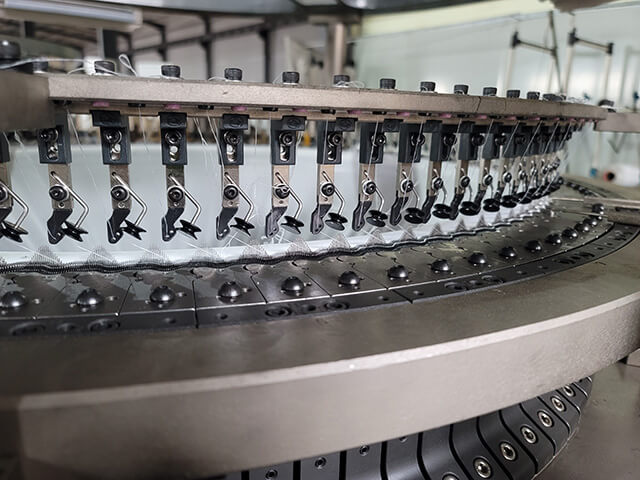
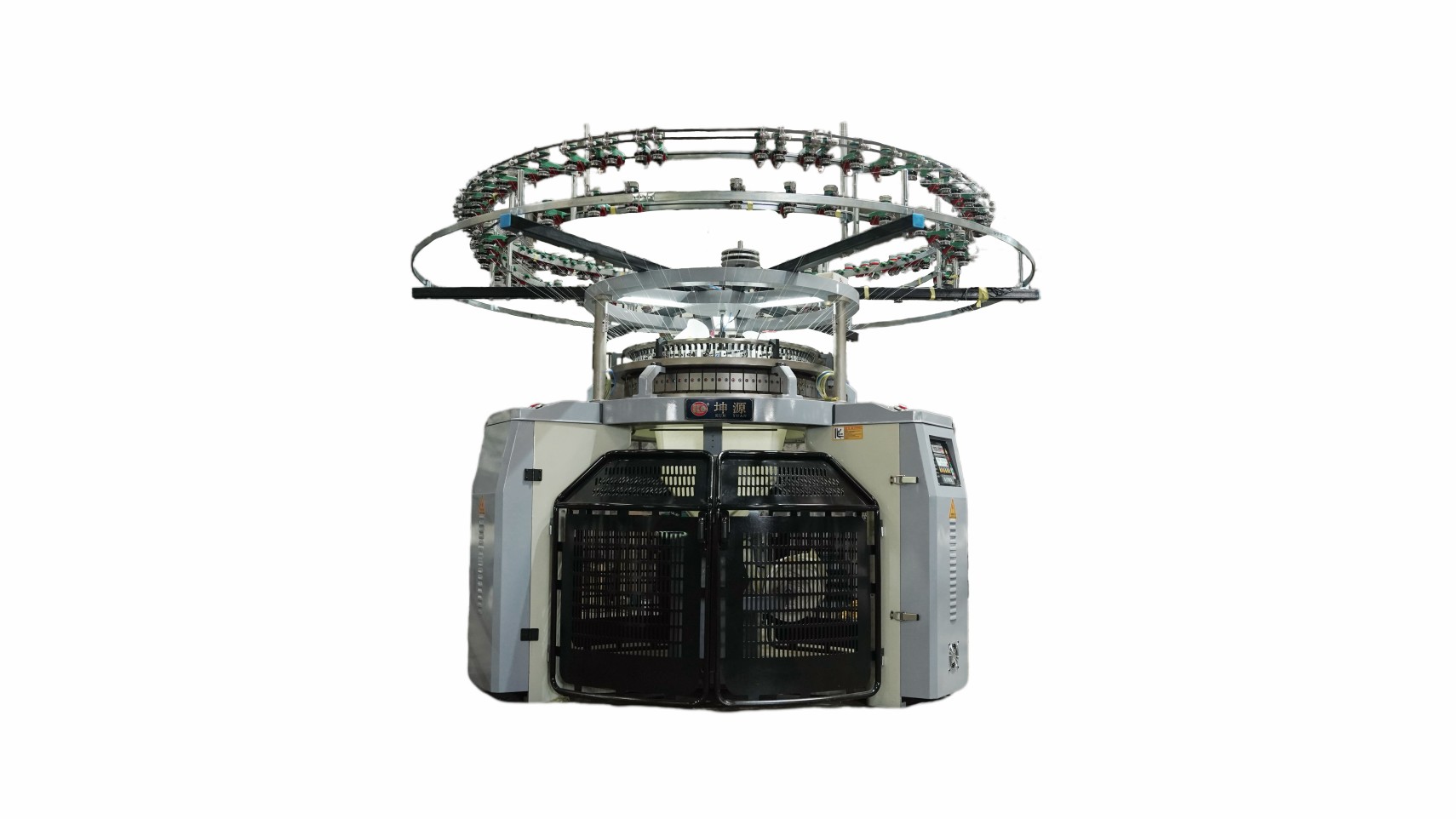
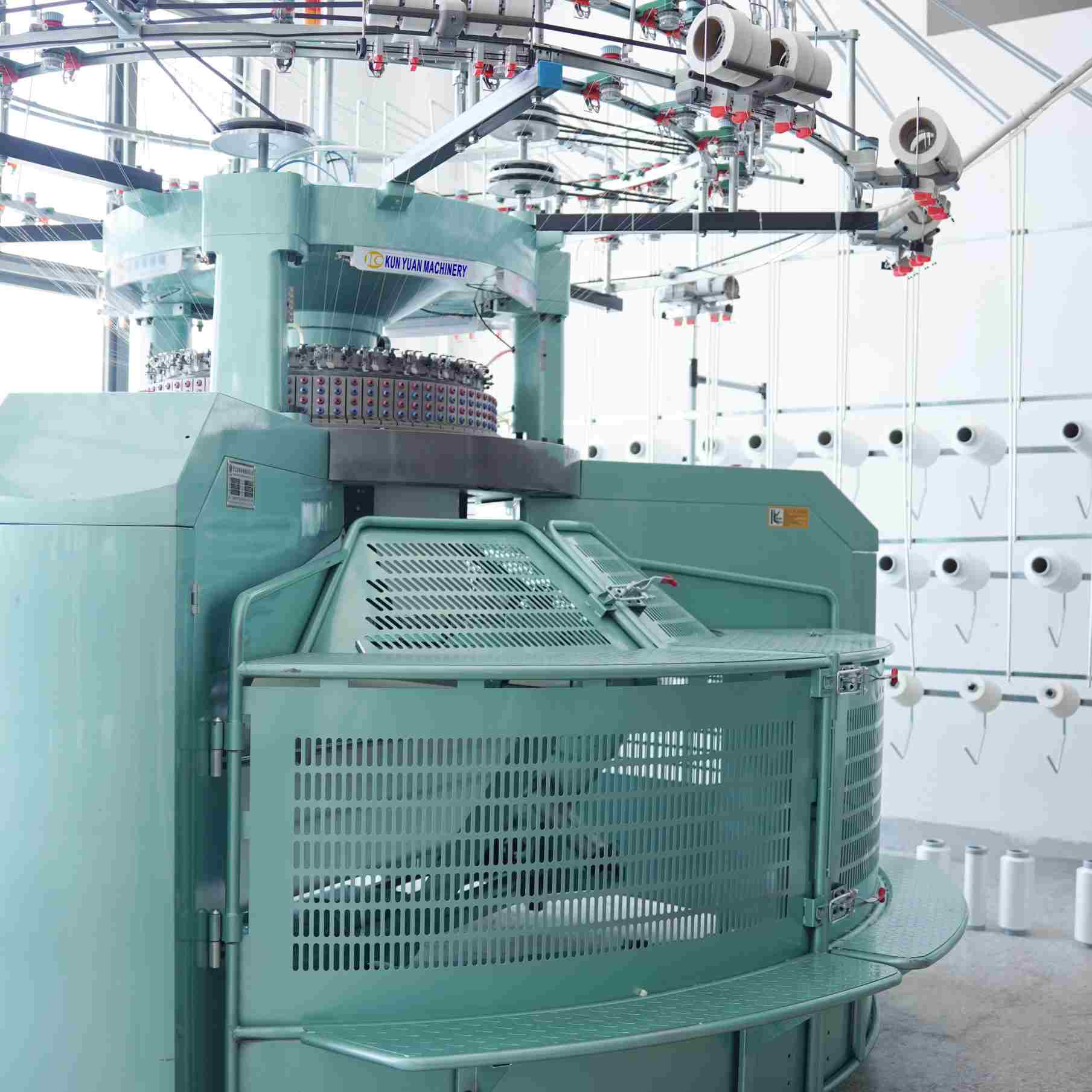
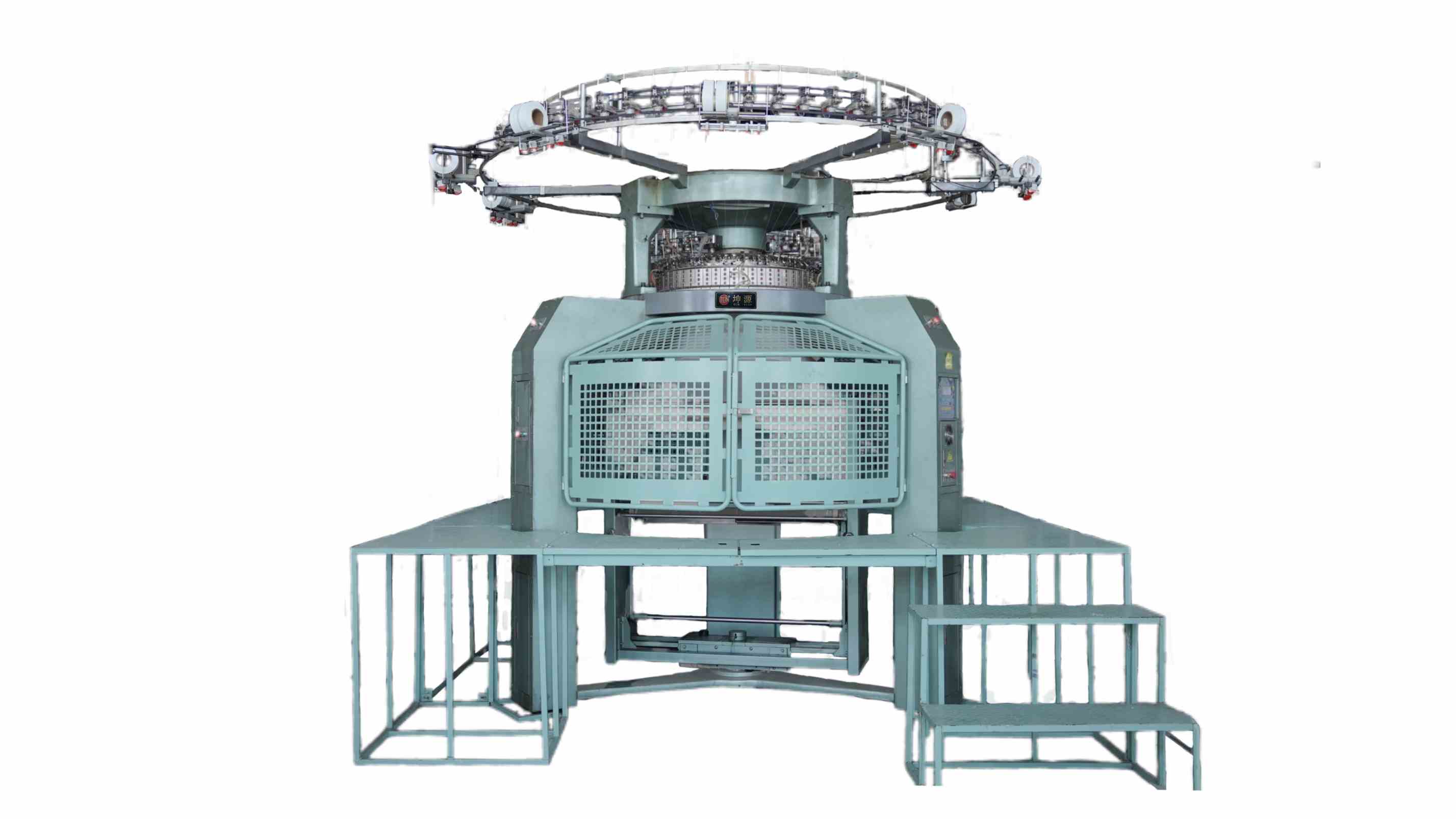
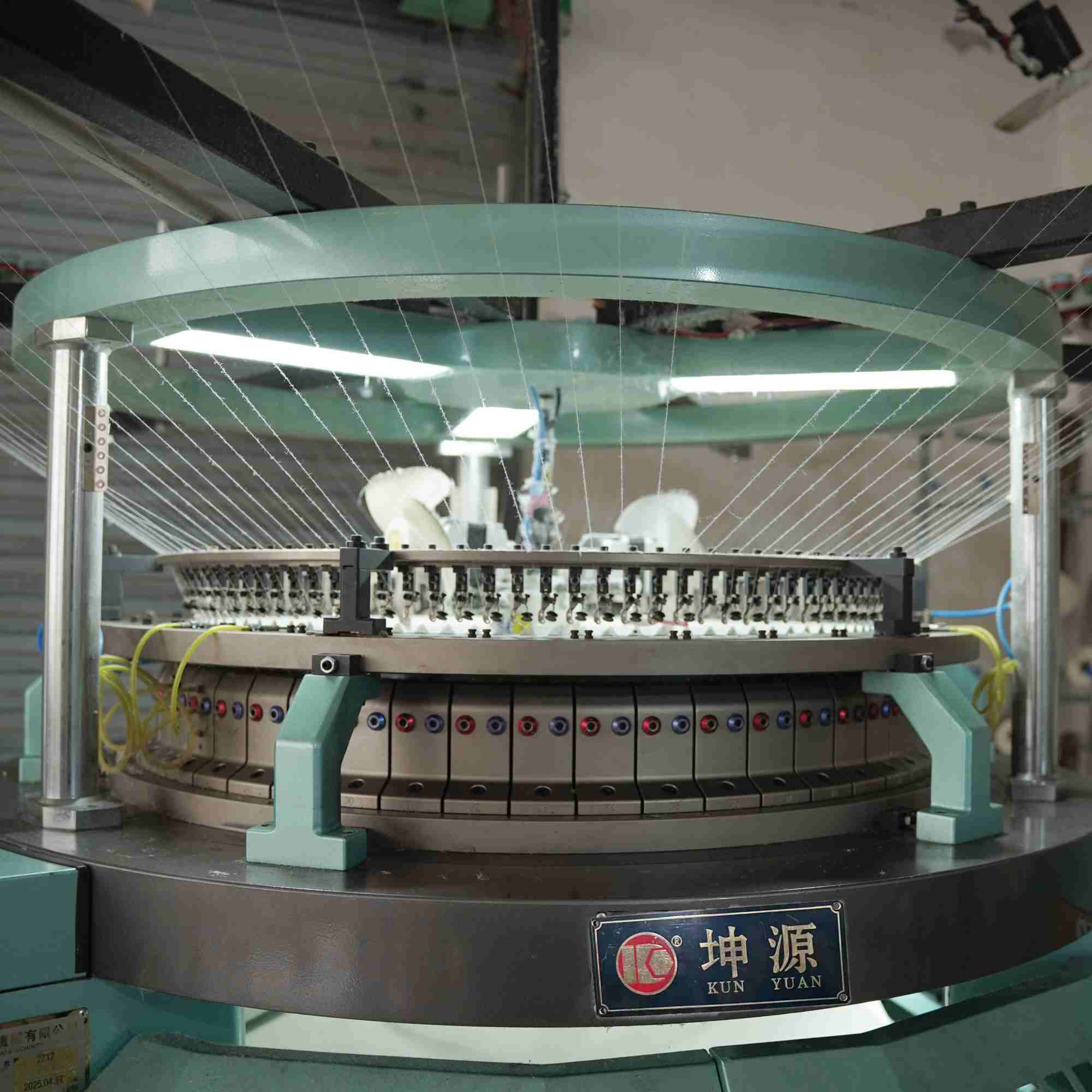
Industrial circular knitting machine prepared for an authorized pre-start check
Match machine state, yarn map and job revision before startup.
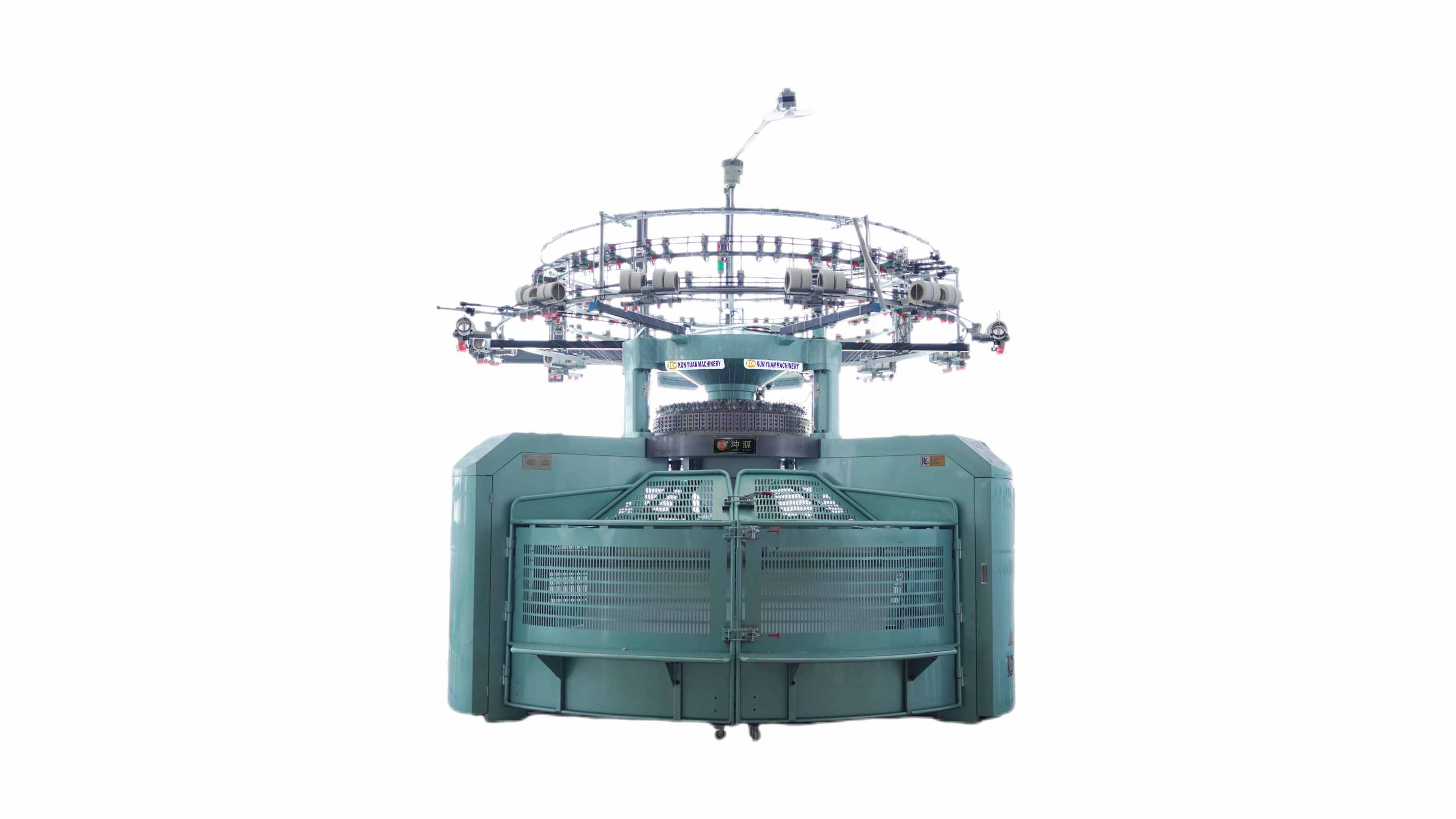
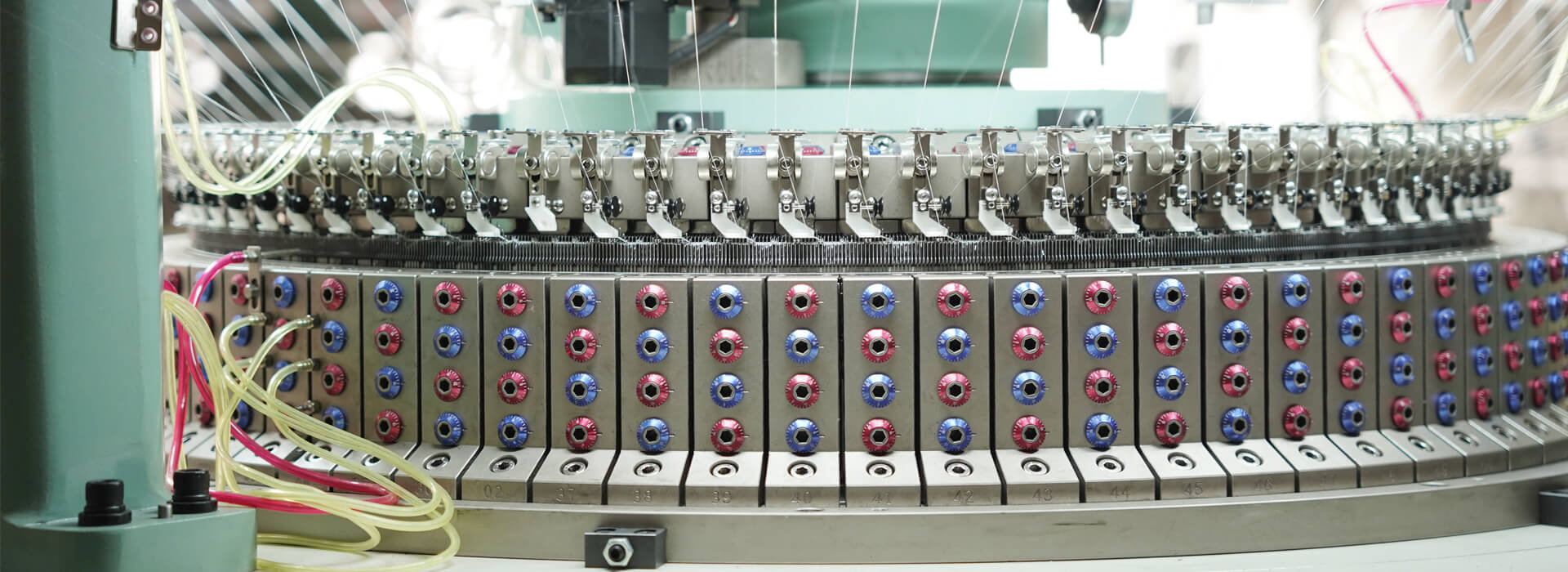
Marked first fabric used during a controlled circular-knitting startup
Treat the first marked fabric as part of the operating gate.
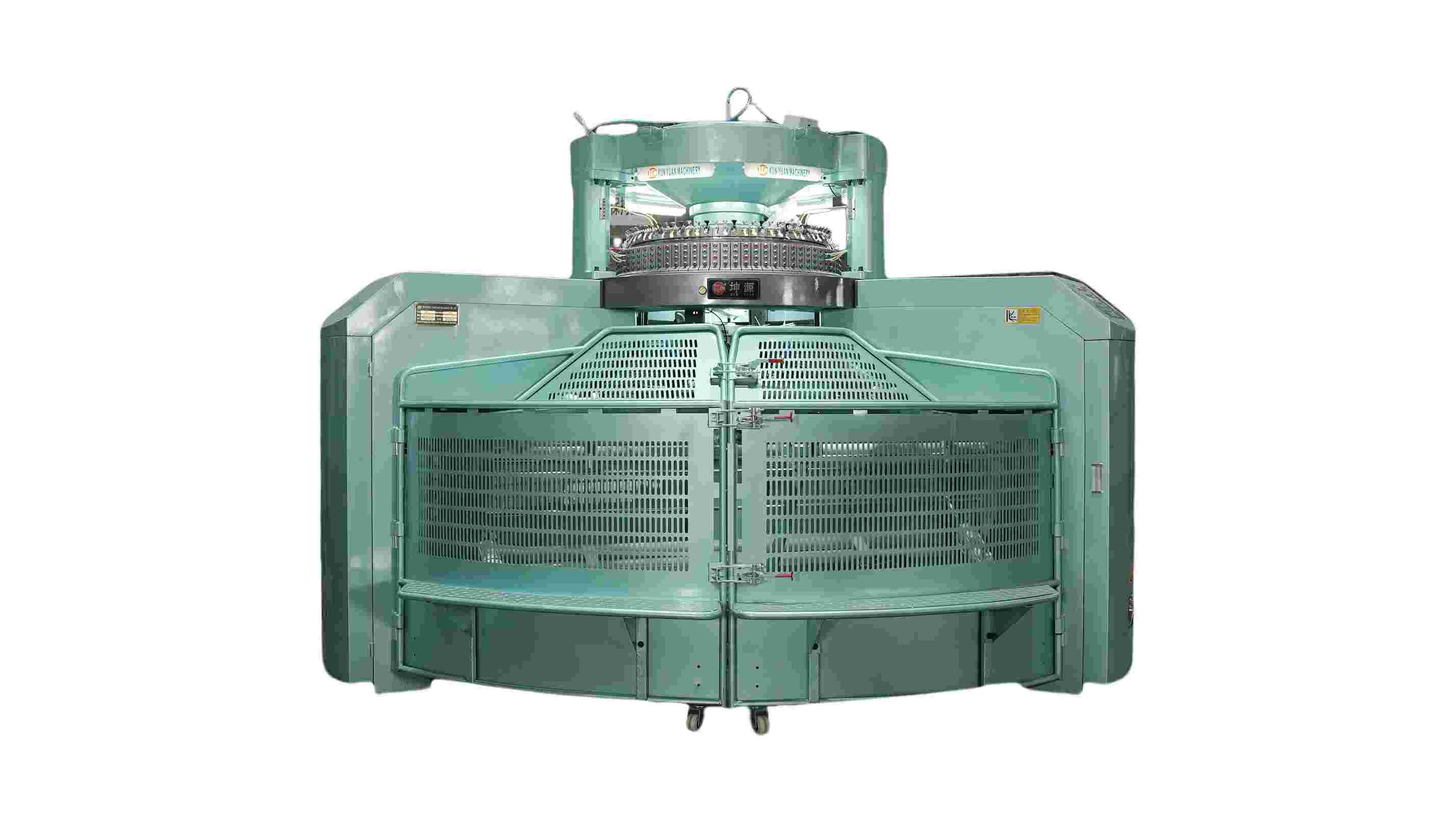
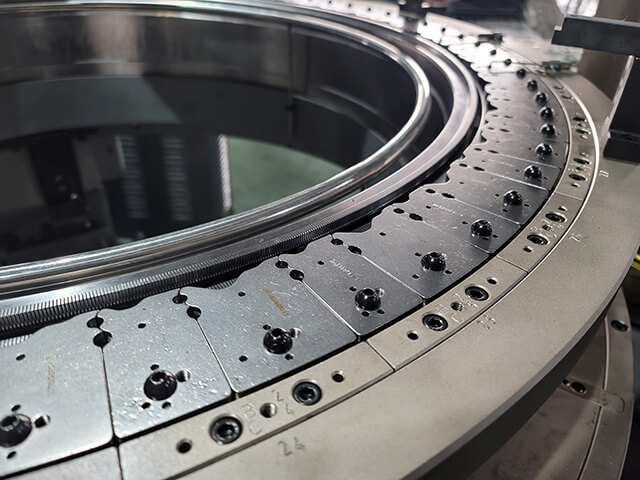
Circular knitting roll and shift record prepared for operator handover
Transfer roll disposition and open risks with the machine state.

Industrial circular knitting shift gate record

GateRequired evidencePass conditionHold example
Pre-startAuthorized role, machine and job statusRecords and physical state agreeGuard, yarn or revision mismatch
Controlled startMessages, first mark and fabric checkApproved condition reachedAbnormal sound or repeated stop
ProductionSamples, events and accepted yieldRecipe and fabric remain in controlUnmapped recurring defect
HandoverRoll, machine and open-issue logReceiver identifies next actionUnclear state or missing owner

Industrial operation and handover questions

Can this article replace machine-specific operator training?

No. Only authorized training, the exact manual and controlled site procedures define startup, adjustment, stopping and service.

When has startup passed?

When the machine reaches its approved state and the marked first fabric meets the defined structure and quality checks.

Should an operator clear every alarm and restart?

No. Preserve the message and condition, then follow the approved response and escalation boundary for that machine.

What production number belongs in the shift report?

Record accepted output together with held and rejected material, stops and interventions under the agreed inspection basis.

What makes a handover complete?

The receiving operator can verify machine state, yarn and recipe identity, roll disposition, open issues and the next required sample or hold.

Scale-up conclusion

Industrial circular-knitting operation is a chain of accountable states. Pre-start proves readiness, controlled startup preserves the first response, production control links events to fabric, and handover transfers both the accepted condition and unresolved risk. Model-specific training remains the authority; the stage record makes that work repeatable across shifts.

Use these four shift gates when reviewing the industrial circular knitting machine range and ask for the delivered operating manual, training scope, approved job record and handover acceptance method.

□ Gates complete
Need Help?
Please leave your contact information to get our latest catalog
Get In Touch Now >
Kunyuan Machinery Manufacturer

Tel: +86-13859034518

Email: info@kunyuanmachine.com

MP/WhatsApp: +86-13859034518

Manufacturer Address:Bacuo Village, Yonghe Town, Jinjiang City, Fujian Province

NEW KEYWORD

About Us

Products

Information