

Hot Keyword:
Author:KUNYUAN Machine Manufacturer TIME:2026-08-30
A hole, line, band or unstable roll can involve yarn supply, knitting elements, take-down or more than one layer. Troubleshooting should preserve the first condition before settings and parts are changed.
Stop treating all fabric faults as a tension problem. Mark the roll location, machine direction and technical face; record time, style, yarn lots, program or setup revision, stops and recent interventions. Determine whether the symptom follows a wale, course, circumference, feed position or random event. This geometry creates a short list without claiming a cause. Keep the machine in the safe state required by its procedure while evidence is collected.
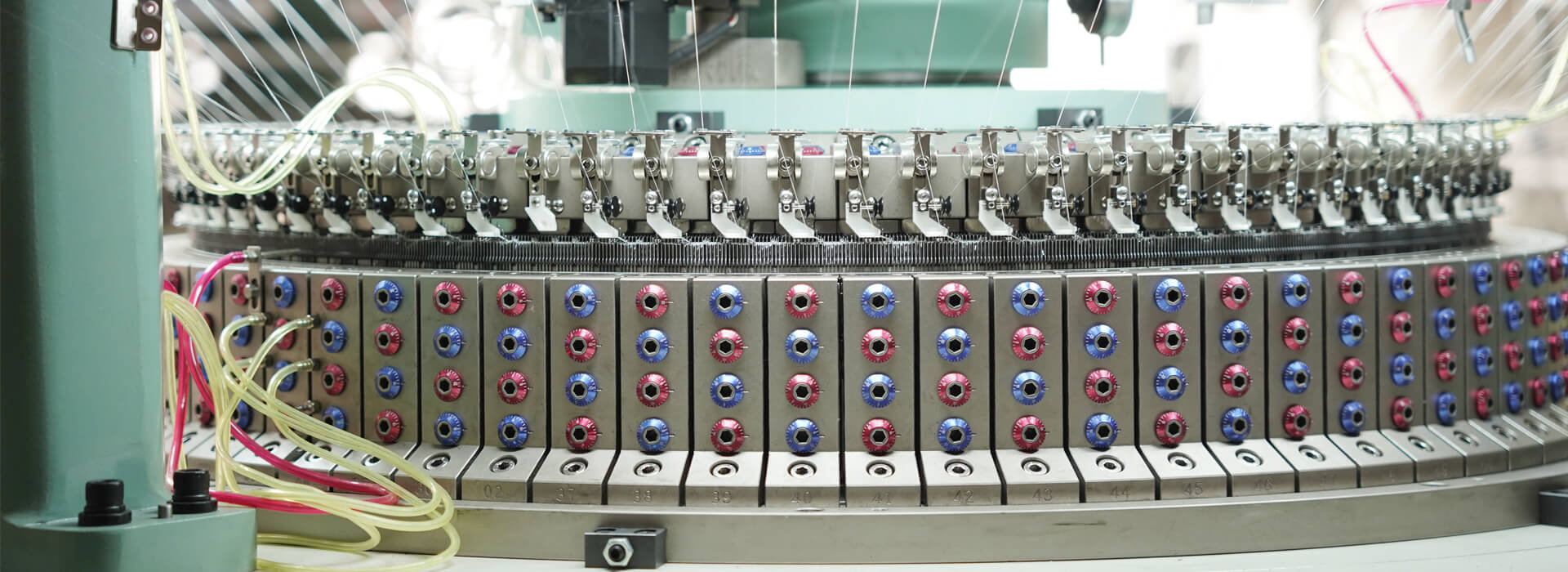
Official knitting-element guidance treats needles and companion parts as an application-specific system, while circular-machine portfolios show distinct bed, yarn and take-down arrangements. The exact manual remains the authority for access, adjustment and limits. OSHA energy-control guidance defines the general service boundary but not machine-specific isolation points. The diagnostic method below organizes observations; qualified personnel must perform work that crosses the operator's authorized scope.
Inspect the full tube or usable width under consistent light. A vertical line may track a repeating knitting position; a horizontal bar may follow a time-based change; scattered holes may follow random yarn or element events; circumferential density movement may involve several feeds or withdrawal. These are hypotheses, not verdicts. Measure the interval and compare it with machine references only after the sample is marked.
Review package changes, stops, restarts, cleaning, part replacements, program edits and take-down adjustments preceding the mark. Photograph both faces and retain an untouched piece. If the fault disappears before it can be repeated, document the limits of the diagnosis. Clearing alarms, cutting away evidence and changing several settings may restore production temporarily while making a reliable root cause impossible to establish.
| Observed pattern | First evidence layer | Controlled comparison | Escalate when |
|---|---|---|---|
| Random hole near yarn event | Package and delivery route | Event time versus roll mark | Path is sound but holes continue |
| Fixed vertical line | Mapped knitting position | Approved element inspection | Timing or bed condition is suspected |
| Horizontal or restart band | Event and setup history | Before-after marked condition | Several systems changed together |
| Width or winding instability | Take-down and collection | Full-width marked trial | Safe authorized test cannot isolate it |
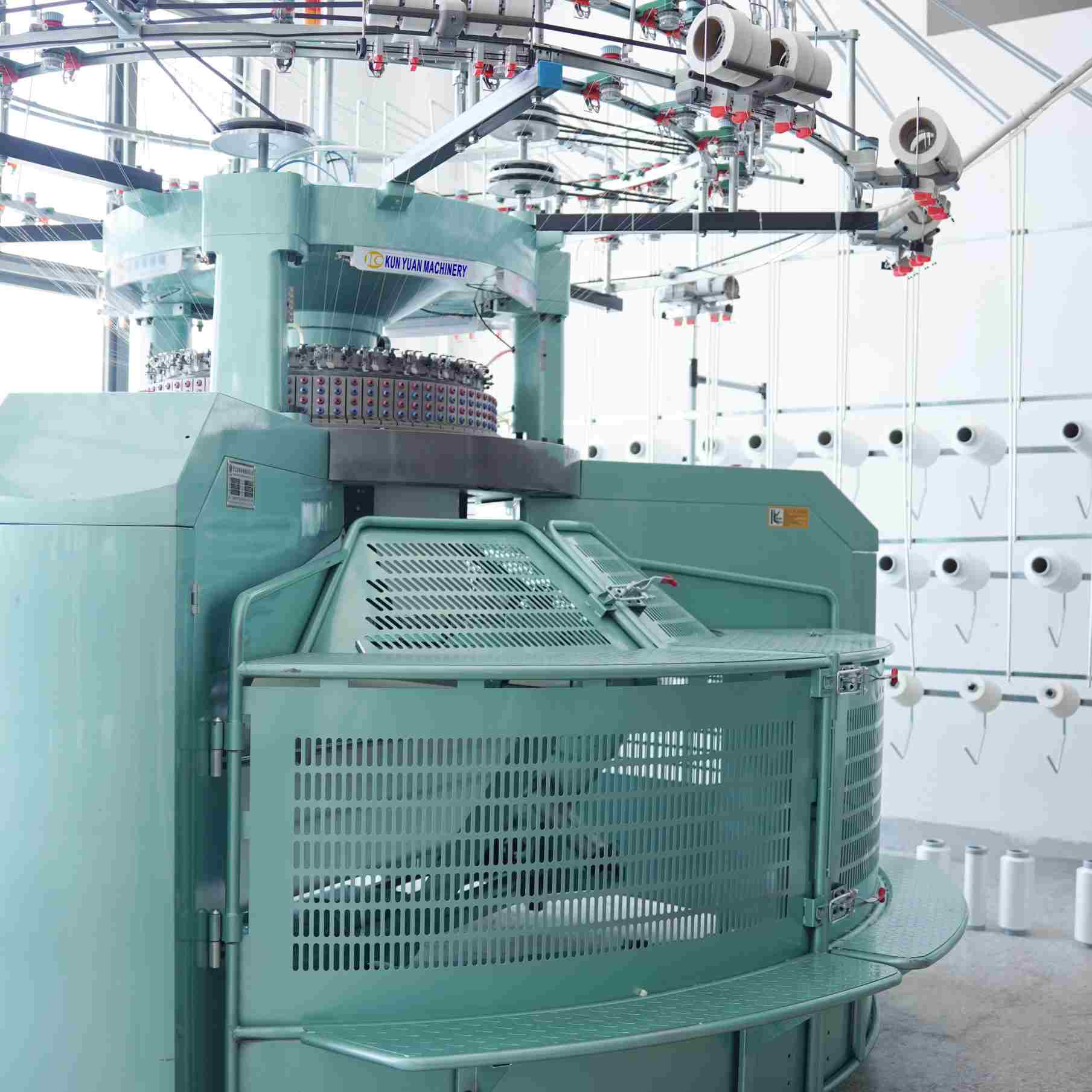
Confirm yarn material, count, lot and package position against the job record. Trace the route through guides, storage or delivery devices and the installed detector system under the approved safe procedure. Look for crossed paths, contamination, damaged guides, abnormal withdrawal, knots or low-package behavior. Do not publish a universal tension target; compare the approved recipe and supplier documentation for the actual yarn and configuration.
Correlate any break or detector message with the marked roll location. A signal indicates a detected condition, not necessarily where it began. Replace a suspect package or correct one approved yarn-path condition while holding other variables stable, then predict what the fabric should show. If the same geometric fault remains, the yarn layer is less likely to be the sole cause and the original evidence should move forward to the knitting-system check.
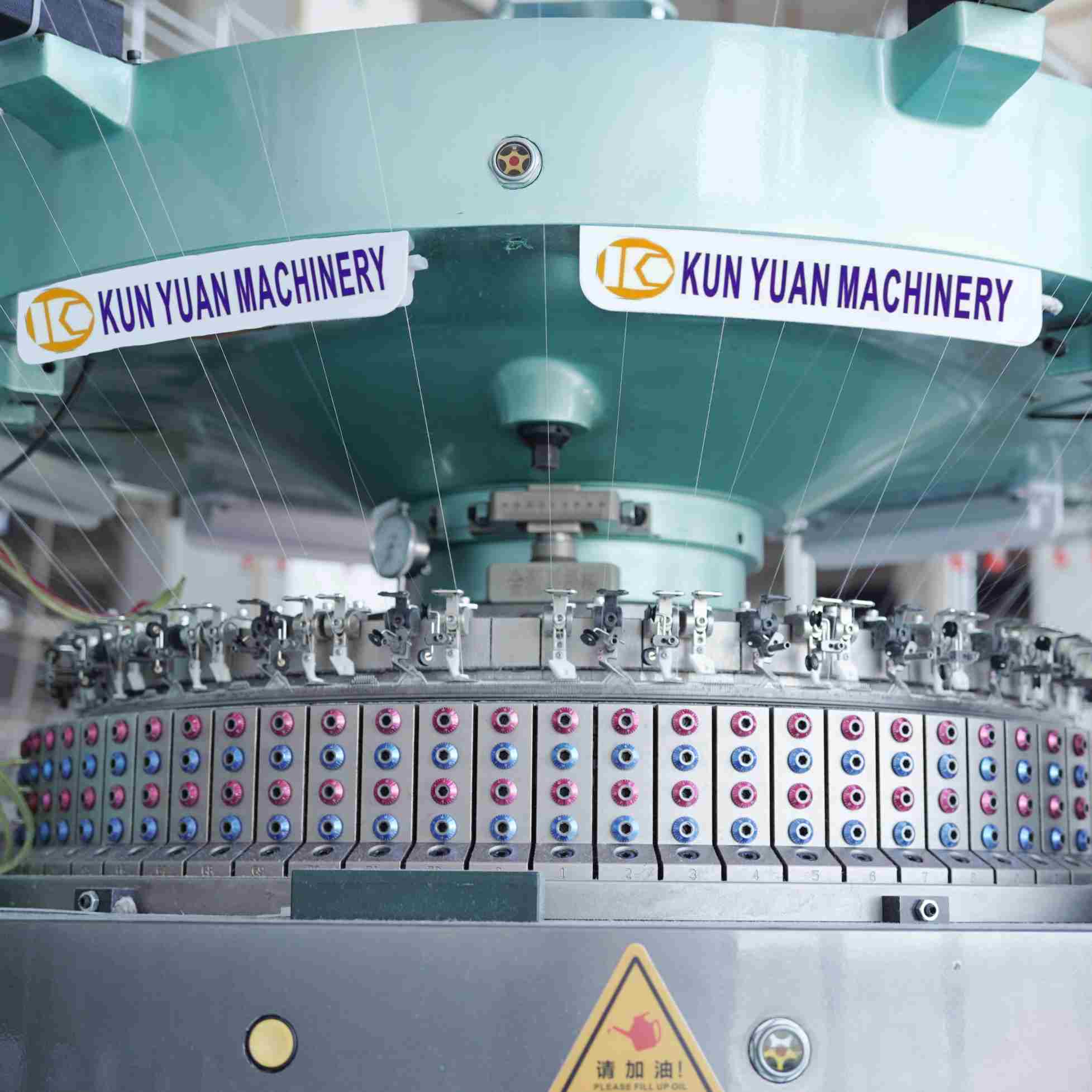
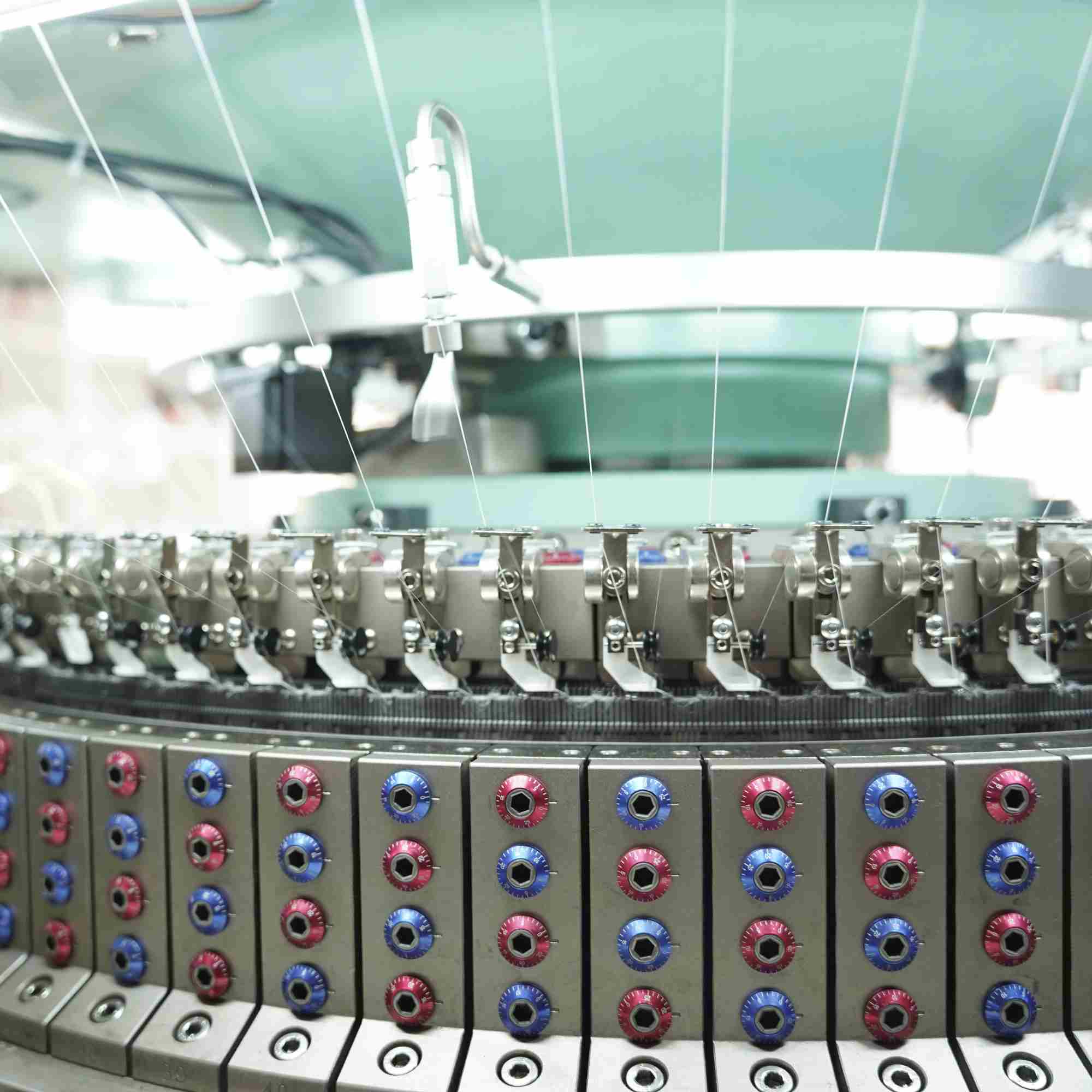
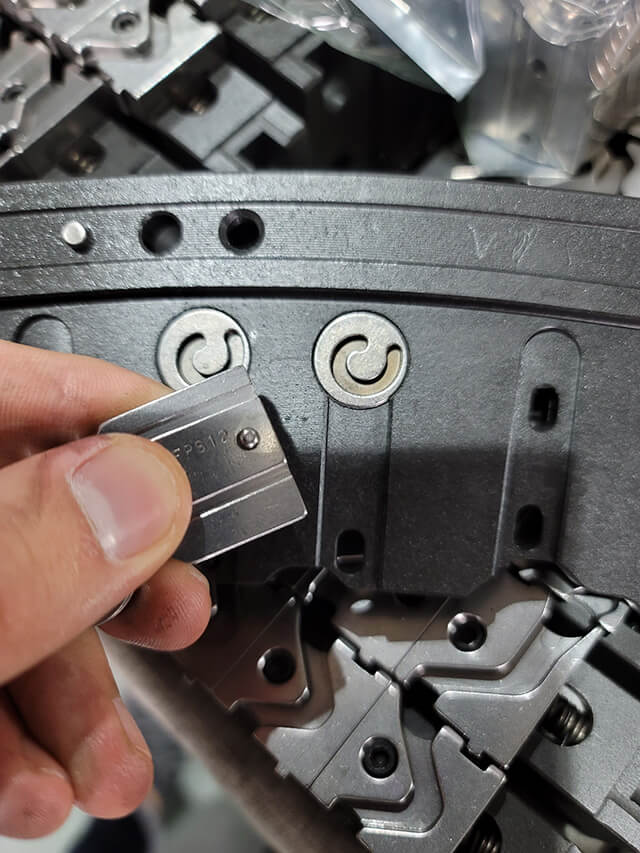
Use the fabric geometry to identify candidate feeds, tracks or element positions, then follow the model's safe inspection and service procedure. Record needles, sinkers, dial elements, guides and cam or selection references involved in the structure. Removed parts should retain position and orientation. Damage to a hook, latch, butt, sinker or guide may explain the symptom, but interacting parts and bed condition must also be considered.
Make only approved substitutions with confirmed compatibility. Mark the restart and run long enough to cover the original interval. If a localized replacement removes one line but creates another surface or loop problem, hold the result rather than broadening adjustments. Model-specific timing, clearances and component limits belong to controlled technical documents and qualified service, not to generic troubleshooting instructions.
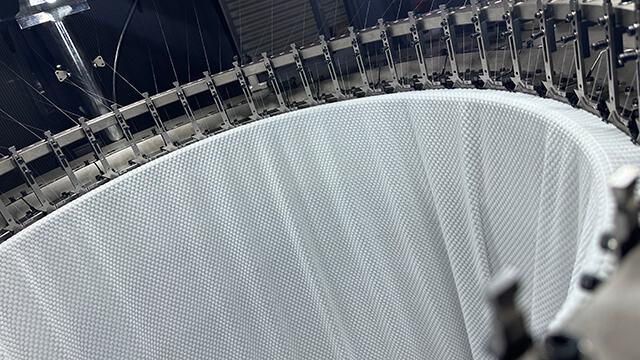
Inspect the installed take-down, fabric guidance and winding route from safe observation points. Record whether output is tubular or open width, the roll condition and any approved setting change near the fault. Uneven withdrawal can alter density, width, surface appearance and restart behavior across many knitting positions. Roll pressure, creasing or edge handling can also create a defect after sound loops have formed.
Change one authorized withdrawal variable only when the fault map supports that test. Mark the transition and compare enough fabric before and after it, including both faces and the full width or circumference. Process a labelled strip through the normal relaxation or finish because some bands become clearer later. Close troubleshooting with a restart proof, accepted-output count and an updated fault record that names evidence, action and residual uncertainty.
No. Mark its geometry and recent events, then isolate yarn, knitting-system and withdrawal evidence in a controlled order.
No. It records a detected event; inspect the complete path and correlate the time with the fabric location.
Map the repeat to a candidate position, inspect under the approved procedure, retain removed parts and verify recovery over the original interval.
It can change density, width, bands and roll appearance, so inspect withdrawal without assuming it is the only cause.
Escalate when safety, compatibility, timing, electrical systems, guarded access or repeated failure exceeds the operator's documented authority.
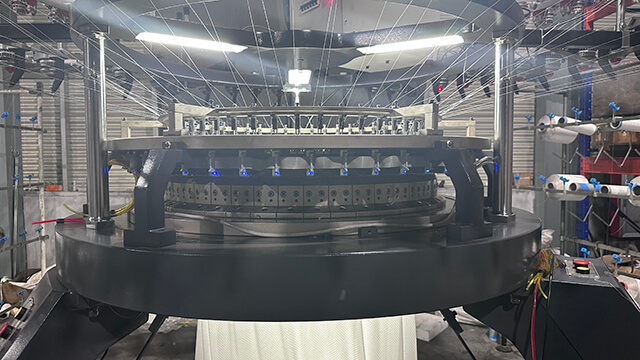
Reliable circular-knitting troubleshooting starts with the fabric map and moves through three evidence layers. Yarn must arrive consistently, the installed knitting system must form the intended loops, and take-down must remove fabric without introducing instability. Controlled comparisons and a marked recovery run solve more than simultaneous setting changes and preserve a defensible service history.
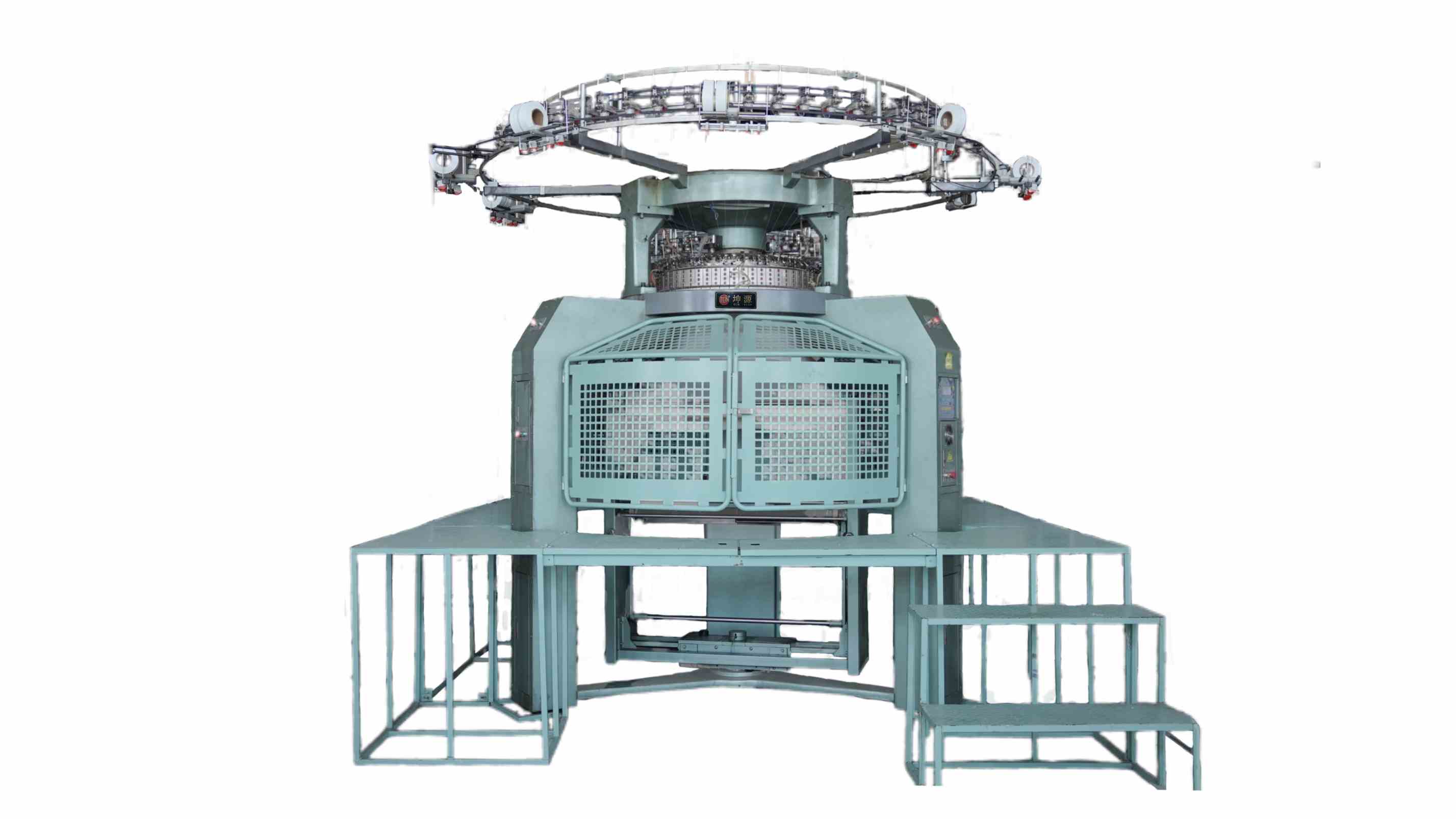
Use this three-layer fault map when reviewing the industrial circular knitting machine range and ask how the offered machine records yarn events, knitting positions, take-down changes and verified restart evidence.

 Tel: +86-13859034518
 Email: info@kunyuanmachine.com
 MP/WhatsApp: +86-13859034518
 Manufacturer Address:Bacuo Village, Yonghe Town, Jinjiang City, Fujian Province