

Hot Keyword:
Author:KUNYUAN Machine Manufacturer TIME:2026-08-30
Displays, detectors and saved programs can narrow a circular-knitting investigation, but diagnosis still depends on preserving the yarn path, machine position, fabric location and safe operating state.
When a problem appears, resist the urge to clear the alarm, trim away the fabric and change several settings. Record time, shift, machine identity, style and program revision, yarn lots, displayed message, operating state and exact roll position. Photograph the face and reverse with machine direction marked. This first record protects transient evidence that may disappear after a restart and gives technicians a reliable condition to compare.
Different controls expose different information. A yarn detector may record a break or missing motion; a drive may record a stop or abnormal state; a pattern controller may identify the loaded file; and production logs may show timing. None automatically proves a worn needle, damaged guide, poor package, wrong program, take-down disturbance or electrical fault. Follow the exact manufacturer documentation and site safety rules. Guards, interlocks and hazardous-energy controls must not be bypassed for observation.
Write the message exactly as displayed and note whether the machine was starting, running steadily, slowing, stopped or restarting. Record recent package changes, cleaning, program edits and maintenance. Keep a sample that begins before the event and extends beyond it where safely possible. A single photograph of the panel without fabric position or production context rarely provides enough information for a later diagnosis.
Use an issue number that follows the sample, images and action log. If production must resume under an approved procedure, preserve the original configuration first and mark the restart point. Do not assume that an alarm disappears because its cause is corrected; some faults are intermittent, while an unrecorded reset can erase the sequence needed by qualified service personnel.
| Observed signal | What it can establish | What it cannot prove | Next evidence |
|---|---|---|---|
| Yarn detector event | A monitored yarn condition occurred | Package, path or component root cause | Trace yarn and mark course |
| Drive or stop record | Machine state changed at a time | Why fabric or motion became unstable | Compare mechanical and fabric state |
| Program identity | Which saved file was loaded | That every commanded action was formed | Inspect pattern on both faces |
| Repeating fabric line | A geometric interval exists | The responsible part without correlation | Map feed, track and take-down references |
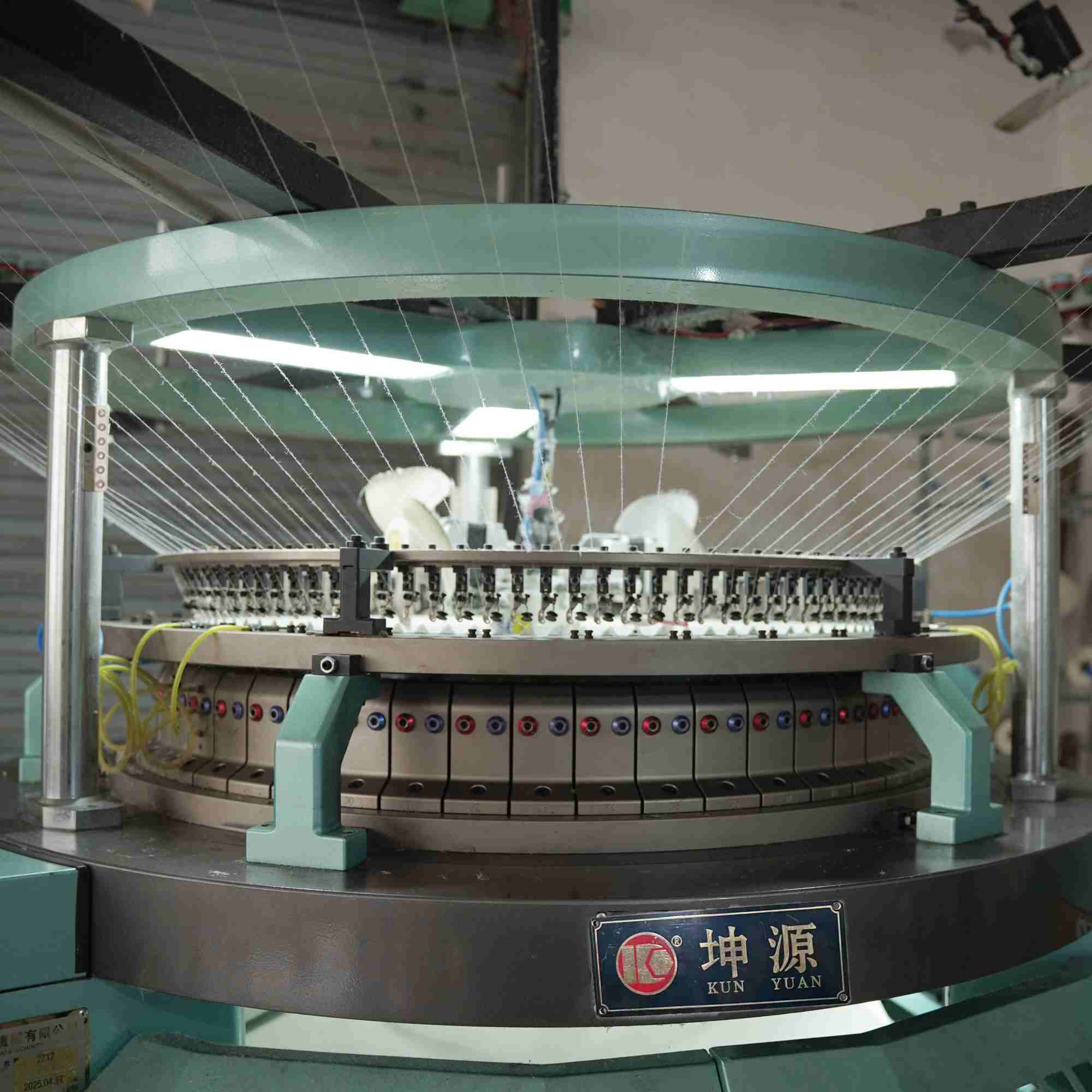
Classify the symptom by what can be observed: one course, one wale, a circumferential band, a recurring interval, a random cluster, a stop mark or a pattern displacement. Compare face and reverse. A line tied consistently to a feed or machine position suggests a different search path from a random thick place associated with one package, but the geometry is a clue rather than a final verdict.
Keep the fabric under fixed lighting and avoid stretching it differently between comparisons. Mark orientation, roll distance and any known event. When the pattern itself repeats, compare defect spacing with the design repeat before declaring a mechanical cycle. This step prevents the team from replacing a nearby component simply because it is visible and available.
Confirm that the correct program and recipe were loaded and identify any parameter changed since the last accepted roll. Compare alarm time with yarn-detector state, package position, delivery path, visible needle or guide condition and take-down behavior. Use controlled documents for component identities and limits. A software message can coexist with a physical yarn event, and a fabric line can continue after an alarm reset if the underlying condition remains.
Change only one approved variable at a time where practical and state the predicted result before the test. Work inside guards only under the manufacturer's procedure and the site's qualified maintenance and energy-control system. General machine-guarding and lockout guidance establishes the boundary; it does not replace model-specific isolation points or service instructions.
Document what was inspected, adjusted or replaced, who authorized the action and which controlled reference was used. Return to the original yarn, structure and production candidate unless the corrective action intentionally changes one of them. Mark the restart on the roll and run long enough to cover the prior repeat interval plus normal package and stop behavior. An attractive short sample immediately after service is not conclusive.
Compare the new face and reverse with the original fault sample and the last accepted baseline. Record whether the alarm, fabric symptom and related process measurements remained stable. If the symptom returns, reopen the issue rather than creating a second disconnected note. A closed record should help another shift identify the same condition and understand the verified action without relying on memory.
Not always. It identifies a detected condition that must be correlated with the exact manual, machine state and physical evidence.
It can show when the symptom began and whether it aligns with a yarn, pattern, machine-position or withdrawal event.
Multiple simultaneous changes weaken diagnosis. Use the approved procedure and isolate one evidence-based test where practical.
Only actions explicitly allowed by the manufacturer and site safety system are acceptable; never bypass guarding or interlocks.
The symptom, evidence, authorized action and marked repeat run must show that the original product condition is stable.
Modern controls improve circular-knitting diagnosis when their messages are treated as evidence rather than verdicts. Event capture, fabric geometry, controlled correlation and a marked restart create a defensible fault record while keeping adjustment and service inside the proper technical and safety boundaries.
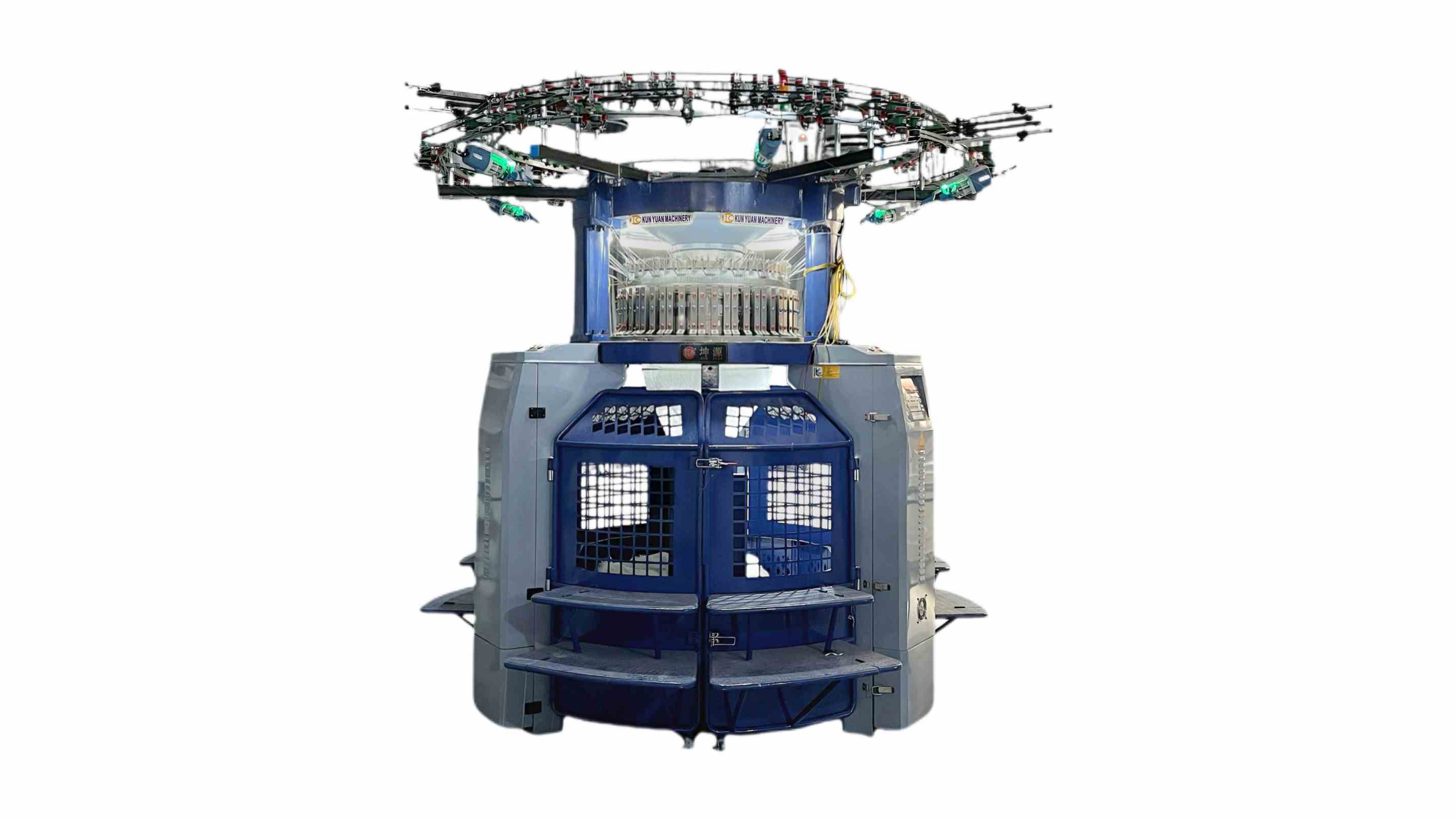
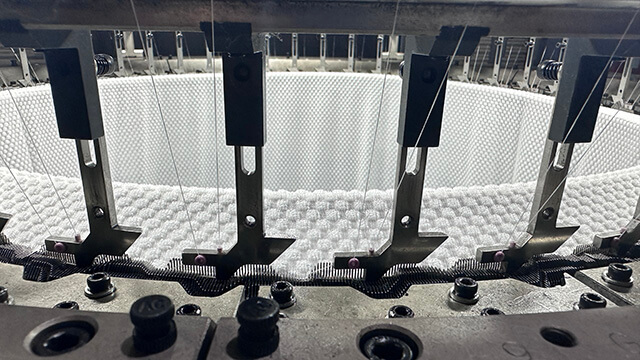
Use this diagnostic map when reviewing controls on the industrial circular knitting machine range and ask how alarms, program revisions and marked fabric evidence are retained for operator and service handover.

 Tel: +86-13859034518
 Email: info@kunyuanmachine.com
 MP/WhatsApp: +86-13859034518
 Manufacturer Address:Bacuo Village, Yonghe Town, Jinjiang City, Fujian Province