

Hot Keyword:
Author:KUNYUAN Machine Manufacturer TIME:2026-08-30
The needle is a wear component and a precision member of the knitting system. Type, hook and latch geometry, stem dimensions, butt position and finish must work with the cylinder or dial, cams, sinkers, yarn and target loop; gauge alone cannot identify a safe replacement.
The oldest article mixed hand needles, industrial needles and speculative sensor claims. A procurement file should stay closer to the machine. Start from the exact installed needle designation, machine model and revision, knitting position and fabric structure. Photograph the legible package and an unused reference part, but rely on a manufacturer drawing or confirmed cross-reference for dimensions.
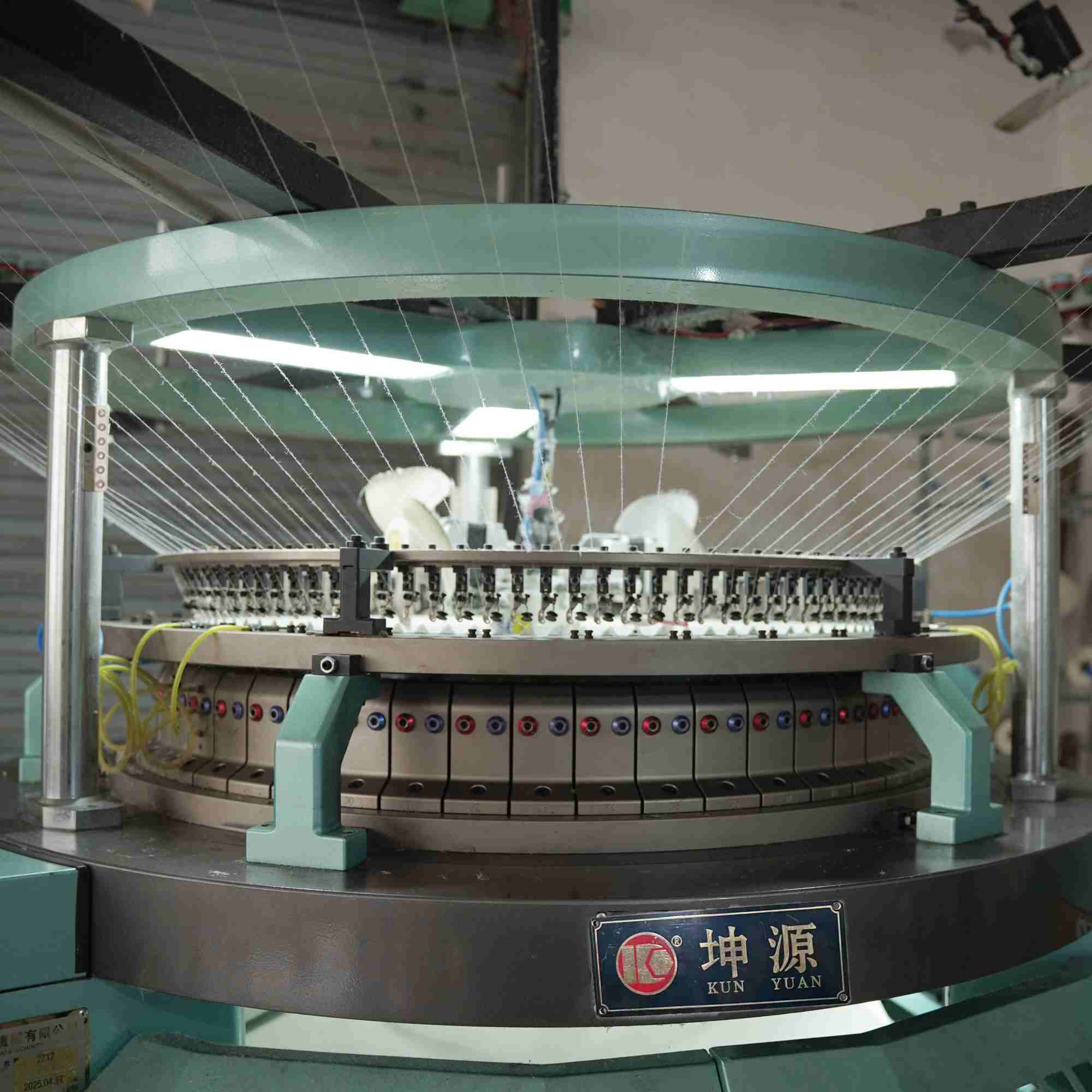
Groz-Beckert's official knitting material distinguishes loop-forming elements and treats their geometry as application-specific. Large-diameter circular systems may use cylinder needles, dial needles and related sinkers in coordinated paths. A buyer should therefore request one traceable needle system and prove it in a controlled run instead of ordering a generic needle described only by gauge or overall length.
Latch, compound and bearded needles form and clear loops through different mechanical actions; they are not interchangeable categories. Within latch needles, cylinder and dial positions can require different but coordinated geometry. Record whether the part knits, tucks, misses or transfers in the intended setup and which cam path controls its butt.
Use the fabric construction to explain the requirement. A single-jersey route, a cylinder-and-dial interlock route and an electronically selected jacquard route can impose different motion and selection demands. The RFQ should identify the exact machine position and action rather than asking a supplier for the strongest or fastest needle in general.
Machine gauge describes needle density under the maker's convention; it does not supply every part dimension. Match the confirmed system designation or drawing for total length, stem thickness and width, hook size, latch form, butt height and butt location. Check any relieved, curved or specially finished area that interfaces with the trick, cam or yarn path.
Also inspect the mating environment. Cylinder or dial trick wear, cam damage, dirt, lubrication condition or a mismatched sinker can break a correct new needle. A bulk replacement that ignores those conditions may briefly remove visible defects while leaving the original mechanical cause active. Record the old part's failure position before cleaning or changing components.
Request manufacturer, full designation, packaging identity, drawing revision where available, production or batch trace and quantity. If a distributor proposes an equivalent, require a written cross-reference and note every dimensional or surface difference. Keep one approved unused reference sealed and separate from shop-floor mixed stock.
Define handling and storage in the parts file. Fine hooks and latches can be damaged by loose transport, corrosion or contact with heavier components. Inventory labels should distinguish cylinder from dial needles and separate butt variants that look similar at a glance. The receiving inspection can then compare package identity, count and representative parts against the approved reference.
Follow the machine maker's safe installation and setting instructions. Inspect the affected trick, cam and adjacent loop-forming elements before inserting a trial quantity. Rotate or jog only under the authorized procedure, confirming free motion and clearance before returning to a controlled running condition. Never grind or bend a needle to force a fit.
Use the production yarn and a fabric that exposes the relevant action. Mark the installation position and compare loop appearance, vertical lines, holes, dropped stitches, yarn damage and needle temperature or wear observations over an agreed run-in interval. Expand to the full replacement only after the sample and machine path pass. Retain the trial record beside the purchase lot.
| RFQ line | Identity to record | Risk if omitted | Acceptance evidence |
|---|---|---|---|
| Function | Needle type, bed and loop action | Wrong operating principle | Confirmed machine documentation |
| Geometry | Gauge, hook, latch, stem and butt | Collision, poor loop or early breakage | Drawing or approved cross-reference |
| Supply | Maker, designation and batch | Mixed or untraceable replacements | Package and retained reference |
| Trial | Position, yarn, settings and run-in | Fabric fault or hidden wear | Marked sample and inspection log |
No. Latch, compound and bearded systems exist, and each works through a different loop-forming motion. The machine documentation decides the required type.
No. Gauge is only one input; hook, latch, stem, butt, length, bed position and system designation must also match.
Not automatically. Inspect the failure pattern and mating parts, follow the machine maker's guidance and choose the replacement scope from evidence.
They should not be mixed without an approved system reference. Butt position determines cam or selection engagement and can change needle action.
A documented cross-reference, dimensional review, controlled installation and a representative fabric run provide stronger proof than appearance or a sales claim.
A circular knitting needle is correctly selected when its function, complete geometry and supply identity match the installed knitting system and the target fabric. The RFQ dossier turns that match into receiving and trial evidence, reducing the chance that a cheap visual substitute creates cylinder damage, repeated faults or an untraceable mixed inventory.
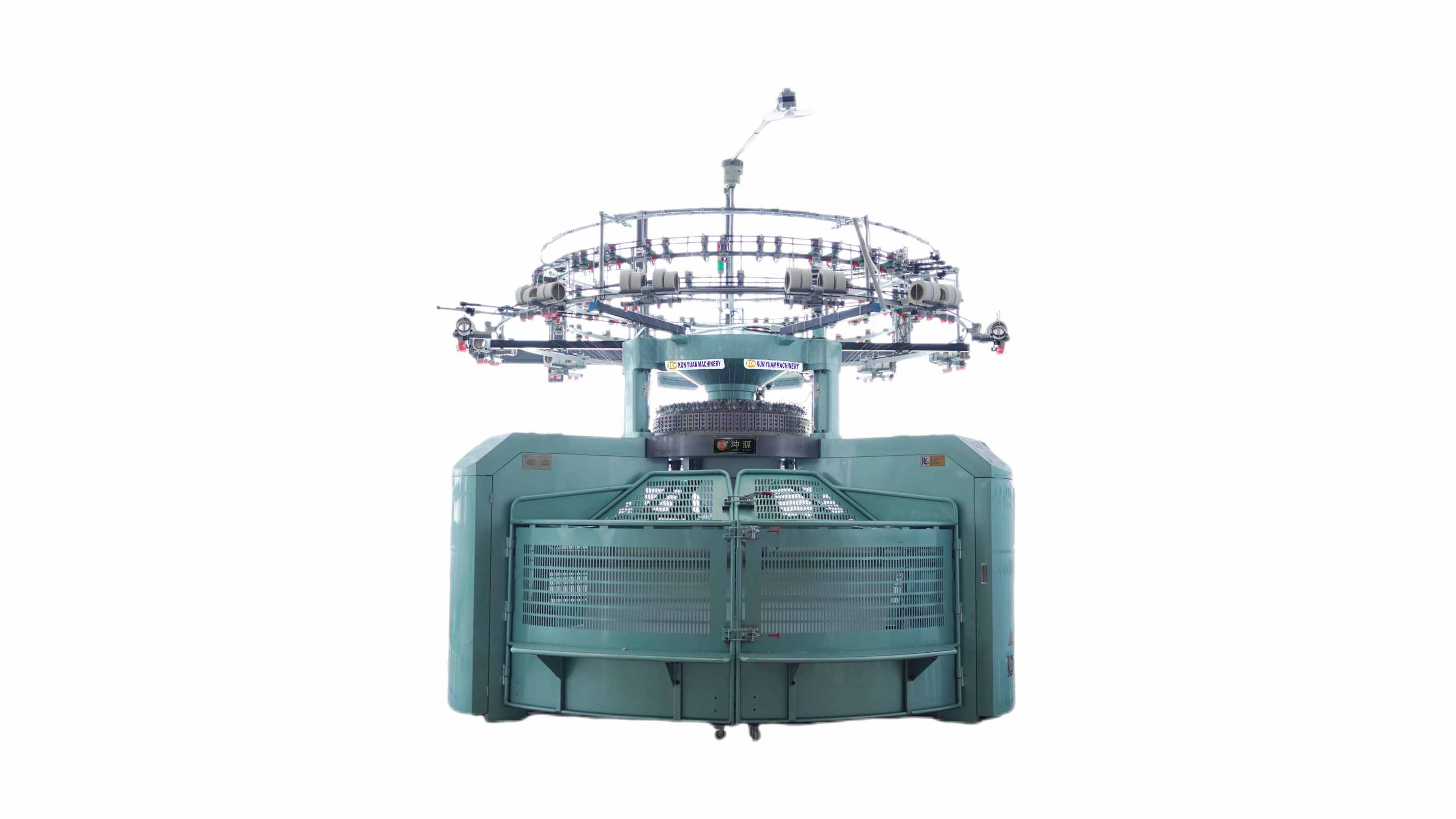
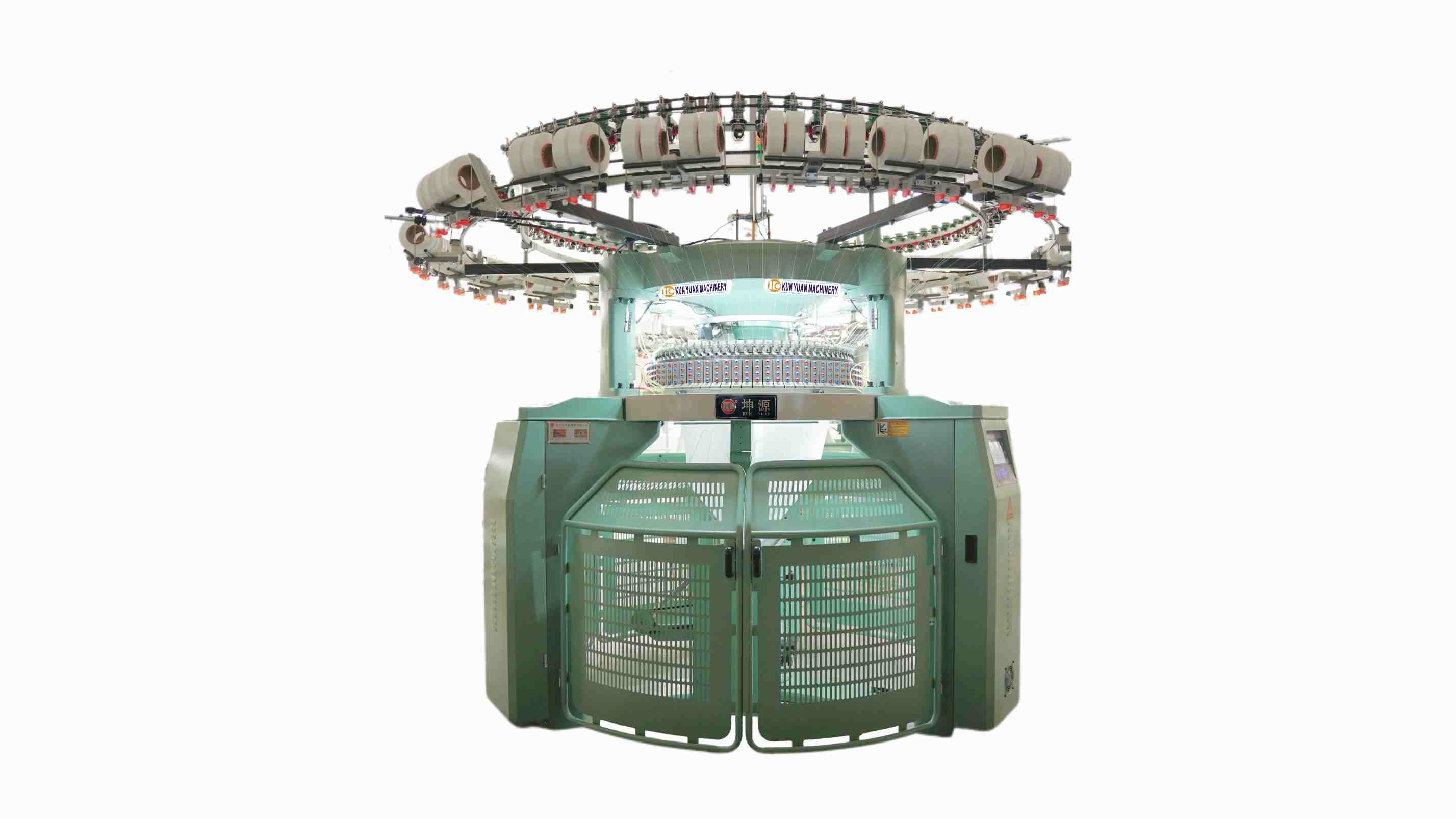
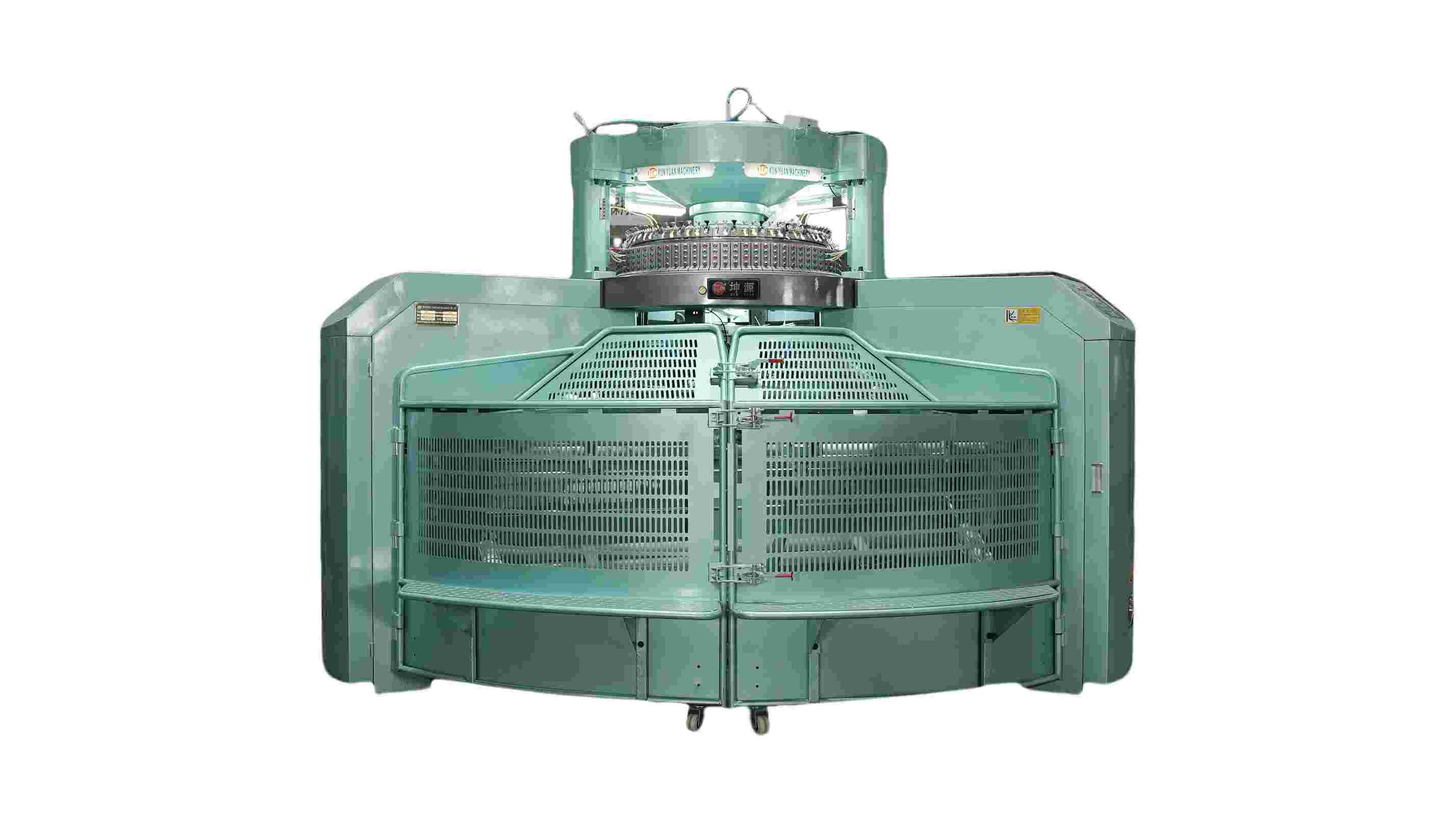
Apply the needle-system dossier while reviewing the industrial circular knitting machine range and require every spare package to reference the exact machine, bed and approved fabric trial.

 Tel: +86-13859034518
 Email: info@kunyuanmachine.com
 MP/WhatsApp: +86-13859034518
 Manufacturer Address:Bacuo Village, Yonghe Town, Jinjiang City, Fujian Province