Replace a circular knitting part only after its material, wear surface and machine interface are identified
A spare that looks similar can still have the wrong geometry, finish, hardness, batch identity or mating tolerance. Reliable replacement begins with a symptom record and ends with fabric proof from the exact machine position.
Circular knitting parts work as systems. Groz-Beckert's official material for circular machines describes needles, sinkers, selecting and intermediate jacks, transfer jacks and other elements whose functions and tolerances interact. The same source discusses steel quality, local hardening in yarn-impact areas, edge finishing, dimensional stability and batch identification. Those details support an evidence-led replacement method; they do not establish a universal material grade or wear limit for every machine.
Open a service record before removing anything. Capture the machine build, element designation, position, fabric symptom, production condition and safe isolation status. Compare the removed part with an authorized drawing or manufacturer code, then inspect the parts it touches. Mayer and Cie's official spare-parts service emphasizes machine-specific compatibility and tailored packages, reinforcing the need to order against a confirmed configuration. A replacement is released only after installation follows the machine manual and a marked run shows that the original symptom is gone without creating another fault.
Record 01: tie the fabric symptom to a physical element position
Map the defect before opening the machine. Note whether a line follows one wale, a hole begins at a stop, a pattern error repeats by selection position or a surface mark follows the circumference. Preserve machine direction, technical face, roll length, yarn lot and event timing. A fixed repeat can guide inspection, but it is not itself proof that a particular needle, sinker or jack has failed.
After the machine is stopped and isolated under the delivered safety procedure, qualified staff can identify the corresponding position. Photograph the installed element and neighboring positions, record oil or contamination condition, and check for abnormal clearance, scoring, deformation or breakage without altering several layers at once. The service file should distinguish observed evidence from a proposed cause. This protects the original baseline if the first hypothesis is wrong.
Record 02: reconcile designation, material treatment and batch traceability
Read the complete element designation, package label, manufacturer marking and batch or data code where present. Match them to the exact cylinder, dial, cam system or selection assembly identified for the machine. Visual similarity is insufficient for fine-gauge interfaces. Ask the authorized supplier to confirm superseded codes and whether mixed production batches are permitted for the intended replacement scope.
Material technology should be discussed at the evidence level. High-quality steels, local hardening, surface finishing and dimensional control may extend life in a named application, but the buyer should not invent hardness values or substitute alloys from a general brochure. Record yarn abrasiveness, speed condition, lubrication and contamination because service life depends on the operating environment as well as the element. Keep an unopened reference from the replacement batch when practical.
Record 03: inspect the surfaces and settings that could wear the new part again
A damaged element can be the result rather than the root cause. Inspect the corresponding trick, cylinder or dial surface, cam path, selecting component, yarn-impact point and lubrication route specified by the manufacturer. Compare neighboring components and preserve measurements from approved gauges or service tools. Burrs, dirt, poor seating, incompatible geometry or abnormal force can shorten the new part's life.
Define replacement scope from that interface evidence. One element may be appropriate for an isolated event; a positional group or full set may be required where wear, batch mixing or dimensional consistency creates a broader risk. The machine maker or authorized parts source should decide model-specific limits. Record every cleaned, adjusted or renewed interface separately so the restart result can be attributed rather than described as general maintenance.
Record 04: mark the restart and establish a new service-life baseline
Install with the tooling, orientation, sequence and safety method in the delivered documentation. Verify free or controlled movement only through the manufacturer's procedure; never rotate or access the knitting zone with required protection defeated. Mark the first fabric after restart and retain the removed part with its position label. Begin at the approved recovery condition rather than chasing immediate peak speed.
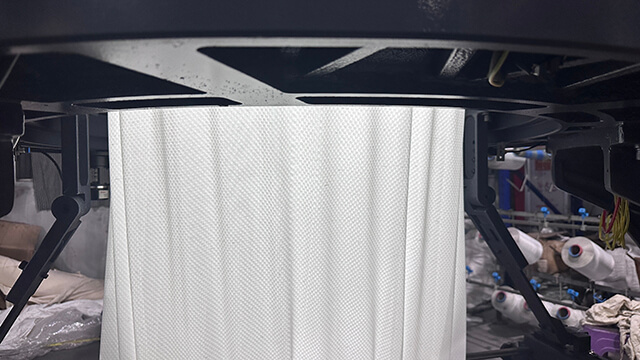
Inspect enough fabric to cover warm-up, the former repeat interval and one normal production event. Check both faces and the original symptom, then carry a matched section through the finish that previously exposed the problem. Record accepted and held material. The service-life clock begins with this proven baseline, including operating condition, yarn family, lubrication record and inspection interval. A later failure can then be compared with evidence instead of memory.
Position and batch identity prevent visually similar elements from being mixed without proof.Interface inspection asks why the part wore before a new element enters the same condition.The replacement decision ends with traceable fabric, not with the parts box closing.
Circular knitting part replacement decision log
Record point
Evidence required
Decision
Reason to hold
Symptom position
Roll map, event and machine coordinate
Open a named inspection position
Fault geometry is not repeatable
Part identity
Full designation, batch and build fit
Release correct stock
Visual match without compatibility proof
Mating interface
Surface, cam, selection and lubrication checks
Define replacement scope
Damage mechanism remains active
Restart
Marked fabric through finish
Start new life record
Original or new defect persists
Circular knitting spare-part technology questions
Can a visually identical needle or sinker be installed?
Not safely from appearance alone. Confirm the complete designation, geometry, batch policy and machine applicability with the authorized documentation or supplier.
Does a harder part always last longer?
No. Material, local treatment, finish, toughness, yarn contact and mating geometry must suit the application; a general hardness claim is not a compatibility decision.
Why inspect neighboring components?
The failed element may have been damaged by its trick, cam, selector, lubrication route, contamination or another mating surface.
Should one failed element or a full set be replaced?
Use manufacturer guidance and evidence about wear distribution, dimensional consistency and batch mixing. There is no universal quantity.
What proves the replacement worked?
A marked run covers the former repeat and normal events, passes both-face inspection and remains acceptable after the relevant finish.
Conclusion
Circular knitting replacement technology is a traceability discipline. Locate the symptom, verify the element and material identity, inspect the mating system, then prove the repair on marked fabric. This sequence respects advances in steel, treatment and dimensional control without converting supplier information into universal wear rules. It also gives maintenance teams a baseline for the next inspection and parts order.
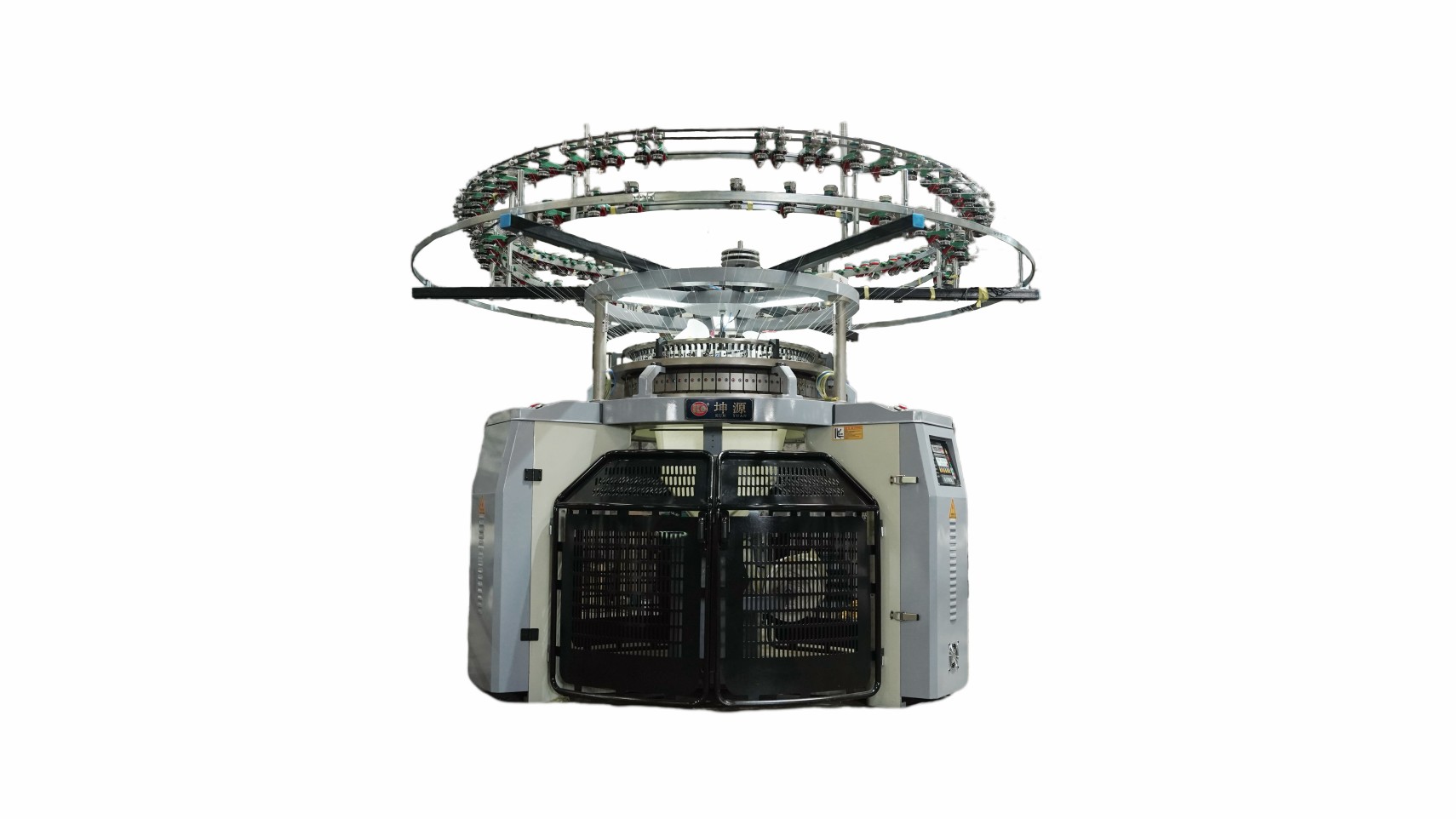
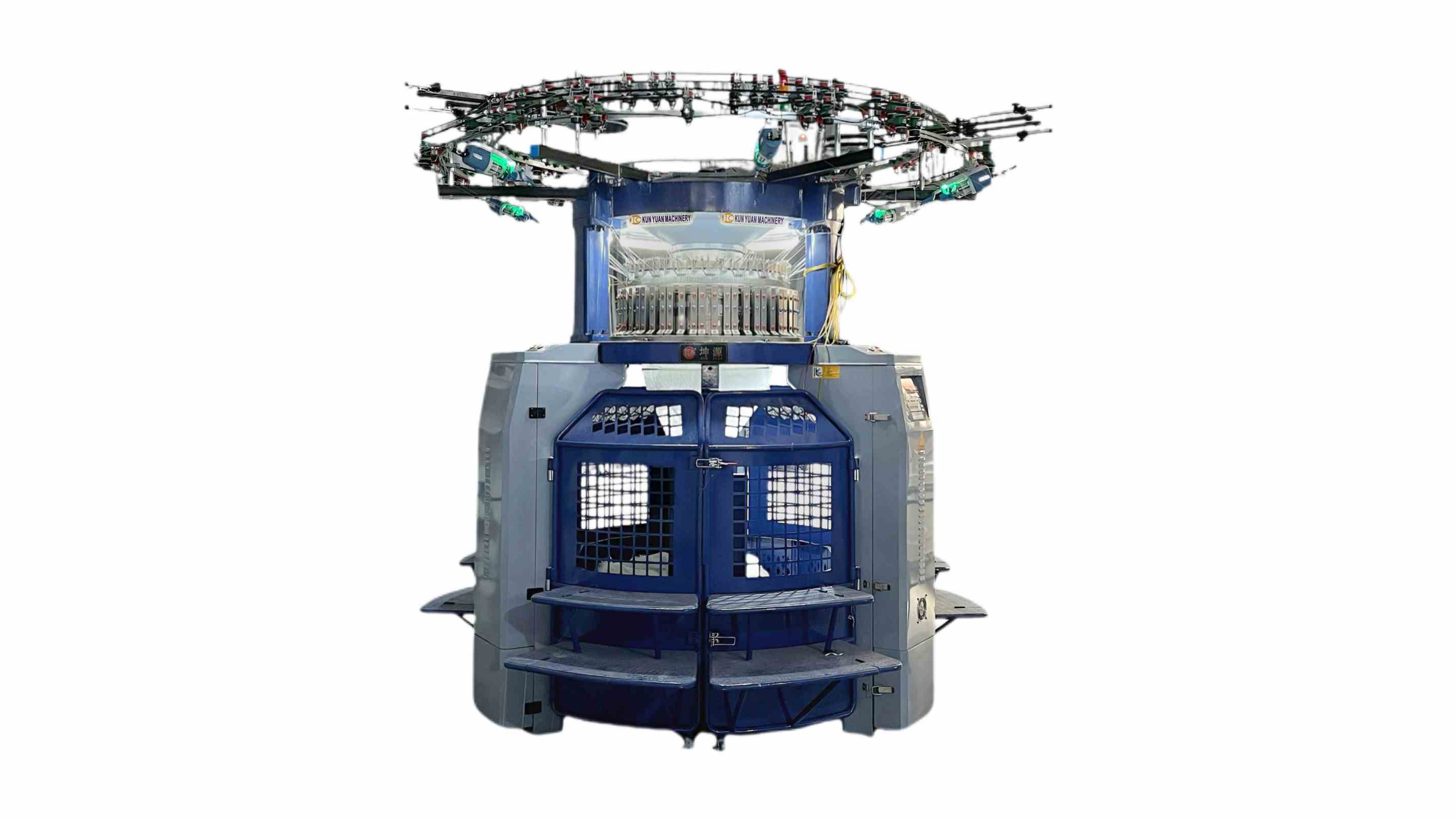
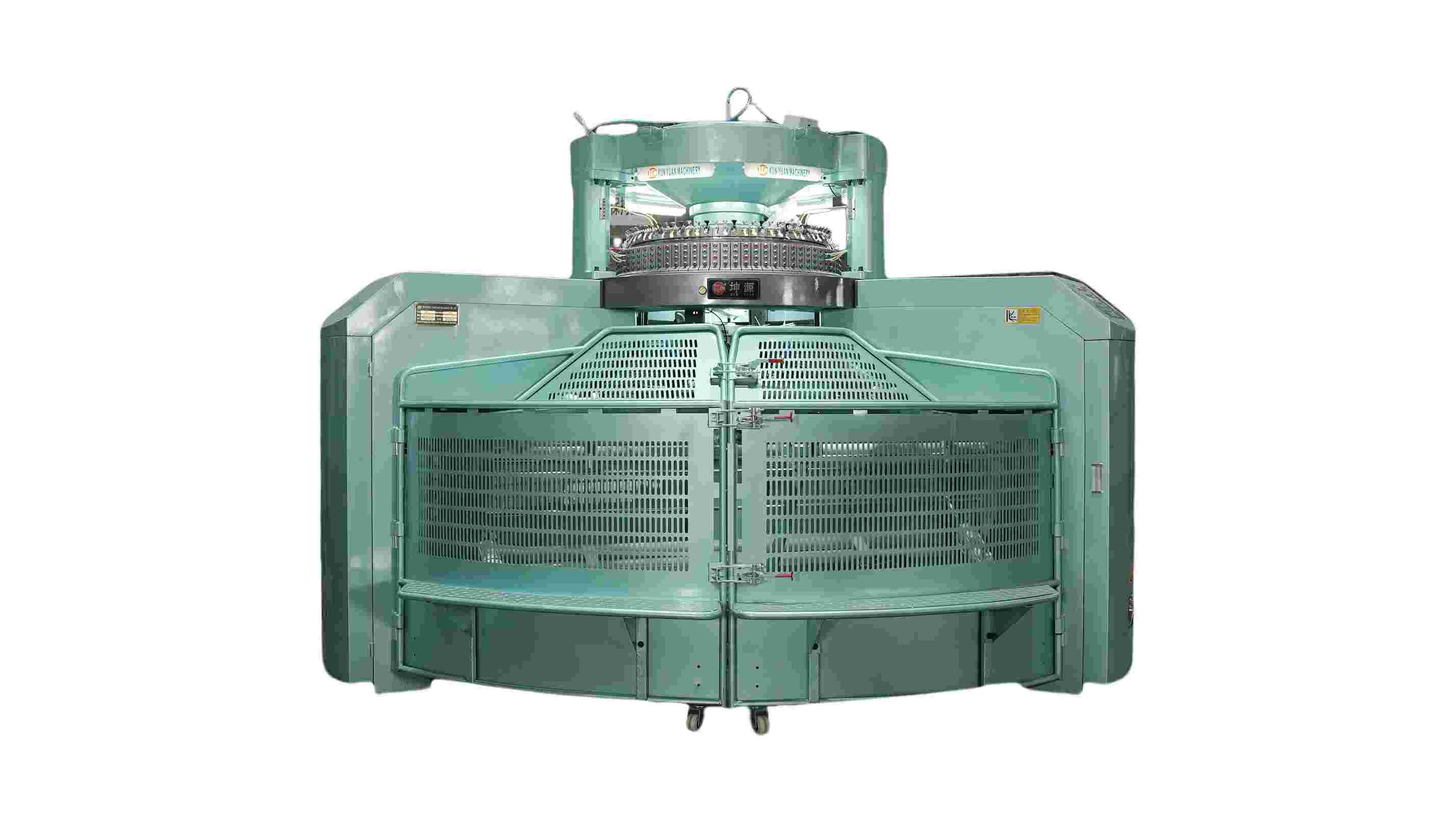
Use the service record when requesting model-specific Circular Knitting Machine Spare Parts and attach the machine build, full part code and observed wear evidence to the inquiry.




 Tel: +86-13859034518
 Email: info@kunyuanmachine.com
 MP/WhatsApp: +86-13859034518
 Manufacturer Address:Bacuo Village, Yonghe Town, Jinjiang City, Fujian Province