A jacquard application scales only when the repeat, yarn map and installed selection system share one revision
Pattern complexity is not a machine specification. A useful jacquard plan defines what each needle and yarn must contribute, then proves that the offered build can repeat the result through production events and finishing.
Start with a technical pattern record rather than an attractive fabric photograph. State repeat width and depth, technical face, color and yarn roles, loop actions where relevant, reverse-side limits, finished weight and width, and the inspection method. Add boundary motifs such as the longest float, smallest isolated detail, color transition and repeat join. Those features reveal whether the requested effect fits the physical knitting route.
Official circular-machine portfolios group jacquard functions into specific machine families and configurations. They support a structured shortlist, but they do not prove that every diameter, gauge, feed count, selector arrangement or yarn effect can be combined on one machine. Keep the pattern file, program revision, exact build and marked fabric together. Scale-up passes only when the repeat remains correct beyond a selected showroom swatch and after the stated finish.
Connect pattern coordinates to the exact installed selection system.
Layer one: turn artwork into repeat coordinates and observable loop duties
Define the repeat origin in course and wale directions, then number every color or yarn system. For each design zone, state the required needle action using terminology supported by the selected machine documentation. Include pattern boundaries at the tube join and any registration relationship between feeds. A screen preview can catch an obvious sequencing error, but it cannot establish loop formation, yarn behavior or reverse-side acceptability.
Create a challenge strip containing the smallest motif, longest permitted float, dense transition and quiet background area. Mark expected positions on a drawing and on the knitted tube. When artwork changes, issue a new revision instead of overwriting the accepted file. Design, knitting and inspection can then distinguish a deliberate motif change from a selector, yarn or setup fault.
Layer two: separate color, ground, plating and elastomer paths before knitting
Record material, count, lot, color code and package position for every yarn duty. Trace the actual path through guides and delivery devices to the assigned feed under the approved operating procedure. Similar colors do not justify a shared setting: package build, twist and finish can create different withdrawal behavior. Photograph crossings or long routes where packages can be exchanged accidentally.
Inspect both fabric faces. On the face, check motif edges, shade contamination, registration and local density. On the reverse, locate excessive floats, trapped ends, misplaced color or unstable yarn release. Mark package changes, breaks and restarts on the roll. Those events help separate a digital command error from a physical delivery problem without changing several causes at once.
Layer three: match programmed actions to the installed selector and knitting system
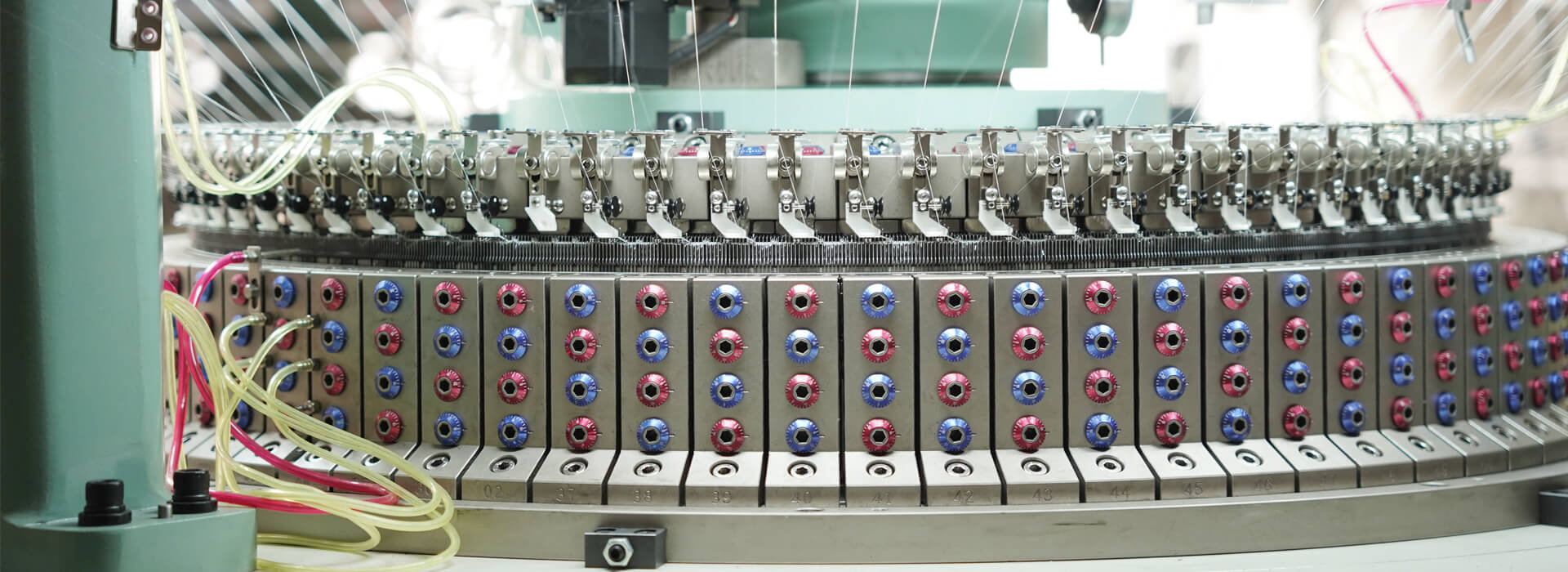
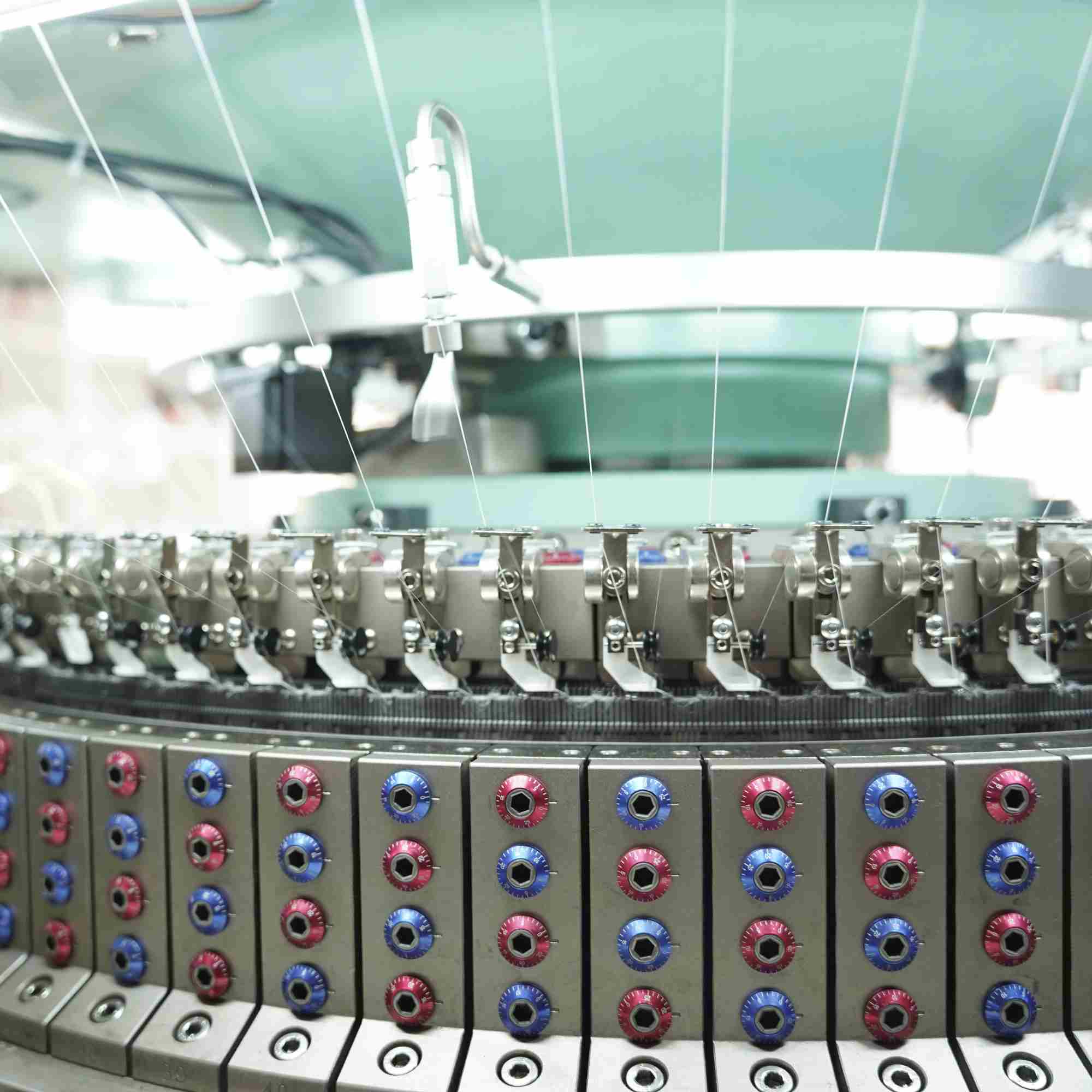
Freeze the exact model, diameter, gauge, needle-bed arrangement, selector or jacquard scope, active feed basis, yarn controls, take-down and software revision. Mark each promised design action as standard on the offered build, dependent on a named option, requiring a buyer-yarn demonstration or outside scope. Do not transfer capability from another model that shares the same family name.
During the trial, map a repeating error back to course, wale, feed and machine position before assigning cause. Preserve the original marked fabric and event log. Inspection or service work must follow the model-specific manual and authorized procedure. The technical file should show what the control commanded and what the fabric actually recorded.
Layer four: extend the approved repeat through normal events and commercial finishing
Run enough buyer yarn to include warm-up, stable production, a package change, a planned stop and restart, and difficult repeat boundaries. Record gross fabric, held zones and accepted length or weight. Inspect the full circumference at several roll positions rather than cutting only the best repeat. A stable screen status is supporting evidence, not a substitute for fabric disposition.
Carry labelled samples through the intended relaxation, dyeing or other finish. Recheck repeat geometry, color placement, surface, usable width, weight and dimensional response. Then ask a receiving shift to reload the controlled job and reproduce the challenge strip without undocumented intervention. That second run tests whether the application is transferable rather than a one-off demonstration.
Keep every color and structural yarn traceable to its physical route.
Jacquard application architecture decision table
Architecture layer
Input to freeze
Evidence in fabric
Hold condition
Pattern coordinates
Repeat origin, dimensions and revision
Motif joins and boundary details
Artwork and file disagree
Yarn duties
Lots, roles, routes and feeds
Face and reverse yarn control
Untraceable color or float
Selection system
Exact build, selectors and options
Command-to-loop correspondence
Borrowed capability
Scale-up
Events, finish and reload method
Repeated accepted fabric
Only a selected swatch passes
Application release boundary
Keep four boundaries visible: the design file defines intended actions, the installed selection and knitting system limits executable actions, the yarn route determines physical presentation, and finished fabric proves the commercial result. Classify every motif as demonstrated, dependent on a named option or trial, unverified, or outside the quotation.
Release the application from repeated finished fabric, not a chosen swatch.
Jacquard application and scale-up questions
Does a larger pattern file prove greater machine capability?
No. File size must be matched to the installed selection system, knitting architecture and demonstrated fabric.
Why inspect the reverse side?
The face can hide long floats, trapped ends, misplaced yarn and unstable transitions.
Can a supplier use different yarn for the trial?
Development yarn may support setup, but release should use representative buyer yarn with substitutions recorded.
What is a useful boundary sample?
It combines the most demanding motifs, transitions, yarn duties and repeat joins in the intended range.
When is the pattern ready for handover?
When the file, exact build, yarn map, marked events and finished sample can be reproduced by the receiving team.
Conclusion
Jacquard scale-up is an architecture problem before it is a color-count claim. Repeat coordinates, yarn duties, installed selection and finished evidence must remain linked. A marked challenge strip followed by a controlled repeat run prevents a successful display sample from being mistaken for production readiness.
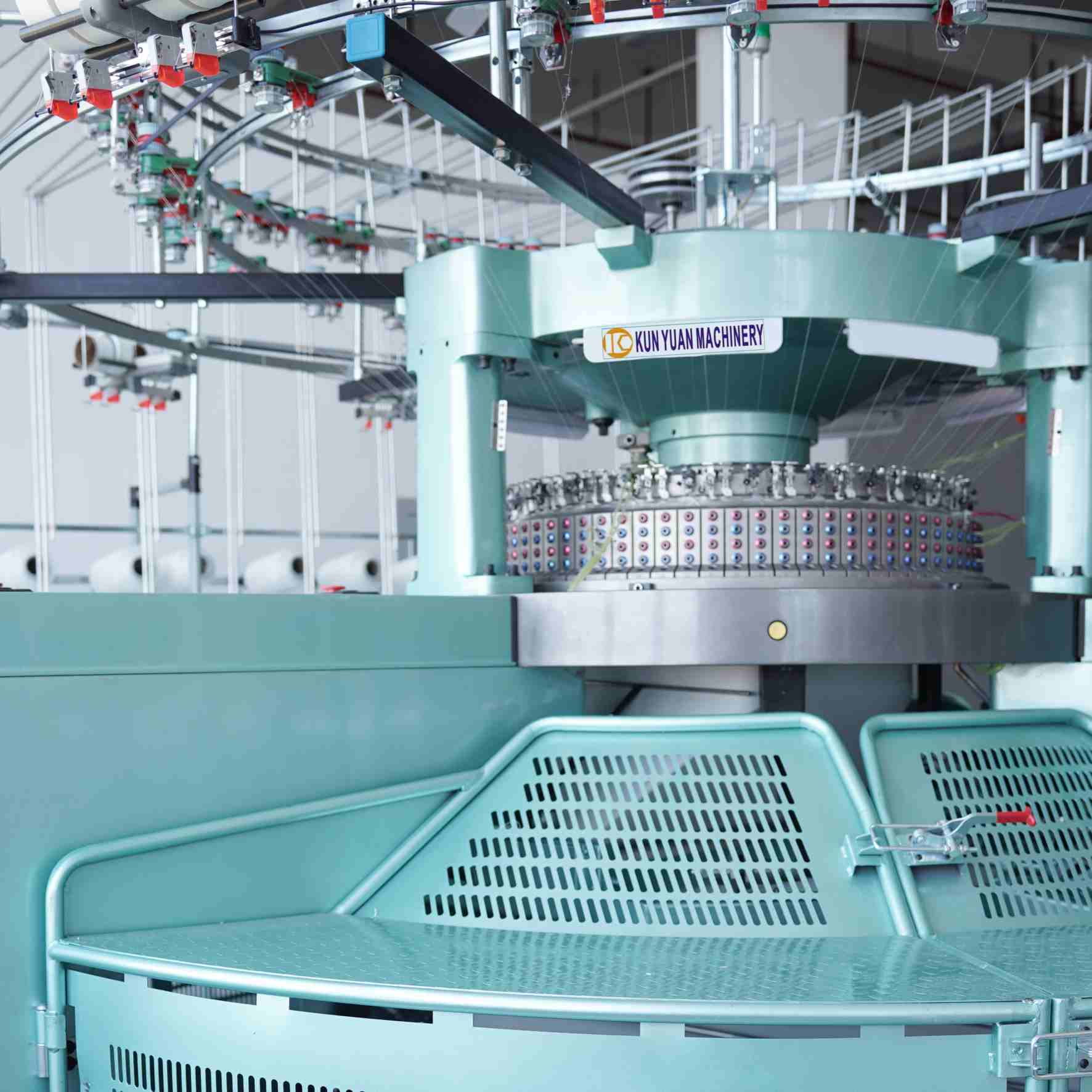
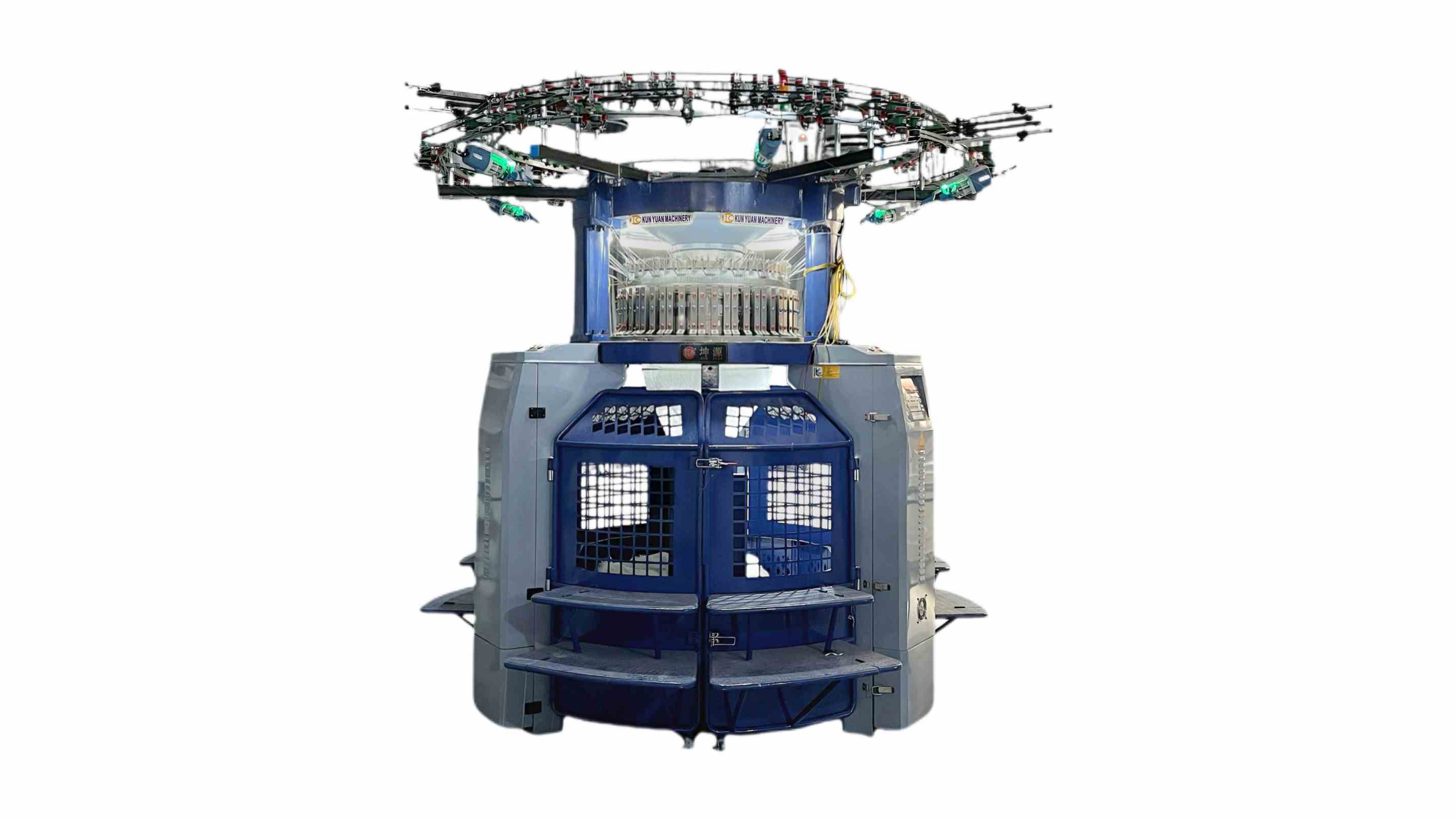
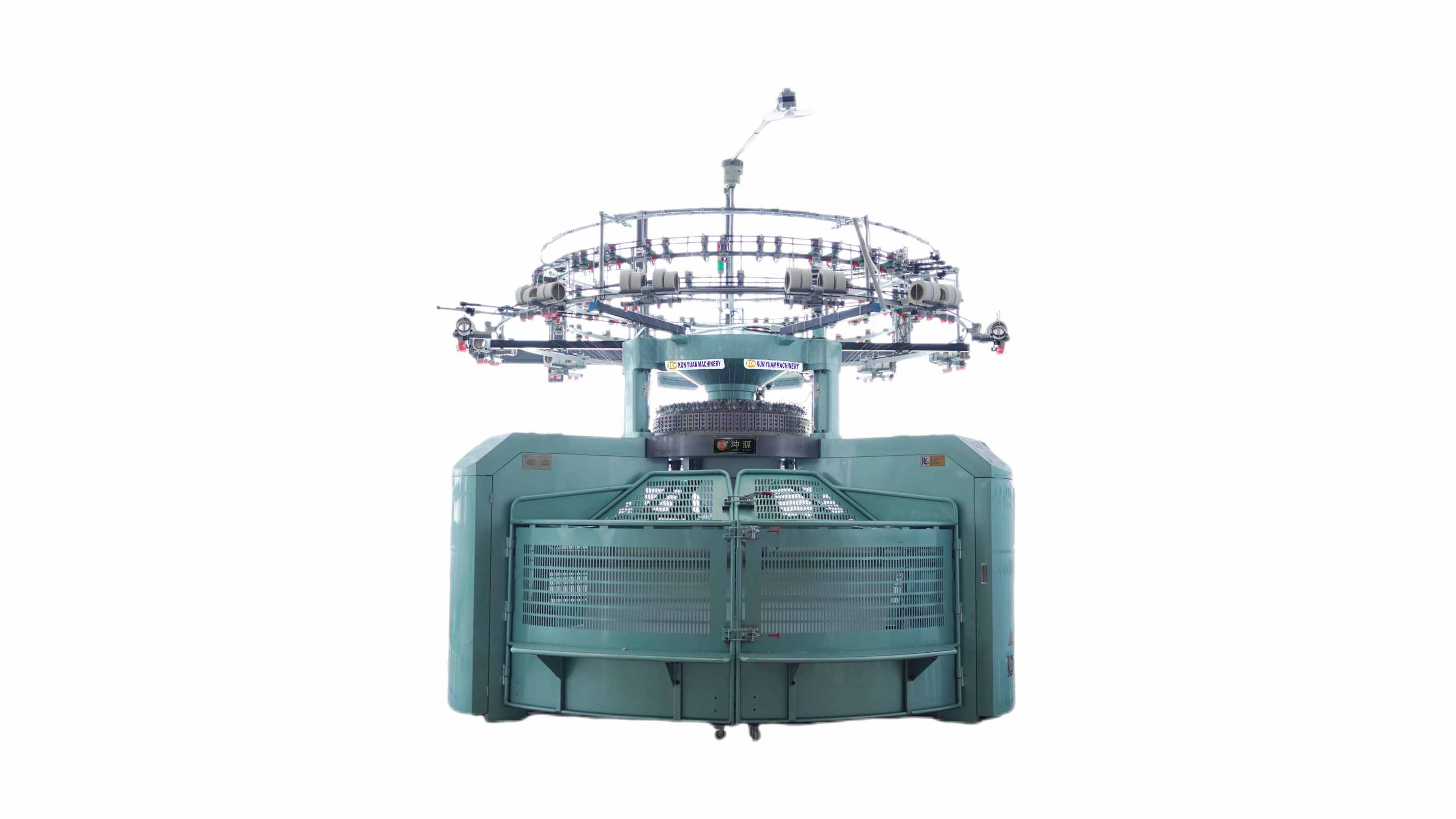
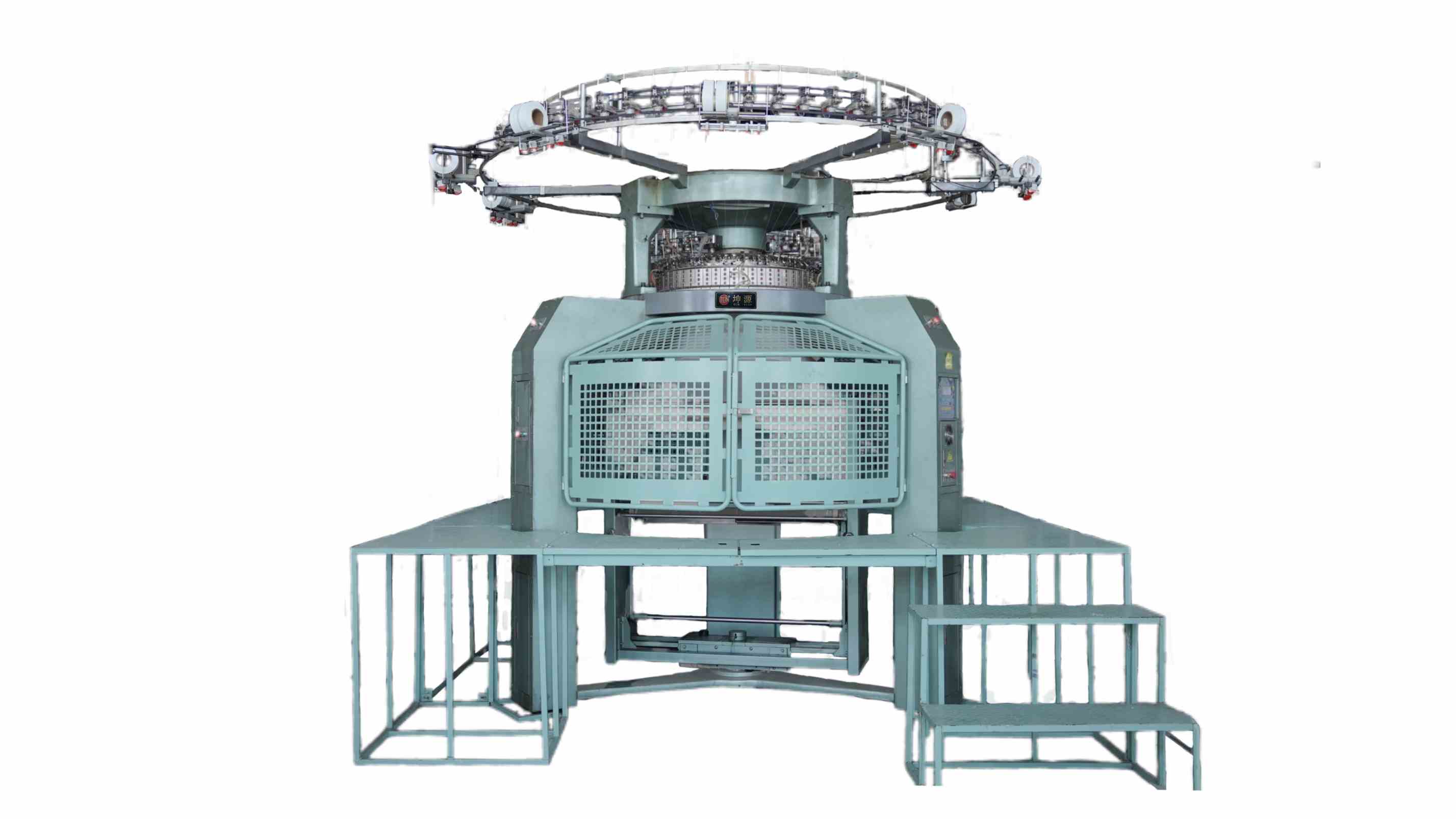
Use this four-layer release sheet when reviewing the jacquard-capable circular knitting machine range and require the quoted selection system to reproduce the approved buyer-yarn pattern after finishing.






 Tel: +86-13859034518
 Email: info@kunyuanmachine.com
 MP/WhatsApp: +86-13859034518
 Manufacturer Address:Bacuo Village, Yonghe Town, Jinjiang City, Fujian Province