
Hot Keyword:
YOUR POSITION:HOME > Blog >

Underwear Circular Knitting Machine Applications: Seamless Product Planning

Author:KUNYUAN Machine Manufacturer TIME:2026-08-30

MENU
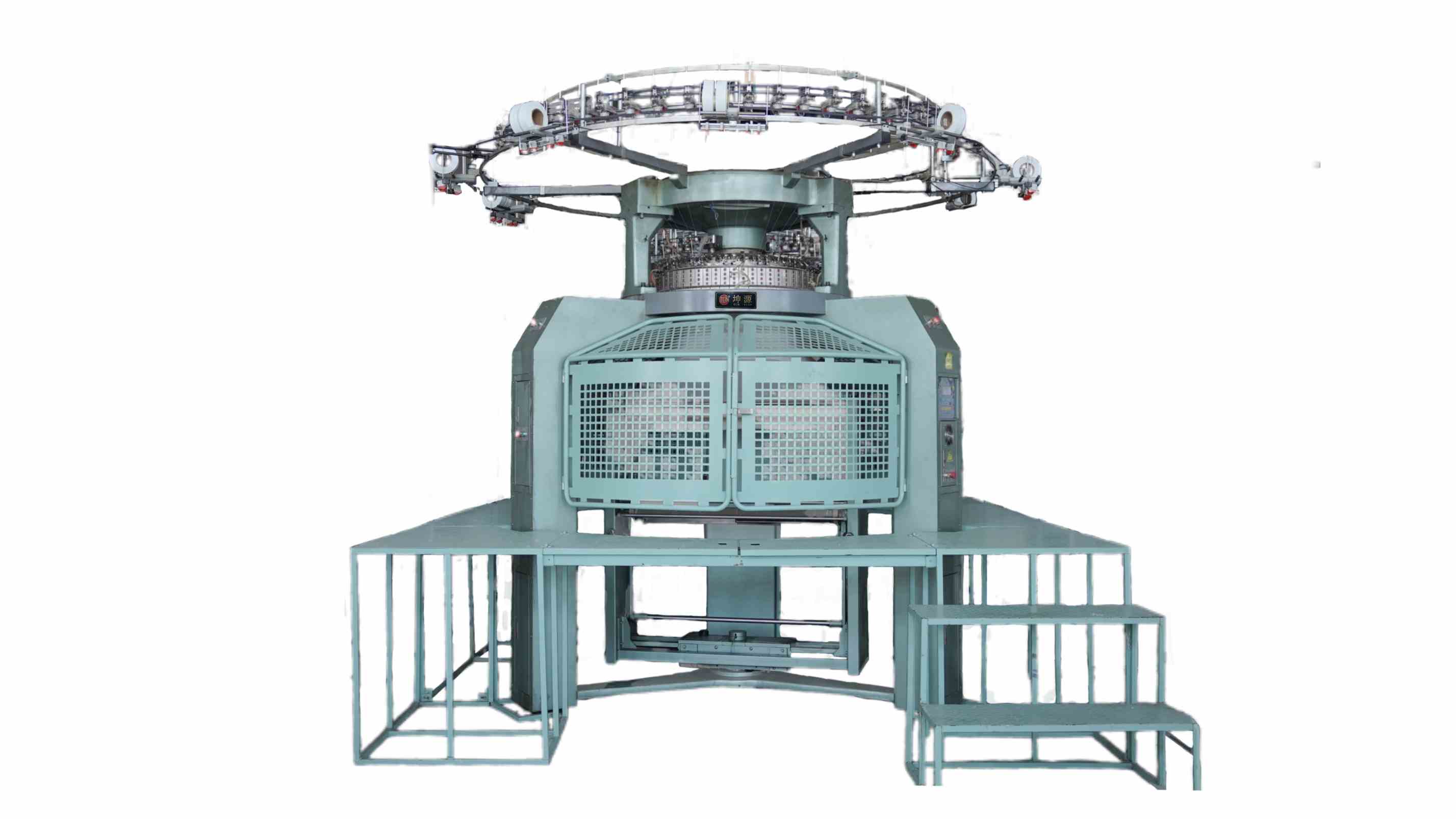
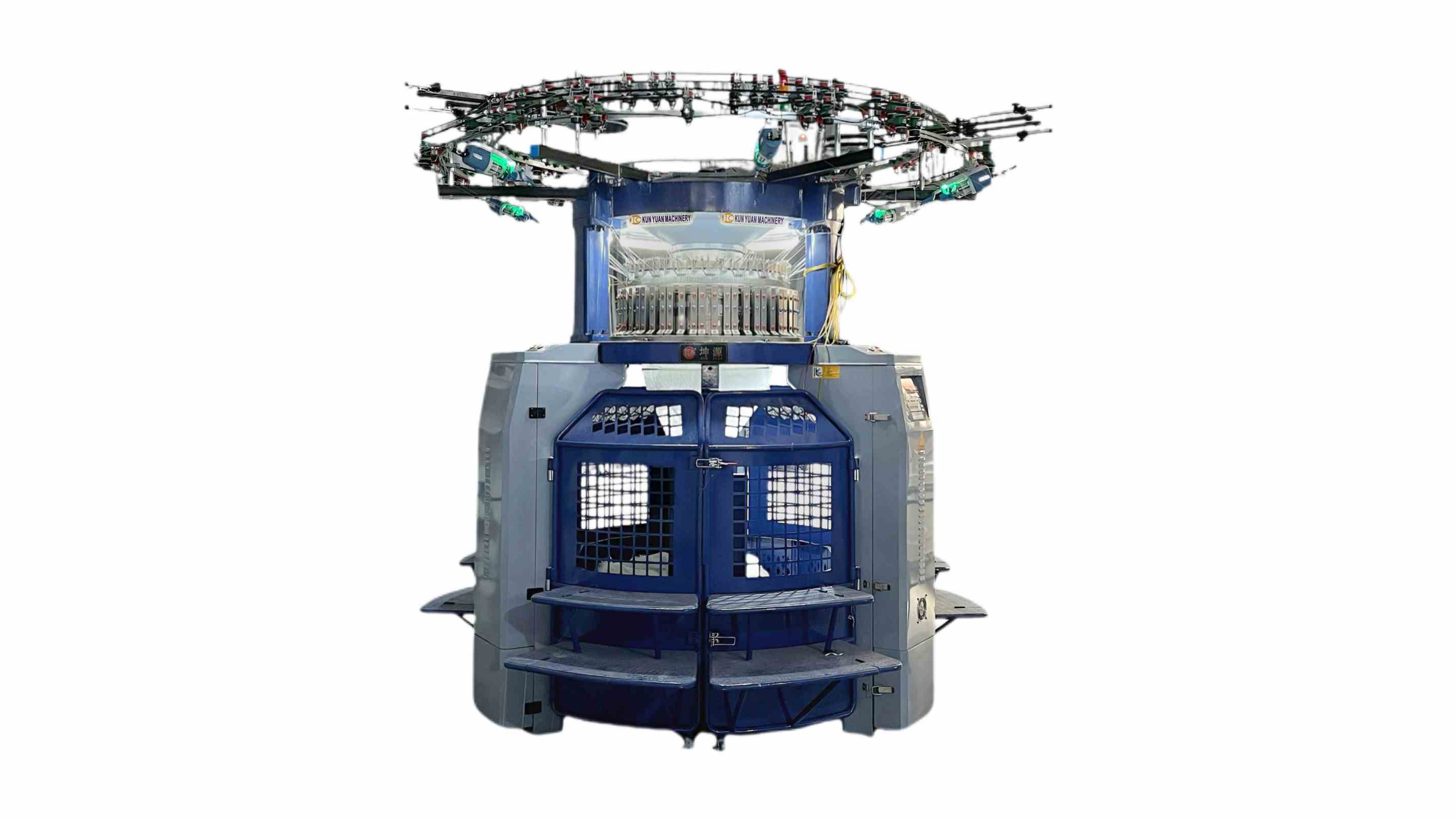
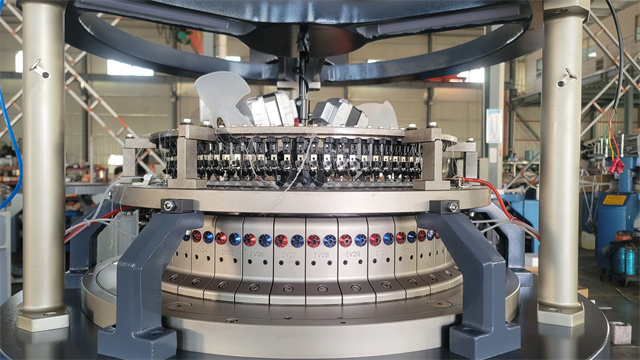
Body-size circular knitting machine referenced against underwear garment zones
Map torso, support and openings before selecting the configuration.
TorsoSupportOpenings
Seamless underwear zone dossier

The machine choice should follow the garment body map, not a generic promise of fewer seams

Seamless underwear planning begins with finished fit and comfort. Diameter, gauge, yarn delivery and electronic zones matter only when they produce the required torso, support and opening behavior with all remaining make-up work disclosed.

Lay a representative garment flat and mark the route from knitted tube to packed article. Record body measurements, size set, relaxed and extended dimensions, yarn roles, support areas, ventilation or texture zones, leg and waist openings, separation points, cutting, joining, dyeing, washing and final sizing. Use seamless narrowly: fewer side seams does not mean openings, gussets, straps, elastic components or closures appear without later operations.

Santoni's official seamless portfolio and body-size circular-machine references show specialized systems organized by product and configuration. These sources establish an equipment family, not a universal garment recipe. Confirm the exact diameter, gauge, needle-count basis, selection scope, feeds and yarn systems offered, then knit the smallest, largest and most demanding zone layout in representative yarn.

Torso zone: translate the size chart into a finished circumference and length map

Define the body landmarks used by the brand, then place relaxed and extended garment dimensions beside them. Include front-back orientation, body length, intended ease, fabric weight and measurement condition. The machine-side tube is an intermediate state. Dyeing, relaxation, heat treatment and elastomer recovery can move dimensions, so the acceptance chart must state when and how the garment is measured.

Trial boundary sizes instead of grading one sample by assumption. Record the cylinder or needle basis, program revision, yarn lots and separation allowance for each size. If one configuration cannot cover the range, divide the size plan openly. Nominal diameter alone cannot prove fit because structure, yarn, stitch length and finishing remain active variables.
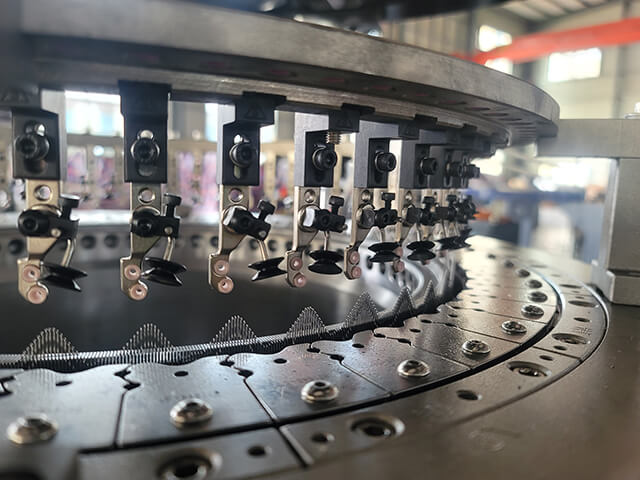
Support zone: place compression, recovery and comfort requirements on the body map

Identify where the garment should support, stretch freely, ventilate or transition between structures. Assign yarn duties for ground, elastomer, plating or effect components and record how the program changes between zones. A visual texture change does not establish pressure or recovery. Use product-specific extension, recovery and comfort methods selected by the brand or test laboratory.

Inspect transitions around the complete tube. Look for abrupt density changes, yarn show-through, barring, stiff edges or pattern displacement. Mark locations where a support band meets a flexible zone or opening. Keep approved and rejected samples together. When a setting changes, predict which measurement should respond and hold unrelated variables stable where practical.

Opening zone: prove waist and leg-edge recovery without hiding construction work

Specify opening circumference, extension target, recovery after a defined hold or cycle, edge thickness and any comfort limit. Record whether elastomer is knitted, plated, laid in or added later. Waist and leg openings may use different structures and finishing operations even when the body begins as one tube. Examine inside surfaces for floats, joins or cut edges that can affect wear.

Run repeated extension and the intended care or finishing route before approval. Compare left and right leg dimensions and mark curl, waviness, tunneling or local stiffness. If elastic insertion, binding or hemming occurs later, include its machine, labor, waste and quality owner in the route rather than calling the result fully formed on the circular machine.

Make-up zone: close cutting, joining and finishing boundaries with a complete garment trial

List separation waste, gusset insertion, strap or closure work, cutting, sewing, bonding, labels and trimming by size. Time each operation and record defects separately from knitting losses. A reduced-seam tube may still require precise make-up, and remaining work can determine throughput or comfort more strongly than machine rotation. Assign inspection ownership at each handoff.

Finish a labelled garment set from known roll positions and test it under the buyer's dimensional and appearance methods. Preserve program, yarn map, configuration, event record and final disposition. Ask the receiving team to repeat one boundary size after a normal style change. Release only when the complete article, not the greige tube, meets the chart without undocumented correction.

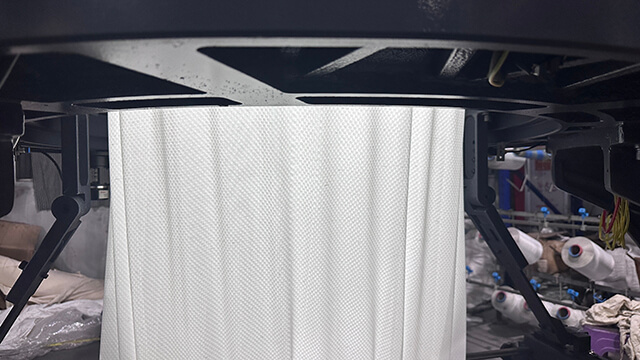
Seamless underwear torso and support-zone planning evidence
Tie every functional zone to yarn, program and a finished measurement.
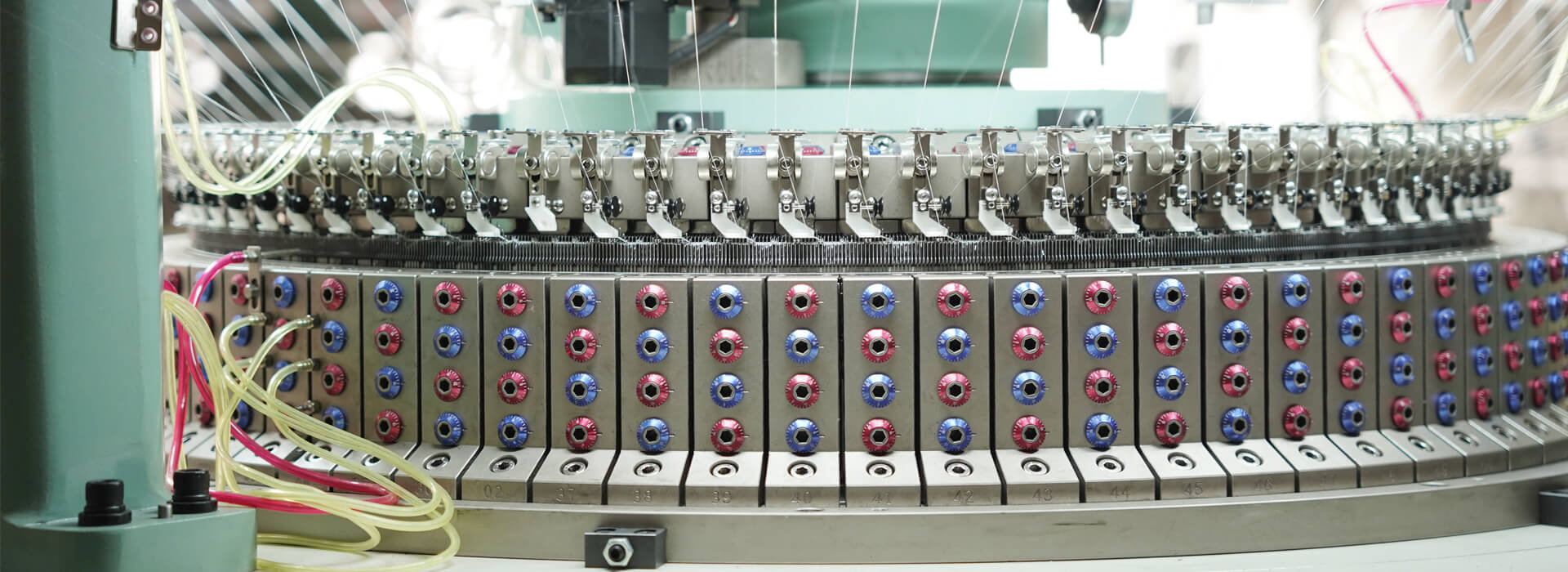
Finished underwear opening and make-up inspection reference
Approve the complete garment with all remaining make-up visible.

Seamless underwear product-zone decision table

Garment zonePlanning inputFinished evidenceHidden risk
TorsoSize chart, ease and structurePost-finish dimensionsGrading one raw tube
SupportMapped function, yarn and programRecovery and comfortApproving texture only
OpeningsExtension, edge and elastic routeWaist and leg repeatUnlisted binding work
Make-upAll joins and finishing operationsAccepted complete garmentsCalling reduced-seam finished

Seamless underwear planning questions

Does seamless underwear have no seams at all?

Not necessarily. The body may be tubular while gussets, straps, openings, closures or labels still require later work.

Can one diameter cover every size?

Only a documented trial can establish the range because yarn, structure, needle basis, program and finishing affect fit.

How should support zones be approved?

Map their function, yarn duties and program, then use an appropriate finished extension, recovery or comfort method.

Why trial smallest and largest sizes?

Boundary sizes expose limits in circumference, zone placement, opening recovery and grading.

What closes handover?

A trained team should repeat a complete boundary garment from the controlled program, yarn map and make-up route.

Conclusion

A seamless underwear application succeeds when the garment map survives the full route. Torso fit, support behavior, openings and remaining make-up each need their own evidence. Linking those zones to the exact program and a repeated finished boundary size is more useful than treating seamless as an all-inclusive automation label.

Use the garment-zone dossier when evaluating the body-size circular knitting machine range and require the offered setup to deliver the complete size and make-up evidence in the underwear brief.

Need Help?
Please leave your contact information to get our latest catalog
Get In Touch Now >
Kunyuan Machinery Manufacturer

Tel: +86-13859034518

Email: info@kunyuanmachine.com

MP/WhatsApp: +86-13859034518

Manufacturer Address:Bacuo Village, Yonghe Town, Jinjiang City, Fujian Province

NEW KEYWORD

About Us

Products

Information