Plush and fleece briefs should name how the surface is knitted, developed and approved
A soft or raised appearance does not identify one machine route, so buyers need to separate pile formed in the knitted architecture from a surface developed later by finishing.
Write the end-use requirement without choosing the equipment name first. Record which side is visible, the required surface character, ground stability, yarn materials and lots, greige and finished measurements, dimensional behavior, durability or care method where relevant, and the finishing operations allowed. Then ask which knitting architecture and downstream equipment create that result. This prevents several products described as plush or fleece from being grouped under one unsupported capability claim.
Kunyuan's own site presents pile circular knitting equipment and pile finishing equipment as separate product categories. One listed finishing machine is described for raising and shearing rather than knitting. That source boundary supports a practical comparison: Track A evaluates a deliberately knitted pile or loop architecture; Track B evaluates a knitted base or fleece construction whose commercial surface depends on named downstream treatment. Neither route is inherently better. The target product and traceable finished sample decide.
Track A begins with a ground-and-pile architecture
For a knitted-pile route, draw the ground and pile relationship and identify any binding or retaining action. State whether loops remain loops or enter a later cut or surface-development stage. Record yarn roles separately and inspect both fabric faces. The ground must remain stable while the effect surface is formed; a visually dense top side does not excuse exposed ground, pulled loops or weak recurring areas on the reverse.
Use the hardest commercial yarn or surface requirement in the trial and preserve a full-width greige strip. Mark machine direction, roll position and normal package or restart events. Do not publish a universal pile-height or material range from a generic family page. The supplier should confirm the exact model, knitting parts, yarn route and sample conditions that support the proposed product.
Track the pile yarn and ground as one defined knitted architecture.
Track B qualifies a knitted construction together with surface finishing
A fleece-oriented route can use distinct ground, binding and effect yarn duties before raising, brushing, shearing or another specified process develops the commercial surface. Describe the greige relationship without assuming that the knitting machine alone supplies the final hand or cover. Label samples by roll position and keep one control piece outside the finishing batch.
Inspect the processed face and the technical reverse for cover, streaks, exposed yarn, contamination and structural damage. Recheck width, weight and dimensional response on the same basis used in the product brief. If the finisher changes passes, machine condition, tension or heat, identify the result as a new trial. Otherwise a surface improvement or defect may be attributed to knitting when the finishing route actually changed.
Preserve the greige condition before raising, brushing or shearing.
Product use decides which route and tests are relevant
Apparel linings, warm garment fabrics, decorative plush surfaces and home-textile candidates do not share one quality definition. State skin contact, visible side, compression or abrasion exposure, care route, sewing or bonding steps and any product-specific test owner. A machine trial can demonstrate repeatable knitting under stated conditions, but it does not certify a regulated, safety-critical or specialized end use by itself.
Choose a boundary sample that exposes the hardest requirement, such as a demanding yarn, visible contrast, dense surface or downstream process. Use cautious application language until that sample passes. When the customer requires durability, shedding, flammability or another end-use property, name the responsible test method and acceptance authority rather than converting general fabric appearance into a performance claim.
Compare accepted output and responsibility across both tracks
Price the complete route from yarn preparation through knitting, handling, finishing, inspection and packing. Record greige output, finishing loss, rejected sections, rework and the time required to change or clean equipment. A cheaper knitting setup can create a more expensive surface-development route, while a specialized pile configuration may require its own skills, parts and product volume. Compare accepted finished output rather than headline machine speed.
Put responsibility for knitting and finishing defects in the trial plan before production. The handover file should connect machine configuration, yarn lots, settings, finishing batch, marked samples and final disposition. If a new plush or fleece request uses another architecture or surface process, reopen the relevant gate instead of extending approval from a visually similar fabric.
Compare commercial surface and dimensions after the named finish.
Knitted pile and finished-fleece route comparison
Decision point
Track A: knitted pile
Track B: finished fleece
Required proof
Starting architecture
Ground plus defined pile loops
Ground, tie and effect roles as specified
Loop drawing and yarn map
Greige control
Loop retention and both faces
Back-loop relationship and stability
Marked full-width strip
Surface development
As specified, possibly including cutting
Named raising, brushing or shearing route
Paired greige and finished samples
Commercial release
Product-specific finished criteria
Product-specific finished criteria
Accepted output and responsibility log
Pile and fleece application questions
Are plush and fleece the same machine category?
No. Those market terms can describe different yarn architectures and finishing routes, so specify the actual construction and process.
Can a greige pile sample approve the final hand?
No. Carry a marked piece through the intended finishing route and retain an unprocessed control.
Does raising or shearing occur on the circular knitting machine?
It is downstream finishing equipment and must be evaluated under its own process, machine documentation and safety controls.
Which route has lower cost?
Calculate the full accepted-output route, including yarn, changeover, finishing loss, rework, labor and support for the target product mix.
How should a new application be added?
Create a new product brief and boundary sample whenever yarn architecture, finishing route or end-use acceptance changes materially.
Conclusion
Plush and fleece decisions become clear when knitted architecture and surface finishing are compared as distinct production tracks. The selected route should identify what the circular machine forms, what downstream equipment changes, and which finished evidence the buyer accepts. That boundary supports useful application claims without stretching one sample across unrelated products.
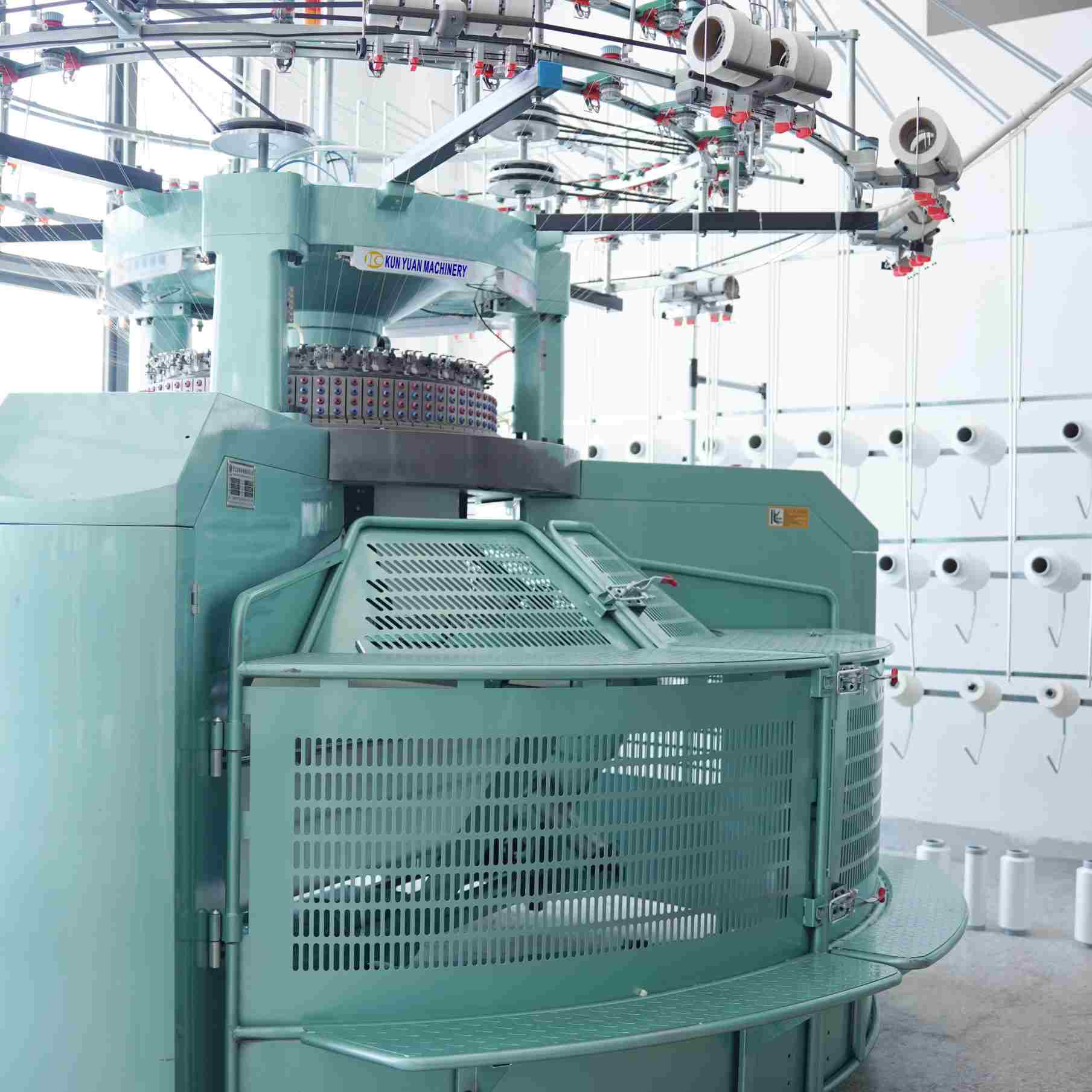
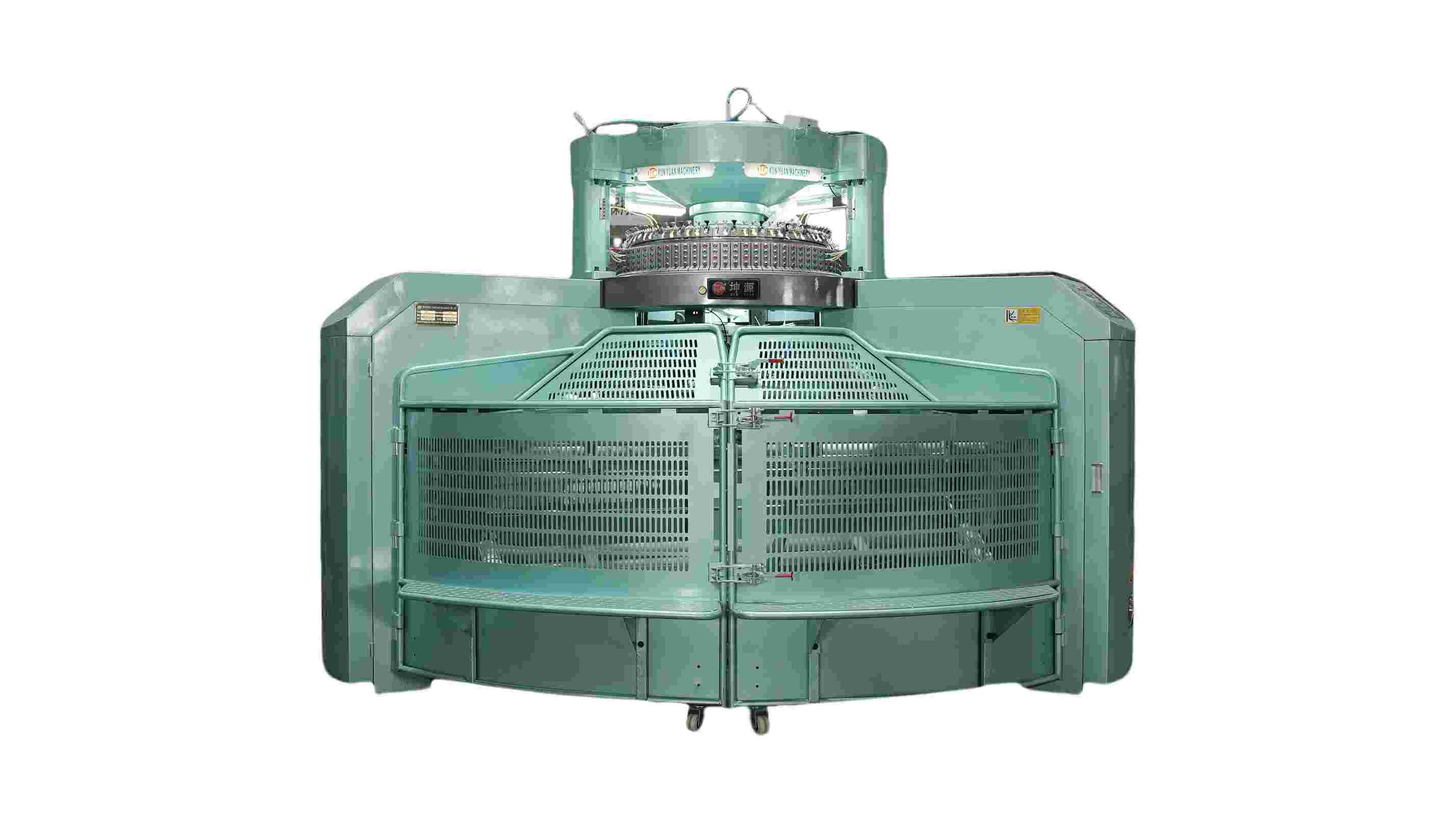
Use this two-track comparison when discussing the pile fabric circular knitting machine range and require paired greige and finished samples for every plush or fleece route included in the quotation.







 Tel: +86-13859034518
 Email: info@kunyuanmachine.com
 MP/WhatsApp: +86-13859034518
 Manufacturer Address:Bacuo Village, Yonghe Town, Jinjiang City, Fujian Province