Begin with garment landmarks rather than a generic seamless label.ShapeStructureOpenings
Sweater garment-zone dossier
Build the machine brief from a finished sweater zone map
A sweater program should explain where shape, stretch, texture and openings occur on the worn garment. Machine features matter only after those zones have dimensions, yarn duties and a complete route to finished acceptance.
Create a flat garment drawing for each representative size. Mark chest, waist and body length; shoulder and armhole boundaries; hem, neck and cuff interfaces; texture or ventilation fields; separation lines; and front-back orientation. Add relaxed and extended measurements, tolerated zone movement after finishing, yarn roles and any cut, join or trim that follows knitting. The map turns a broad sweater request into observable production objects.
Santoni's official seamless range includes electronic single- and double-jersey machines for several garment applications, and individual models publish distinct selection, transfer and application scopes. That confirms the need for model-level checking. It does not make every structure, size, yarn or operation available on every Santoni or non-Santoni machine. The buyer should qualify the exact offered configuration with a finished size set and list every limit that remains outside the program.
Silhouette zone: connect body landmarks to conditioned size-set measurements
Choose the brand's actual measurement points and tolerances. Place body width, waist, length and relevant shoulder or armhole landmarks on the drawing, together with the condition in which they are measured. The knitted tube is not the final size. Yarn relaxation, dyeing, heat, washing, recovery and later joining can move dimensions or rotate landmarks.
Trial the smallest and largest planned sizes plus a central commercial size. Record machine identity, needle or diameter basis, program revision, yarn lots, greige measurements and conditioned results for each. If one physical configuration cannot cover the range without unacceptable distortion or zone movement, split the size plan. A transparent two-configuration range is more reliable than forcing all sizes through one nominal machine label.
Structure zone: assign texture, support and ventilation to measurable garment functions
For every programmed field, state whether its purpose is appearance, stretch, recovery, warmth, ventilation, support or transition. Define the structural and yarn duties using terms that the selected machine documentation supports. Mark course boundaries and the hardest junction between zones. A texture can be visually attractive while producing unwanted stiffness, transparency or recovery loss in wear.
Inspect transitions around the whole tube and after the intended finish. Compare left-right position, front-back registration, local weight, surface clarity and any brand-defined stretch or comfort method. Keep rejected and approved pieces. When development changes a yarn, program action or finish, issue a traceable revision and predict which zone result should change instead of accepting a broad visual improvement.
Opening zone: expose neck, hem, cuff and separation boundaries
State which openings are knitted, transferred, separated, cut, bound or joined later. Record circumference, edge thickness, extension and recovery where relevant, plus curl, waviness and comfort limits. If sleeves, collars or cuffs are produced separately, show how their courses, yarn lots and dimensions match the body. A reduced-seam body does not eliminate every garment interface.
Track separation waste, cut edges, joining allowance and visible seam quality by size. Run opening samples through the same finish and care condition used for body approval. Look for local stiffness, unraveling risk, elastomer show-through and uneven recovery. Assign the operation and inspection owner for each interface so knitting output cannot pass unfinished responsibility downstream without a measurable handoff.
Range zone: repeat a boundary garment after an ordinary style and size change
Use production-representative yarn and include normal stops, package events and a change between two sizes or styles. Mark interventions on the knitted pieces. Finish and assemble a labelled set, then reconcile knitting time, held material, separation loss, make-up labor and accepted garments. This reveals whether a sophisticated zone map improves the total route or simply moves work into recovery and correction.
Save programs under controlled names with machine configuration, yarn maps, approved measurements and rollback references. Train another shift to retrieve a boundary size, check first-piece landmarks and close a representative event. Record any supplier-only action as an open handover item. The range is ready when the receiving team reproduces an accepted finished garment from the controlled package.
Tie each structural field to a finished purpose and program revision.Release the range after another shift repeats a complete boundary garment.
Circular sweater garment-zone release table
Garment zone
Program input
Finished evidence
Declared limit
Silhouette
Size landmarks and tolerances
Conditioned boundary-size set
Configuration range
Structure
Location, yarn and knitting action
Function and transition checks
Unproved effects excluded
Openings
Edge and remaining assembly route
Recovery, comfort and seam result
Post-knit work disclosed
Range
Files, events and changeover method
Repeated complete garment
Supplier-only actions open
Circular sweater application questions
Can one circular sweater setup cover every size?
Only a finished boundary-size trial can establish the range; structure, yarn, program and conditioning all affect dimensions.
Does programmed texture prove functional performance?
No. Each field needs a defined purpose and an appropriate finished appearance, stretch, recovery or comfort check.
What garment work may remain after circular knitting?
Necks, sleeves, shoulders, cuffs, hems, separation, labels and trimming may still require cutting, joining or finishing.
Why retain rejected garments?
They connect a program, material or process change to the result it corrected and prevent failed boundaries from disappearing.
What closes the size-range handover?
A trained receiving shift should retrieve the controlled job and reproduce an accepted complete boundary garment.
Conclusion
Circular sweater capability is best judged on a garment map. Silhouette, programmed function, openings and range handover each expose a different limit. When the exact machine build and controlled program repeatedly deliver a conditioned size-set garment with remaining assembly declared, the application has moved beyond a promising tube.
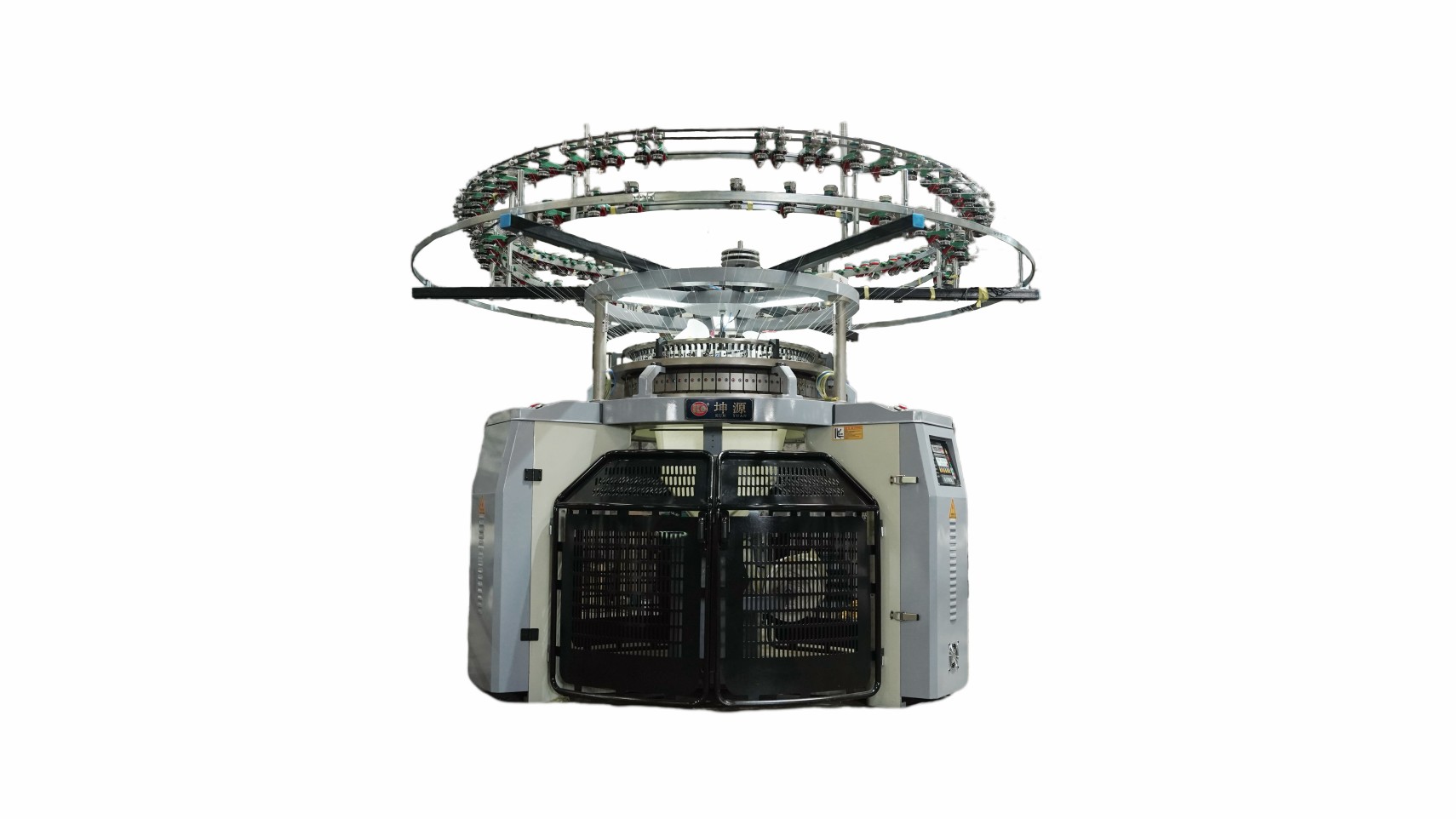
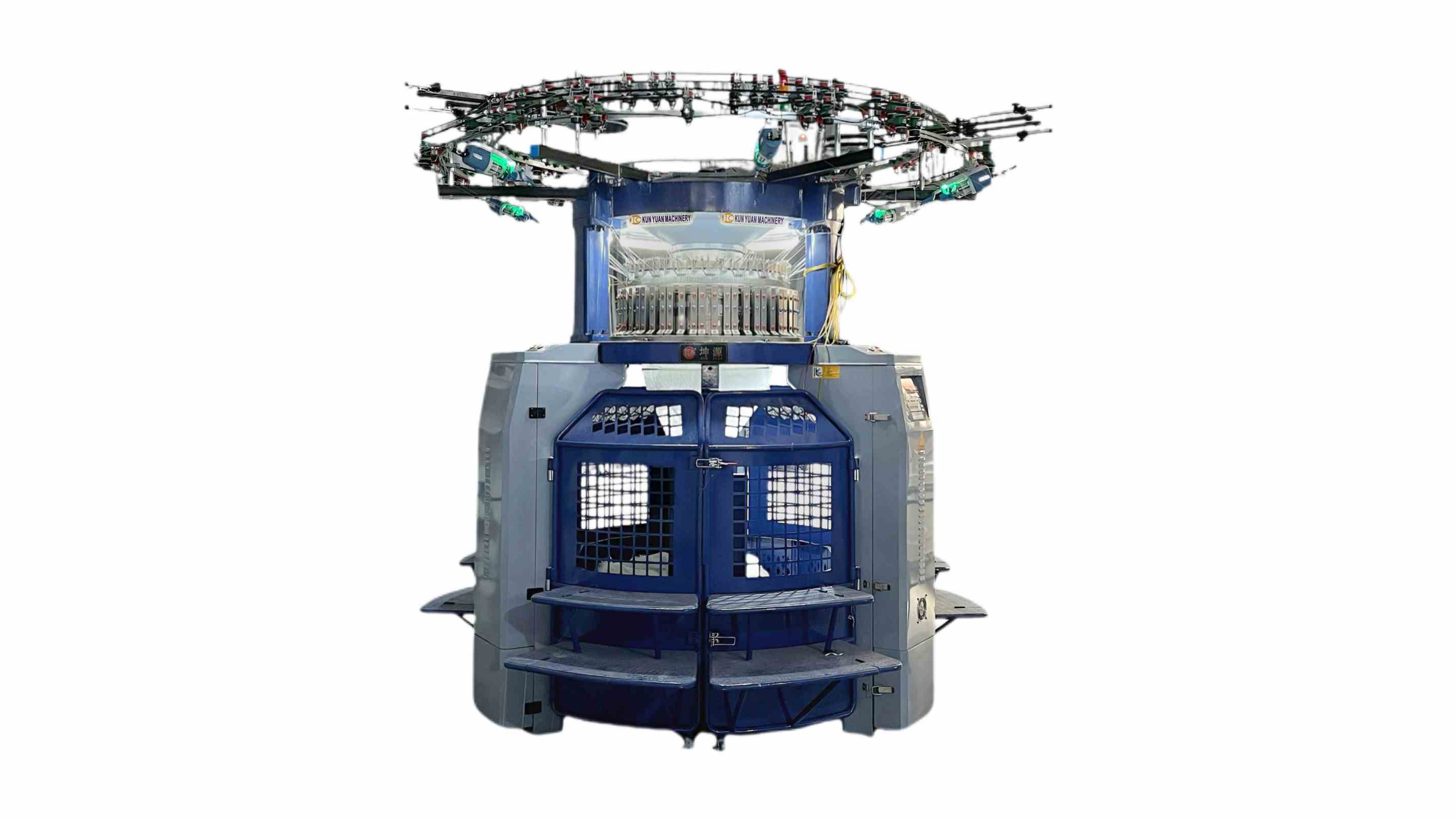
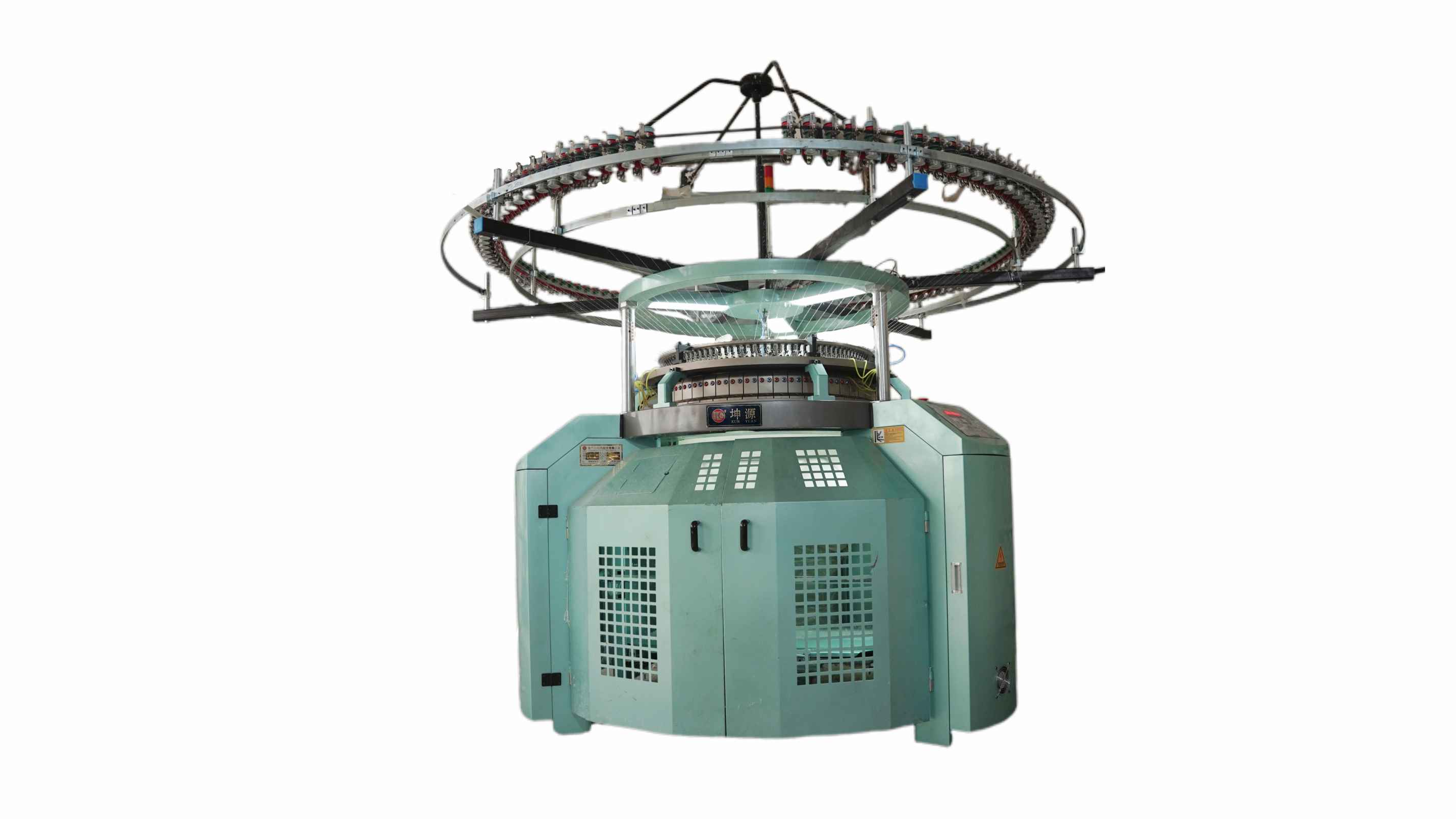
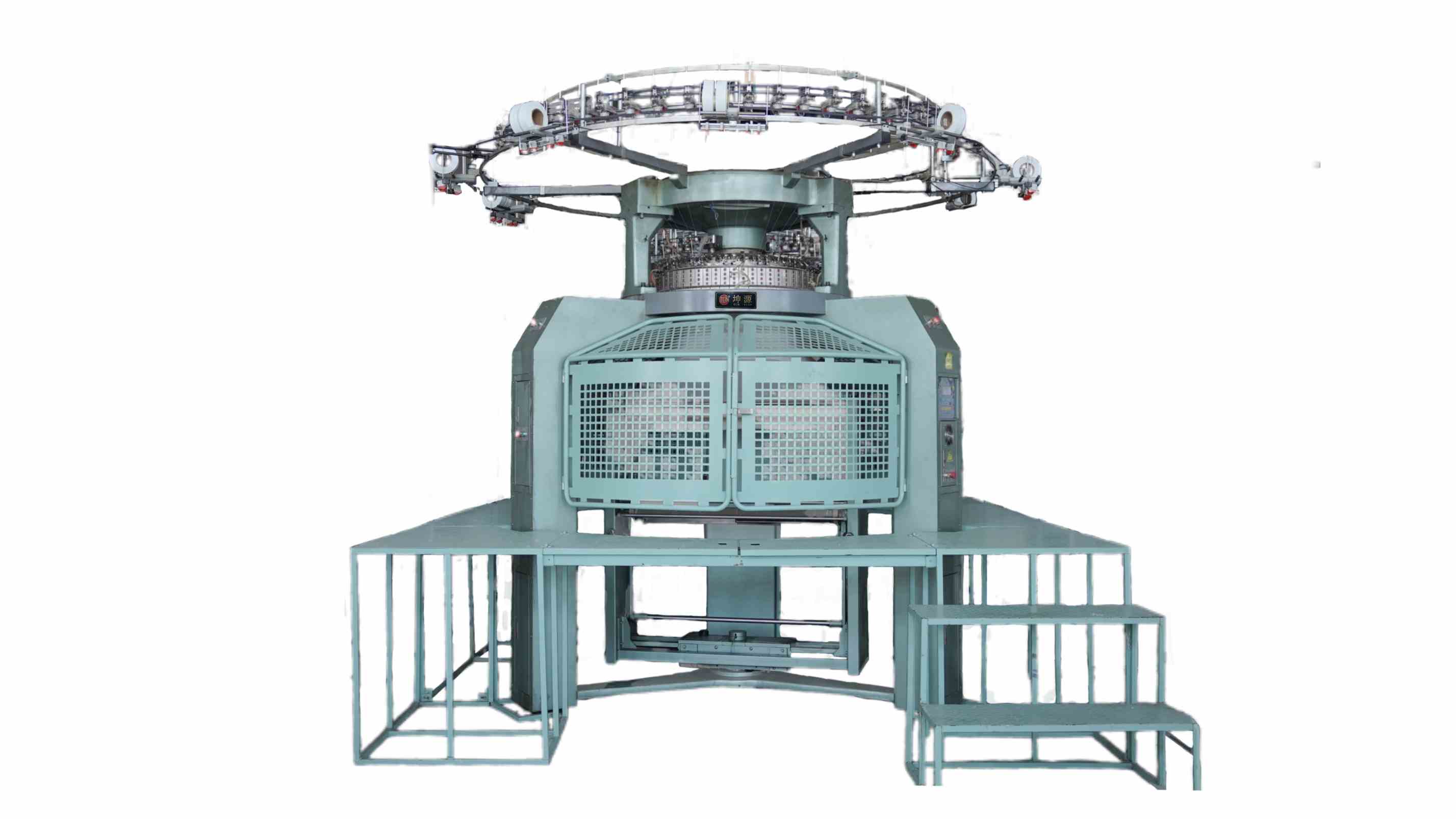
Use the finished-zone dossier when evaluating the body-size circular knitting machine range and make boundary sizes, programmed fields and all post-knit operations part of the acceptance record.





 Tel: +86-13859034518
 Email: info@kunyuanmachine.com
 MP/WhatsApp: +86-13859034518
 Manufacturer Address:Bacuo Village, Yonghe Town, Jinjiang City, Fujian Province