Hot Keyword:
YOUR POSITION:HOME > Blog >

Industrial Circular Knitting Machine Applications: Fabric, Scale and Limits

Author:KUNYUAN Machine Manufacturer TIME:2026-08-30

MENU
Industrial application architecture

Define the output architecture before assigning industrial scale

Industrial circular knitting covers multiple machine families and fabric routes. Apparel, home, medical and technical directions become credible only when the offered architecture and commercial yarn deliver a named finished product.

Legacy content listed fashion, sports, home, medical, automotive, technical and footwear applications. Those sectors are search directions, not a capability matrix. Reframe each inquiry through the product object: continuous tubular fabric, open-width fabric, a body-size tube, an individually ejected article or a patterned technical layer. Add structure, yarn duties, finished dimensions, surface requirements, inspection method and downstream conversion.

Manufacturer selectors separate machines by single or double jersey, structure, application, diameter, gauge and handling configuration. Component references also distinguish large-diameter and seamless body-size systems. These sources prove architectural diversity, not universal range. Keep every application tied to the exact quoted model and finish-qualified sample.

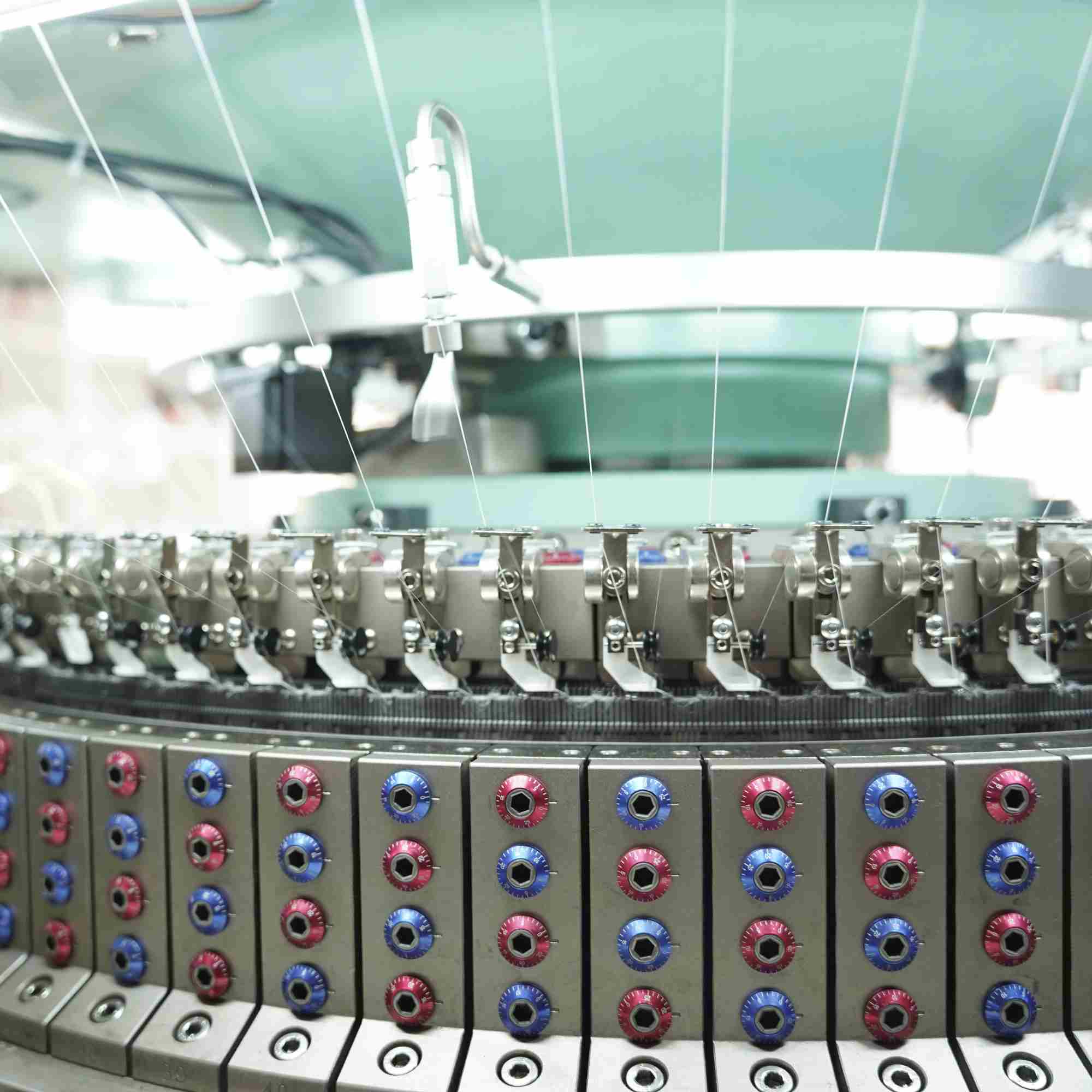
Industrial circular knitting machine output architecture reference
Start with the physical output and its downstream route.

Architecture layer one: name what physically leaves the knitting machine

Draw the output before listing markets. Identify whether the machine makes endless tubular yardage, slit or open-width fabric, body-size tubes, separated pieces or another documented form. Mark technical face, machine direction, winding or ejection, edge condition and all later cutting or joining. The same fabric name can follow different handling routes and create different waste.

For each intended product, state the accepted object at the knitting boundary and at final release. A T-shirt fabric roll, seamless body, mattress cover, shoe upper or medical layer requires its own route. If the buyer needs a completed garment component, list every operation still outside the machine rather than allowing an industrial label to imply full automation.
Architecture layer two: connect structure and yarn duties to the installed knitting system

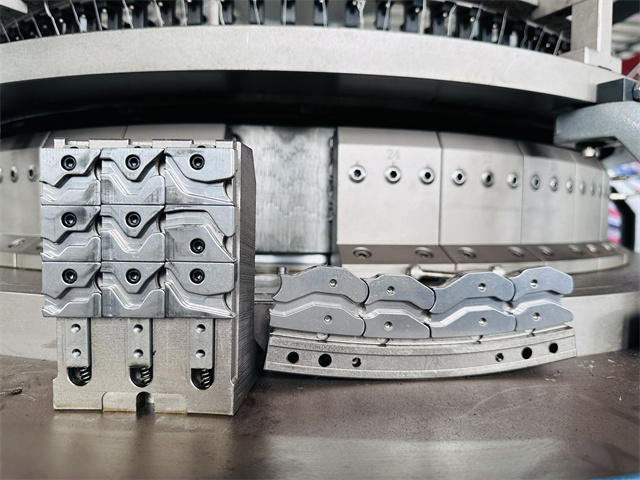
Describe the required loop architecture using a physical reference and manufacturer-supported terms. Record single- or double-knit basis, relevant selection or transfer scope, ground and effect yarn roles, elastomer use, surface and reverse requirements, finished width and weight, and the hardest transition. Avoid assigning a structure from a portfolio image to another model.

Freeze the offered knitting head, cylinder and dial where fitted, gauge convention, feeds, yarn systems, take-down, frame and installed options. Classify each application feature as standard, option-dependent, trial-dependent or outside the offer. The architecture file should explain which machine action creates the observable fabric result without publishing undocumented setup values.

Architecture layer three: define scale as accepted output under a named product mix

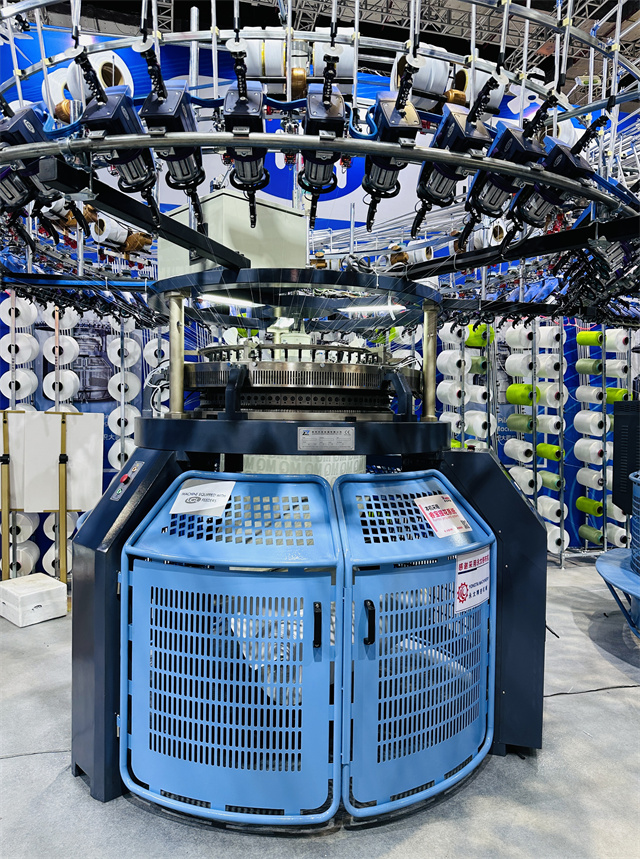
Build the scale case from scheduled time, style mix, changeovers, representative yarn, roll or article handling and quality disposition. Record warm-up, running time, ordinary stops, gross material, held zones and accepted quantity. A catalogue maximum or a short tuned interval cannot predict the same output for another diameter, gauge, structure or finish.

Include labor for package handling, cleaning, doffing or ejection, setup and first-piece checks. Carry identified samples through finishing and subtract downstream loss. When comparing multiple applications on one machine, assign separate setup, utilization and accepted-yield lines. Flexibility has value only when the mill can change routes and recover saleable fabric predictably.

Architecture layer four: release supported applications and publish the exclusions

Run the most demanding application and one representative changeover using buyer yarn. Inspect full width or circumference, both faces and event transitions. Finish labelled sections and compare dimensions, weight, appearance and product-specific tests. Save job records, yarn maps, sample labels, configuration and corrective actions.

Create a final matrix of demonstrated applications, named options, pending trials and exclusions. Add training, spares, software, support and receiving-shift responsibilities. Ask mill operators to reload a released route and produce acceptable first piece. An honest exclusion is part of engineering quality because it prevents one successful fabric from becoming a universal industrial claim.

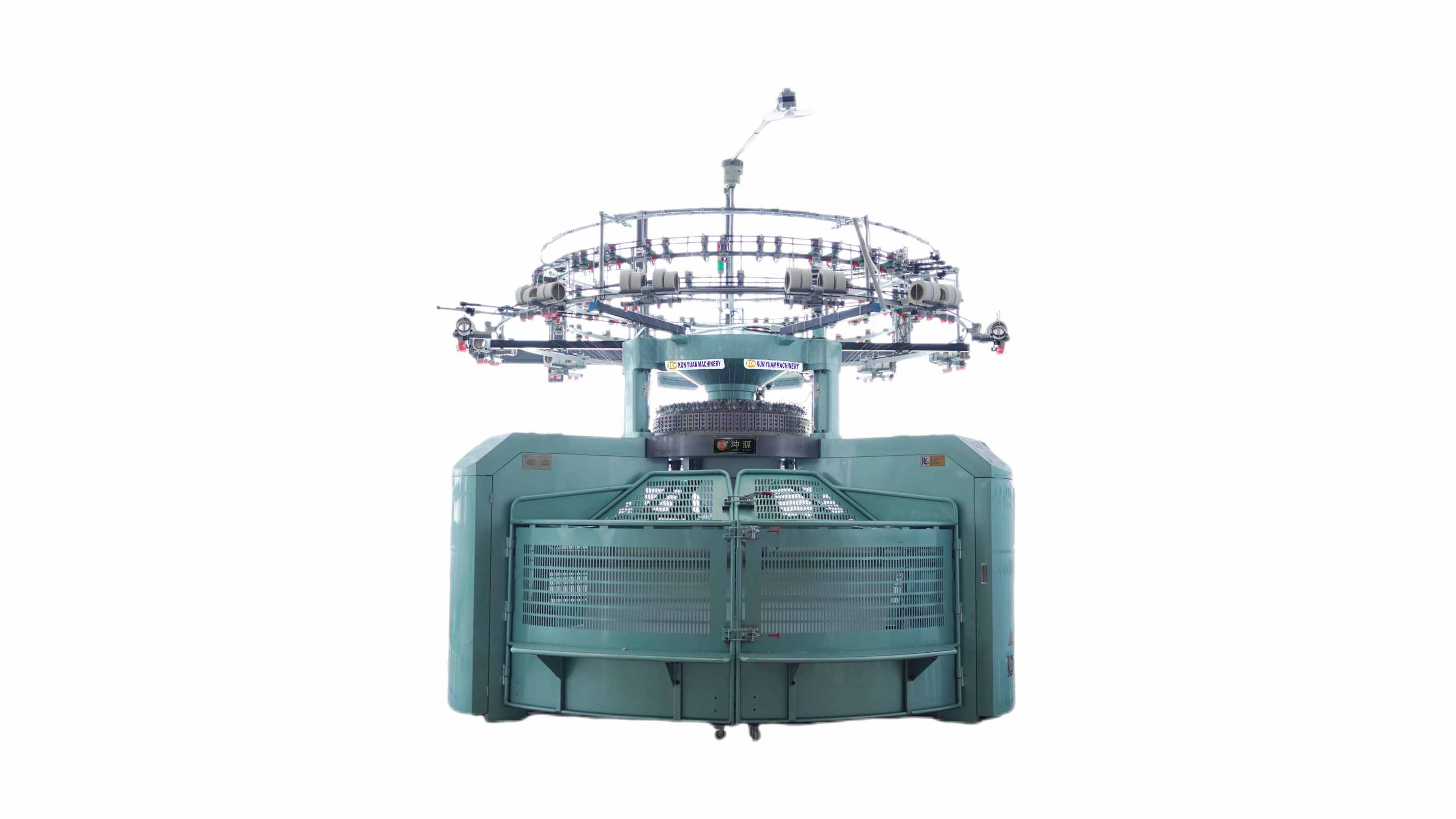
Circular knit structure and yarn map tied to an installed machine build
Connect each application to one installed loop-forming system.

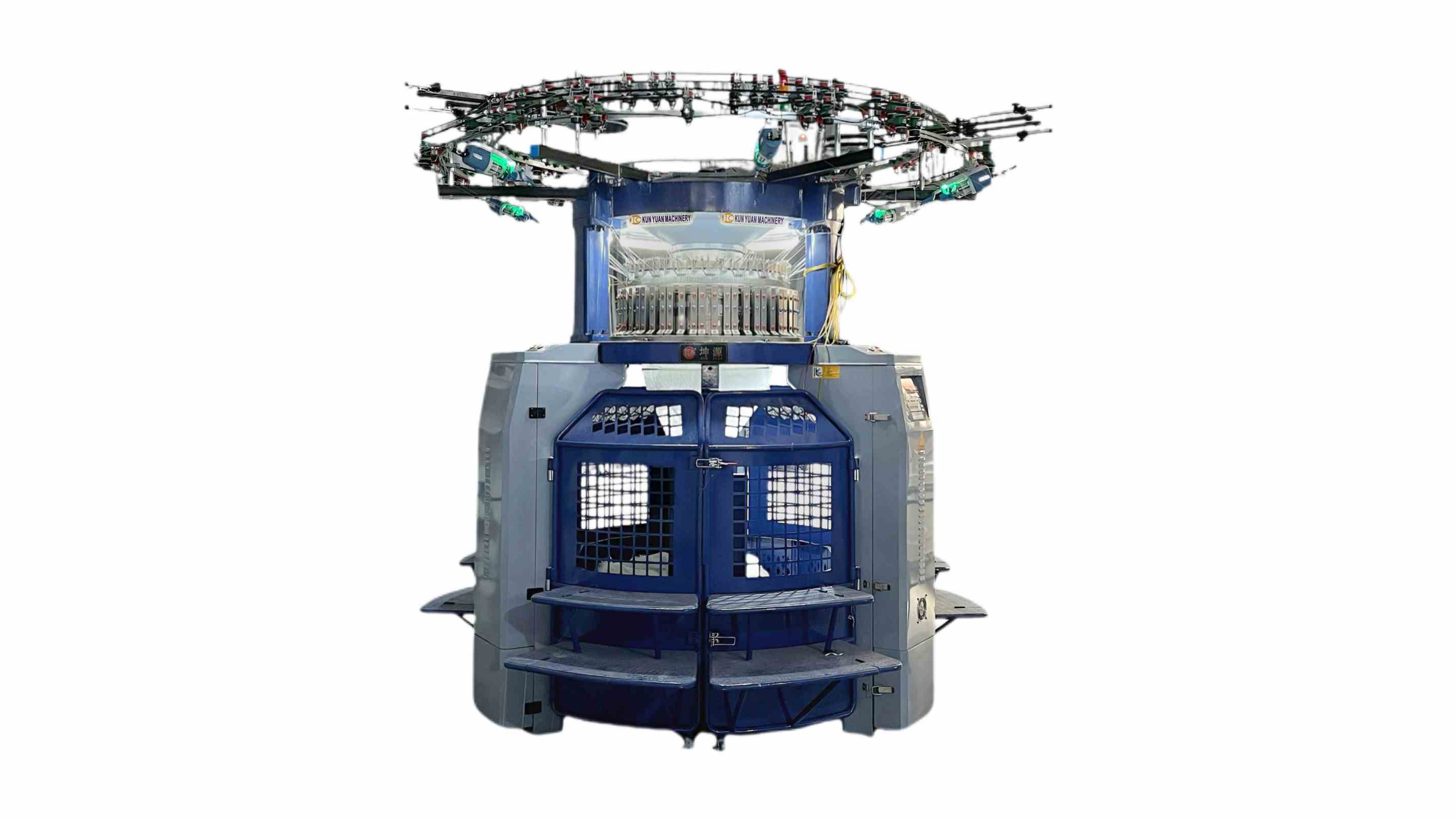
Industrial circular knitting application architecture matrix

Architecture layerInput to freezeEvidence to retainBoundary decision
Output objectTube, open width, body or pieceRoute drawing and sampleDownstream work visible
Loop systemStructure, yarn and installed buildTwo-face physical referenceFeature is configured
Production scaleSchedule, events and changeoversFinished accepted yieldNo borrowed maximum
Application releaseTrials, files and supportReceiving-shift repeatExclusions signed

Application release boundary

Keep four boundaries separate: the physical output form, the installed loop-forming architecture, the product-specific production scale and the finished application release. A market label does not cross those boundaries. Only the exact offered build, representative yarn, downstream route and repeated accepted sample can classify an application as demonstrated.

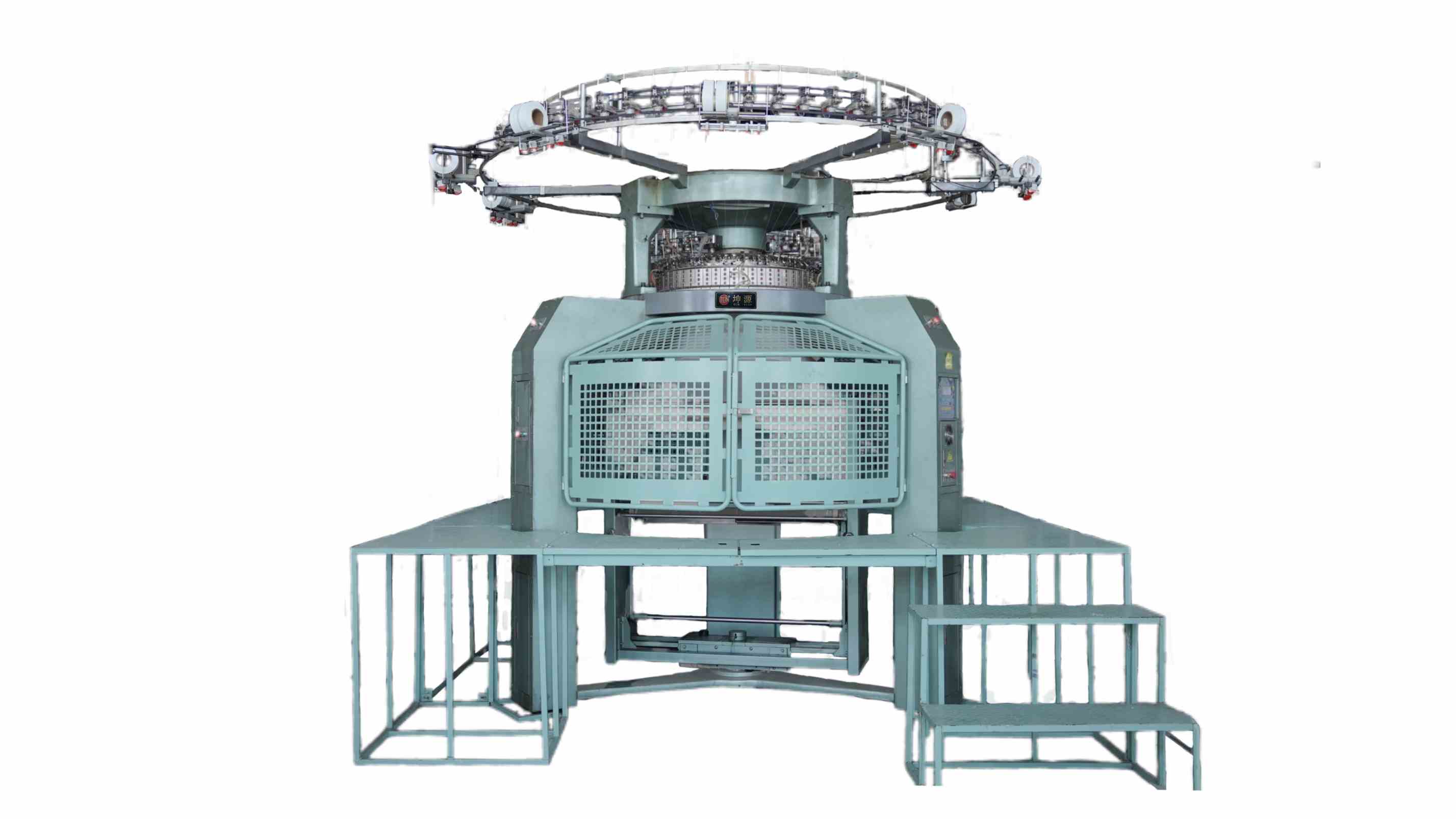
Finished application samples used to define industrial scale and limits
Publish limits beside repeated finished application evidence.

Industrial circular knitting application questions

Can one industrial circular machine cover every listed market?

No. Each product needs a compatible output form, structure, yarn system, handling route and demonstrated model configuration.

Why define the output before the sector?

A tube, open-width roll, body-size article and separated piece create different conversion, waste and acceptance duties.

How should industrial scale be compared?

Use the same named product, yarn, scheduled time, events, changeovers and finished accepted-yield method.

Can a supplier fabric prove another application?

It supports a direction only when its machine, configuration, yarn and finish are traceable and relevant to the offer.

What belongs in the final capability matrix?

List demonstrated routes, included options, pending buyer trials, exclusions, files, spares and handover evidence.

Conclusion

Industrial circular knitting applications form an architecture, not a sector list. Output form determines the handling route, the knitting system limits fabric structures, accepted yield defines scale, and repeated finished evidence releases the application. This structure lets a mill compare useful breadth without combining incompatible model data or hiding post-knit work.

Use this architecture matrix when evaluating the industrial circular knitting machine range and require each application to carry its own configuration, scale evidence and signed exclusion boundary.

Need Help?
Please leave your contact information to get our latest catalog
Get In Touch Now >
Kunyuan Machinery Manufacturer

Tel: +86-13859034518

Email: info@kunyuanmachine.com

MP/WhatsApp: +86-13859034518

Manufacturer Address:Bacuo Village, Yonghe Town, Jinjiang City, Fujian Province

NEW KEYWORD

About Us

Products

Information