Hot Keyword:
YOUR POSITION:HOME > Blog >

How to Choose an Automatic Circular Knitting Machine: Controls and Output

Author:KUNYUAN Machine Manufacturer TIME:2026-08-30

MENU
Automation commissioning gates

Automation has value when every command, stop and recovery action is owned and the accepted output survives handover

Automatic does not mean unattended or self-validating. A circular knitting system still combines material handling, knitting hardware, controls, stop motions, fabric take-down and trained decisions. Selection should test how those layers behave together.

Begin with an automation boundary diagram. List what the offered system commands, what it monitors, what only triggers an alarm, and what still requires an operator, technician or upstream system. Include pattern loading, yarn delivery, lubrication, start and stop logic, fabric handling, production records and any optional inspection or mill-integration functions. A feature should have an owner, input, output and recovery method before it is counted in the commercial scope.

Pailung's official material describes machine, monitoring and digital-production options, while Mayer and Cie. publishes model-specific machine ranges. Groz-Beckert treats knitting elements as coordinated systems, and OSHA's machine-guarding guidance establishes that moving-machine access requires protective controls. Together these sources support a staged acceptance method. They do not justify bypassing safeguards, combining options from different builds or assuming that dashboard output equals accepted fabric.

Freeze the automatic functions against one fabric and one responsibility map

Write the production objective first: structure, yarn roles, finished width and weight, quality limits, finishing route, planned shifts and changeover pattern. Then map the automatic functions that support it. For each item, ask whether it controls motion, selects a knitting action, meters yarn, detects an event, records production, stops the machine or communicates with another system. Record the exact controller and software revisions included in the offer and identify licenses, sensors, interfaces and buyer infrastructure.

Do not award automation credit to an ambiguous phrase such as smart control. A detector may recognize one condition without diagnosing its cause; a production dashboard may count running fabric without knowing its final disposition. List required operator confirmations, maintenance inspections and manual sample checks beside the electronic functions. The approved scope should also define who may change recipes, acknowledge events, restore a backup or authorize remote support.

Gate: Quotation release waits until standard, optional and external functions are separated
Use a factory event script to test normal production, stops and controlled recovery

Build the factory acceptance test around representative events rather than a continuous demonstration. After stable running, introduce only safe and supplier-approved test conditions: a normal package change, planned stop, restart, job recall and user-role change. Observe what the system commands, what it records and what the operator must decide. Mark the fabric at every event and reconcile screen time with the physical roll. Never create a hazardous fault or defeat guarding for the sake of a test.

Record response, acknowledgement, recovery steps and any manual correction. A stopped machine proves that a stop condition was acted upon, not that the displayed message identified root cause. Verify that saved jobs retain controlled names and revisions and that access permissions match the agreed role matrix. End with another stable interval and compare fabric before and after recovery. Open discrepancies receive owners and a repeat-test condition instead of being explained away in meeting notes.

Gate: The system returns to the approved condition without hidden intervention

Recheck utilities, data boundaries and safety after installation at the mill

Before startup, reconcile the installed machine with the final build record and check the supplier's documented requirements for power, air where applicable, foundation, environment, access, exhaust or waste handling, and safe working clearances. Confirm guarding, interlocks and emergency functions through the authorized procedure. If production data leaves the machine, document the mill endpoint, accounts, time basis, retained fields and remote-access approval. Factory connectivity should not be copied into the site without review.

Run the approved fabric with site yarn and normal operators. Compare yarn delivery, stop frequency, take-down behavior and recorded output with the FAT condition while preserving site-specific differences. Test job retrieval and backup restoration according to the controlled procedure, not by experimenting on an active production file. Record who can isolate a machine problem, who supports the controller and who owns the plant network. SAT closes the installation boundary; it does not erase unfinished training or quality actions.

Gate: Site acceptance does not inherit untested assumptions from the factory setup

Release accepted output only after another shift repeats the operating window

Define output as accepted fabric per scheduled time for the stated yarn, structure and inspection method. Preserve running minutes, stops by reason, gross weight or length, held sections and released quantity. Controller counts are useful evidence, but they must reconcile with the labelled roll and quality disposition. Compare more than one shift so the result includes ordinary cleaning, package handling and recovery rather than only a tuned demonstration interval.

The final package contains user and maintenance instructions, role permissions, program and parameter backups, alarm or event glossary, preventive tasks, critical spare references, escalation contacts and training attendance. Ask the receiving team to load the approved job, make first-piece checks and close one representative event. Release the automation scope when they can repeat both the output and the evidence trail. Any function still dependent on a supplier specialist remains a visible handover action.

Gate: Receiving operators reproduce the fabric and records without supplier-only workarounds
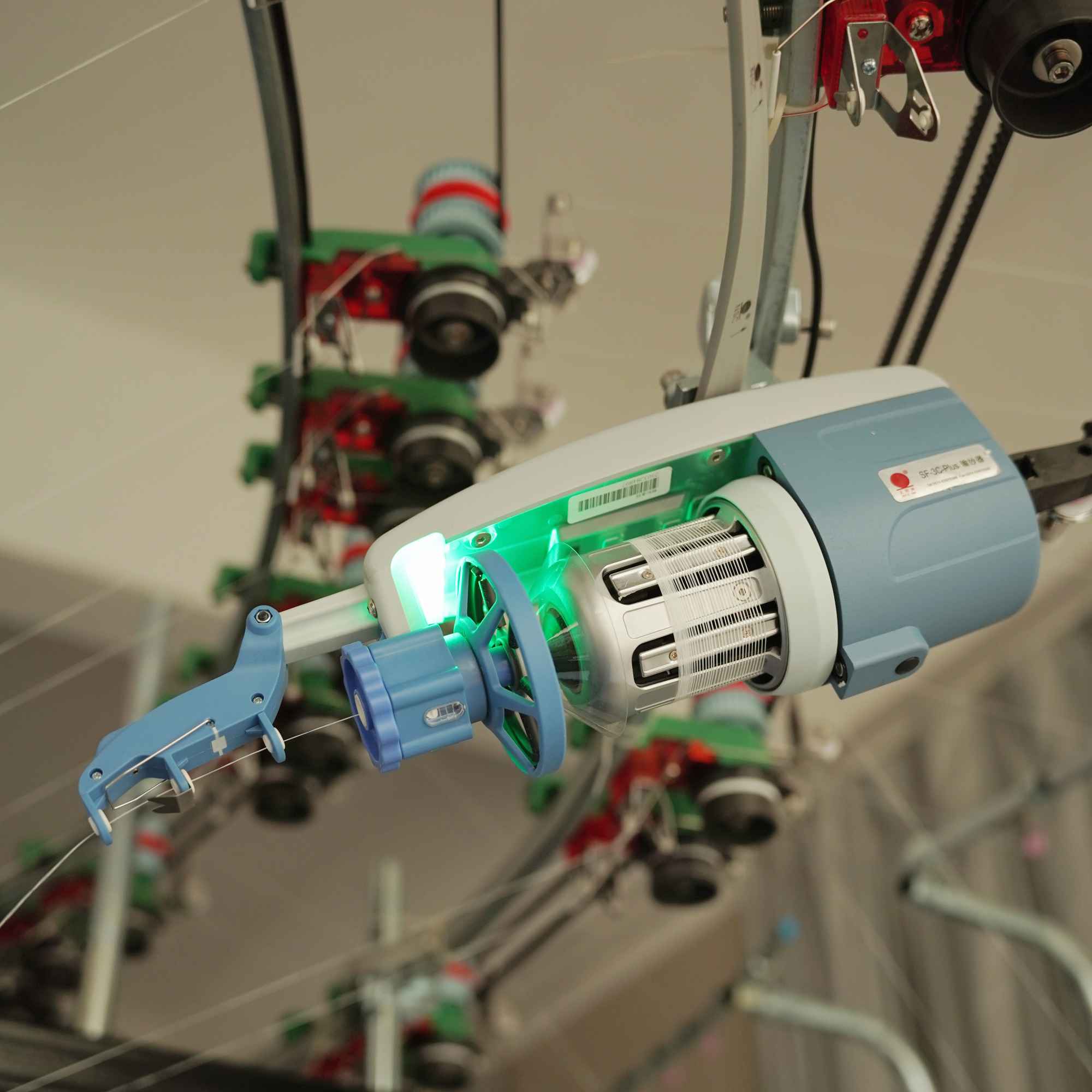
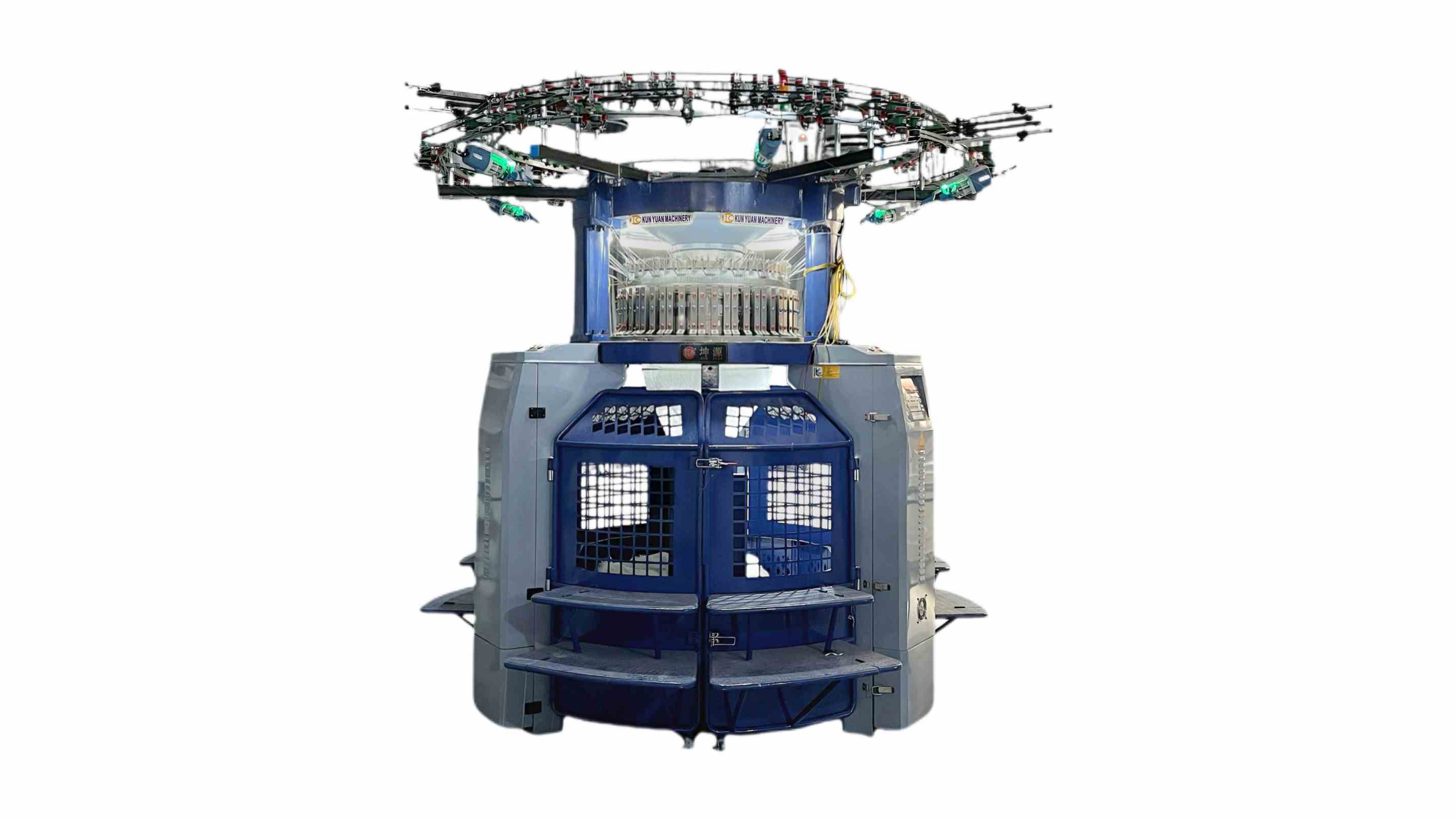
Automatic circular knitting control scope and responsibility review
Name what each automatic function commands, senses and records.
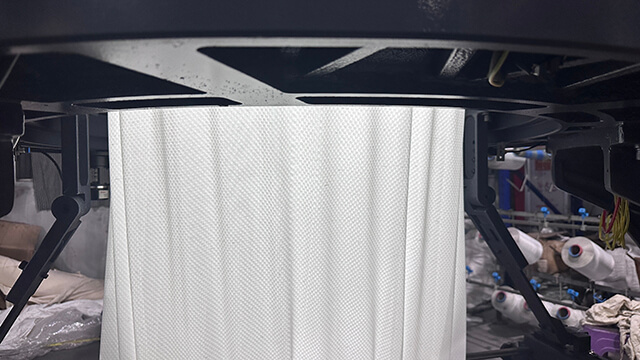
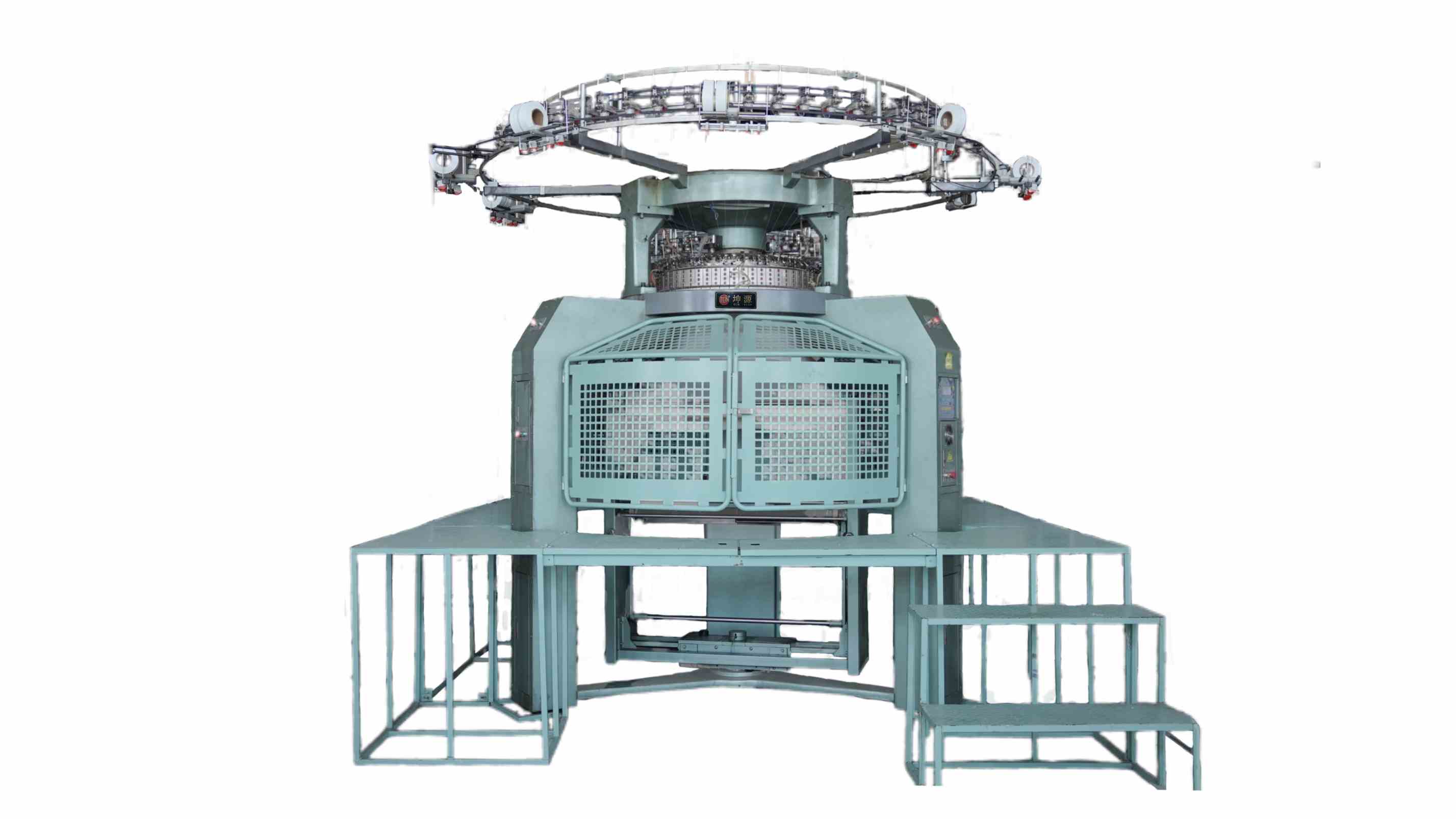
Factory acceptance event marked on circular knitted fabric
Reconcile controller events with physical marks on the fabric roll.
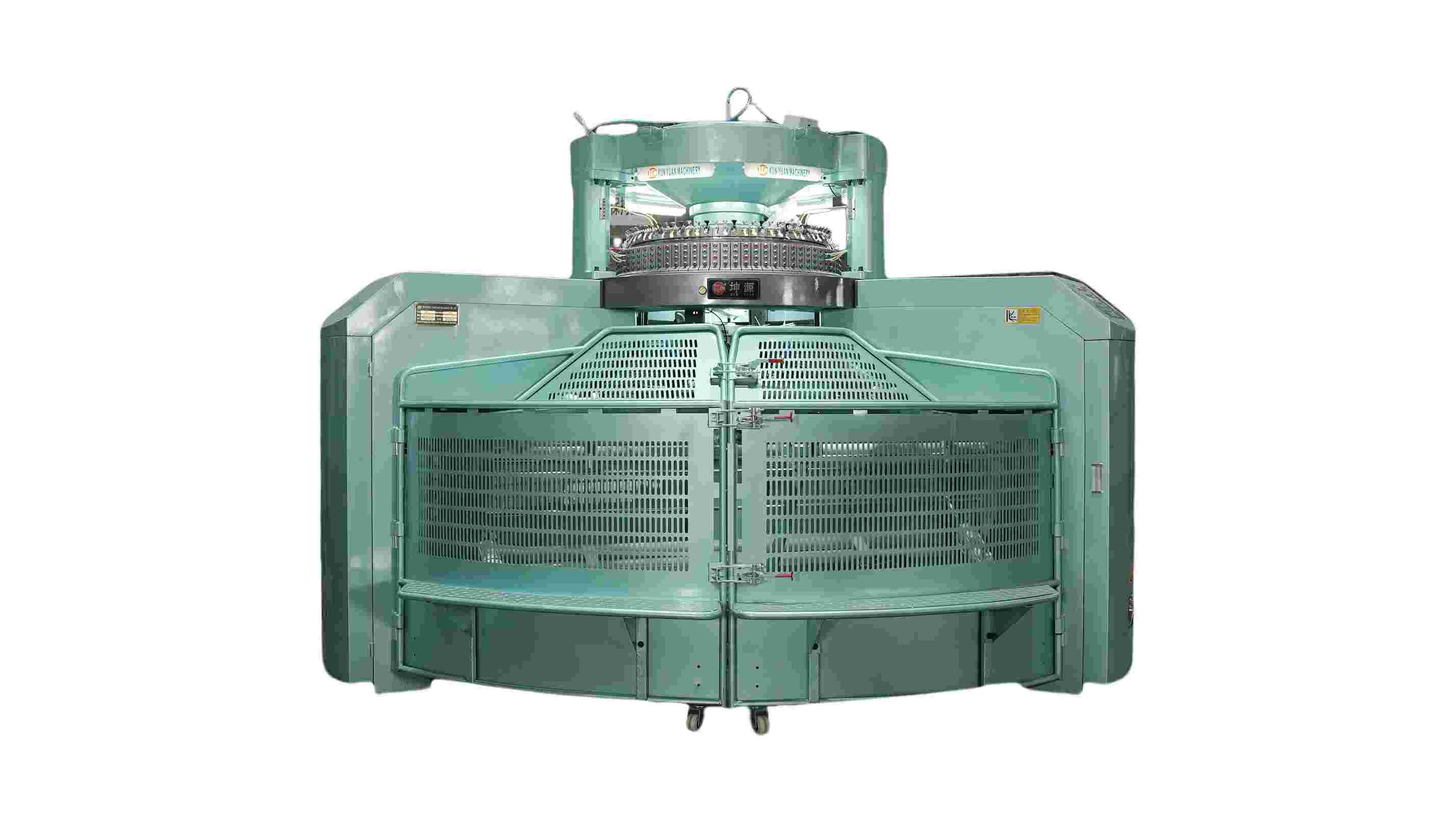
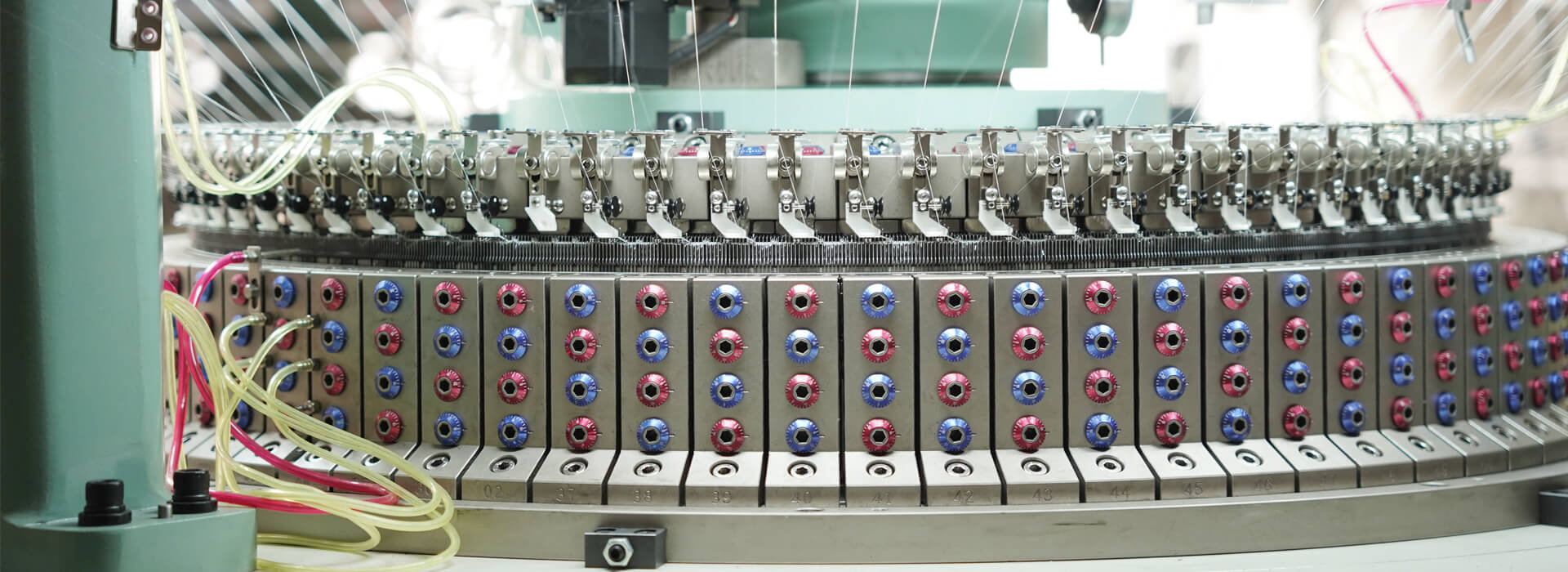
Site handover of automatic knitting machine output records
Release the system when site operators repeat the approved job and ledger.

Automatic circular knitting commissioning ledger

Stage gateEvidence createdHold triggerOwner at release
Scope freezeFunction and responsibility mapOption, interface or role is ambiguousBuyer and supplier engineering
Factory testEvent log, marked roll and stable recoveryHidden intervention or version mismatchSupplier test lead and buyer witness
Site testInstalled build, safety and integration recordUtility, guarding or data boundary remains openSite engineering and authorized service
Production handoverAccepted-output ledger and repeat shiftOperators cannot recover the approved jobProduction, quality and maintenance

Automatic machine commissioning questions

Does automatic control remove the need for an operator?

No. The project must define which decisions remain with trained production, quality and maintenance roles and how the system supports them.

Is an alarm message a confirmed diagnosis?

Not necessarily. It identifies a sensed event or rule outcome; physical yarn, machine and fabric evidence is still needed to determine cause.

What output figure should be accepted?

Use released fabric per scheduled time with the yarn, structure, stops, held material and inspection condition stated beside it.

Why repeat tests after installation?

Utilities, yarn, operators, network boundaries and fabric handling differ at the mill, so factory proof does not automatically close site integration.

What protects production after a controller problem?

Controlled backups, revision names, access roles, restoration instructions, spare references and an escalation path must be delivered and rehearsed.

Scale-up conclusion

An automatic circular knitting machine should be selected as a controlled production system. Scope freeze defines what the controls really own, FAT proves event behavior, SAT validates the installed boundaries, and a receiving shift demonstrates accepted output. This staged record makes automation measurable without confusing more screens with less operating risk.

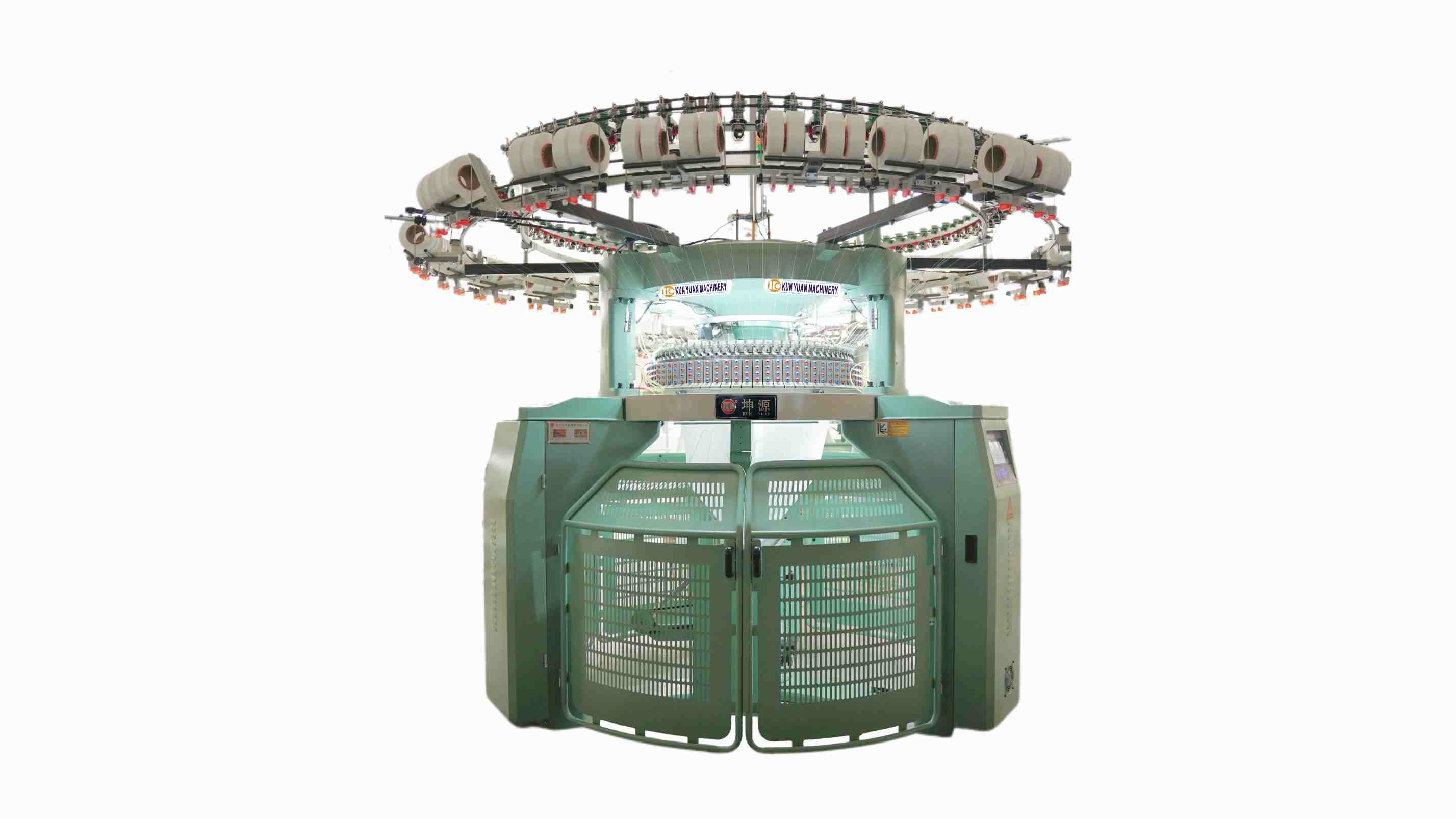
Apply these commissioning gates while reviewing the automatic circular knitting machine range and tie each promised control function to an installed component, test event and handover owner.

□ Gates complete
Need Help?
Please leave your contact information to get our latest catalog
Get In Touch Now >
Kunyuan Machinery Manufacturer

Tel: +86-13859034518

Email: info@kunyuanmachine.com

MP/WhatsApp: +86-13859034518

Manufacturer Address:Bacuo Village, Yonghe Town, Jinjiang City, Fujian Province

NEW KEYWORD

About Us

Products

Information