

Hot Keyword:
Author:KUNYUAN Machine Manufacturer TIME:2026-08-30
A sweater may be built from shaped flat-knit panels, a whole-garment program, circular body-size tubes or a combination of knitted components and make-up. These routes are related by product, not by identical machinery.
Begin with the finished sweater drawing. Mark body and sleeve shapes, neckline, shoulder, cuffs, hem, pattern zones, yarn changes, size grade and every join. Assign each feature to knitting, separation, cutting, linking, sewing or finishing. The result is a route specification that makes the word sweater technically useful.
SHIMA SEIKI presents computerized flat knitting and WHOLEGARMENT systems, while Santoni describes circular seamlesswear platforms and Fukuhara lists body-size circular models. These official categories show distinct ways to make garment components or complete forms. They should not be collapsed into a claim that any automatic sweater machine supports every construction. Prove the selected route on the exact offered equipment.
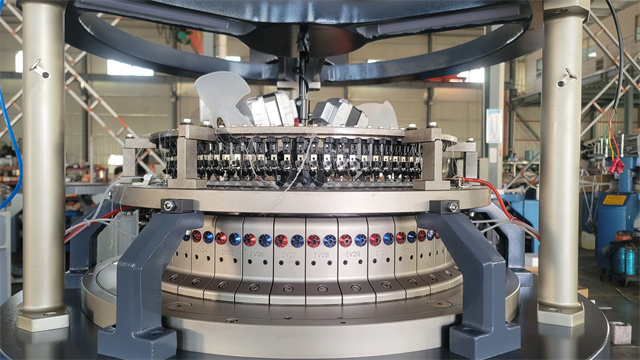
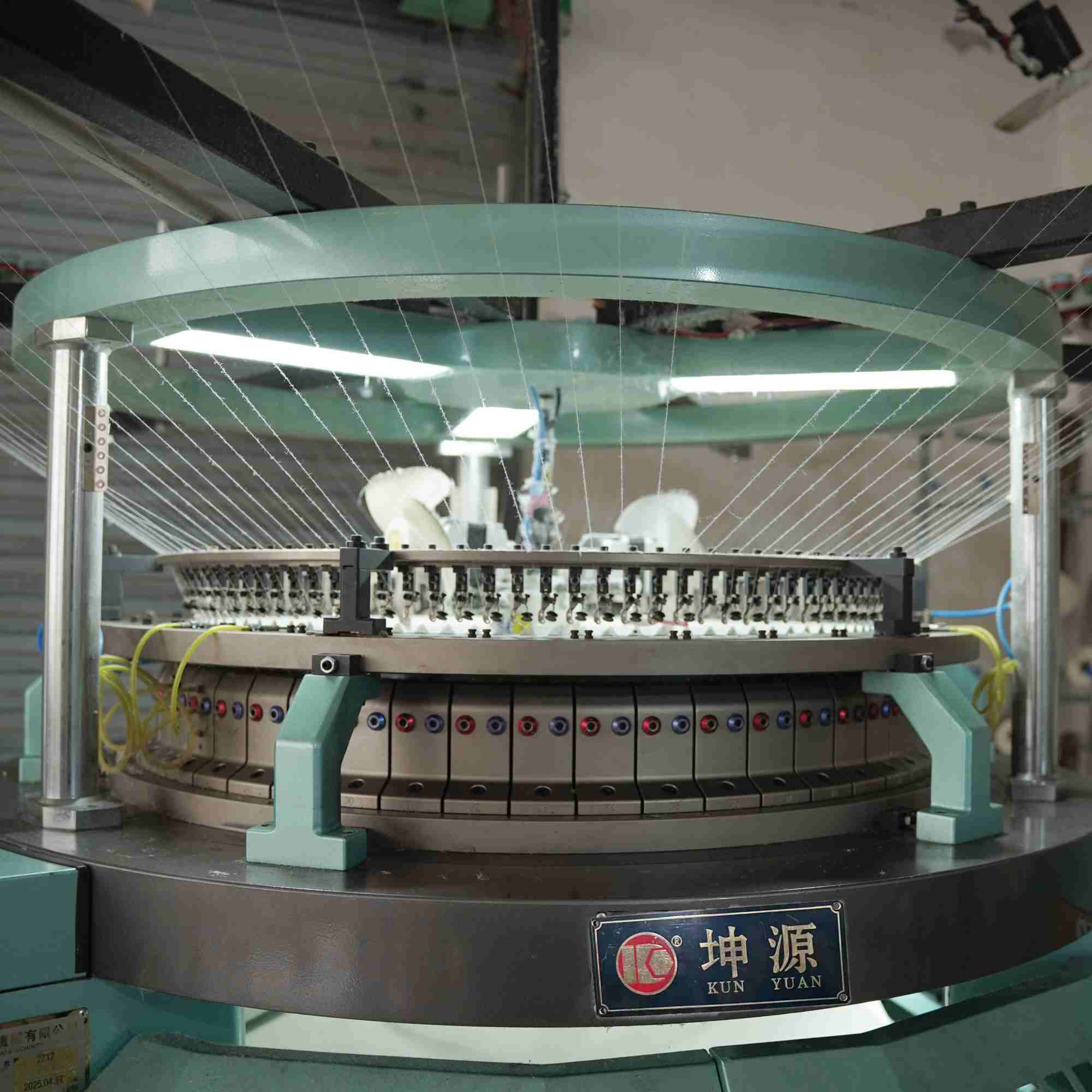
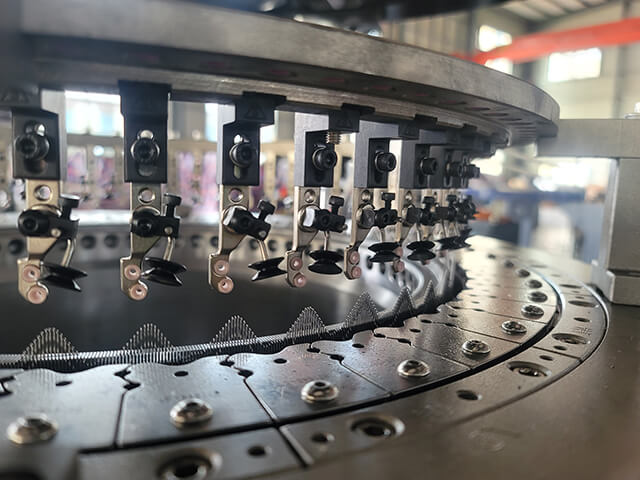
For the circular route, define the body tube, functional or patterned zones, separation method and any knitted opening. Record cylinder, needle selection where fitted, yarn roles, program revision and finished dimensions. Identify sleeves, neckline, shoulder and closures that the machine does not create in the proposed setup. Reduced cutting or fewer body seams must not be described as a complete sweater without this boundary.
Inspect both sides of the tube and mark all transitions. Carry it through the planned wash, relaxation or heat process before judging girth, length, recovery and pattern placement. If a size requires another cylinder, needle count or construction, place it on a separate route line instead of treating digital scaling as sufficient proof.
A conventional flat-knit route can shape front, back, sleeves and trims before linking or sewing. A whole-garment system may form a three-dimensional product on suitable equipment and programs. In either case, list needle-bed width or machine class, gauge, carriers, program, yarn and the exact shaping, transfer and pattern actions demonstrated by the sample.
Do not extend one demonstration to every neckline, shoulder, sleeve or yarn. Inspect joins, shaping lines, inside floats and stress points, then condition the garment under the intended finish. Keep the editable-file or license boundary in the commercial scope so the mill understands who can revise and reproduce the style.
Select a central commercial size and the difficult limits of the proposed grade. Measure chest, body length, shoulder, sleeve, cuff, hem and neckline using one conditioning and measurement method. Record stretch or recovery where it matters to fit. Label each garment with the machine, program, yarn lots, date and finish state.
Review pattern placement and proportions on the worn form, not only on a table. A grade may need construction changes rather than proportional scaling. When another machine width, cylinder or needle setup is needed, give that size group its own file, setup and capacity assumption.
Time programming, preparation, knitting, separation, linking or sewing, washing, drying, pressing and inspection for the planned style mix. Count accepted garments and record defects by stage. This reveals whether automation removes work or moves it into programming, joining or finishing, and it keeps a fast knitting cycle from becoming a misleading capacity claim.
Run a handover trial in which the receiving team retrieves the approved file, prepares the yarn, completes the garment route and reproduces the finished measurements. Store the sample and route sheet together. Commercial release should name the styles and sizes demonstrated, the conditional items and the work that remains outside the delivered machine.
| Decision point | Circular body-size route | Flat or whole-garment route | Evidence needed |
|---|---|---|---|
| Primary form | Tube and programmed zones | Shaped panels or garment form | Finished construction drawing |
| Openings and joins | May leave make-up work | Depends on panel or program route | Operation list and sample |
| Size grade | Cylinder, setup and program dependent | Machine class and program dependent | Boundary sizes measured |
| Capacity | Includes separation and assembly | Includes programming and linking | Accepted garments by route |
No. Industrial sweater production also uses computerized flat-knit and whole-garment routes with different machine architectures.
Not automatically. Sleeves, neckline, shoulders, separation and joining may remain, depending on the design.
No. Trial central and difficult boundary sizes because yarn, construction and equipment limits may change the route.
Editable files, licenses, backups and revision authority affect whether the mill can reproduce and modify the style.
Count accepted finished sweaters after all programming, setup, make-up, finishing and inspection work.
Circular body-size knitting can be a strong sweater route for suitable constructions, but it is not a synonym for every automatic sweater process. A feature-to-route map, boundary-size sample and full make-up record let the buyer choose equipment on demonstrated garment work.
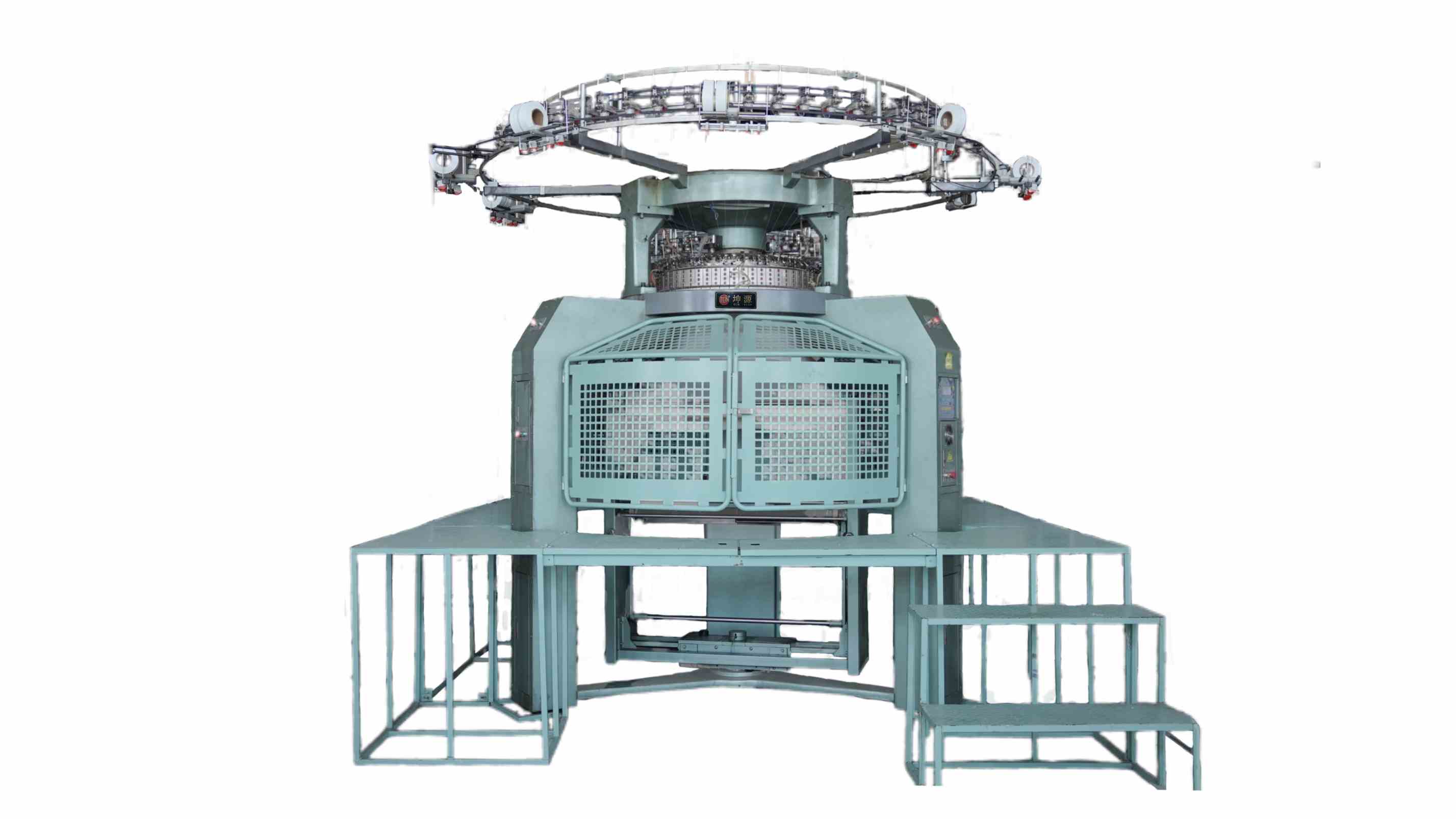
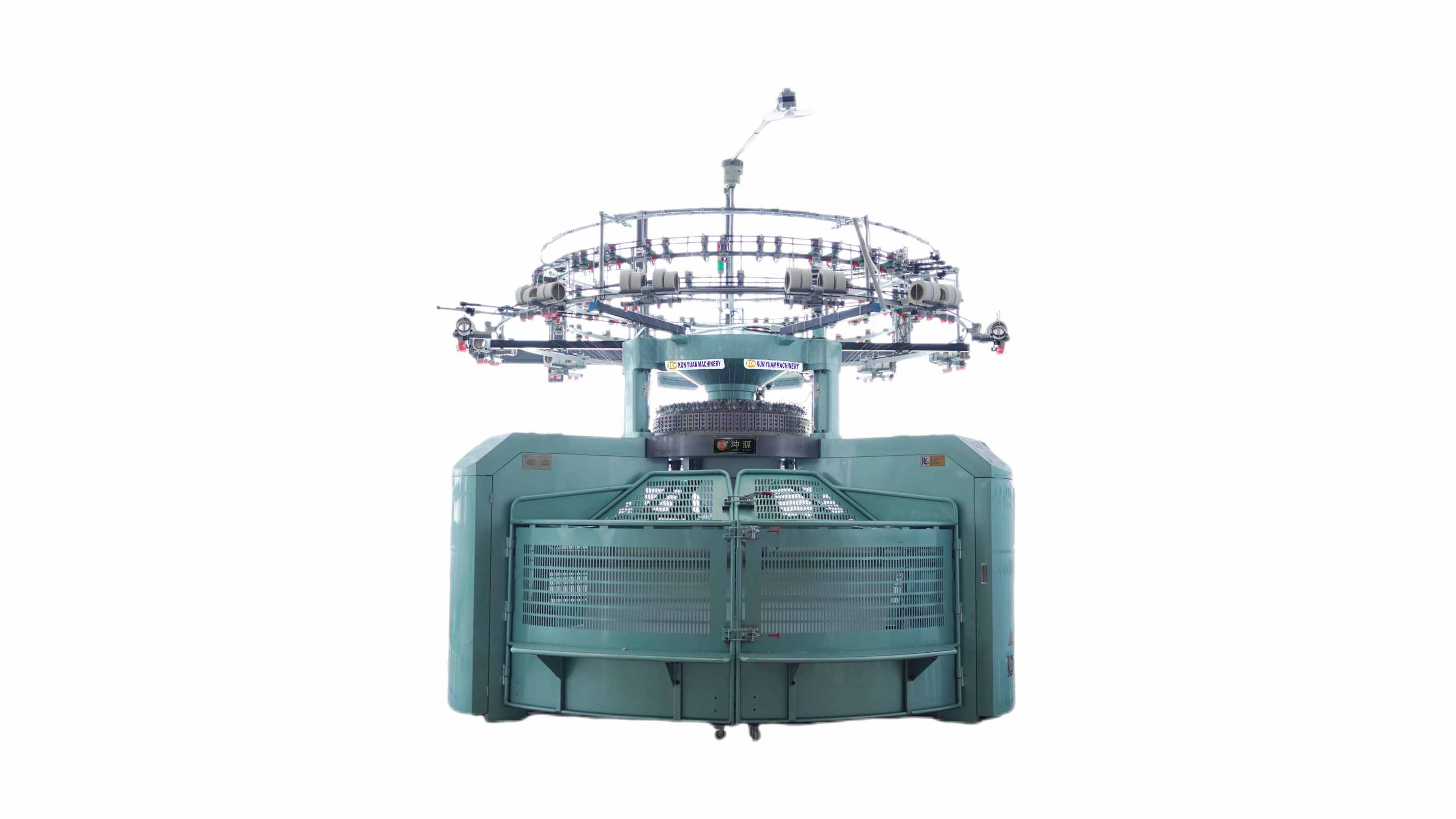
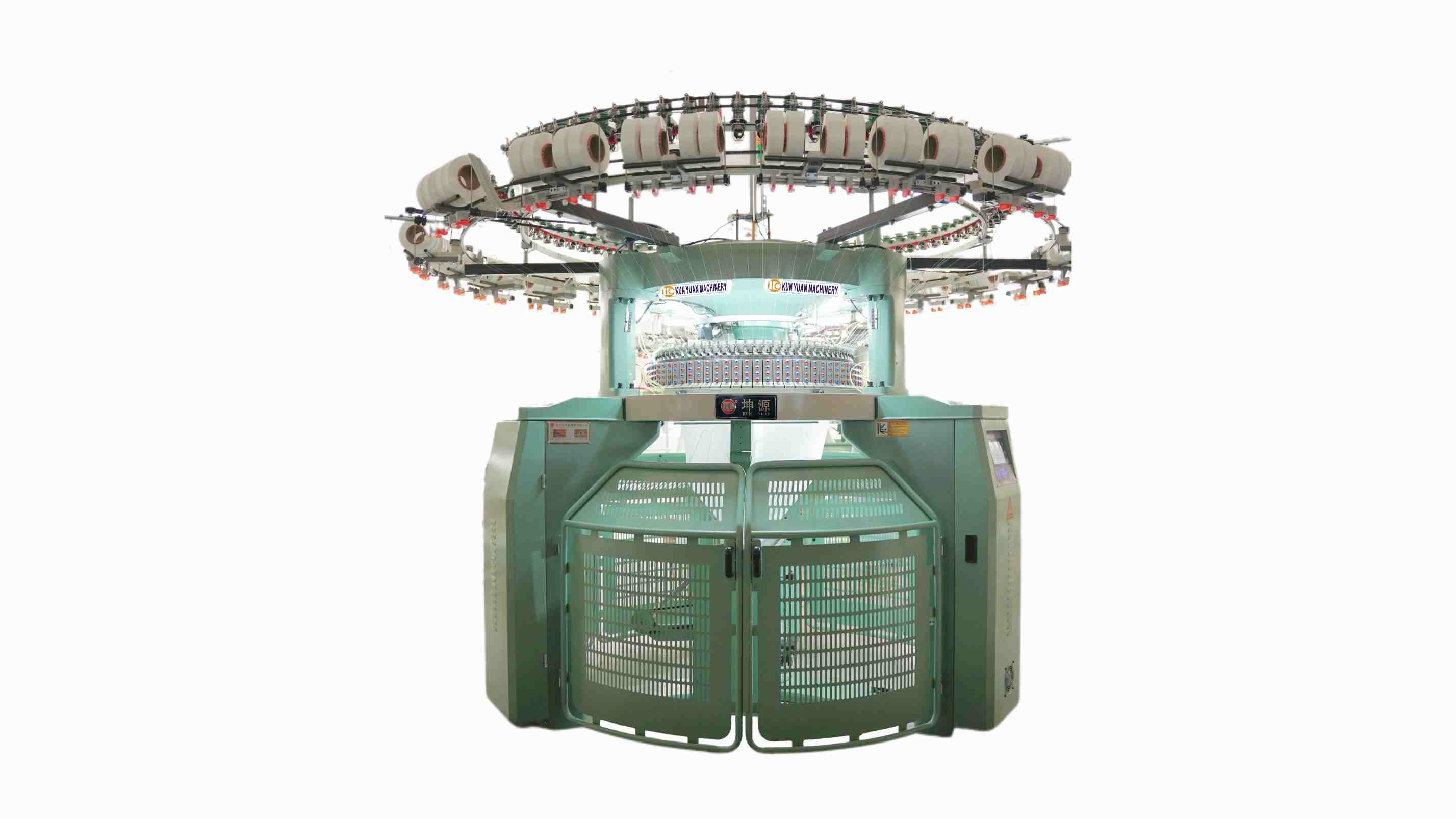
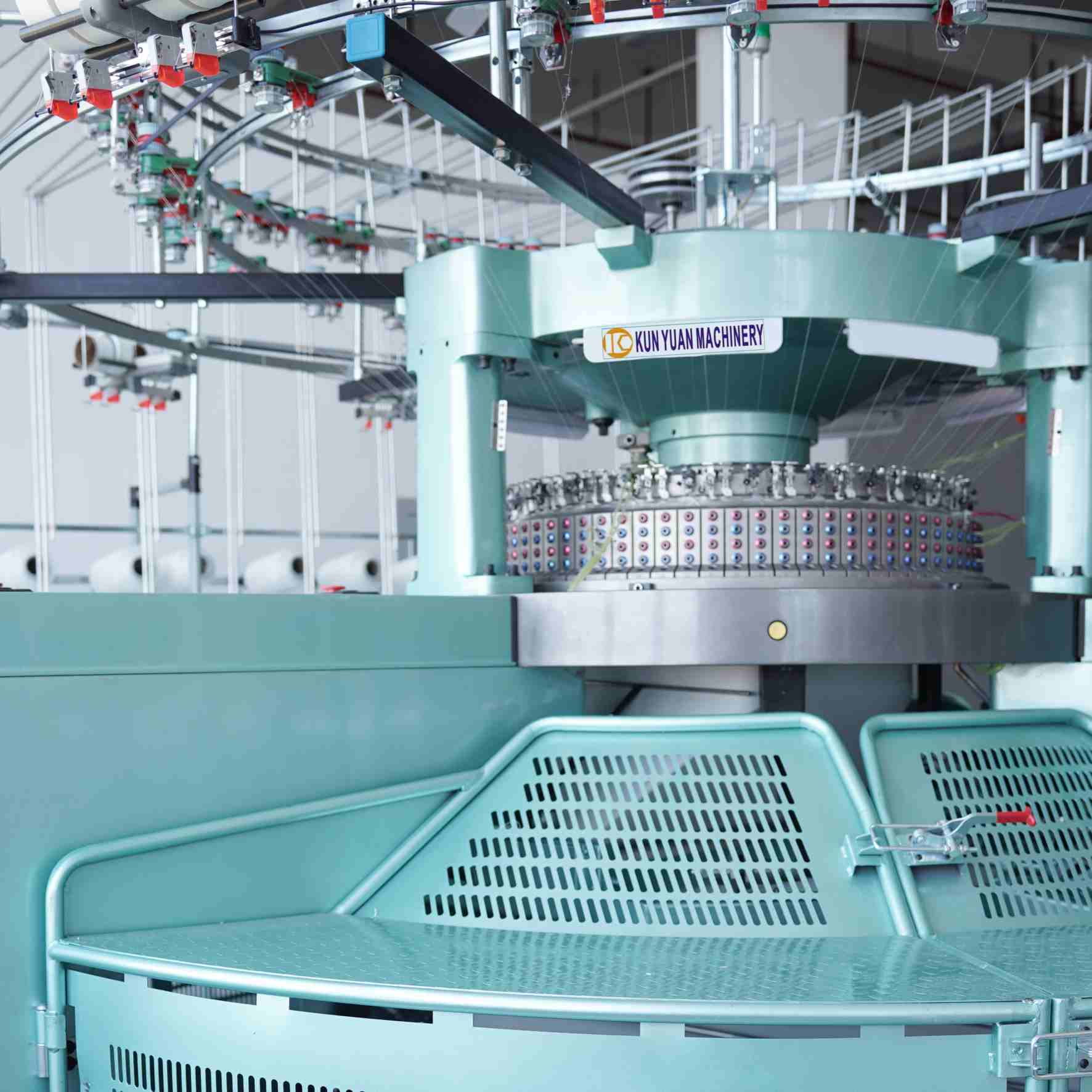
Use the route map while evaluating the body-size circular knitting machine range and identify each sweater feature the offered circular configuration will knit, reduce or leave downstream.

 Tel: +86-13859034518
 Email: info@kunyuanmachine.com
 MP/WhatsApp: +86-13859034518
 Manufacturer Address:Bacuo Village, Yonghe Town, Jinjiang City, Fujian Province