

Hot Keyword:
Author:KUNYUAN Machine Manufacturer TIME:2026-08-30
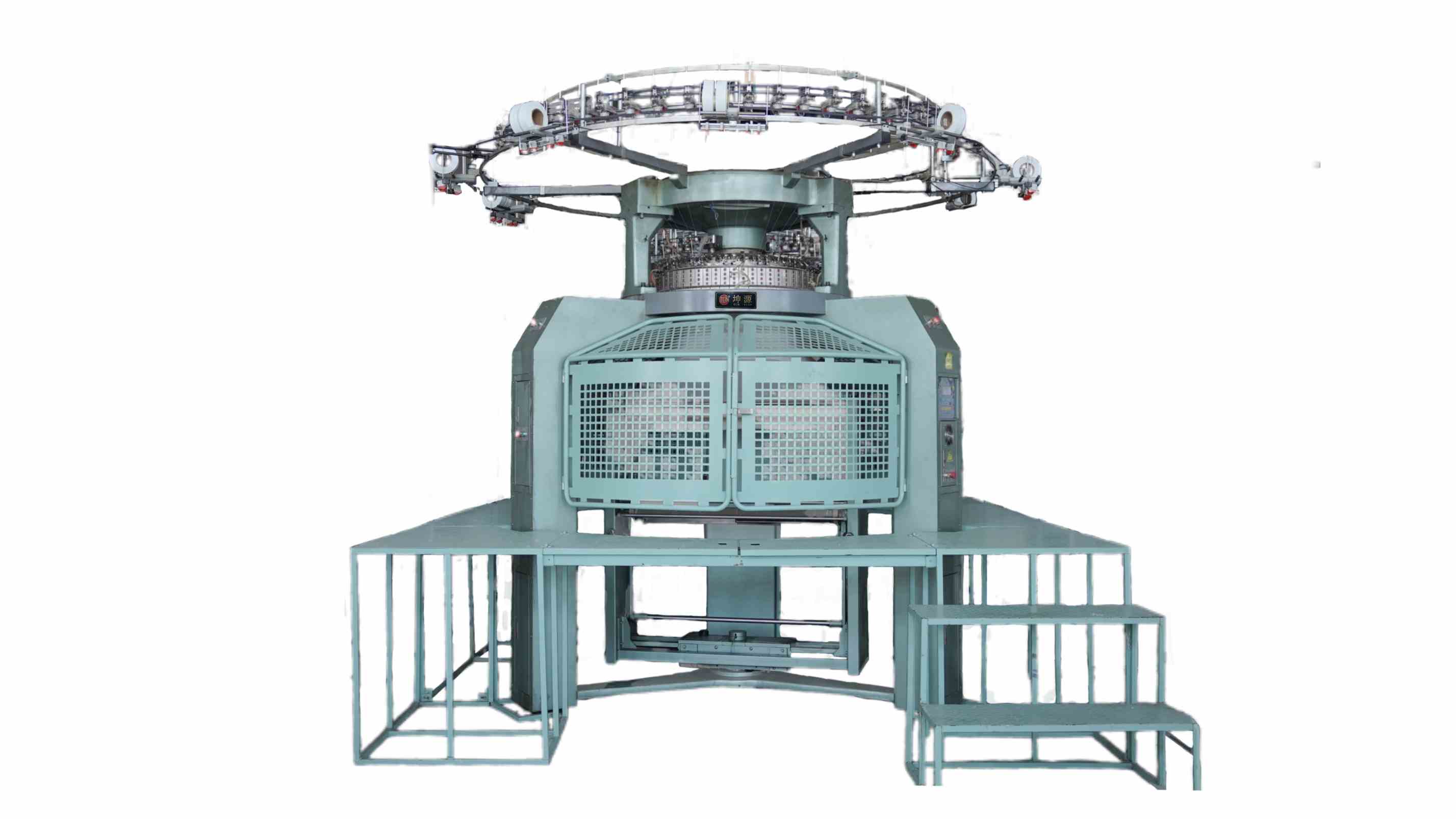
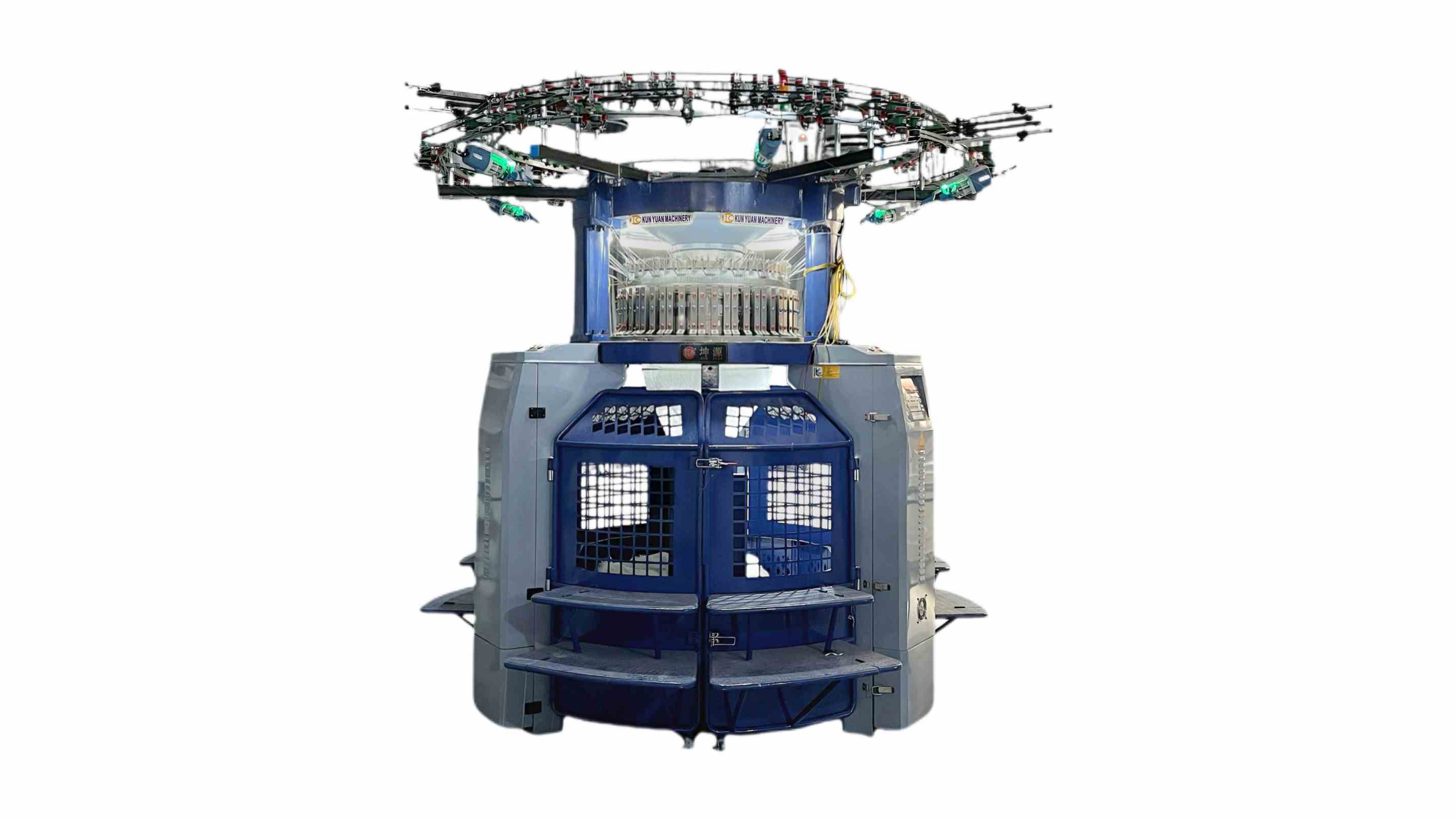
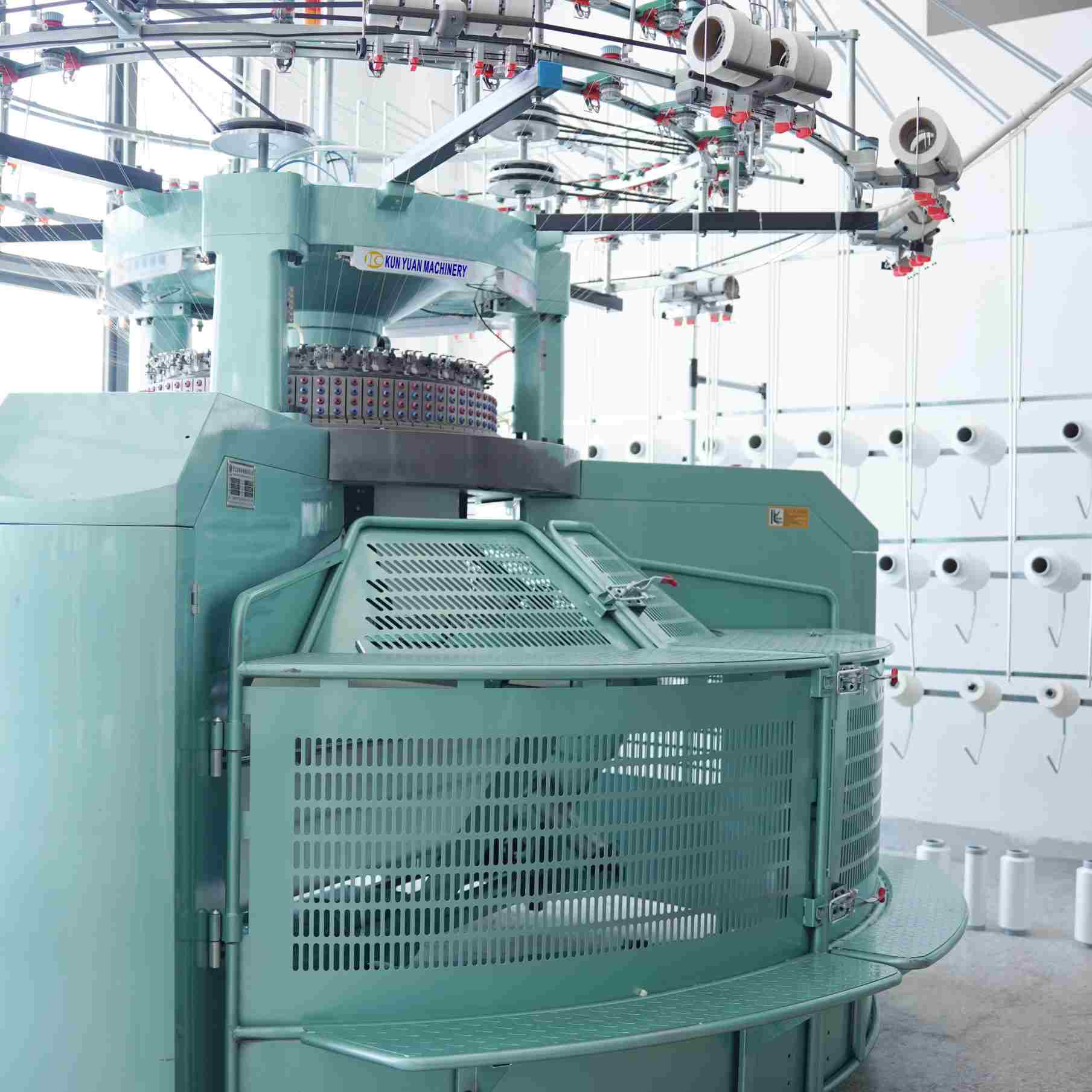
Round knitting machine is a common label for circular knitting equipment, but it does not identify the fabric architecture or delivered configuration. Selection needs linked inputs and measured saleable output.
Write the product mix as separate fabric records. For each one, state structure, yarn material and count, elastomer role, greige and finished width and weight, appearance limits, finishing route and expected share of production. Then identify whether the required loop architecture belongs to a single-knit, double-knit, fleece, pile, jacquard or other suitable machine family.
Official machine selectors publish model-specific diameter, gauge and feed information, demonstrating that round is not one universal format. Treat each published row as a screening envelope and ask for the exact available combination. A production ledger should then connect that build to observed running time, interruptions, total fabric, held material and accepted finished fabric.
Attach a labelled sample and technical brief to every commercial article. Record yarn roles, construction, target finished width and weight, surface standard, dimensional response and the process used to finish it. Include the difficult yarn or structure in the trial set. Without this baseline, two machines can look equivalent on a specification sheet while serving different product mixes.
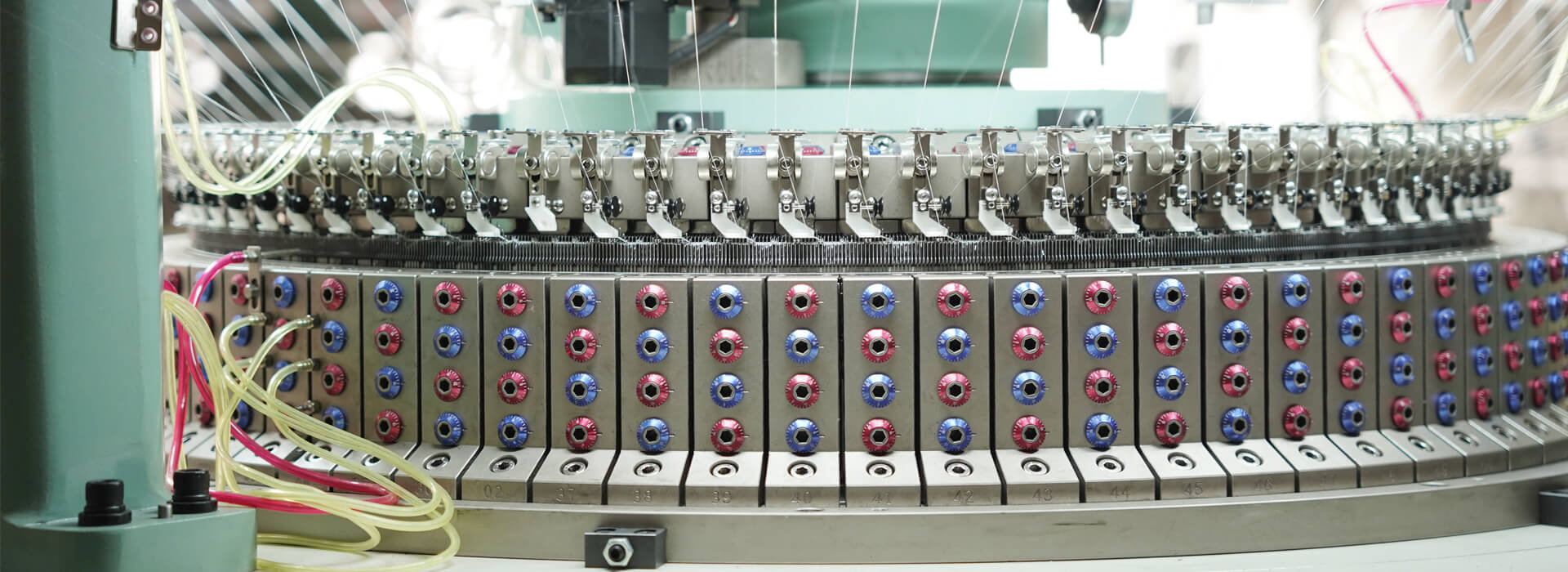
Map the fabric to bed arrangement, tracks, sinker or cam actions, yarn delivery, selection and take-down. Diameter and gauge enter only after that architecture is clear. If a conversion is proposed, list change parts, setup, downtime and re-approval rather than counting both fabrics as immediate capacity.
| Ledger line | Recorded input | Measured result | Decision use |
|---|---|---|---|
| Fabric brief | Structure, yarn and finish | Accepted dimensions and surface | Choose machine family |
| Machine basis | Model, diameter, gauge and feeds | Confirmed installed combination | Freeze comparison |
| Trial | Runtime, events and gross fabric | Held and accepted fabric | Establish yield |
| Product mix | Article share and changeovers | Scenario output | Compare investment |
During the trial, record yarn lots, setup, warm-up, stable running period, planned events, unplanned stops, interventions and total knitted quantity. Mark defects and stop positions on the roll. Observed rotational speed belongs in context; it does not become production capacity until the resulting fabric passes inspection and the process can be repeated.
Use consistent units and time boundaries. Keep held or rejected fabric visible instead of subtracting it silently. Carry a marked sample through the normal finishing route, then record the quantity and measurements that meet the commercial standard. This produces a ledger that purchasing and production can audit.
Apply the accepted rate and yield separately to each planned fabric rather than using the easiest article for the whole forecast. Add changeover, cleaning, setup verification, planned maintenance and downstream constraints. A machine with a strong result on one plain construction may not deliver the same accepted output on a patterned, elastic or heavier route.
Compare alternatives through scenarios that use the same demand mix and shift assumptions. Record uncertain lines as unproven instead of assigning optimistic values. The result is not a universal performance number; it is a transparent estimate tied to named fabrics, verified trials and visible operating losses.

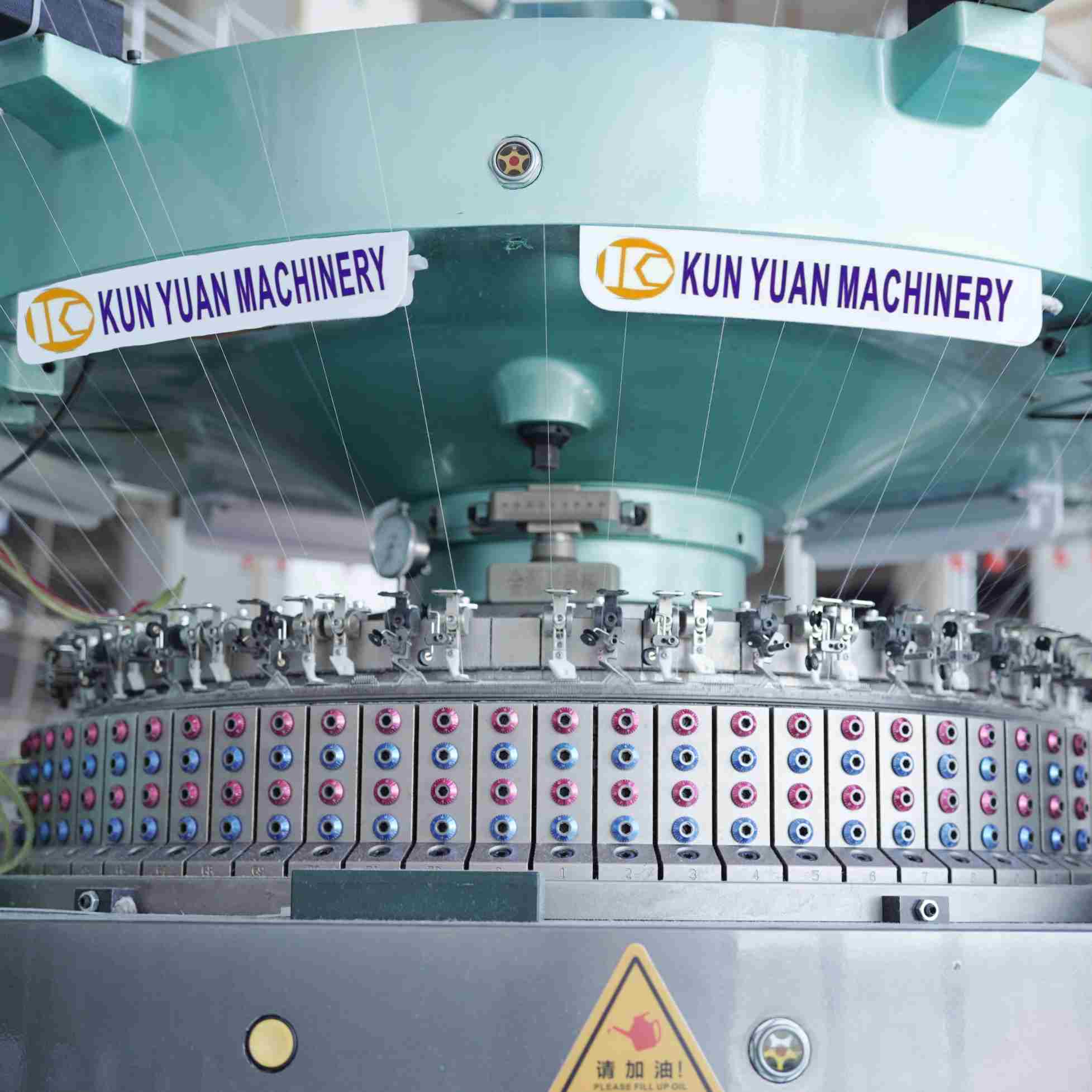
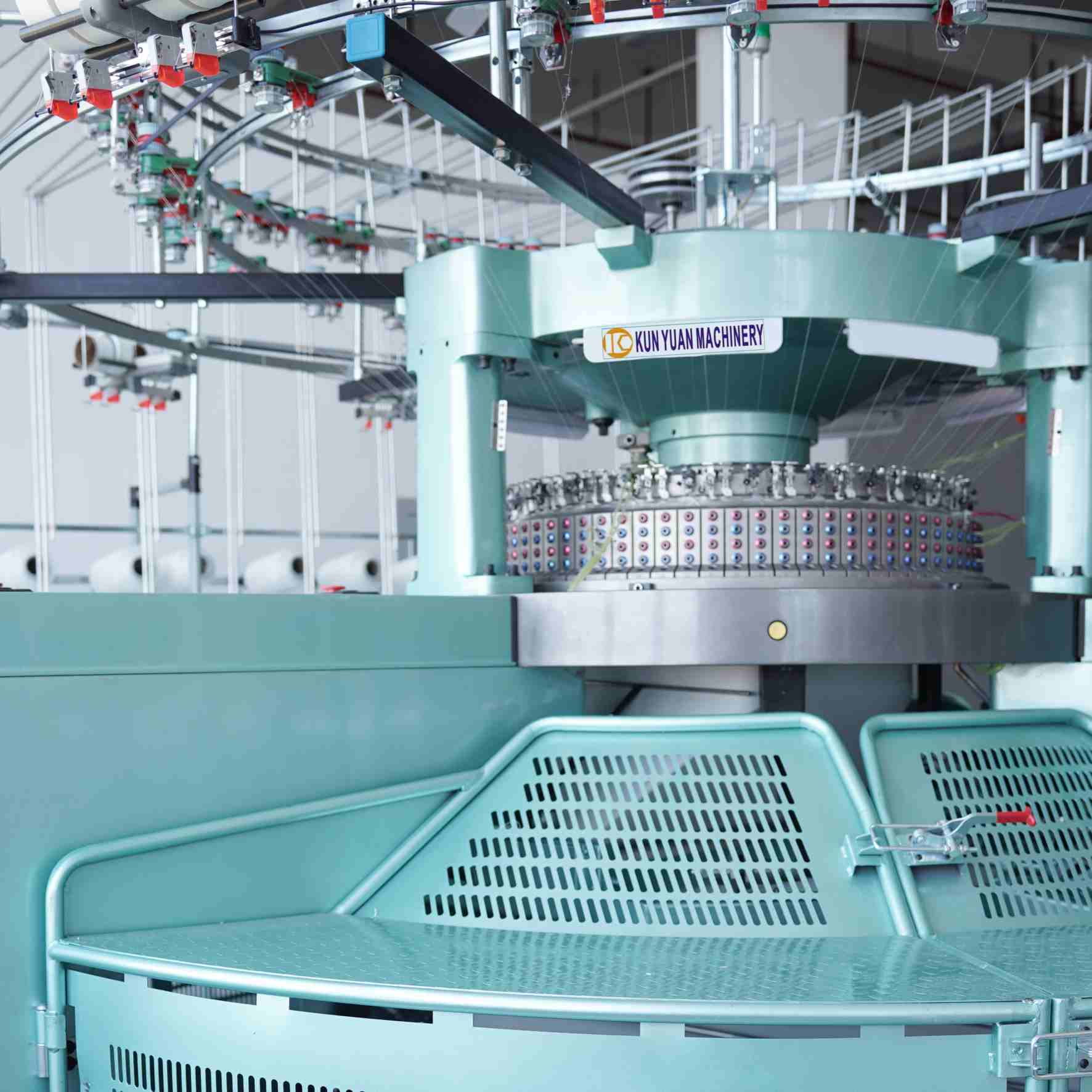
Round is commonly used for circular equipment, but neither term defines the exact beds, tracks, selection, take-down or fabric scope.
No. Structure, gauge, feeds, yarn behavior, running condition, stops, take-down and accepted yield all affect output.
No. Needle density matters, but yarn, loop length, structure and finishing also determine the result.
Gross fabric can include held or rejected material. Investment decisions need saleable output under the agreed quality method.
Only when the relevant articles have equivalent demands, which should be demonstrated rather than assumed.
Diameter and gauge are necessary machine descriptors, but they become commercially meaningful only when tied to an exact build and accepted fabric. A production ledger keeps rates, losses, changeovers and finishing evidence visible across the real product mix.
Build the same accepted-output ledger while comparing the industrial circular knitting machine range and keep each candidate tied to its confirmed configuration and target fabric mix.

 Tel: +86-13859034518
 Email: info@kunyuanmachine.com
 MP/WhatsApp: +86-13859034518
 Manufacturer Address:Bacuo Village, Yonghe Town, Jinjiang City, Fujian Province