Hot Keyword:
YOUR POSITION:HOME > Blog >

How to Choose a Taifan Circular Knitting Machine: Model and Service Checks

Author:KUNYUAN Machine Manufacturer TIME:2026-08-30

MENU
Taifan model and service log

Verify the offered machine and the support route as one service record

Taifan's official site presents several circular-machine categories, including single-knit, double-knit, fleece, open-width, mini-size and jacquard equipment. The buyer still needs the exact model, installed scope and service boundary in writing.

Start with a dated record of the manufacturer page and current quotation. Name the legal supplier, exact brand and model text, serial or build identification when assigned, fabric family, diameter and gauge combination, feed notation, control revision, take-down and installed options. Do not infer that every feature shown across the Taifan range appears on the offered machine.

A service-ready decision also records evidence before and after intervention. Use buyer yarn for the trial, mark stops and defects on the fabric, and retain the finished result. Define what the operator may inspect, what qualified service must handle, what information starts a support case and how a repaired or adjusted machine returns to the accepted baseline.

Log entry one - reconcile the Taifan category with the exact offered build

Taifan's official product navigation separates machine categories by knitting architecture and application. Use the category only to locate candidates. The quotation should identify the model and revision, bed arrangement, diameter and gauge combination, feed basis, yarn systems, selection or pattern scope, take-down, controls, options and excluded items for the machine that will be delivered.

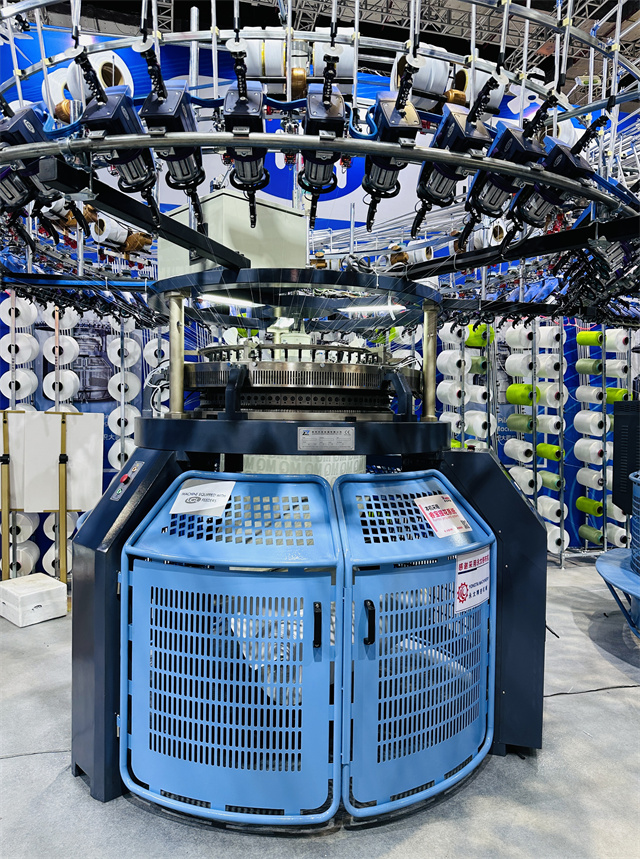
Photograph model plates and labelled components when available, then transcribe them into the acceptance file. Keep catalogue language, supplier declaration and buyer observation in separate fields. If the brand, model, manufacturer identity or installed option cannot be reconciled, leave the item open instead of replacing missing evidence with a generic Taifan claim.
Log entry two - establish a fabric baseline before judging serviceability

Define the target fabric, yarn lots, structure, finished width and weight, surface limits and finishing route. Run the exact offered machine through warm-up, stable production, a planned stop and restart. Record settings, events, interventions and marked-roll positions. Inspect both faces, then carry labelled material through the intended finishing process.

File the accepted sample with machine identity and setup revision. This baseline serves two purposes: it proves the model against the product and gives service personnel a known condition for later comparison. A machine cannot be declared restored merely because it runs when the fabric or setup differs from the approved state.

Log entry three - define the evidence and ownership for a service case

Create a reporting form with machine and controller identity, operating condition, yarn lot, symptom, first occurrence, recurrence pattern, physical position, alarm or event text, photographs and marked fabric. Note recent changes without assuming they caused the issue. Consistent first-report evidence helps the supplier distinguish yarn, setup, program, component and installation questions.

Assign operator observation, maintenance inspection, remote support and on-site service boundaries. Follow manufacturer safety procedures and site energy-control rules; do not bypass guarding or protected functions to obtain a faster answer. Record who authorizes adjustments and which parameters or parts changed during the case.

Log entry four - close service with parts, settings and fabric evidence

Before replacement or adjustment, record component identity, installed position, observed condition and related settings. After authorized work, record the fitted part reference or revised parameter, technician, date and reason. Restore the approved recipe and yarn condition before comparing results, otherwise several variables change at once and the service conclusion becomes weak.

Repeat the relevant start, stop and stable-run checks, then inspect the corresponding marked fabric and finished sample. Close the case only when the agreed symptom is absent, no new defect is introduced and the record is complete. Add lessons to the spare-parts list, training file or preventive inspection schedule without inventing a universal replacement interval.

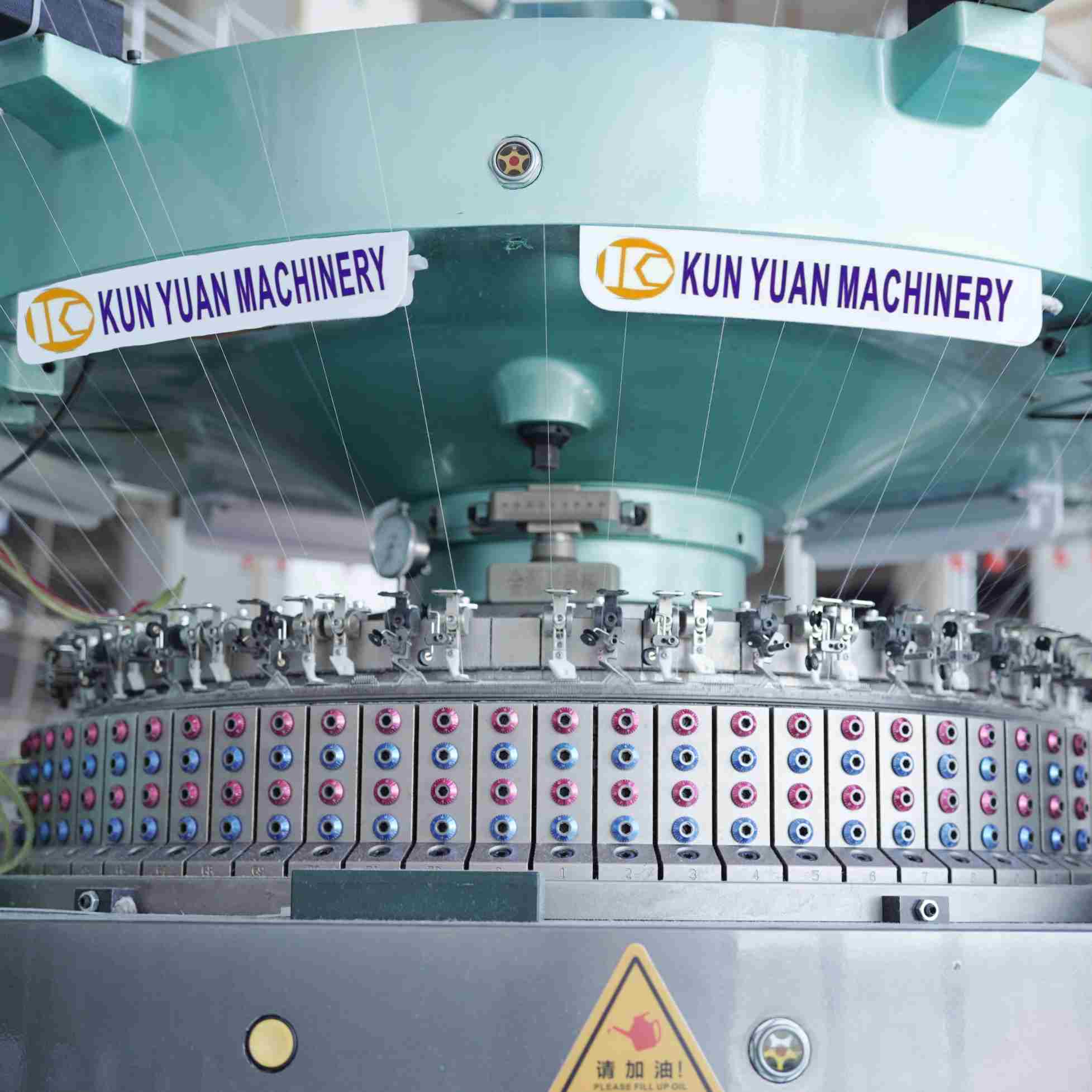
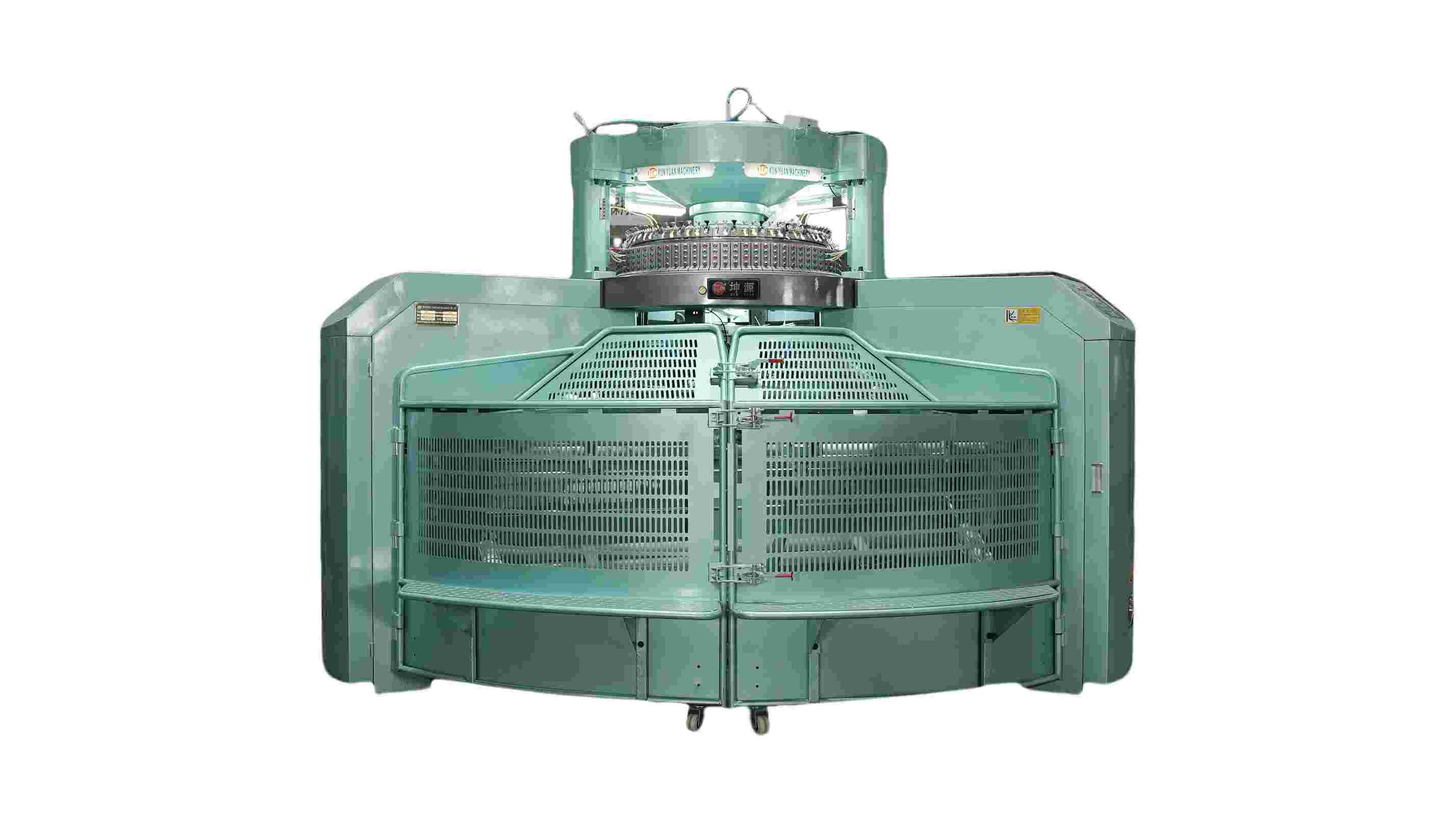
Taifan circular knitting machine model and service reference
Reconcile the product category with the exact offered build.
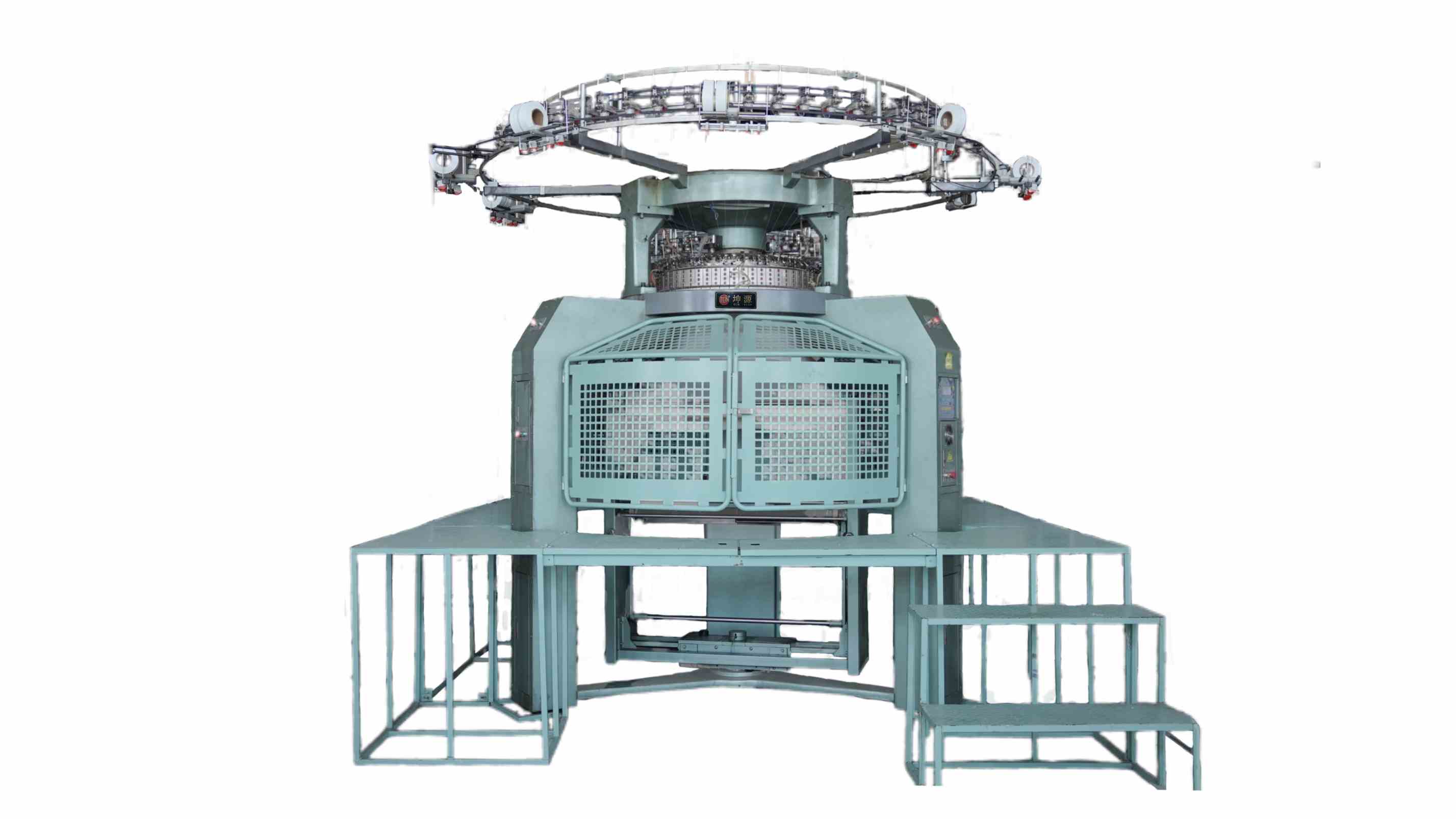
Body-size circular knitting configuration comparison reference
Keep machine and fabric baselines in the service record.
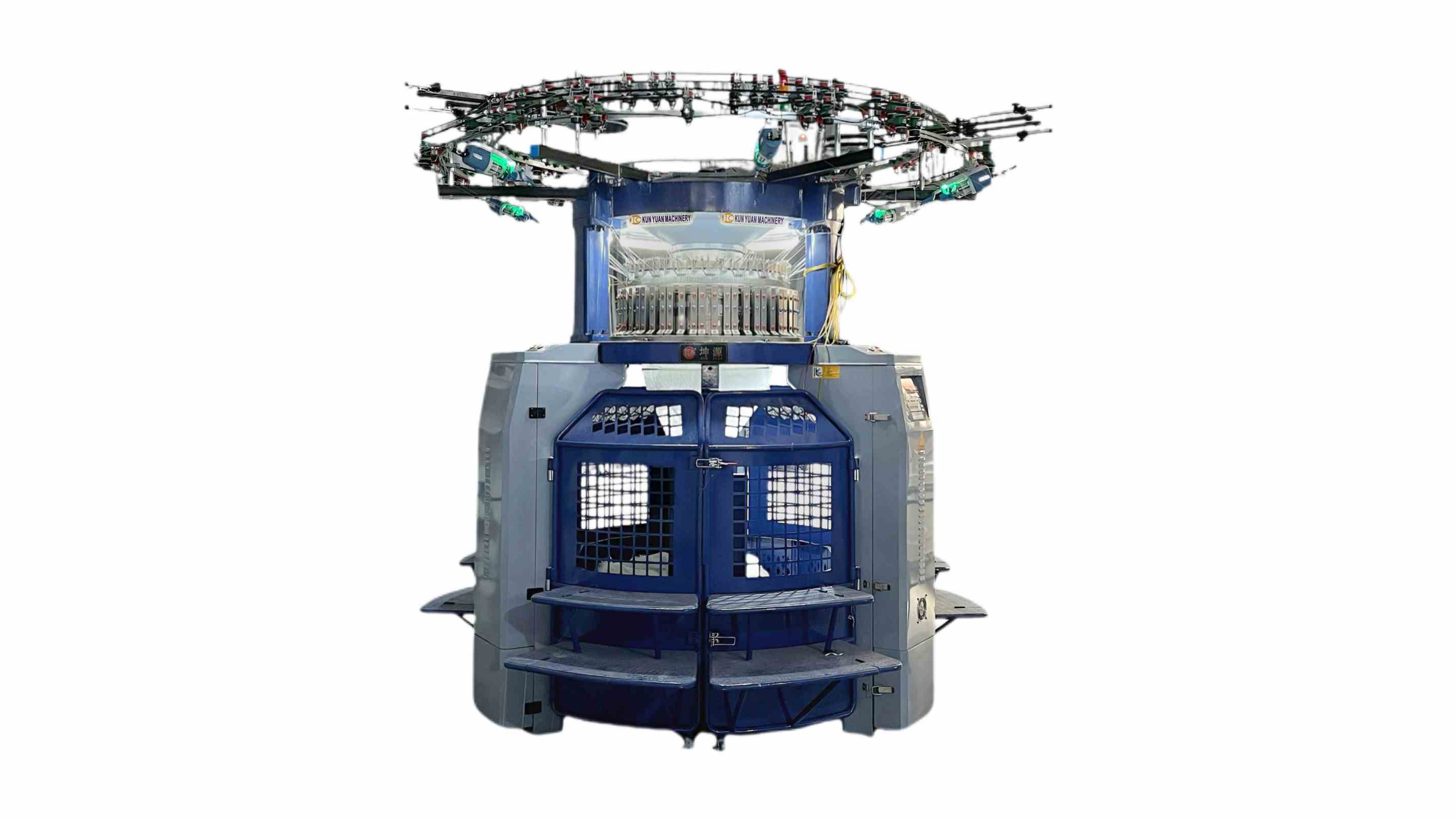
Circular knitting machine restart and fabric verification
Close each intervention with a verified restart sample.

Taifan model and service record

Record pointRequired identityEvidence retainedClose condition
OfferBrand, model, build and optionsDated source and signed scheduleScope reconciled
BaselineMachine, recipe and yarn lotsMarked finished sampleFabric limits pass
Service caseSymptom, position and eventLog, photographs and fabricOwner accepts action
RecoveryPart or parameter changeRestart and comparison resultBaseline restored

Taifan machine and service questions

Does the Taifan brand name define the machine configuration?

No. Record the exact model, build, diameter, gauge, feeds, controls, take-down, installed options and exclusions.

Can features from different Taifan categories be combined in one offer?

Only when the supplier confirms the specific combination in writing and the delivered machine and trial verify it.

What evidence should open a support case?

Provide machine identity, yarn and setup condition, event information, symptom location, marked fabric and recent changes.

Does replacing a part prove the machine is repaired?

No. Restore the accepted setup and verify the relevant run and finished fabric before closing the case.

How should spare-parts planning be handled?

Use delivered component references, observed risk and supplier guidance; avoid unsupported universal life or delivery promises.

Conclusion

A sound Taifan selection record identifies the exact machine and carries the same evidence into support. When every case moves from baseline through authorized action to a verified fabric restart, model choice and after-sales readiness become auditable rather than promotional.

Use this service-log structure while reviewing the industrial circular knitting machine range and require the offered model, acceptance baseline and escalation process to remain in one controlled file.

Need Help?
Please leave your contact information to get our latest catalog
Get In Touch Now >
Kunyuan Machinery Manufacturer

Tel: +86-13859034518

Email: info@kunyuanmachine.com

MP/WhatsApp: +86-13859034518

Manufacturer Address:Bacuo Village, Yonghe Town, Jinjiang City, Fujian Province

NEW KEYWORD

About Us

Products

Information