A useful feature changes the accepted apparel result without hiding setup or recovery work
Automation, quality systems and quick changeover matter only inside a defined fabric route. Evaluate each feature by the evidence it creates, the intervention it removes or adds, and the finished fabric boundary it can repeat.
Manufacturer material shows why feature lists must remain build-specific. Pailung's official KS3B-W-0H document describes dashboard setup, MES connection and a digital fabric winder on that named machine. Mayer and Cie's selector shows that circular platforms vary by structure and configuration, while Groz-Beckert describes needles, sinkers and other system parts as interacting elements in circular loop formation. These sources support a layered review; they do not imply that every controller, winder, monitoring function or knitting element is present on every apparel machine.
Create four application fields: product formation, automation boundary, quality evidence and changeover recovery. For each promised feature, record the input, action, output, failure response and responsible role. Then use buyer yarn to knit a marked roll through a stable interval, a normal event and a representative style change. Continue the evidence through the intended finishing and inspection route. The feature passes when it improves accepted fabric or controlled recovery on the delivered build, not when its name appears on a screen.
Application field one: anchor every subsystem to the apparel fabric it must form
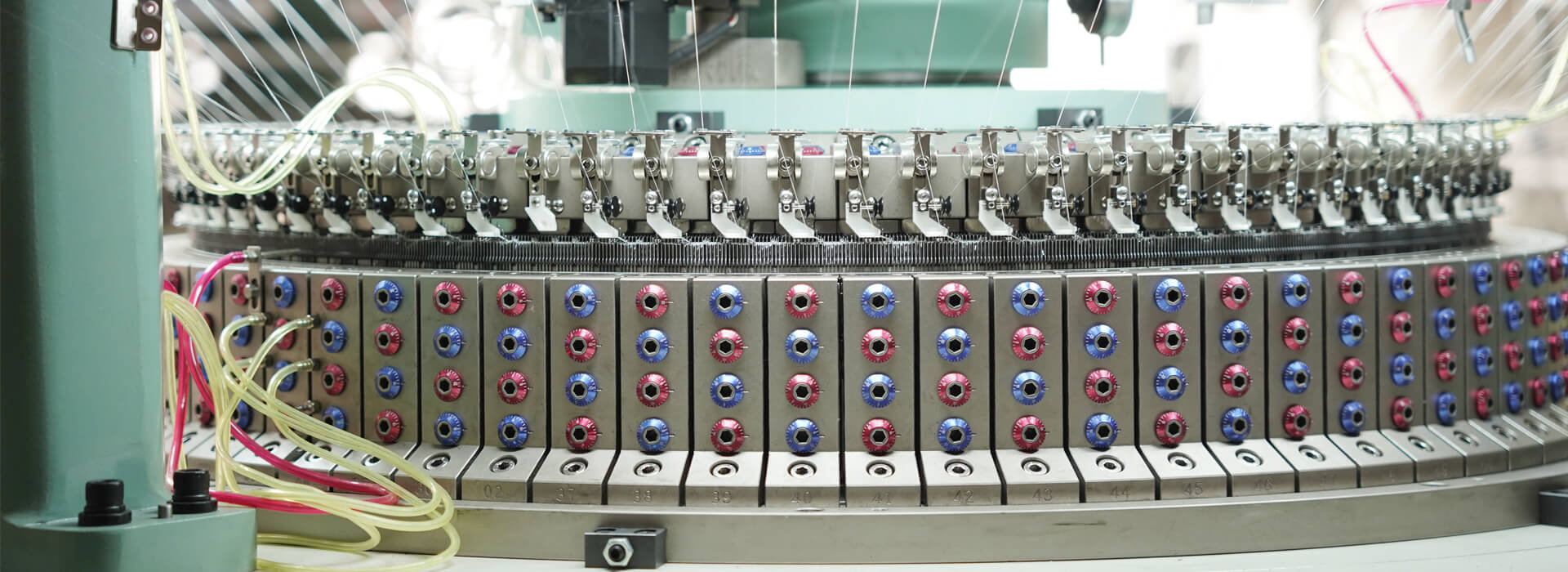
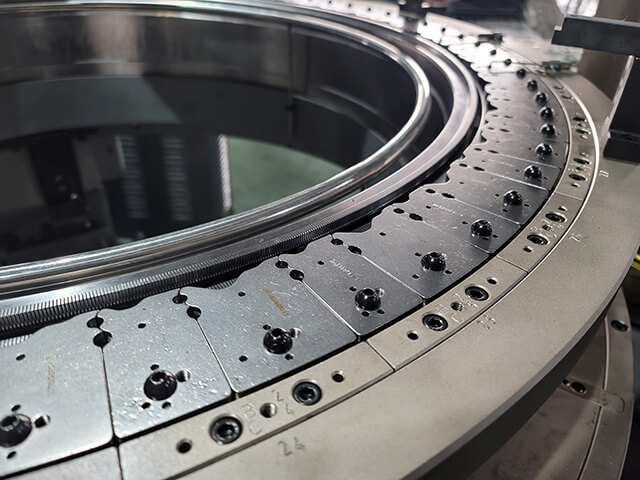
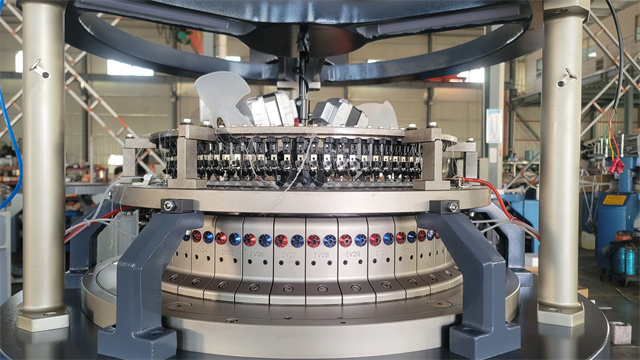
Specify structure, technical face and back, yarn roles, target width and weight, stretch and recovery, surface limits, color or pattern duties, finishing route and garment use. Map those requirements to the exact knitting systems, feeders, needle and sinker arrangement, take-down and fabric handling included in the offer. Keep manufacturer terminology and model revision in the record.
Use a challenge fabric from the commercial portfolio rather than a convenient demonstration jersey. Identify transitions, elastomer or plating duties, difficult yarns and the defect threshold at machine and finished stages. If a feature cannot be linked to one of those product duties, classify it as optional context rather than a purchase requirement. This stops broad automation or quality language from displacing the fabric brief.
Application field two: document what automation commands, observes and leaves manual
Draw the control boundary from job setup through fabric winding. Name each parameter that can be loaded, each signal that is monitored, each stop condition, each data item recorded and each action that still belongs to an operator. Verify whether MES, remote connection, automatic setup or digital winding is standard, optional or unavailable on the quoted configuration. Record software versions, access rights and backup method.
Witness controlled events rather than accepting a feature tour. Start from a released job, introduce a supplier-approved yarn-out or stop event, inspect the alarm and fabric mark, then recover through the documented procedure. Never defeat guarding or create an unsafe fault. Compare screen data with the physical roll and time log. An automated record has value only when another shift can interpret it and the fabric confirms the same event.
Application field three: connect loop-forming condition to full-width finished inspection
Set fixed inspection positions across the roll and label machine direction, technical faces, feeder or revolution events, startup and restart. Examine loop regularity, lines, holes, barre-like bands, contamination, width, weight and the product-specific appearance limits. Use the machine log to guide isolation, but keep yarn, element condition, delivery, take-down and finishing as separate cause layers until evidence narrows them.
Carry matched sections through relaxation, dyeing, compacting, raising or the agreed apparel finish. Some variation becomes visible only after color or mechanical treatment; other defects originate downstream. Preserve greige coordinates and compare both conditions before assigning cause. Quality automation passes when it helps locate or contain a condition without replacing physical inspection and retained samples.
Application field four: measure a representative changeover through first accepted fabric
Choose a real transition, such as yarn lot, color, structure, weight or style change. Divide elapsed time into cleaning, parts or cam work, yarn loading, job retrieval, setting confirmation, trial knitting, inspection and approval. Record material consumed in each stage. A quick physical adjustment does not equal a quick changeover if approval requires long tuning or hidden scrap.
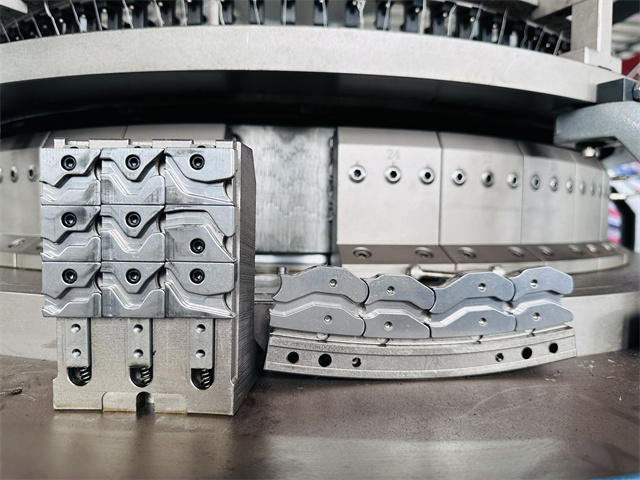
After the first accepted section, perform a normal stop and restart, then repeat the original job from its saved record. Inspect for contamination, incorrect paths, setting drift and mixed program versions. Maintenance should demonstrate the approved cleaning points and identify wear or replacement criteria for critical elements. Close the field with trained roles, backups and a support route that can recover the configuration without informal memory.
Features are assessed against the exact product and installed subsystem boundary.Digital events become useful quality evidence when they align with physical roll coordinates.A changeover ends at accepted fabric and recoverable records, not at the last mechanical adjustment.
Apparel machine feature verification table
Feature claim
Evidence input
Observed result
Acceptance warning
Automated setup
Released job and machine configuration
Loaded parameters match physical setup
Do not assume unquoted options or manual tasks
Production monitoring
Event script and marked roll
Digital event aligns with fabric coordinate
Dashboard status cannot replace inspection
Quality control
Greige and finished samples
Recurring variation is detected and bounded
Keep knitting and finishing causes separate
Fast changeover
Representative style transition
Time and loss reach first accepted fabric
Measure approval work, not only adjustment
Apparel machine automation and changeover questions
Is an MES connection the same as automatic quality control?
No. MES may support setup or records on a named system, while fabric quality still requires defined sensing, event interpretation and physical acceptance.
Why inspect fabric after finishing?
Color and mechanical processes can reveal or create variation, so matched greige and finished coordinates help isolate the responsible layer.
What counts as changeover time?
Count from the last accepted fabric of the prior job through cleaning, setup, trials and inspection to the first accepted fabric of the next job.
Can a high-speed feature prove output?
Only a timed run with gross, held and accepted fabric under the named product condition can support an output claim.
What should be retained after acceptance?
Keep the configuration, program backup, event log, marked samples, inspection report, changeover record, trained-role list and support contacts.
Conclusion
Apparel fabric knitting machine features should be evaluated as a connected field trial. Product requirements define the architecture, automation records controlled events, quality evidence follows the roll through finishing, and changeover proof measures recovery to accepted fabric. This keeps useful functions visible while preventing optional hardware, dashboard language or peak performance from becoming unsupported capability claims.
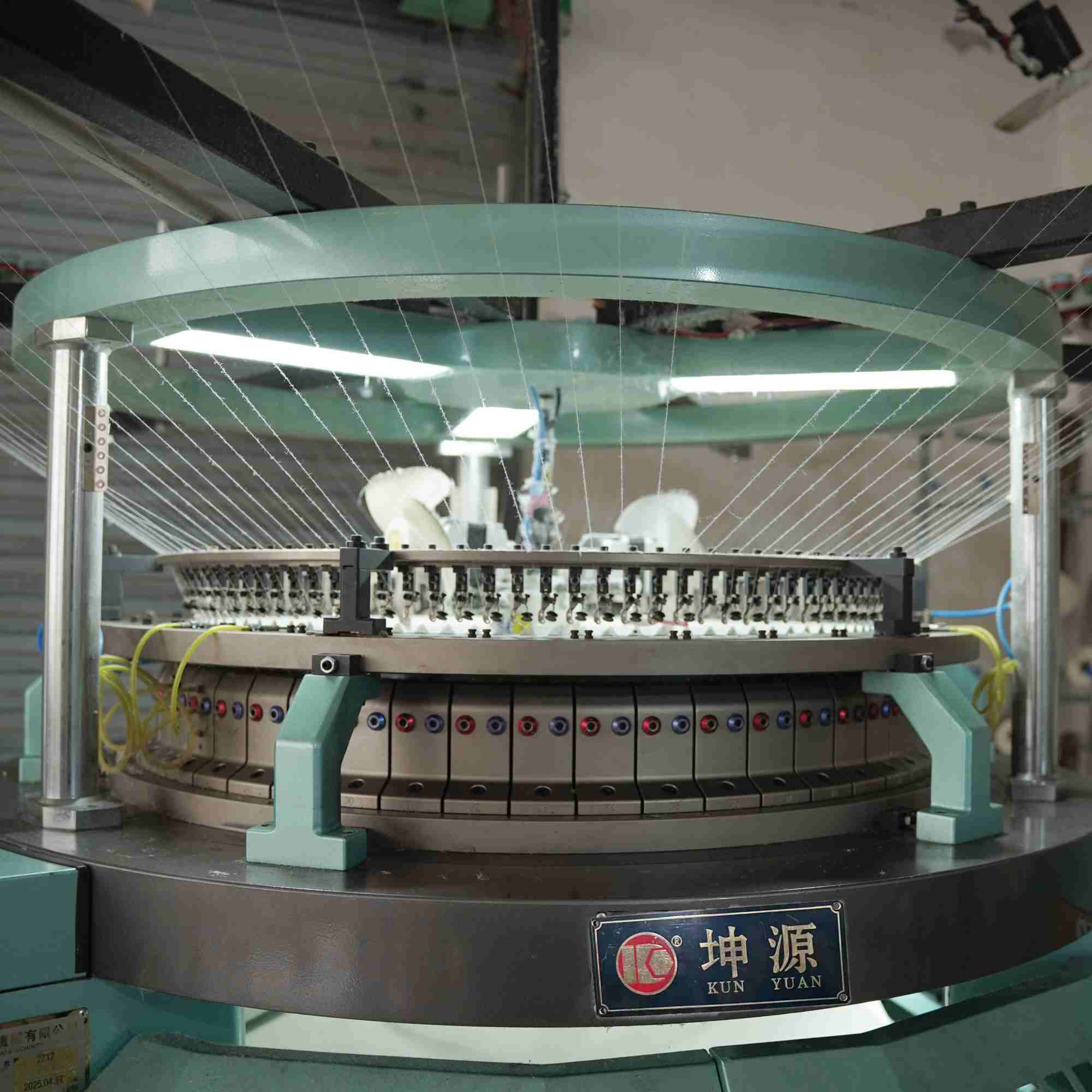
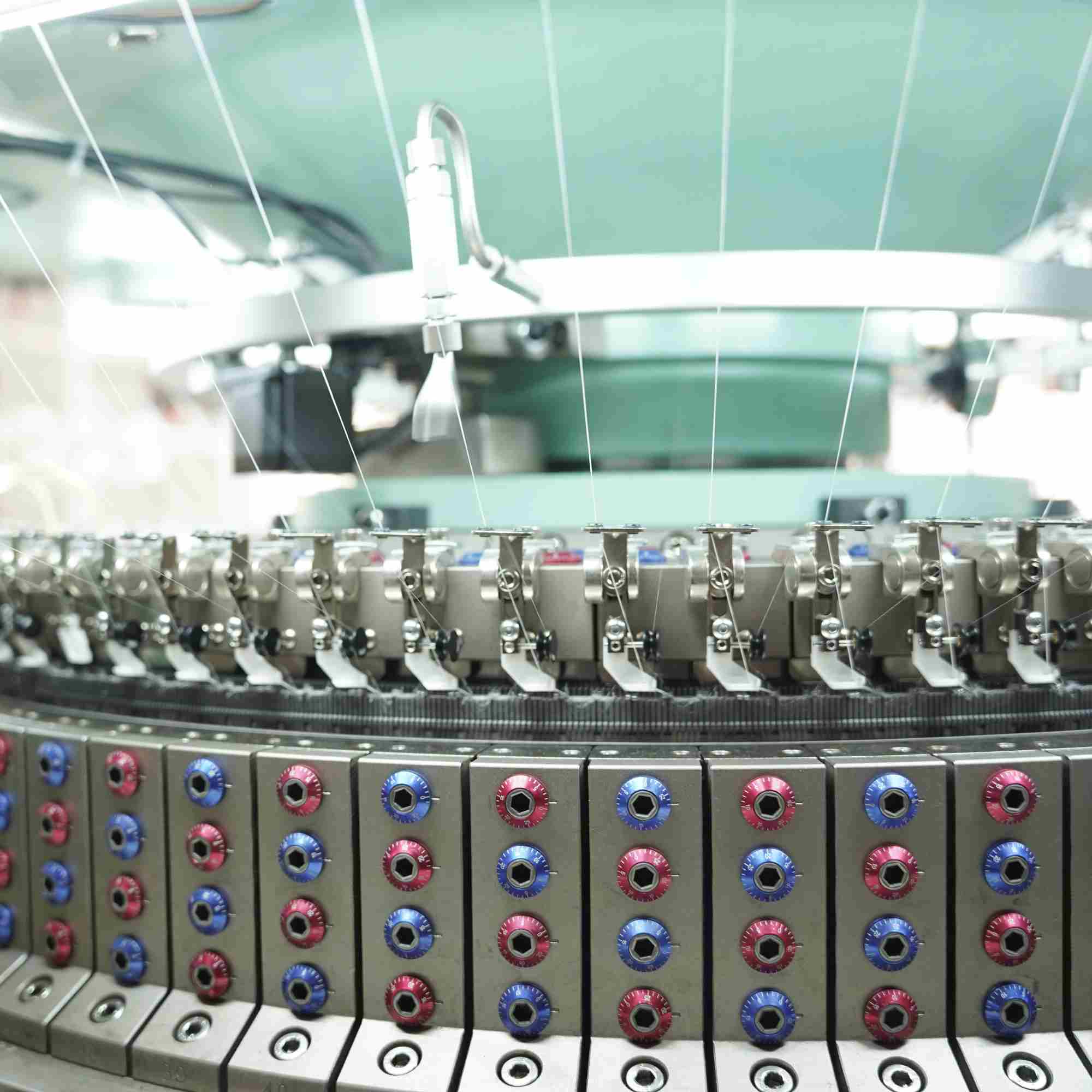
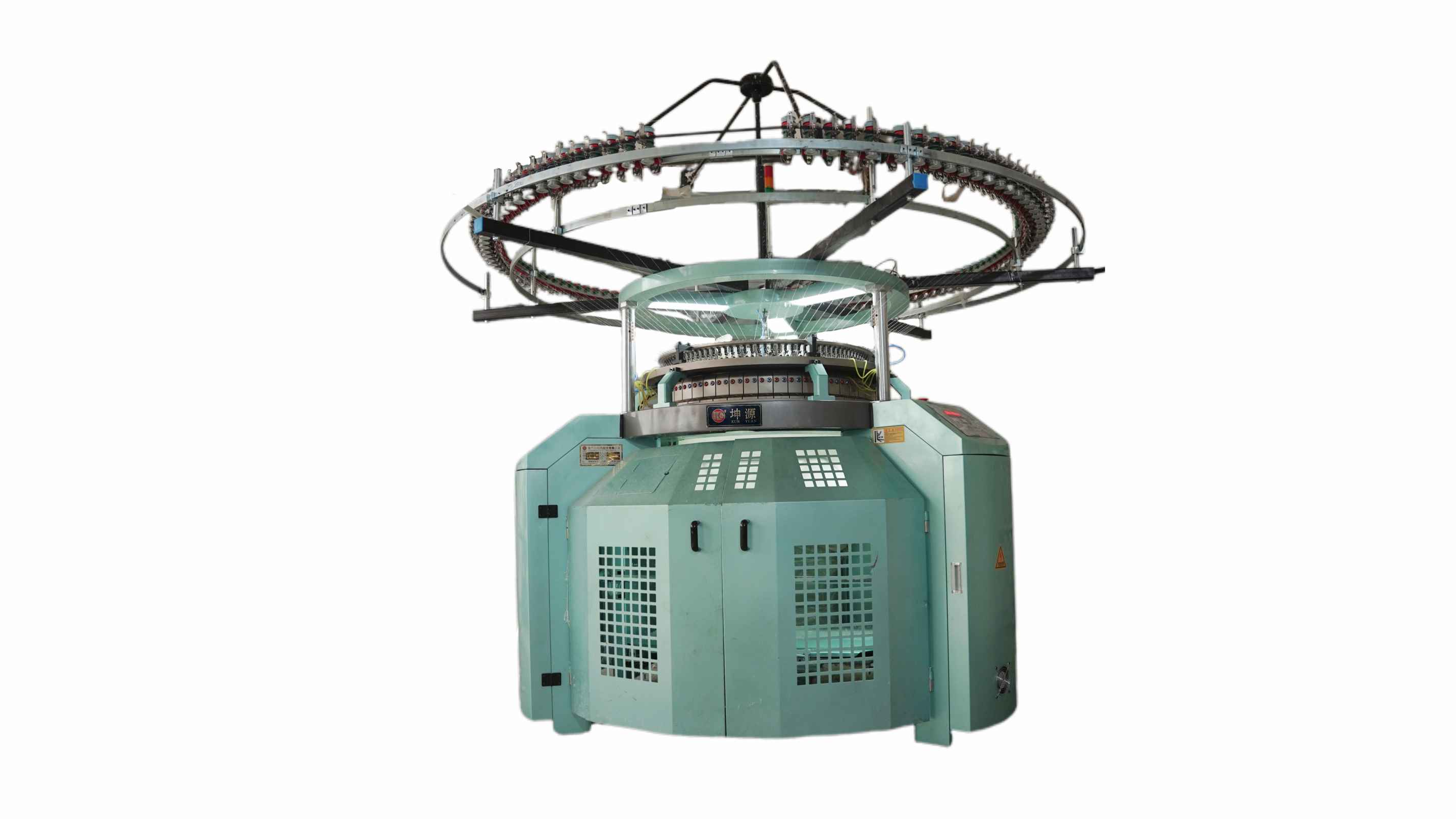
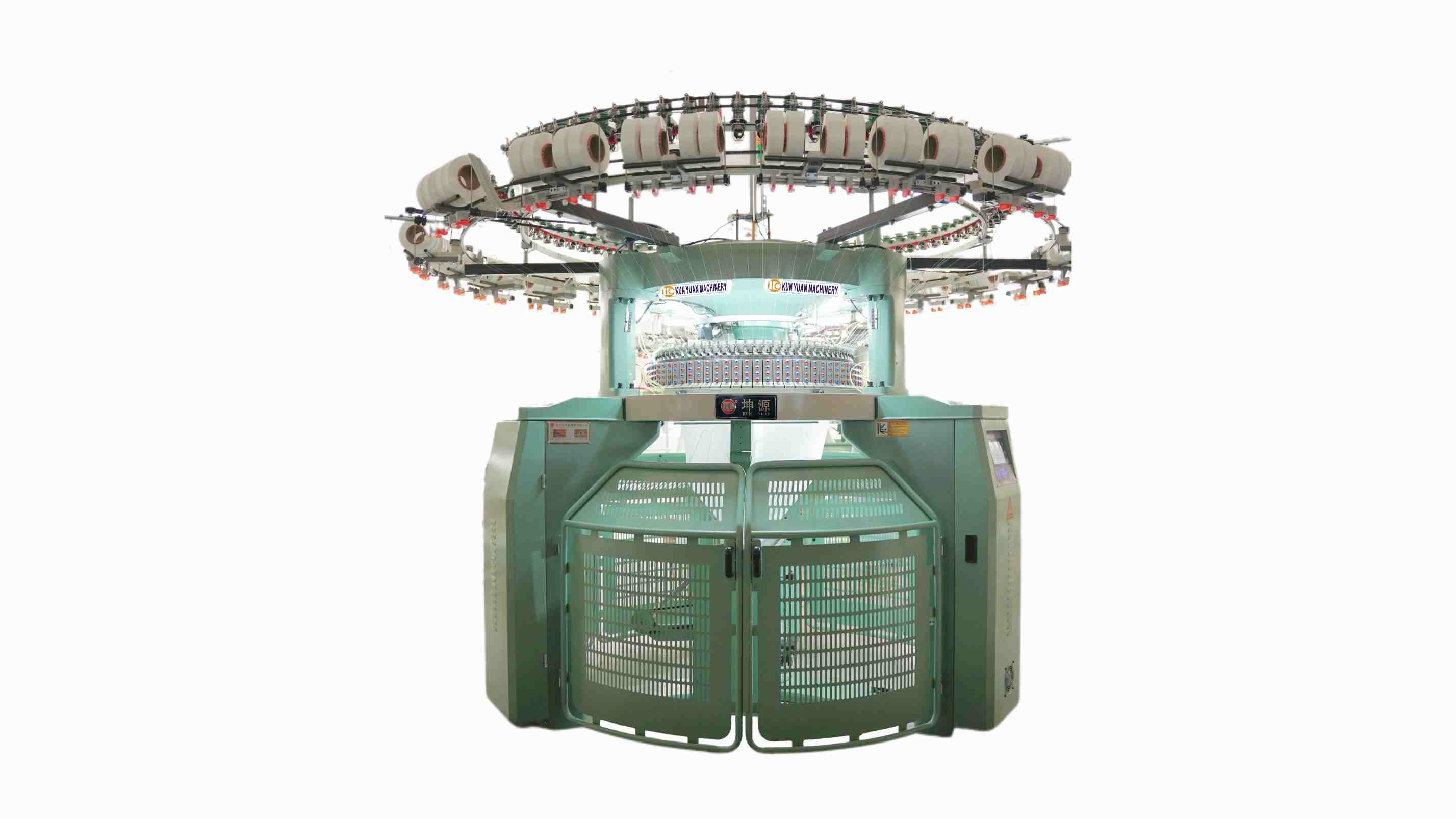
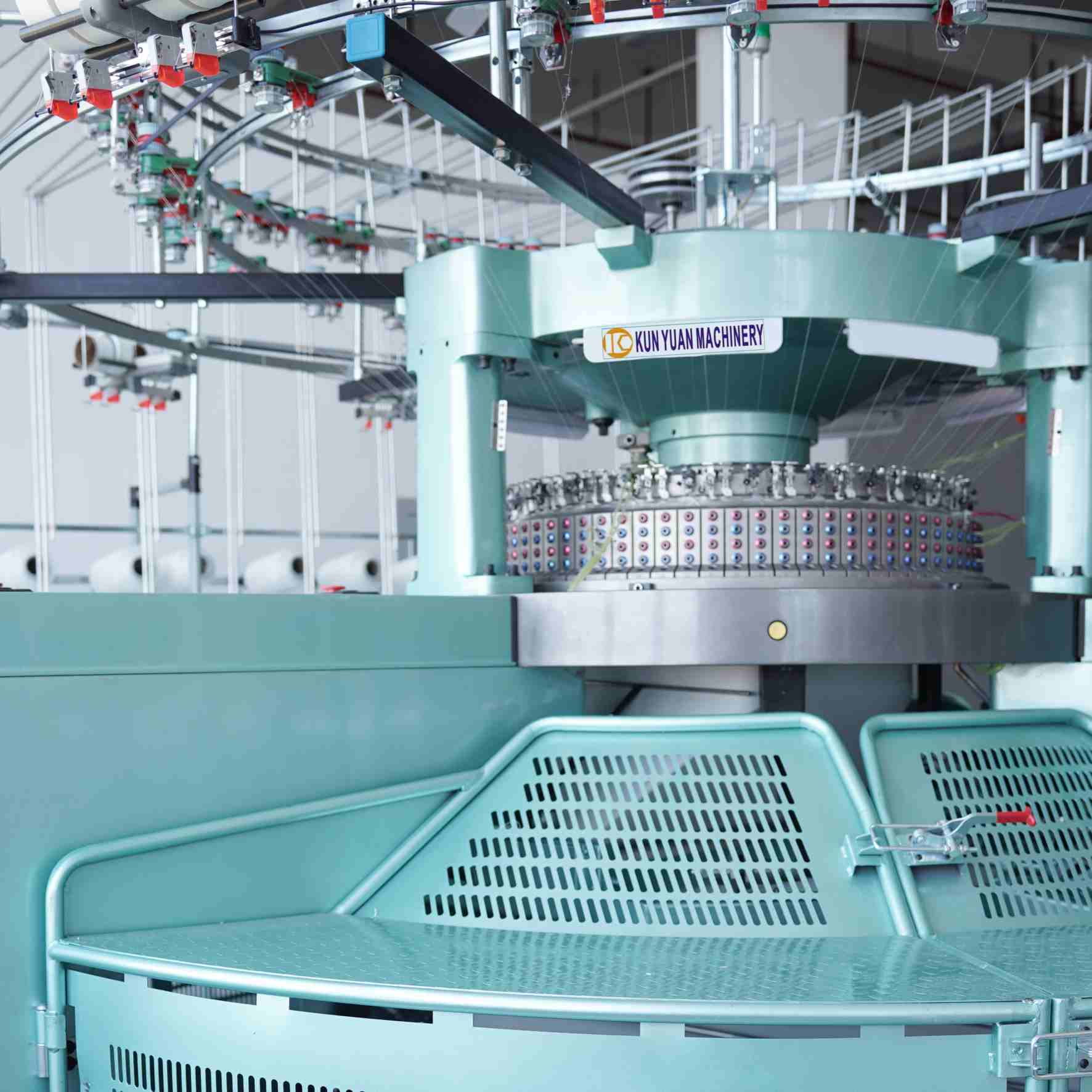
Use these application fields to review the offered Knitting Machine for Clothes Fabric and ask the supplier to demonstrate each feature on the exact build and challenge fabric.




 Tel: +86-13859034518
 Email: info@kunyuanmachine.com
 MP/WhatsApp: +86-13859034518
 Manufacturer Address:Bacuo Village, Yonghe Town, Jinjiang City, Fujian Province