Automation increases the need for a disciplined release sequence
Sensors, drives and automatic functions can shorten routine intervention only after the mechanical build, safety controls, utilities and production recipe agree. A staged release prevents a software setting from masking a physical installation problem.
Prepare the final machine documents before the crate opens: configuration schedule, packing list, approved layout, electrical information, utility requirements, lifting plan, risk controls and acceptance protocol. Use qualified personnel and the manufacturer's instructions for all site work.
At each gate, record who inspected, what evidence passed and which open items remain. Do not energize merely because an earlier stage was completed. Where servicing could expose people to unexpected energization or stored energy, the mill's applicable energy-control procedure and training must govern the work.
Receipt and configuration match
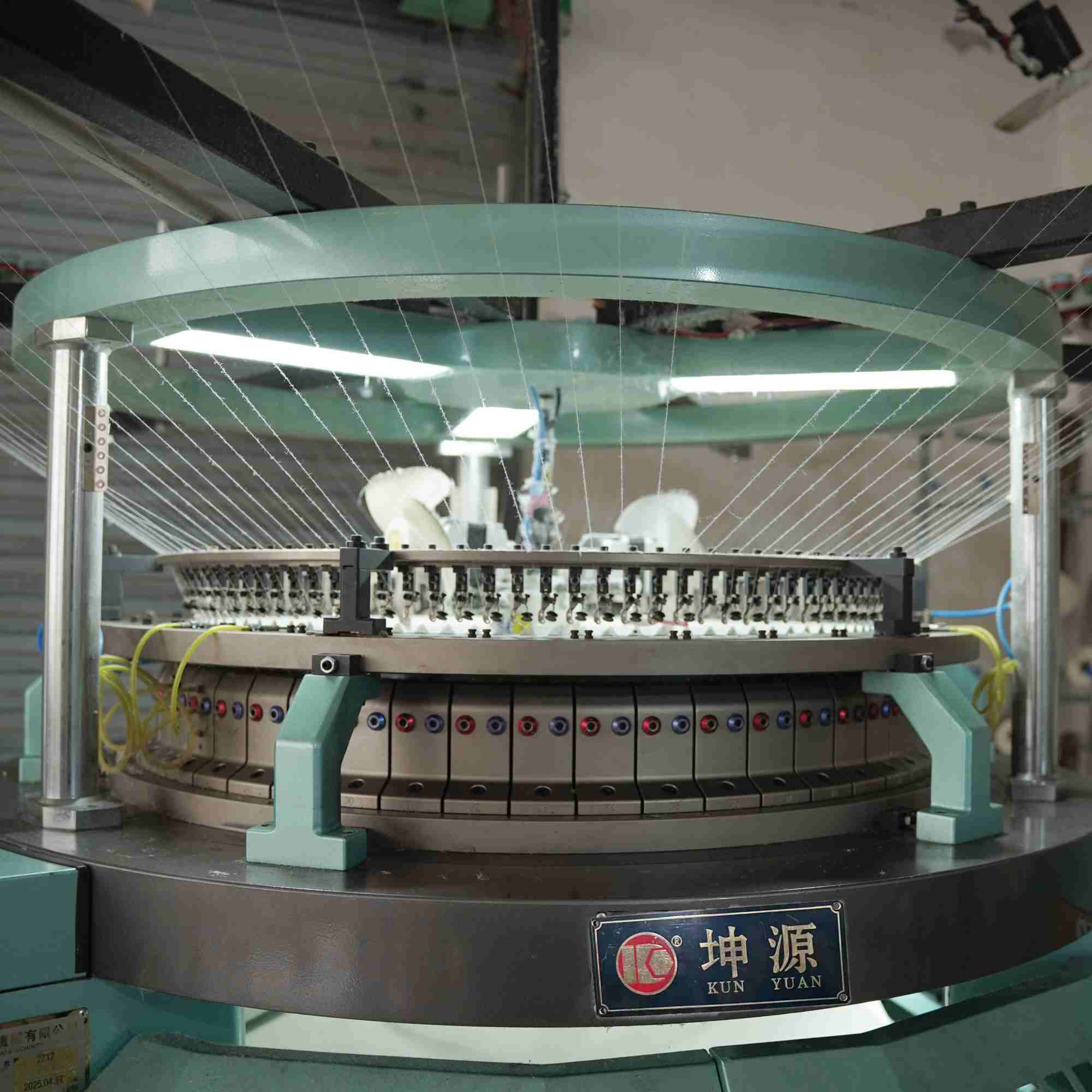
Compare nameplate and component identities with the order, packing list and approved drawings. Photograph transit restraints, connectors and loose assemblies before removal. Record shortages or damage without forcing a part into service.
Verify manuals, software or parameter backups, tools and initial spares. A similar-looking sensor or drive is not evidence of the ordered specification; use documented identifiers.
Gate: Machine, options and damage record signed
Position, access and utilities are ready
Confirm the access route, floor or foundation condition, working envelope, maintenance clearance, lighting, ventilation and services against final documents. Keep delivery traffic separated from installation work.
Record power, grounding, air or extraction connections after inspection by qualified personnel. Generic blog figures do not replace the ratings and local requirements for the installed machine.
Gate: Site owner and installer approve interfaces
Guards, stops and basic functions pass before yarn
Complete lubrication and manufacturer checks, remove tools and shipping material, restore guards, clear personnel and test approved no-load functions in sequence. Verify emergency and protective functions according to the formal commissioning procedure.
Capture alarms and automatic-device states at the baseline. Repeatedly clearing an alarm without identifying its cause weakens the evidence and can move risk into the yarn-in trial.
Gate: Safety and no-load record complete
Thread one controlled recipe and observe transitions
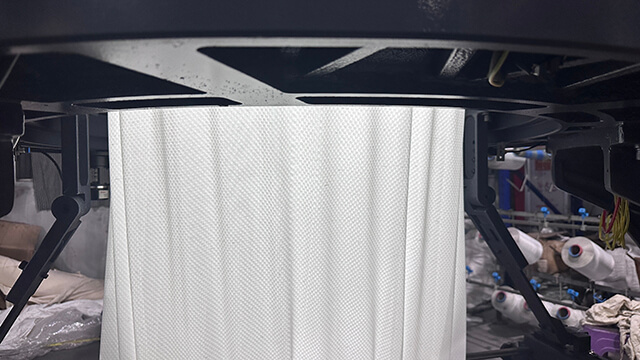
Load labelled production yarn through photographed paths and start with an agreed simple recipe. Observe delivery, needle action, take-down and winding before raising speed. Mark every change or stop on the roll.
Add automatic functions one at a time where practical. Record sensor or control states with the fabric response so the team knows which feature influenced a transition.
Gate: Marked greige trial meets stated limits
Reproduce finished fabric and hand over the shift
Process the marked fabric through the intended finish and inspect width, weight, appearance and any structure-specific property. Then repeat the recipe after a normal stop or cleaning event with the receiving operators in control.
Link program revision, machine settings, yarn lots and retained samples. Close training by observation: operators should demonstrate start, stop, yarn replacement, defect response, cleaning and escalation rather than only sign attendance.
Gate: Second run, training and open-item log signed
Verify identity and delivered options before assembly.Approve site interfaces from the final installation documents.Mark every automatic event and intervention on the trial roll.
Installation release register
Gate
Witness
Evidence
Release blocked by
Identity
Procurement/maintenance
IDs, photos, shortage log
Mismatch or damage
Site
Engineering/installer
Approved interface sheet
Unverified utility or access
Motion
Safety/technician
Function and alarm record
Guard or stop failure
Yarn in
Production/quality
Marked greige roll
Unstable feed or fabric
Repeat
Joint acceptance team
Finished repeat and training
Open critical item
Automatic-machine installation questions
Can several gates be signed on the same day?
Yes, if each has independent evidence and no hold point is bypassed. The sequence matters more than the calendar.
Who may connect utilities?
Qualified personnel working to the approved machine documents and applicable local requirements should perform and verify connections.
Why test a simple recipe first?
It makes feed, motion and take-down behaviour observable before pattern or automatic events add variables.
When should automatic functions be enabled?
Follow the manufacturer procedure and introduce them only after the underlying mechanical and safety conditions pass.
What is the final acceptance evidence?
A repeatable finished-fabric run, controlled records, trained operators and a closed or formally owned open-item list.
Conclusion
Five stage gates turn installation into a controlled release rather than a rush to power-on. Identity, site, motion, yarn and repeat-fabric evidence give automation a sound base and make handover auditable.
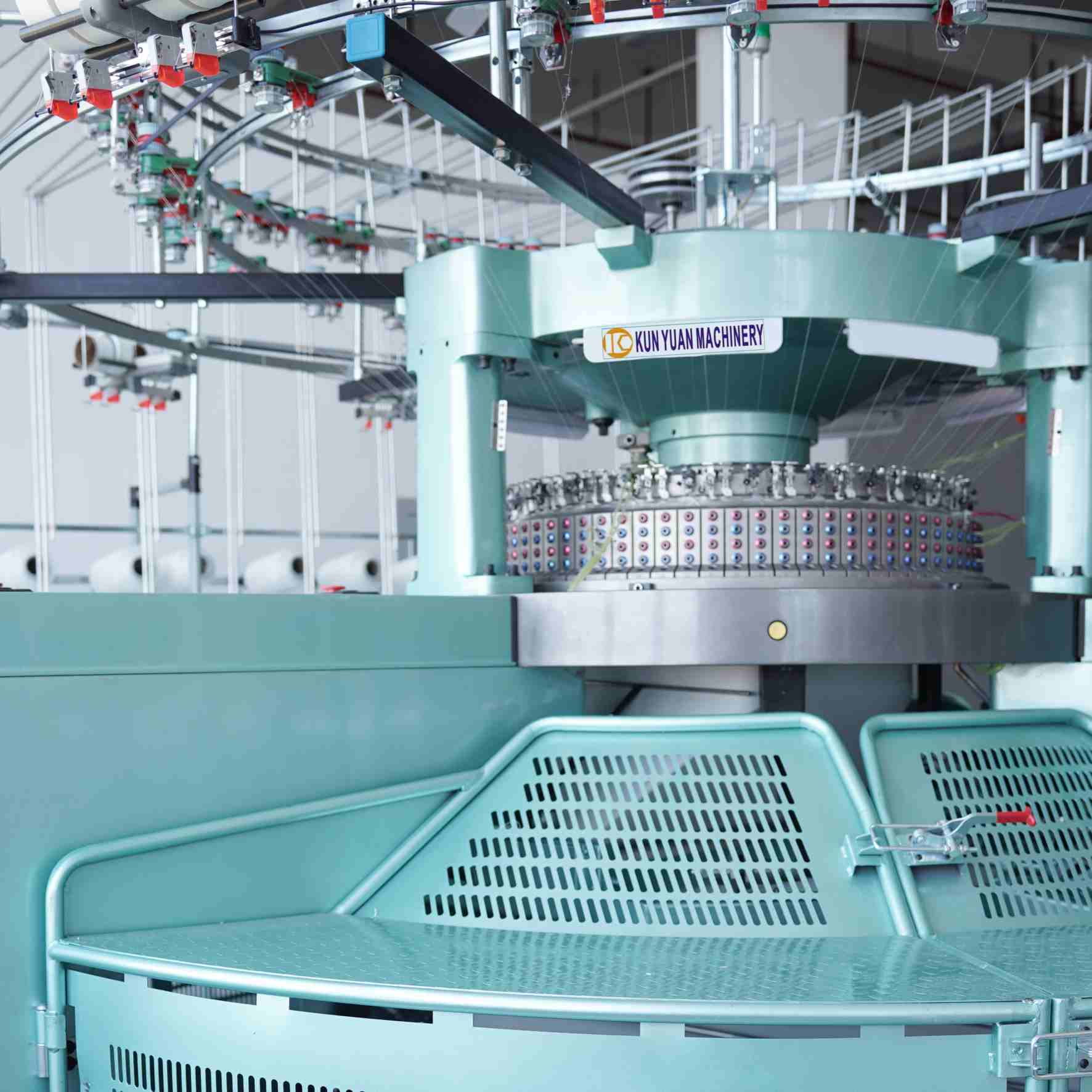
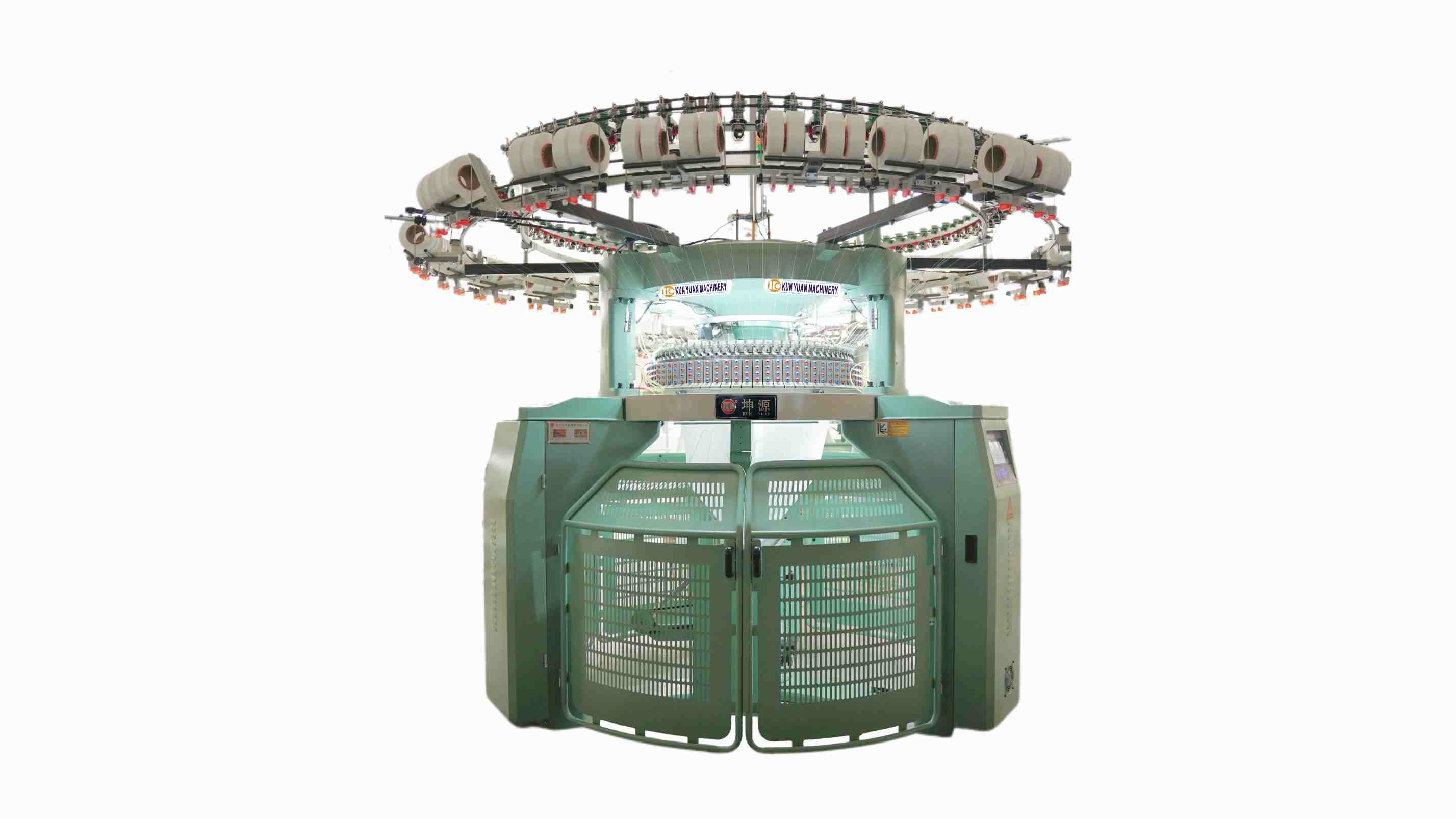
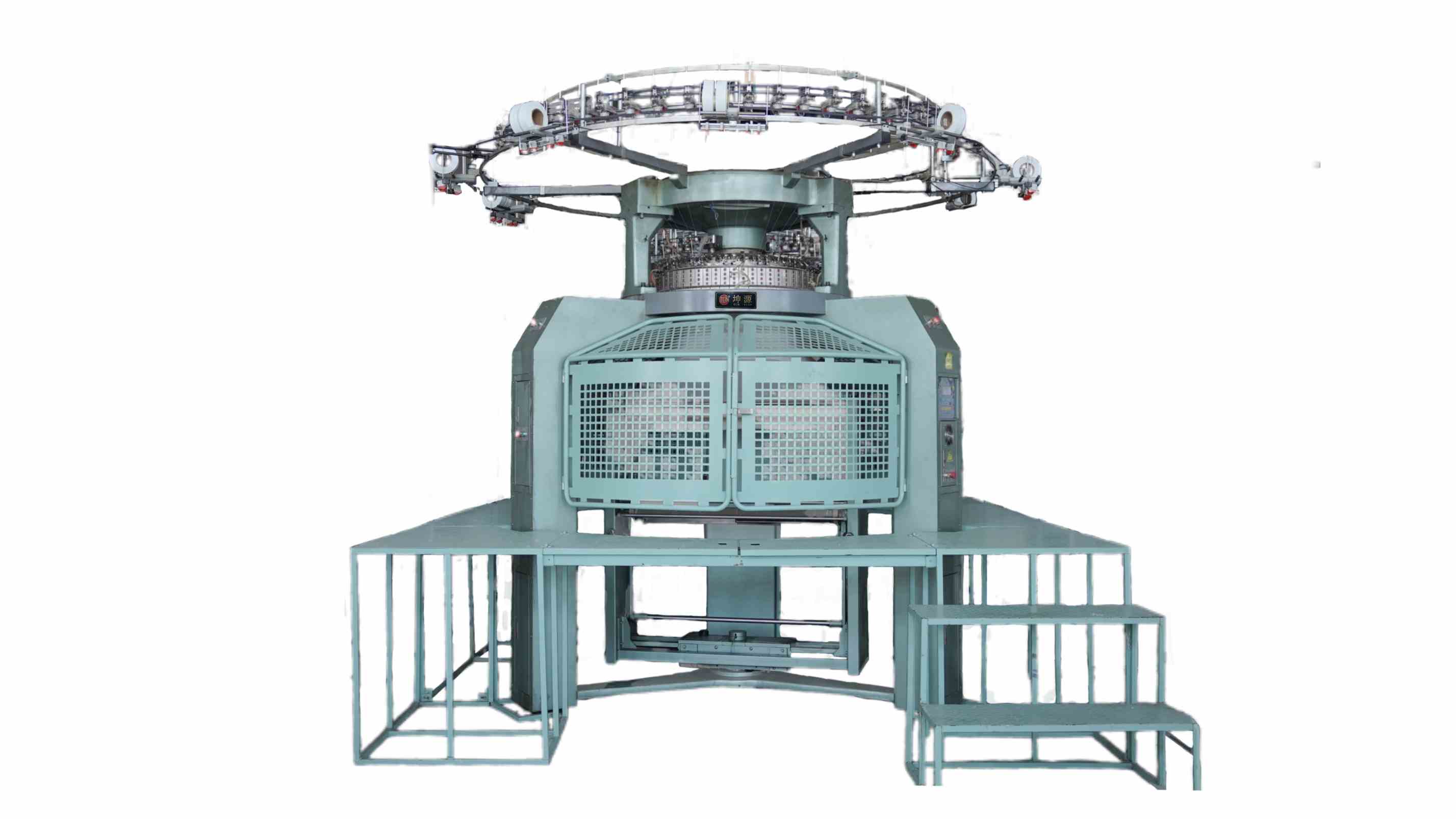
Use the release register when reviewing the automatic circular knitting machine range and adapt every gate to the final machine documents, mill procedures and intended production recipe.




 Tel: +86-13859034518
 Email: info@kunyuanmachine.com
 MP/WhatsApp: +86-13859034518
 Manufacturer Address:Bacuo Village, Yonghe Town, Jinjiang City, Fujian Province