Hot Keyword:
YOUR POSITION:HOME > Blog >

Circular Knitting Machine FAT and SAT: Split Factory Proof from Mill Release

Author:KUNYUAN Machine Manufacturer TIME:2026-09-06

MENU
Commissioning evidence gates

A successful factory run and a released mill asset answer different questions

Factory acceptance proves the agreed machine can produce a controlled sample before shipment. Site acceptance proves the delivered build, local utilities, operators and finishing route can reproduce the agreed result after installation.

Write two protocols before the machine is packed. The FAT protocol identifies the quoted model, serial or build reference, installed options, buyer yarn, target structure, observation period and evidence package. The SAT protocol adds transport inspection, foundation and utilities, reassembly records, safety handover, local yarn handling, operator responsibilities and finished-fabric release. Keeping the protocols separate prevents a clean factory sample from being treated as proof of an untested mill installation.

Use manufacturer documents for the exact configuration and qualified roles for installation or protected service. Do not invent universal alignment, electrical, lubrication or speed limits. The commercial agreement should state who supplies instruments and yarn, who witnesses each step, which deviations stop the gate, and how a failed result is corrected and repeated. Samples, settings and files need controlled identifiers rather than labels such as final or approved copy.

Gate 01 - bind the factory trial to one deliverable build

Reconcile the quotation, machine plate, model suffix, diameter, gauge, feeds, knitting system, controls, yarn devices, take-down, detectors and paid options. Photograph identifiers and list buyer-supplied or excluded items. Record software and pattern-file revisions where they influence the trial. A portfolio page can frame the family, but only the offered build belongs in the acceptance record.

Load identified buyer yarn and document conditioning, package map, structure and intended finish. Mark the roll at warm-up, stable observation, package event, planned stop and restart. Retain both fabric faces and the full width or circumference. The FAT gate passes only when the evidence can be traced to the physical machine that will ship.

Gate: One machine identity, option list, yarn set and marked factory sample reconcile without borrowed specifications.
Gate 02 - preserve configuration through packing, transport and reassembly

Create a packing register for removed assemblies, change parts, tools, documents, backups, samples and critical spares. Photograph reference positions before dismantling and use qualified procedures for lifting, preservation and transport. The receiving inspection records package condition, shortages, impact evidence and corrosion or contamination before assembly begins.

Installation evidence should identify foundation and utility readiness against the supplied requirements, then record reassembly, permitted checks and unresolved deviations. A damaged connector, missing feeder or different local service condition is not a fabric-setting problem. Hold the corresponding SAT step until the physical transfer is reconciled and the responsible supplier or installer accepts the correction route.

Gate: Packing records, receiving inspection and reassembly evidence account for the accepted factory configuration.

Gate 03 - repeat the fabric route with site utilities and mill operators

Start SAT only after the machine's required power, compressed air, environmental conditions and other declared services are verified by qualified personnel. Use the controlled factory setup as a comparison point, then document every site-specific change. Run the same buyer-yarn structure across warm-up, stable production, routine package handling, stop and restart while mill operators perform their assigned work.

Inspect the marked fabric using the same lighting, orientation and defect rules used at FAT. Send an identified section through the named relaxation, dyeing or other commercial finish. Site release requires accepted finished fabric, not only stable rotation or an unmeasured greige roll. If the result differs, isolate transport, utility, setup, yarn, operator and finishing layers one at a time.

Gate: The installed machine repeats the agreed finished result with mill staff and site services under recorded conditions.

Gate 04 - transfer records, competence and open items before production release

Assemble the as-delivered configuration, manuals, electrical and parts records, backups, accepted pattern files, settings, samples, training attendance, maintenance responsibilities, warranty contacts and spare-part list. Separate completed punch items from deferred work with owners and due dates. A verbal promise or loose message should not silently expand the accepted machine scope.

Require the receiving team to retrieve the correct file, load the documented route and explain the stop and escalation boundary. Record which observations are routine operator tasks and which adjustments or protected areas require qualified service. Production ownership transfers only when the mill can reproduce the accepted route and locate the evidence needed after a future style change or fault.

Gate: Signed handover leaves no unidentified file, unresolved safety item or ownerless acceptance deviation.
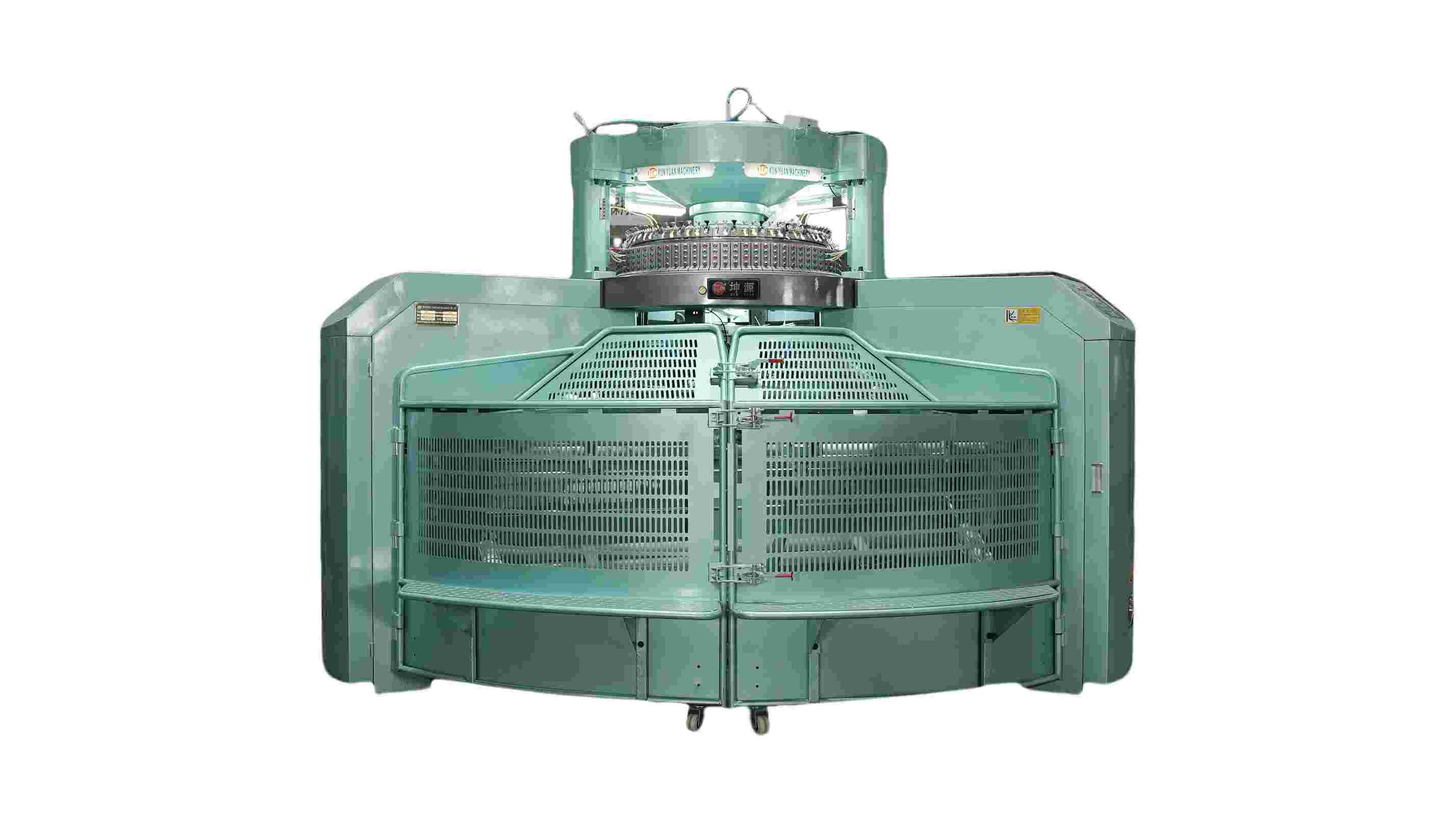
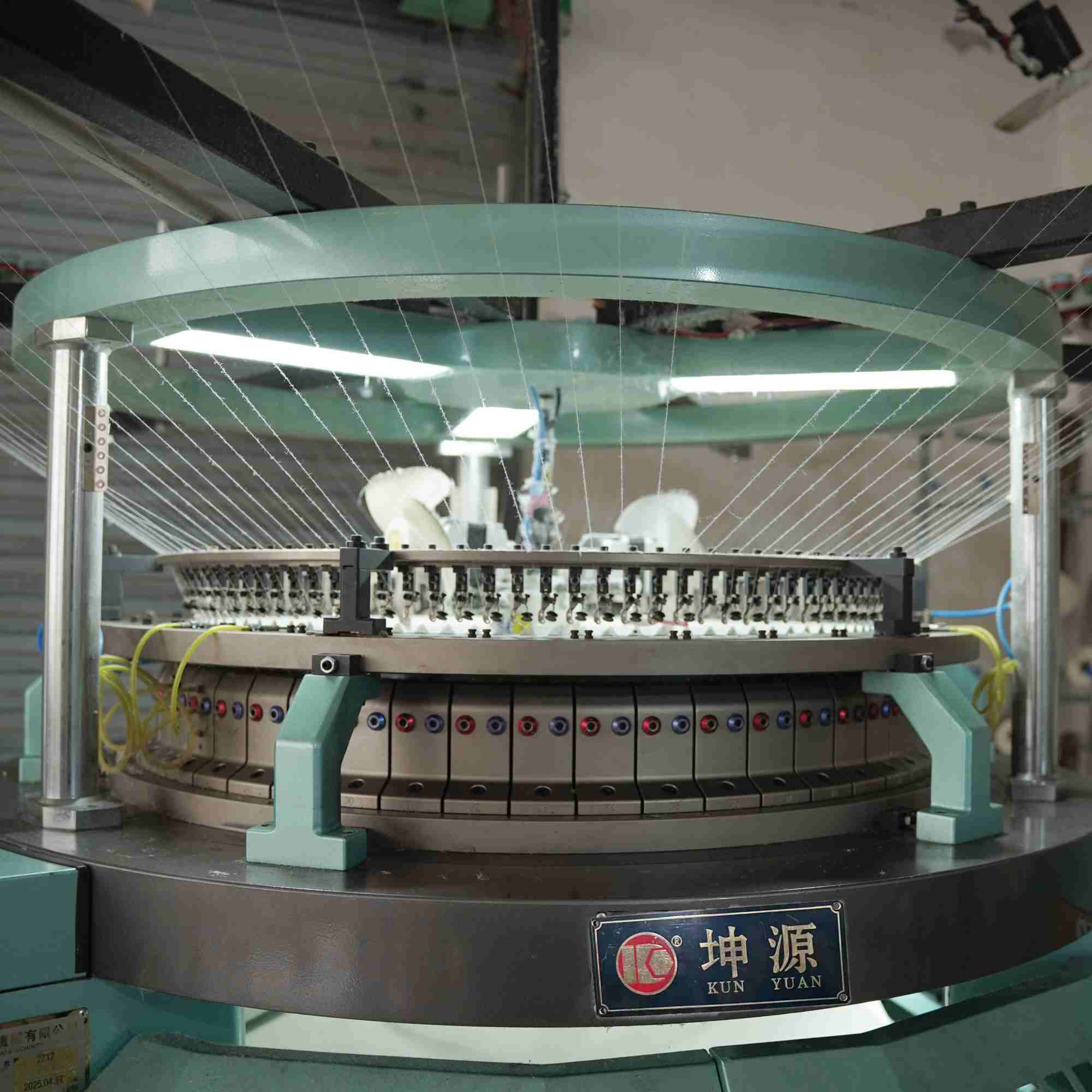
Circular knitting machine factory acceptance identity inspection
Bind the factory trial to the exact build that will ship.
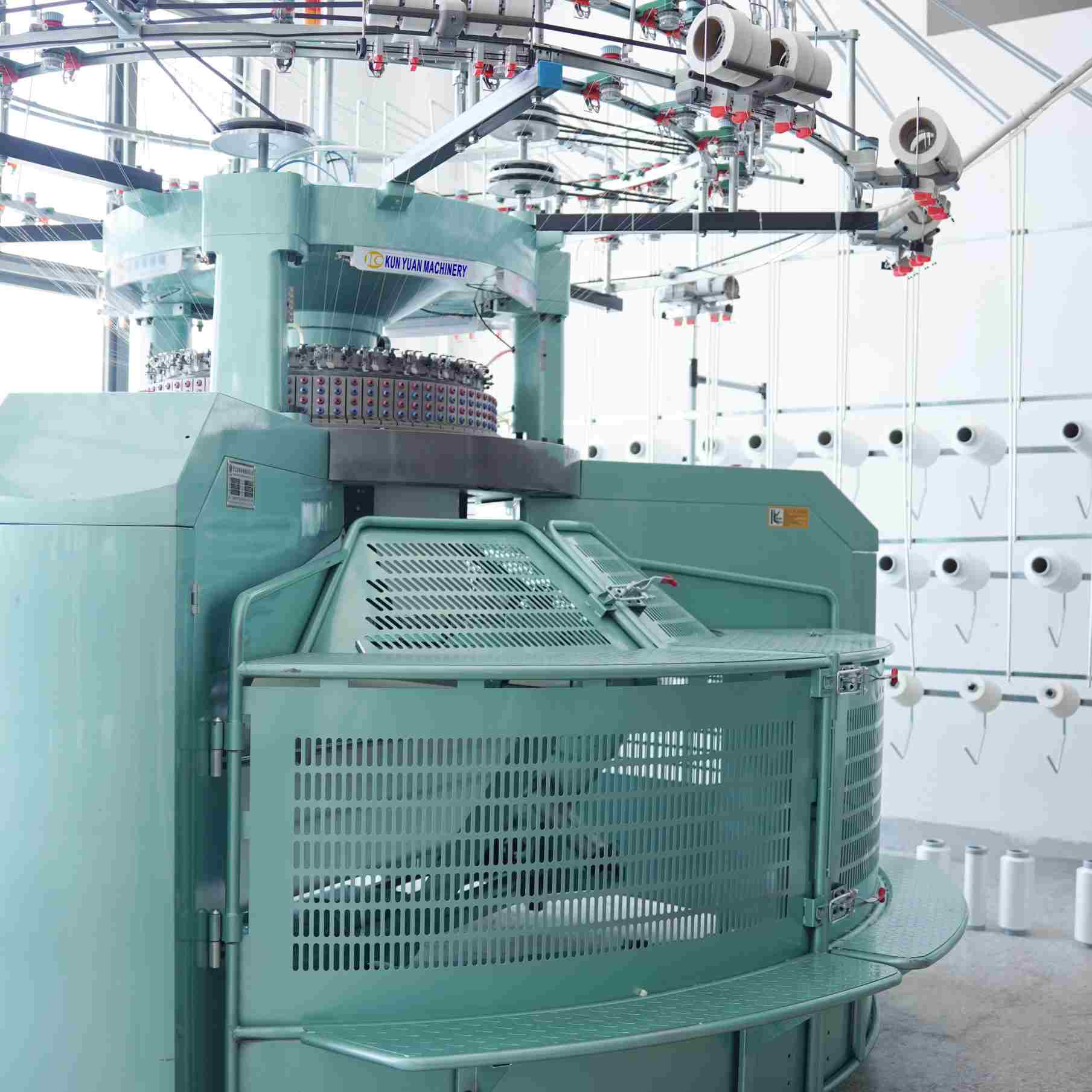
Buyer-yarn sample and machine configuration evidence for FAT
Mark operating events and retain the finished comparison sample.
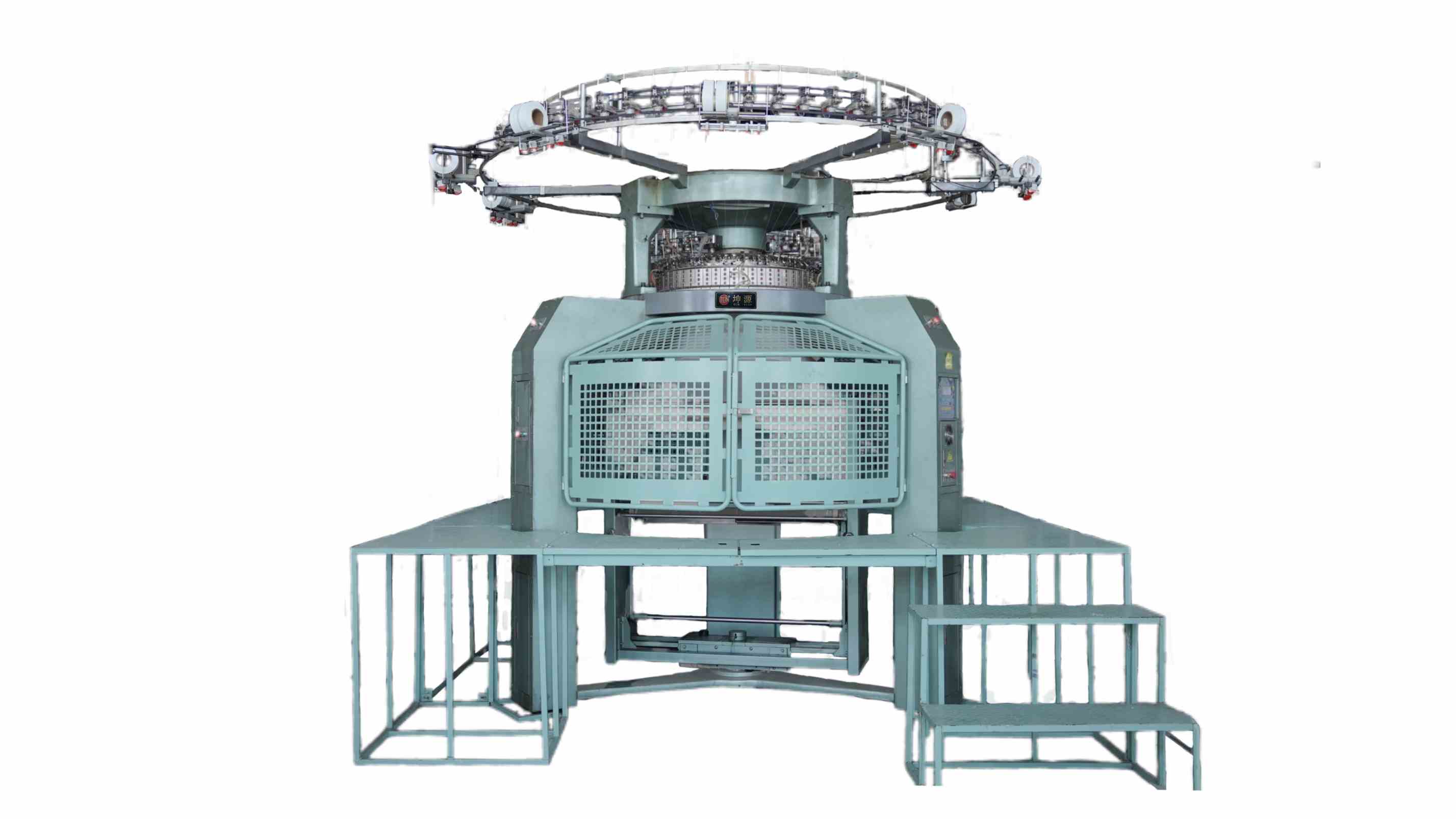
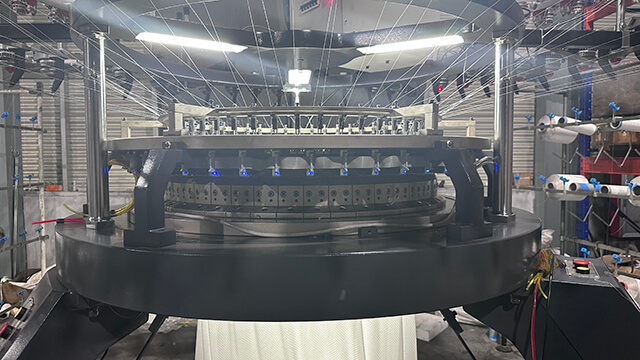
Installed circular knitting machine site acceptance and handover
Release the site only after local conditions reproduce the agreed route.

FAT-to-SAT responsibility ledger

StagePrimary proofWitnessHold condition
Factory identityBuild and option registerSupplier and buyerConfiguration mismatch
Factory fabricMarked buyer-yarn runNamed trial teamFinished criteria fail
Site installationUtilities and reassembly recordQualified site rolesUnresolved transfer issue
Site releaseRepeated finished sampleMill and supplierEvidence cannot be reproduced

FAT and SAT questions

Can FAT replace SAT?

No. FAT tests the controlled factory condition; SAT verifies the delivered machine with the mill's installation, people and production route.

Should the fastest observed RPM define acceptance?

No. Accept a stable buyer-yarn run and finished quality under a stated configuration, not an isolated panel reading.

What travels with the factory sample?

Keep machine identity, setup revision, yarn lots, roll marks, inspection results and the exact finishing condition.

Who may perform installation adjustments?

Use the machine documentation and qualified roles defined by the supplier and mill; this protocol does not authorize protected service.

When does handover finish?

After the receiving team can reproduce the accepted route and every open item, file and responsibility has a controlled owner.

Scale-up conclusion

FAT reduces pre-shipment uncertainty; SAT controls the new uncertainty introduced by transport, installation and local operation. Treating them as connected but separate gates makes commercial release defensible. The final evidence package should let a different shift identify the machine, repeat the approved fabric route and know exactly when to hold production rather than improvising around a deviation.

Attach the two protocols when reviewing the circular knitting machine range so the quoted build, factory proof and mill release remain one traceable purchase record.

□ Gates complete
Need Help?
Please leave your contact information to get our latest catalog
Get In Touch Now >
Kunyuan Machinery Manufacturer

Tel: +86-13859034518

Email: info@kunyuanmachine.com

MP/WhatsApp: +86-13859034518

Manufacturer Address:Bacuo Village, Yonghe Town, Jinjiang City, Fujian Province

NEW KEYWORD

About Us

Products

Information