Loop height must stay traceable from yarn role to the finished absorbent surface
The visible pile begins in a controlled yarn and loop relationship, then changes under take-down, relaxation, wet processing and drying. A greige ruler reading cannot approve the commercial terry alone.
Define the target fabric before discussing settings: pile side, ground construction, yarn materials and counts, finished weight and width, loop-height method, density, pull or snag criterion, absorbency method if required, surface uniformity and intended wash or finishing route. Identify whether the required pattern is plain, plated, colour-controlled or jacquard and confirm that the offered system can execute it.
Record pile and ground packages separately through every feeder and preserve roll coordinates. Manufacturer portfolios show different terry and pile machine families, so use model-specific documentation for sinkers, cams, yarn paths, take-down and approved adjustments. This process guide does not provide universal values. Release depends on a buyer-yarn fabric that remains acceptable after the exact wet and thermal history.
Flow 01 - separate pile and ground yarn identity at package entry
Label every yarn by material, count, lot, package position and assigned role. Record conditioning and any differences in twist, finish or package build that could alter delivery. Trace the route to the intended feed using the machine documentation and photograph the accepted threading state.
When a loop-height band begins, retain the active pile and ground packages rather than changing both. Compare package events and tension-device observations within the permitted operating procedure. An unidentified replacement package breaks the link between a surface change and its upstream evidence.
Separate pile and ground yarn evidence from package entry.
Flow 02 - bind loop geometry to the exact knitting arrangement
Document machine model, gauge, needle and sinker system, relevant cams or tracks, active feeds and the approved setup reference. Measure loop height with one stated specimen and method, including whether the fabric is under tension, relaxed or conditioned. Do not combine readings taken under different states.
Inspect the complete circumference for missing loops, streaks, uneven pile, ground exposure and damage. Mark every setting change on the roll. If the target uses pattern selection, compare technical reverse and float or yarn-control behavior as well as the visible pile face.
Mark machine and roll events against the greige loop field.
Flow 03 - observe take-down and roll building as part of pile formation
Record the approved take-down and winding references, fabric path, roll condition and restart behavior. Uneven withdrawal can change local demand and distort the relationship created at the knitting point. Keep observations outside guarded areas and leave service adjustments to qualified personnel.
Compare left, center and right positions for open-width handling, or full-circumference positions for tubular fabric. Note edge pressure, folds, compression and storage time before inspection. A pile that is crushed during collection should not be diagnosed only at the yarn feeder.
Release loop height after the actual wet-finishing route.
Flow 04 - finish marked samples before releasing loop height
Cut identified pieces that include startup, stable production and any suspect band. Process them through the actual scouring, dyeing, washing, drying, raising, shearing or heat route included in the product specification. Record batch and orientation so loop contraction, opening or damage can be compared with greige evidence.
Repeat loop-height, weight, width and surface checks under the agreed conditioning. Add application tests such as absorbency or snag resistance only with stated methods. Release the route when finished pile remains uniform and functional without unacceptable ground exposure or loop damage.
Terry loop-height control points
Process point
Recorded input
Observed evidence
Release question
Yarn entry
Pile/ground lots and packages
Delivery event map
Are roles traceable?
Loop formation
Machine and system reference
Greige height and uniformity
Is geometry stable?
Withdrawal
Take-down and roll state
Compression and restart marks
Is handling neutral?
Wet finishing
Named process and conditioning
Finished loop and surface
Does the product pass?
Terry loop-height questions
Can greige loop height approve the final fabric?
No. Wet and thermal processes may change loop opening, height, density and surface condition.
Should pile and ground yarns share one record?
Keep their roles and package positions separate so a change can be located.
Does a terry machine make every pile pattern?
No. Confirm selection, feeds, sinker or cam system and installed options for the exact target.
Why inspect the technical reverse?
Ground exposure, floats and yarn-control faults may be hidden by the visible pile face.
What closes the trial?
A marked buyer-yarn sample that meets loop, surface, dimension and stated application checks after finishing.
05
Conclusion
Terry loop height is not one isolated setting. It is the visible result of two yarn roles, a documented knitting system, controlled withdrawal and a specific finishing route. Following that chain lets the mill distinguish a package event from loop formation or roll compression and release only the commercial surface that the actual machine and process can repeat.
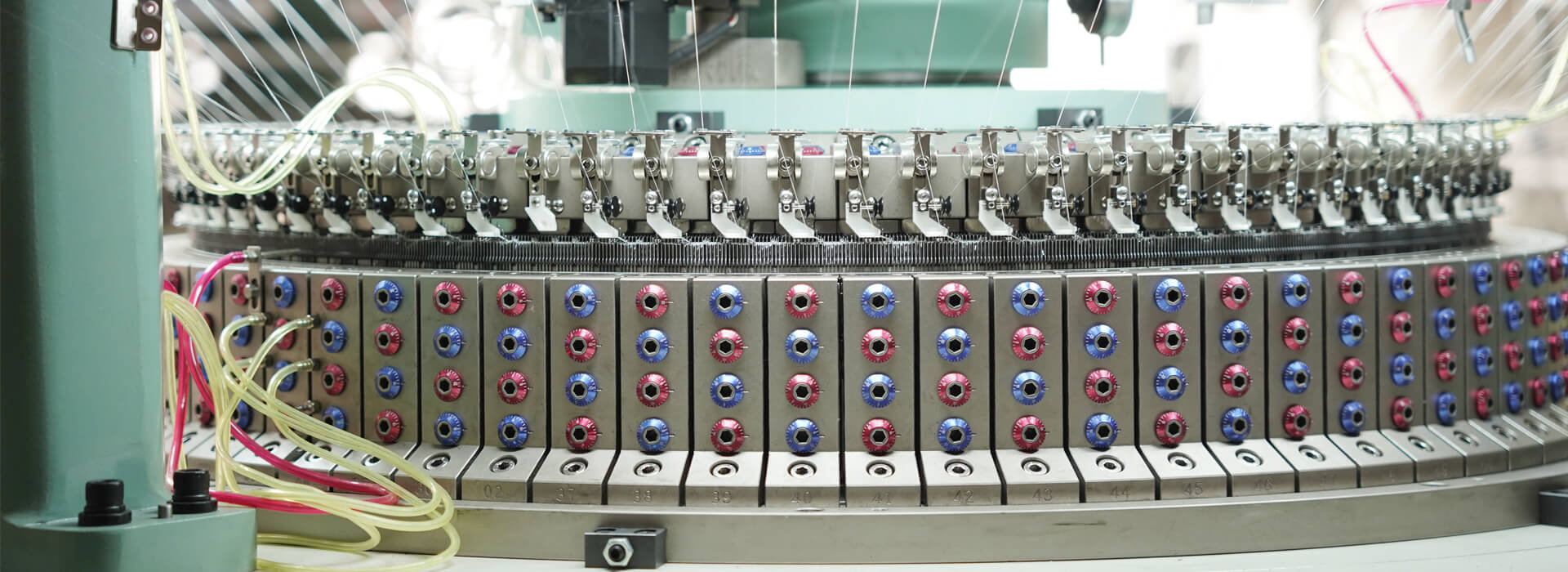
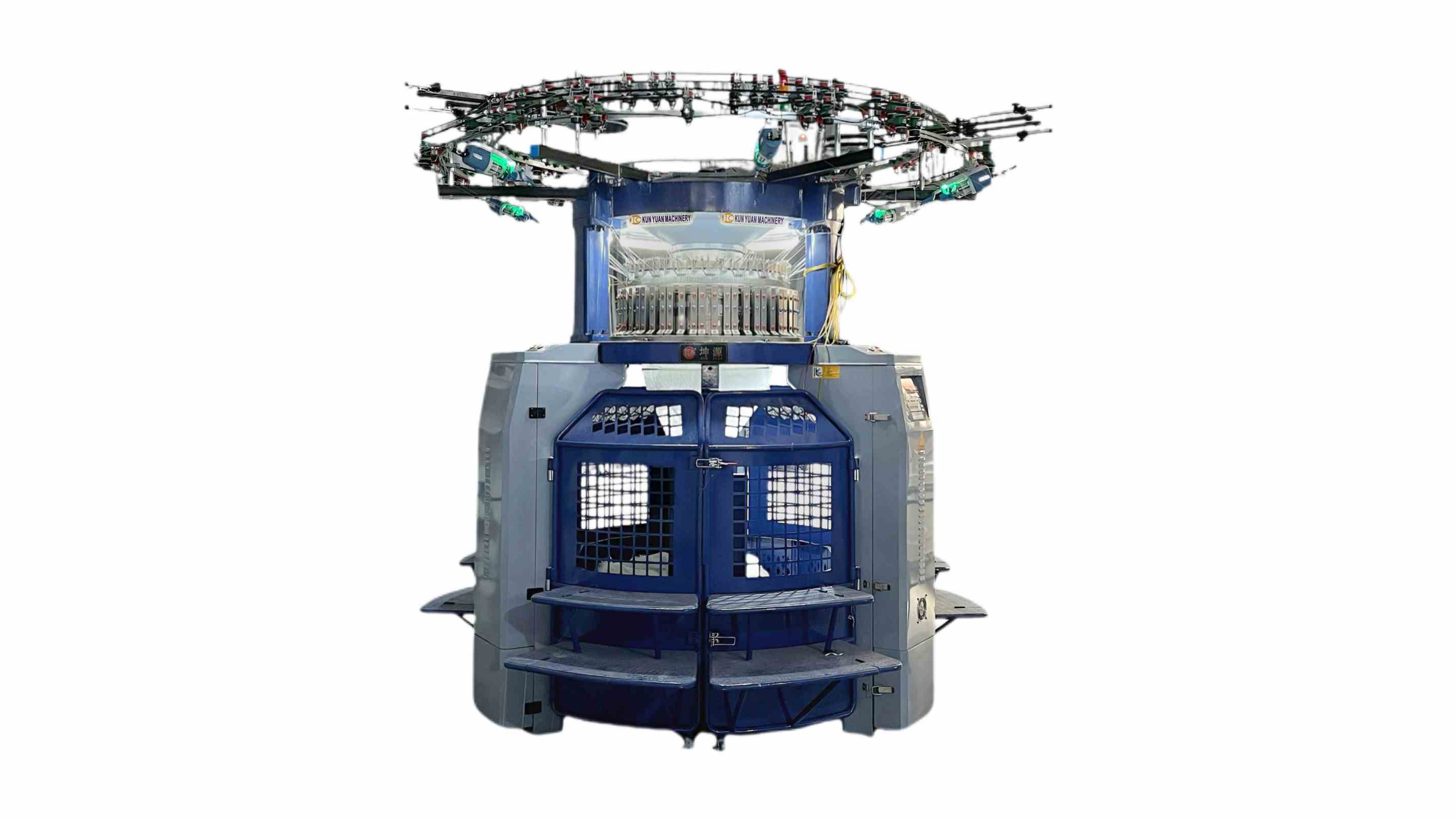
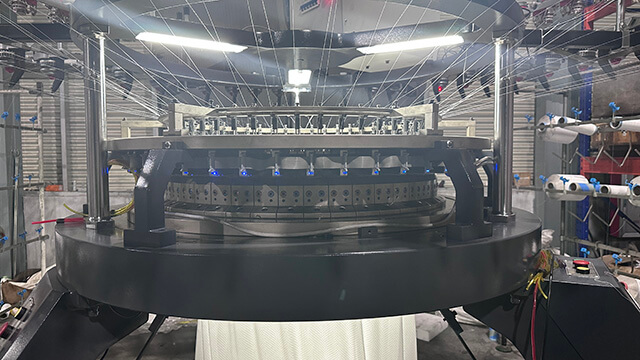
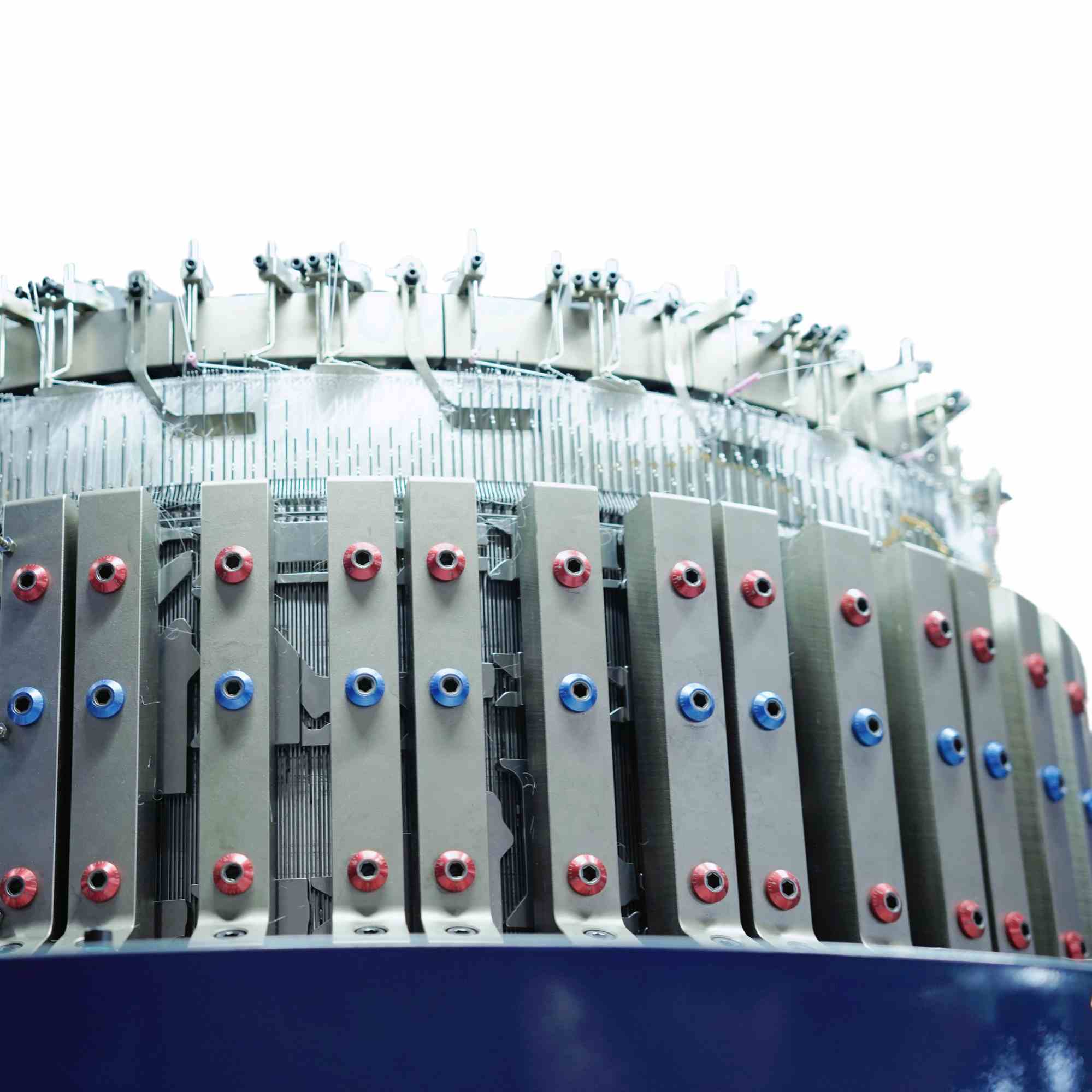
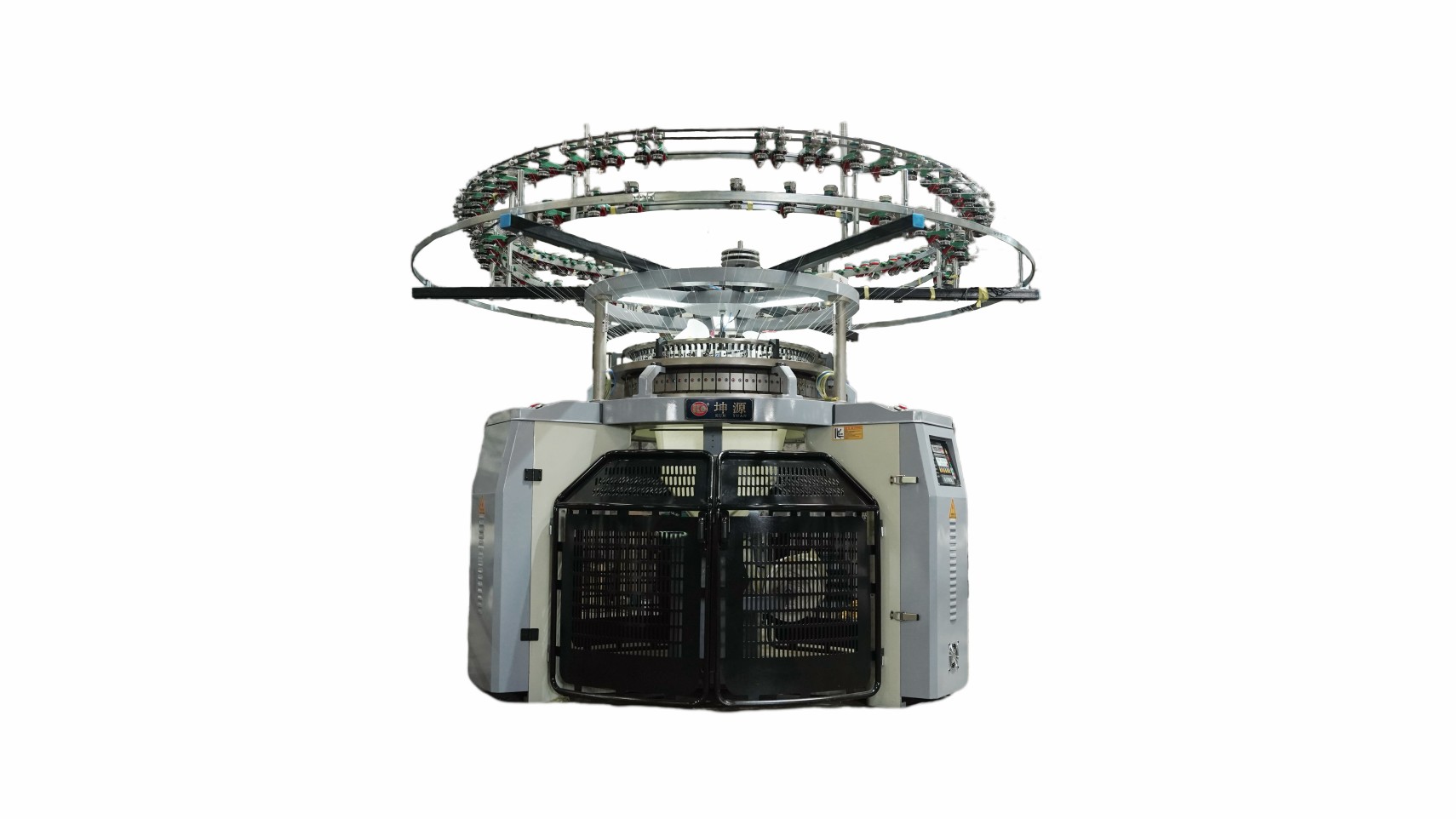
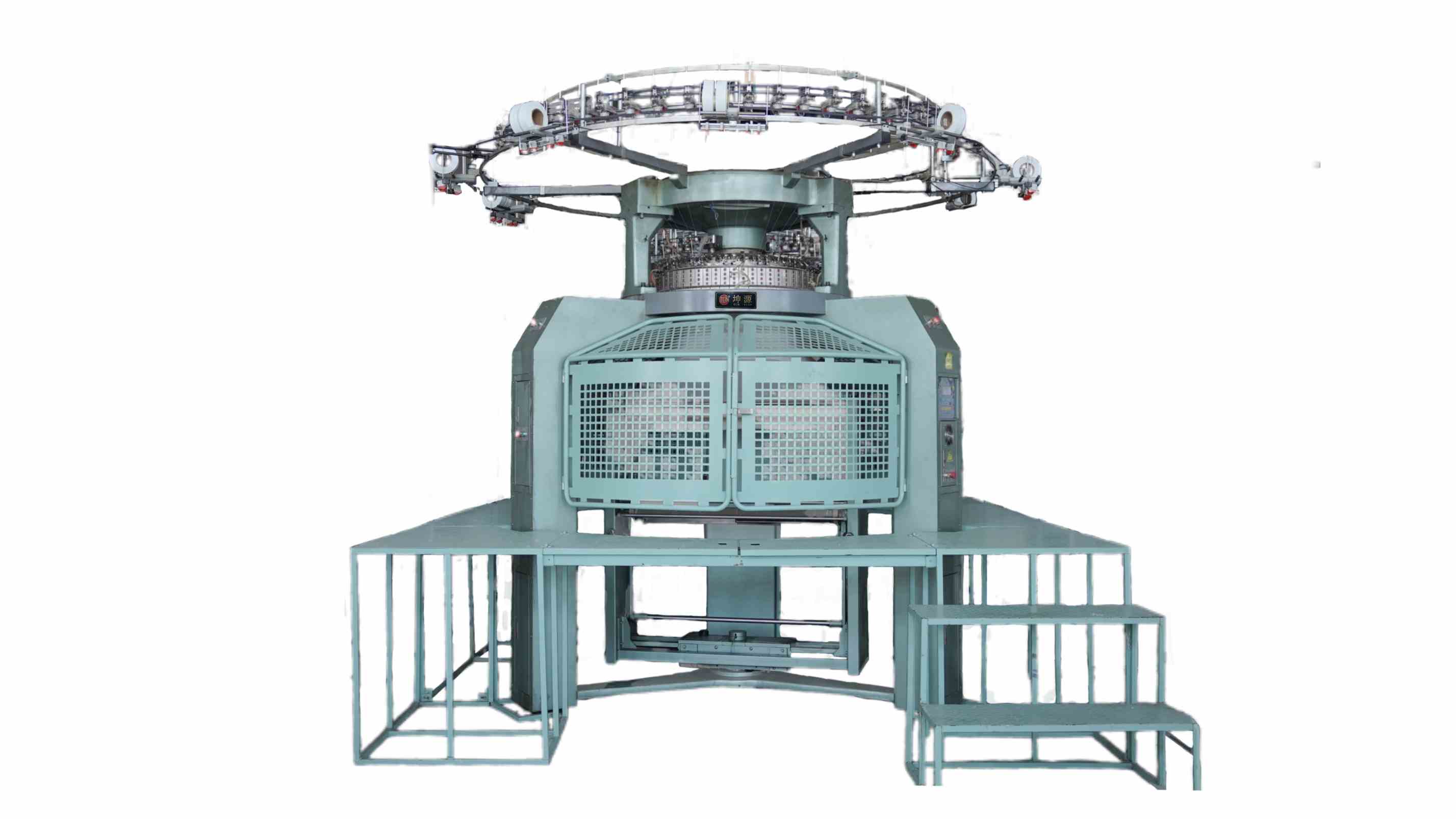
Use the process sheet while reviewing the terry jacquard circular knitting machine range and require the finished pile sample, yarn map and exact installed system to share one trial number.





 Tel: +86-13859034518
 Email: info@kunyuanmachine.com
 MP/WhatsApp: +86-13859034518
 Manufacturer Address:Bacuo Village, Yonghe Town, Jinjiang City, Fujian Province