Tie each size to one knitting configuration.OpeningCore zoneTransition
Base-layer grading sheet
Anchor zones to body landmarks so grading does not move function away from fit
A base layer combines close dimensions, openings and mapped structures. Scaling a digital pattern can shift ventilation, support or transition areas unless every released size is checked after finishing.
Create a zone sheet for the actual garment. Record chest or torso circumference, body length, armhole or leg opening as relevant, hem or cuff dimensions, relaxed and extended states, opacity, recovery and named functional areas. Mark the body landmarks that each zone should reach. Add yarn roles, program revision, machine and cylinder identity, separation method and finishing condition to every sample.
Do not treat a machine's nominal diameter range as a finished-size chart. Yarn, structure, stitch basis, relaxation and thermal history all influence the result. Where a new size needs another cylinder, needle count, yarn mapping or pattern family, show that branch explicitly. Evaluate comfort and performance only with product-specific methods; this page does not support medical or universal thermoregulation claims.
Zone 01 - grade openings as fit systems, not decorative edges
Specify relaxed dimension, controlled extension and recovery for neck, arm, waist, cuff or leg openings included in the design. Identify elastomer or reinforcement yarn, path and transition into the body. Measure after the intended conditioning and use the same method for every size.
Inspect ridges, exposed yarn, pressure concentration, rolling and local opacity while the opening is relaxed and extended. An overall garment circumference inside tolerance cannot compensate for an opening that loses recovery or creates discomfort.
Zone 02 - map support and ventilation to stable body landmarks
Draw the intended zone on the garment and record start and end courses, needle region, yarn role and transition. Fit the sample on the approved form or wearer protocol and compare zone position with the named landmark. Inspect both technical faces under the expected stretch direction.
When grading, document whether placement is scaled, shifted or rebuilt. A percentage enlargement can move a zone too far even when girth is correct. Retain annotated photographs and the exact file used for each released size.
Zone 03 - separate width grading from length and course-count decisions
Record body length and the distances between openings and functional zones after finishing. Width changes, stitch changes and yarn response can alter vertical placement even when the digital artwork looks proportional. Use course references and a finished measurement sheet rather than screen coordinates alone.
Mark stop-restart or yarn-change bands and verify they do not coincide with a high-stretch transition. If a larger size requires another construction or knitting route, open a separate controlled sample instead of forcing one recipe across the range.
Zone 04 - confirm grading after laundering and a second production sample
Launder or process the identified garment under the intended care route, then condition and repeat all critical measurements. Compare seam or side movement, zone placement, opacity, opening recovery and surface appearance with pre-care marks. Keep results by size rather than averaging the grade.
Have mill operators reproduce one central and one boundary size from the controlled records. A grading system is released only when the second pieces match the accepted dimensions and mapped zones without unrecorded program edits.
Anchor zones to wearer landmarks, not screen coordinates.Repeat measurements after the stated care route.
Base-layer zone grading matrix
Fit area
Grade input
Finished check
Drift warning
Opening
Dimension and elastomer role
Extension and recovery
Pressure or rolling
Core zone
Course/needle map
Body-landmark placement
Scaled artwork only
Body length
Course and finish basis
Vertical zone distances
Width assumed to control length
Whole garment
File, yarn and size identity
Post-care repeat sample
Untracked edit
Seamless base-layer grading questions
Can digital scaling alone grade the zones?
No. Verify each size against finished body landmarks and the intended stretch condition.
Why measure openings separately?
They have their own yarn, construction, extension and recovery behavior.
Does nominal cylinder size equal garment size?
No. Finished dimensions also depend on needle count, yarn, structure, stitch basis and processing.
Should length follow the same percentage as girth?
Not automatically. Control vertical distances and zone placement with their own course and finished measurements.
What proves the grade?
Repeat central and boundary garments that retain fit and zones after the specified care route.
Conclusion
Zone grading succeeds when the file remains connected to finished body landmarks. Openings, core structures and length each need independent measurements, then must survive care and repeat production. This prevents a visually scaled pattern from moving function away from the wearer or concealing that a boundary size needs a different machine or construction route.
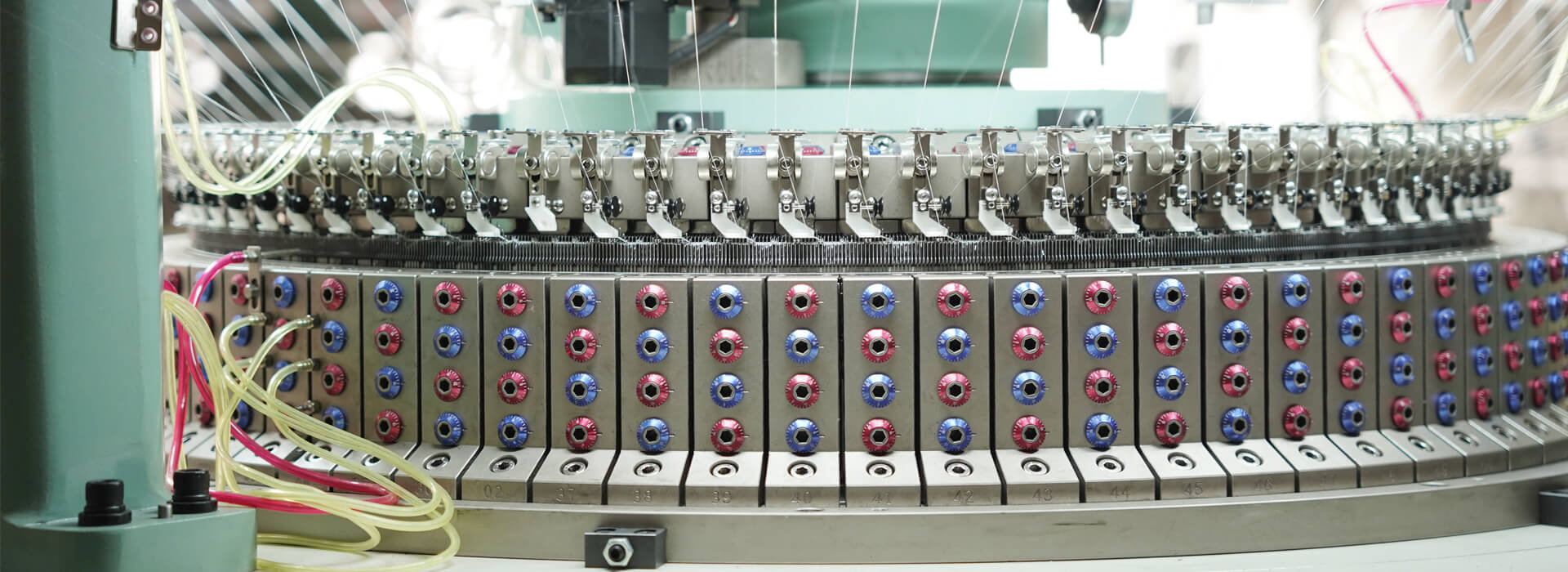
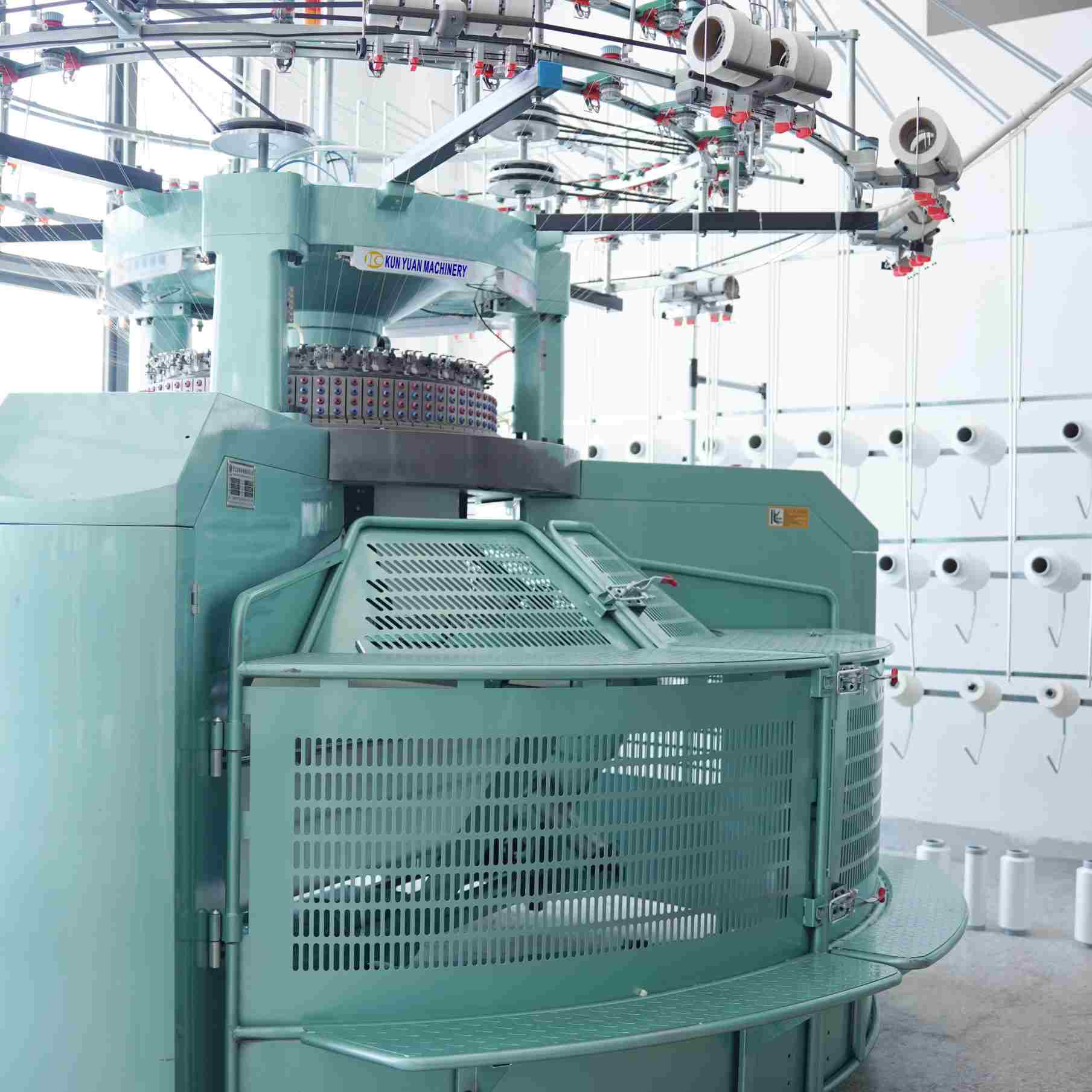
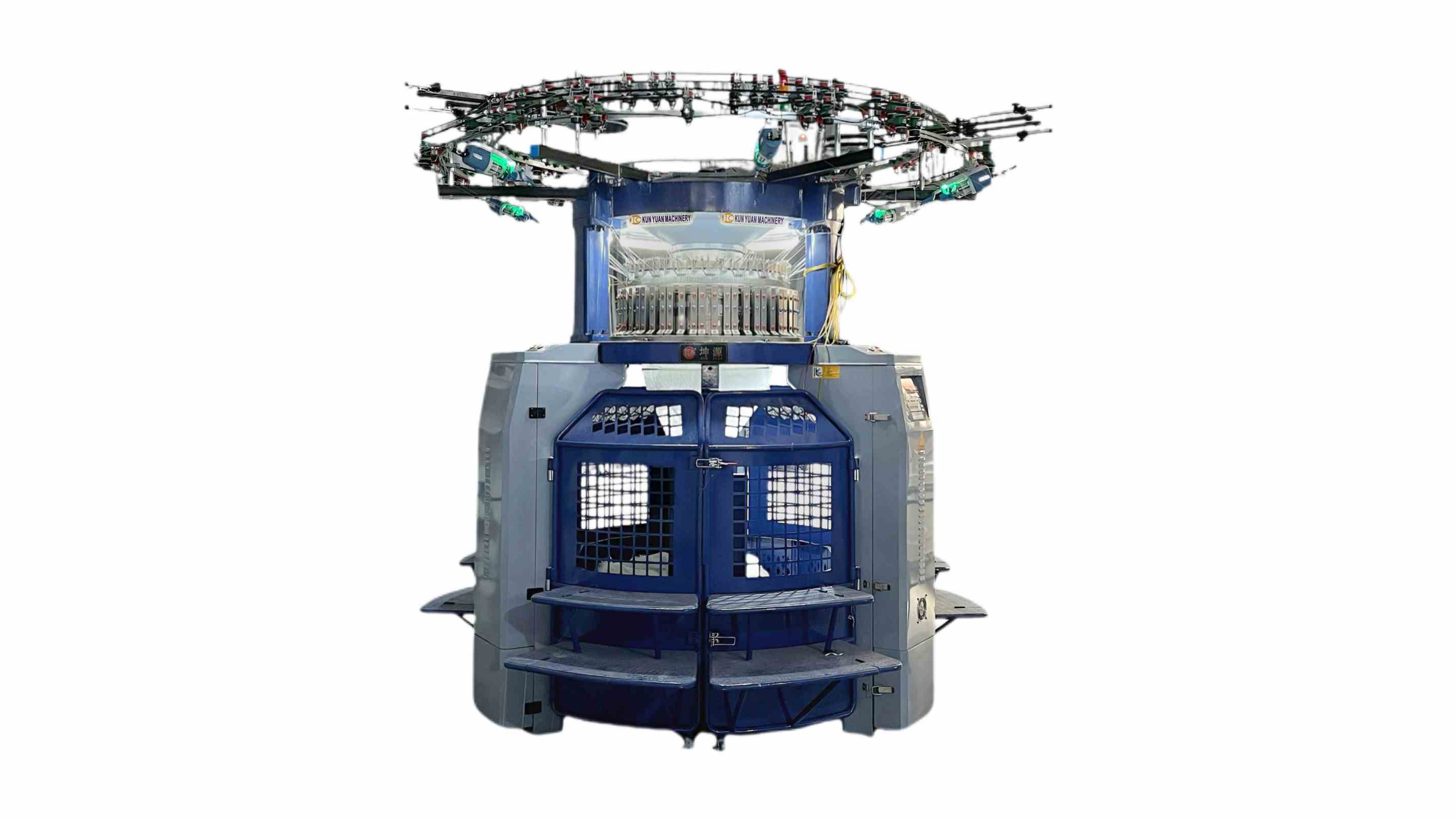
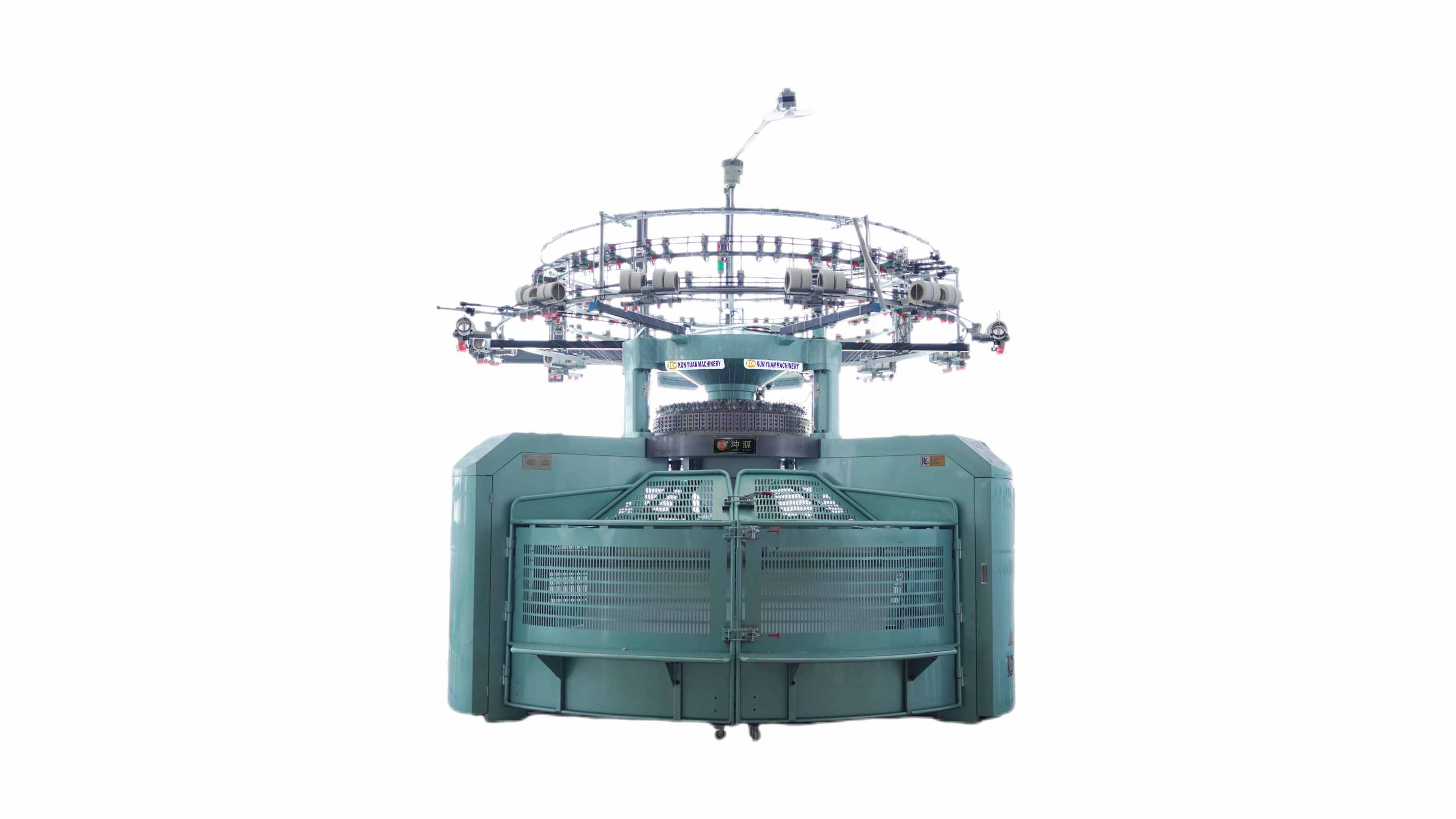
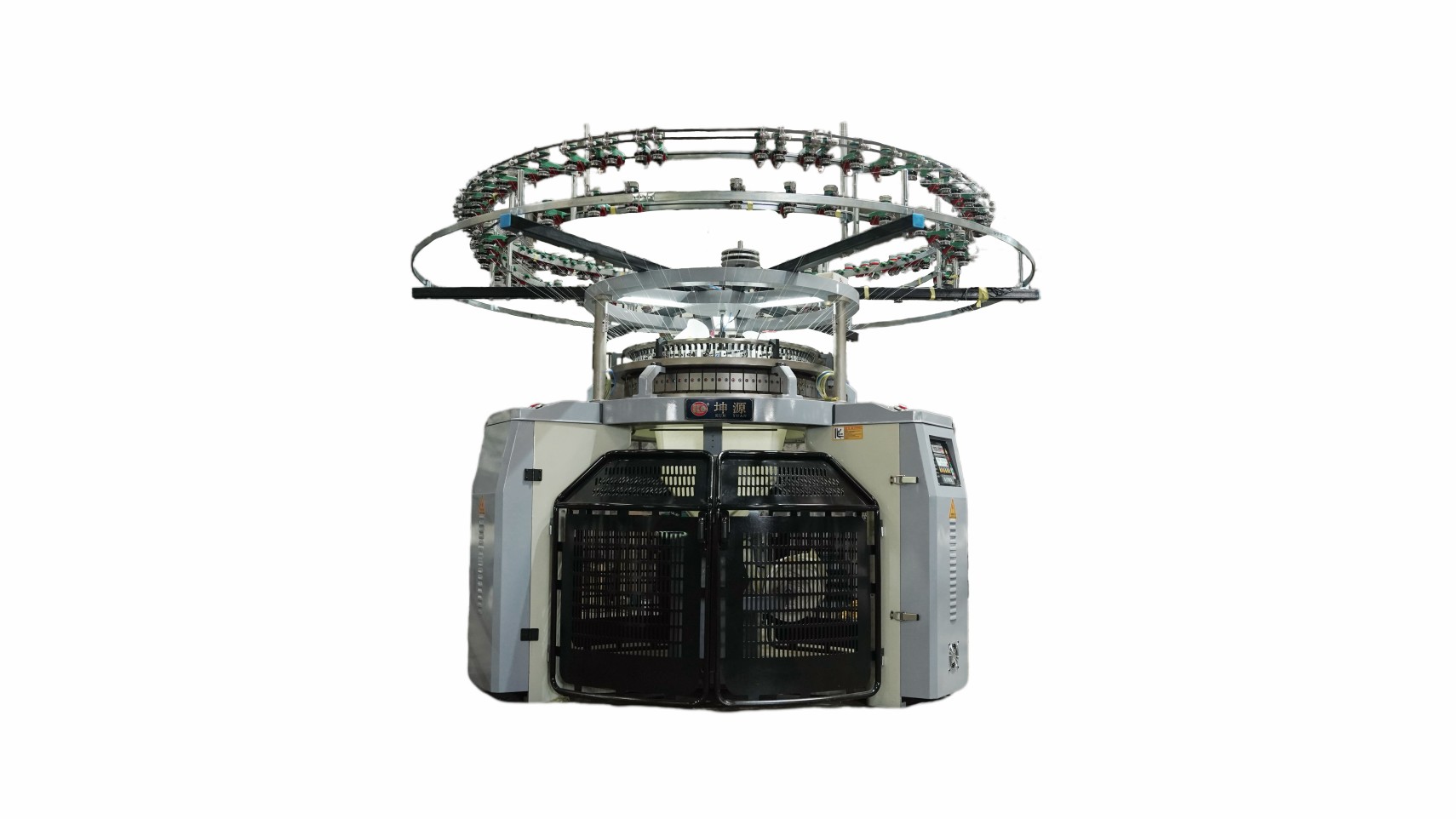
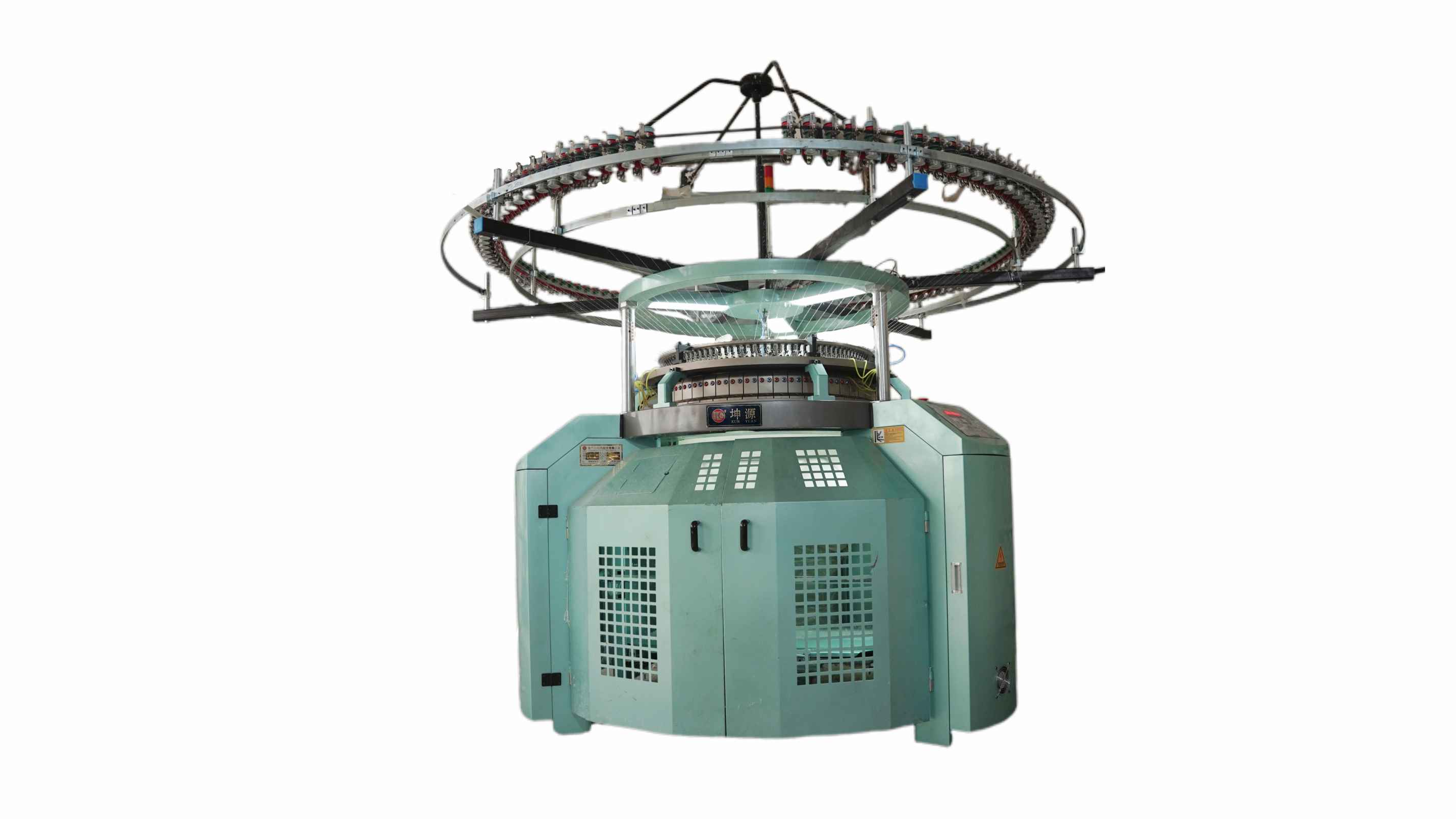
Use the grading sheet while reviewing the body-size circular knitting machine range and require every released size family to name its machine, file, yarn and finished landmark evidence.







 Tel: +86-13859034518
 Email: info@kunyuanmachine.com
 MP/WhatsApp: +86-13859034518
 Manufacturer Address:Bacuo Village, Yonghe Town, Jinjiang City, Fujian Province