Hot Keyword:
YOUR POSITION:HOME > Blog >

Circular Knitting Machine Return from Storage: Close the Preservation Record Before Restart

Author:KUNYUAN Machine Manufacturer TIME:2026-10-26

MENU
Preservation-to-operation handover

The storage interval is part of the machine's history

A familiar machine can return with an unfamiliar condition after standing idle. The useful starting document is its preservation record: what was protected, what changed during storage, and who can now clear each exception for a controlled restart.

Groz-Beckert identifies humidity and temperature fluctuations as corrosion risks for knitting elements and describes protective packaging for its parts. That supports checking the history of protected components; it does not prescribe how to preserve or reactivate a complete machine. The UK's HSE maintenance guidance highlights competent personnel, planned work and hazards from unexpected startup or stored energy. Use that safety context without treating UK guidance as universal law; the site's applicable requirements and exact OEM instructions govern qualified work.

This return plan assumes the mill already owns and identifies the machine and retains its previous operating records. Its purpose is to bridge an idle interval, rather than reassess a seller's promises. The worksheet below is an editorial record framework. Storage duration alone supplies neither permission to run nor proof that a component needs replacement.

Recover the last accepted condition and every preservation action

Start with the last accepted production record, the shutdown date and the machine configuration at that point. Attach the preservation instruction actually used, the person responsible and the dated record of completed work. Identify covers, protected parts, disconnected services and items removed to controlled storage. Distinguish an instruction that was issued from an action that was witnessed and signed.

Reconcile periodic storage observations, changes of location, roof leaks, damaged covers and any work performed while the machine was idle. Photographs can show what was present on a particular date, but cannot establish the unseen condition between visits. If a record is missing, mark the affected assembly and period as unknown. Build an exception list that a service specialist can assess without having to reconstruct the timeline from shift memories.

Gate: The machine identity, last accepted state and unresolved preservation gaps are recorded.
Translate exposure evidence into a qualified inspection scope

Compare the storage record with the machine's condition before cleanup removes useful evidence. Note where protection is intact, where moisture or residue is visible and where stored components have lost their labels. Preserve dated views of affected areas and the associated part identity. A clean outer cover does not establish that the knitting elements or protected internal assemblies stayed dry.

Ask the OEM or qualified service owner to define checks appropriate to the actual exposure and installed build. Removal, lubrication decisions, protective-material removal and mechanical or electrical intervention belong to that approved procedure. Do not specify a generic solvent, oil substitution or powered rotation as a way to discover whether the machine is free. Where corrosion or contamination is found, retain its location and the service disposition before replacing or cleaning the evidence away.

Gate: Each exposure exception has a documented inspection route and responsible qualified owner.

Give service completion and permission to operate separate signatures

The return dossier should identify the OEM instructions used for restoring services, checking protective functions and returning removed items to the installed configuration. Have qualified personnel document completion and exceptions. Reconcile current programs and parameters with the saved pre-storage revision, recording approved changes rather than silently overwriting the earlier baseline.

Permission to perform a controlled operating trial is a distinct decision from completing an individual service task. The responsible site owner needs the unresolved list, required restrictions and the safety clearance before assigning an operator. A reset display or extinguished alarm is not that clearance. Keep the machine on hold when a required protective function, compatible replacement or service record remains unresolved. State who can remove the hold and what evidence that person needs.

Gate: Qualified clearance supports a named trial scope, with unresolved restrictions still visible.

Close the idle interval with identified fabric and a new operating baseline

Use the authorized restart route with identified yarn and a fabric construction the machine previously produced. Mark the trial material and record the restored configuration, operator observations, stops and any intervention. Preserve the connection to the last accepted reference while recognizing that retained fabric may have aged or been stored differently. Record that limitation when comparing appearance.

Inspect the defined restart interval using the order's normal fabric checks and required finishing route. Keep service clearance, trial continuation and commercial fabric acceptance distinguishable in the dossier. If another correction is needed, start a new marked interval and retain the earlier result. The closeout entry should state the date of return, approved operating scope, outstanding monitoring needs and where the preservation history can be retrieved at the next planned shutdown.

Gate: The identified restart interval is accepted or held explicitly, and the return dossier is complete.
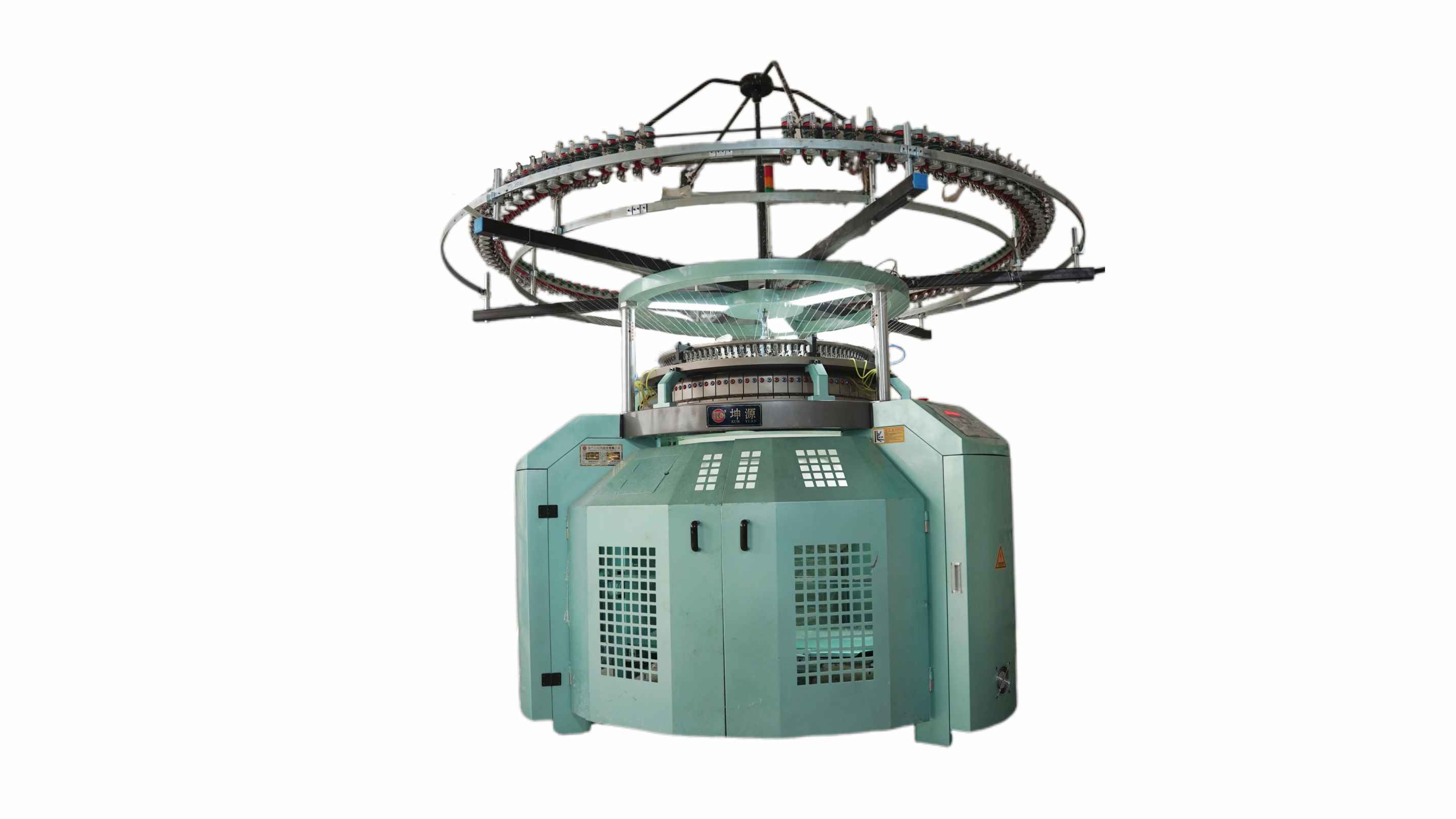
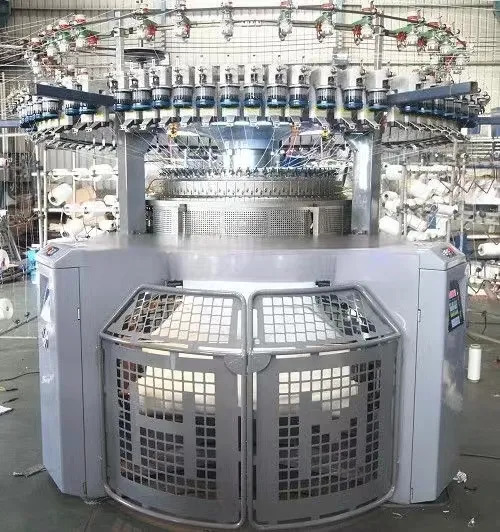
Kunyuan single jersey catalogue machine view
Single-jersey catalogue view; no stored-machine condition is shown.
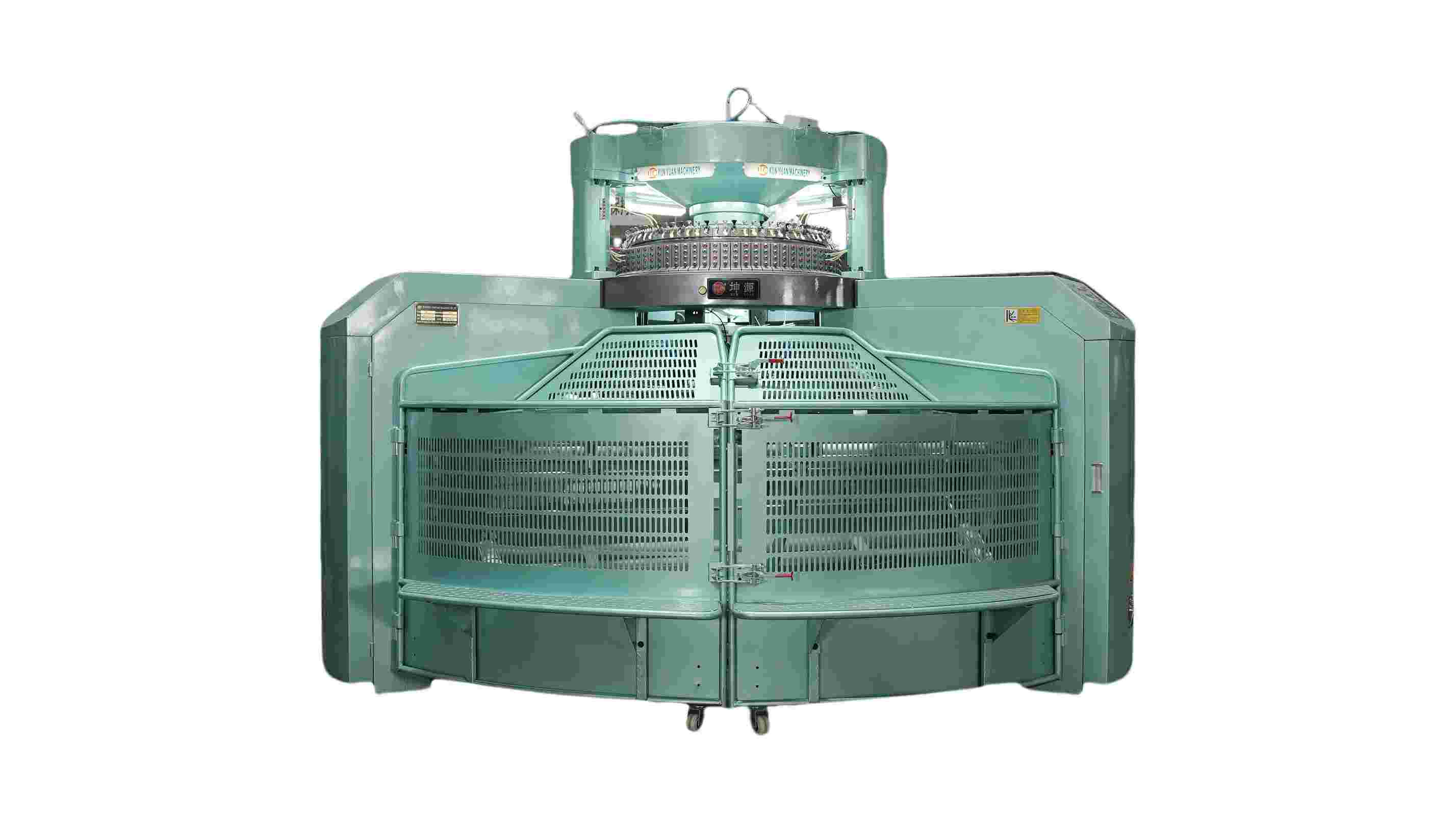
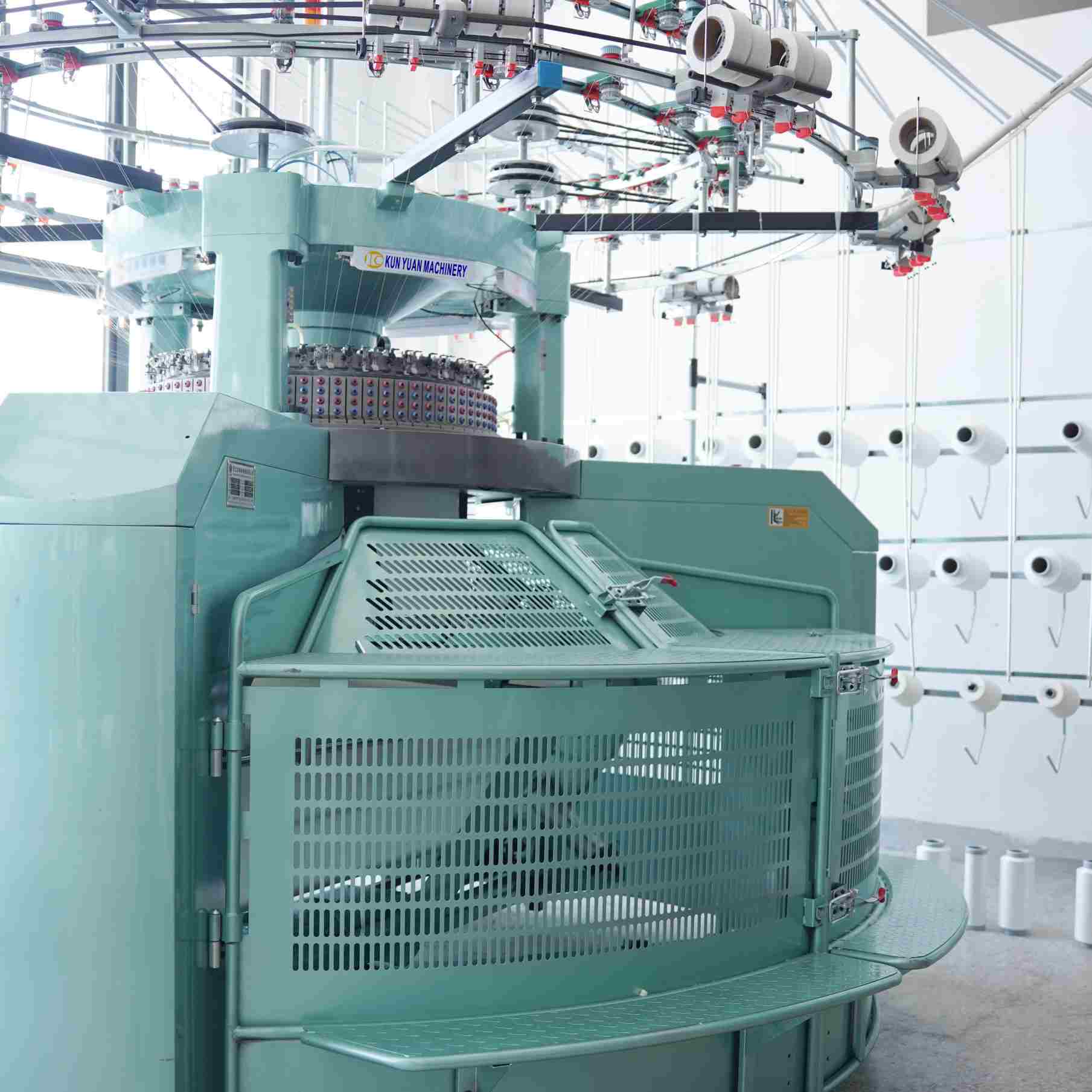
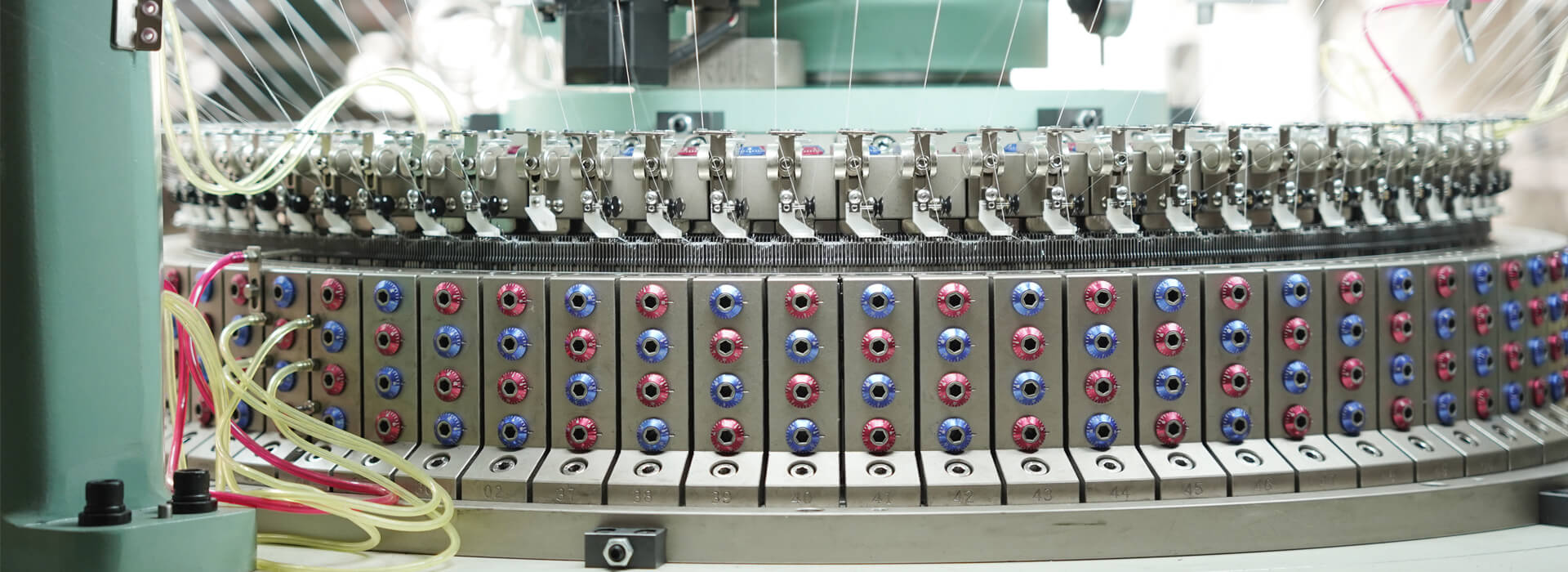
Kunyuan single jersey catalogue equipment reference
Single-jersey equipment reference; preservation findings require dated site evidence.
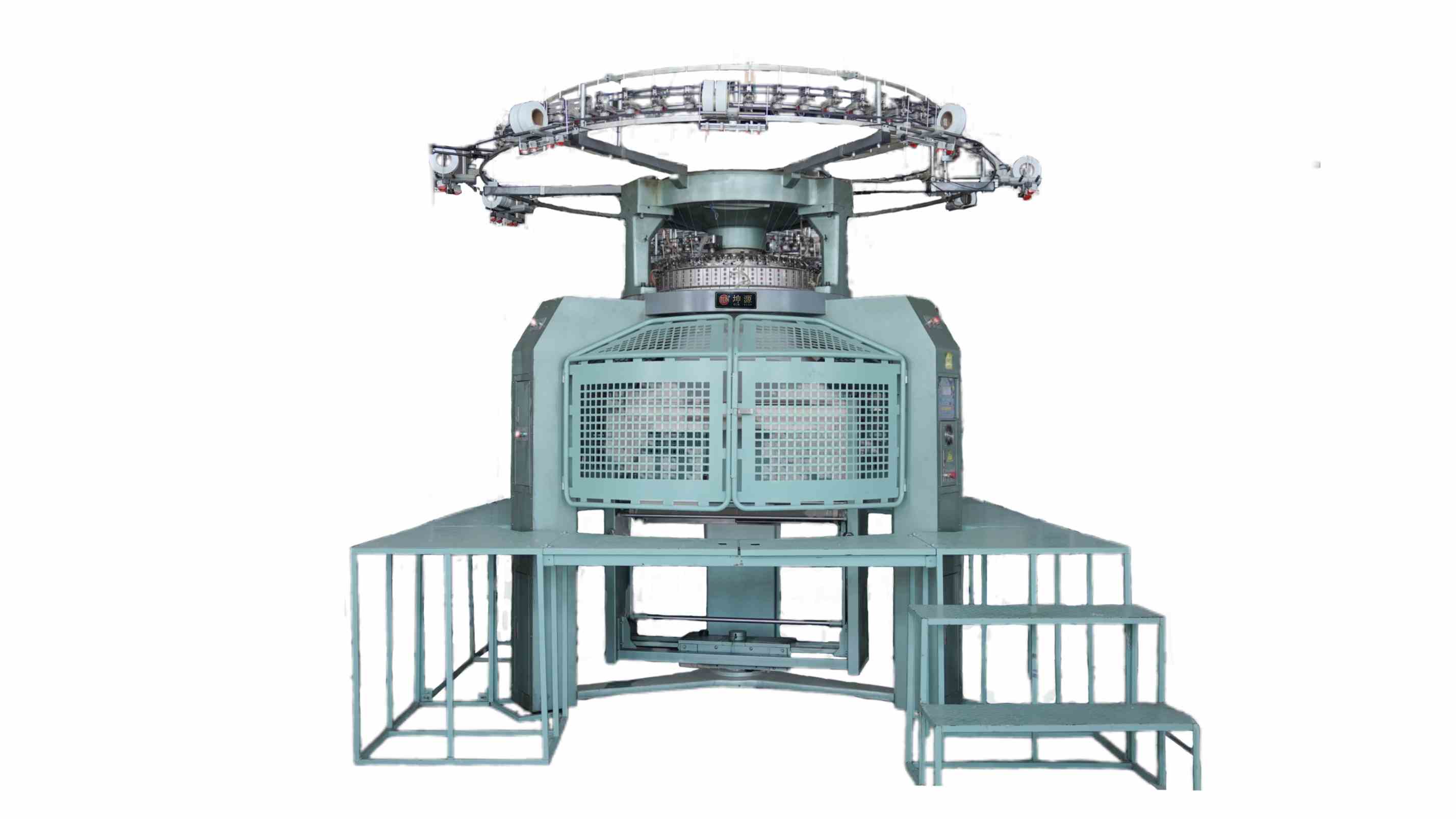
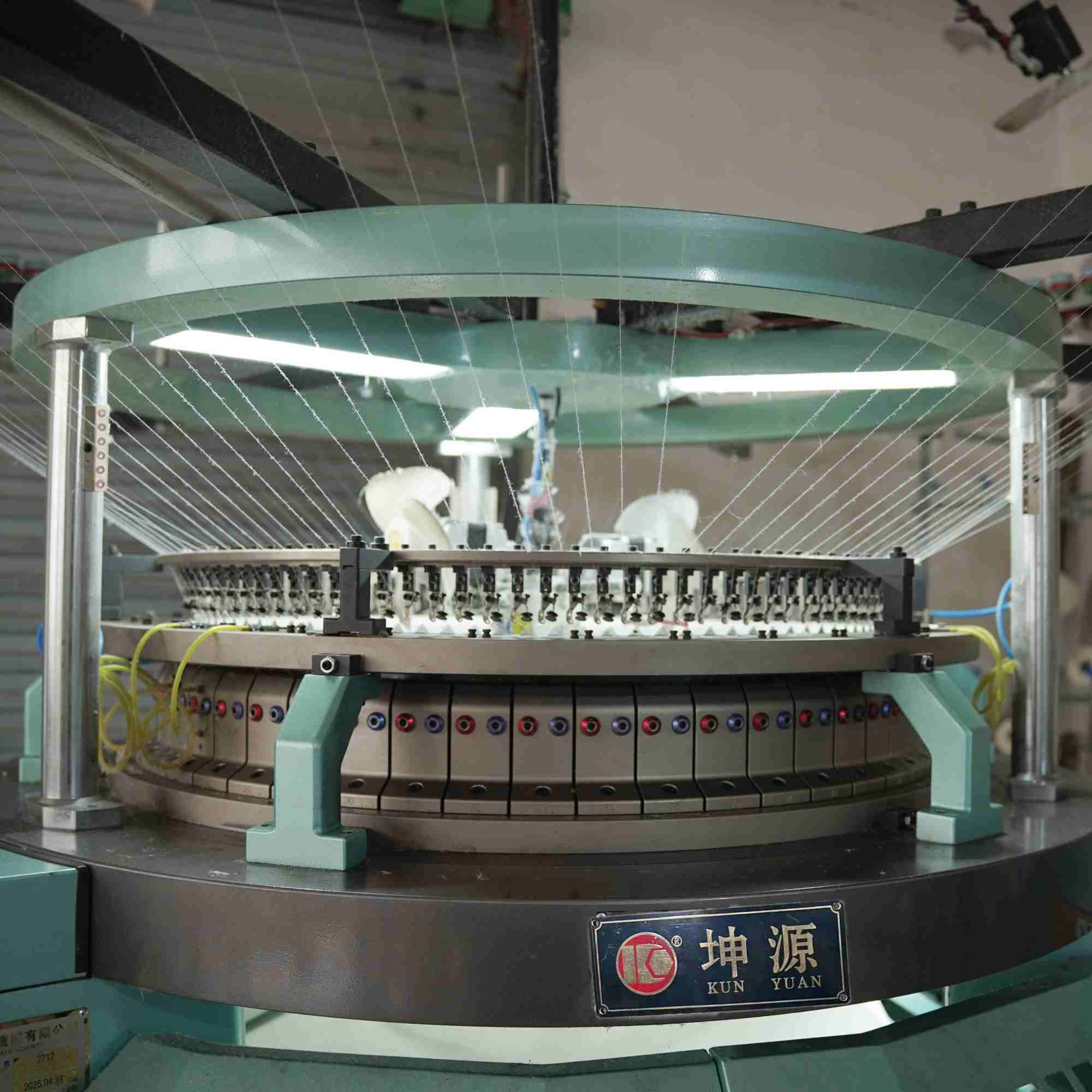
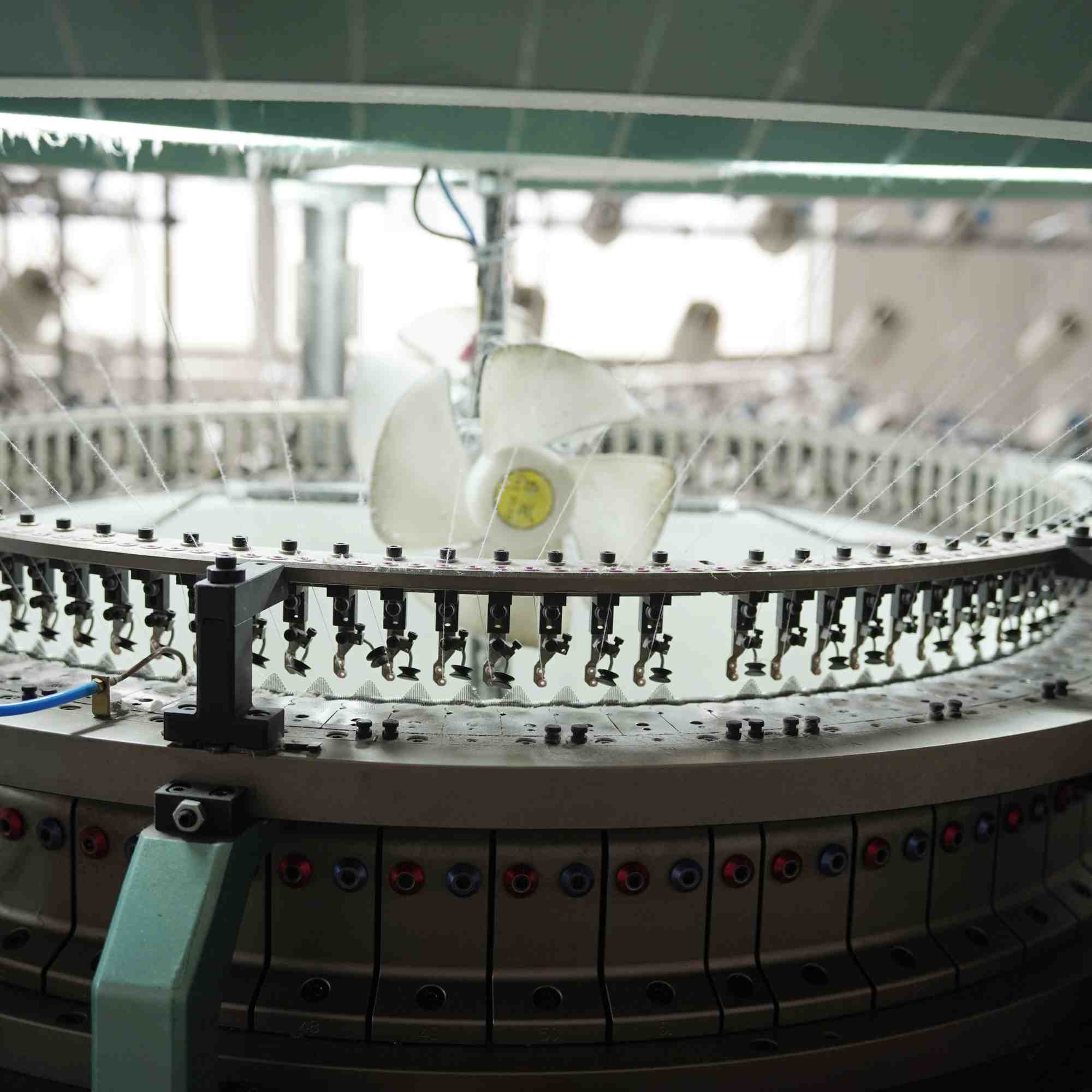
Kunyuan open width catalogue machine view
Open-width catalogue view; no storage-return trial is represented.

Storage-return exception register

Record layerQuestion to closeResponsible evidenceDisposition
PreservationWas the planned protection completed?Dated shutdown and preservation entriesConfirmed or unknown
ExposureWhich assemblies may have been affected?Location photographs and storage observationsInspect under OEM scope
ServiceWhat was restored and checked?Qualified service and protective-function recordCleared or held
RestartWhich operating interval was demonstrated?Configuration revision and identified fabricTrial or commercial acceptance

Decisions when a stored machine returns

Is a known machine ready because it ran well before storage?

Its earlier result supplies a reference. The idle interval still needs preservation reconciliation and the appropriate qualified clearance before a new operating trial.

Does a long storage period require changing every needle?

Time alone does not establish component condition. Use the exposure findings, approved inspection and exact part requirements to decide the service scope.

Can corrosion protection simply be left in place?

Use the OEM and protection supplier's applicable instructions. A material intended for storage may need a specified removal or restoration process before operation.

What if storage observations are missing?

Record the gap and its affected assemblies. Have the qualified owner define a proportionate assessment instead of treating the missing entry as evidence of satisfactory condition.

Does the first clean fabric release all restart material?

Acceptance applies to the interval and conditions actually reviewed. Earlier rejected material and unresolved monitoring requirements need their own recorded decisions.

Close the storage interval with an accountable restart

A useful storage return closes a documented gap between two operating states. Preservation actions, exposure exceptions, qualified clearance and the marked restart belong to one retrievable history. That history gives the next shutdown team a better basis for protection and prevents an unverified return from becoming the machine's new normal.

Discuss the preservation and return documentation supplied for the Circular Knitting Machine range with the OEM, including the service scope for the exact installed configuration.

Preservation return closed
Need Help?
Please leave your contact information to get our latest catalog
Get In Touch Now >
Kunyuan Machinery Manufacturer

Tel: +86-13859034518

Email: info@kunyuanmachine.com

MP/WhatsApp: +86-13859034518

Manufacturer Address:Bacuo Village, Yonghe Town, Jinjiang City, Fujian Province

NEW KEYWORD

About Us

Products

Information