
Language
Hot Keyword:
Author:KUNYUAN Machine Manufacturer TIME:2026-10-27
A shift can report little yarn waste while leaving partly used cones, fabric still on the machine and an unweighed cleaning bag outside its account. The useful ledger follows material ownership and location, so a missing quantity cannot disappear into a favourable percentage.
Cotton Incorporated's Textile Yarns distinguishes direct and indirect yarn numbering through their length-to-mass relationships. Retaining that count identity helps prevent incompatible yarn records from being compared, but a count designation is not a measured package mass. EPA's Facility Pollution Prevention Guide explains process boundaries, stock accumulation and the limitations of material balances. The ledger below is an original physical-account worksheet, not a prescribed standards calculation or a universal loss allowance.
For the example boundary below, yarn packages, yarn in the delivery path and unfinished fabric held at the machine are inventory. Fabric leaving that boundary is output, with accepted, trial and rejected categories shown separately. Count physical waste only when it exits as a separate measured stream. Define the rules before the shift begins so changing labels cannot create an apparent improvement.
Opening stock + incoming yarn - closing stock - returned or transferred yarn - fabric output - measured separated waste = unexplained difference. Classify each quantity once; the difference is an investigation item, not automatically waste.
Assign the account to a machine or a clearly defined group of machines and a timed interval. Locate full cones, partial packages, yarn stored in delivery devices and unfinished fabric that has not left the boundary. An opening balance limited to newly issued cartons misses material carried from the previous shift. Use the same inventory definition when closing the account.
Record yarn identity, measurement basis, scale reference and package tare. Separate measured mass from estimates for inaccessible material; do not add invented precision to a small residual cone. Agree how the mill handles changes of moisture condition and packaging so the next shift can reproduce the method. For blends or several yarn roles, retain subaccounts where reliable identification permits them rather than forcing all material into one undifferentiated total.
| Physical item | Account treatment | Evidence | Counting risk |
|---|---|---|---|
| Partly used cone at close | Closing stock | Identity, tare and measured net mass | Mistaken for consumed yarn |
| Cone returned to stores | Transfer out | Time and receiving ticket | Mistaken for waste |
| Rejected knitted section | Fabric output: rejected | Roll and net fabric mass | Counted again in waste |
| Separated threading ends | Measured waste exit | Named container and tare | Mixed with foreign debris |
| Unexplained residual | Unresolved difference | Stock and movement review | Declared as proven loss |
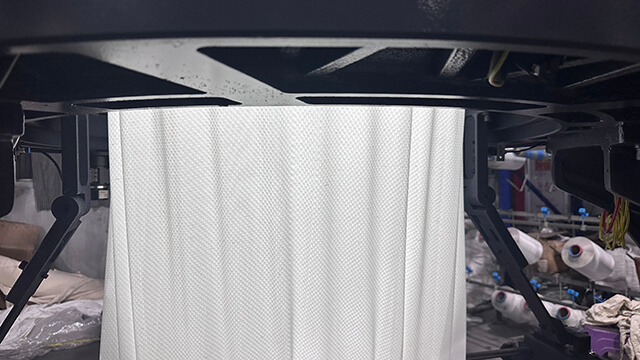
Weigh fabric that leaves the boundary and divide it into accepted output, retained trial material and rejected output. A rejected knitted section contains yarn, but its mass has already exited as fabric. Counting it again as loose yarn waste would overstate total loss. Keep commercial-quality reporting beside the material account, rather than making acceptance the condition for recording a physical exit.
Collect broken ends, threading offcuts and other separated yarn waste in identified containers. Record container tare and contamination such as packaging, oil or unrelated cleaning debris. If several sources share a bag, label the limitation before attributing all of its mass to the machine. Keep reusable material, segregated waste and unmeasured cleaning loss distinguishable. A disposal receipt may confirm a destination while still failing to establish where the waste originated.
Calculate the unexplained difference using the declared stock, transfer and exit rules. Review timing mismatches, missing returns, package tare, incomplete rolls and estimated inventory before describing the residual as machine waste. A negative difference also needs investigation; it can reflect an unrecorded incoming package or incompatible weighing conditions. Keep the original entries and document each correction.
Once the account closes adequately for the site's measurement capability, compare named loss streams across equivalent work. State the numerator and denominator if reporting a percentage, such as measured separated waste divided by yarn consumed inside the boundary. Do not call that ratio the total rejection rate. Use the result to choose a specific investigation, such as excessive threading offcuts or contaminated collection, then repeat the same account rules after the change.
No. Account for tube and packaging tare consistently. Their separate disposal mass must not inflate the net yarn quantity.
No. Identified reusable packages are inventory or transfers. Their suitability for another order is a separate material-control decision.
No. It remains physical fabric output with a rejected disposition. The material account and commercial yield describe different aspects of the same production.
Keep it unresolved until stock, transfers and measurements have been checked. Some losses may be unmeasured, but an arithmetic residual does not prove their origin.
Only after checking their boundary, stock rules, fabric categories and denominator. Otherwise a package return or unfinished roll can change the apparent ranking.
A closed yarn account explains where material remained and where it left. It makes recoverable stock, rejected fabric and separated waste visible without counting the same yarn twice. Investigating the residual first gives supervisors a credible starting point for reducing a named loss stream instead of rewarding an incomplete ledger.
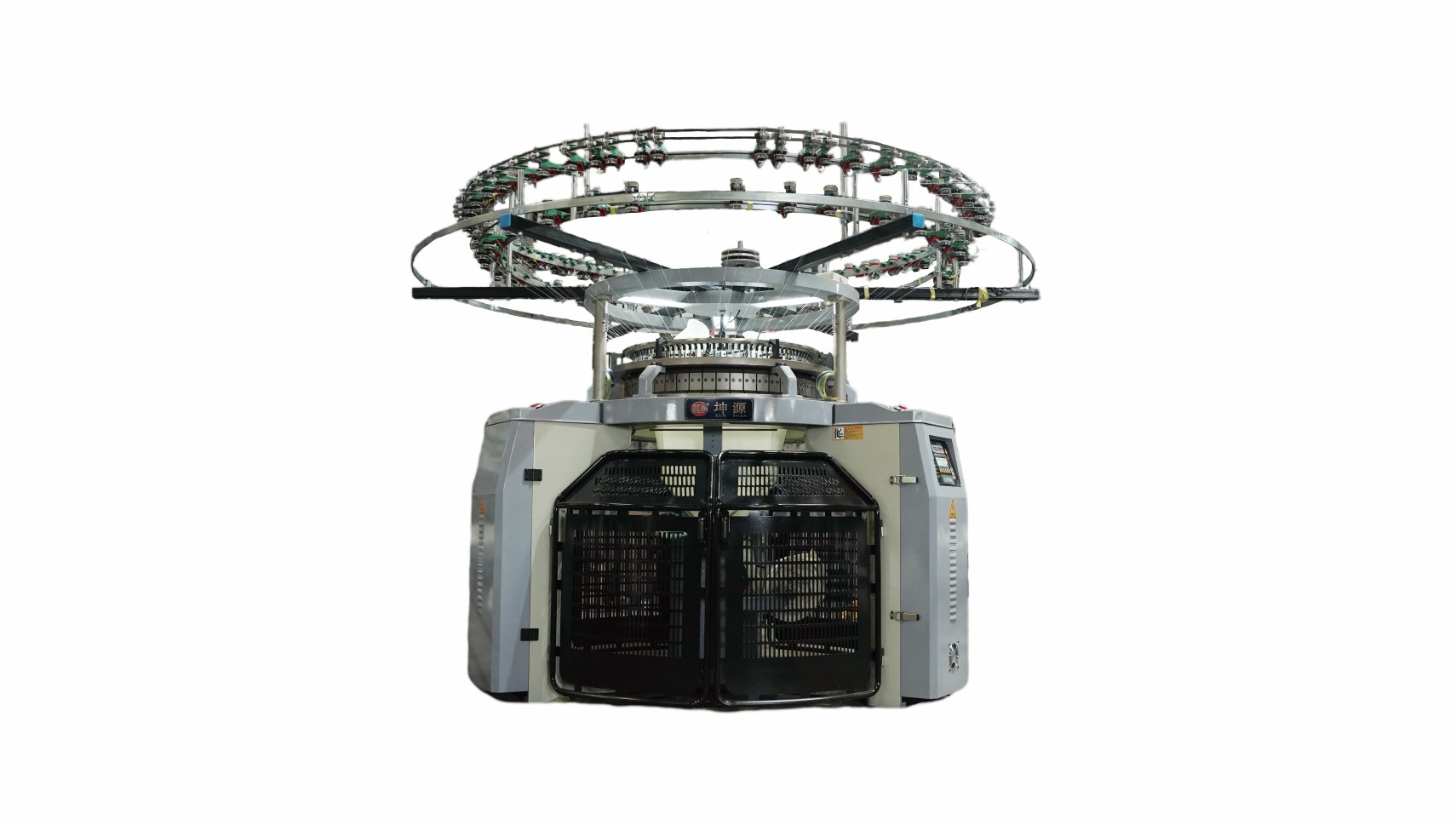
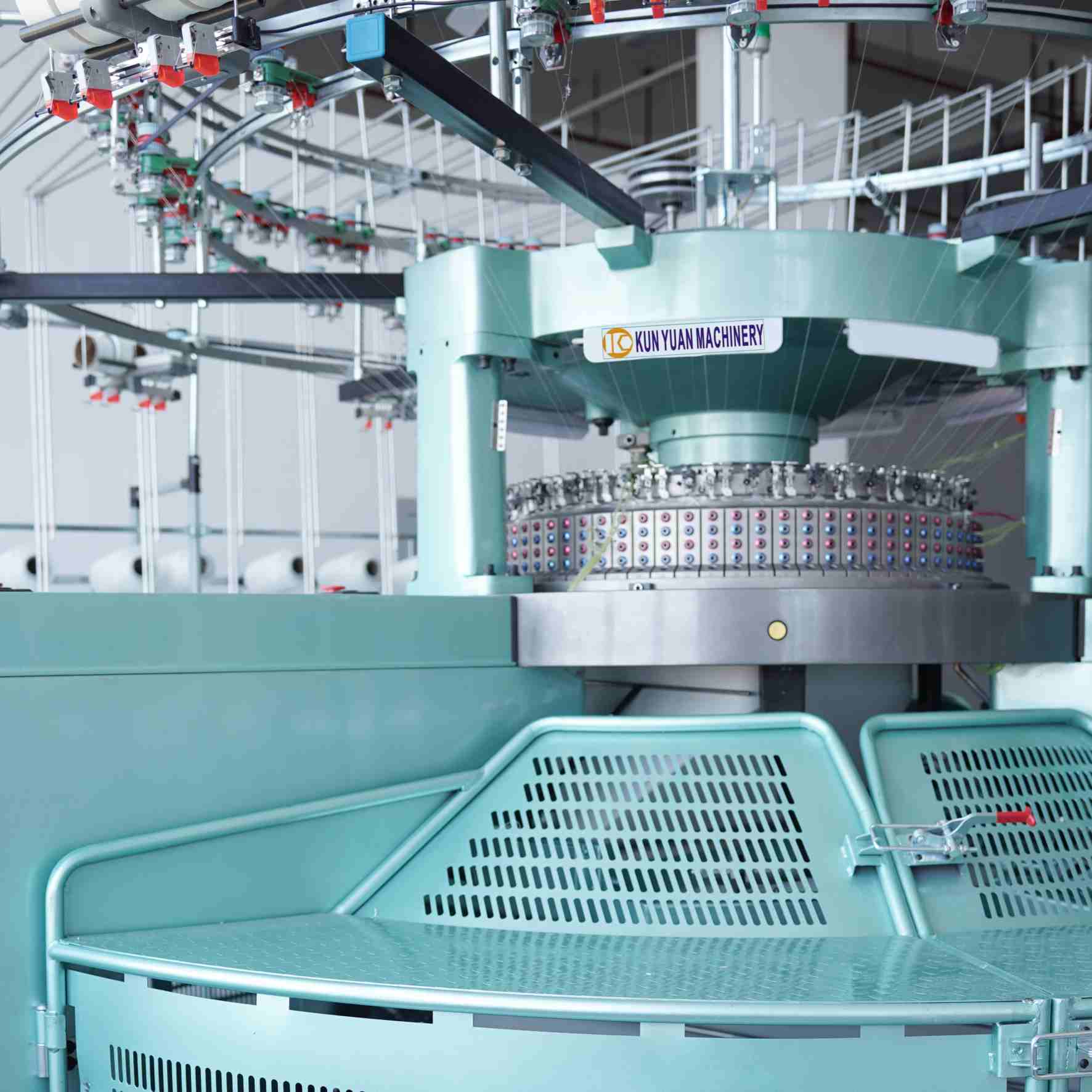
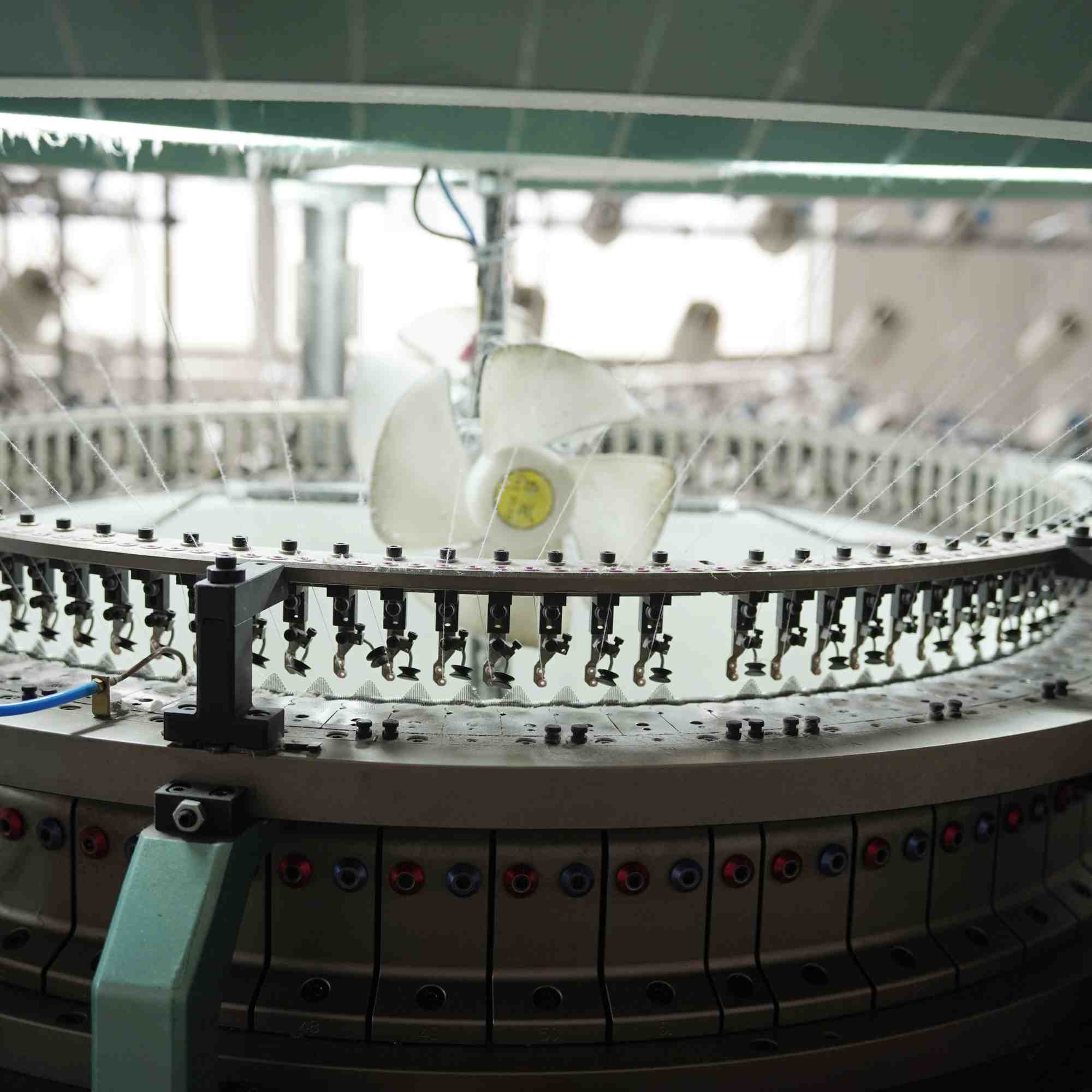
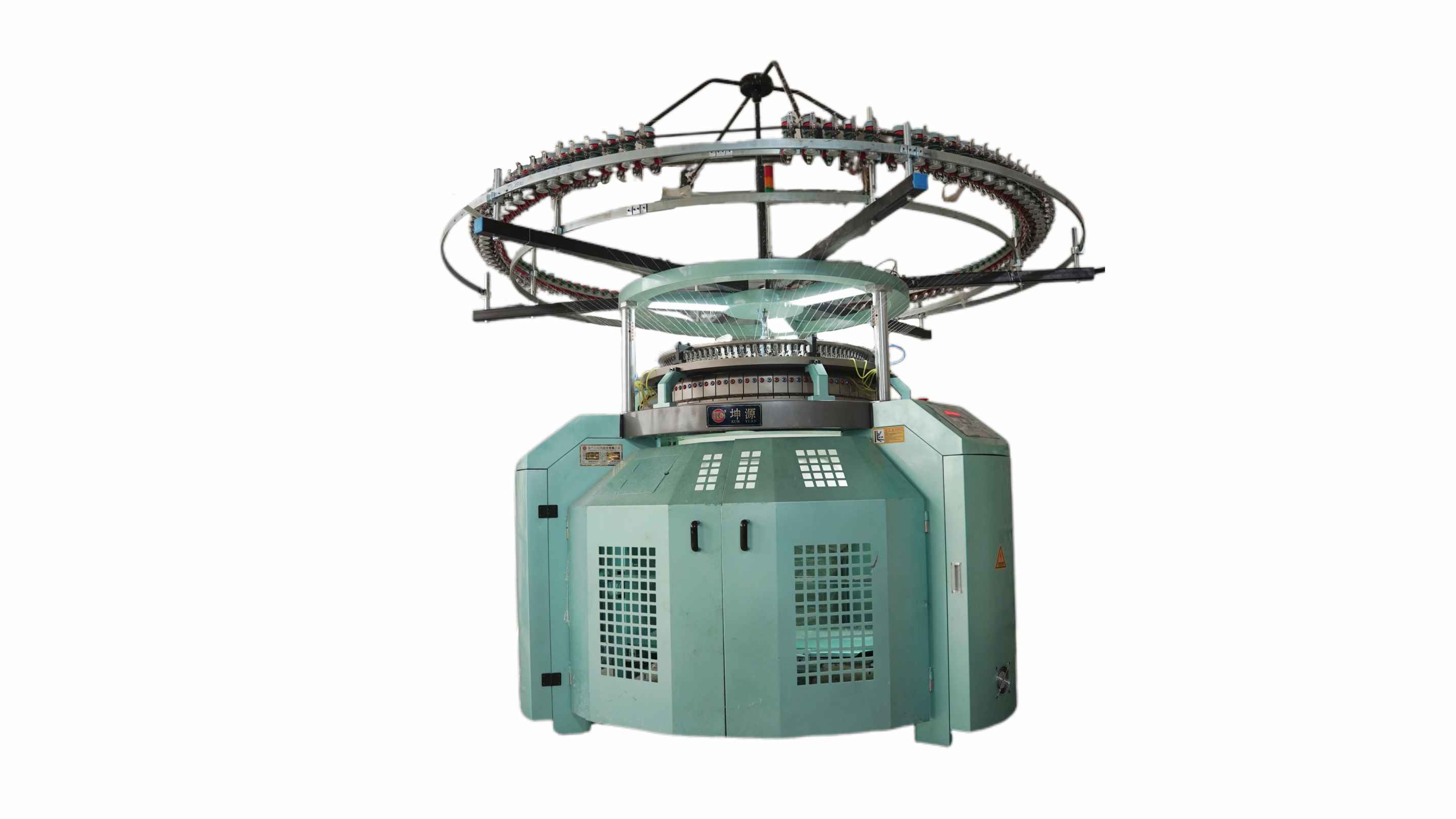
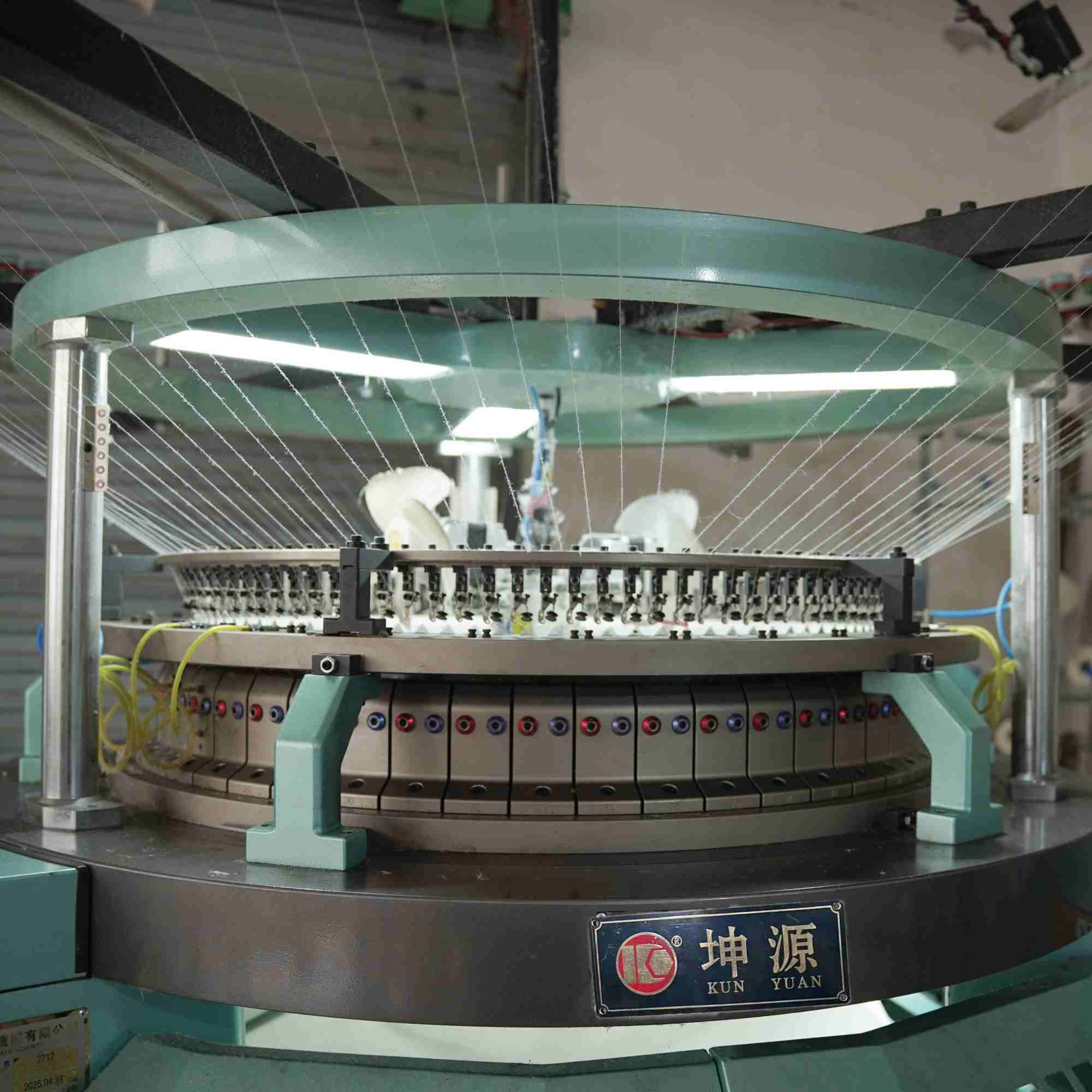
Use a defined yarn-account boundary when discussing the Circular Knitting Machine range and request configuration information needed to identify material retained in its production path.

 Tel: +86-13859034518
 Email: info@kunyuanmachine.com
 MP/WhatsApp: +86-13859034518
 Manufacturer Address:Bacuo Village, Yonghe Town, Jinjiang City, Fujian Province