The laboratory needs a band identity, not a bag of similar-looking fabric
When shade differs between single-jersey rolls, a dyeing trial should preserve where each sample came from. A band without roll position or a companion greige reference cannot show whether the difference was already organized in the knitted material or emerged within the trial route.
Cotton Incorporated's fibre-quality presentation connects cotton fibre properties with dyeing behaviour and illustrates micronaire-related variation in dyed fabric. That is a reason to retain material identity, not a diagnosis of every shade difference or a result transferable to every fibre blend. AATCC EP9's public summary describes visual comparison of textile specimens against a standard. Its full procedure and the buyer's requirements belong with the laboratory.
This sampling design compares material from named rolls without requiring a yarn-lot change. Separate the question of variation within a roll from variation between rolls, then hold preparation and assessment conditions consistent enough to answer that question. The following records are a proposed trial matrix, not a dye formula or a shipment-release procedure.
Choose bands that can reveal where the shade pattern begins
Define the rolls being compared and the evidence question before cutting. Assign each band a roll identifier, longitudinal position and orientation across the tube or open width. Include positions relevant to the reported variation, plus an identified reference region. Record the knitting interval, yarn identities, construction and accessible operating events associated with each band. Do not pretend that a convenient edge clipping represents the whole roll.
Keep enough labelled material for a companion greige examination and the laboratory's required specimens. Agree the sampling dimensions and quantity with that laboratory instead of borrowing a universal band size. Mark face, reverse and direction by its approved method. Where roll positions cannot be reconstructed, label the sample as position-unknown and limit its use to the comparisons that its identity can honestly support.
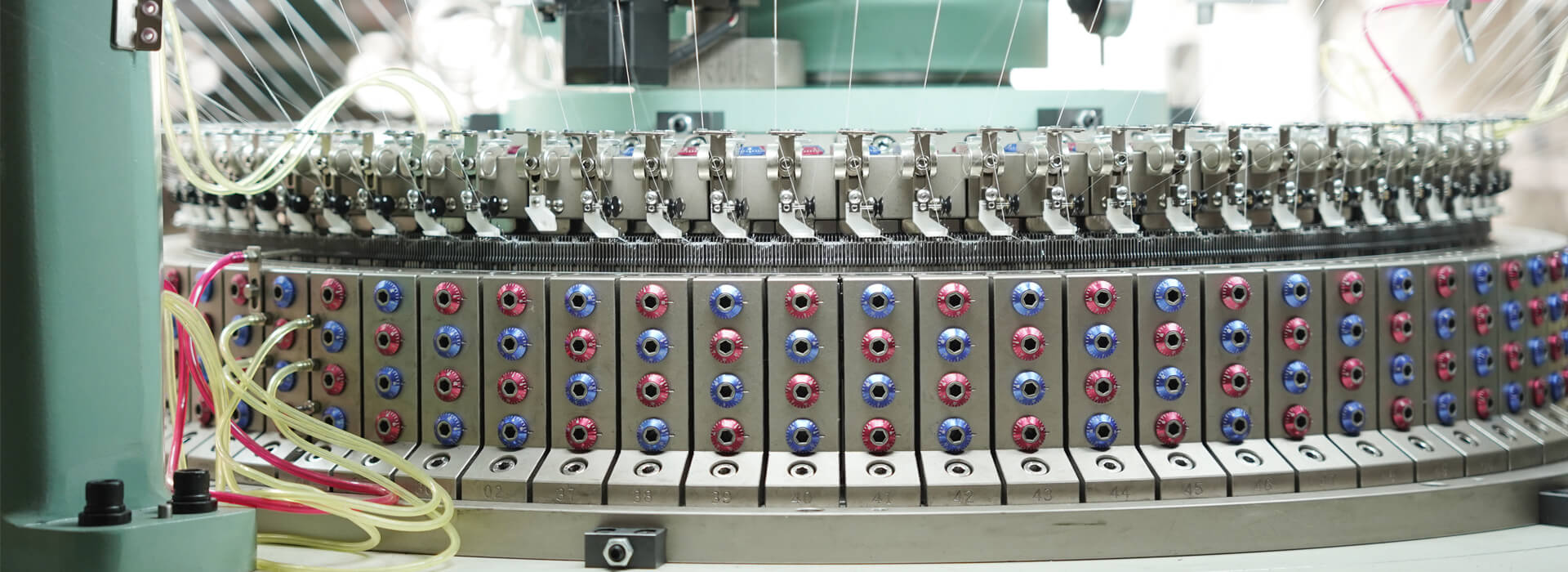
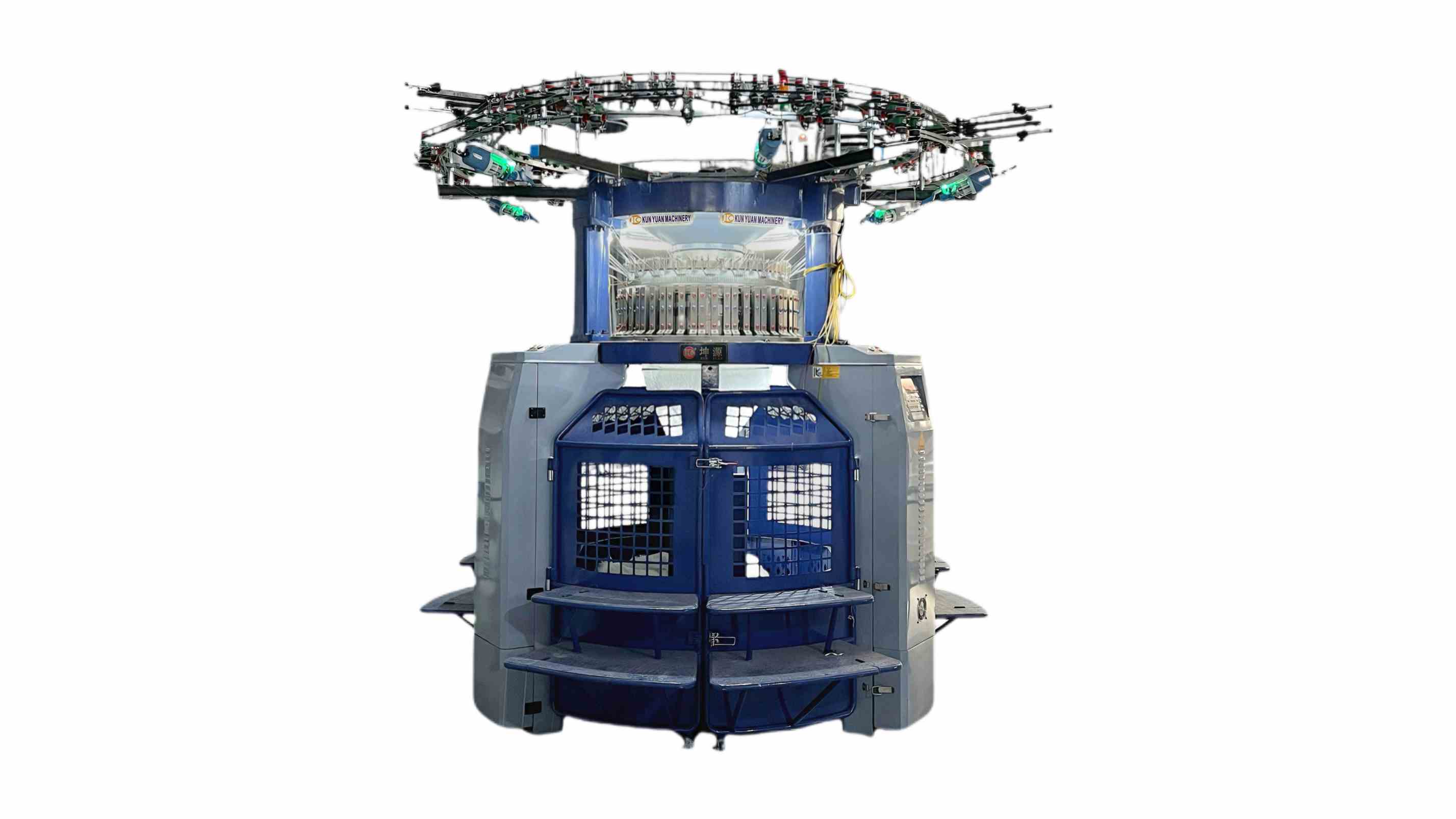
Single-jersey catalogue view; no dyed comparison band is pictured.
Make the dyeing allocation distinguish material from trial-route effects
Prepare a matrix linking every specimen to its parent band and trial route. Discuss with the dyeing specialist whether paired material can be compared in a shared controlled route, in matched separate runs or both. Preserve the actual allocation and any constraints imposed by the equipment. Two rolls dyed under different undocumented preparation conditions do not provide a clean comparison of knitting material.
Retain the laboratory's preparation, dyeing, rinse, drying and finishing records, including recipe revision and deviations relevant to the comparison. The article supplies no chemical additions, bath settings or numerical acceptance limits. Those belong to the competent dyeing team and contracted method. Keep the greige companion available so a later visible band can be related to its original region rather than reconstructed from a generic roll label.
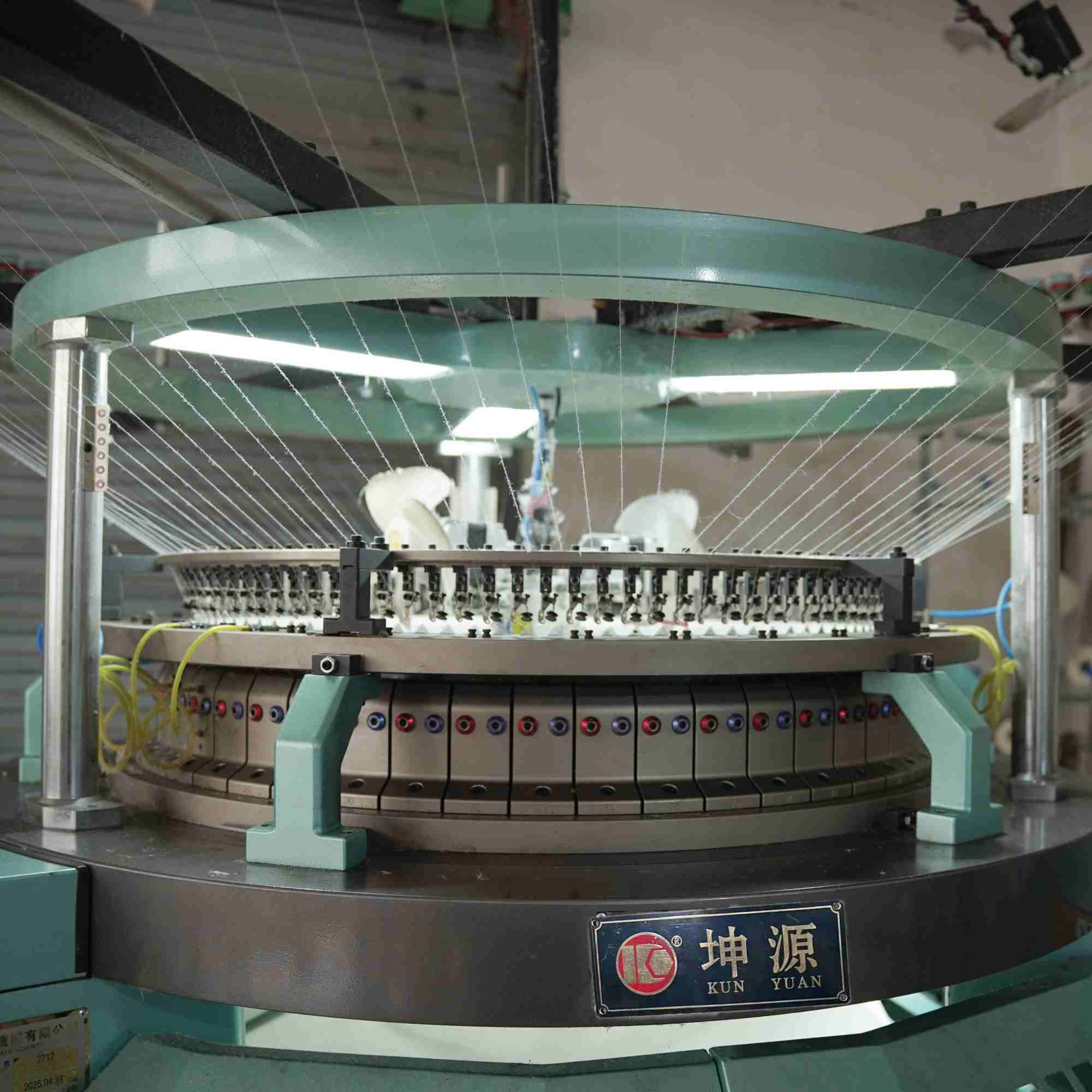
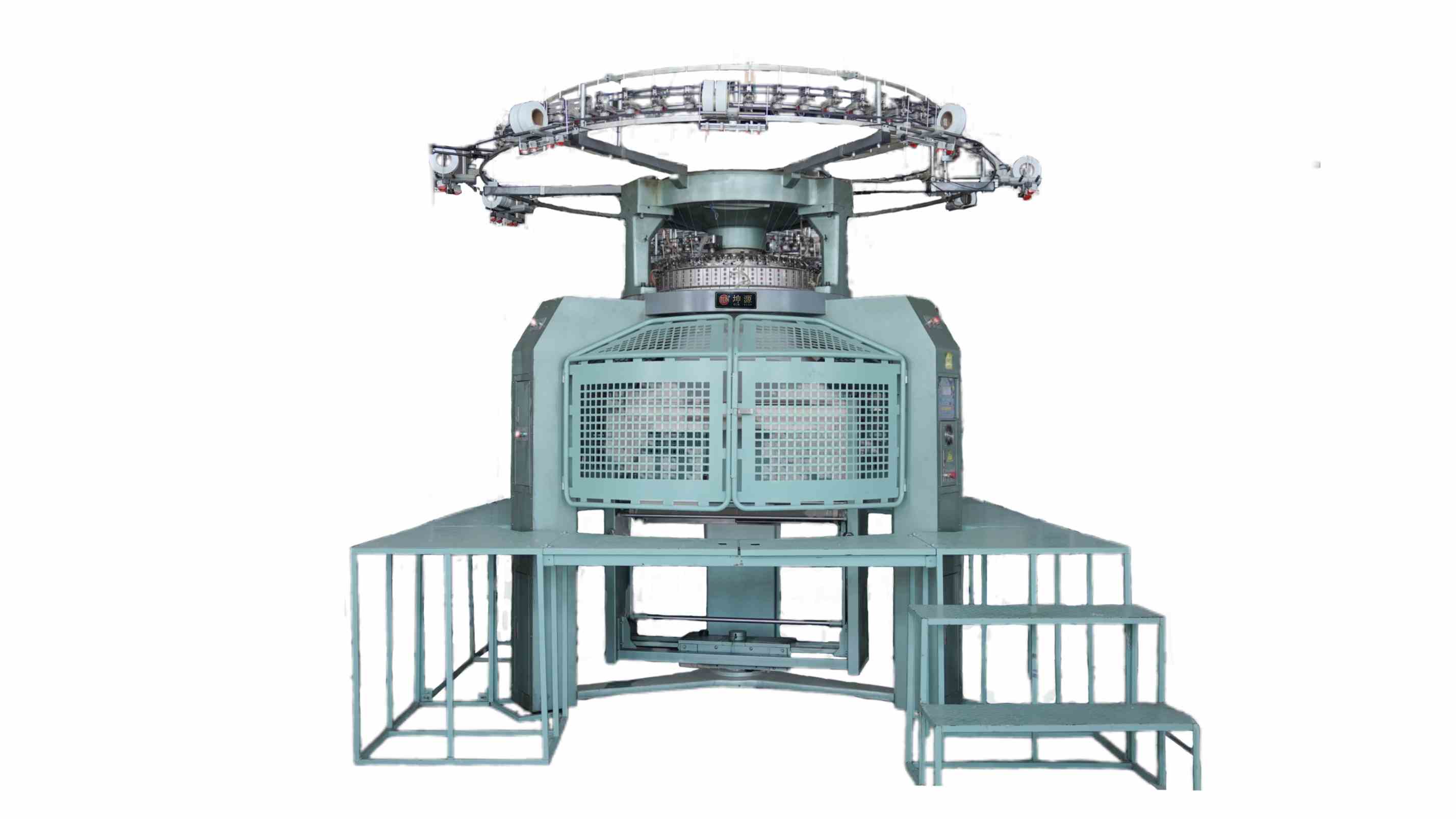
Single-jersey catalogue reference; shade evidence comes from identified specimens.
Read overall shade beside spatial variation on the same specimens
Compare the conditioned specimens with the approved colour reference using the laboratory's agreed visual procedure. Record assessment state, viewing conditions, sample presentation and assessor result. The public EP9 scope supports standardized visual comparison; it does not let this worksheet invent illumination, grading or pass limits. If instrumental readings are also used, retain their method and sampled locations separately.
Inspect whether the difference is a whole-specimen shift, a band linked to the original roll coordinate or a localized feature. A small instrumental measurement can describe its sampled area while missing a wider positional pattern. Keep face/reverse observations where relevant and preserve representative physical specimens. Photographs help locate the feature, but camera processing and display conditions limit their use as the sole evidence of shade equivalence.
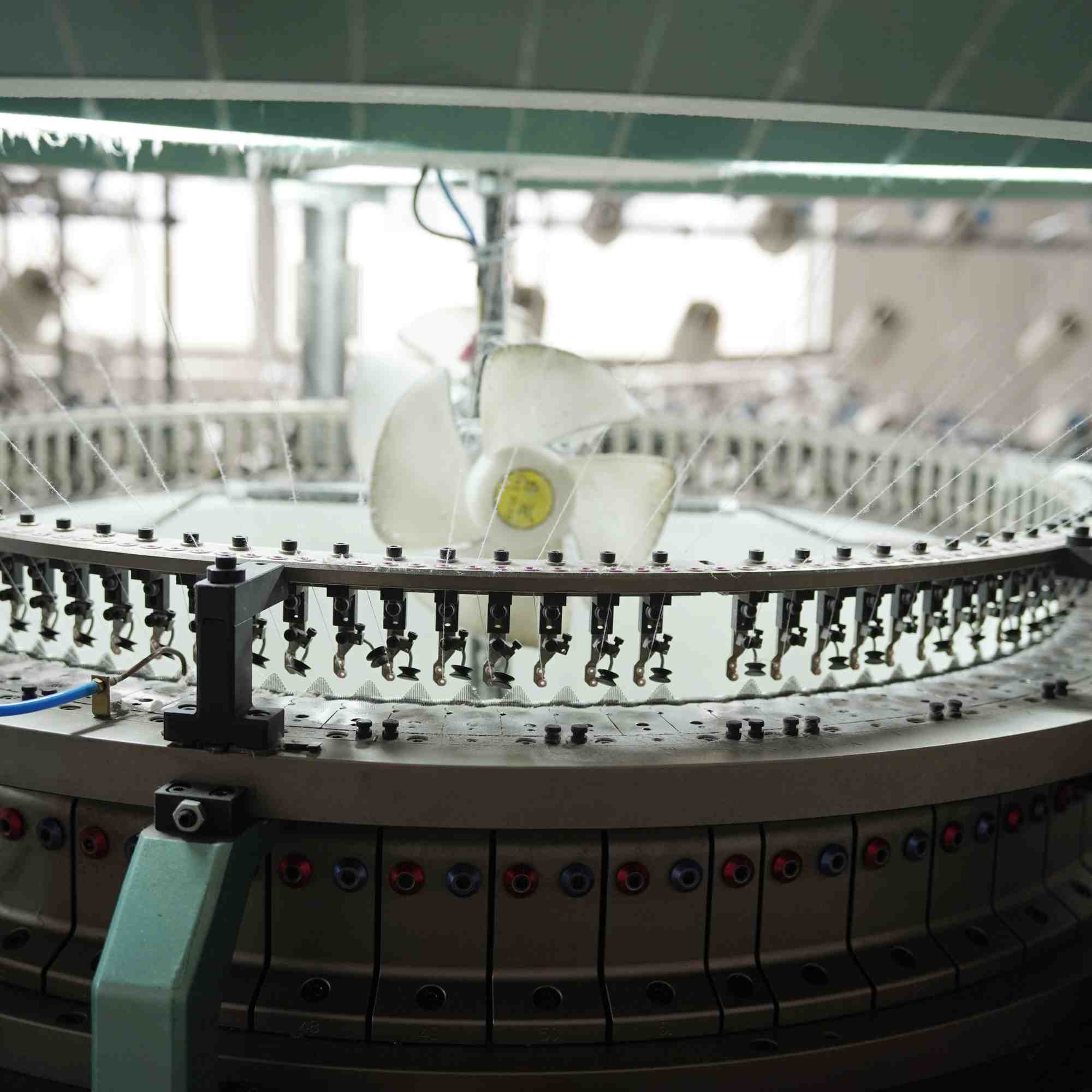
Open-width catalogue view; no laboratory dyeing result is represented.
Use the result to narrow a hypothesis rather than choose a convenient culprit
If a feature stays associated with one band through comparable routes, return to its yarn, construction and knitting-event records with the relevant specialists. If nominally matched specimens change with the trial route, review preparation and dyeing evidence. Neither pattern alone proves a unique cause; both help define a smaller follow-up comparison. Keep alternative explanations and unavailable evidence visible in the report.
For the next trial, change the supported comparison variable and preserve its link to the original matrix. Avoid changing yarn identity, knitting settings and dyeing route together unless the purpose is explicitly a combined development trial. Summarize which rolls and band positions were examined, which comparison remains unresolved and what the next specimen should answer. That report can support quality decisions elsewhere without claiming that a small dyeing trial qualified every unexamined roll.
Roll-band dyeing comparison sheet
Specimen identity
Material record
Trial record
Result field
Roll A, named position
Yarn identity and oriented greige companion
Preparation and dye route A
Overall shade and local pattern
Roll B, comparable position
Construction and knitting interval
Matched route or disclosed difference
Between-roll comparison
Second position in roll A
Known longitudinal coordinate
Same comparison route
Within-roll variation
Follow-up companion
Parent band and changed variable
Documented repeat route
Hypothesis supported or unresolved
Questions before sending jersey bands to dyeing
Must the rolls contain different yarn lots?
No. The matrix can investigate differences within or between rolls using the same documented yarn identity. Its question is sample traceability and shade comparison.
Can unlabelled offcuts still be used?
They may help exploratory work, but cannot establish a roll-position pattern. Record the missing identity and keep the conclusion within that limit.
Does a visible dyed band prove a dyeing fault?
No. Material and knitting differences can become apparent in the dyed state. Compare companion greige evidence and documented trial conditions.
Can instrumental colour values replace spatial inspection?
They describe the locations and method measured. Retain a separate examination of wider bands or local features that those readings may not cover.
Does one matching specimen qualify the remaining rolls?
It qualifies only the comparison represented by the sampling plan. Wider quality decisions require their own defined evidence coverage.
05
Conclusion
A dyeing trial becomes informative when the shade result can be traced back to a physical band and forward through a documented laboratory route. The matrix preserves both overall colour and spatial evidence, giving yarn, knitting and dyeing specialists a shared basis for the next comparison without overstating what the sampled material proves.
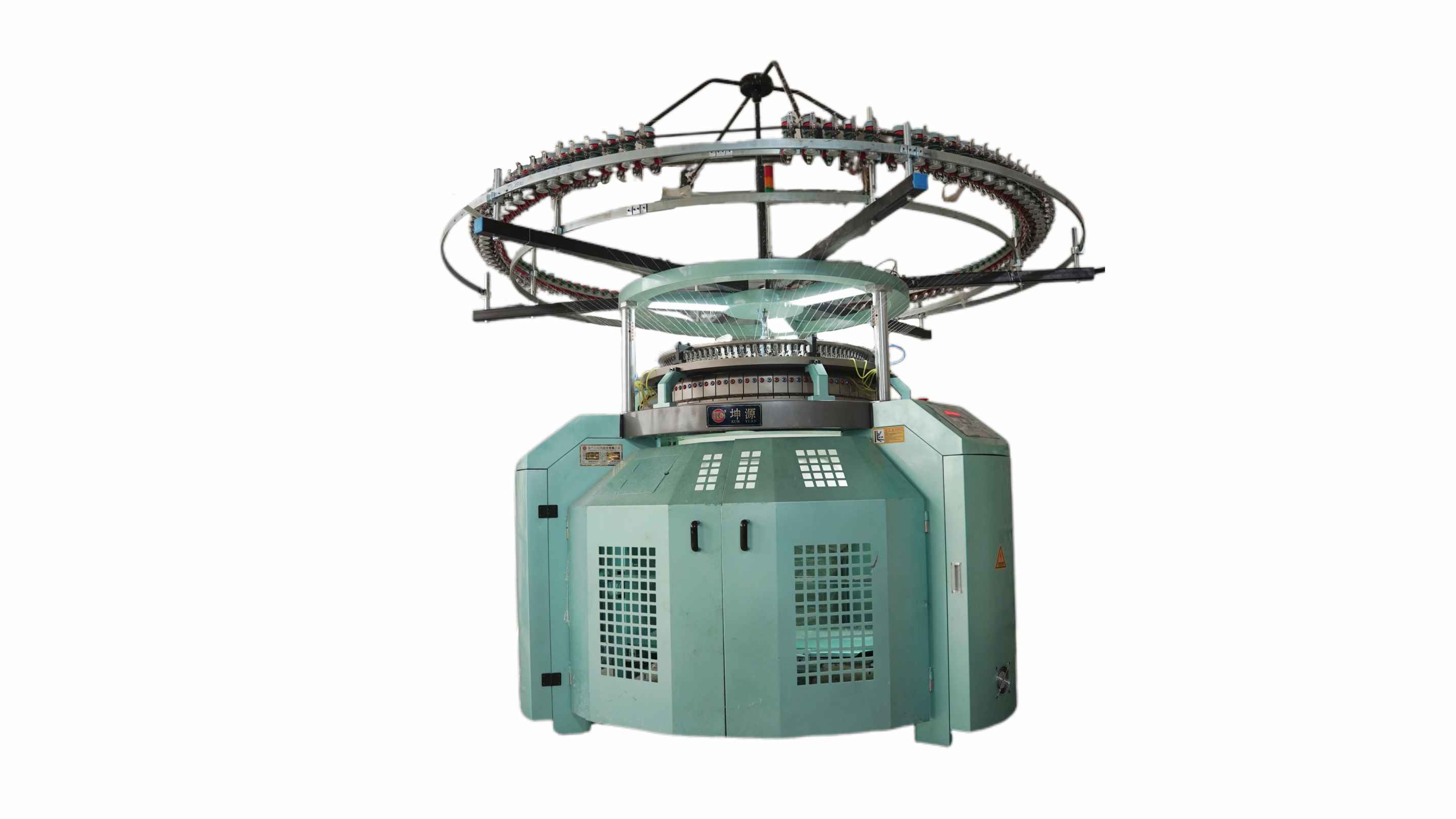
Use the band-identity plan when discussing trial fabric from the Single Jersey Circular Knitting Machine range and agree which knitting records will accompany the material sent for shade evaluation.






 Tel: +86-13859034518
 Email: info@kunyuanmachine.com
 MP/WhatsApp: +86-13859034518
 Manufacturer Address:Bacuo Village, Yonghe Town, Jinjiang City, Fujian Province