A reusable feeder ratio needs a named drive and a measured delivery
A recipe note saying feeder ratio increased cannot explain what moved or how much yarn reached the knitting system. The useful record connects a drive reference to the feeder mode, a measured delivery interval and the fabric produced during that interval.
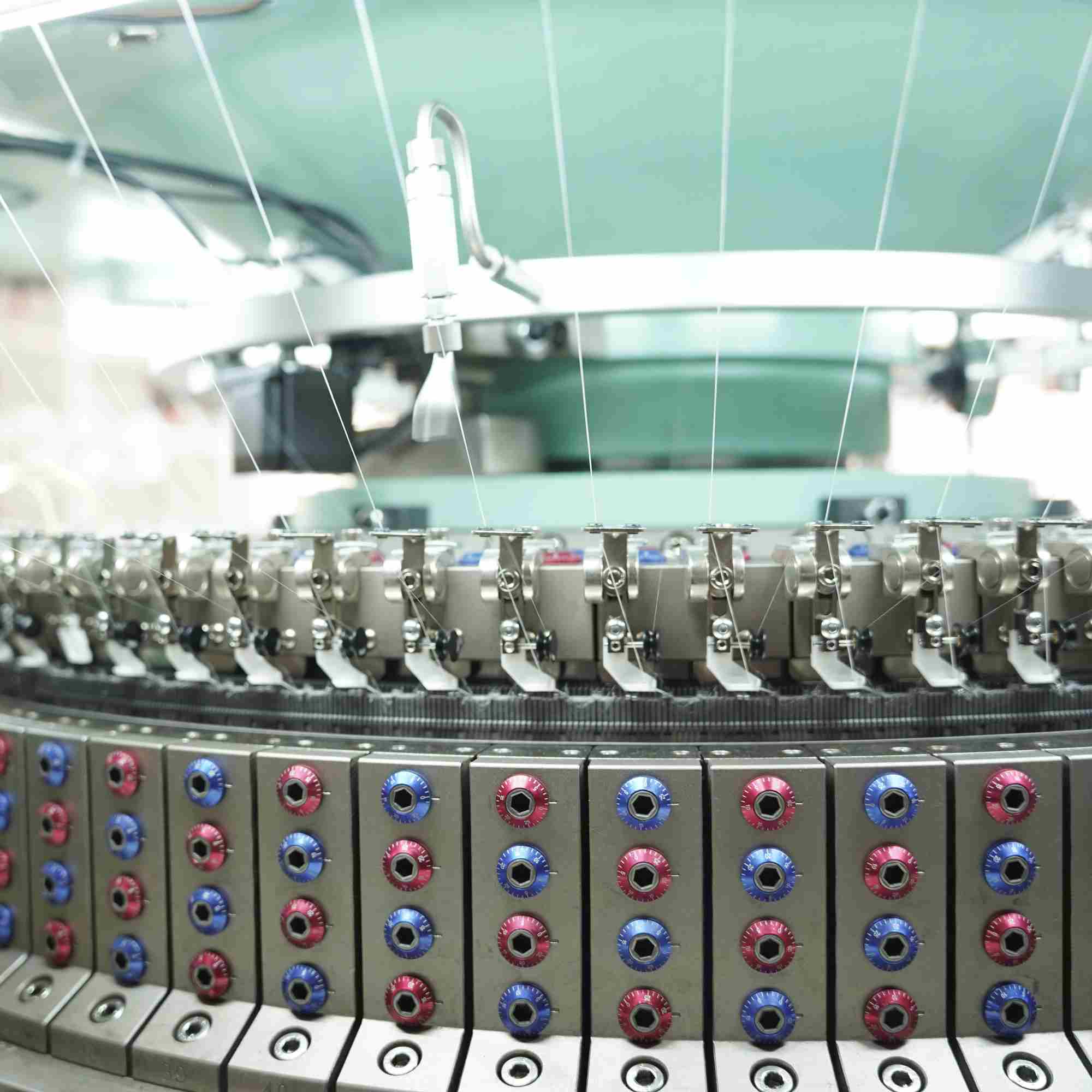
Positive-feed records belong to a specific mechanism. Memminger-Iro's MPF P leaflet distinguishes feed-wheel options and a separate MPF PF version for constant and variable yarn consumption. Its toothed-belt leaflet describes a synchronised feeder drive. These documents illustrate why feeder identity and drive arrangement matter; they do not certify equipment fitted to a Kunyuan machine.
Treat this parameter map as a proposed recording tool for the mill technician. It does not select a pulley, wheel position, tension value or knitting speed. Obtain the supplier's definition of the installed ratio and its approved measurement method before collecting data. A dimensionless reference alone cannot stand in for yarn length delivered to a particular structure.
Delivery coordinates
Define the two quantities in every ratio. Keep the drive reference, feeder operating mode and measured yarn delivery in separate fields; use the installed manufacturer's procedure for adjustments.
01
Name the denominator before copying a ratio
Ask the technician to write the relationship in words. Does the documented ratio compare drive rotations, indicate an adjustment position or describe another manufacturer-defined reference? Record both quantities, their units where relevant and the document revision that defines them. Preserve a controller label exactly, then add its explanation alongside it. Avoid converting a scale mark into a physical delivery figure without the supplier's evidence.
Attach the feeder model, wheel type, drive group and machine identity to the entry. Where several feeder groups have different duties, give each group a separate row. Record which groups were active and which were unused during the observation. Two entries can share a displayed number while referring to different hardware or a different knitting duty; retaining those differences prevents an apparently familiar setting from becoming an unsupported recipe transfer.
02
Separate a drive setting from the yarn's operating mode
Identify whether the fitted unit is operating in the documented positive-feed mode or another authorised mode. Include the yarn's role, lot, count and unit, package identity and relevant recipe revision. A continuously consuming plain structure and a variable-consumption pattern should not be compared solely by one drive reference. Ask the supplier how the actual feeder arrangement supports the intended consumption pattern.
Record accessible yarn-path observations without changing threading or guards for the worksheet. Note package changes and stops with their fabric positions. Tension is a separate observation with its own instrument and method; do not rename it feed ratio. If the operating mode cannot be confirmed from the installed documentation, mark the row unresolved. The manufacturer's catalogue example explains available distinctions, but only the installed equipment record identifies which distinction applies to this production run.
03
Give delivered length an observation interval
Use a measurement method approved for the machine and permitted by the site's operating procedure. Retain the yarn-length reading, the machine-cycle or elapsed-time basis, units, feeder address, instrument identity and observation conditions. Record individual readings rather than only their mean. Do not improvise access to a moving belt or feed wheel to obtain a number. Where the instrument reports an inferred length, identify that inference in the record.
Document the interval's start and finish, intervening stops and any excluded readings with reasons. Compare equivalent stable intervals before describing a difference as delivery drift. A length per cycle and a length per minute answer different questions and must not occupy an unlabeled column. If the supplier supplies a calculation, retain its assumptions and revision beside the result. This preserves the distinction between nominal drive behavior and the delivery demonstrated by the chosen observation method.
Connect the measured interval to the fabric recipe
Mark the fabric associated with each delivery interval and retain its construction, yarn roles and processing state. Compare the resulting fabric using the buyer's specified properties, such as usable width, mass or appearance, through the agreed preparation route. The purpose is to establish what the recorded setup produced, not to prescribe a universal yarn length for a machine family. A satisfactory fabric observation cannot resolve an ambiguous ratio definition.
When an authorised setup change occurs, add a new revision and a new delivery interval rather than replacing the earlier entry. Keep any simultaneous changes visible so the comparison does not falsely isolate feed ratio. Before reusing the record on another machine, have its supplier reconcile hardware, mode and measurement basis. The record is transferable as a question set; its successful settings remain bounded by the equipment and fabric conditions that were actually demonstrated.
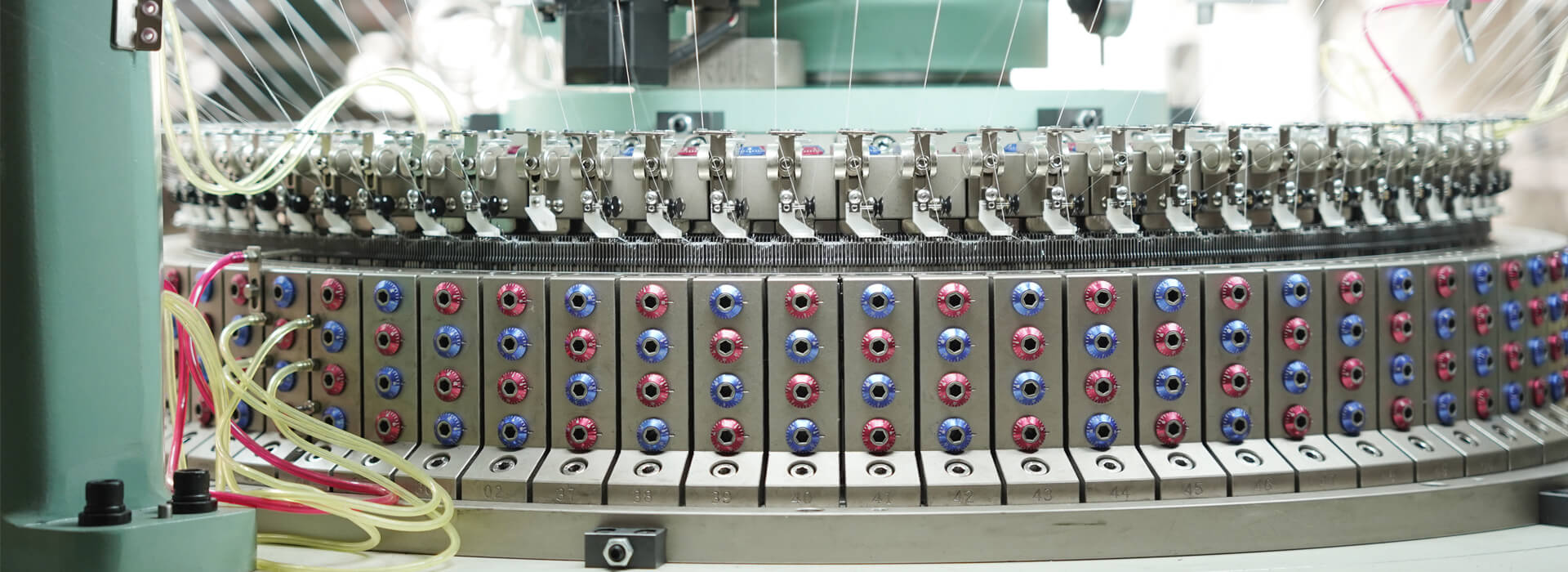
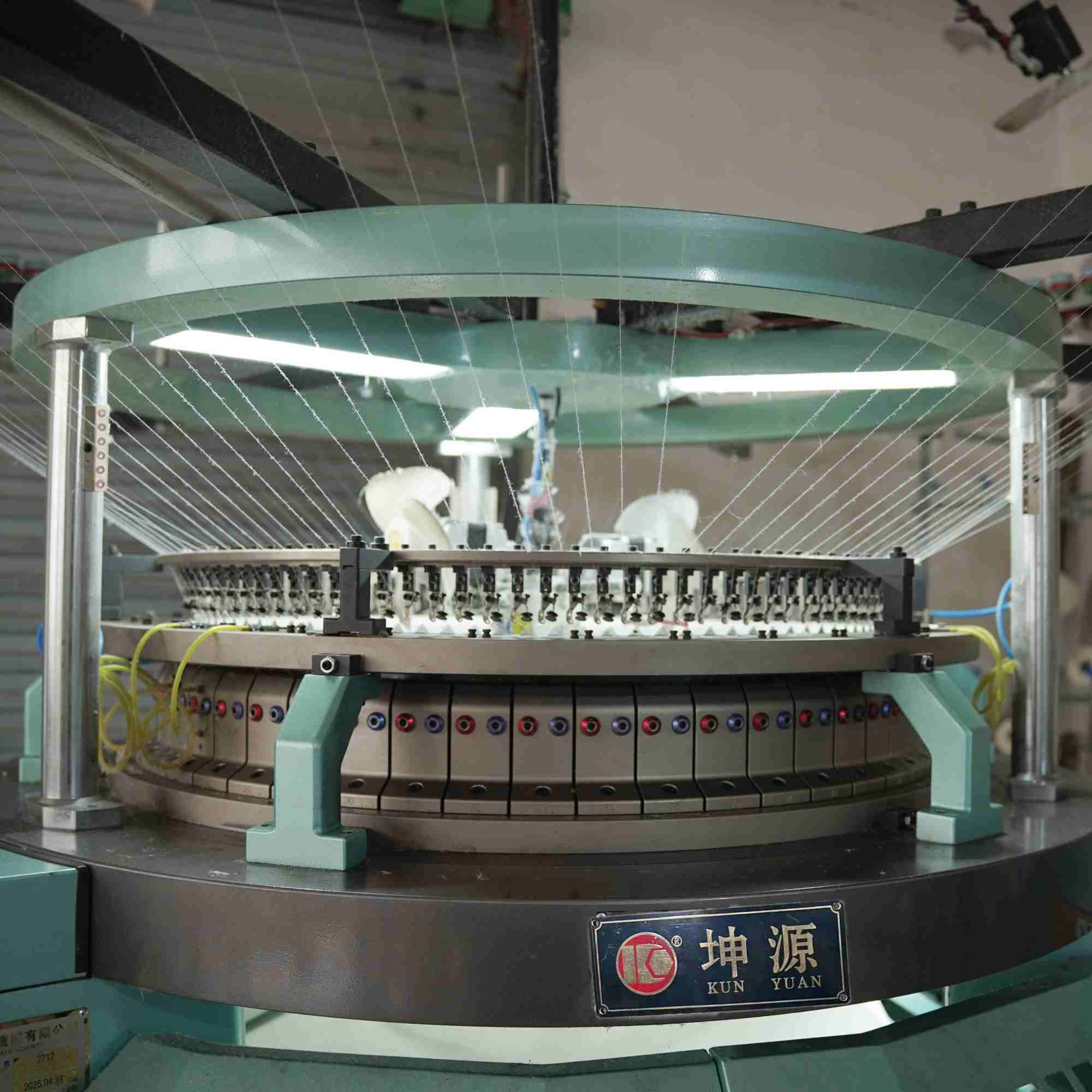
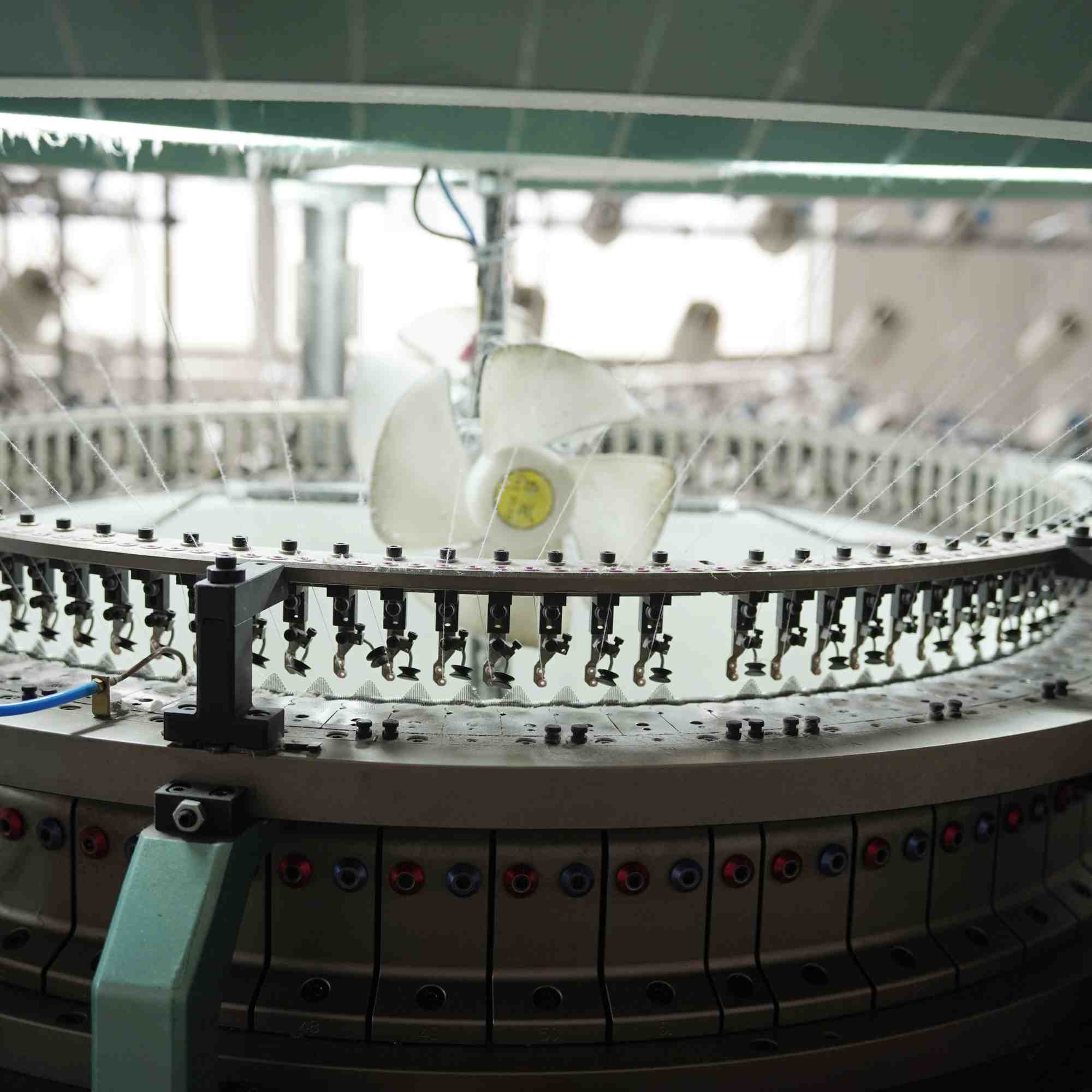
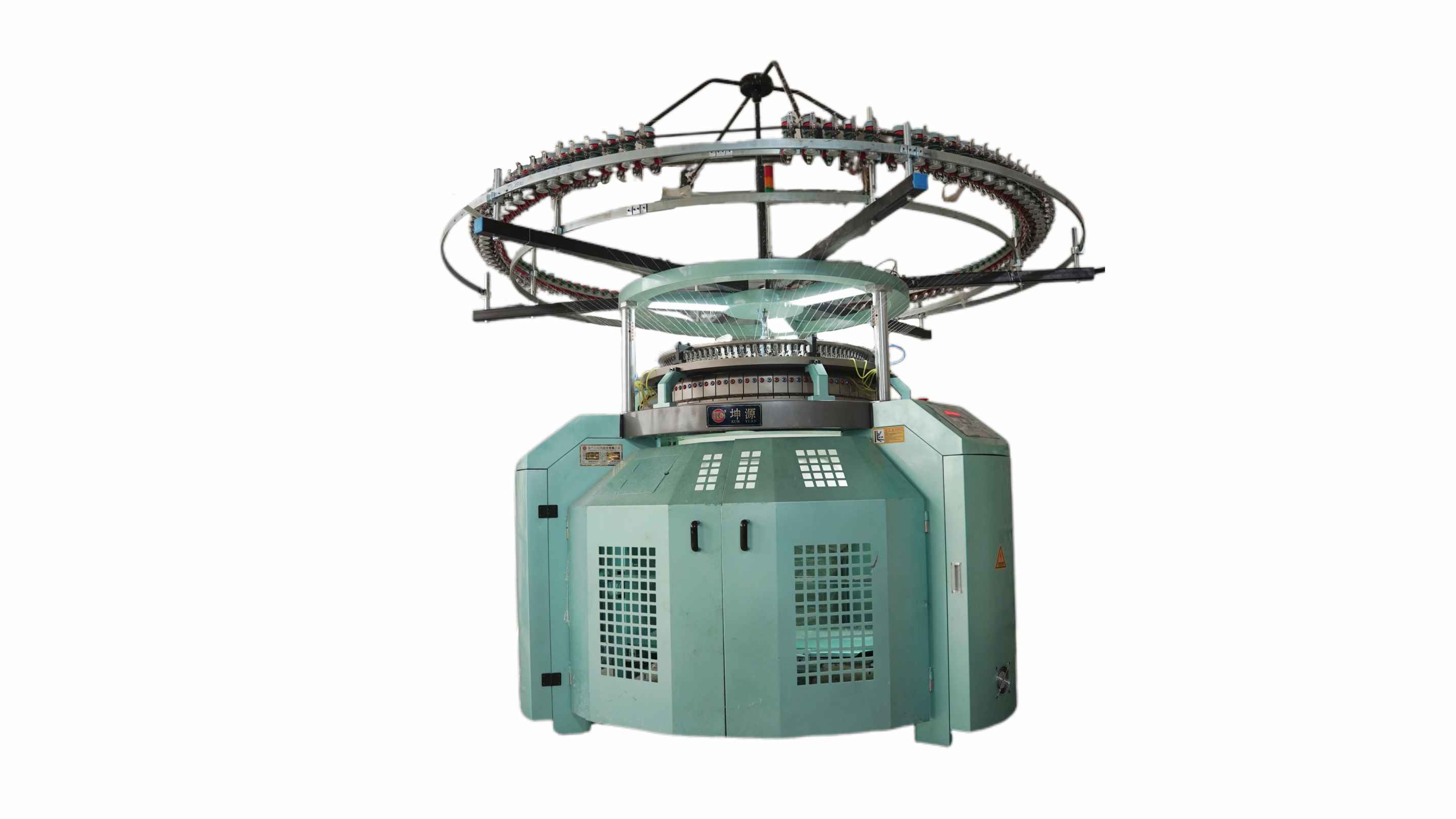
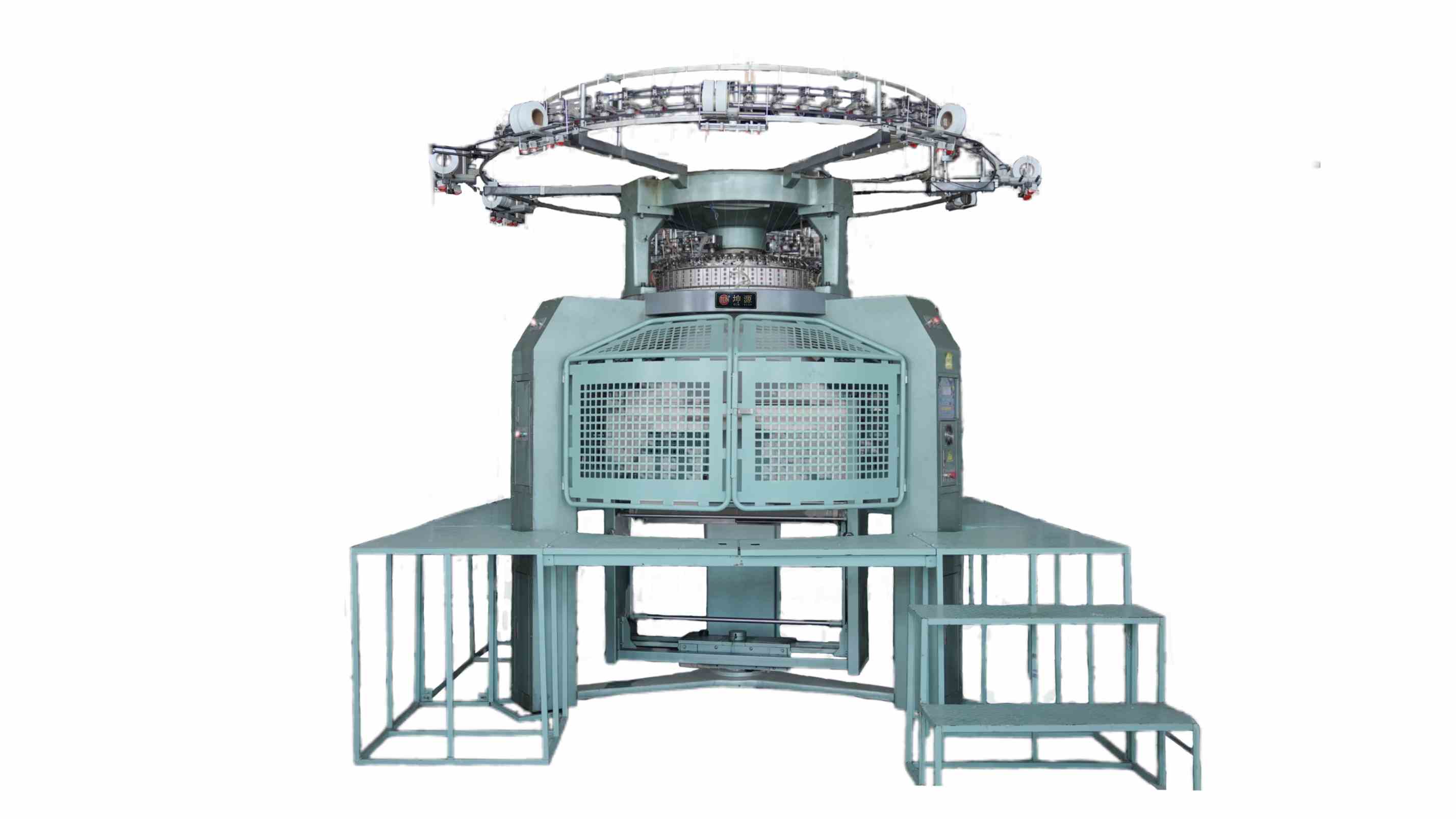
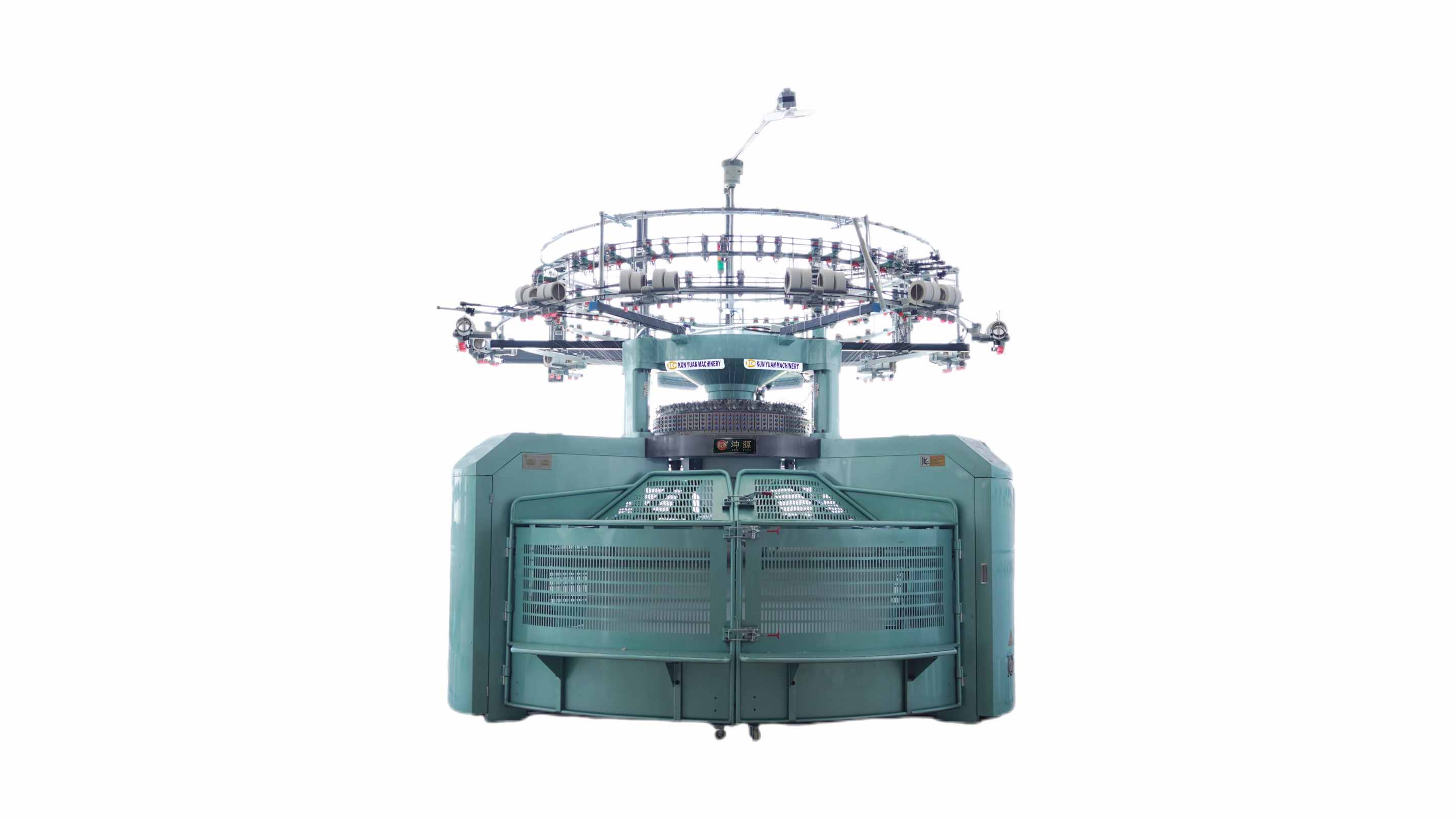
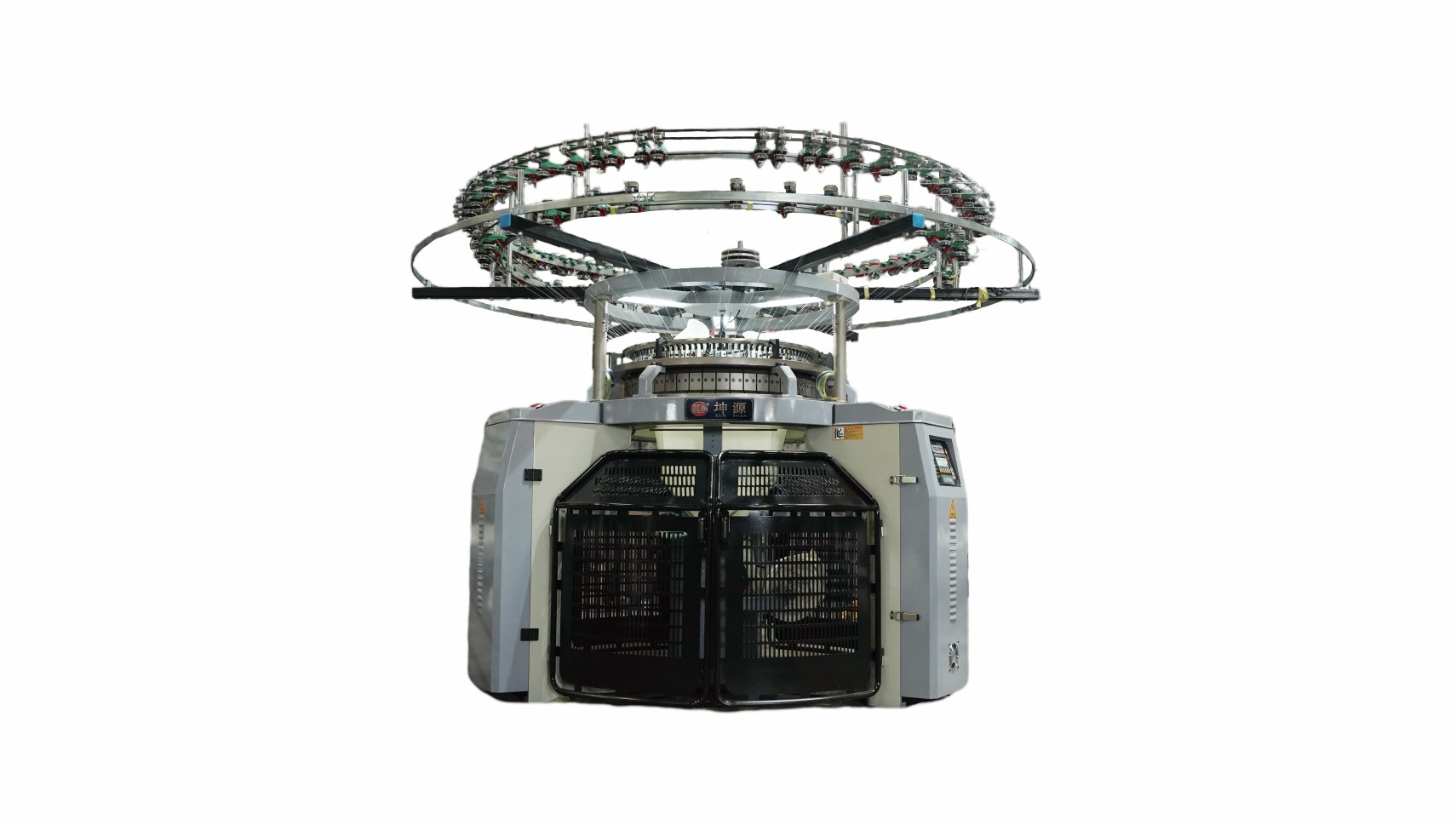
Catalogue context for the equipment enquiry; the installed feeder requires separate identification.
Positive-feed ratio and delivery card
Coordinate
Retained entry
What it establishes
Unresolved example
Drive
Defined ratio and mechanism revision
Meaning of the recorded setting
Scale mark without definition
Mode
Feeder model, mode and yarn role
Consumption duty being compared
Variable duty treated as constant
Delivery
Length, interval, units and method
Observed yarn supply
Minute and cycle bases mixed
Fabric
Recipe, marked specimen and state
Result for the recorded setup
Unidentified fabric sample
This product image supplies no measured feed ratio or yarn-delivery result.Use the mill's marked fabric interval to document delivery evidence.
Positive-feed recording questions
Does feed ratio equal yarn tension?
No. Record the drive relationship and tension separately. Each needs a defined basis, and tension observations need their own method.
Can one ratio be reused across feeder models?
Only after the responsible supplier confirms the hardware and definition are equivalent. A matching display label is insufficient.
Why include operating mode?
A positive-feed setting does not describe every consumption arrangement. Identify the installed mode and the yarn duty before comparing records.
Should the worksheet prescribe a wheel adjustment?
No. Use the exact supplier's authorised procedure and qualified personnel. The worksheet documents delivery and resulting fabric rather than instructing adjustments.
What if delivered length cannot be measured safely?
Keep the field unresolved and request an approved method. Do not present nominal drive data as an actual yarn measurement.
Conclusion
Positive-feed ratio becomes useful production knowledge when its definition survives outside the operator's memory. A named mechanism, confirmed mode and measured delivery interval connect the setting to a real fabric revision. Keep those coordinates together, and ask the equipment supplier to resolve any mismatch before a successful recipe is reused.
Bring the delivery card when discussing the Circular Knitting Machine catalogue and ask the supplier to identify the proposed feeder and its documented ratio convention.



 Tel: +86-13859034518
 Email: info@kunyuanmachine.com
 MP/WhatsApp: +86-13859034518
 Manufacturer Address:Bacuo Village, Yonghe Town, Jinjiang City, Fujian Province