
Language
Hot Keyword:
Author:KUNYUAN Machine Manufacturer TIME:2026-11-03
A replacement cylinder can look familiar in a supplier photograph while lacking proof that it belongs in the installed knitting system. Compatibility starts with the equipment identity and the assembly relationships that the original manufacturer is prepared to approve.
This inspection map concerns replacement within a documented build. It is not a gauge-conversion budget or a workshop drawing. Groz-Beckert's cylinder course explicitly addresses interactions with needles and sinkers. Mayer & Cie's D4-2.2 II leaflet describes a specific cylinder-and-dial exchange arrangement and conversion options. Those examples support system-level questions, not interchangeability between unrelated machines.
Use part references and supplier-reviewed documents to establish the interfaces. A nominal diameter or gauge describes only part of the enquiry. Keep undocumented assumptions visible until the OEM or its qualified service representative confirms them. Photographs can identify a reference location; they cannot supply a tolerance, repair instruction or authority to modify a component.
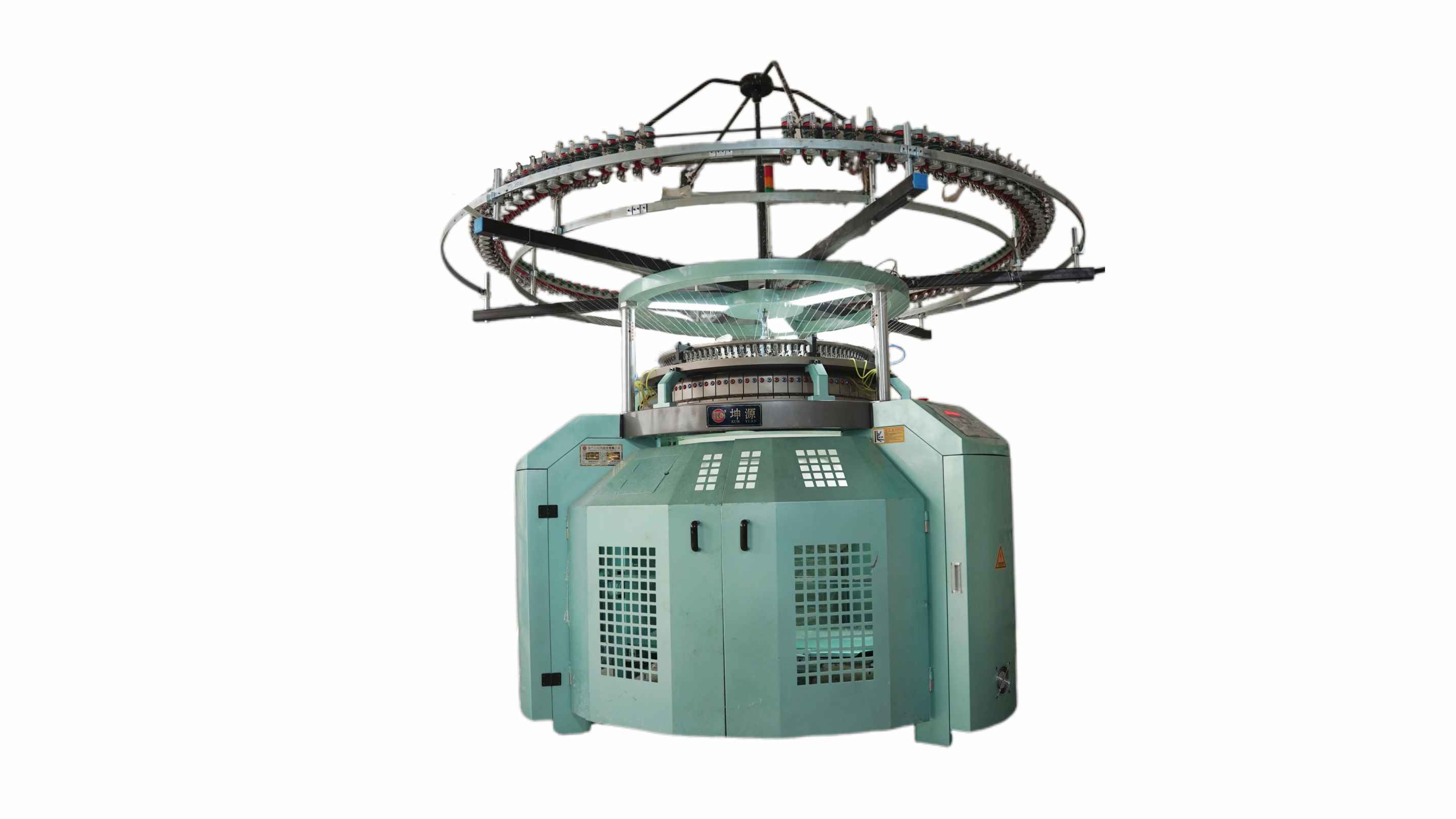
Place the machine maker, model, serial identity and configuration revision at the top of the map. Add the existing cylinder's documented part reference and any service replacement history. Distinguish information read from an identification plate from information copied from an old purchase order. Where a number is missing or unclear, attach an authorised photograph and request confirmation rather than guessing from a similar machine.
Record the knitted construction and fitted needle system as context for the enquiry. Include a relevant dial or sinker arrangement only when present on this build. Note whether the replacement request follows damage, planned maintenance or another documented event. This explains why an inspection is being requested while keeping the ordering decision separate from the diagnosis. A supplier must be able to identify one actual assembly from the file without relying on a generic product name.
Draw a simple relationship map connecting the cylinder to its specified needles, associated sinkers or dial, mounting arrangement and the documented control or selection system. Label each connection with the governing parts list or approved assembly reference. The map is an index to controlled documents; it is not a dimensioned drawing from which a workshop should make a replacement.
Ask the supplier which components form a matched set and which references must accompany the cylinder order. Record its written answer, including any configuration limitation. A product leaflet showing quick exchange on one model does not establish that another build has the same interface. If an aftermarket supplier offers equivalence, request the scope of that evidence and obtain the responsible OEM's disposition where required. Keep an unresolved connection explicitly unresolved instead of filling it with an estimated clearance or borrowed tolerance.
Have qualified personnel perform the inspection through the installed manufacturer's access and service procedure. Identify each inspected region using that procedure's coordinates and retain the method, instrument where applicable, equipment state and inspector. Preserve photographs of accessible markings or observed condition alongside the written findings. Separate an observed mark from its proposed cause and from a decision about continued use.
The worksheet may record that the service report identifies wear, contamination or damage, but it does not decide allowable severity. Request the OEM's acceptance or replacement decision against its own criteria. No repair dimension, metal-removal allowance, polishing route or machining sequence should be inferred from this article. When an interface cannot be inspected at the permitted stage, record the evidence gap and the authorised next inspection stage. That lets procurement understand the uncertainty without asking production staff to improvise access.
Before ordering, reconcile the quoted cylinder reference with the confirmed machine identity and the mating-component list. Retain any required matched parts, supplier documents and qualified installation scope. Distinguish an approved direct replacement from a proposed change to the knitting system; the latter requires its own engineering review. An ambiguous substitution should remain on hold even when it is physically available sooner.
After authorised installation, attach the service completion record and the buyer's agreed fabric evaluation for the actual build. Record which checks were performed and which remain pending. The release document should preserve the old component identity, new component reference and supporting supplier decision so future enquiries do not restart from a photograph. A sound compatibility map ends with evidence for this assembly, rather than a general promise that cylinders sharing diameter or gauge are interchangeable.
| Drawing layer | Document to attach | Authority | Hold condition |
|---|---|---|---|
| Identity | Machine identity and cylinder reference | OEM identification | Unconfirmed part number |
| Interfaces | Mating-set and assembly references | OEM compatibility decision | Diameter-only equivalence |
| Condition | Located findings and inspection method | Qualified service report | Estimated acceptance tolerance |
| Replacement | Quoted part and installation disposition | Responsible supplier and service owner | Unreviewed substitution |
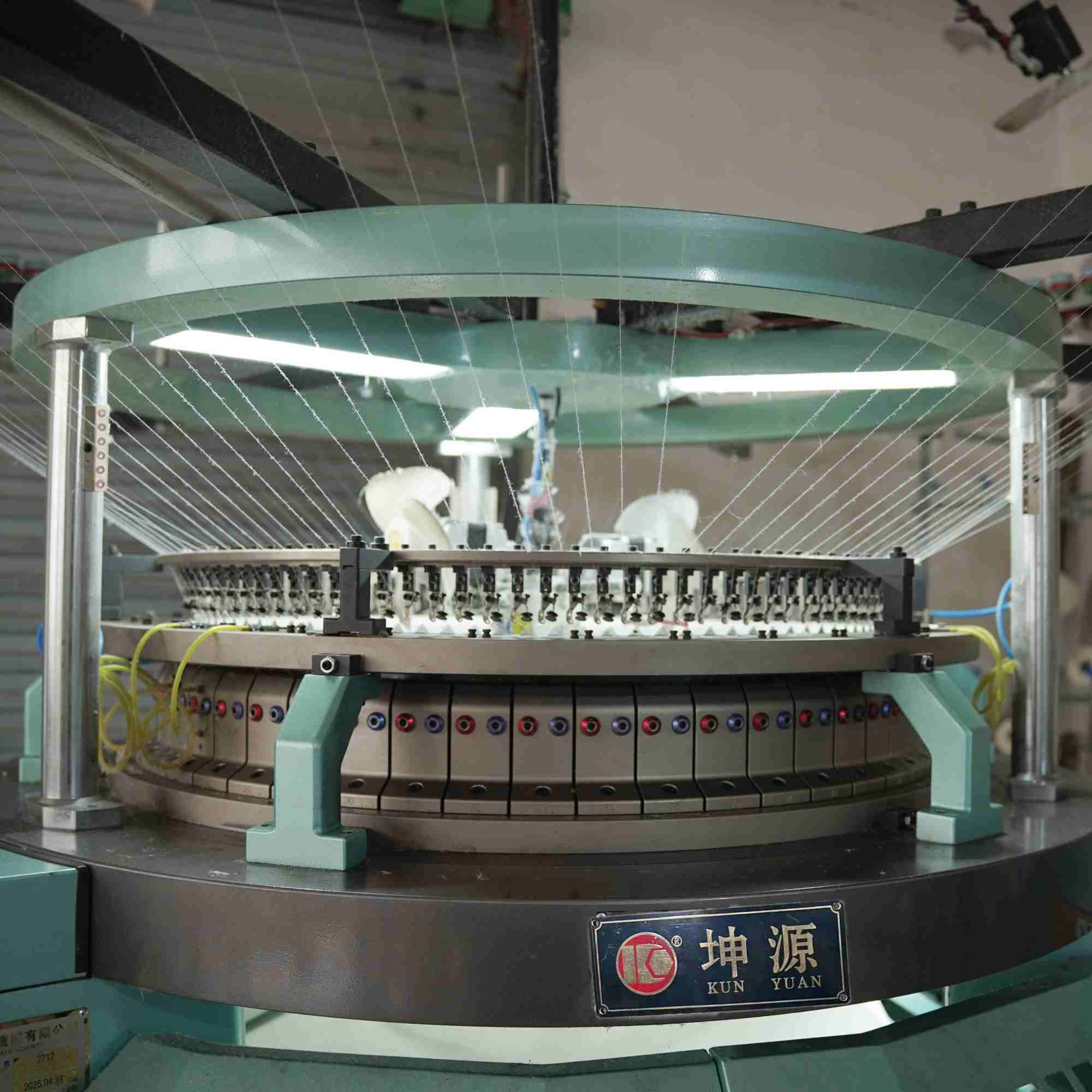
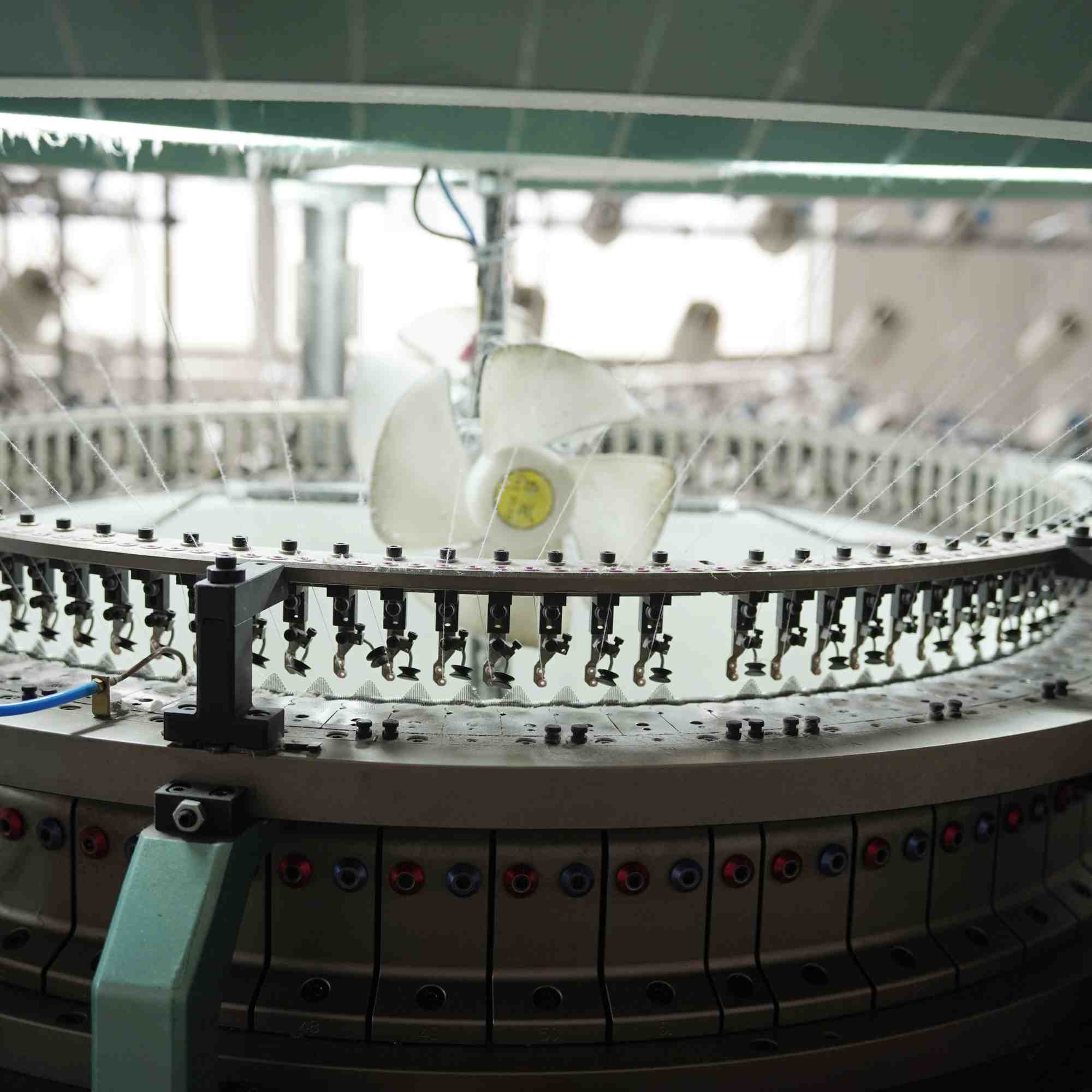
No. Confirm the actual build, part identity and mating-system relationships through the responsible manufacturer.
No. It describes the named manufacturer's arrangement. The installed build still needs configuration-specific confirmation.
No. Keep authorised dimensions and service criteria in the OEM's controlled documents. This article supplies an evidence index only.
A photograph can support identification, but the supplier must resolve the part reference before the order is treated as confirmed.
A qualified report and the responsible manufacturer's disposition. A visual observation alone does not establish continued-use approval.
Cylinder compatibility is a documented relationship between one part and one installed system. Preserve identity, confirmed interfaces and qualified findings together, then reconcile the replacement quote with that evidence. The resulting map gives procurement a usable decision record while leaving dimensional approval, servicing and any system change with the responsible manufacturer.
Use the interface dossier when enquiring about the Circular Knitting Machine product range and request configuration-specific part and qualified service confirmation.

 Tel: +86-13859034518
 Email: info@kunyuanmachine.com
 MP/WhatsApp: +86-13859034518
 Manufacturer Address:Bacuo Village, Yonghe Town, Jinjiang City, Fujian Province