
Language
Hot Keyword:
Author:KUNYUAN Machine Manufacturer TIME:2026-11-10
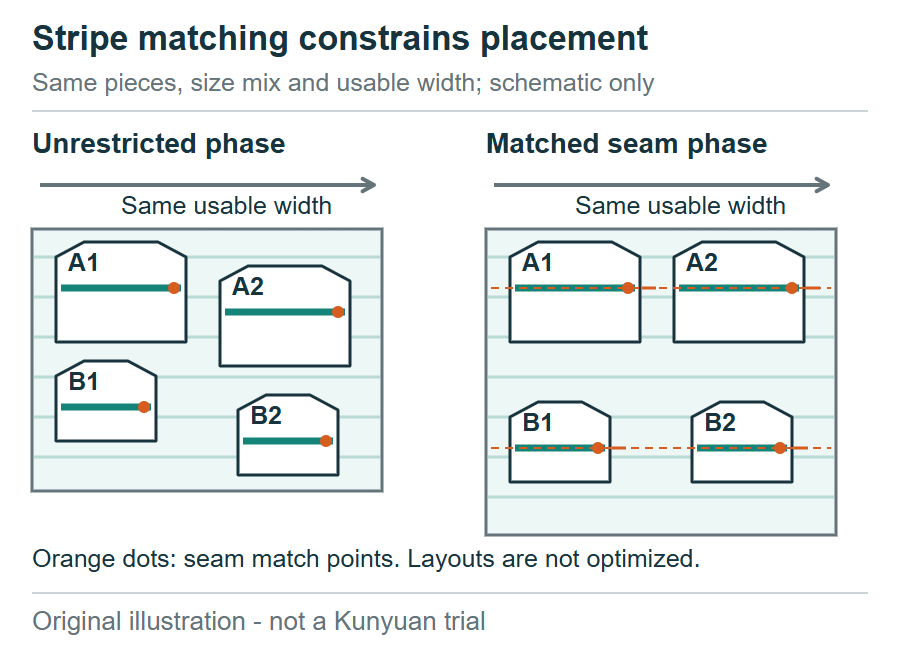
Estimate stripe-order demand from a marker that follows the customer's matching rules, size mix and finished usable width. Matching bands at seams can restrict where garment pieces fit, increasing consumption even when knitting yield is unchanged. Compare matched and unrestricted markers before committing a machine-output figure to a garment delivery date.
Simplicity's own pattern guidance explains why directional stripe layouts require special placement. An industrial marker needs the same design logic applied to the actual garment and size ratio; this article supplies an original planning calculation, not a published efficiency benchmark.
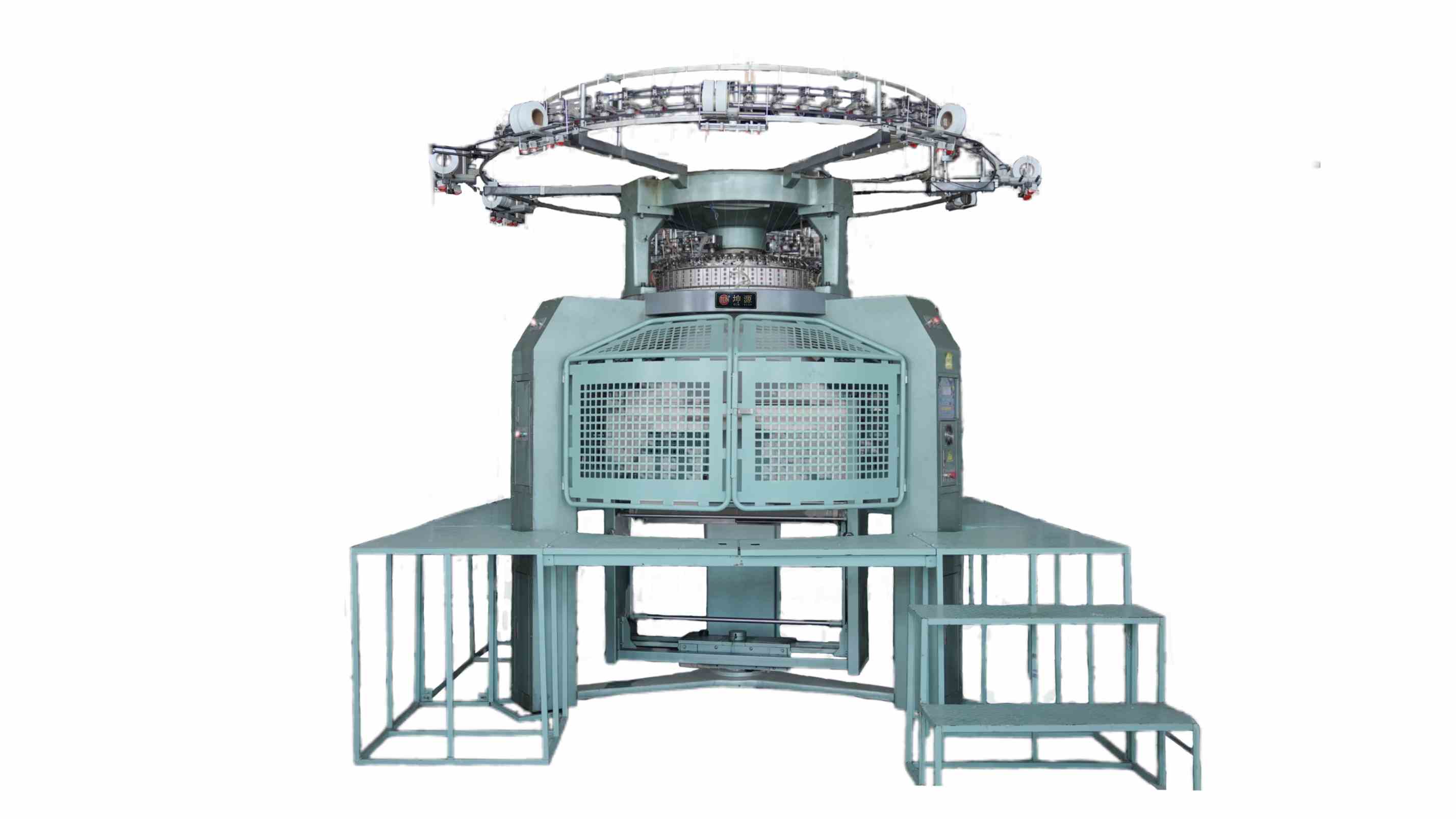
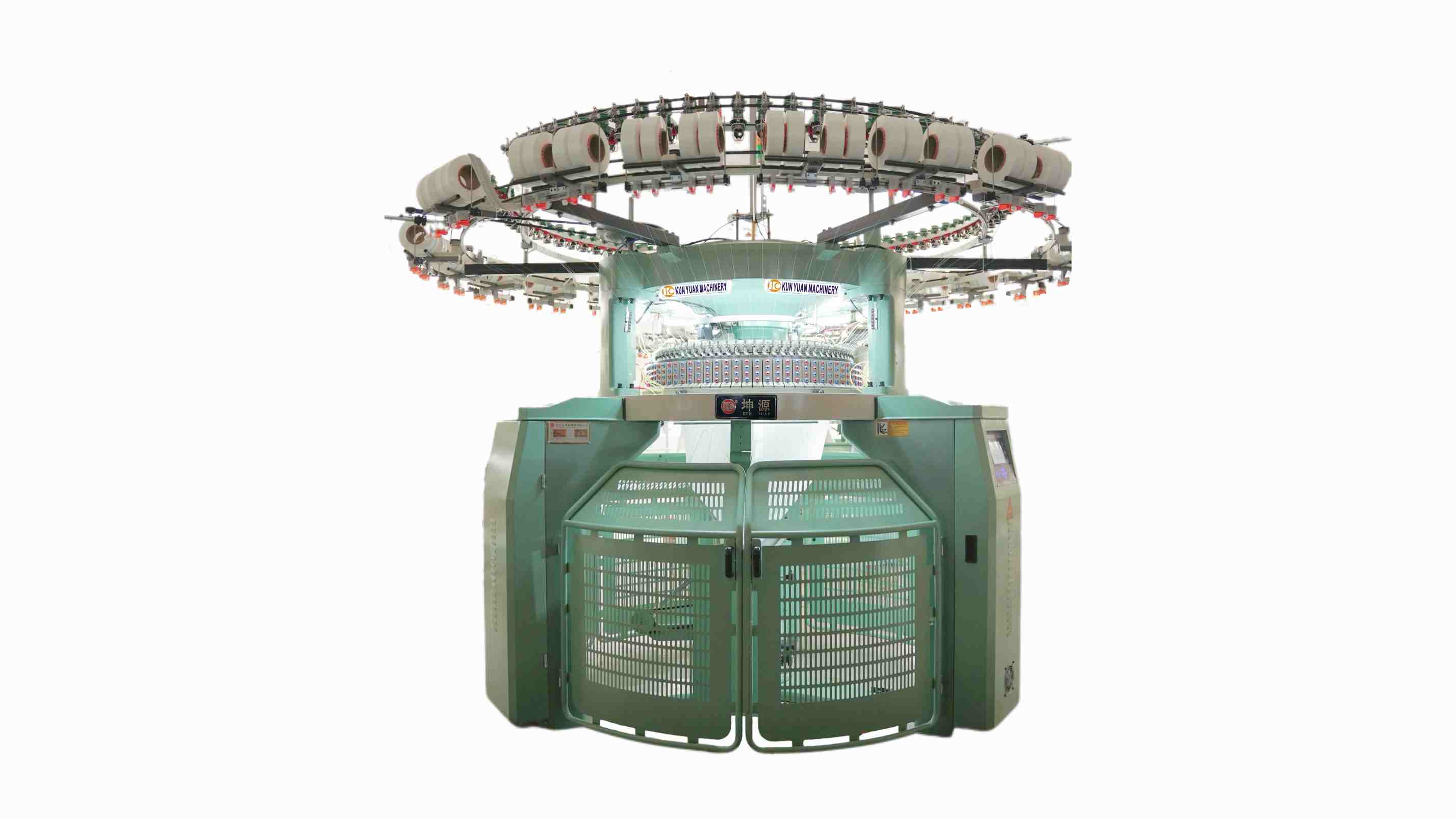
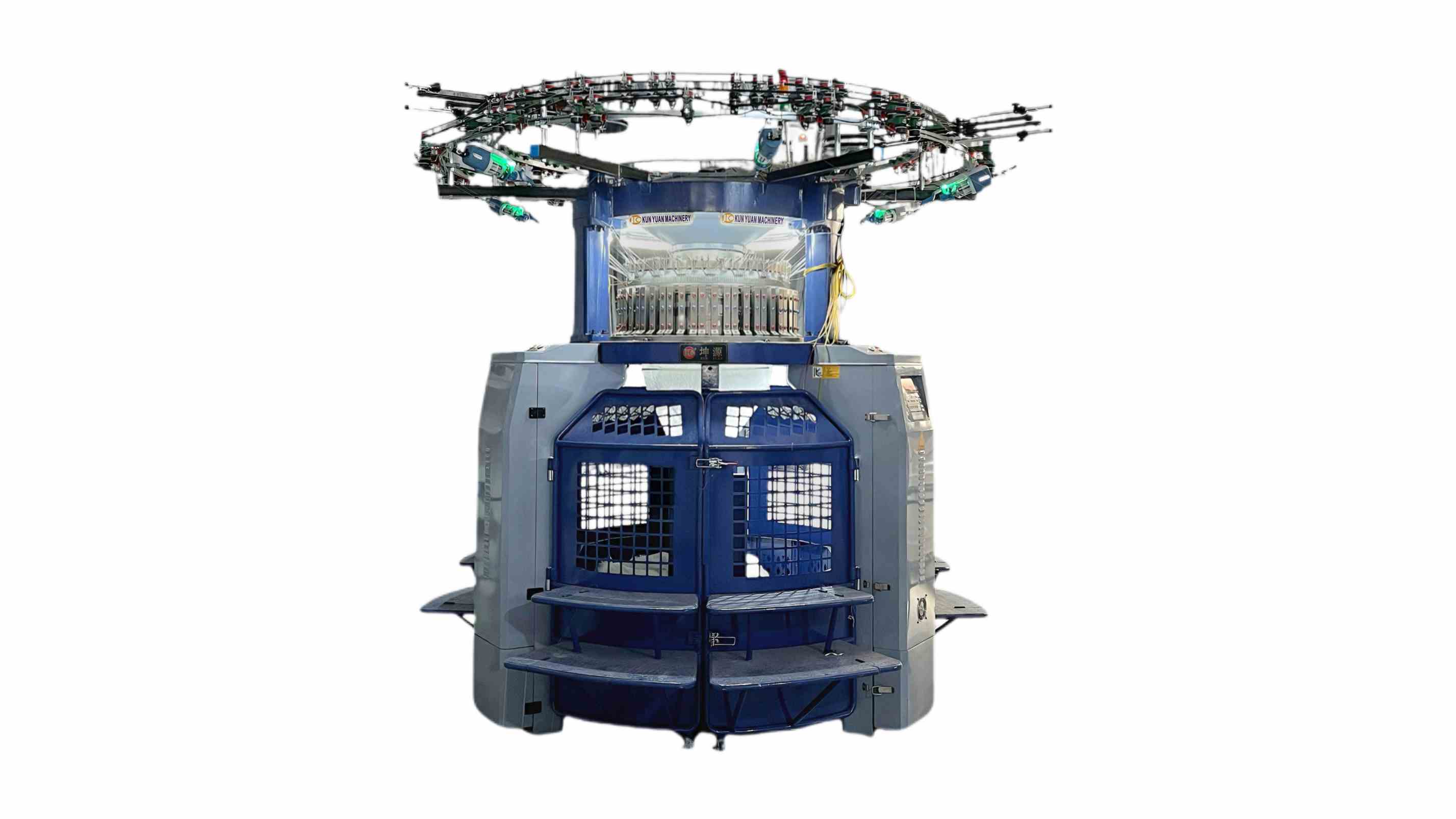
Kunyuan's single-jersey page records 54F-114F and 20-35 RPM as family-level catalogue data. These numbers cannot predict cut-garment yield or establish a striper configuration. Mayer & Cie's separate programmable-striping example reinforces that available production arrangements vary. Keep knitting capability, finished fabric acceptance and garment conversion as three different commercial quantities.
Utilization = total pattern-piece area / (usable finished width x marker length). Compare identical garment quantities and size mixes; account for defects and end allowances separately.
Ask the designer to identify the match points: side seams, pocket to front, sleeve pair, shoulder, or another visible junction. Some designs need one prominent band aligned while others need an entire repeat. State whether asymmetry is intentional and whether a hidden piece may be placed differently. Without those decisions, two suppliers can quote different fabric consumptions for what appears to be the same shirt.
Use seam lines rather than raw cutting edges when positioning the match. A seam allowance can conceal part of the stripe, and a curved sleeve edge cannot generally align with every band in a straight body edge. The garment technician should resolve that construction question in the pattern. More accurate knitting cannot repair an impossible matching instruction built into the garment drawing.
| Planning quantity | Unrestricted marker | Matched marker | Interpretation |
|---|---|---|---|
| Usable width | 1.80 m | 1.80 m | Held constant |
| Pattern area | 8.40 m2 | 8.40 m2 | Same ten garments |
| Marker length | 6.00 m | 6.80 m | Invented example inputs |
| Area utilization | 77.8% | 68.6% | About 9.2 percentage points lower |
| Metres per garment | 0.60 | 0.68 | About 13.3% more marker fabric |
Consider an invented planning example with 1.80 m usable width and 8.40 square metres of pattern-piece area for ten garments. If an unrestricted marker is 6.00 m long, utilization is 8.40 divided by 10.80, or about 77.8%. If the matched version needs 6.80 m, utilization is about 68.6%. These numbers illustrate the calculation; they are not Kunyuan trials or industry targets.
The same example changes marker consumption from 0.60 to 0.68 m per garment, an increase of about 13.3%. For 1,000 identical garments, the marker-only totals would be 600 and 680 m before separately stated allowances. This is why a nine-percentage-point utilization difference should not be casually called nine percent more fabric. Report both area utilization and consumption per complete garment.
A roll may begin partway through a stripe repeat. The first usable garment placement can therefore require an offset before the planned marker starts. Repeatedly treating every remnant as if it began at the desired stripe origin can overstate the available garment quantity. Calculate the offset from the actual marker and repeat phase; do not impose a universal full-repeat waste allowance.
For short orders, compare alternative approved repeat heights and garment placement before asking the knitting mill for extra weight. A shorter repeat may offer more acceptable placement origins, but the designer must accept the appearance change. The purchasing conversation should end with usable finished metres converted into matched garment sets. Machine rate remains relevant to how quickly those metres arrive; it is not a substitute for the cutting calculation.
No. Fabric acceptance and cutting utilization are separate. Matching, pattern geometry, usable width and size mix can reduce complete garment sets from accepted fabric.
That is a design and construction decision. Identify visible match points and acceptable offsets before costing; some curved seams cannot match every band.
Only where the design allows it. Unequal stripe repeats or directional appearance can rule out rotation even if the pieces fit geometrically.
No. Determine the actual phase offset and spreading method. A blanket allowance may be too large or fail to describe the real loss.
State accepted usable finished metres, width, stripe repeat and applicable roll allowances, then use the approved marker to convert those metres into garment sets.
Stripe matching changes a garment's material demand through placement constraints, not necessarily through a knitting defect. A paired marker calculation exposes that cost before ordering. Keep the matching rules, finished width and repeat-start assumptions visible so the fabric quantity and garment delivery promise use the same basis.
Bring the matched marker and finished-fabric brief to a discussion of the Single Jersey Circular Knitting Machine range and request striping scope and knitting output separately from the garment-conversion estimate.

 Tel: +86-13859034518
 Email: info@kunyuanmachine.com
 MP/WhatsApp: +86-13859034518
 Manufacturer Address:Bacuo Village, Yonghe Town, Jinjiang City, Fujian Province