Does the mismatch follow the colour or the way the pile faces?
A high-pile shade mismatch may come from nap orientation as well as colour. Compare dry pieces facing the same direction under the same light, then deliberately rotate one. If the appearance follows orientation, investigate surface presentation first; if the difference persists, continue with repeatable colour measurements and the actual processing history.
The surface and its colour need related but separate comparisons. Datacolor recommends controlled presentation and repeated measurements for textured fabrics. Simplicity explains the visual consequences of directional layouts. These principles support a proposed diagnostic sequence; no Kunyuan customer complaint or successful correction is claimed.
Kunyuan's high-pile cutting page distinguishes HMC cylinder cutting, listed at 18-48 inches, 16G-26G and 12F-34F, from HMD dial cutting at 16G-22G and 30F-72F. These are publicly listed configuration facts. Neither range establishes a colour tolerance, dye recipe or guaranteed nap behaviour.
Start with two dry pieces whose pile direction is still known
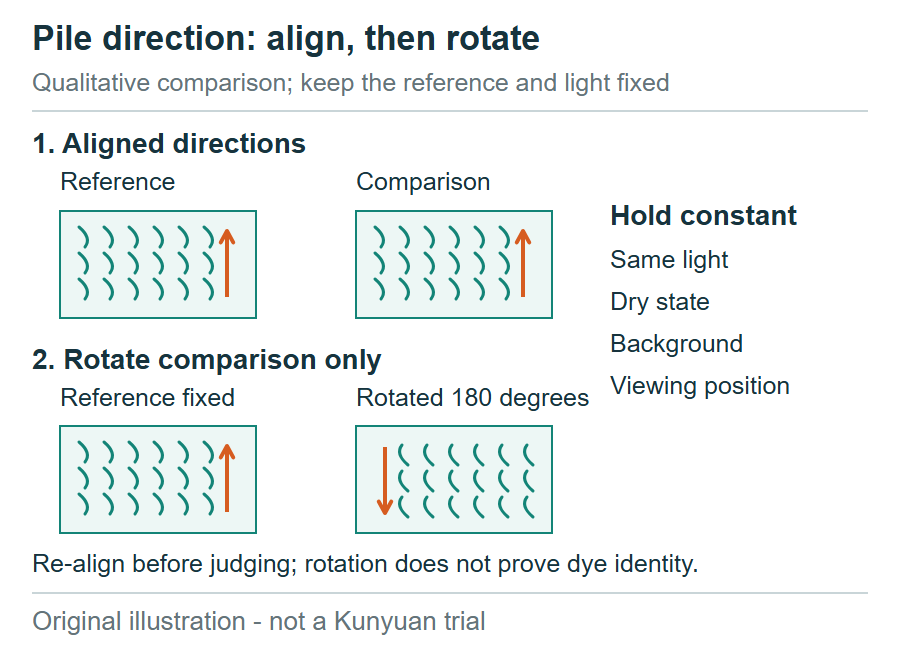
Mark the face and original roll direction on both specimens before comparing them. Place an accepted reference beside the complaint piece with their arrows aligned. Use the customer's agreed lighting condition and a similar background. Check that one piece is not wetter, folded more tightly or compressed under a clip. Those differences can change its presentation before any material difference is evaluated.
Observe the pair from the normal viewing position and then from the opposite direction, retaining the orientation marks. A surface that looks darker from one end is not automatically incorrectly dyed. The pile presents fibres at different angles, so a change in the light returned to the eye can resemble a colour change. The question is whether the customer sees the required appearance when the finished product uses the intended orientation.
Use rotation to separate directional contrast from a persistent difference
After the initial comparison, rotate one piece while holding the other fixed. Then align the arrows again. If the apparent darker side switches with the rotation, directionality is implicated. If one sample remains consistently different in equivalent orientations, colour, pile population or processing may still differ. This comparison narrows the question; it cannot certify that the dye chemistry is identical.
Keep a same-orientation comparison as the commercial reference instead of reporting only the most flattering rotated view. For a sewn product, inspect adjacent panels in the assembled position. Two acceptable loose pieces can look mismatched when their nap arrows oppose each other. That situation needs a layout or appearance decision even if an averaged instrumental result lies inside an agreed colour tolerance.
Use a textured-fabric measurement method rather than a single spot reading
Have the colour laboratory choose an appropriate holder, aperture, backing, geometry and sample-conditioning method. Follow the same method for the standard and complaint sample. Datacolor specifically discusses repeated presentation of high-pile material. A lone reading at an arbitrary angle or under inconsistent pressure can make a presentation difference look like a production colour shift.
Preserve the individual observations as well as the average. Strong variation among positions may matter commercially even when the overall average is close. The laboratory should set the evaluation rule with the customer; this article supplies no universal Delta E limit, number of readings or preferred instrument geometry. A colour number is useful only when the method explains which appearance differences it captures and which remain for oriented visual assessment.
Resolve the appearance problem where it first becomes visible
Compare an untreated piece with the finished complaint area where available. Ask whether the change follows shearing direction, brushing, contact marks, packing compression or panel rotation. If the visual difference was present before dyeing or follows a contact pattern, an immediate dye correction may add cost while leaving the actual appearance issue unchanged. Treat these as hypotheses to compare, not as causes proved by a photograph.
For persistent colour difference, continue the dyehouse investigation with comparable readings and material identities. For orientation-related contrast, decide whether cutting directions, surface preparation or the customer's appearance standard need adjustment. Any proposed recovery process must suit the actual fibre and finish and be chosen by the responsible specialist. Avoid generic steaming or brushing prescriptions that could alter the surface while obscuring the original complaint.
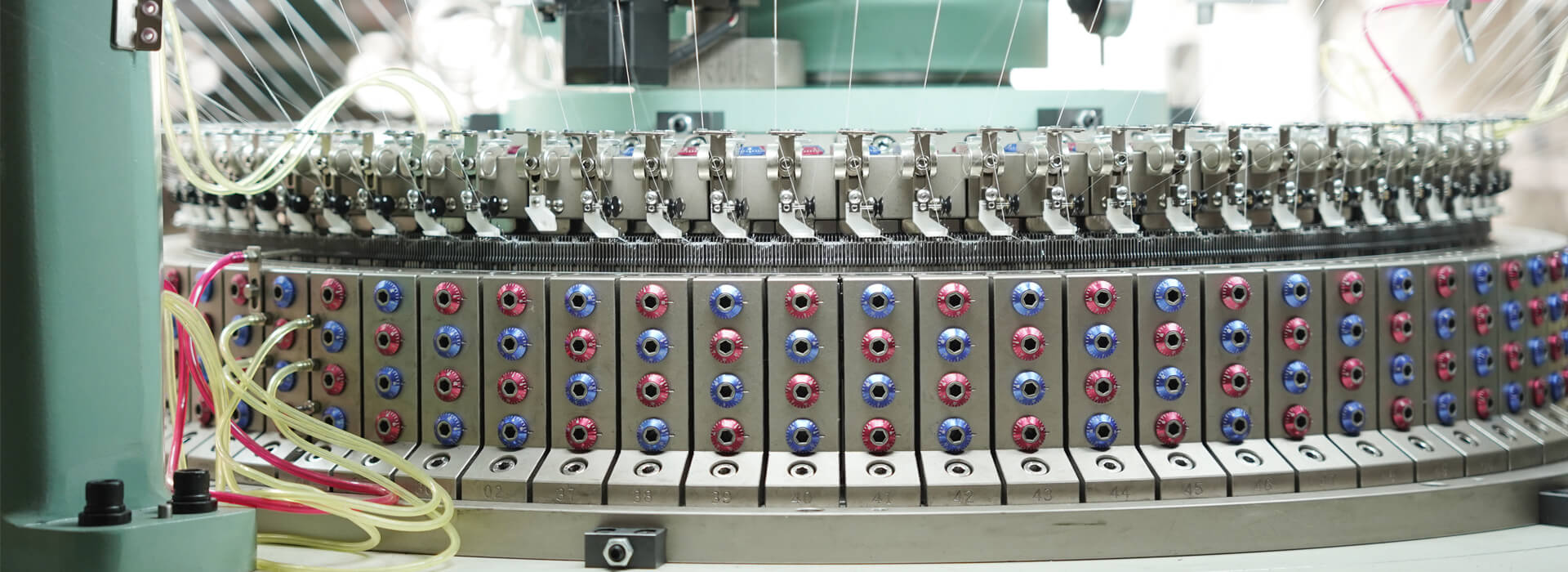
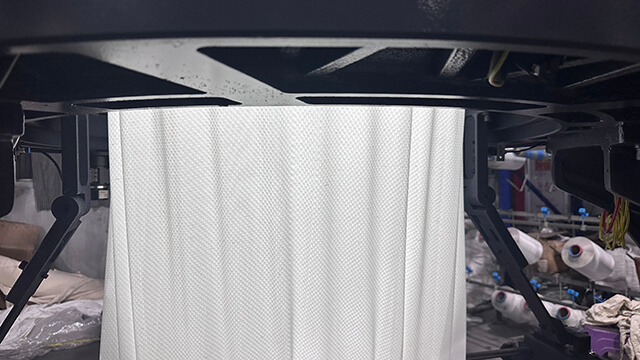
Approved existing equipment reference; no directional-shade result is shown.
Original illustration of a proposed pile-direction comparison: align both nap arrows under constant light, hold the reference fixed, then rotate the comparison specimen. Re-align afterward. No measured shade difference or dye diagnosis is shown. Kunyuan editorial; not a Kunyuan trial.
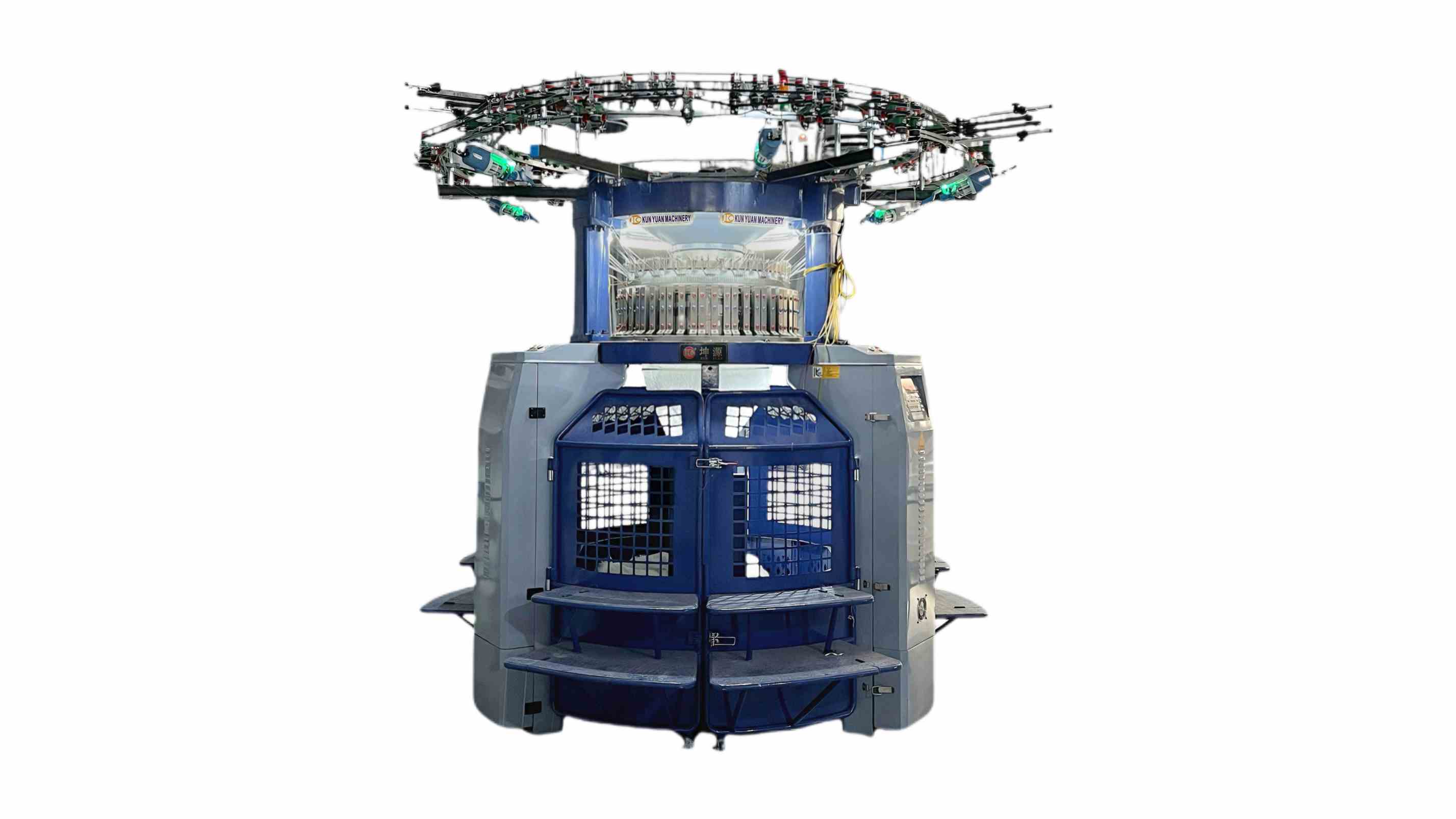
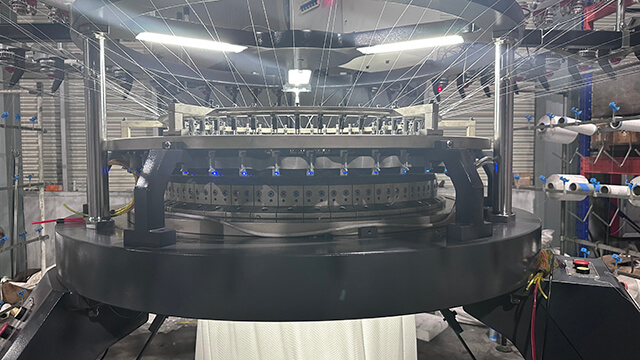
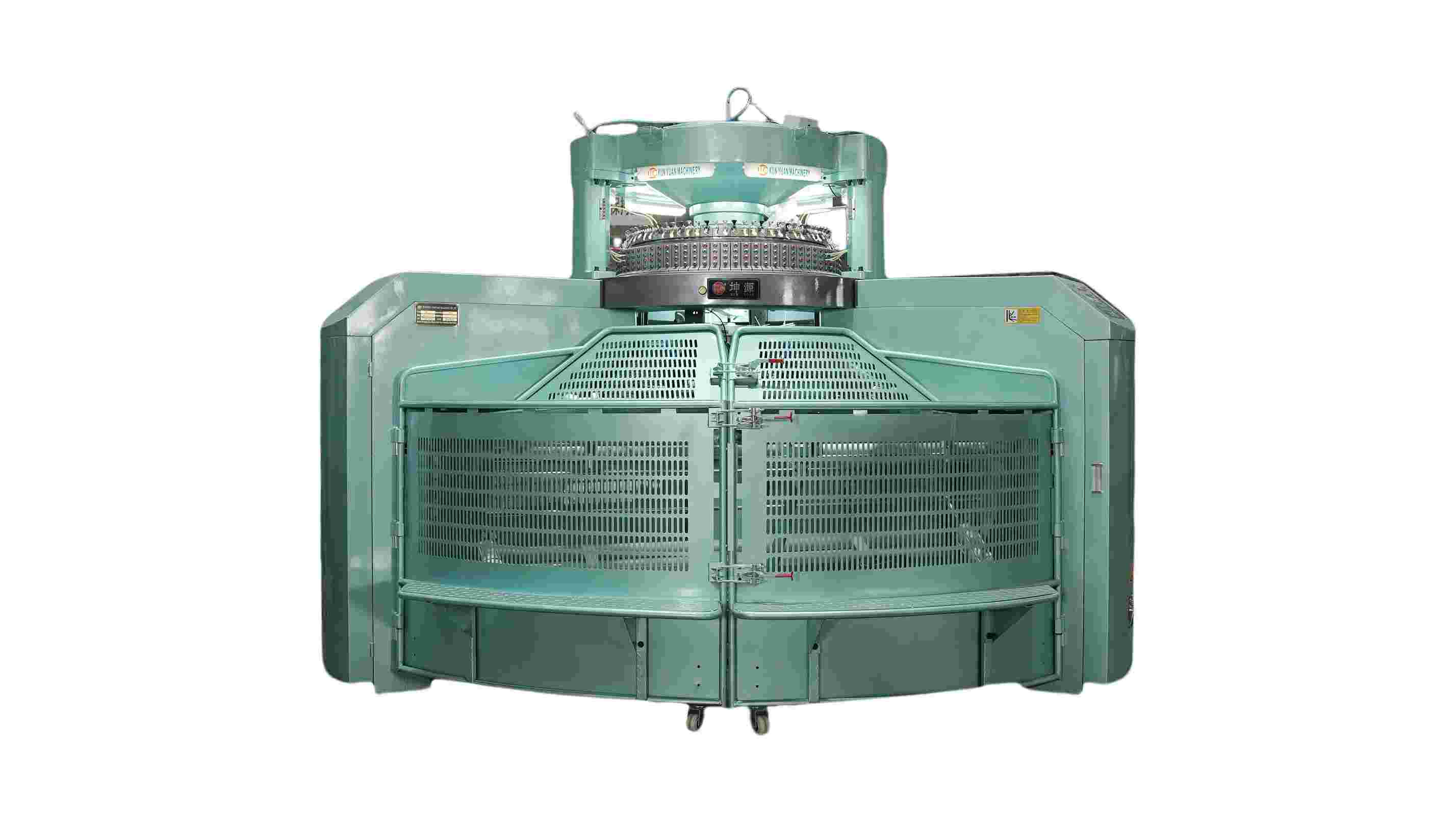
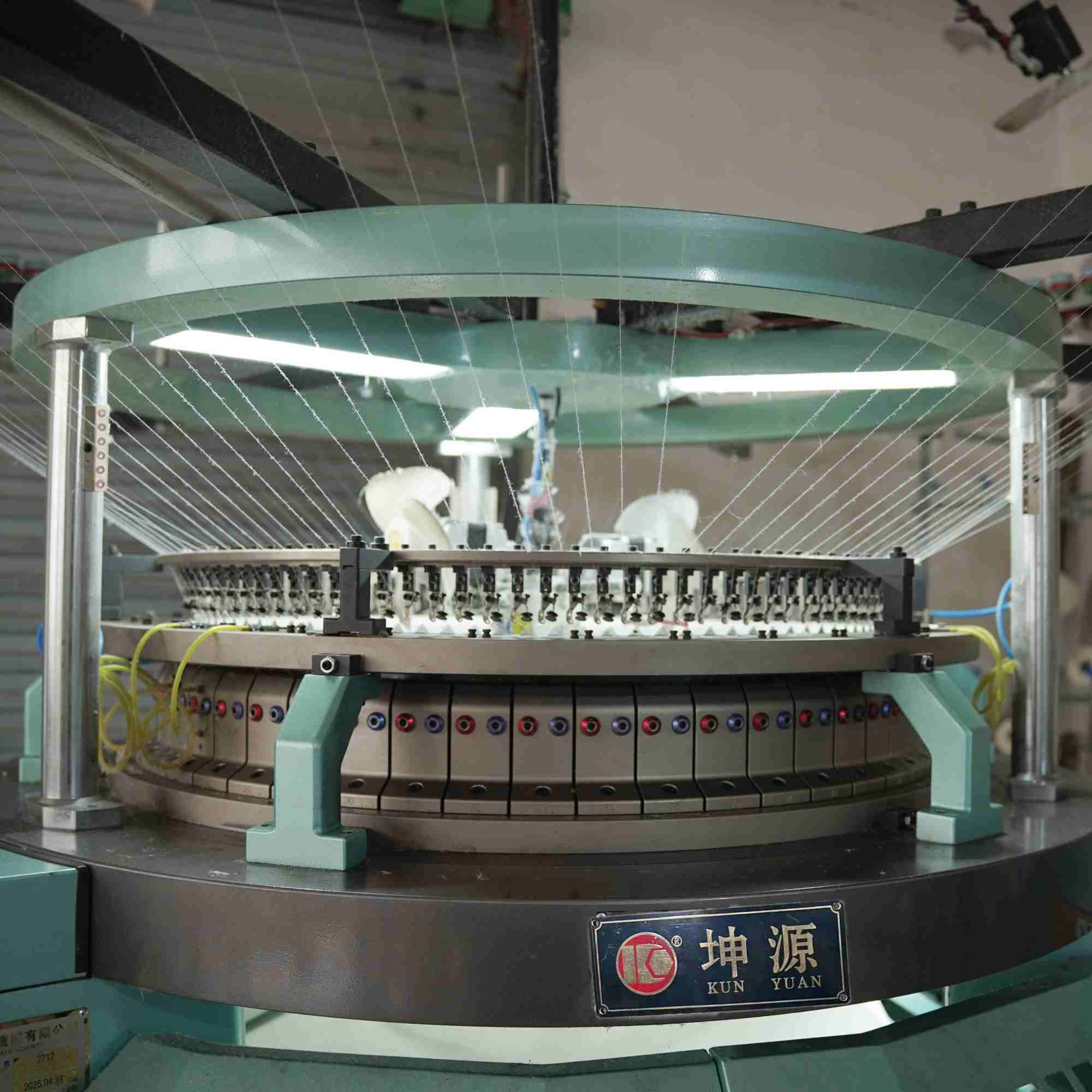
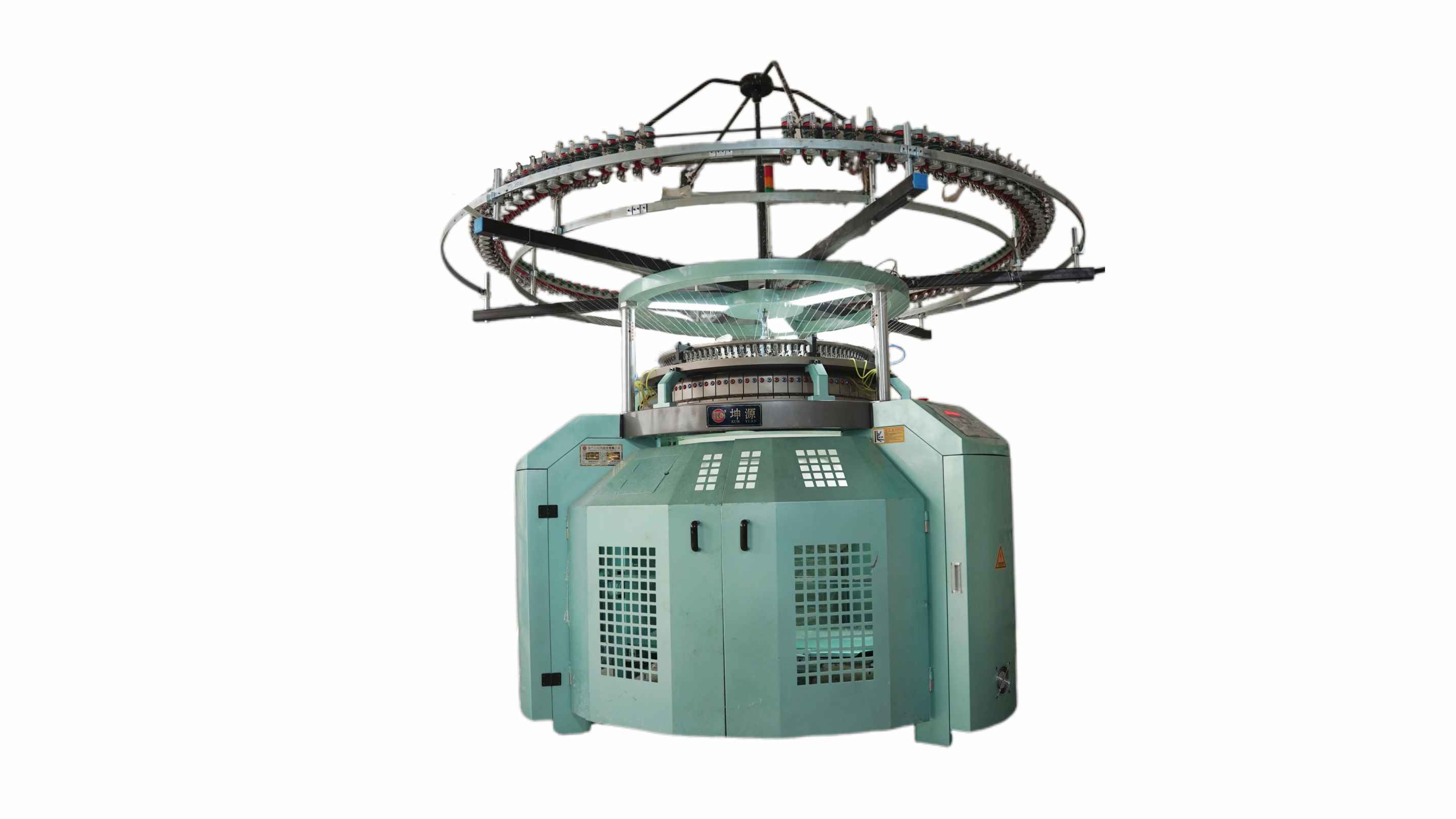
Existing machine reference; no customer colour complaint or recovery is pictured.
Pile shade comparison sequence
Comparison
Keep constant
What it can reveal
What it cannot prove
Aligned visual pair
Direction, light, dry state
Commercial appearance mismatch
Exact dye cause
Deliberate rotation
Reference piece and light
Directional contribution
Identical dye chemistry
Repeated colour readings
Agreed presentation method
Persistent measured difference
All assembled-panel appearance
Before/after surface process
Identified fabric region
First visible process state
Guaranteed recovery method
Pile direction and colour questions
Can two pieces from one roll appear different?
Yes, different orientation or surface presentation can change apparent shade. Compare their original direction and equivalent dry states before concluding that the roll contains a dye fault.
Does rotation prove the dye is correct?
No. It identifies a directional contribution. A persistent difference may still need colour and material investigation under comparable conditions.
Should all colour readings be averaged?
Use the laboratory's agreed method, retaining the individual readings where variation matters. An average can conceal a local difference relevant to the finished product.
Can steaming remove the mismatch?
No recovery method is established here. The responsible finisher must assess the actual fibre, finish and surface before proposing a treatment.
Conclusion
A pile shade complaint should first survive an equivalent-orientation comparison. That simple distinction helps the buyer avoid using a dye correction for a panel-layout or surface-presentation problem. Keep the oriented appearance decision beside the laboratory method so the accepted colour still looks right in the finished product.
Discuss the intended directional appearance when reviewing the Pile Fabric Circular Knitting Machine range and keep the chosen HMC/HMD configuration separate from finishing and colour-acceptance responsibilities.




 Tel: +86-13859034518
 Email: info@kunyuanmachine.com
 MP/WhatsApp: +86-13859034518
 Manufacturer Address:Bacuo Village, Yonghe Town, Jinjiang City, Fujian Province