Why a smooth double-knit face does not identify the whole structure
Ponte differs from plain interlock because its repeat adds cylinder-only and dial-only knitting after the interlock feeds. That sequence changes the fabric architecture even when both faces look smooth. Specify the complete construction and finished garment requirements; an interlock machine label or matching GSM does not establish that two fabrics are interchangeable.
CottonWorks' Single & Double Knits and its Ponte encyclopedia entry describe the combined interlock and single-bed sequence. The longer lesson distinguishes yarn feeds from visible courses, which matters when buyers compare samples or output estimates. This article develops purchasing questions from that construction, without reporting a Kunyuan Ponte demonstration.
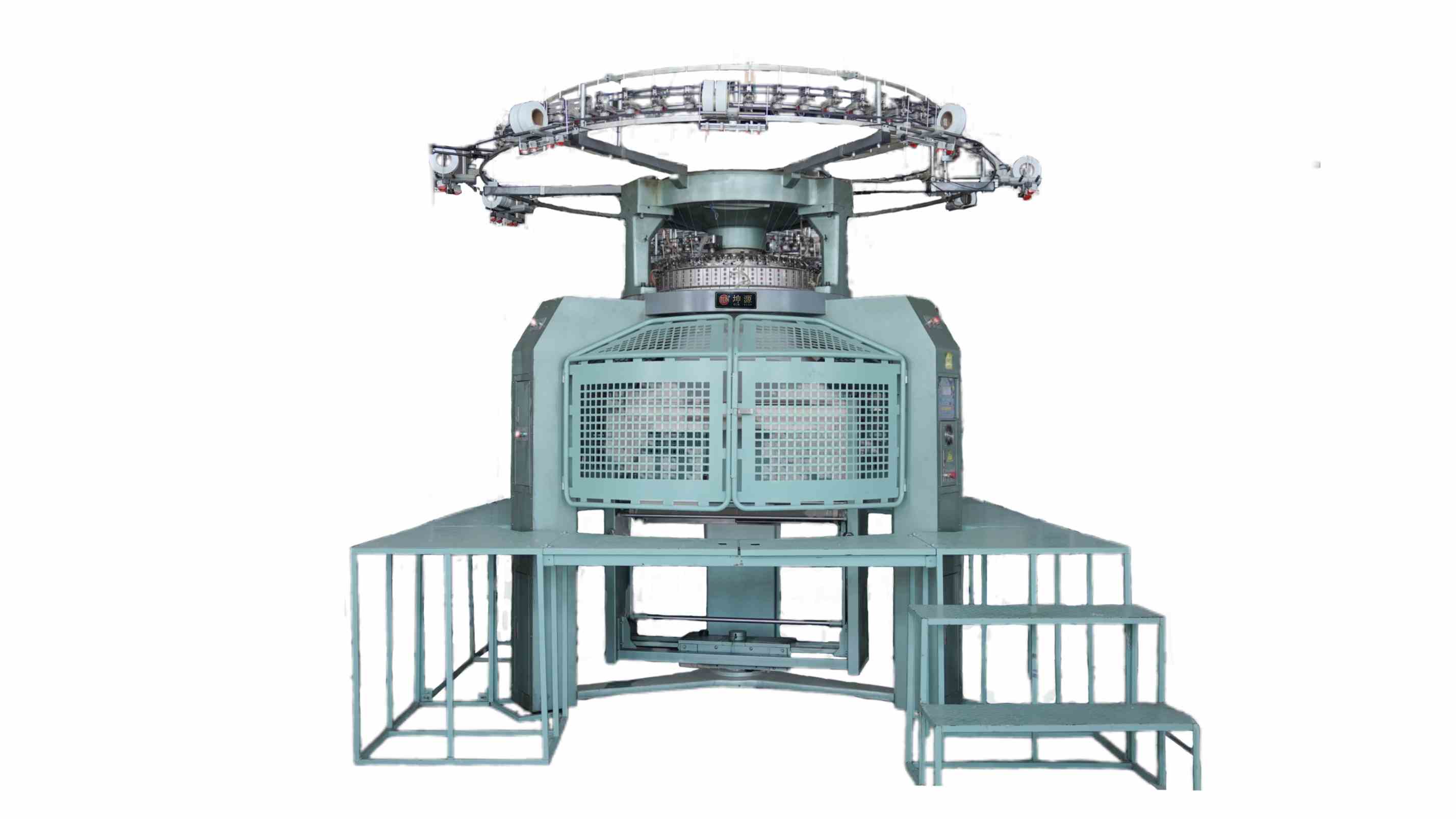
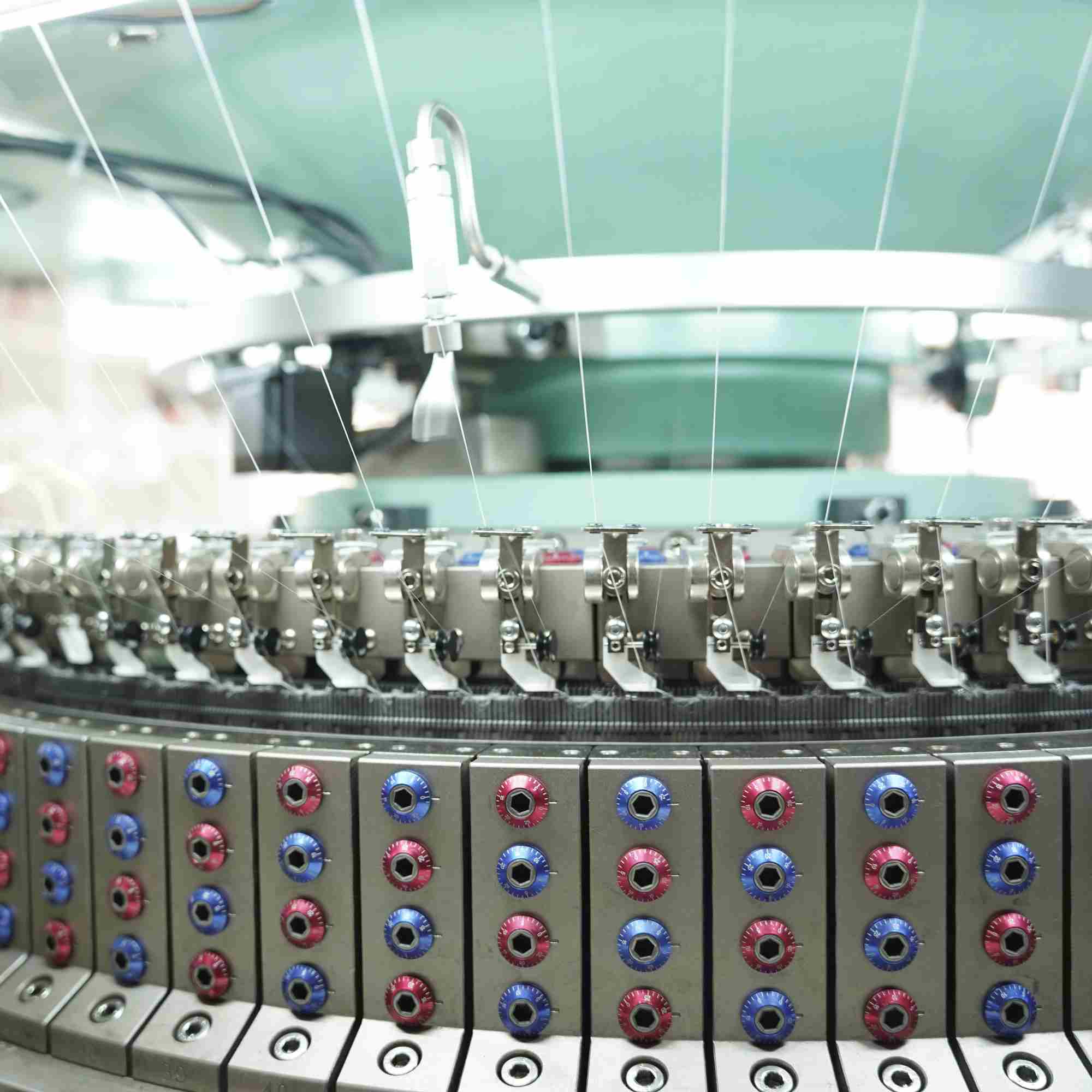
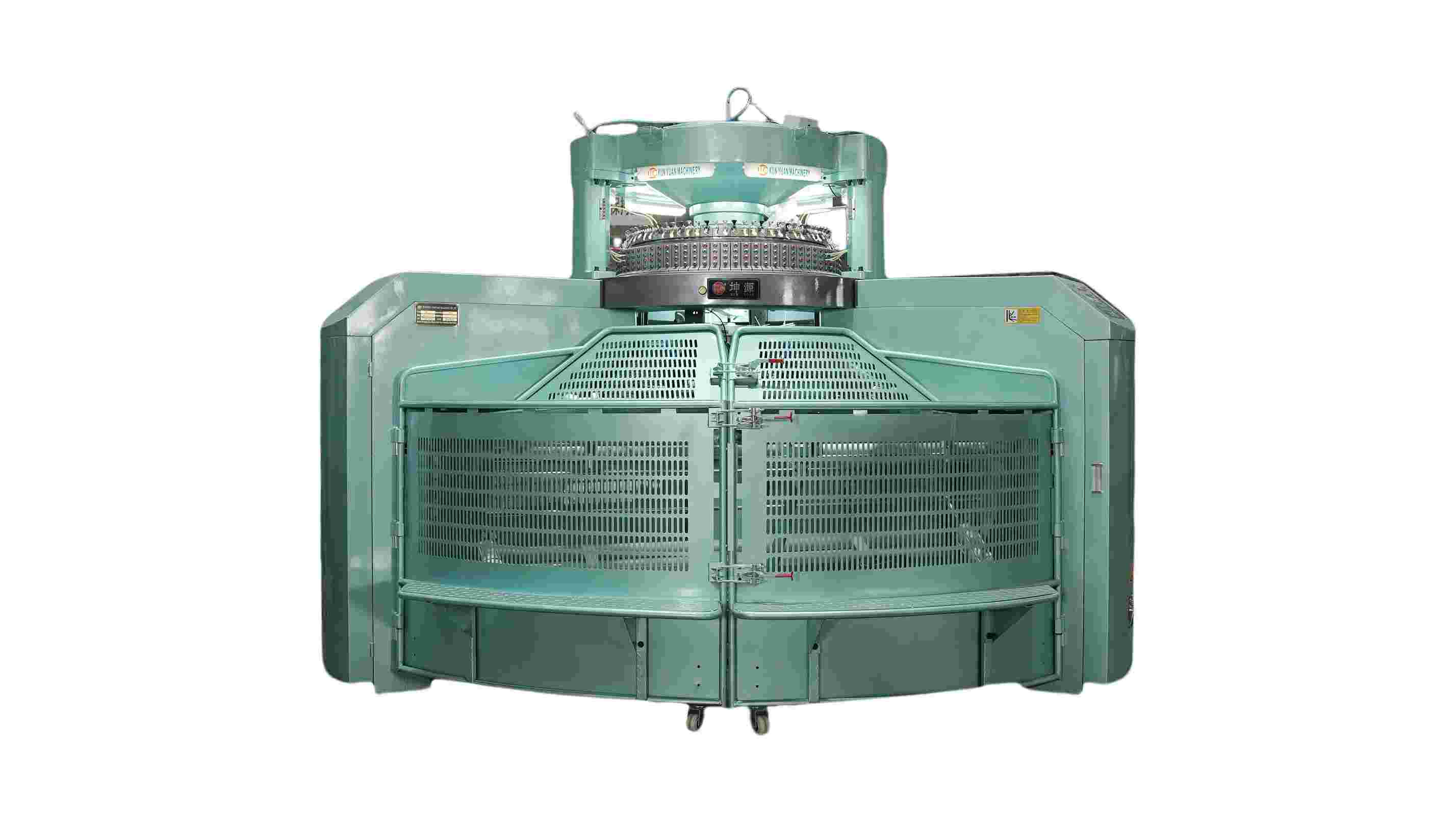
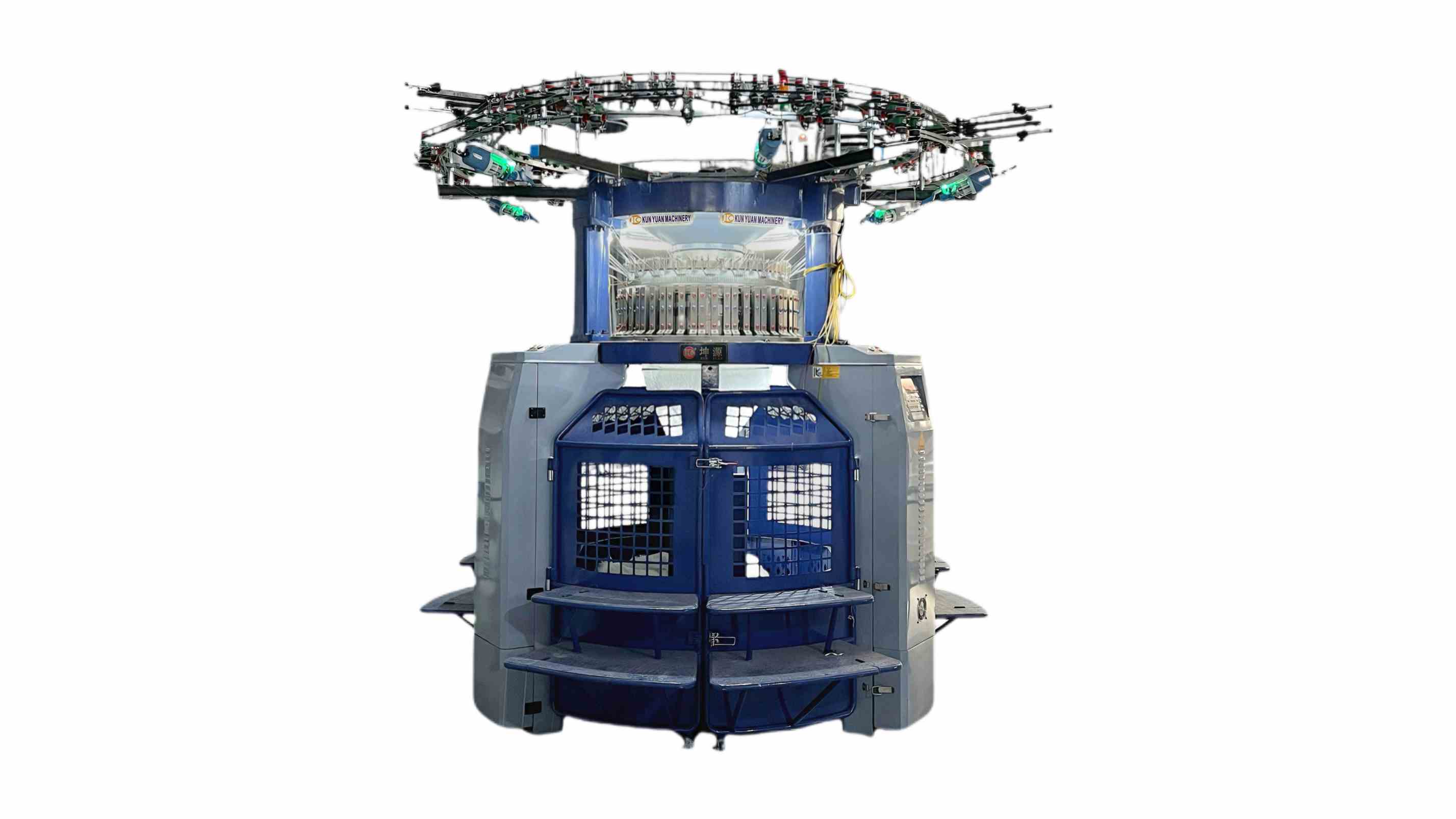
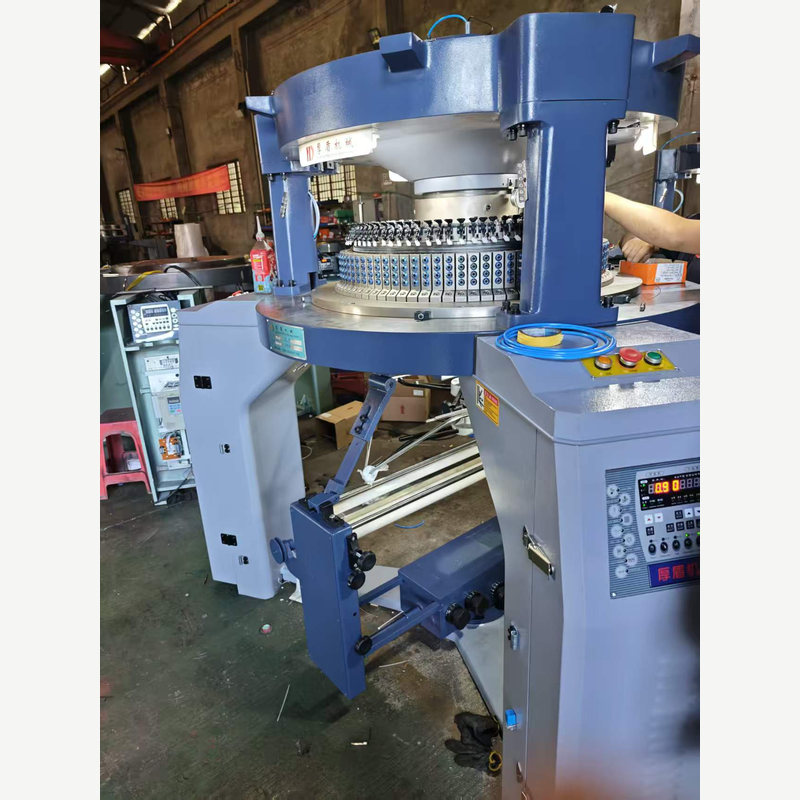
Kunyuan's rib/double-jersey product record lists 30 inches, 8G-24G, 54F and 15-30 RPM. Those catalogue facts identify a related double-knit offering; they do not establish interlock gaiting or the full Ponte sequence on every build. Ask the supplier to identify the proposed construction expressly.
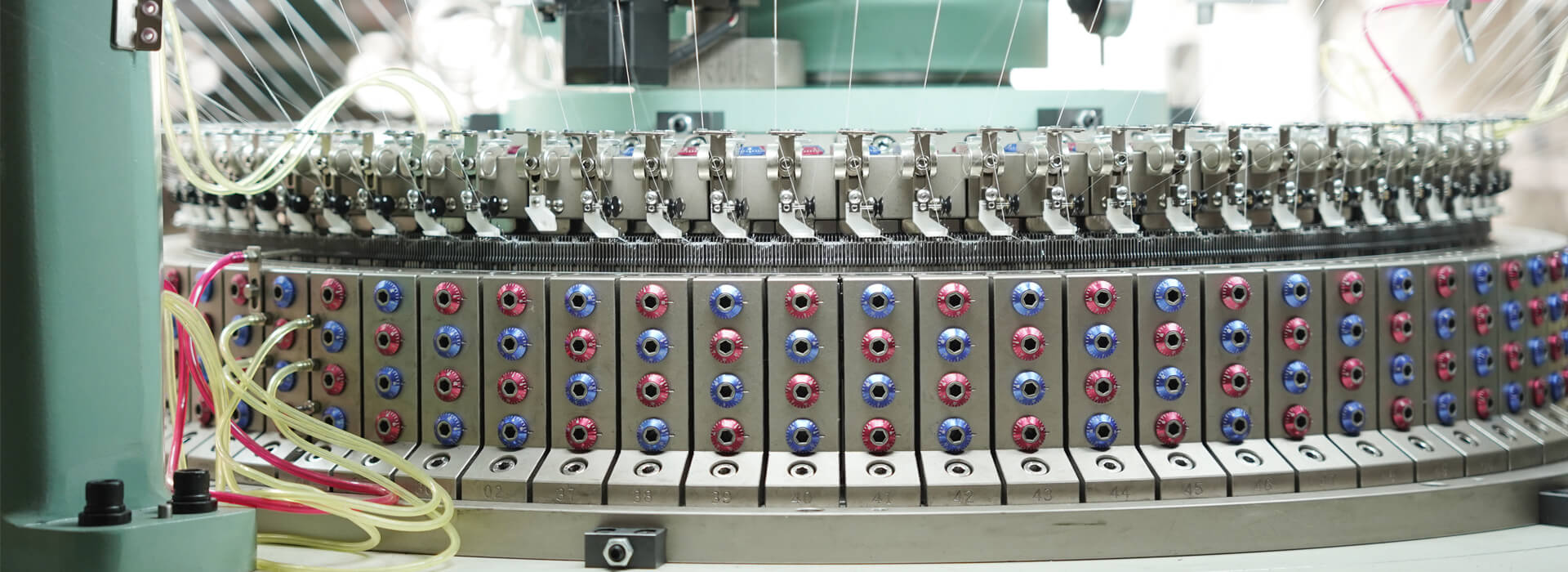
Catalogue equipment context only; no Ponte fabric trial is pictured.
Map the feed sequence before comparing two smooth fabrics
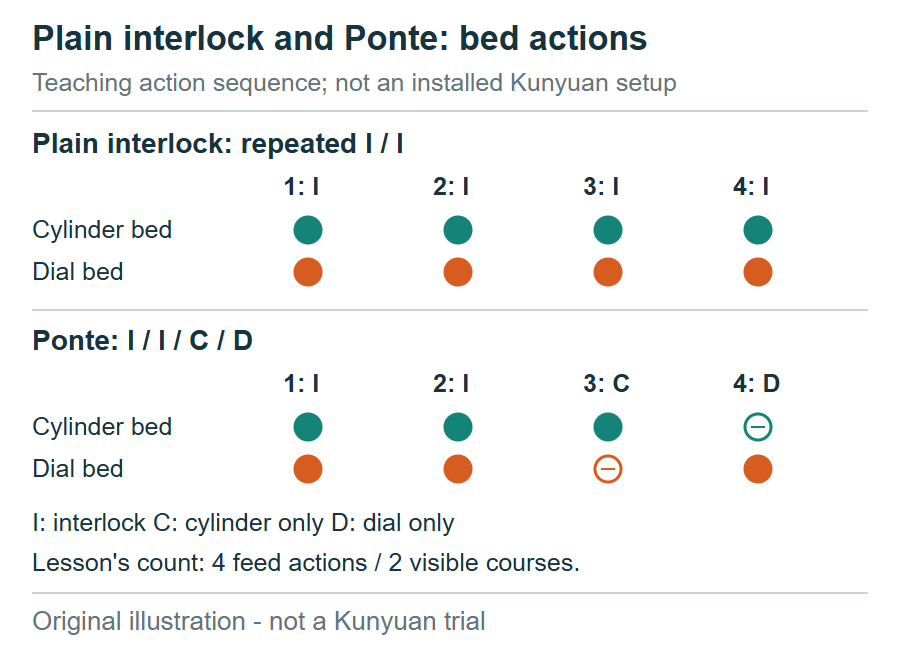
Plain interlock and Ponte share an interlock relationship, but their complete repeats differ. The CottonWorks Ponte description uses two interlock feeds followed by knitting on the cylinder alone and then on the dial alone. Its teaching example counts four yarn feeds for two visual courses. Calling all four feeds four visible courses would misread the sample and distort any course-based comparison.
Ask for a construction notation that identifies each bed's action at each feed. Use it beside an oriented face-and-reverse specimen. A fabric trade name alone may conceal modified commercial constructions, so confirm that the submitted sample follows the sequence being quoted. The notation is a structural description; machine cam positions and changes must come from the exact offered configuration rather than from this article's general explanation.
Keep the single-bed additions visible in the fabric brief
The single-bed portions give a reason to assess Ponte as its own construction instead of a heavier version of the same interlock recipe. The customer may be seeking a structured trouser, dress or jacket fabric, but the required hand, cover and extensibility still need specification. Similar weights do not guarantee the same loop relationship or garment behaviour.
Compare two candidate fabrics at the same finished state and in the garment's relevant directions. Observe how each bends, extends and returns using the agreed product method. Then inspect the underlying construction. If one feels firmer, identify the yarn and structural differences rather than attributing every difference to the name Ponte. No universal stiffness, recovery, opacity or service-life value follows from the four-feed description.
Ask the supplier to demonstrate the entire sequence
For the offered machine, identify the cylinder-and-dial arrangement, available needle selections, cam tracks and feed allocation needed for the proposed repeat. A related rib-machine listing cannot supply those answers automatically. Explain whether the project is a dedicated Ponte duty or one fabric in a broader schedule, because change work and the other constructions may influence the purchase.
Ask which parts and operating arrangements are included for this sample. If a supplier proposes a conversion, have it describe the starting and final configurations and demonstrate the target construction. The Kunyuan 54F catalogue entry is an installed-family reference, not a count of complete Ponte repeats or a guarantee of finished course production. Feed grouping and the actual machine arrangement must support the construction before rate estimates become meaningful.
Turn structure into a finished-garment buying decision
For a trouser or jacket program, provide the intended finished width, weight, garment shape and required extension/recovery behaviour. If elastane is proposed, describe its yarn role and the final processing route. Adding stretch does not remove the need to assess pocket regions, knee or elbow deformation, seam compatibility and appearance after the product's intended care.
A useful comparison includes the submitted construction and a sewn garment area representing the most demanding use. The buyer can then decide whether the structural firmness and extension suit the pattern. If the finish or yarn blend changes, repeat the affected comparison. The result should identify why this Ponte construction serves the garment, rather than treating a smooth face, a fabric name or an isolated machine range as sufficient evidence.
Original illustration. Original teaching diagram: plain interlock repeats interlock actions; the cited Ponte example follows I/I/C/D (interlock, interlock, cylinder-only, dial-only). Filled marks indicate bed participation across an action, not simultaneous operation of opposing needles. CottonWorks' lesson counts four feeds for two visible courses; the encyclopedia uses course wording. This is not an installed Kunyuan setup or cam recipe. Kunyuan editorial; not a Kunyuan trial.
Ponte architecture buying questions
Layer
Question
Useful evidence
Do not infer
Repeat
Which bed knits at each feed?
Construction notation
Same structure from a smooth face
Counting
How many visual courses result?
Feed-to-course explanation
One feed always equals one visual course
Machine
Can the offered arrangement form it?
Specific proposed configuration
Ponte scope from a rib label
Garment
Does it hold the intended shape?
Finished fabric and demanding sewn area
Universal recovery from GSM
Application release boundary
Ponte is the target construction, not a capability inferred from a rib-machine name. The cited Kunyuan rib record supplies catalogue context only; the proposed gaiting, needle/cam selection and complete Ponte sequence need specific supplier confirmation. The teaching diagram explains the cited construction, not an installed Kunyuan setup or a measured Ponte trial.
Its defined construction adds single-bed portions to an interlock sequence. Weight can vary, so identify the full repeat rather than classifying it by heaviness.
Why do four feeds not mean four visible courses?
The structural actions combine into the visible repeat. CottonWorks' Ponte example uses four feeds to make two visual courses; the notation explains the relationship.
Can any rib machine make Ponte?
No such universal capability is established here. The exact gaiting, needle/cam selection and feed sequence must be confirmed for the offered build.
Does adding spandex guarantee trouser recovery?
No. Yarn role, construction, processing and garment demand need an agreed evaluation. An ingredient name does not provide a recovery result.
Conclusion
Ponte's purchasing value begins with its sequence, not its resemblance to plain interlock. A clear bed-and-feed notation connects the fabric request to the required machine scope, while the finished garment decides whether the structure gives the right balance of shape and extension. Keep those two questions connected without substituting one for the other.
Present the complete Ponte notation when discussing the Rib Double Jersey Circular Knitting Machine range and request an explicit proposed configuration before using the rib catalogue data as a basis for the order.



 Tel: +86-13859034518
 Email: info@kunyuanmachine.com
 MP/WhatsApp: +86-13859034518
 Manufacturer Address:Bacuo Village, Yonghe Town, Jinjiang City, Fujian Province