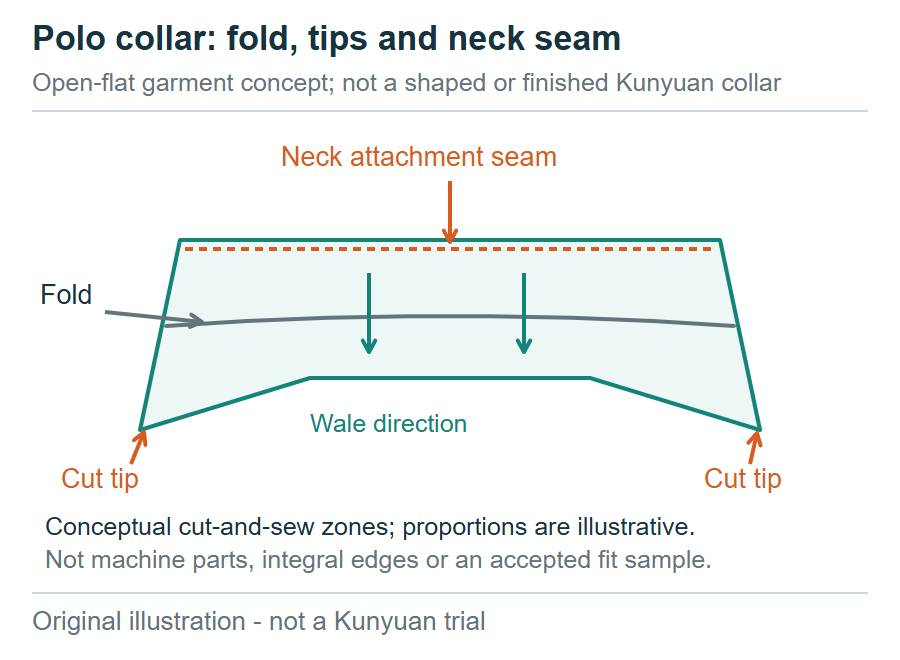
Product context only; fold, tip and neck-seam labels describe garment zones, not machine parts.FoldTipNeck seam
Polo collar construction
Collar suitability changes at the fold, the cut tip and the neckline
Use circular rib fabric for a polo collar only after choosing how the collar will be cut, edged and attached. Kunyuan lists collars as an application, but that does not establish a shaped finished collar. Evaluate the fold, tip and neck seam together on the intended shirt.
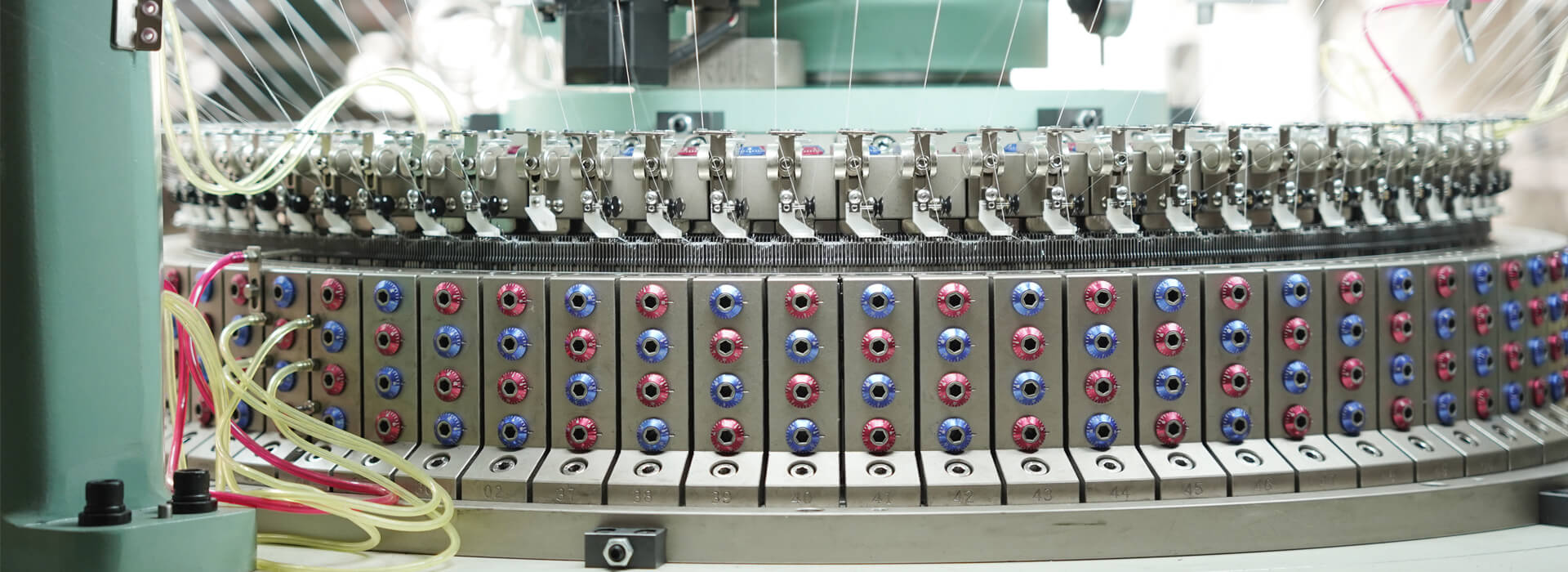
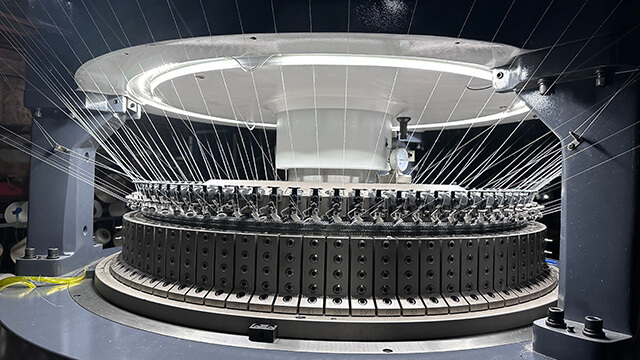
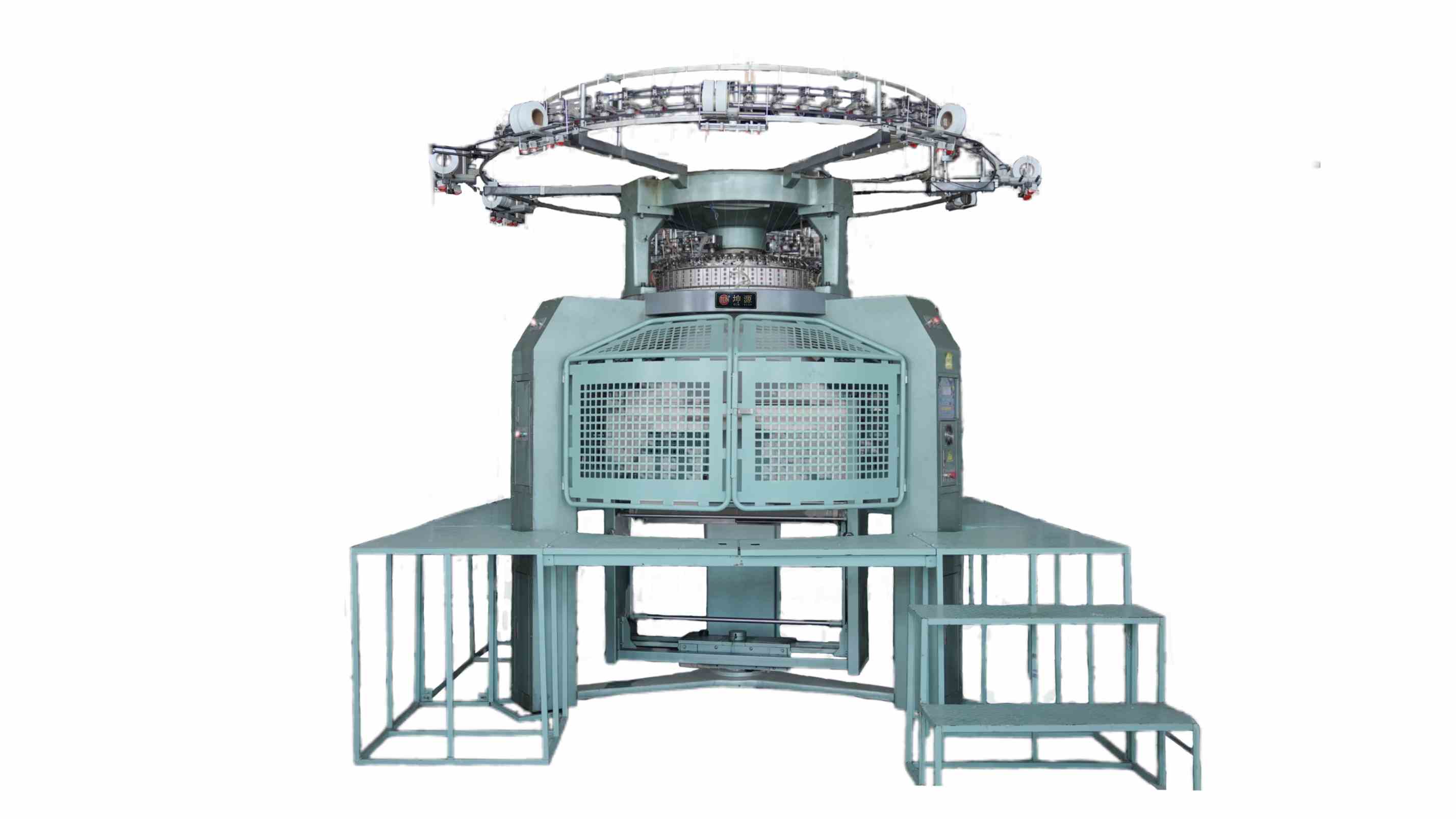
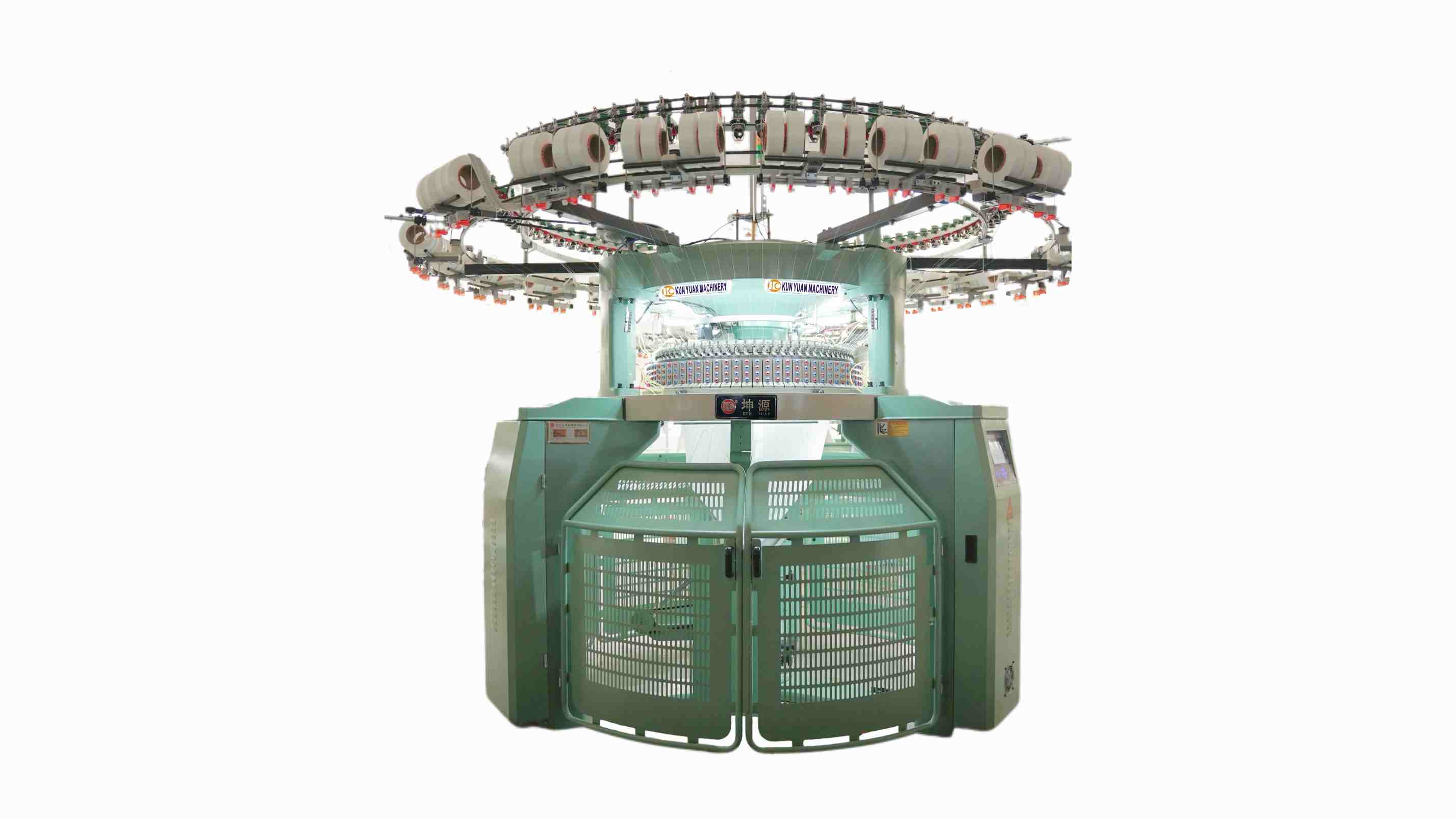
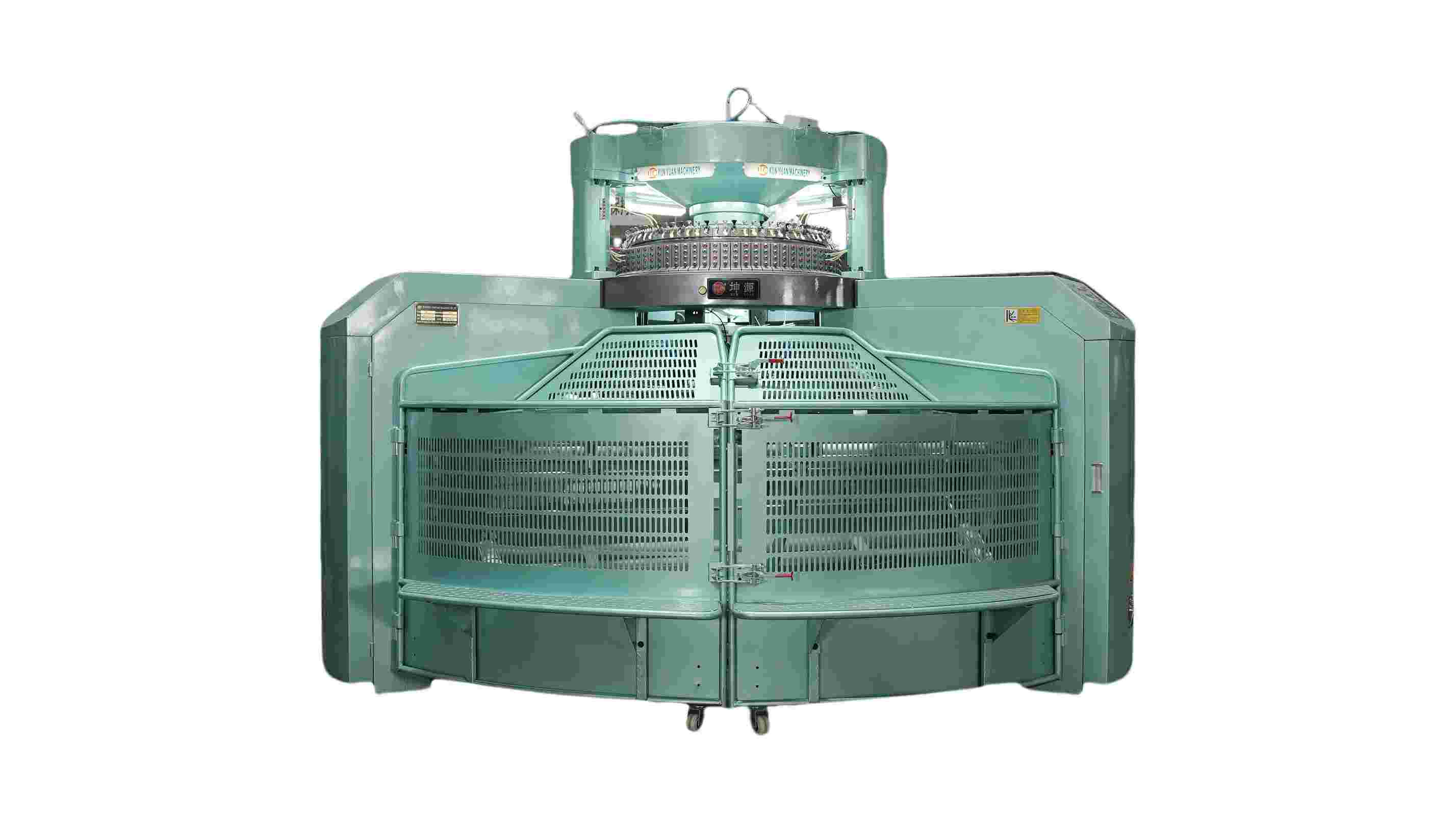
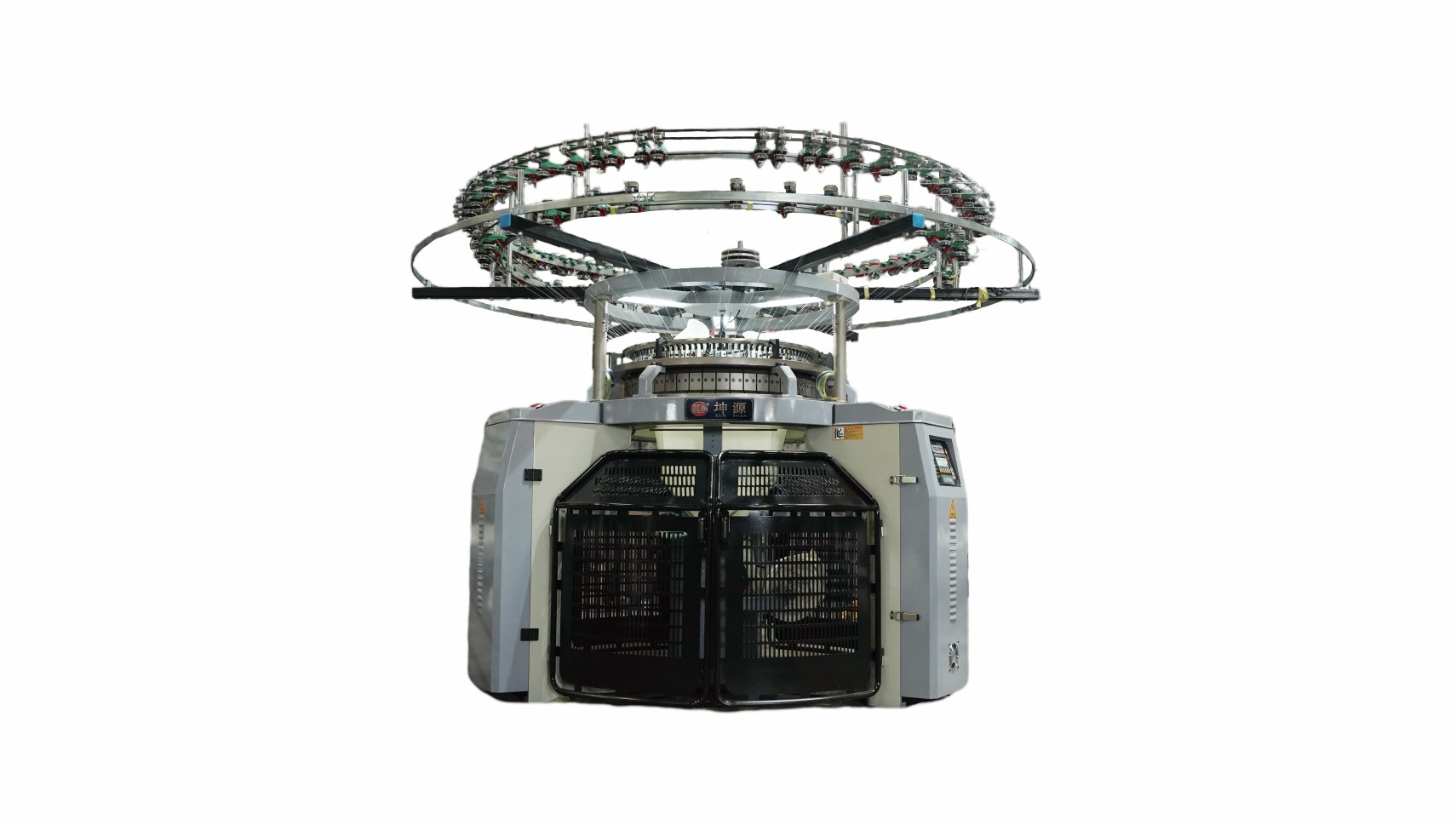
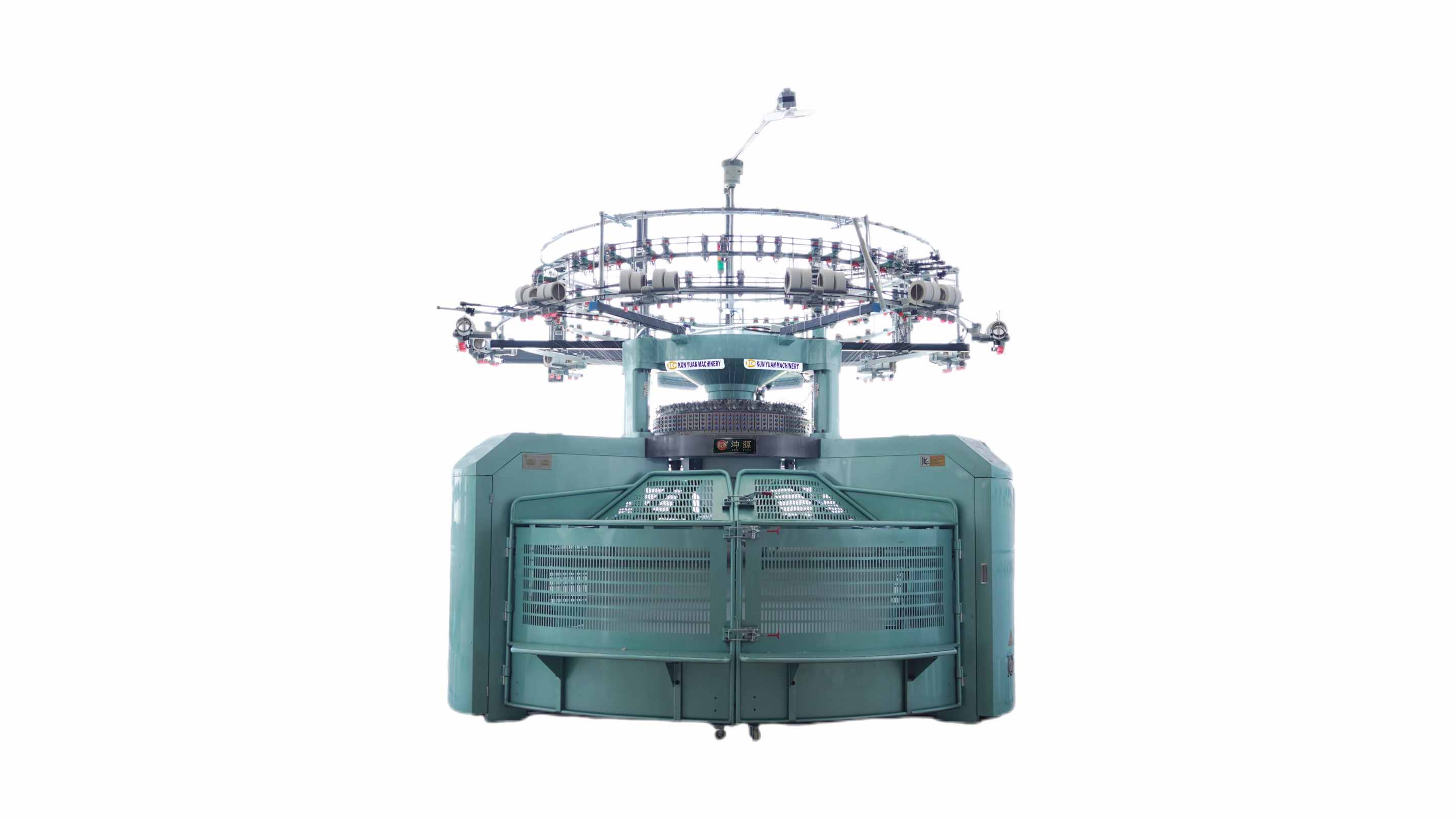
The Kunyuan rib listing, read on October 11, 2026, gives a 30-inch diameter, 8G-24G and 54F, and names collars among its uses. This supports an enquiry about collar fabric. It is catalogue evidence, not proof of an integral edge, shaped tip or accepted polo sample.
CottonWorks explains rib's alternating face and back wales and its use in collar trim. Coats treats seam stretch, bulk and softness as connected choices. For a cut-and-sew polo, those mechanisms become three practical questions: does the fold sit as intended, can the tip be finished cleanly, and does the attachment preserve the neckline shape?
Choose a fold that presents the collar as designed
Mark the intended wale direction on the collar pattern and fabric. Put a finished piece on the shirt with the planned fold line, collar depth and front opening. Look at whether the collar lies flat, rolls softly or stands away from the neckline. Describe the intended appearance with the designer; a stiff edge and a relaxed roll may belong to different polo styles.
Compare pieces cut in the approved orientation after the same finishing route. Rib's structural extensibility makes orientation a practical design variable, but does not supply a fixed cutting allowance. Avoid judging an unfinished strip pulled into shape by hand. The fold should be evaluated in the attached garment, where the neck seam and front opening influence how the collar settles.
Decide how a cut tip obtains a clean edge
A circular-knitted roll does not by itself provide the finished shape of a polo collar. Identify which boundaries are cut and which receive an edge treatment. At the tip, review the chosen construction for a clean point, acceptable thickness and a consistent outline. Ask the garment maker to show the actual edge route rather than treating a photograph of a finished collar as machine capability.
If a double-layer or enclosed construction is proposed, assess its turn and bulk at the tip. If a single-layer construction is proposed, ask how the cut boundary is secured. Keep these as garment-making choices, without prescribing a universal stitch or allowance. A buyer seeking individually knitted shaped collars should raise that requirement separately; the present enquiry concerns fabric that will be cut and assembled.
Match the attachment to both the rib and the shirt body
Assemble the collar to the actual polo body fabric, including the placket ends. Inspect waviness, unwanted gathering, visible seam ridge and whether the collar length agrees with the neckline. A satisfactory rib swatch cannot answer these questions because the seam joins materials with their own construction and response.
Have the sewing team compare feasible seam and thread choices on this fabric pair. Coats' discussion supports considering extension, strength and bulk together; it does not select one thread for every polo. Check the garment in its required dressed and open-neck states. A seam that lies neatly on the table but distorts during normal use needs a different comparison from a collar whose cut shape was wrong from the start.
Keep the three zones together through garment care
Repeat the fold, tip and attachment observations after the agreed garment-care route and full drying. Retain the original shirt beside the cared-for shirt. Look for changes in collar roll, tip outline and neckline shape rather than reducing every concern to one length measurement. Record whether a visible change starts in the rib piece, the edge treatment or the joining area.
Use a small set of identified garments spanning the buyer's relevant sizes to check that the construction remains useful as the neckline changes. This is a proposed development comparison, not a factory trial result. The selected collar route should specify the rib construction and orientation plus the cut and attachment details. That gives subsequent orders a complete collar to reproduce instead of an unexplained request for good collar fabric.
Original illustration. Original open-flat collar concept labels the fold, cut tips, neck attachment seam and wale direction; it is a garment construction sketch, not a supplied Kunyuan collar or fit trial. Kunyuan editorial; not a Kunyuan trial.
The catalogue view does not prove a shaped collar or a garment-care result.
Polo collar zone decision sheet
Zone
Fabric question
Make-up question
Useful comparison
Fold
Orientation and relaxed appearance
Fold line and collar depth
Attached collar on the shirt
Tip
Cut-piece behavior
Secured or enclosed edge
Tip outline and thickness
Neck seam
Rib versus body response
Actual seam and placket ends
Waviness and seam ridge
After care
Changed shape
Changed attachment
Identified complete garments
Polo collar fabric questions
Does the collar application mean the machine knits shaped polo collars?
No. The public application supports discussing collar fabric; shaped individual pieces and finished edges need separate confirmation.
Why mark the wale direction?
It preserves the approved cutting orientation. Changing orientation can change how the collar behaves at its fold and attachment.
Can a clean rib swatch approve the collar?
No. A collar also needs an edge route and attachment to the actual shirt body.
Should every polo use the same sewing thread?
No. Compare seam performance and feel on the actual rib/body fabric pair with the sewing supplier.
What belongs in a repeat-order reference?
The identified rib construction, orientation, collar pattern, edge treatment, attachment and accepted cared-for garment.
Conclusion
A collar-fabric order should end with an understood garment construction. Assess the roll at the fold, the treatment of the cut tip and the attachment to the shirt together. Approving those three zones gives the mill and garment maker a concrete polo collar to reproduce without assuming shaped-piece capability from a catalogue label.



 Tel: +86-13859034518
 Email: info@kunyuanmachine.com
 MP/WhatsApp: +86-13859034518
 Manufacturer Address:Bacuo Village, Yonghe Town, Jinjiang City, Fujian Province