Where did the liquid go, and what can that observation prove?
Choose a liquid transport test around the sportswear question, not around the most impressive certificate heading. TM195 and the imaging-based TM217 describe different assessment approaches. Their results need their own interpretation; neither name alone proves that a jersey dries quickly or will feel comfortable in wear.
A wetting demonstration can be persuasive because the movement is visible. Yet the buyer may want to know whether liquid spreads along the fabric, travels in a specified direction or behaves differently after finishing. Those are questions that a familiar moisture-management label can conceal.
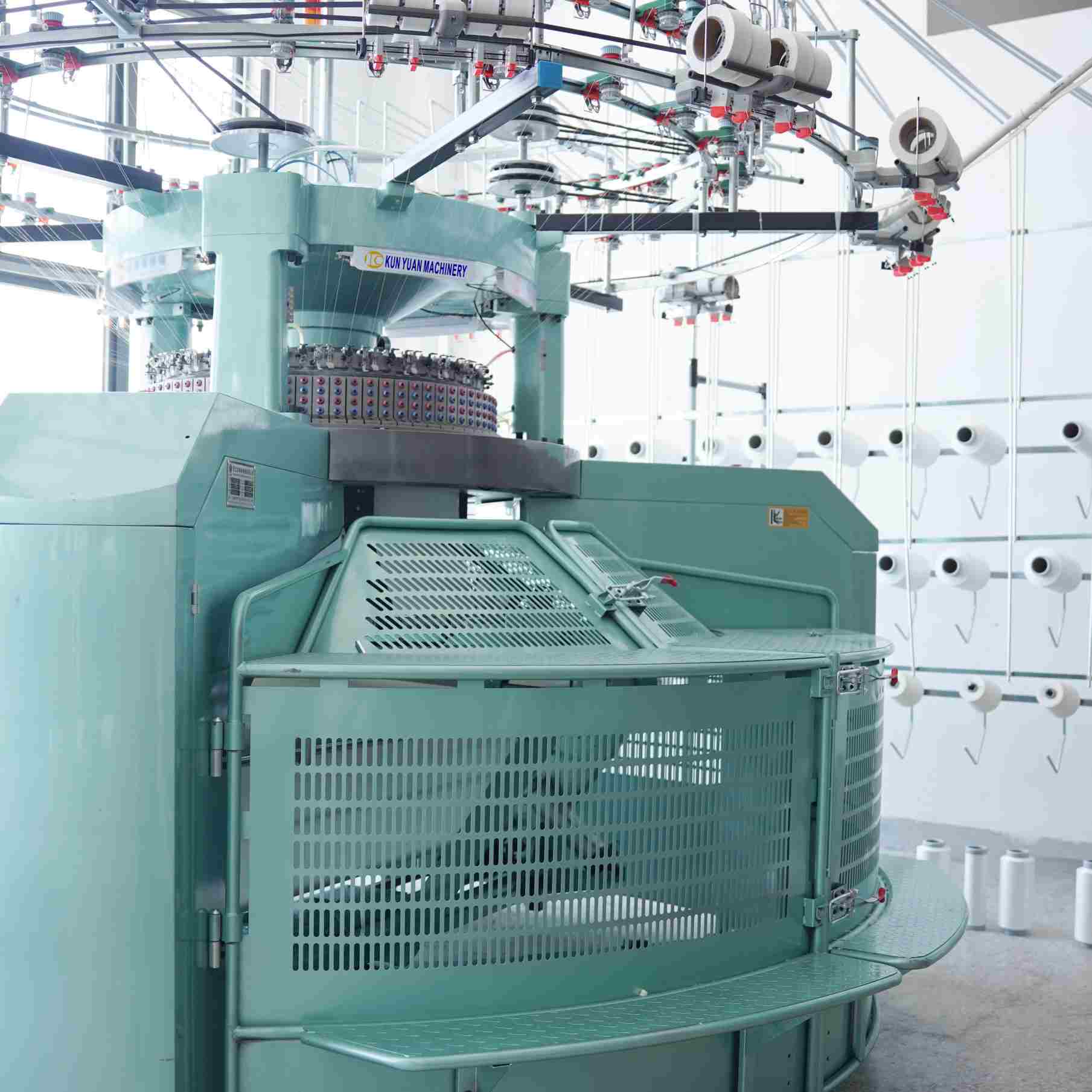
Kunyuan product 7 lists sportswear among its single-jersey applications and places yarn, stitch and finishing decisions within the fabric brief. That establishes why a sportswear buyer might request transport evidence. It does not turn the supplier's machine range or a fibre name into a measured moisture performance claim.
Three marketing phrases may conceal three different decisions
A buyer hearing absorbent, wicking and quick-dry should ask which observation matters to the garment. A material taking up liquid, liquid moving through a fabric and moisture leaving a wet material are not interchangeable statements. This article addresses movement of liquid and the evidence used to describe it. It does not select a drying or thermal test.
Write a question the proposed report can answer: for example, whether a nominated finished jersey demonstrates the specified liquid movement under a named method. Leave the actual performance requirement to the order and laboratory discussion. A broad preference for functional sportswear is too vague to tell two competing submissions apart.
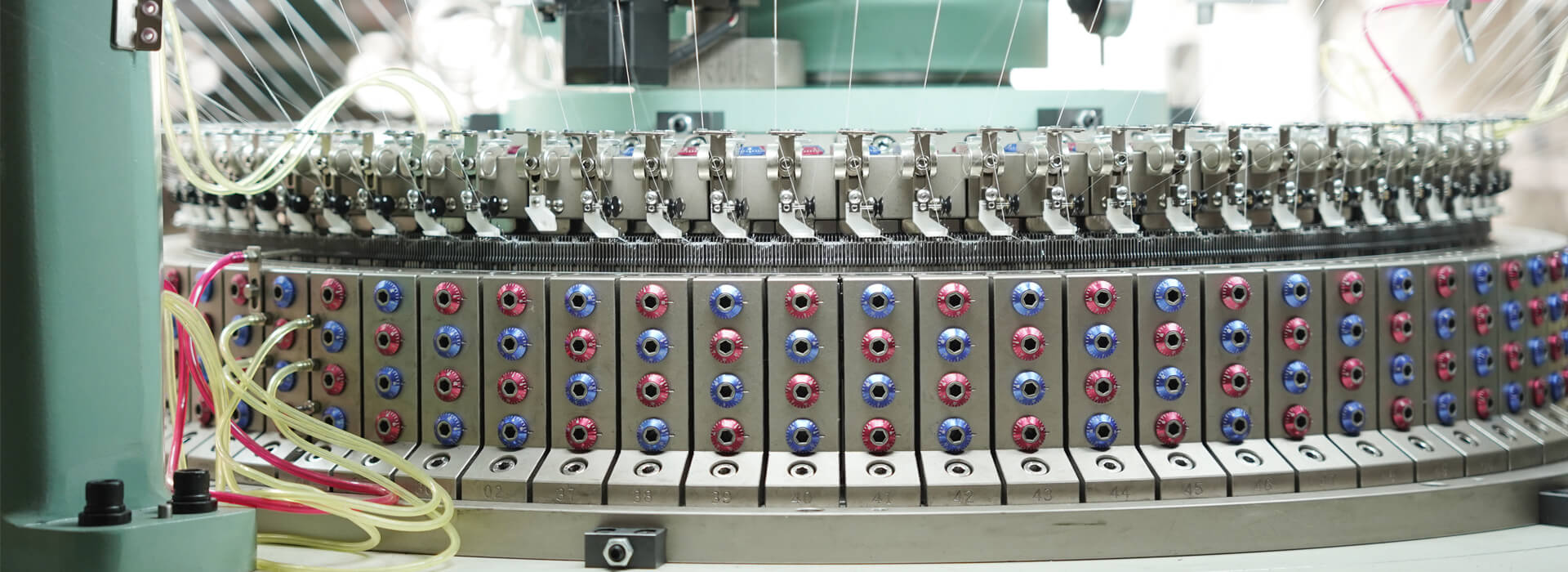
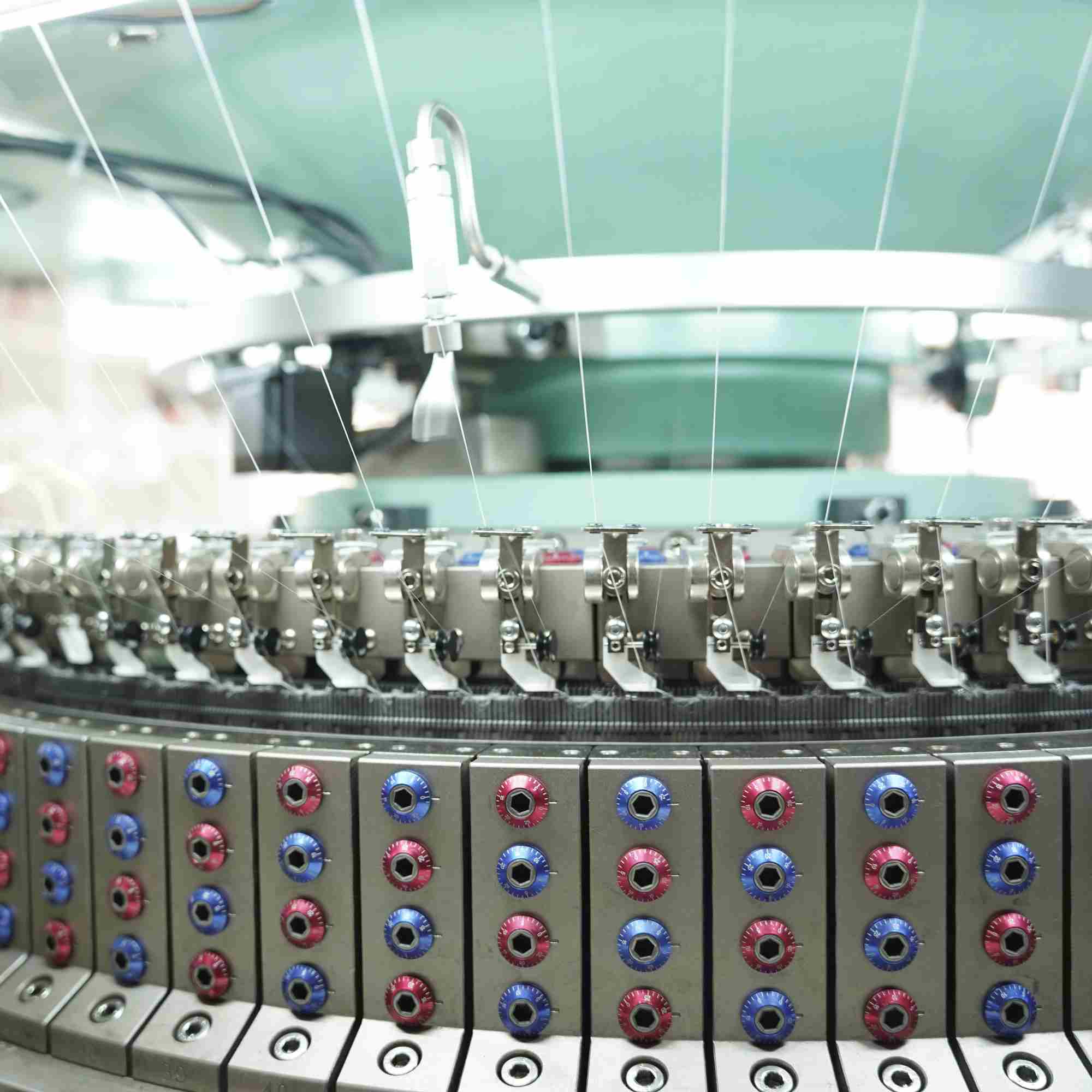
Sportswear manufacturing context; the image does not demonstrate liquid movement.
TM195 describes management measurements; TM217 makes movement an imaging question
AATCC's public TM195 summary concerns measured and classified liquid moisture management. It relates the outcome to fabric structure and to fibre or yarn behaviour such as absorption, resistance and wicking. The summary is a scope description, not a set of settings a mill can reproduce from this article.
The publisher's June 2025 announcement identifies TM217-2025 as an image-analysis approach that addresses movement vertically and horizontally. That distinction gives the buyer a useful discussion with the laboratory about the required observation. It does not establish that a TM217 value can replace a TM195 result in an existing specification. Use each method under its own identity and obtain the laboratory's interpretation of the outputs.
Fabric orientation belongs in the submission brief rather than being inferred from equipment.
Face, direction and finish give a movement report its meaning
A jersey has identifiable faces and directions. Describe which side will face the body and how the laboratory has oriented the submitted material, where these details are relevant to the chosen method. Ask the laboratory to retain the necessary orientation information in its reporting. A result without an interpretable specimen identity is hard to connect to the proposed garment panel.
Finishing deserves the same attention. The article's comparison should concern the fabric being offered, not a greige sample whose later treatment is unspecified. When a colour, blend or finish changes, ask whether the existing submission still represents the order. This is a relevance question for the actual evidence; it is not a prediction that every change improves or reduces transport.
Use two methods only when they resolve two useful uncertainties
More certificates are not automatically a better purchasing decision. If the customer's contract already names TM195, first establish the relevant TM195 evidence. If a development question concerns visual movement in different orientations, discuss whether TM217 adds information that changes the choice. Ask the laboratory to explain the incremental value before adding work.
The decision table is a map of questions, not a ranking of the standards. An offer can be promising while a liquid claim remains incomplete. Keep any separate drying, vapour or wear claim outside the approval until suitable evidence exists. The eventual commercial choice should reflect the property the buyer needed, with remaining uncertainties stated rather than hidden under a general performance label.
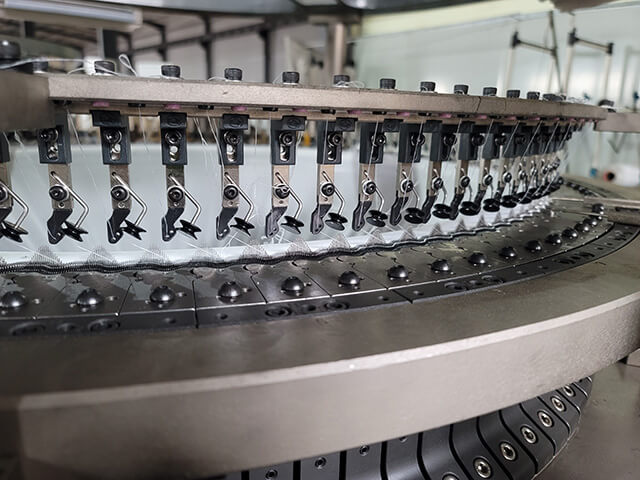
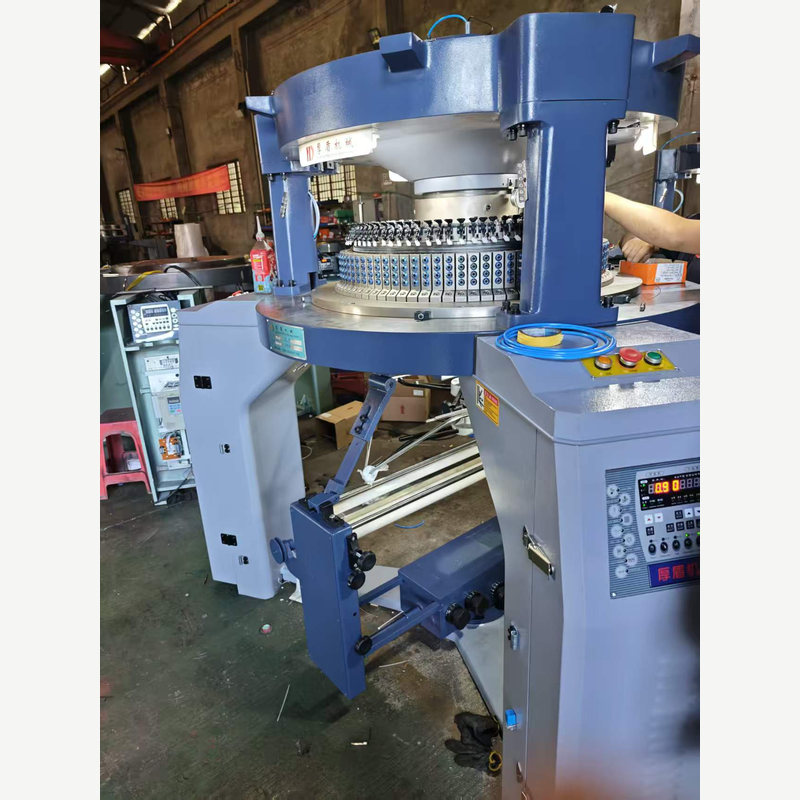
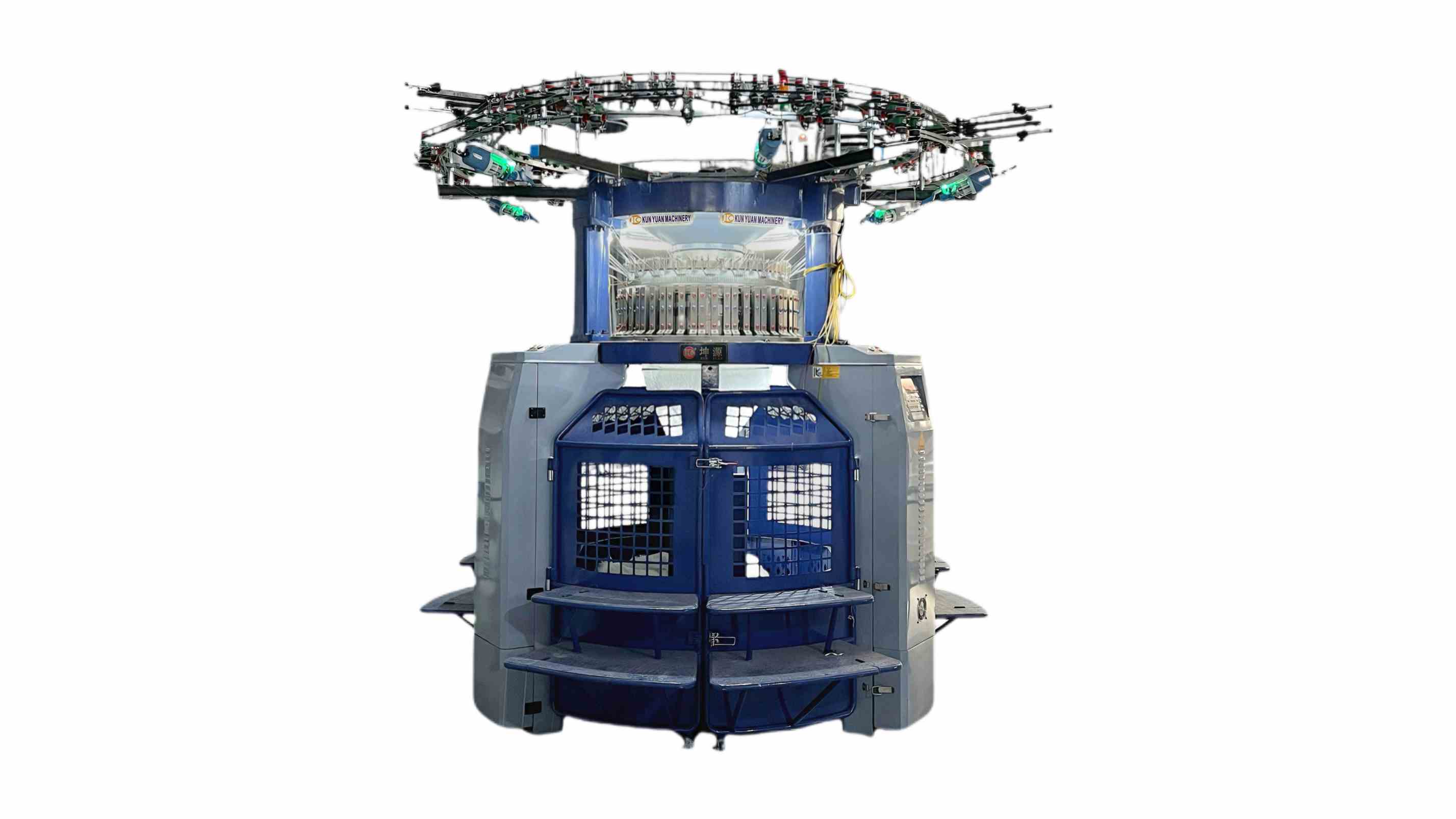
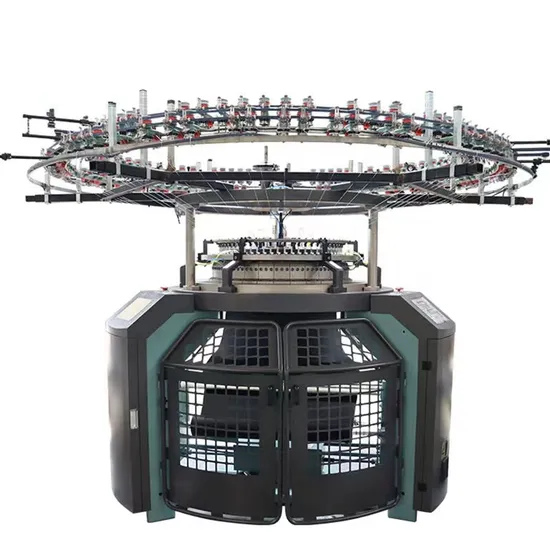
A catalogue machine can support the fabric discussion without proving quick-dry performance.
Liquid evidence: match the question to the submission
Buyer question
Relevant discussion
Do not infer
Does it meet our named TM195 requirement?
TM195 report for the nominated jersey
A different method is automatically equivalent
How does liquid move vertically and horizontally?
TM217 imaging scope with laboratory advice
The same numerical scale as TM195
Will it dry within our required interval?
Separate drying evidence
Liquid spreading supplies drying time
Will the garment feel comfortable?
A wider end-use assessment
One liquid test represents all wear conditions
Reading a sportswear moisture proposal
Does a photograph of spreading water establish TM217 conformity?
No. The named method and competent laboratory report matter; an informal image is not a method-compliant result.
Can TM195 figures be compared with TM217 figures directly?
Preserve their separate method identities. Obtain interpretation rather than assuming shared scales or a conversion.
Is a fibre advertised as wicking sufficient evidence?
The offered textile includes a construction and finish. A fibre description cannot replace assessment of that fabric.
Must every project order both methods?
No. Commission the measurements that answer the contract or development question, with laboratory advice on suitability.
Does good liquid movement prove rapid evaporation?
It does not supply a drying-time result. Keep evaporation and liquid movement as separate claims.
Conclusion
The useful moisture comparison explains a specific movement question using a relevant fabric and a recognizable method. That lets a buyer distinguish evidence that changes the sportswear decision from an impressive but unrelated test heading. Leave broader claims to the measurements and end-use assessment they actually require.
Discuss a sportswear construction on the Single Jersey Circular Knitting Machine with its intended fabric face, finishing route and the liquid transport question the laboratory must resolve.



 Tel: +86-13859034518
 Email: info@kunyuanmachine.com
 MP/WhatsApp: +86-13859034518
 Manufacturer Address:Bacuo Village, Yonghe Town, Jinjiang City, Fujian Province