

Hot Keyword:
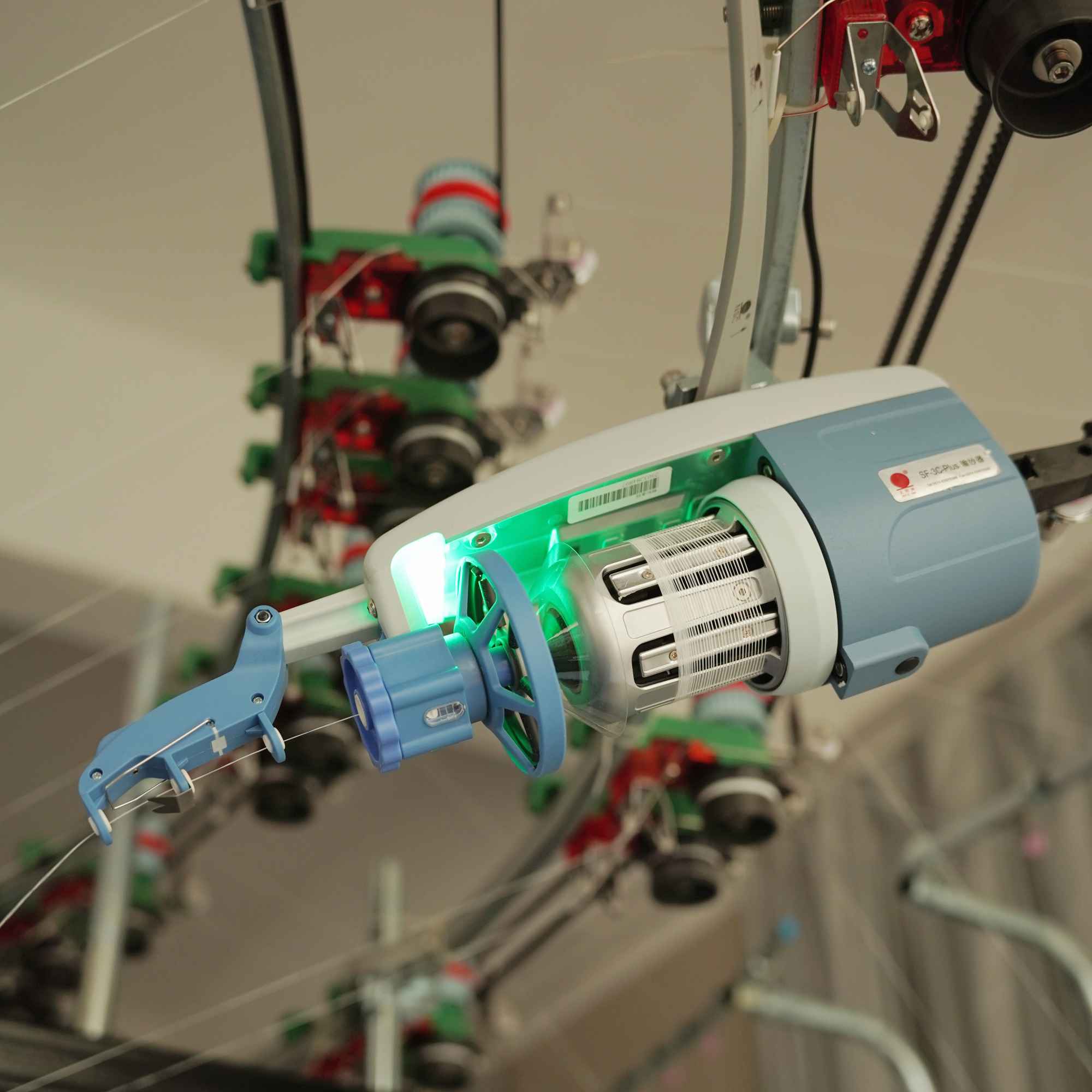
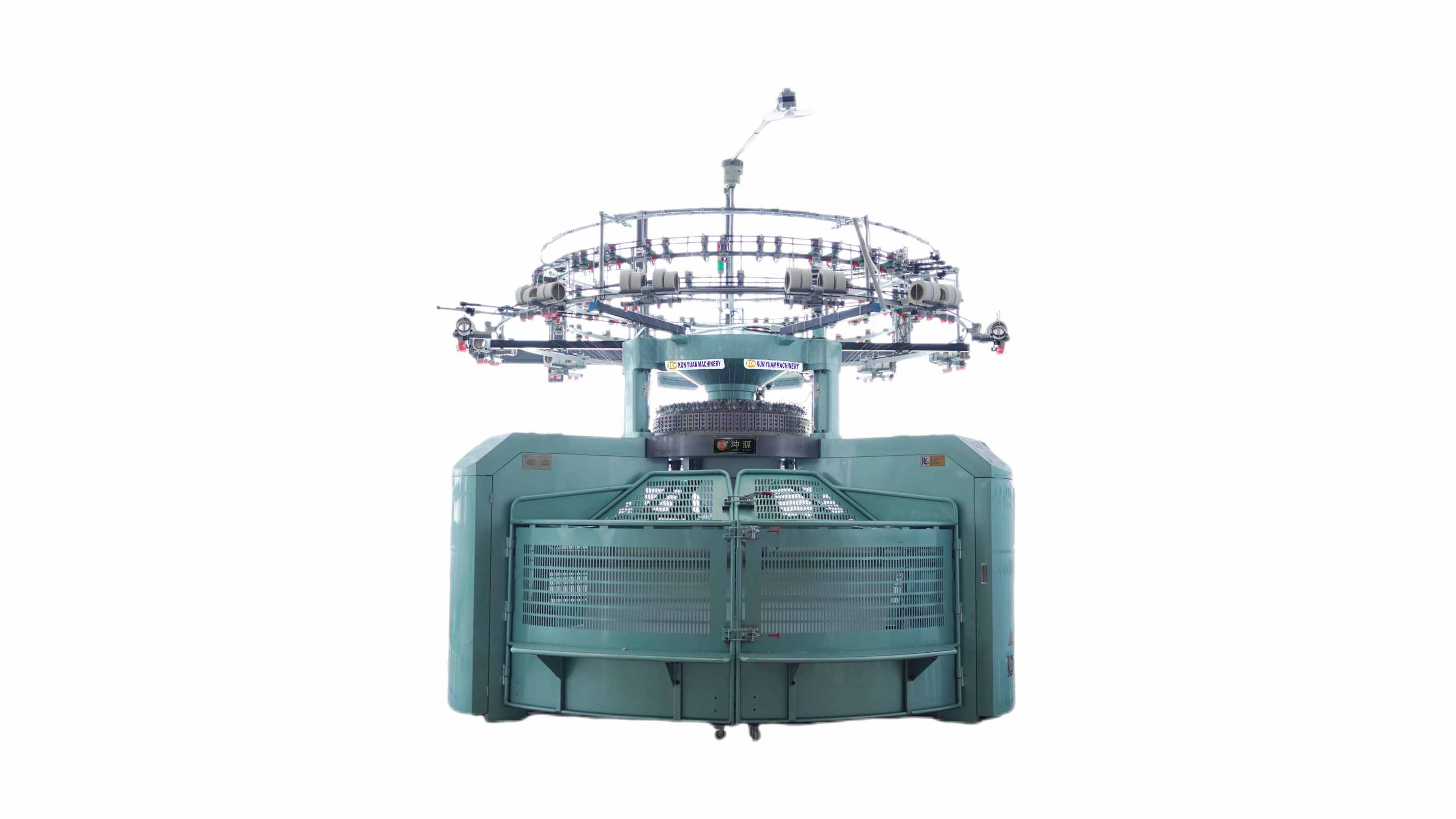
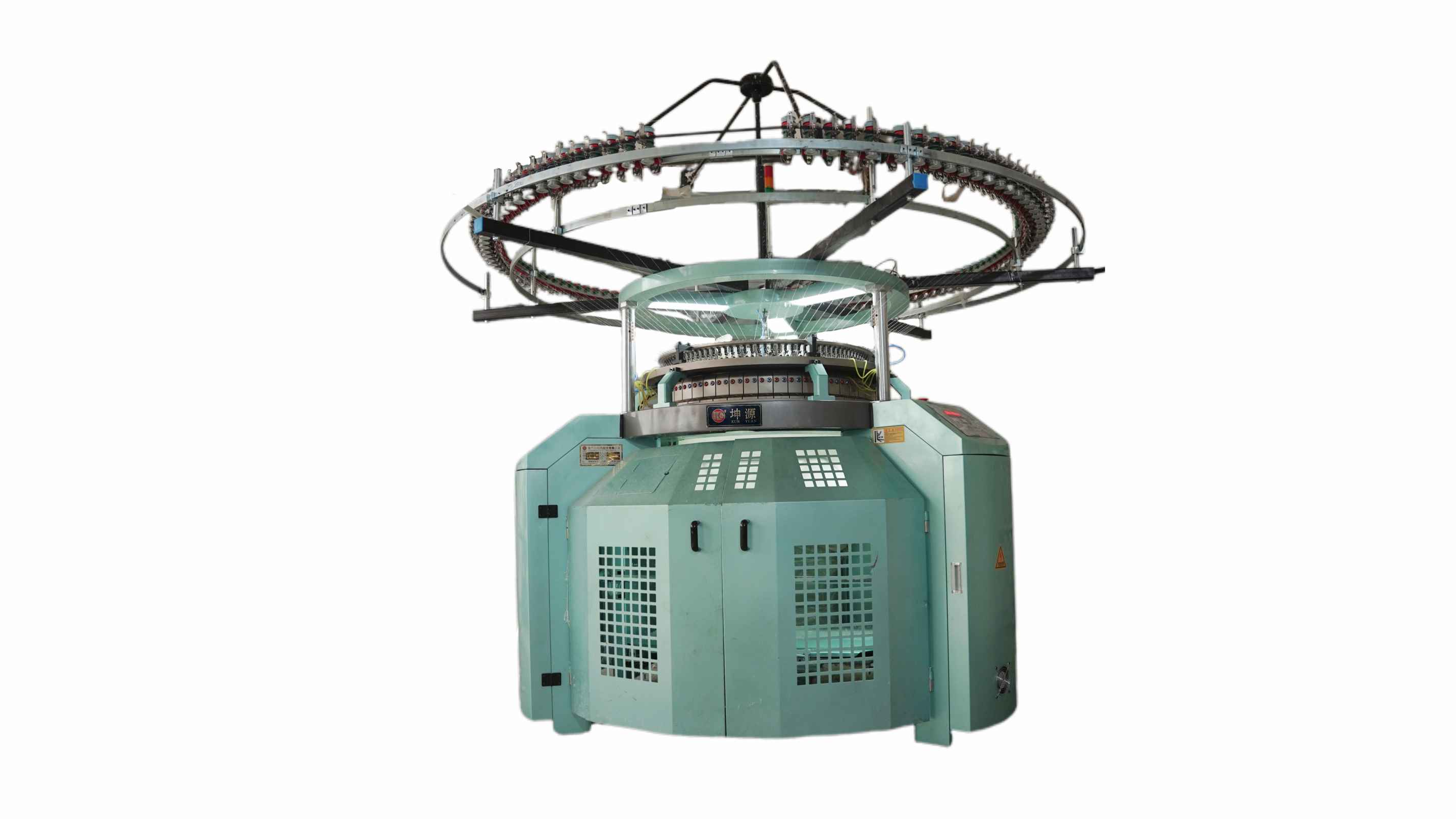
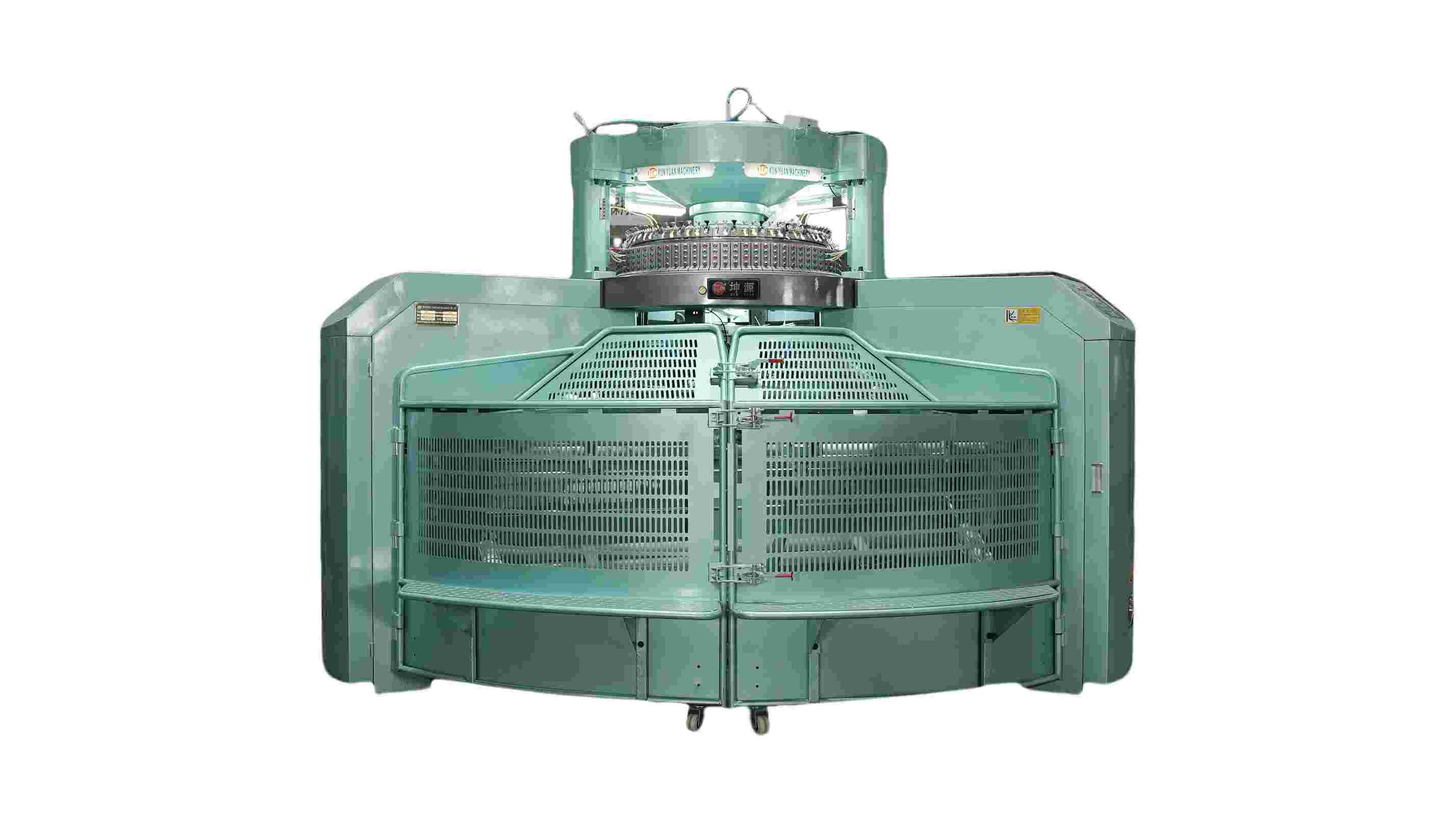
Choose a rib circular knitting machine by linking structure, gauge and qualified timing checks to a controlled buyer-yarn finished trial....
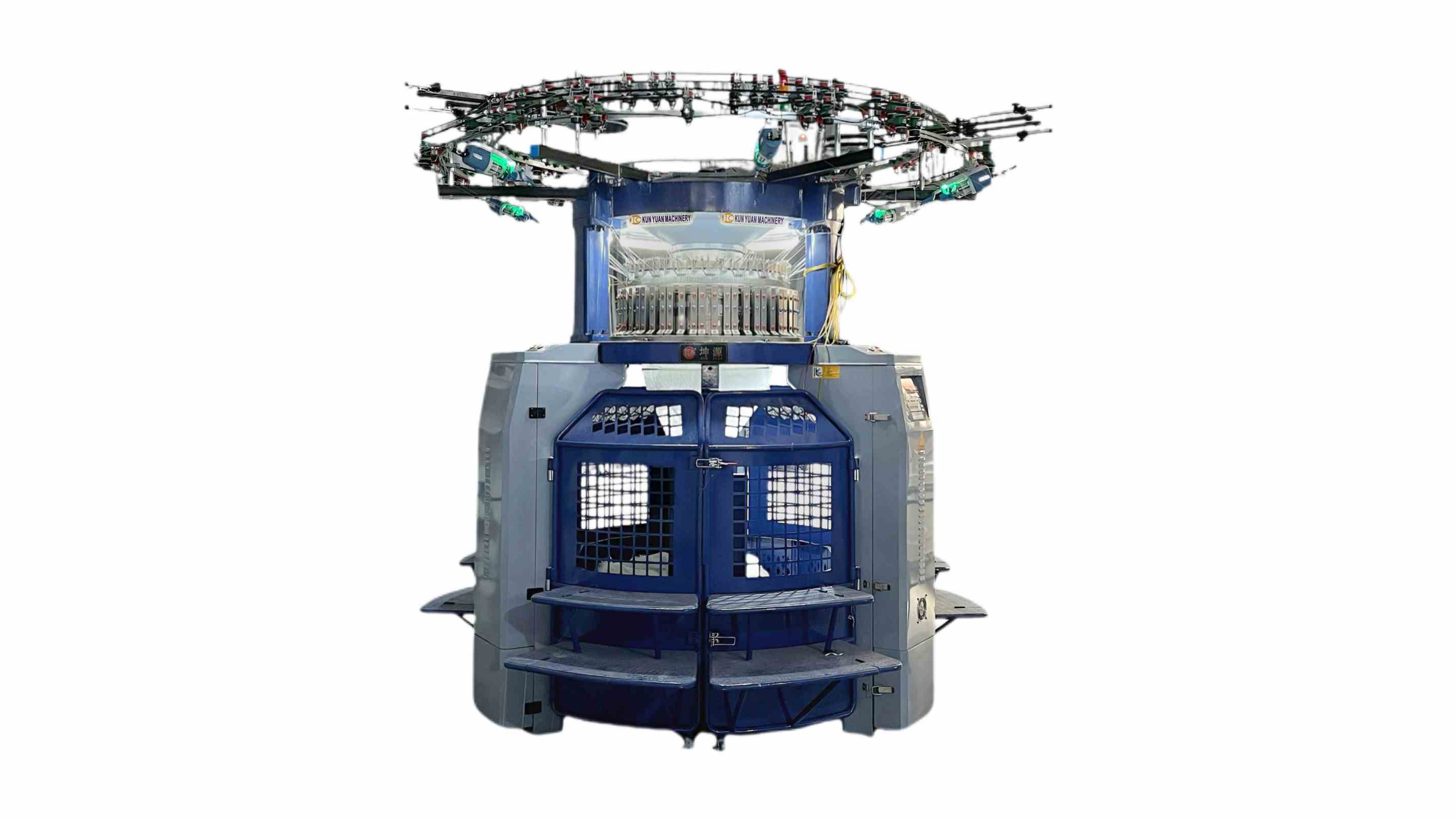
Evaluate rib-machine features by tracing fabric symptoms to yarn delivery, cylinder-and-dial action, take-down and repeatable restart evidence....
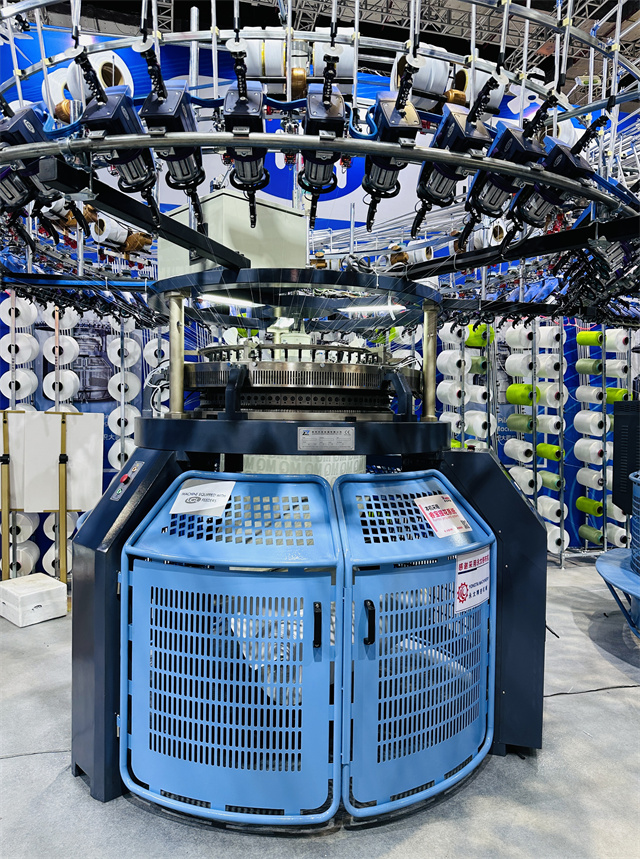
Commission a rib circular knitting machine through a mechanical datum route and a fabric proof route, then join both records at the restart sample....
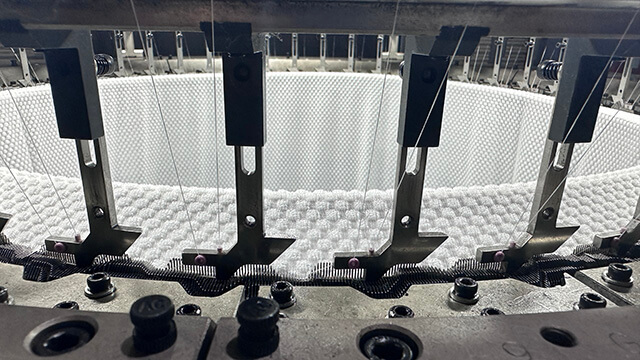
Measure rib-machine output with a timed fabric run, stop log and finished recovery check so headline RPM never replaces saleable kilograms and stable quality....
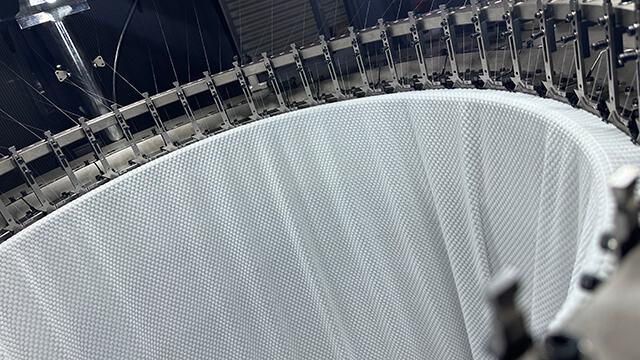
Test rib gauge, cylinder-dial timing, yarn feed and take-down as linked variables, then lock the stable setting with finished fabric and restart evidence....
Trace rib loops through cylinder and dial needle actions, then use defect position, controlled isolation and restart fabric to diagnose timing-related faults....
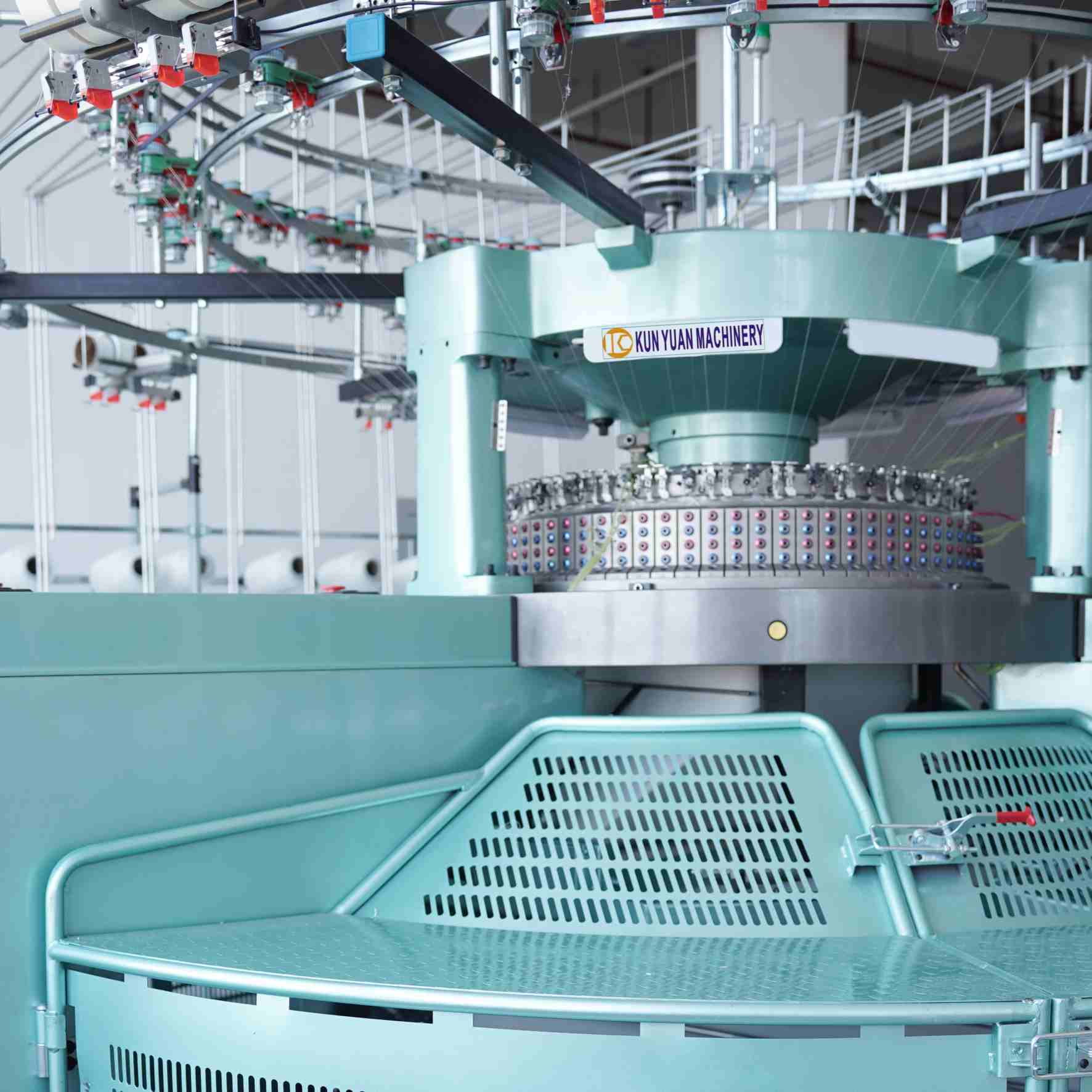
Read gauge as one variable in rib and interlock design. Match yarn and loop density to cylinder/dial geometry, then confirm with finished samples....
The Evolution of Rib Circular Knitting Machine Introduction The rib circular knitting machine has undergone significant evolution over the years, revolutionizing the textile industry and expanding the possibilities for creating various types of fabrics. From its early inception to the modern adva...
Build a circular knitting machine maintenance schedule from OEM tasks, safe work control, condition evidence and production-quality follow-up....
Plan seamless sportswear samples by mapping sizes, functional zones, yarn roles, pattern revisions, separation and all remaining make-up operations....

 Tel: +86-13859034518
 Email: info@kunyuanmachine.com
 MP/WhatsApp: +86-13859034518
 Manufacturer Address:Bacuo Village, Yonghe Town, Jinjiang City, Fujian Province