Keep timing, gauge, yarn and trial evidence on one parameter map
Rib fabric emerges from relationships across two knitting beds, yarn presentation and withdrawal. No single gauge or timing statement can select the machine without a named structure, exact build and finished fabric target.
Prepare a technical sample card before discussing machine settings. Show rib notation, technical face and reverse, yarn material and count, elastomer duty where used, finished width and weight, wale appearance, extension and recovery method, dimensional tolerance and finishing route. Add the most difficult transition or structure expected after a changeover. The card defines the result while leaving qualified machine setup to controlled documentation.
Mayer and Cie.'s D4-2.2 II page associates a named double-jersey model with published rib and related structures, and Terrot's official product range lists model-specific tracks and gauge ranges. Groz-Beckert describes needles and system parts as application-related components. These references justify checking the full knitting system. They do not publish one timing recipe for all machines. Physical timing, element selection and service limits must come from the exact manufacturer instructions and authorized technical personnel.
01
Parameter map 01: translate the rib notation into bed and fabric observations
Draw the intended cylinder and dial participation without turning the drawing into an adjustment instruction. Mark active and inactive needle sequences, any transfer or tuck requirement supported by the route, yarn duties and expected appearance on both surfaces. Define whether the fabric must function as an opening, body material, compact double knit or another named article. Similar vertical ribs can hide different internal structures.
List what inspection can observe: wale regularity, line defects, face-reverse balance, local thickness, elasticity and recovery after the agreed condition. Include the complete circumference and positions before and after ordinary stops. The structure drawing, physical reference and inspection language should use one revision so a supplier cannot demonstrate an easier rib and describe it as equivalent.
02
Parameter map 02: select gauge with yarn fit, element system and finished density
Treat gauge as one coordinate in a physical system. Connect the manufacturer's machine-gauge convention to exact model, diameter, cylinder and dial elements, yarn count range and intended structure. Ask the supplier to confirm the offered combination in writing. A maximum gauge published for a family does not establish that every feed, conversion, yarn or diameter is available at that value.
Trial representative lots rather than choosing from nominal count alone. Observe yarn passage, loop formation, break or stop behavior, fabric cover and damage under the approved operating method. After finishing, compare width, weight, hand, opacity and recovery with the product target. If a finer gauge improves appearance but narrows the robust yarn or maintenance window, show that tradeoff in the selection record.
03
Parameter map 03: govern timing as a documented relationship, not a copied value
Record the machine identity, build revision and qualified procedure that controls cylinder-dial relationships, cam settings and element checks. The buyer's acceptance plan should state the fabric symptoms and measurements used to confirm correct setup, not instruct operators to enter a generic timing number. Authorized personnel must perform work according to the specific manual, safety process and calibrated references.
Before any intervention, preserve the symptom's course, wale and circumference position, yarn event and operating condition. After controlled work, mark the restart and compare the same commercial yarn and structure. Inspect for lines, holes, uneven ribs, damaged yarn, face-reverse imbalance and recovery change. If several factors moved together, the result cannot validate the timing hypothesis and should remain open.
Plan a run long enough for warm-up, a steady interval, package handling, a planned stop and restart. Label samples and log time categories, manual interventions, gross material, held zones and accepted fabric. Keep speed descriptive and conditional on the named structure; the trial is designed to find a stable quality window rather than one peak display value.
Finish identified sections and repeat the product measurements. Save the approved configuration, yarn map, inspection sheet and authorized setup references. Following a normal conversion or style change, ask the receiving team to return to the rib and release first piece. A useful machine choice reproduces the finished result with manageable changeover, maintenance and quality loss.
Connect every parameter to one exact double-knit configuration.
Rib machine parameter relationship table
Parameter group
Keep linked
Observe in fabric
Reject when
Structure
Beds, actions and yarn duties
Two-surface rib geometry
Reference is ambiguous
Gauge
Model, elements, yarn and density
Cover, hand and finished response
Family maximum is borrowed
Timing
Exact build and authorized procedure
Like-for-like restart result
Generic value is copied
Trial
Events, disposition and return setup
Repeated accepted fabric
Peak interval replaces yield
Validate qualified work through a like-for-like marked restart sample.Close selection with finished recovery and a repeat setup.
Rib timing, gauge and trial questions
Does a finer gauge always make a better rib?
No. Yarn fit, structure, element system, fabric target, robustness and finishing determine whether the combination is suitable.
Can timing be selected from a general online value?
No. Use the exact machine manufacturer's procedure and qualified personnel; validate through a controlled fabric comparison.
Why inspect both sides of rib fabric?
Face-reverse imbalance, yarn presentation and structural faults may not be visible from only one surface.
What belongs in the trial event script?
Include warm-up, stable running, normal package handling, a planned stop, restart and labelled sampling positions.
When is the machine choice technically closed?
When one coherent build repeats the buyer-yarn finished rib after an ordinary return setup with accepted yield recorded.
Conclusion
Rib machine selection depends on parameter relationships. Structure defines what the beds must form, gauge connects elements and yarn to density, timing stays under controlled model-specific service, and the trial proves the combined result. Keeping those records together protects the mill from catalogue mixing and unsupported setup advice.
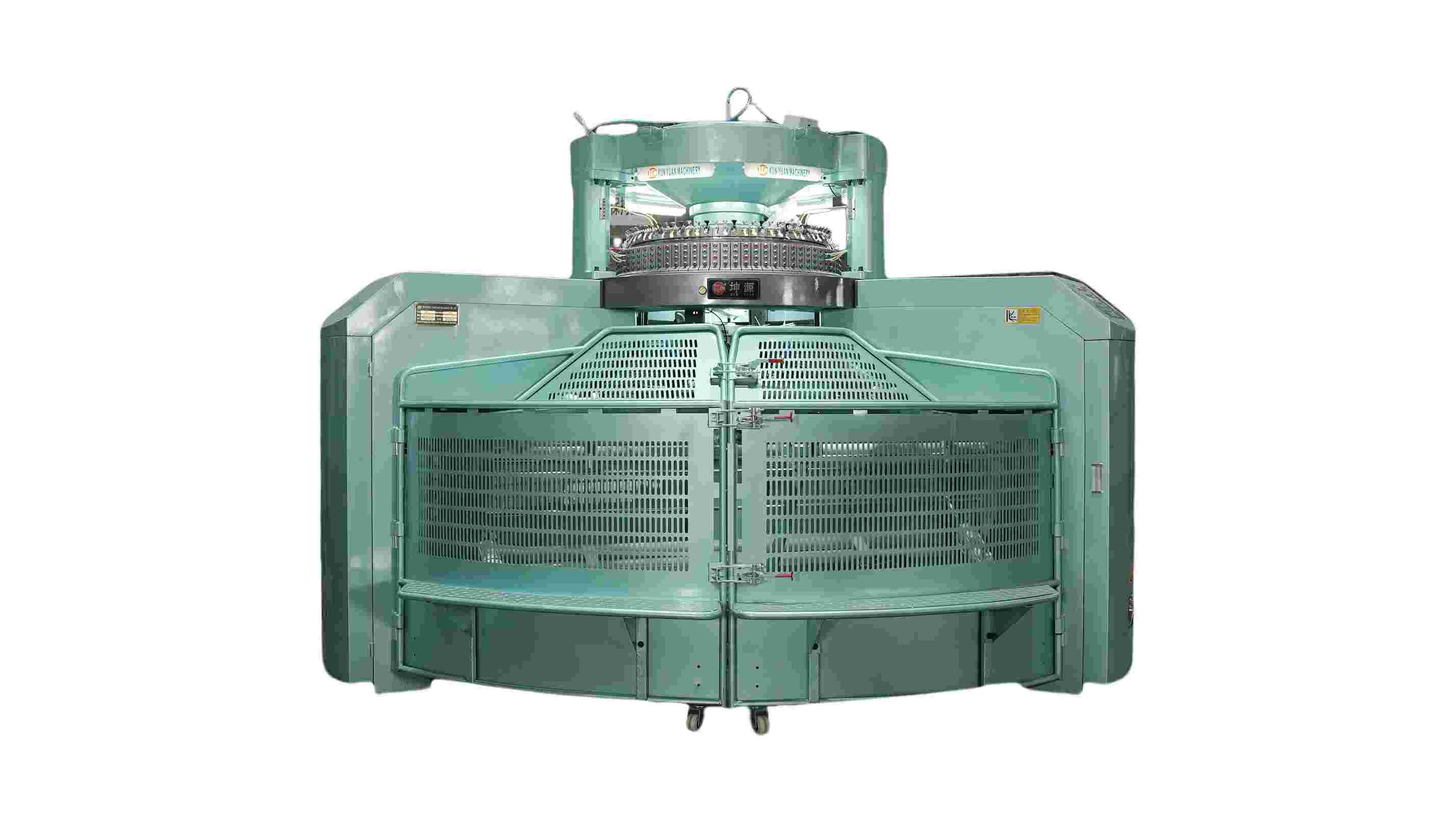
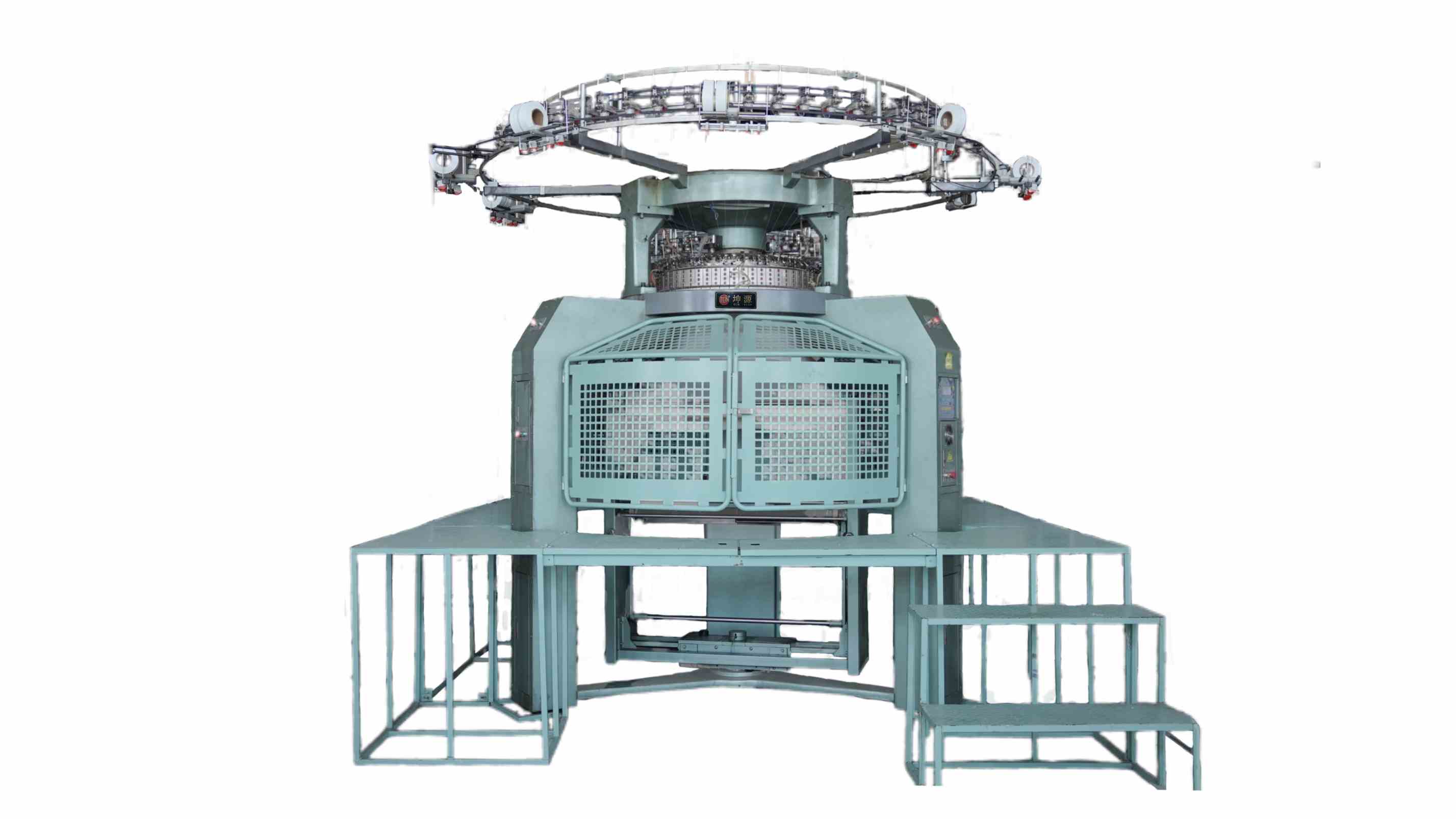
Use this parameter map when reviewing the rib circular knitting machine range and require the quoted build to repeat the conditioned rib with its authorized setup record intact.







 Tel: +86-13859034518
 Email: info@kunyuanmachine.com
 MP/WhatsApp: +86-13859034518
 Manufacturer Address:Bacuo Village, Yonghe Town, Jinjiang City, Fujian Province