Move from a tube description to a controlled sweater architecture
A circular machine can supply fabric for sweaters, body-size tubes or programmed garment zones, but those outputs do not share one automatic route. Selection starts by naming what leaves the machine and what the mill must still shape, join and finish.
Place the intended sweater beside a technical route drawing. Mark whether production begins with continuous yardage, a diameter-matched body tube, separated panels or a programmed tube with local structure changes. Add finished measurements, yarn duties, surface direction, rib or welt requirements, separation allowances and every later operation. This prevents the word sweater from concealing a cut-and-sew plan, a body-size plan or a more specialized seamless program.
Official circular-machine portfolios show that body-size, fine-rib, jacquard and electronic seamless functions belong to named machine families. They are useful architecture references, not permission to combine every diameter, gauge, bed, transfer action or selection feature. The purchase record must connect one offered build to a demanding size and structure sample. An attractive tube is intermediate evidence; the released object is a conditioned sweater component or garment whose dimensions and appearance can be repeated.
Name the machine output before assigning sweater capability.
Architecture layer one: define the basic tube and the work it replaces
For a basic route, state whether the machine supplies continuous tubular fabric, a body-size tube or a separated length. Record technical face, wale direction, target greige circumference, finished width or body measure, cutting allowance and the position of any fold or tube opening. A nominal cylinder diameter is not a garment dimension. Structure, yarn, stitch formation, relaxation and finishing all influence the usable geometry that reaches cutting or assembly.
Draw the downstream path without compressing several operations into the word finishing. Identify slitting where applicable, panel cutting, shoulder or sleeve joining, neck and hem work, washing, dyeing, pressing and final measurement. Estimate waste and handling at each transfer. The basic-tube route is a sound choice when it gives stable fabric and economical make-up; it should not be presented as a completed sweater if shaping and assembly remain outside the knitting machine.
Architecture layer two: convert programmed effects into course and garment landmarks
When the project calls for local mesh, rib, texture, support or color effects, place each zone on a garment map and on the executable knitting record. State its beginning and end, yarn role, required needle action, transition boundary and finished function. Include the hardest junction, not only the largest plain area. A visual design file may describe appearance while omitting the loop action or bed capability needed to knit it.
Freeze the model, needle-bed arrangement, selection method, installed yarn controls, take-down form and software revision used for the trial. Mark each requested effect as standard on that build, dependent on a named option, awaiting demonstration or outside scope. Keep the approved program revision with a marked tube. If a transition drifts after a stop or a size change, the course coordinates and event record should let the team separate a file problem from yarn delivery, selection or withdrawal behavior.
Architecture layer three: couple yarn behavior, size range and finishing response
Build a material card for ground, plating, elastomer and effect yarns. Include fiber, count, lot, package form, color, substitution boundary and intended duty. Then assign boundary sizes and finished measurement points. A yarn change can alter withdrawal, loop geometry, opacity, hand and recovery, so size approval cannot be separated from the commercial yarn set. Similar-looking packages need positive identity during setup and replenishment.
Knit labelled pieces for at least the smallest and largest planned sizes plus the most demanding structure. Preserve greige dimensions and roll coordinates before sending the samples through the named relaxation, dyeing or heat route. Recheck body width, length, weight, zone position, surface and application-specific stretch or recovery. If the size chart requires a correction, issue a new program or process revision and retain the rejected result rather than editing the accepted record silently.
Architecture layer four: prove normal events, make-up and receiving-shift repeatability
Extend the trial beyond a selected clean panel. Include warm-up, stable running, a package change, a planned stop, restart and a normal style or size change. Mark those events on the tube and record gross material, held sections and accepted components. Inspect the whole circumference at several positions. The production team needs to know whether registration, dimensions and surface remain stable after ordinary interventions, not merely during a supplier-tuned interval.
Complete the actual make-up and finish for a labelled boundary sample. Package the approved program, yarn map, configuration record, sample positions, measurement report and unresolved actions together. Ask trained mill staff to retrieve the job and repeat first-piece release without undocumented adjustment. The architecture is commercially ready when the team can reproduce the same sweater object and evidence trail, including the operations that still occur after circular knitting.
Keep zone coordinates, yarn roles and size evidence on the same marked tube.
Circular sweater architecture release matrix
Architecture object
Definition to freeze
Evidence to inspect
Release boundary
Basic tube
Form, orientation, circumference and allowances
Full-circumference marked fabric
Later cutting and joining disclosed
Programmed zones
Coordinates, yarn duties and machine actions
Transitions through stop and restart
Installed build demonstrates each effect
Size and material
Boundary sizes, yarn lots and finish route
Greige-to-finished measurements
Range passes with commercial yarn
Production route
Events, make-up, files and trained roles
Repeated finished sweater object
Receiving shift closes first piece
Application release boundary
Keep four objects separate: the design concept, the executable knitting program, the fabric or tube delivered by the circular machine, and the finished sweater after cutting, assembly and conditioning. A claim is demonstrated only when the exact offered build produces its assigned object with representative yarn and traceable measurements. Features borrowed from another family, option package or downstream machine remain conditional.
Release the route from a repeatable finished object rather than a display sample.
Circular sweater architecture questions
Is every circular sweater route seamless?
No. Circular knitting may remove a side seam or supply a body-size tube while shoulders, sleeves, necks, hems or other joins still remain.
Can cylinder diameter be used as the finished chest measure?
No. Needle basis, structure, yarn, stitch formation and finishing must be connected to an actual conditioned sample.
What makes a programmed zone verifiable?
Give it course or garment coordinates, yarn duties, required machine actions and a finished performance or appearance check.
Why trial boundary sizes?
The smallest and largest sizes expose limits in circumference, zone placement, transitions, openings and grading assumptions.
What should travel with the approved sweater job?
Keep the exact build, program revision, yarn map, event-marked tube, make-up route, finished measurements and handover result.
Conclusion
Circular sweater planning becomes reliable when the object changes are explicit. A basic tube, a programmed fabric zone and a completed garment are different acceptance stages. Linking each stage to the quoted architecture, commercial yarn, boundary-size evidence and a repeat run gives the mill a defensible route from knitting concept to saleable sweater production.
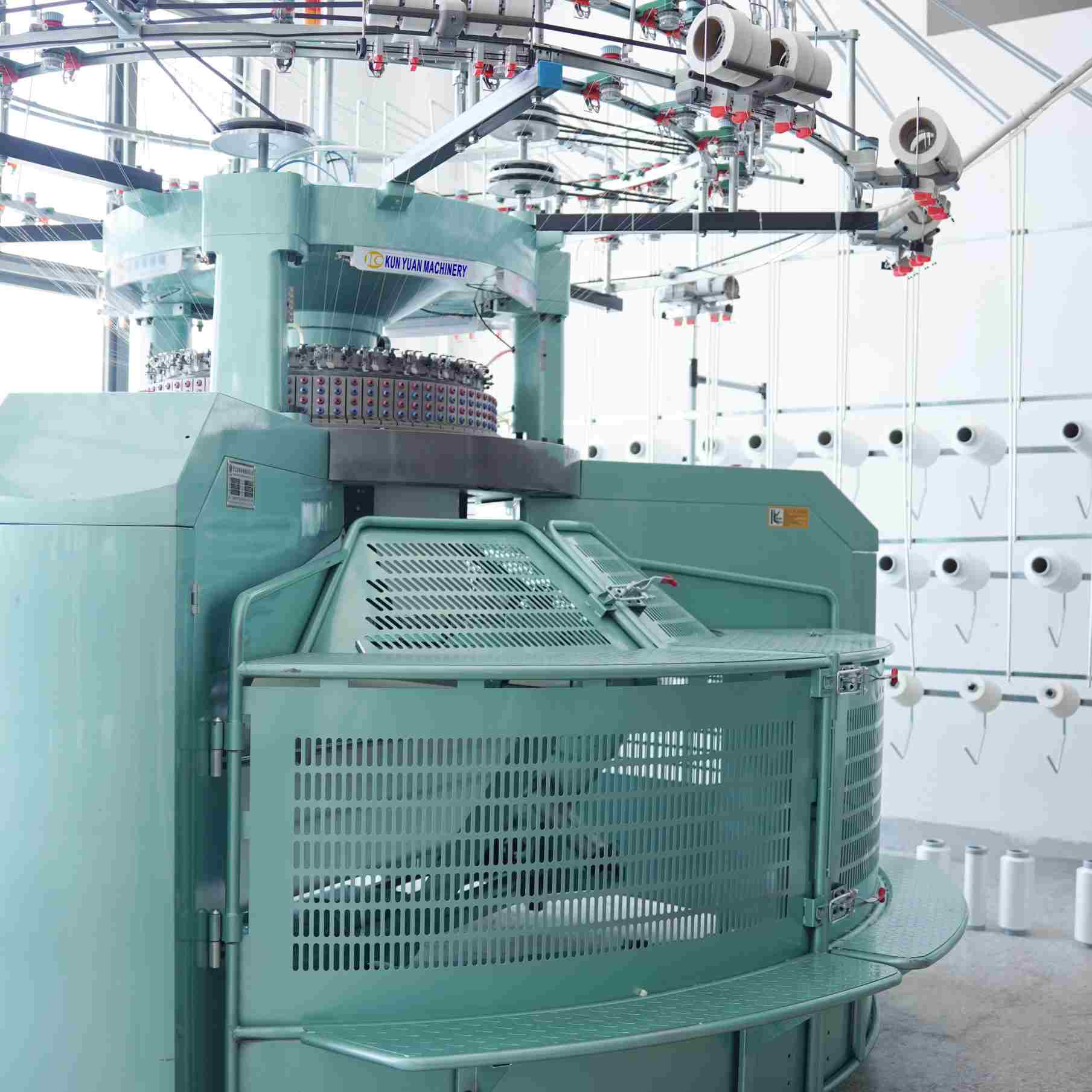
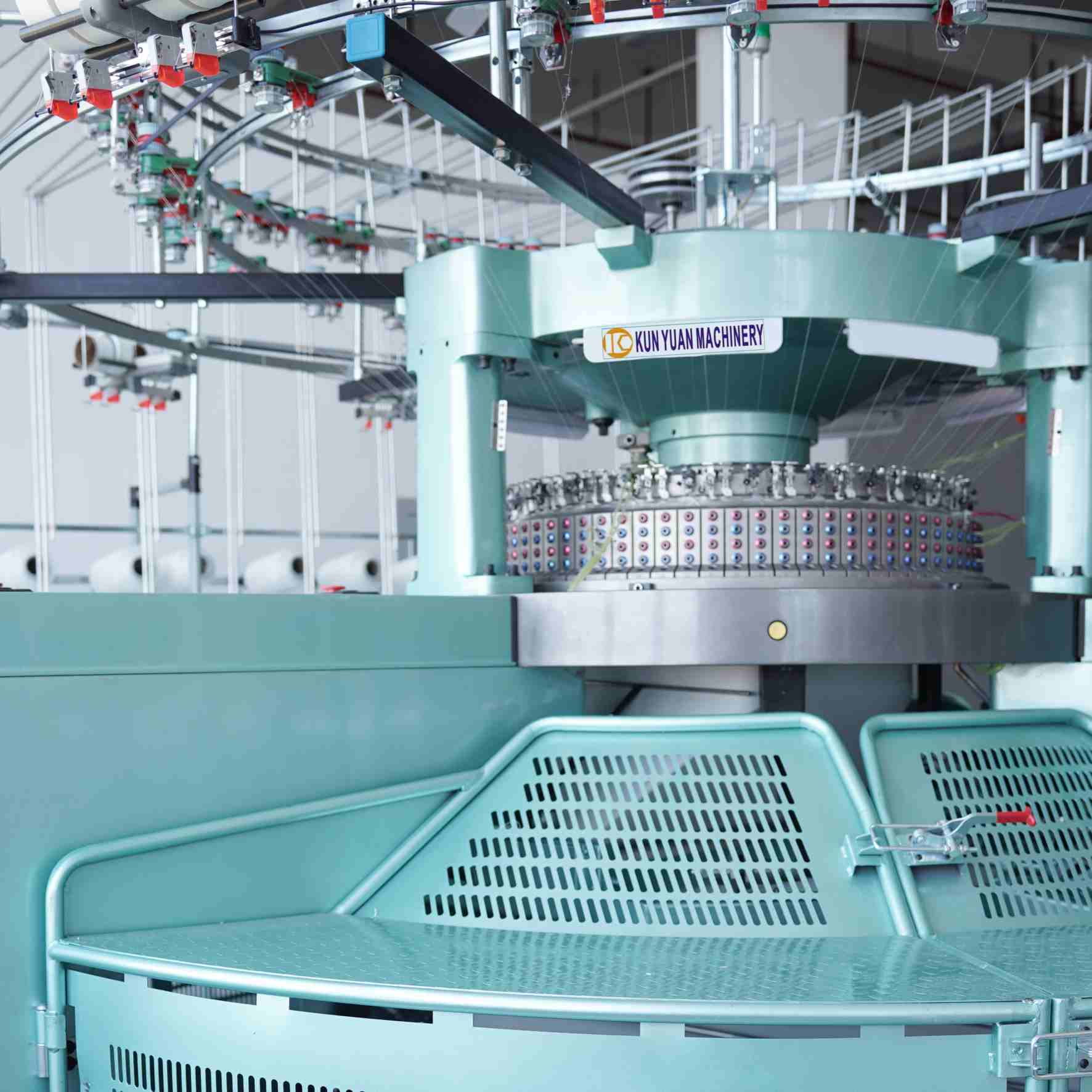
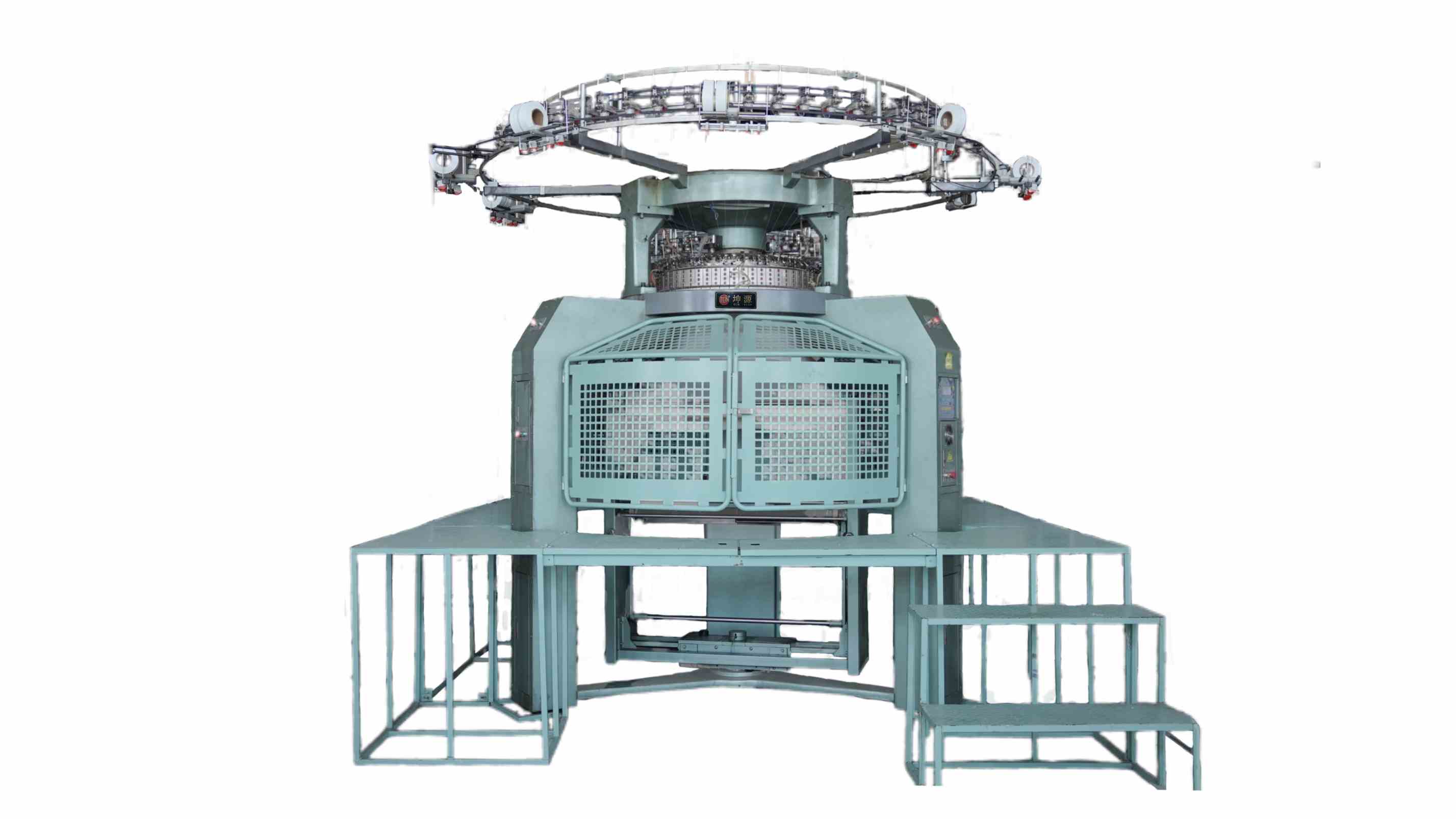
Use this architecture matrix when reviewing the body-size circular knitting machine range and ask for a boundary-size trial that preserves every knitting, make-up and finishing handoff.






 Tel: +86-13859034518
 Email: info@kunyuanmachine.com
 MP/WhatsApp: +86-13859034518
 Manufacturer Address:Bacuo Village, Yonghe Town, Jinjiang City, Fujian Province