Hot Keyword:
YOUR POSITION:HOME > Blog >

Circular Knitting Machines for Shirt Fabrics: Structures, Gauge and Finishing

Author:KUNYUAN Machine Manufacturer TIME:2026-08-30

MENU
Shirt-fabric application field

Specify the finished shirt duty before selecting the circular structure and machine build

Shirt fabric can mean light single jersey, pique, rib details, double-knit structure or a body-size route. The application becomes testable when hand feel, cover, stretch, width, stability and finishing are defined together.

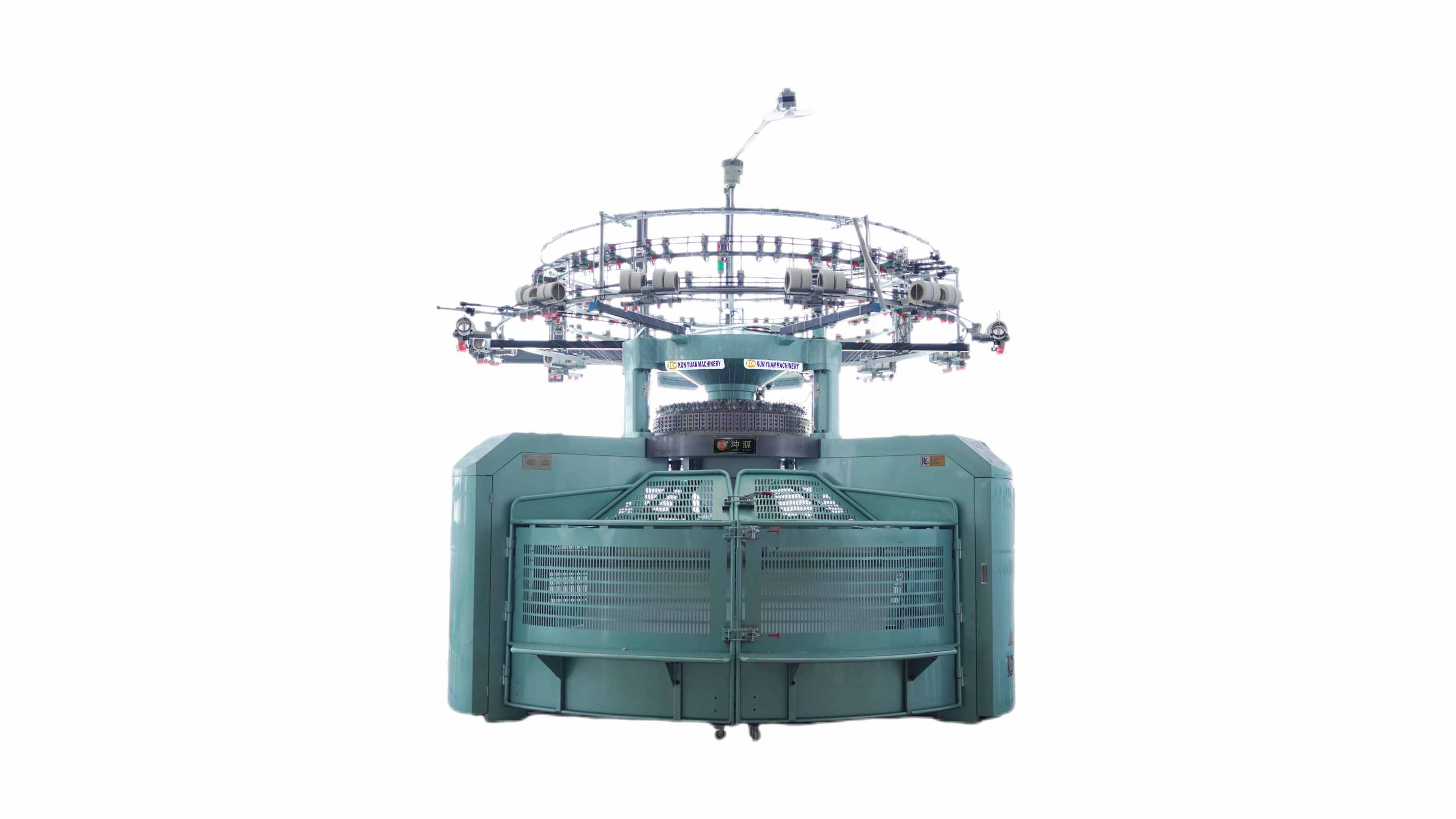
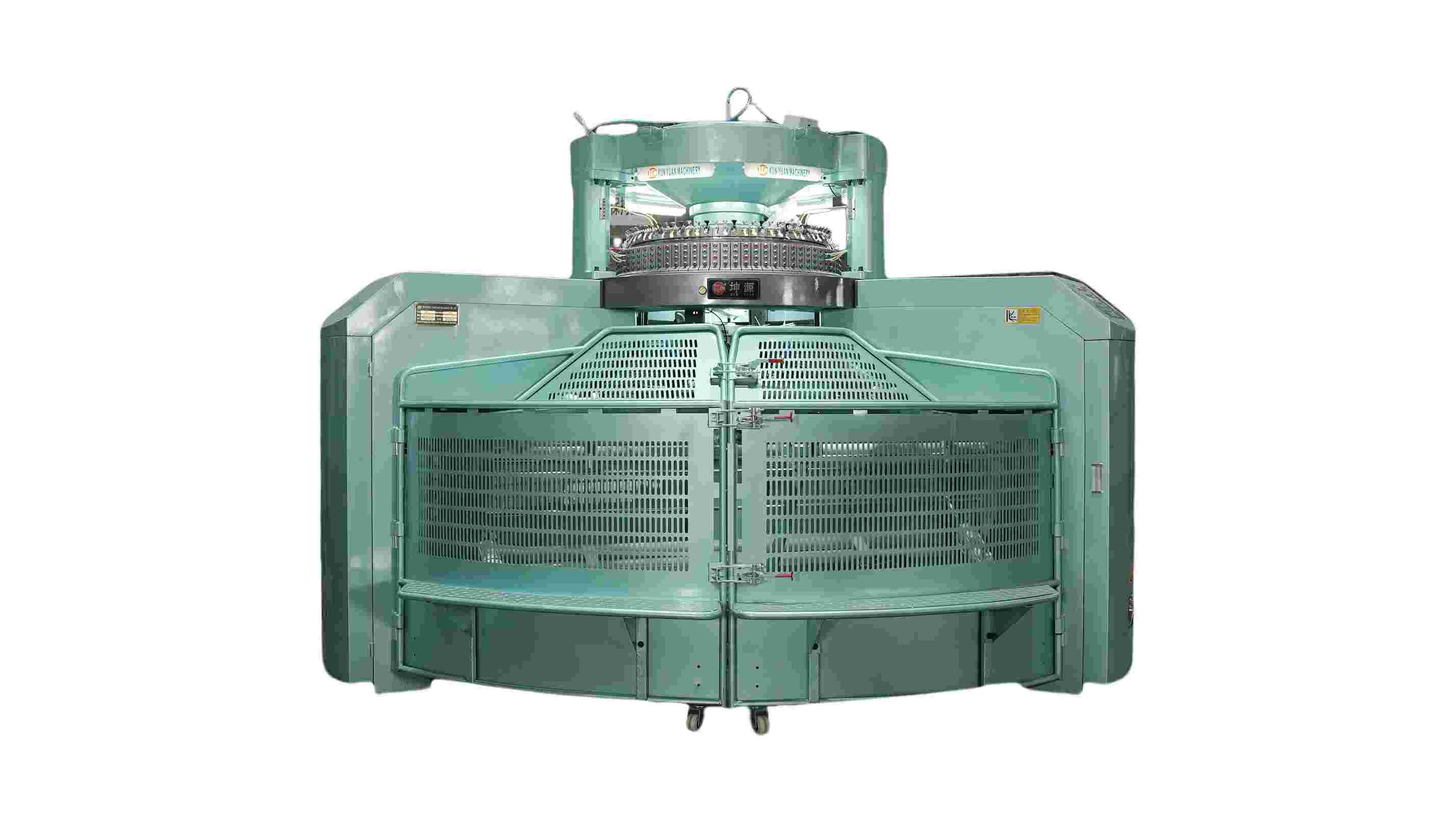
Circular knitting can support many shirt and T-shirt fabrics, but machine categories create different loop structures. CottonWorks explains single jersey, pique, rib and double-knit construction behavior, while Groz-Beckert distinguishes large-diameter tubular production from seamless body-size output and describes single- versus double-jersey element arrangements. Manufacturer selectors from Mayer and Cie. and Pailung then show that diameter, gauge, feeders and structure options belong to named machine families.

Do not select gauge from a fabric name alone. Yarn size, fiber, twist, loop length, structure, finish and required cover interact with the physical needle system. The supplier should propose a model-specific build and prove it with buyer yarn. Mark the trial roll across width and through events, then carry samples through dyeing, compacting, heat setting or the actual shirt finish. The accepted decision is the route that gives cutting-ready fabric or a finished body-size article within the approved quality and conversion boundary.

Application field: translate the shirt into measurable fabric behavior

Identify the shirt category, climate, wear layer, fit and laundering expectation. Approve technical face and back, opacity or cover, stretch direction, recovery, surface texture, drape, pilling limit, finished weight and width, dimensional change and skew criteria. Add collar, cuff or body-zone requirements where they differ from the main fabric. A fashion image can communicate appearance, but it cannot replace these acceptance points.

Map the conversion route from roll or body-size output to the finished shirt. Record relaxation, dyeing, compacting, printing, cutting, sewing or separation steps, plus the measurement condition used at approval. This field reveals whether curl, tubular width, edge behavior or size grading affects the intended line. It also prevents the term seamless from hiding openings, joining or finishing work that still belongs to another process.

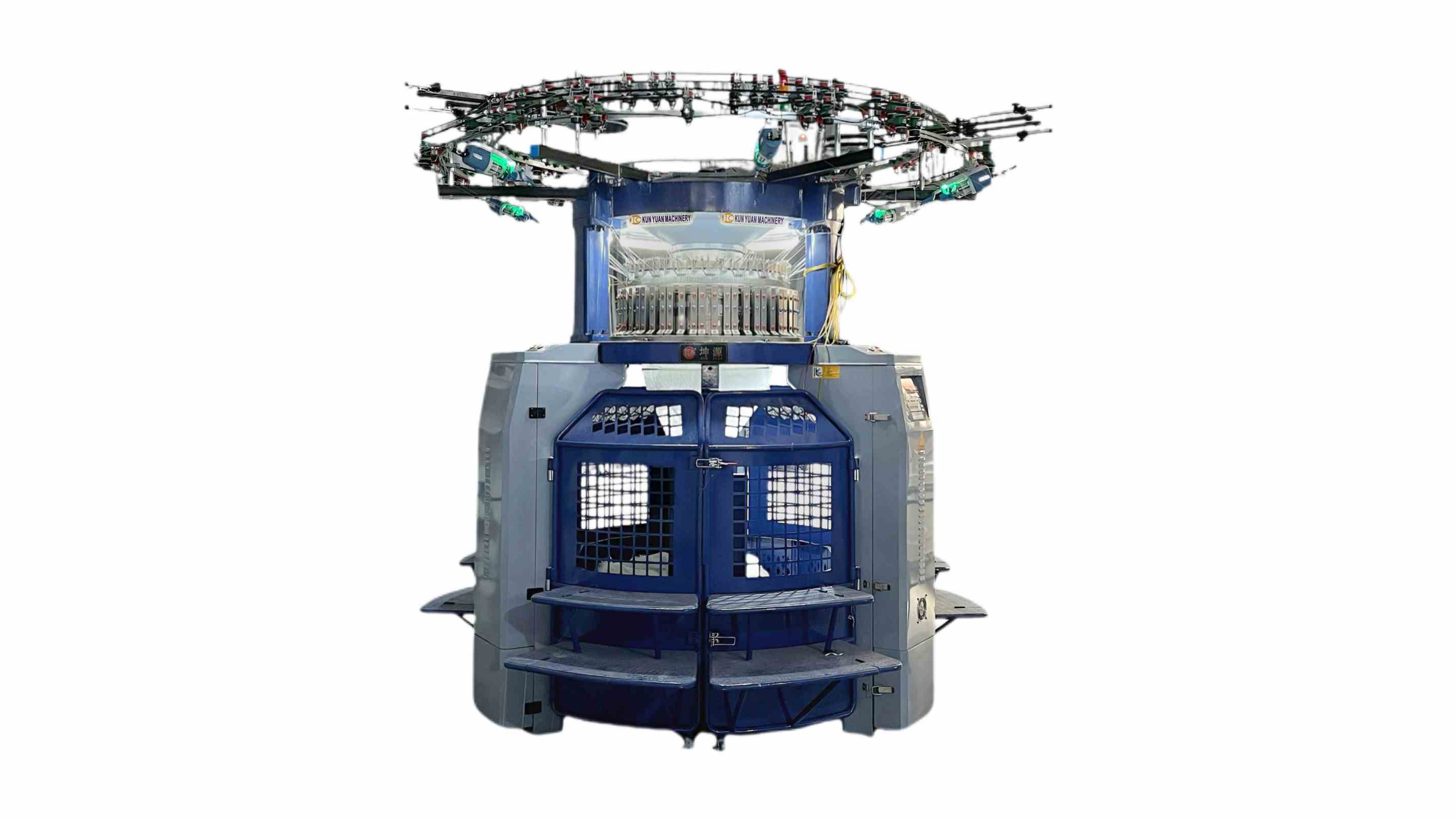
Machine field: pair single or double knit structure with a build-specific gauge proposal

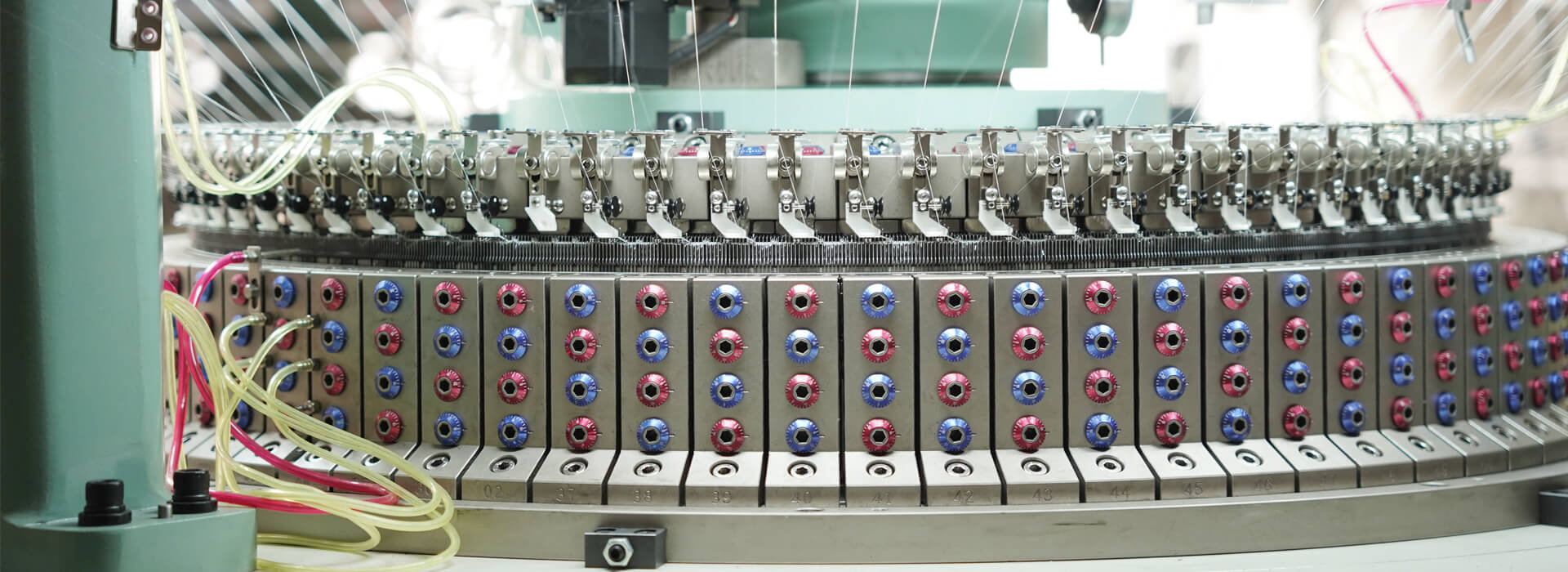
Choose the structural lane first. Single jersey and pique can support light and textured shirt bodies; rib or interlock may serve stretch, trim or more stable constructions; electronic selection may add mapped effects. Each lane needs a compatible cylinder, dial where applicable, needle and sinker system, cam or selection duty, feeders and take-down. Do not assemble a configuration from separate product pages.

Ask the manufacturer to connect proposed gauge to the exact yarn and finished cover target. A finer gauge does not automatically mean a better shirt, and a coarse setting does not prove heavy fabric. Retain the offered diameter, gauge, element designation, feeder arrangement and supported structures in one quotation revision. If several builds remain credible, create separate trial rows rather than blending their specifications.

Process field: preserve roll coordinates from greige knitting to finished shirt fabric

Run representative yarn long enough to cover warm-up, stable production and a normal stop and restart. Mark machine direction, roll position, events and setup revision. Inspect loops, lines, holes, barring, width and weight across the full fabric. Keep samples from the center and edges rather than selecting only the cleanest swatch.

Move matched coordinates through the intended wet and mechanical route. Recheck shade uniformity, spirality or skew, shrinkage, width, weight, handle and product-specific surface limits after full conditioning. A defect that appears after dyeing may still require yarn or knitting investigation, while another may originate in processing. The linked samples allow the mill to isolate those layers before changing the machine.

Scale field: compare accepted output, cutting yield and repeatable changeover

Reconcile scheduled time, setup, knitting time, gross fabric, held zones, finishing loss and cutting-accepted quantity. Keep the result tied to the named shirt and build; it is not a universal production rate. Ask the cutting room or garment team to report usable width, lay behavior and defects that affect marker yield. For body-size output, use accepted garments by size and expose any remaining make-up labor.

Repeat a representative yarn, structure or color change and return to the approved shirt job from controlled records. Measure cleaning, parts changes, job retrieval, trial fabric and time to first accepted output. The chosen machine should fit the product mix and receiving team's skills, not only the initial sample. Archive the accepted fabric, settings, finish report and open support items under one release revision.

Circular-knit shirt fabric samples showing single jersey, pique and rib structures
Structure selection begins with the finished shirt function rather than a generic machine category.
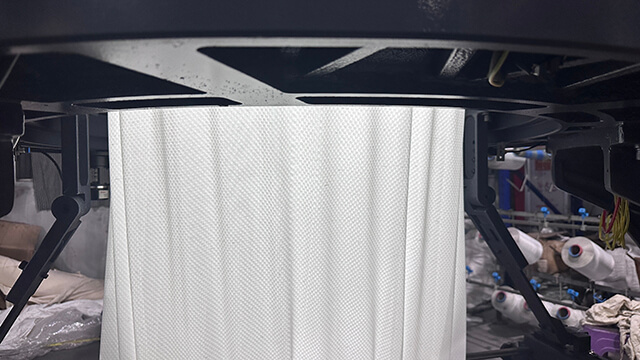
Buyer-yarn shirt fabric roll marked across width for greige inspection
Full-width coordinates carry knitting events into dyeing and dimensional review.
Finished shirt fabric and cutting evidence linked to machine trial records
The production field closes at cutting-ready fabric or an accepted body-size garment.

Shirt-fabric machine and finishing decision table

Decision layerInput to defineEvidence to retainRelease warning
Shirt dutyFit, hand, cover, stretch and launderingFinished reference and measurementsStyle name alone is insufficient
Structure and gaugeYarn, loop architecture and exact buildQuotation plus buyer-yarn greige sampleDo not mix model ranges
FinishingWet and mechanical routeMatched conditioned sample setMachine-side approval is incomplete
ScaleAccepted output and product changesYield ledger and recovered jobGross kilograms can hide loss

Circular knitting machine questions for shirt fabrics

Which knit structure is common for shirt bodies?

Single jersey and pique are common possibilities, but rib, interlock and other routes may fit specific duties. The finished brief should decide.

Can gauge be chosen from fabric weight?

Not by weight alone. Yarn, fiber, structure, loop length, cover, finish and the machine's physical element system all matter.

Why inspect both greige and finished fabric?

Finishing can reveal dimensional, shade and surface variation; linked coordinates help distinguish knitting, yarn and downstream causes.

Is a seamless shirt completely finished at the machine?

Not necessarily. Openings, separation, joining, trimming, dyeing and other operations depend on the model and garment route.

What output figure should a mill compare?

Compare accepted fabric at the cutting boundary, or accepted garments for body-size routes, with setup, held material and finishing loss visible.

Conclusion

A circular machine for shirt fabric should be selected from the garment boundary backward. Define the shirt behavior, pair it with a build-specific structure and gauge, preserve trial coordinates through finishing, then measure accepted conversion output. This route makes single, double and body-size options comparable without inventing universal yarn or performance limits.

Use the application fields to specify a finished trial for the Knitting Machine Shirt and request one model-specific configuration for each shortlisted shirt structure.

Need Help?
Please leave your contact information to get our latest catalog
Get In Touch Now >
Kunyuan Machinery Manufacturer

Tel: +86-13859034518

Email: info@kunyuanmachine.com

MP/WhatsApp: +86-13859034518

Manufacturer Address:Bacuo Village, Yonghe Town, Jinjiang City, Fujian Province

NEW KEYWORD

About Us

Products

Information