Hot Keyword:
YOUR POSITION:HOME > Blog >

How to Choose an Automatic Knitting Machine for Industrial Fabric Production

Author:KUNYUAN Machine Manufacturer TIME:2026-08-30

MENU
Automation commissioning gates

Automation has value only when the mill can repeat and recover the process

Automatic functions can coordinate drives, yarn delivery, selection, detection and fabric handling, but the installed systems and their authority vary by model. Selection should end in a staged handover rather than a feature count.

Define the intended industrial fabric, yarn package, structure, finish and quality method before listing automation requirements. Decide which actions must be recipe controlled, which conditions need detection, which stops require operator response and which interventions belong to qualified maintenance. This separates useful process control from a vague promise that the machine runs itself.

Manufacturer portfolios show many circular-machine families with different knitting and control arrangements. Use those official categories to shortlist a system, then verify the exact installed hardware and software in the offer. Commissioning should preserve machine identity, program revision, yarn lots, settings, events and finished evidence through each release gate.

Gate one - map every automatic function to a process duty

Create a control map covering main drive, yarn delivery, pattern or needle selection where fitted, lubrication, stop motions, take-down, winding and data functions. For each item, state what the installed device senses or commands, what the operator can change and what remains a mechanical setup. A controller name by itself does not prove pattern freedom or fabric compatibility.

Review alarms and interlocks with the supplier's operating documents. Give each event a safe response, evidence to preserve and an escalation boundary. The purpose is not to bypass a stop quickly; it is to keep the condition visible long enough to distinguish yarn supply, loop formation, withdrawal, program and component causes.

Gate: No powered fabric trial until controls, guarding and response roles are documented.
Gate two - establish a traceable recipe with representative yarn

Load the approved yarn lots and record threading, feed-device settings, stitch basis, cam or selection setup, take-down and collection condition. Keep the program and controller revision with the sample identifier. Run starts, planned stops and package changes so the trial represents production events rather than an uninterrupted demonstration prepared by a specialist.

Mark fabric direction and event positions on the roll. Inspect both faces under one method and log holes, lines, barring, pattern displacement, oil evidence or restart marks without assigning a root cause too early. A repeatable recipe is one the receiving team can retrieve and execute, not a list of numbers detached from the machine build.

Gate: Advance only after the stable run and planned events meet the agreed fabric inspection.

Gate three - prove stop, restart and controlled recovery

Select realistic events such as a yarn break, package change, normal stop and program reload that are allowed by the manufacturer's procedure. Observe detector response, operator sequence, restart condition and the fabric around each event. Preserve screenshots or event codes only as supporting records; connect them to physical machine position and the corresponding courses.

Test backup and restore using controlled copies and authorized personnel. Record what is stored, where it is kept, how revisions are named and how the correct file is verified before knitting. Recovery is incomplete when only the supplier's technician can locate the recipe or return the machine to the accepted state.

Gate: Release recovery only when the mill reproduces the restart without unrecorded expert intervention.

Gate four - hand production to trained roles with measurable output

Separate training for operation, recipe management, routine care and qualified service. Assess each role through tasks on the accepted product: preparing yarn, selecting the correct file, inspecting a stop, recording an intervention and producing a labelled roll. Attendance alone does not demonstrate that the production team can own the process.

Close commissioning with accepted fabric rather than headline speed. Report observed running time, total output, held material, defects and saleable quantity for a stated condition. Archive manuals, settings, program copies, open items and service contacts. These records let later shifts compare performance with the commissioning baseline instead of changing controls without context.

Gate: Production handover closes when operators repeat the approved article and retrieve the recovery file.
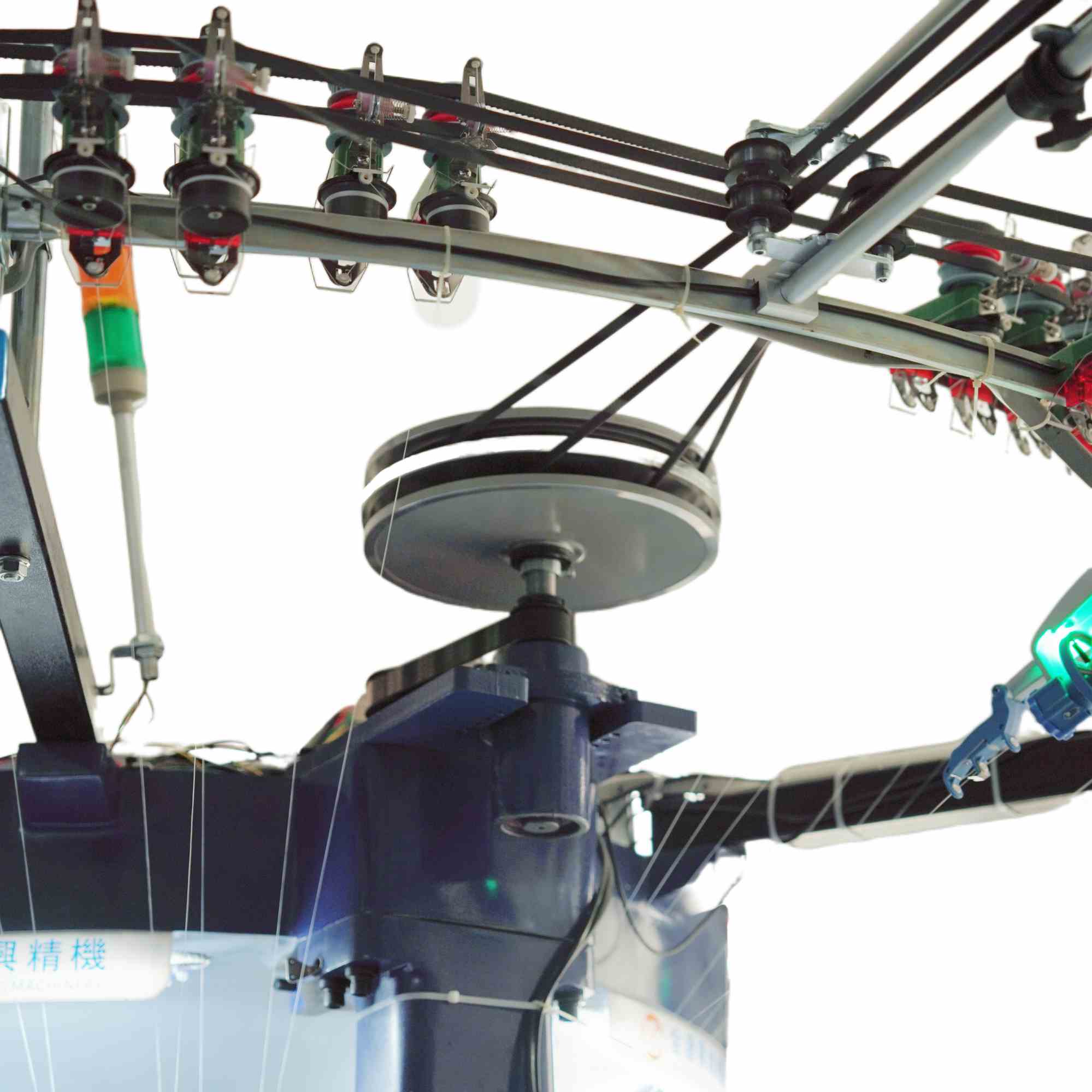
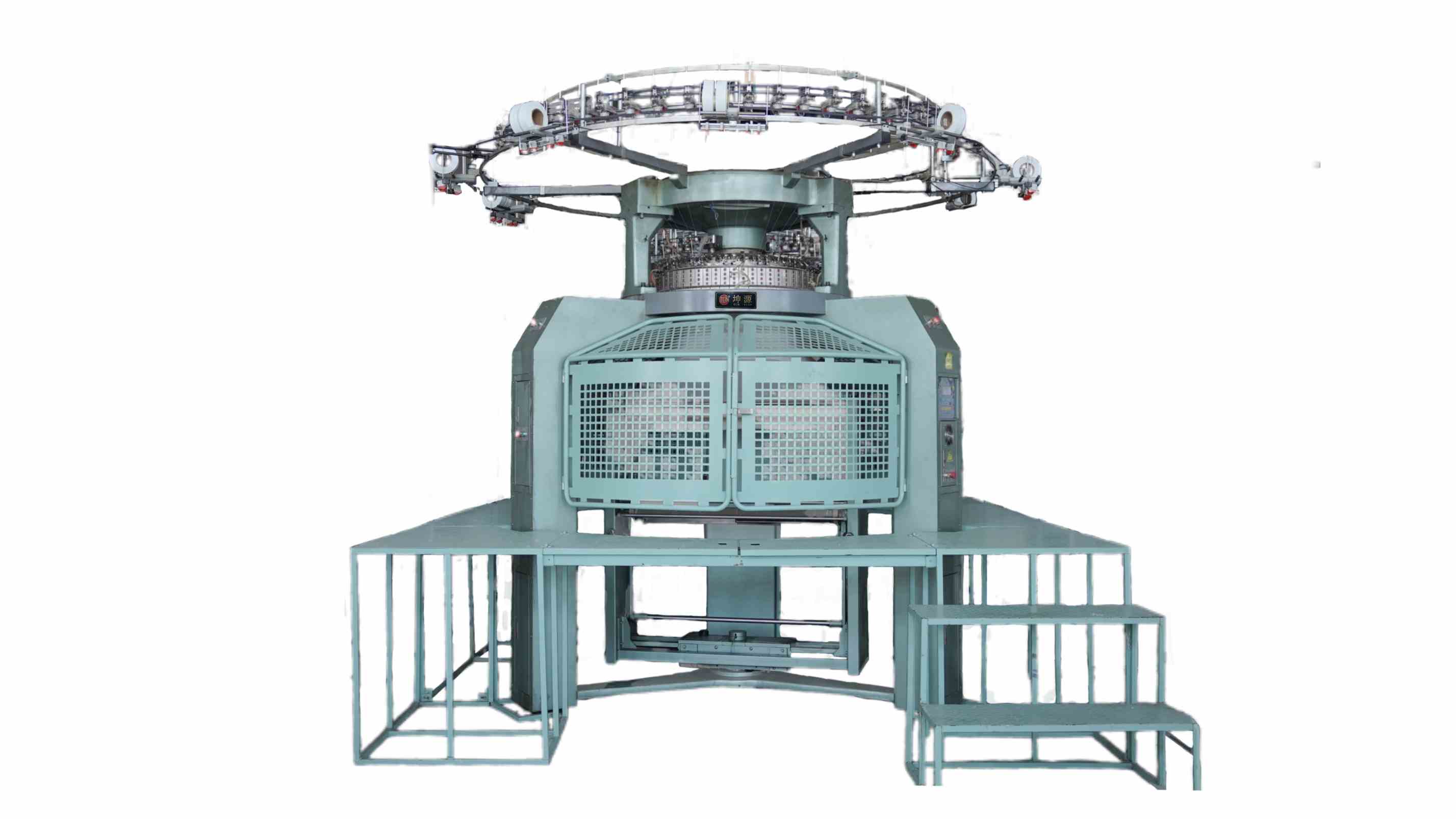
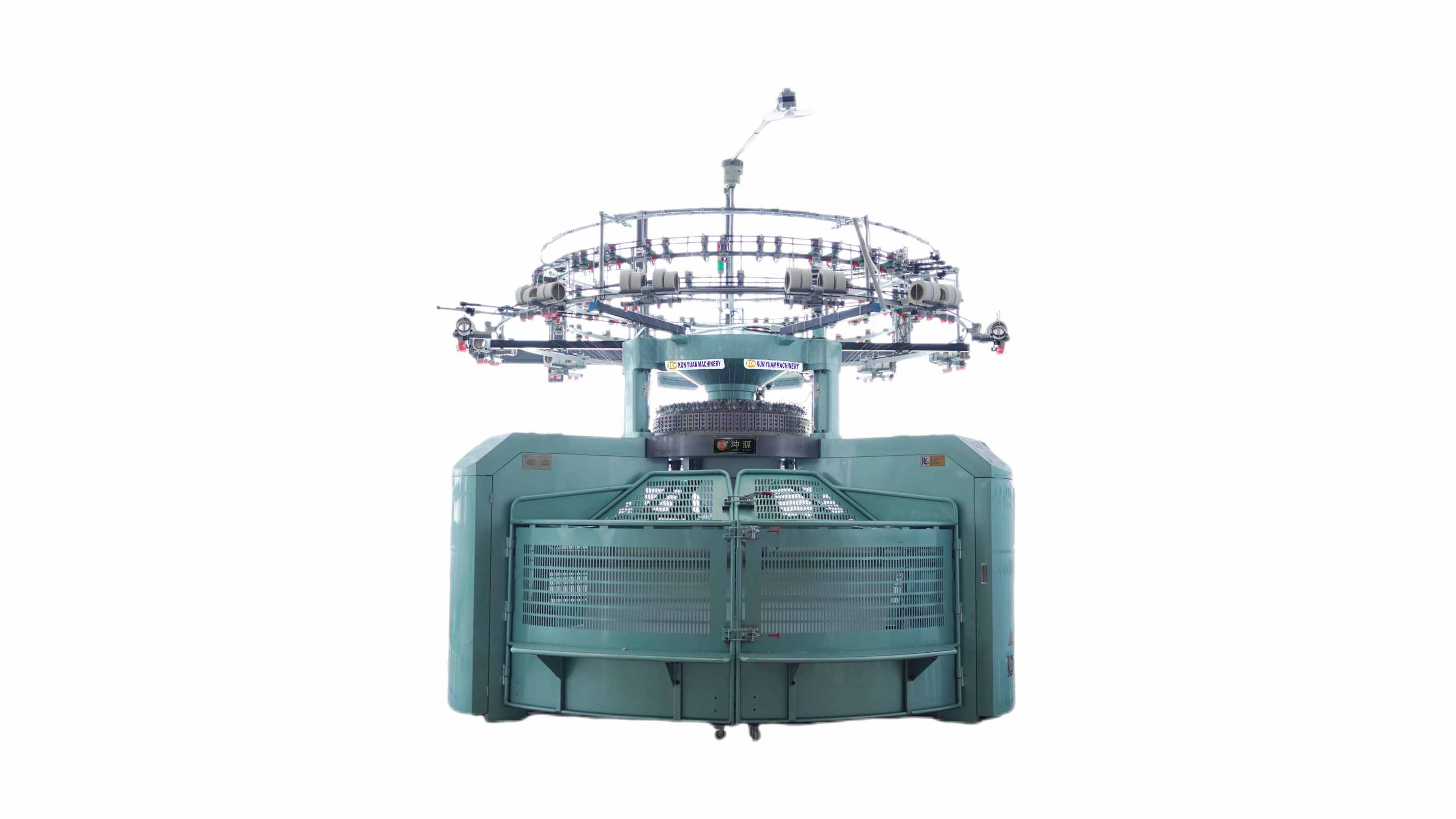
Automatic circular knitting machine commissioning overview
Map automatic functions to observable production duties.
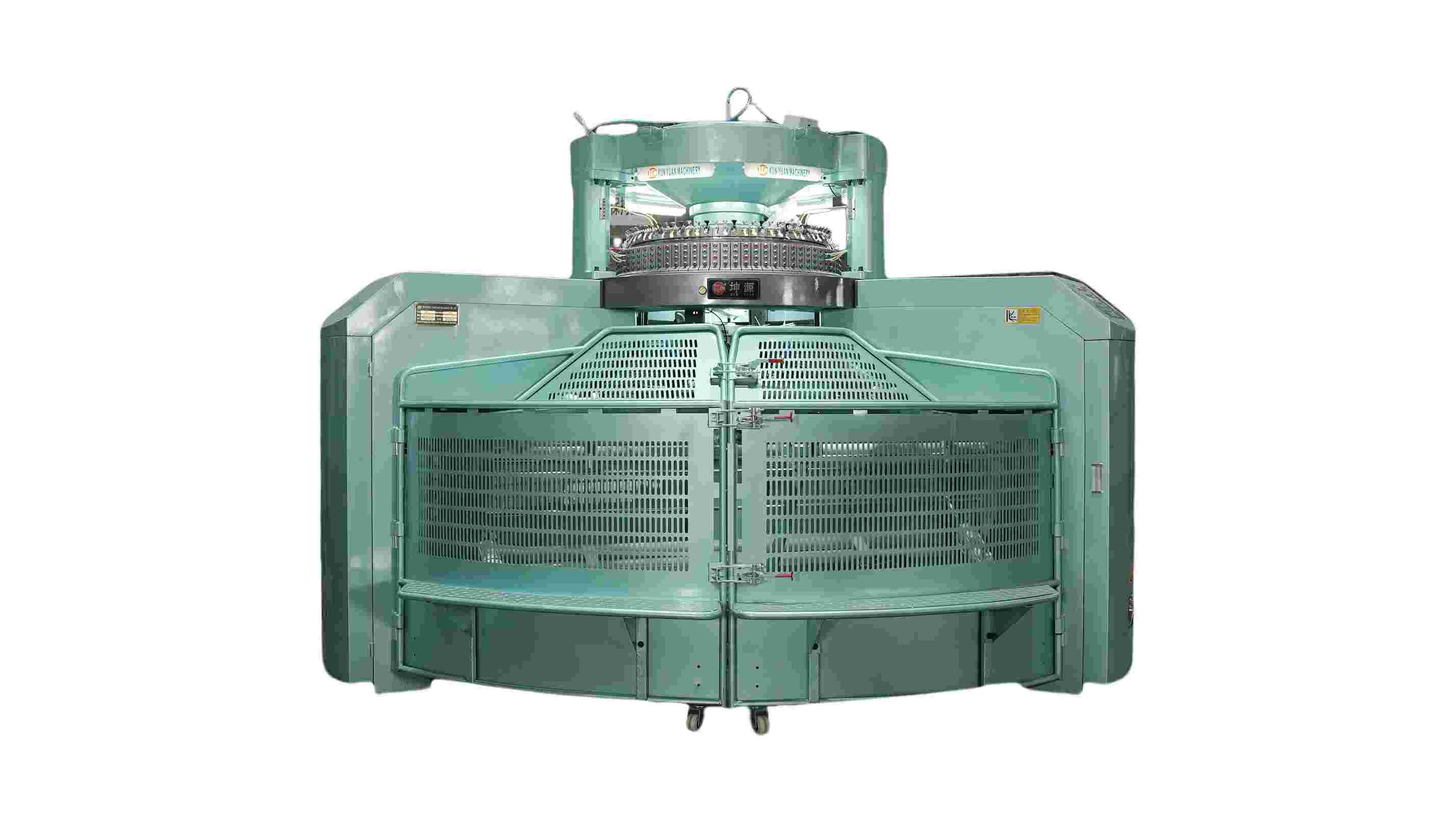
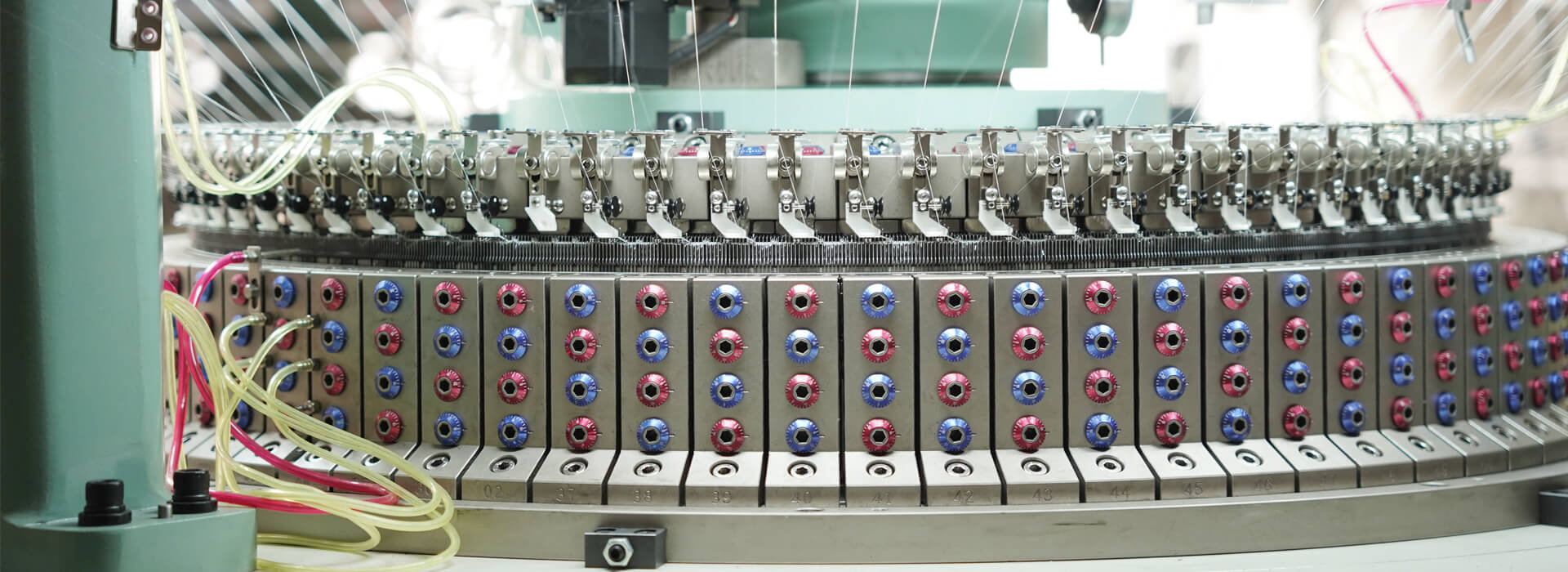
Yarn feed and machine control verification
Lock the accepted recipe to yarn and machine identity.
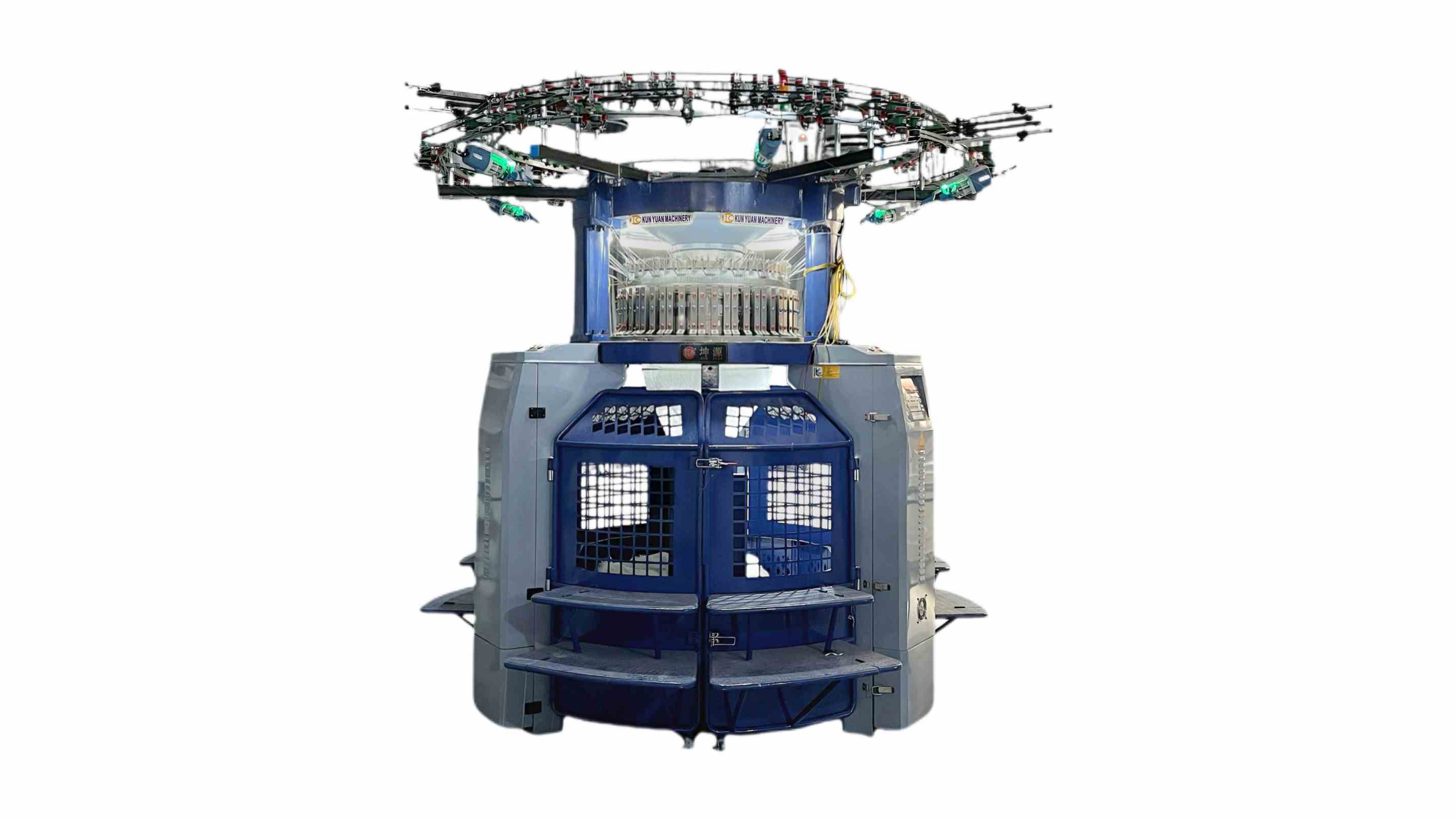
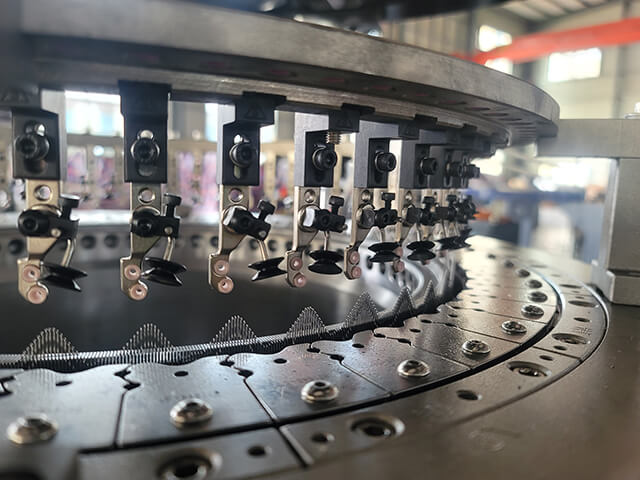
Industrial knitted fabric handover inspection
Finish commissioning with a repeat run by the mill team.

Automatic machine commissioning ledger

StageEvidence packageReceiving ownerRelease condition
Control scopeInstalled system and authority mapEngineeringSafe response defined
RecipeBuild, yarn, program and marked rollProcess teamFabric inspection passes
RecoveryEvent log and restored revisionShift leadRestart is repeatable
HandoverTraining and accepted-output recordProduction managerTeam owns the baseline

Automatic knitting machine commissioning questions

Does automatic mean every setup is recipe controlled?

No. The exact model may combine electronic commands with mechanical adjustments, so map both before purchase.

Can an alarm identify the root cause?

It identifies a detected condition. Preserve yarn, machine and fabric evidence before deciding why it occurred.

Why include stops in the trial?

Starts, stops and package changes reveal recovery behavior that an uninterrupted demonstration cannot show.

Which output belongs in the handover report?

Use saleable fabric under the stated yarn, setup, observation and inspection method, with held and rejected material visible.

What should be backed up?

Keep the approved programs, critical settings, controller information allowed by the manufacturer and a documented restore procedure.

Scale-up conclusion

The right automatic machine is the one whose installed controls fit the fabric route and can be owned by the receiving mill. Stage gates for scope, recipe, recovery and handover convert automation from a brochure feature into a repeatable production system.

Apply these commissioning gates when reviewing the automatic circular knitting machine range and attach the final control map, recipe and recovery record to the accepted sample.

□ Gates complete
Need Help?
Please leave your contact information to get our latest catalog
Get In Touch Now >
Kunyuan Machinery Manufacturer

Tel: +86-13859034518

Email: info@kunyuanmachine.com

MP/WhatsApp: +86-13859034518

Manufacturer Address:Bacuo Village, Yonghe Town, Jinjiang City, Fujian Province

NEW KEYWORD

About Us

Products

Information