

Hot Keyword:
Author:KUNYUAN Machine Manufacturer TIME:2026-08-30
Small diameter can describe narrow tubular components, body-size fabric or individually produced seamless articles. These outputs need different knitting systems, size evidence and downstream work, so nominal diameter alone is not a buying guide.
Legacy material associated small circular machines with seamless garments and compact production, but the useful decision begins with product geometry. Draw the final article, mark relaxed and extended dimensions, yarn duties, structure, openings, separation points, surface limits, finishing route and every later cut or join. Then select the physical output path.
Mayer and Cie. describes a portfolio spanning small collar-scale machines through larger industrial formats, while Santoni groups named electronic seamless systems by application. Groz-Beckert distinguishes large-diameter tubular fabric from seamless body-size articles and supplies elements for those sectors. These sources establish different routes, not a universal size chart. Exact diameter, gauge, needle basis, feeds and selection remain model-specific quotation items.
Use this route when the machine output is a narrow tube or component that will enter a known assembly process. Specify finished circumference or width, length, structure, yarn, recovery, edge condition, technical face and joining allowance. State whether the tube is cut into units, opened, attached or otherwise converted. Small diameter does not mean the component leaves the machine ready for sale.
Trial the narrowest and widest planned component and the most demanding yarn or structure. Mark package events, stop, restart and separation positions. After the intended relaxation or dyeing, measure dimensions, recovery and appearance and then assemble a representative product. Record cutting waste and joining defects so component efficiency is not judged only at the machine.
Map torso or article landmarks, size range, functional zones, openings, yarn changes and separation on the finished item. State which areas are knitted as programmed structures and which require later gussets, straps, shoulders, sleeves, bindings, closures or labels. Fewer side seams does not eliminate all assembly, and a body-size tube is not automatically an individually ejected seamless garment.
Freeze the exact model, diameter and gauge convention, needle basis, selection scope, feeds, yarn systems, program revision and take-down or ejection route. Knit boundary sizes with commercial yarn and complete the full finish and make-up. Approve fit, zone position, extension or recovery and appearance using the buyer's methods.
List product sizes down the rows and candidate physical configurations across columns. For each intersection, record needle or diameter basis provided by the supplier, program or setup revision, commercial yarn, greige dimensions, conditioned dimensions and result. If one configuration distorts a boundary size or moves a functional zone, split the range instead of forcing a broad marketing claim.
Keep measurement condition and tolerances consistent. Compare smallest, largest and a representative middle size after the same finish. Include component joining or garment make-up before accepting the range. The map should also show untested combinations, not-applicable routes and options that require separate proof.
Run a representative style change or size change with ordinary yarn handling, stop and restart. Record change parts, files, setup time, held output and first-piece checks. Finish and assemble the boundary item, then compare it with the approved size-map sample. This tests whether flexibility survives production handling rather than only a supplier demonstration.
Deliver programs or setup records, yarn maps, sample labels, measurement sheets, backups, training, critical spares and open actions. Ask a receiving shift to retrieve the job and repeat the item without undocumented correction. Release only the product routes and sizes demonstrated on the delivered machine.
| Route decision | Machine output | Finished evidence | Declared limit |
|---|---|---|---|
| Narrow component | Tube or defined fabric part | Conditioned and assembled component | Cut and join work visible |
| Body-size article | Programmed tube or separated item | Completed boundary garment | Model and zone scope fixed |
| Size coverage | Configuration per range cell | Small, middle and large samples | Untested cells held |
| Production handover | Files, changes and receiving role | Repeated first-piece item | Only proven sizes released |
No. It may produce narrow components, body-size tubes or seamless articles, each with different remaining work.
No. Needle basis, structure, yarn, program, relaxation and assembly affect the finished dimensions.
Narrow components and programmed body-size articles use different architectures, evidence and make-up boundaries.
Use the smallest and largest planned sizes plus a representative middle size and the hardest structural boundary.
The delivered machine should repeat a finished boundary item after a normal change using controlled records and trained staff.
Small diameter is useful only after the product route is named. Narrow components need assembly evidence, body-size articles need programmed and finished garment proof, the size map needs physical boundary samples, and production needs a repeat changeover. This route-based guide keeps nominal dimensions from substituting for fit, function and actual make-up work.
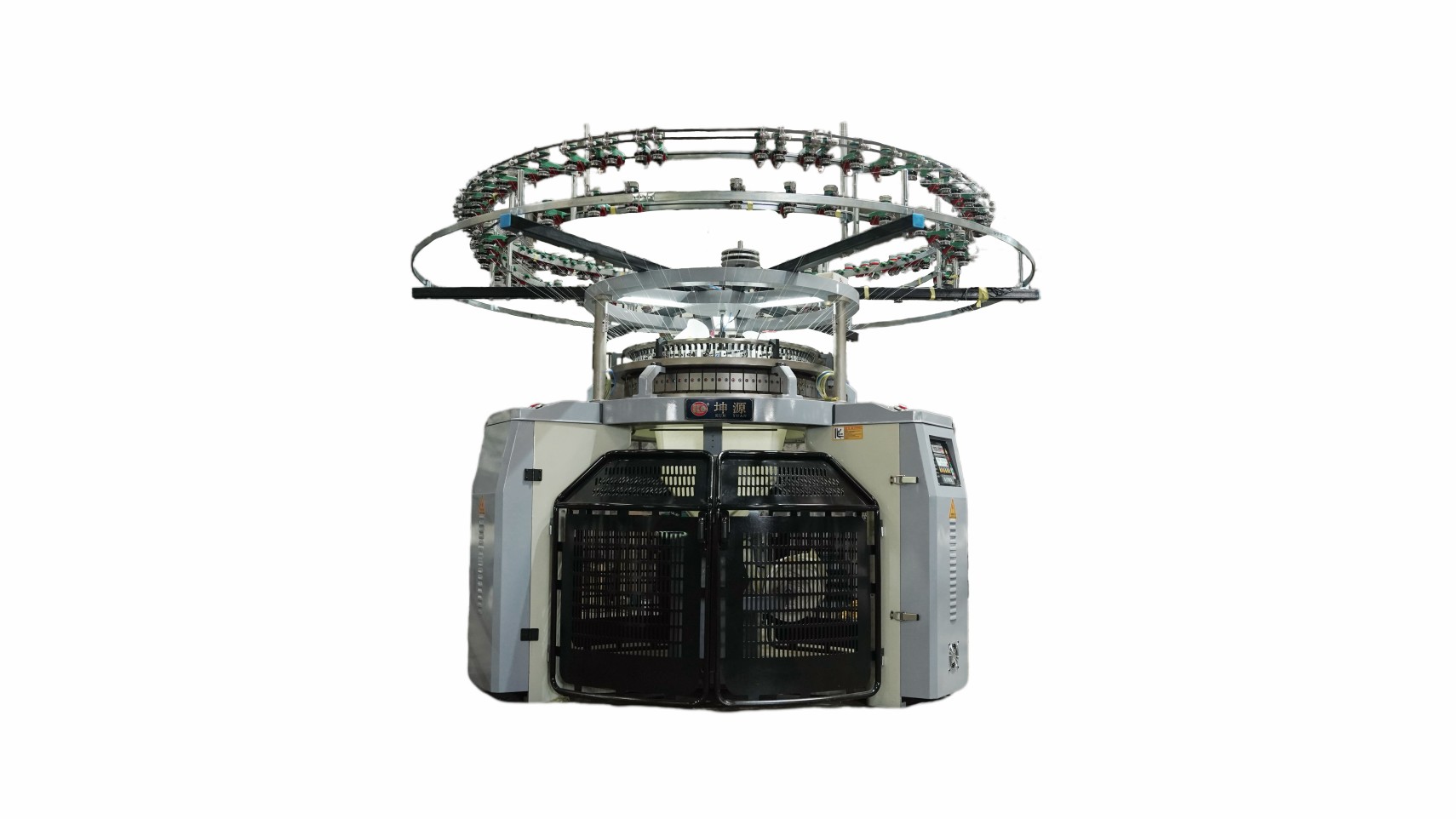
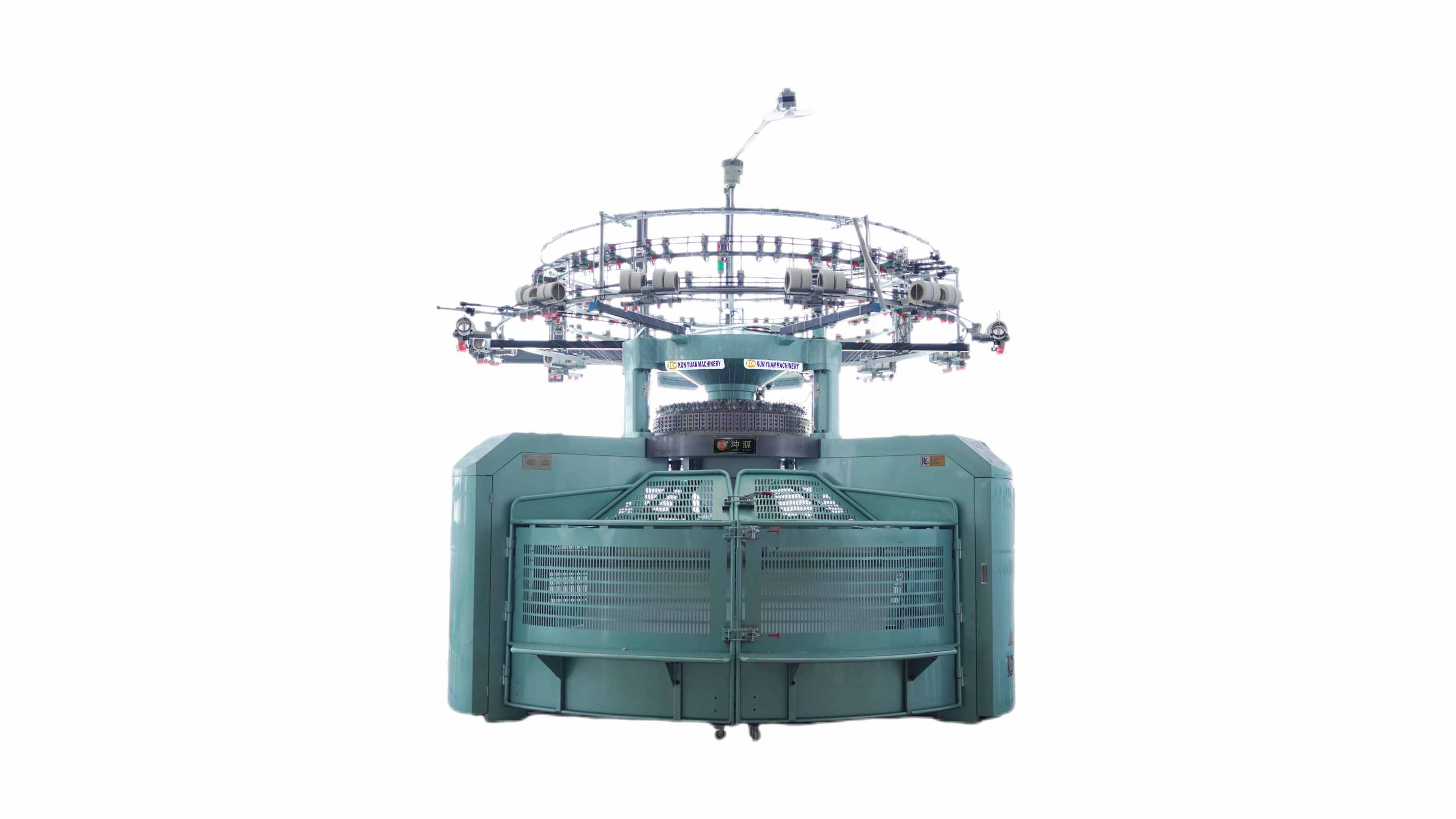
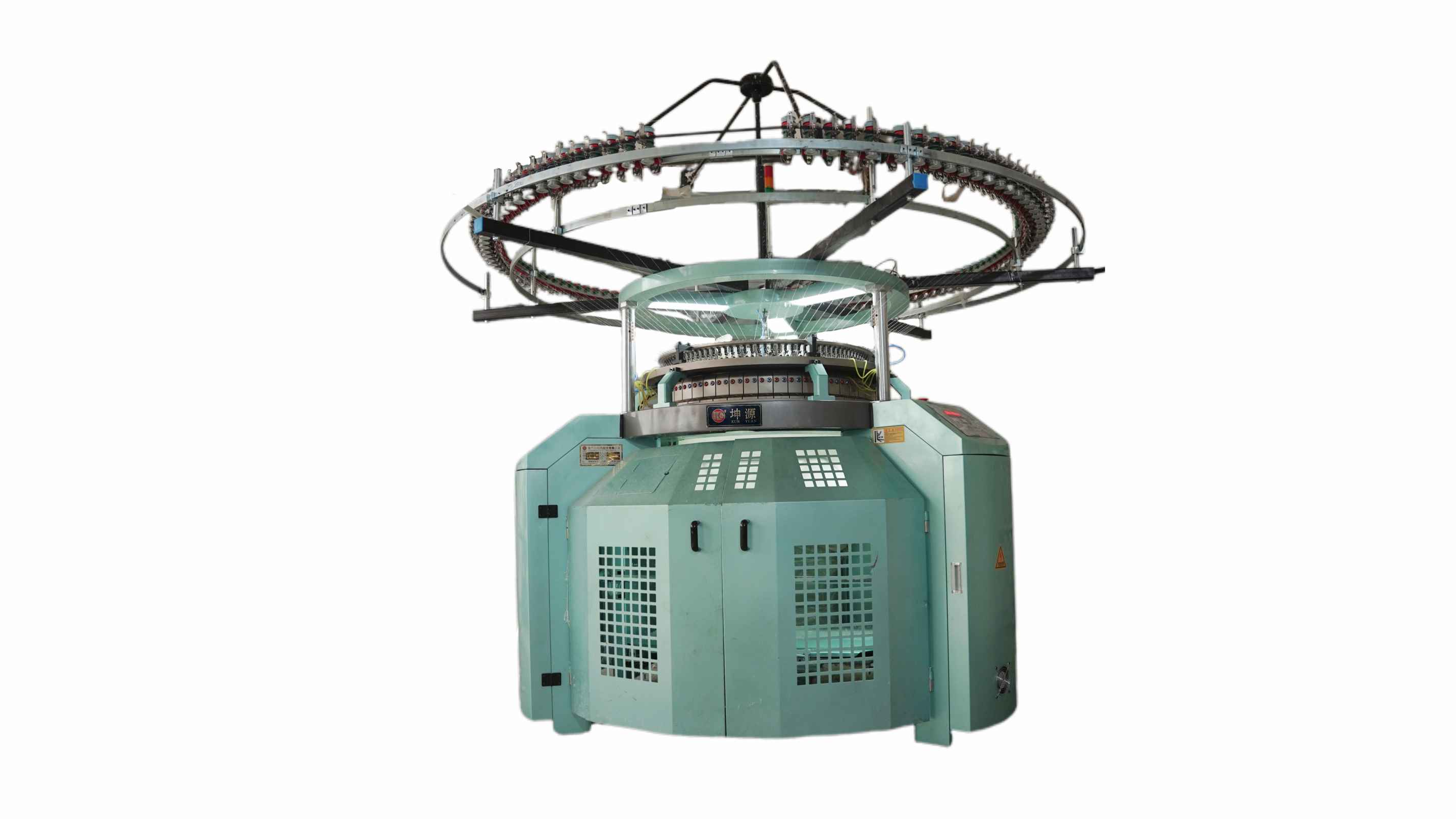
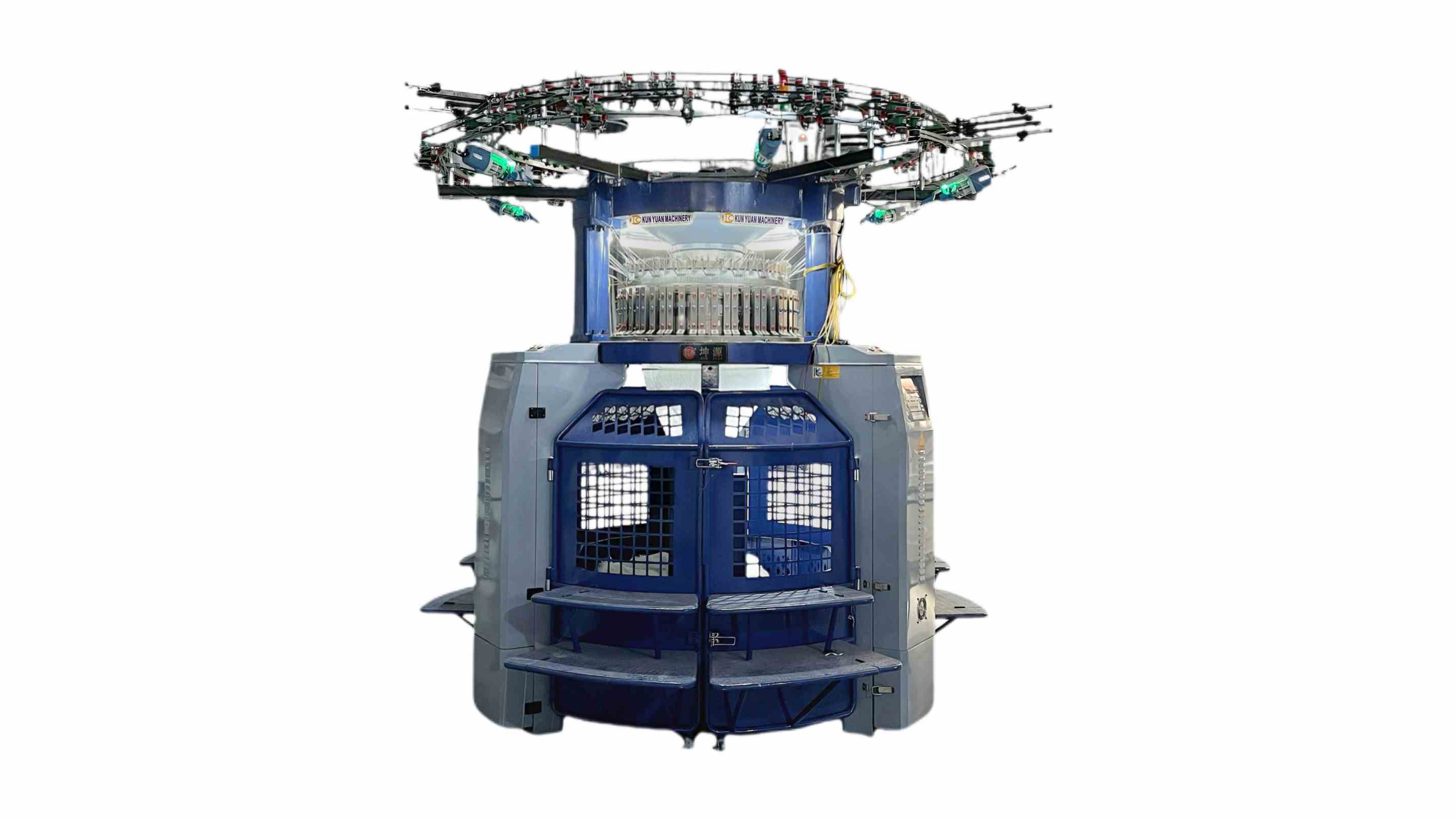
Use this route map when evaluating the body-size circular knitting machine range and require every claimed size to finish as an accepted component or garment on the quoted build.

 Tel: +86-13859034518
 Email: info@kunyuanmachine.com
 MP/WhatsApp: +86-13859034518
 Manufacturer Address:Bacuo Village, Yonghe Town, Jinjiang City, Fujian Province