Price the demonstrated return to production, not just a replacement cylinder
Gauge conversion can leave useful machine assets in place, but reuse is a compatibility claim that needs evidence. The purchasing decision also needs the cost of qualified work and the fabric trials required to release the changed configuration.
Start by asking the machine supplier whether the exact installed build supports the proposed conversion. A parts catalogue or a different model's conversion feature cannot answer that question. Groz-Beckert's gauge-conversion course describes preparation, practical work and checking, while its knitting portal selects elements by builder, model and gauge. These sources support the need for specific identity and competent work, not a universal parts list.
The cost stack below is a recommended buyer framework. It contains no assembly instructions, alignment values or promised conversion duration. Treat the before and after configurations as separately identified production states, each requiring its own relevant evidence.
01
Cost layer 01 - classify existing assets before assigning a saving
Create a conversion register with the current machine identity, installed options, relevant component references and the proposed target build. Ask the supplier to mark each reviewed item as reusable as-is, reusable after specified work, replacement required or unresolved. Retain the written compatibility basis and any inspection requirement. Similar appearance, the same nominal diameter or an existing stock number is not sufficient proof of fit in a changed knitting system.
Keep unresolved items out of confirmed savings. A component that might be reused has a different commercial status from one already inspected and approved. Record the disposition of removed parts and whether they remain suitable for the original configuration. If the business case assumes later conversion back, require that route to be assessed too. The value of retained hardware should reflect its verified role and condition, not its original purchase price alone.
02
Cost layer 02 - identify purchased scope and qualified service
Request an itemised offer for the parts and services actually required by the supplier's conversion plan. Clarify inclusions such as transport, packaging, tools, installation attendance, inspection and documentation. Identify exclusions rather than filling them with assumptions. Component designations must retain the details needed to distinguish the proposed gauge and machine arrangement.
Separate physical part supply from the work needed to establish the new operating state. The Groz-Beckert course describes skilled checking tasks around a gauge conversion; it is not authorisation for an untrained buyer to execute them. Have qualified service personnel define their procedure and completion evidence. Record who accepts the mechanical work, who owns the startup trial and who resolves a compatibility discrepancy. This makes the quoted sum auditable when a low component price is accompanied by service or verification work outside the offer.
03
Cost layer 03 - reserve material and time for the new fabric evidence
Name the fabric or order family that justifies the target gauge. Define the yarn, construction and finished criteria, then request a trial plan suited to that configuration. Keep startup fabric, planned laboratory specimens, processing charges and inspection effort visible as separate budget entries. Do not assume that the old approved fabric recipe transfers unchanged because the machine frame was retained.
Set a release decision for the new configuration using actual trial results. Relevant evidence may include fabric appearance, dimensions, mass, handling and the buyer's specified performance tests. Select requirements from the order rather than copying an unrelated commissioning checklist. If a trial fails, record the reason and the authorised next step; do not convert all trial fabric into a forecast of normal production waste. The budget should show how much qualification is planned and which further costs remain contingent on unresolved results.
04
Cost layer 04 - compare conversion with the actual production alternative
Build the decision around the order calendar. Record quoted availability, installation windows, planned qualification time and the existing production that would be displaced. Use the mill's own costing basis for that displacement and state whether it represents lost contribution, rescheduled work or outsourced supply. Do not add the same downtime consequence under several headings.
Compare the conversion with credible alternatives such as retaining the current gauge, assigning work to an already qualified machine or procuring a separately justified capacity route. Keep uncertain costs as scenarios rather than fabricated precise estimates. A conversion is attractive when verified retained value and the target order opportunity justify replacement, service, qualification and disruption together. Release the purchasing decision only after unresolved compatibility could no longer overturn that conclusion, or explicitly make those unresolved items conditions of the offer.
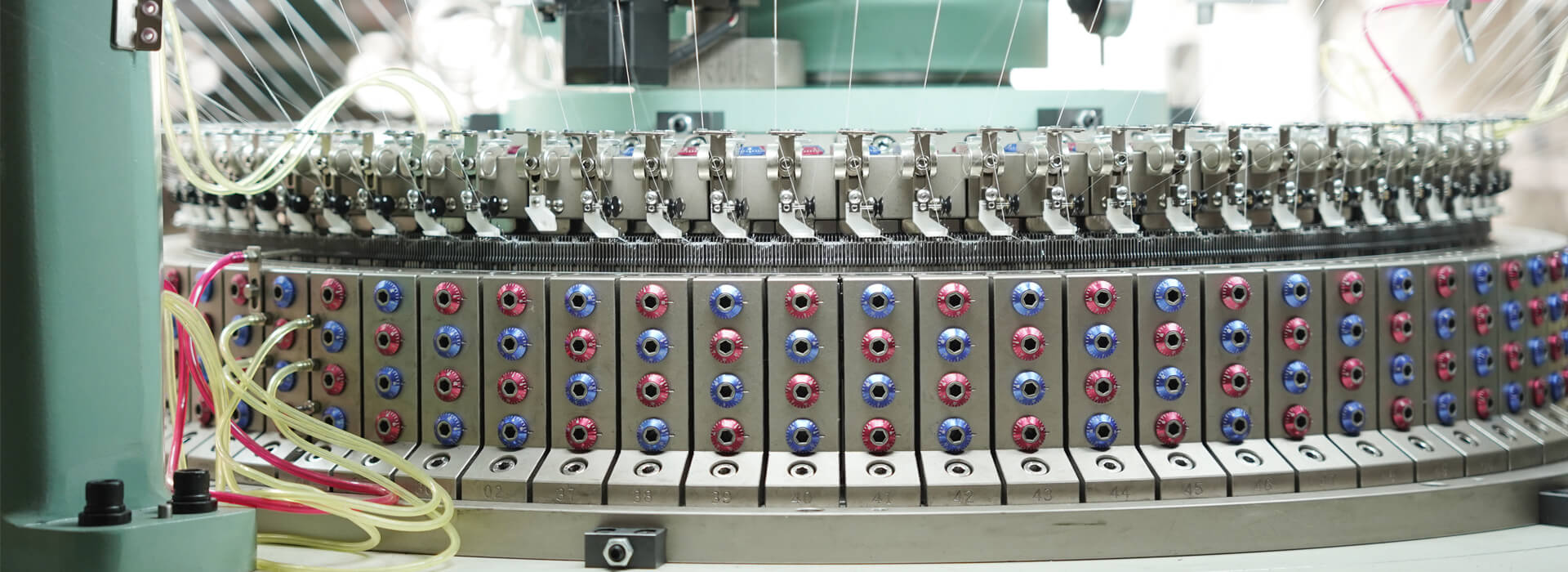
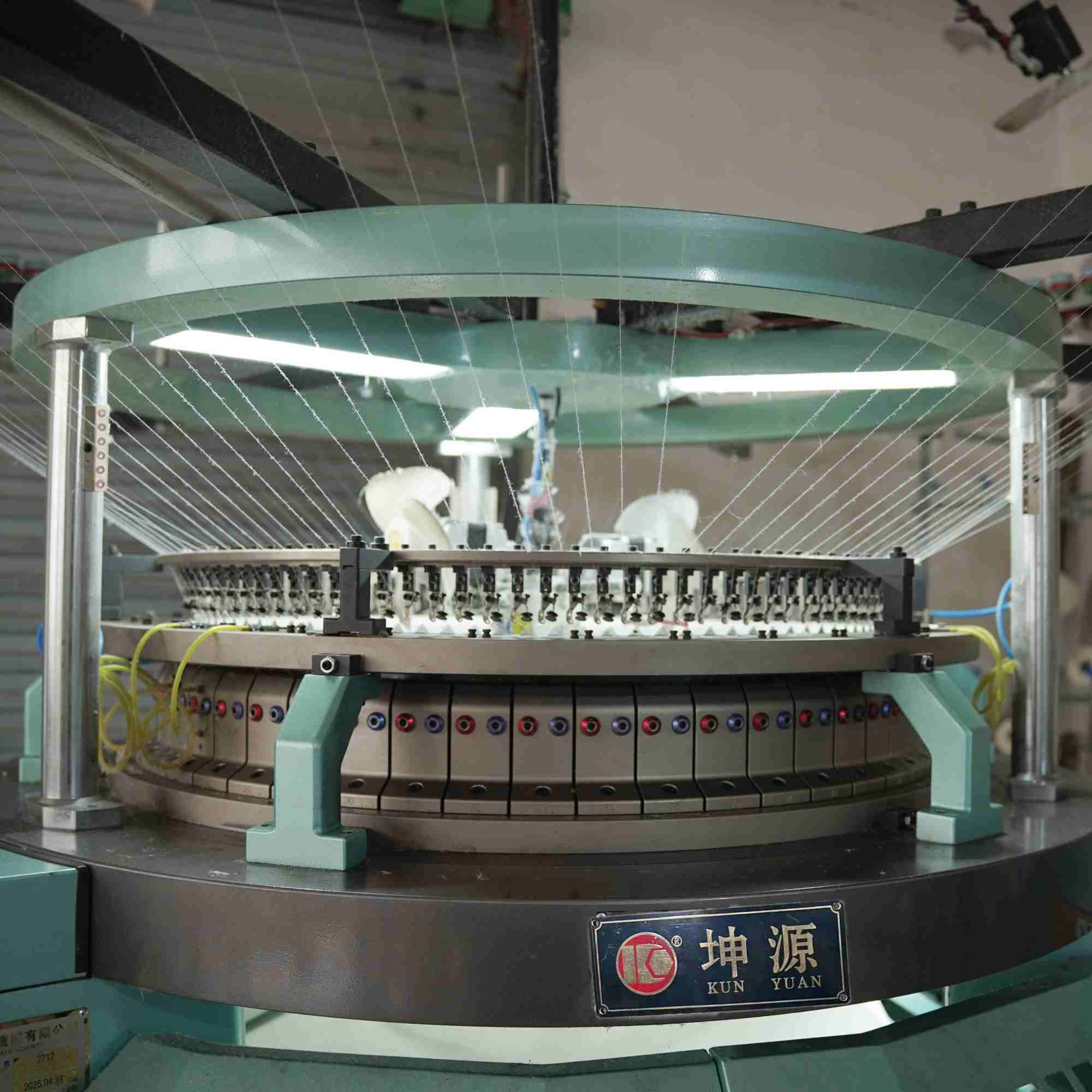
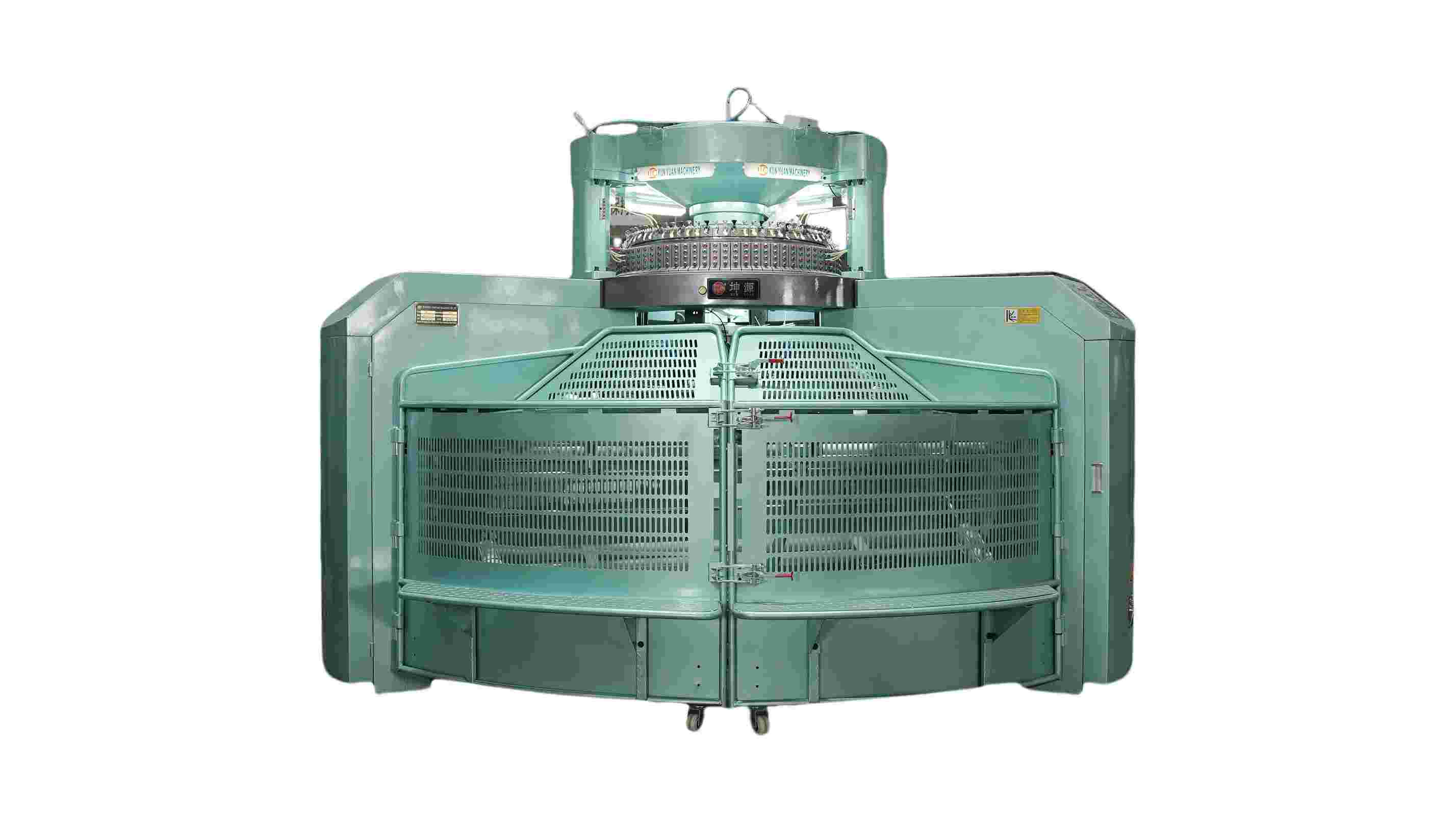
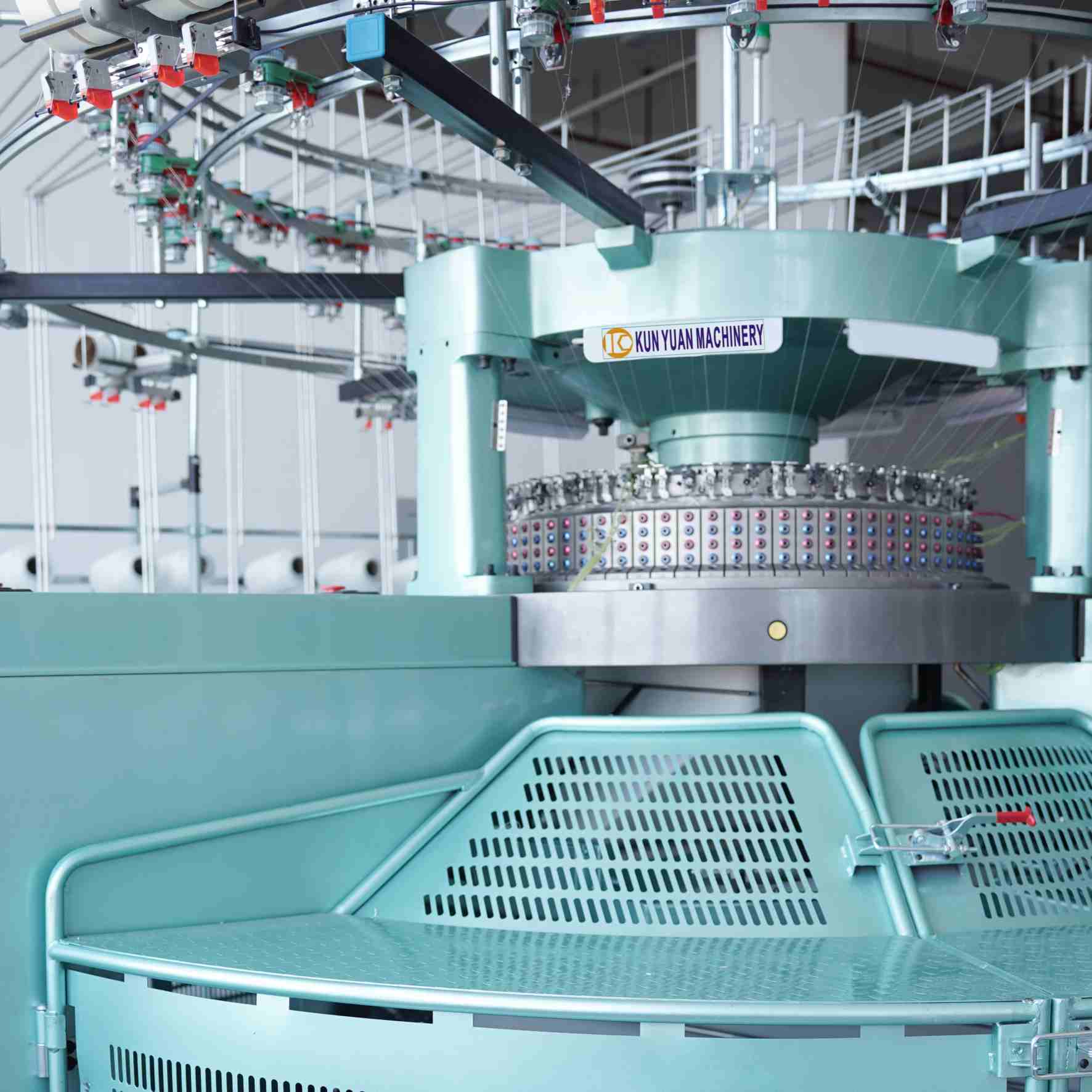
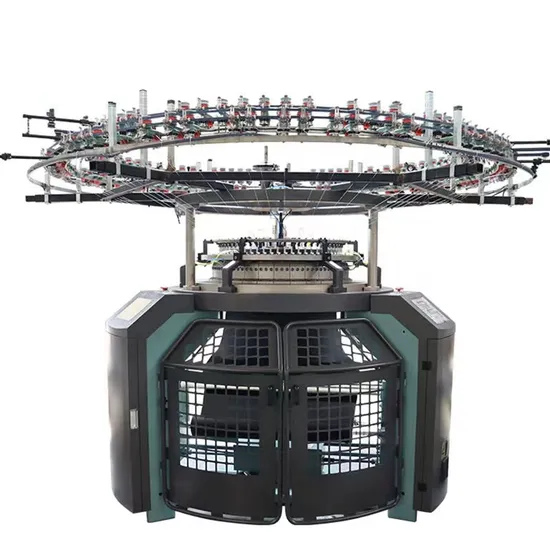
Identify the actual installed machine before discussing retained parts.Different product images do not establish interchangeability.Only configuration-specific supplier evidence supports a conversion claim.
Recommended gauge-conversion cost register
Cost layer
Evidence needed
Treatment
Decision risk
Existing assets
Written reuse classification
Credit verified retained value
Conditional reuse assumed certain
Parts and service
Itemised configuration-specific offer
Separate supply from qualified work
Missing integration or inspection
Qualification
Target fabric trial and release plan
Budget specimens, finish and review
Old recipe assumed transferable
Production impact
Order calendar and cost basis
Compare realistic alternatives
Downtime charged twice
Gauge-conversion purchasing questions
Can a new cylinder alone guarantee conversion?
No. The supplier must confirm the complete required scope for the installed build and proposed target configuration.
Which components can be reused?
Only those supported by the supplier's compatibility and condition assessment. Keep unconfirmed items in a separate unresolved category.
Does a generic gauge chart prove component fit?
No. A chart can orient a discussion, while actual selection requires machine, model, gauge and the relevant component identities.
Why budget fabric requalification?
The changed configuration must demonstrate the intended fabric. Retaining the frame does not transfer the old recipe's acceptance evidence automatically.
How should downtime enter the decision?
Use the actual order calendar and one declared costing basis. Distinguish scheduled qualification from normal operation and avoid counting the same loss twice.
Conclusion
Gauge conversion creates value only when confirmed reuse survives a complete cost comparison. Parts, competent service, fabric qualification and displaced production belong in the same decision, with distinct evidence for each. Keep unresolved compatibility visible until the supplier's proof supports the proposed return to production.
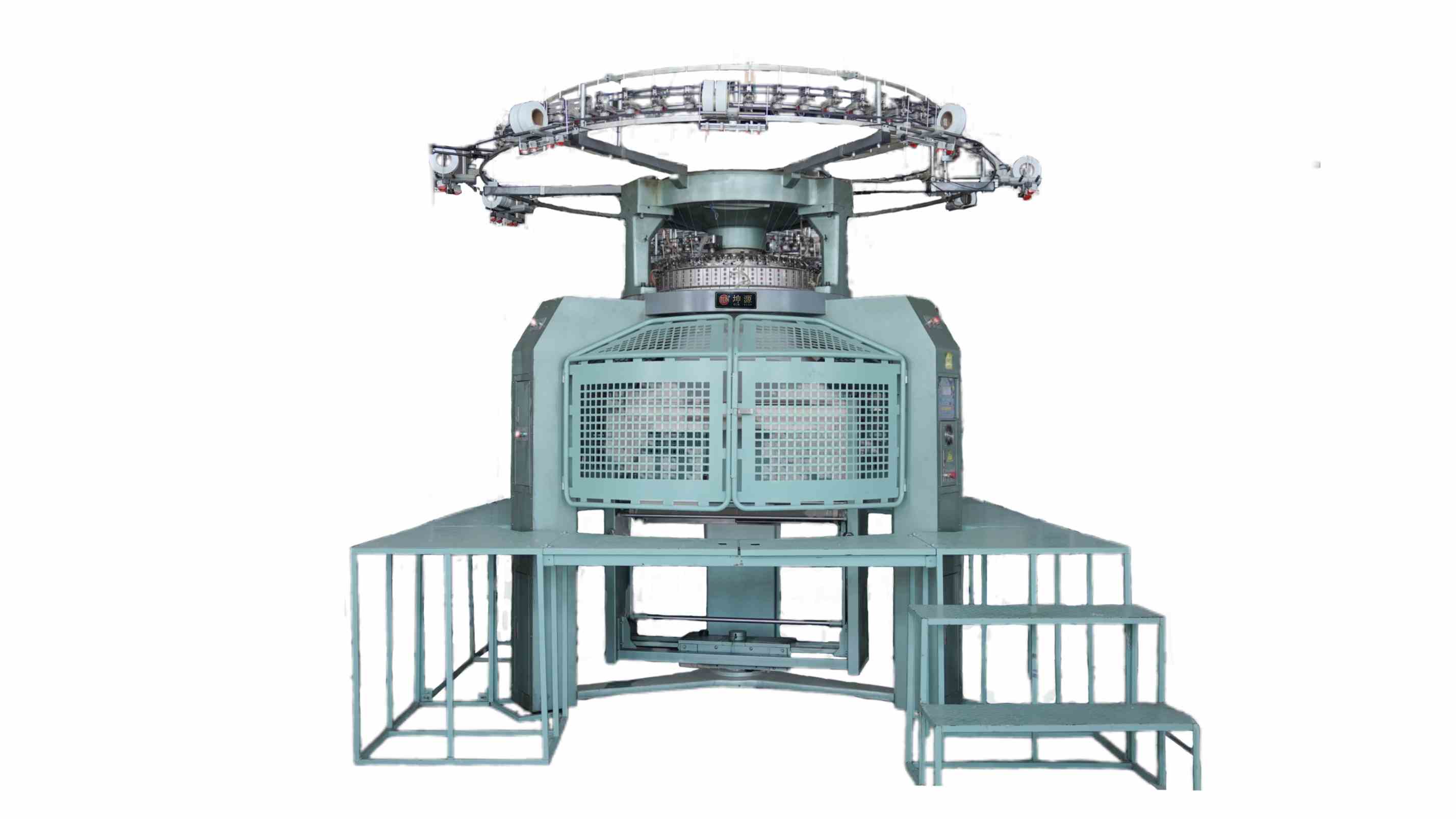
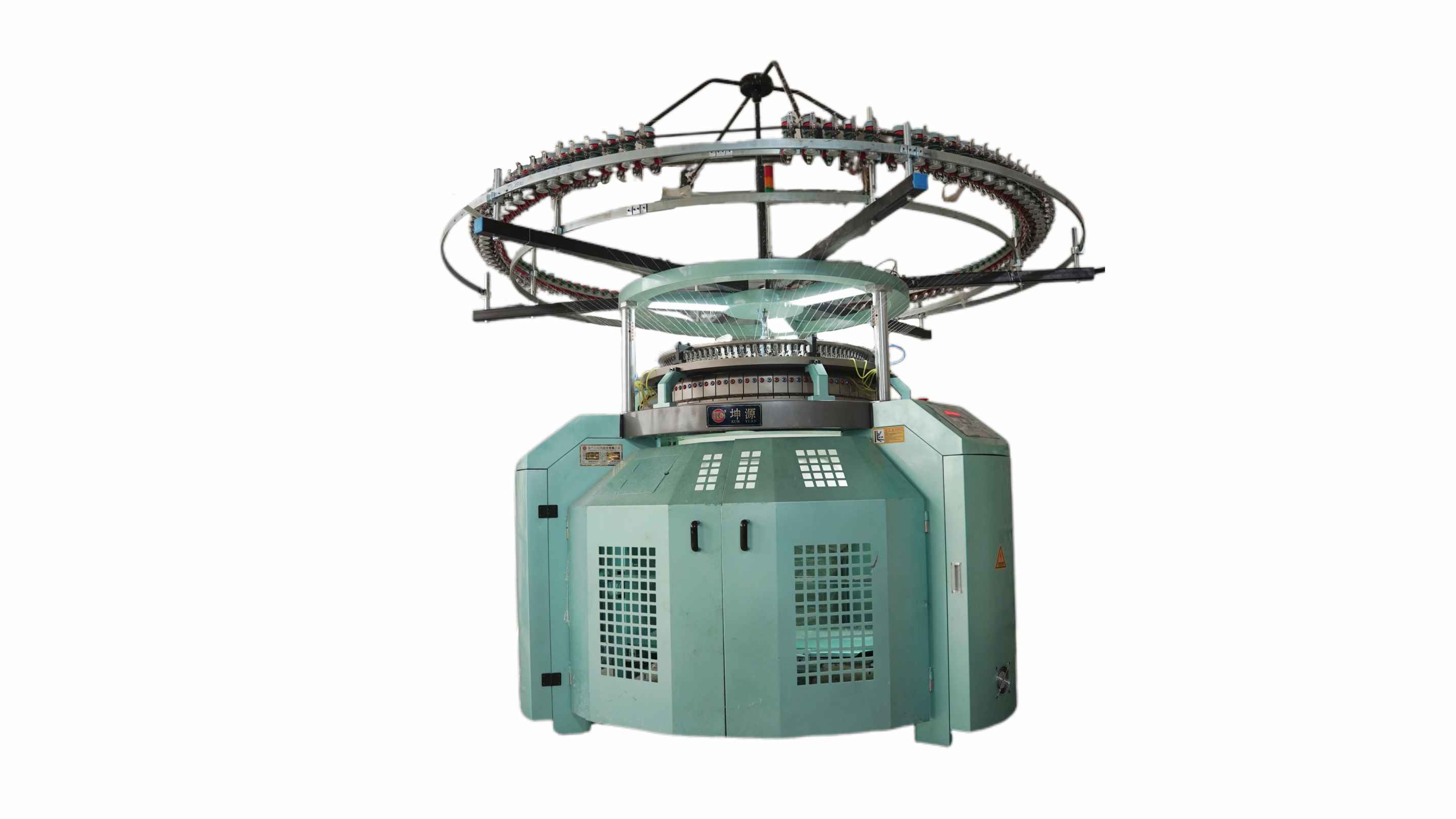
Discuss the before-and-after configuration when reviewing the Circular Knitting Machine range and request an itemised conversion proposal tied to the exact installed machine.




 Tel: +86-13859034518
 Email: info@kunyuanmachine.com
 MP/WhatsApp: +86-13859034518
 Manufacturer Address:Bacuo Village, Yonghe Town, Jinjiang City, Fujian Province